
Cultural symbols in Colorado, and what they mean
Each mark below is still used. The meaning is what people attach when they see it on a flag, a plate, a pot, or a peak.
The Colorado flag
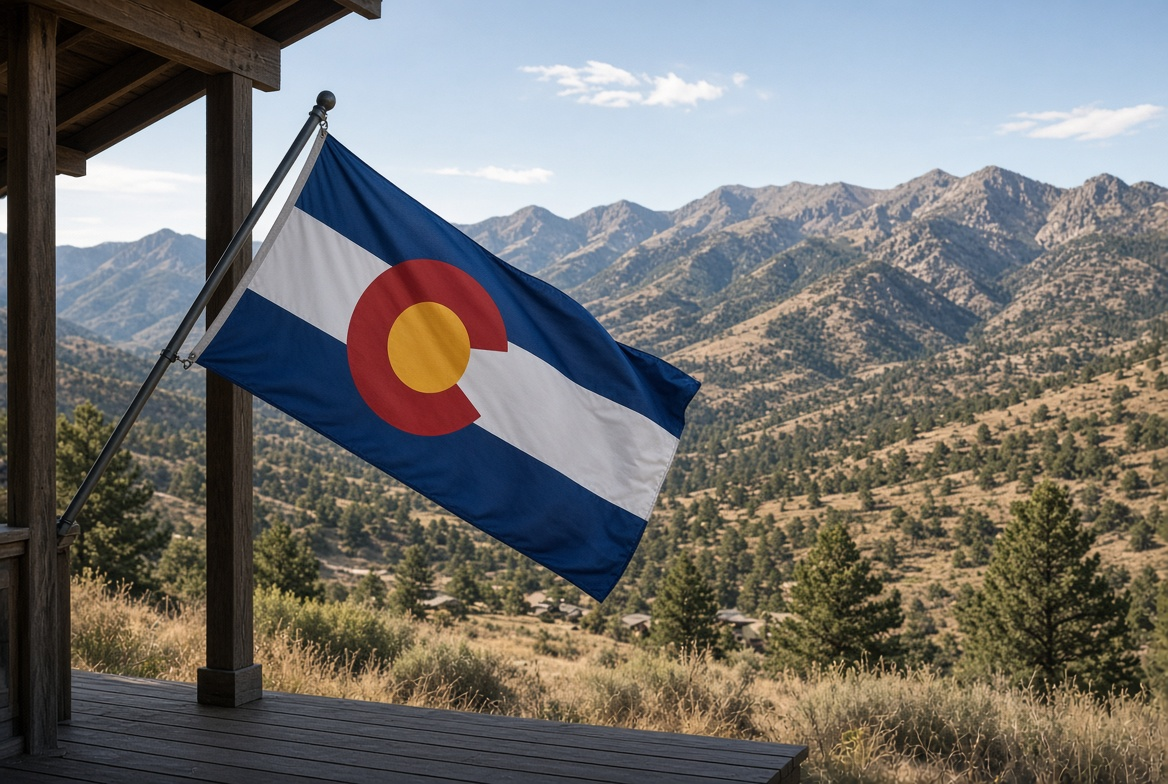
A blue field, a white stripe, a red C, and a gold disk. The C is for Colorado. The gold is the sun and the mines. The red is the soil and the Spanish root of the name. People fly it on porches without treating it as a costume.
The columbine
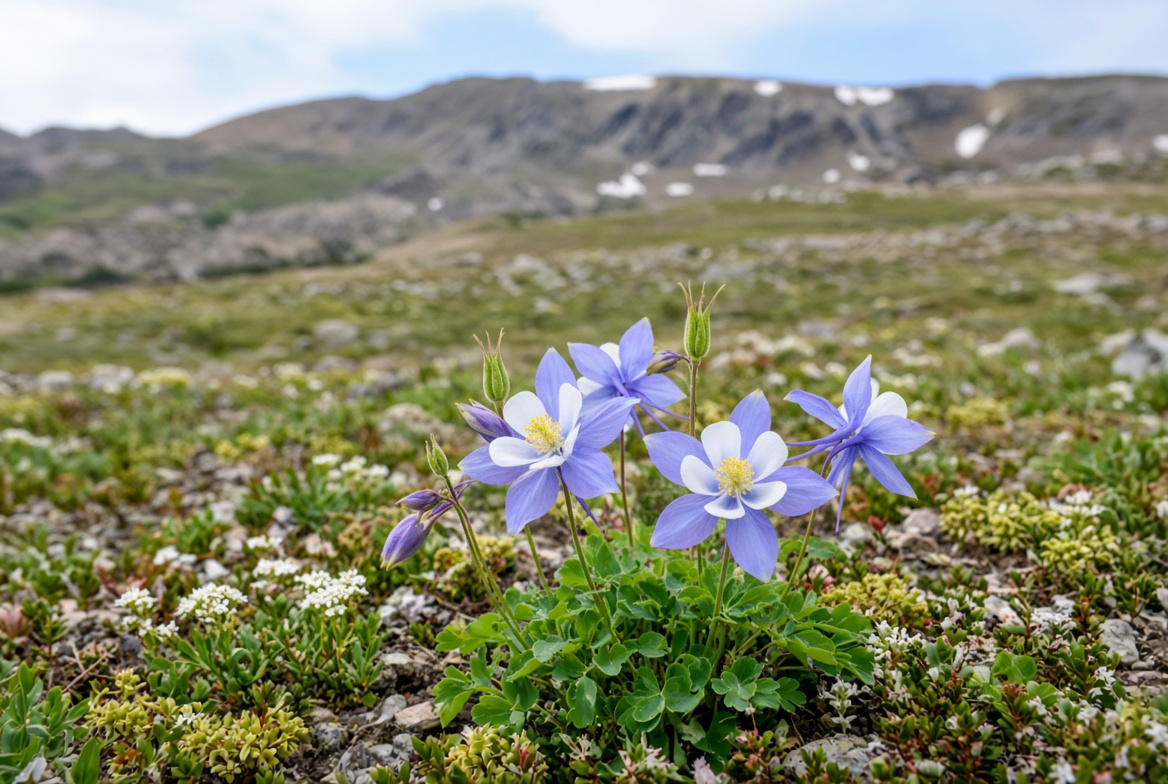
The state flower. Pale blue and white, found in high meadows. It means summer above the tree line and a plant people are asked not to pick in bulk.
The Rocky Mountain bighorn sheep
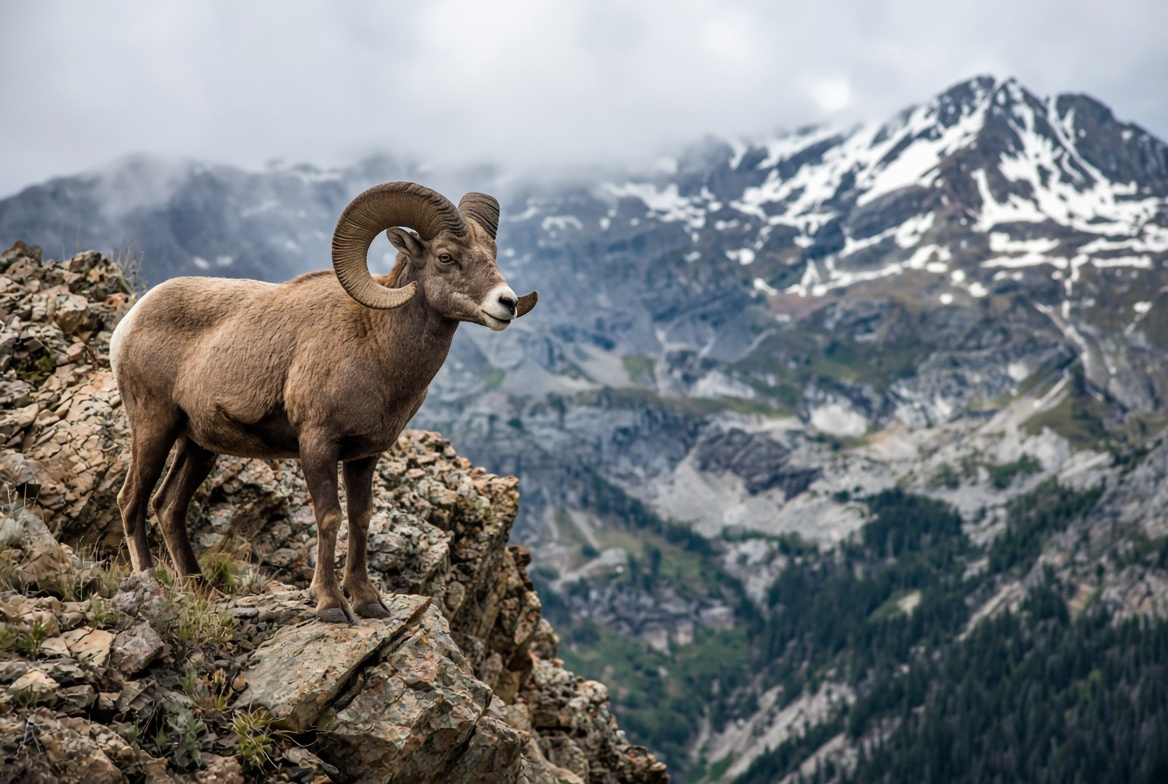
The state animal. It stands for the high country that does not forgive a bad step. A ram on a sign is not decoration. It is a warning and a boast.
The lark bunting
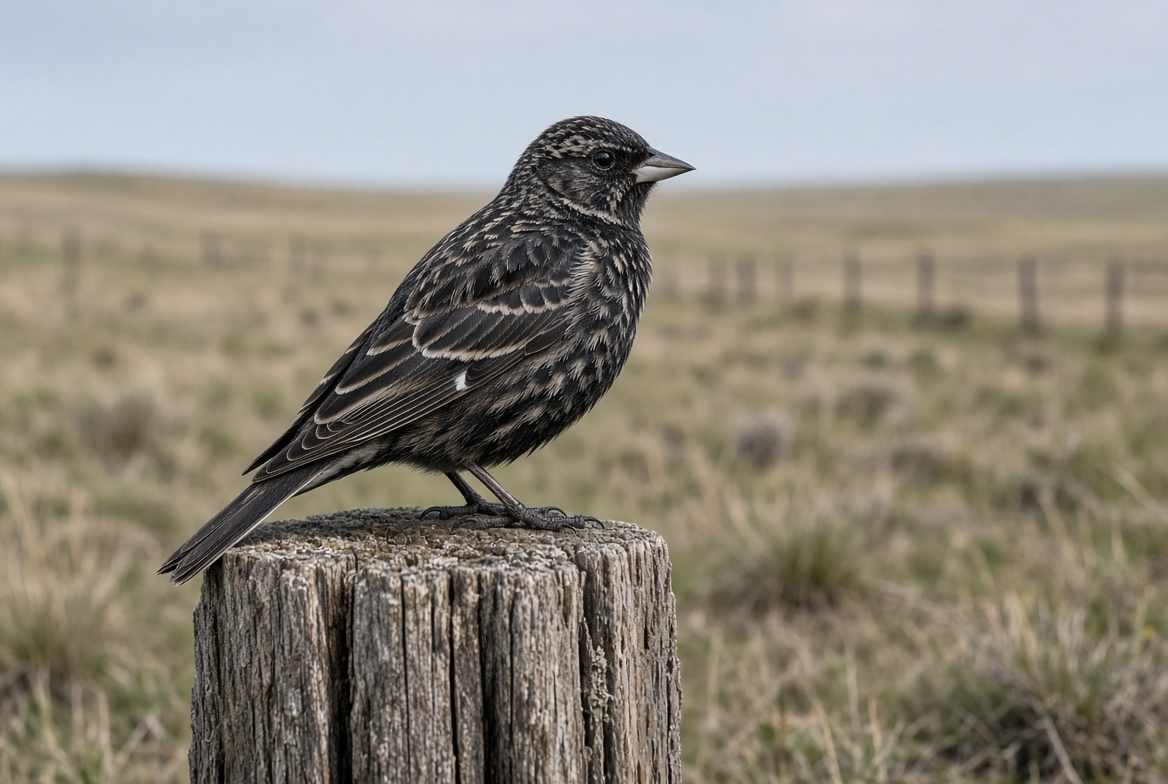
The state bird. A black-and-white bird of the eastern plains. It reminds the mountain brand that half the state is grass.
Blue spruce
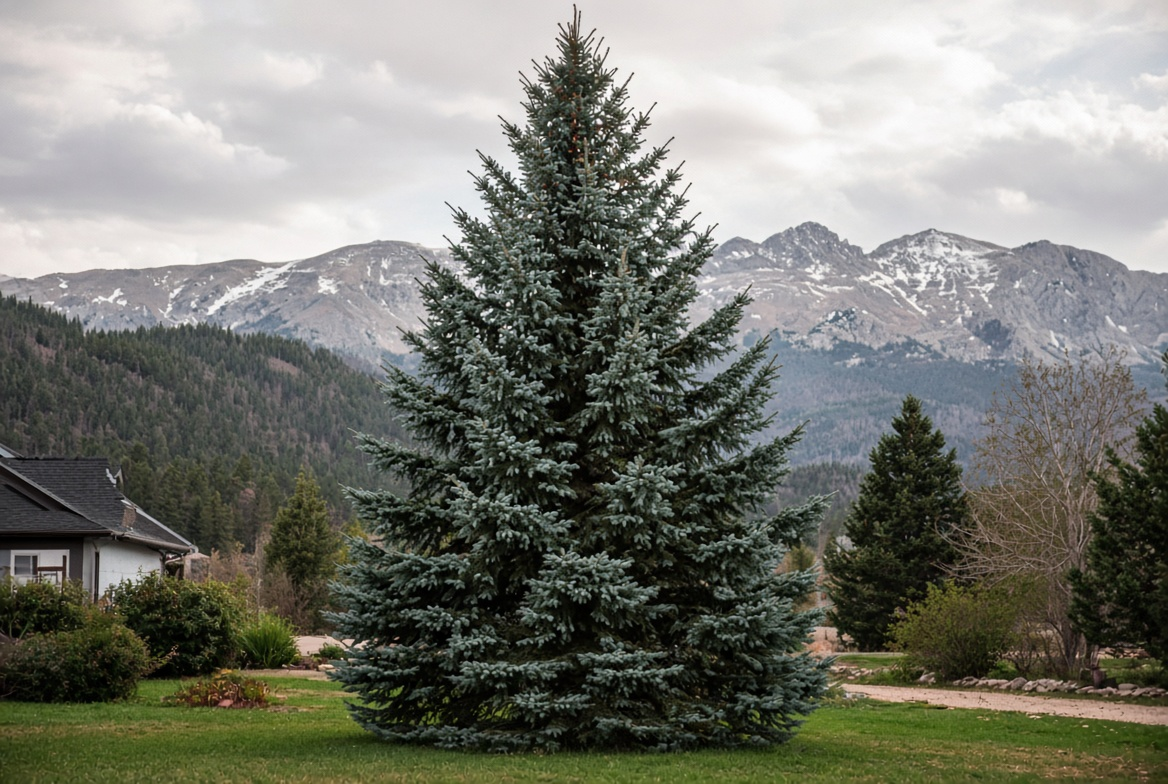
The state tree. Dark, straight, high. Planted in yards far below the altitude where it belongs. It means “we claim the mountain even on the Front Range.”
Green chile
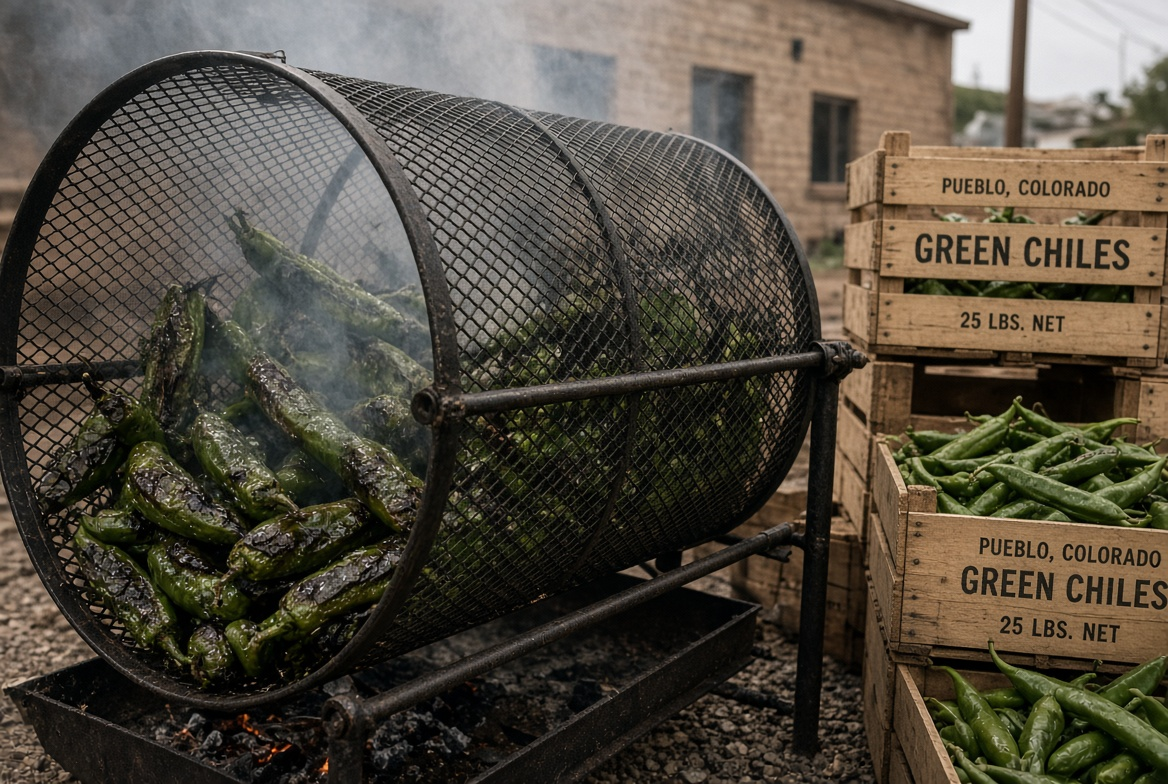
Pueblo and the rest of the state treat roasted chile as food and as identity. The smell in September is a calendar. Heat is local pride, not a tourist test.
Aspen gold
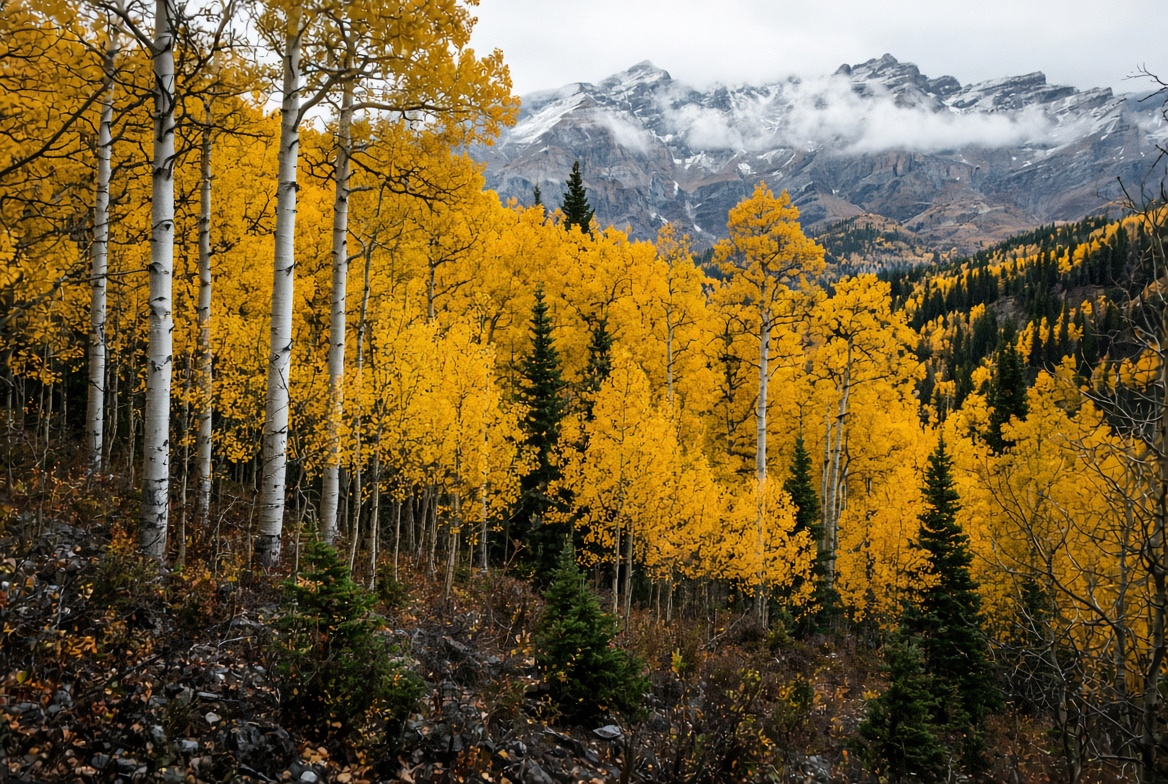
In late September the hills turn. People drive for it. The colour means a short season and a reminder that winter is coming.
A named fourteen-thousand-foot peak
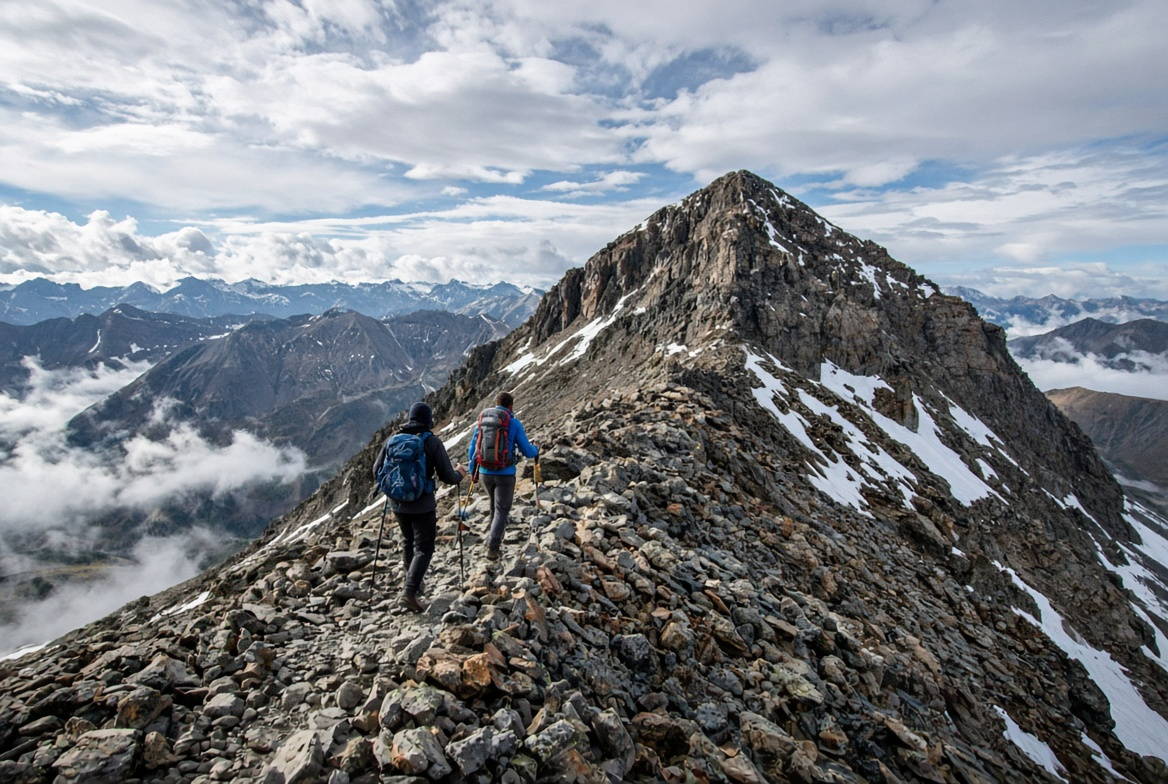
A “fourteener” is a list and a dare. Climbing one is a weekend project for some and a livelihood for guides. The peak is a symbol of work at altitude, not only a view.
The ranch brand
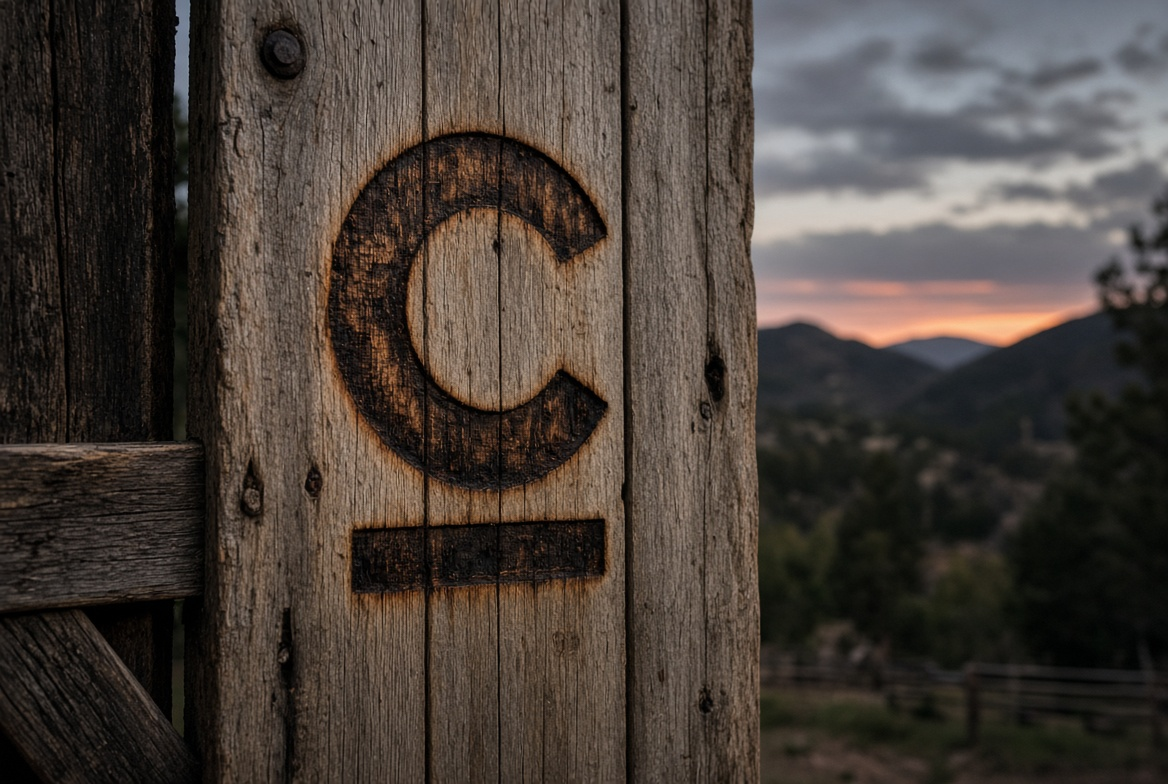
Burned into a gate or a hide. It means ownership, lineage, and a rule: close what you open.
Boots and a good hat
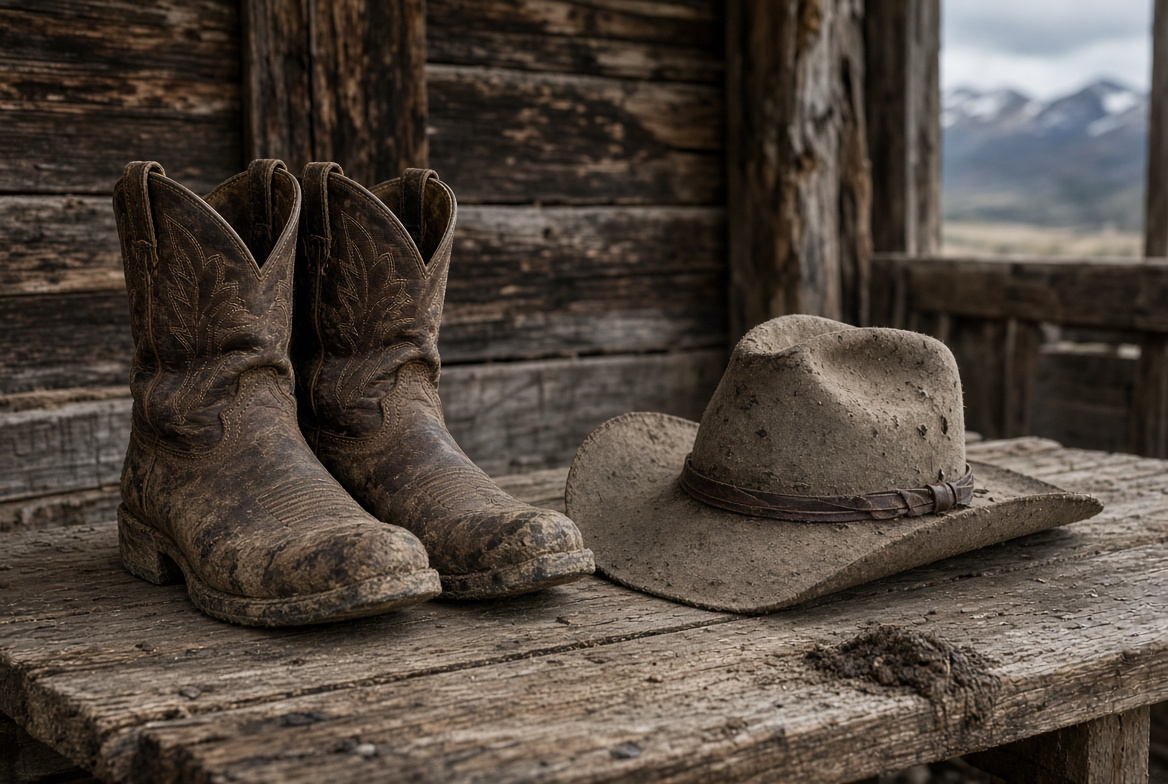
Work clothes first. Dress clothes second. At a stock show or a wedding they still read as belonging, not as costume, when the mud is real.
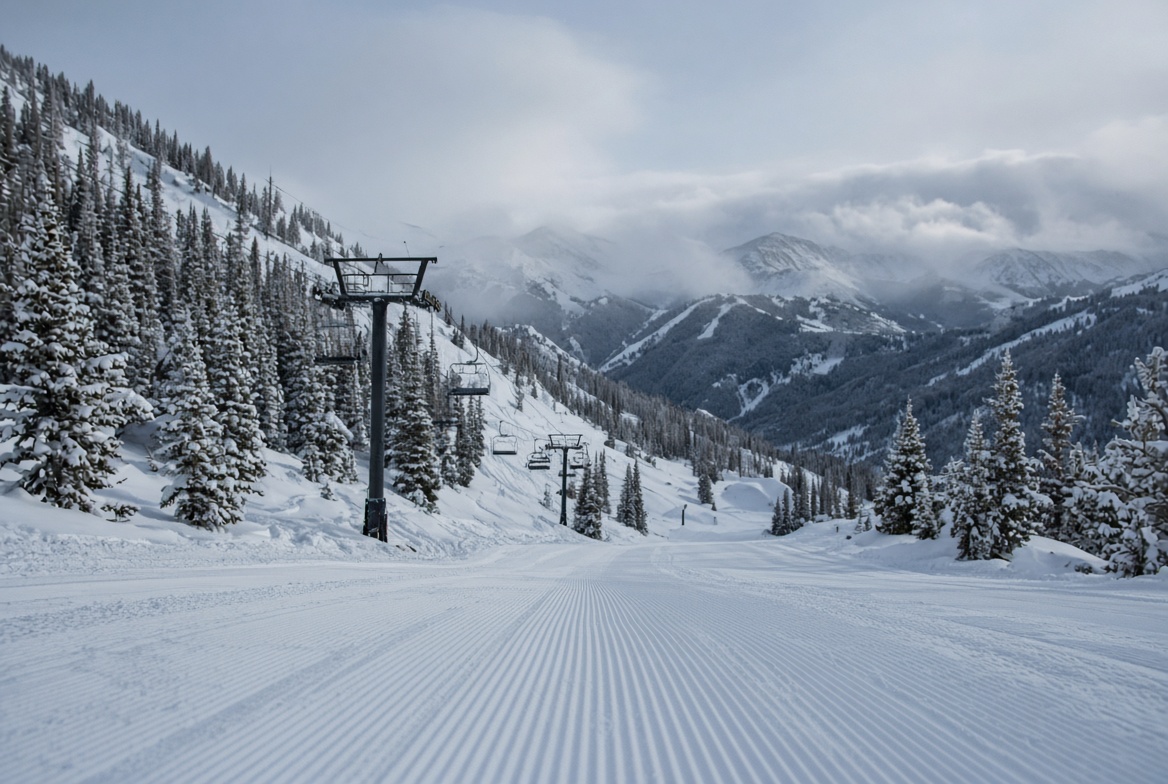
The snowflake and the ski run
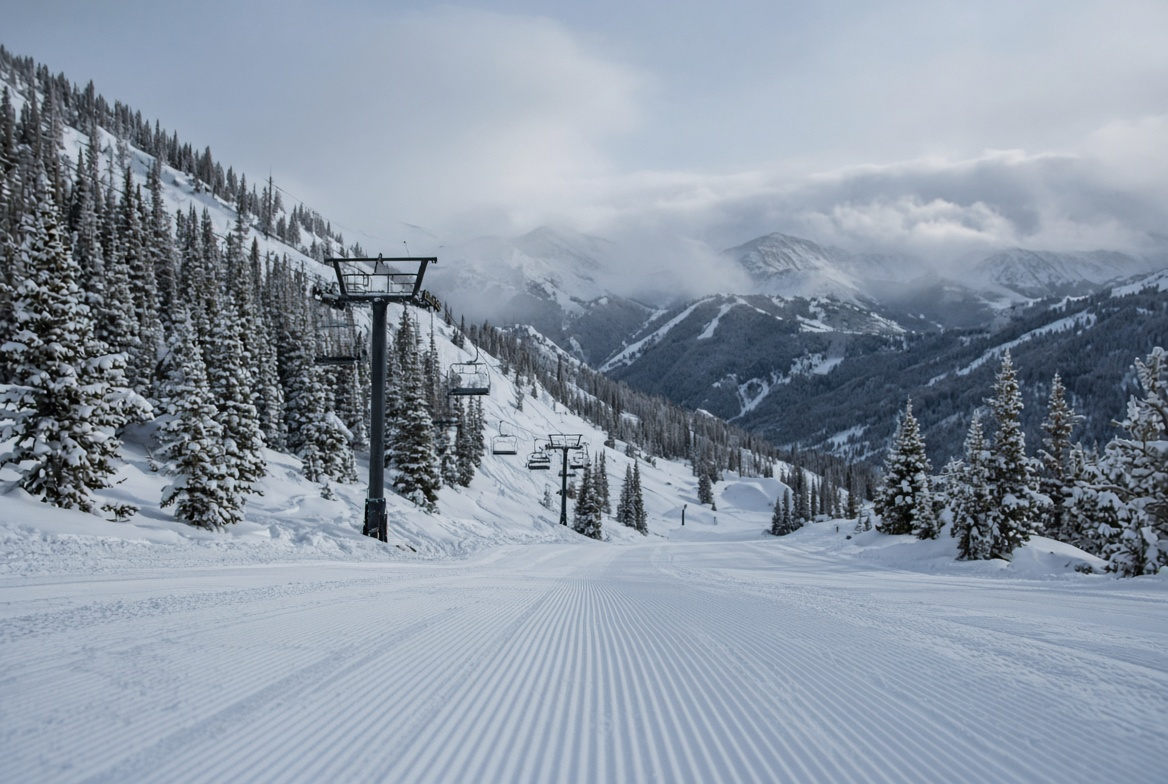
A winter economy painted onto the same mountains that hold mines and sheep. Powder is money and joy. A closed pass is the other half of the symbol.
Bison
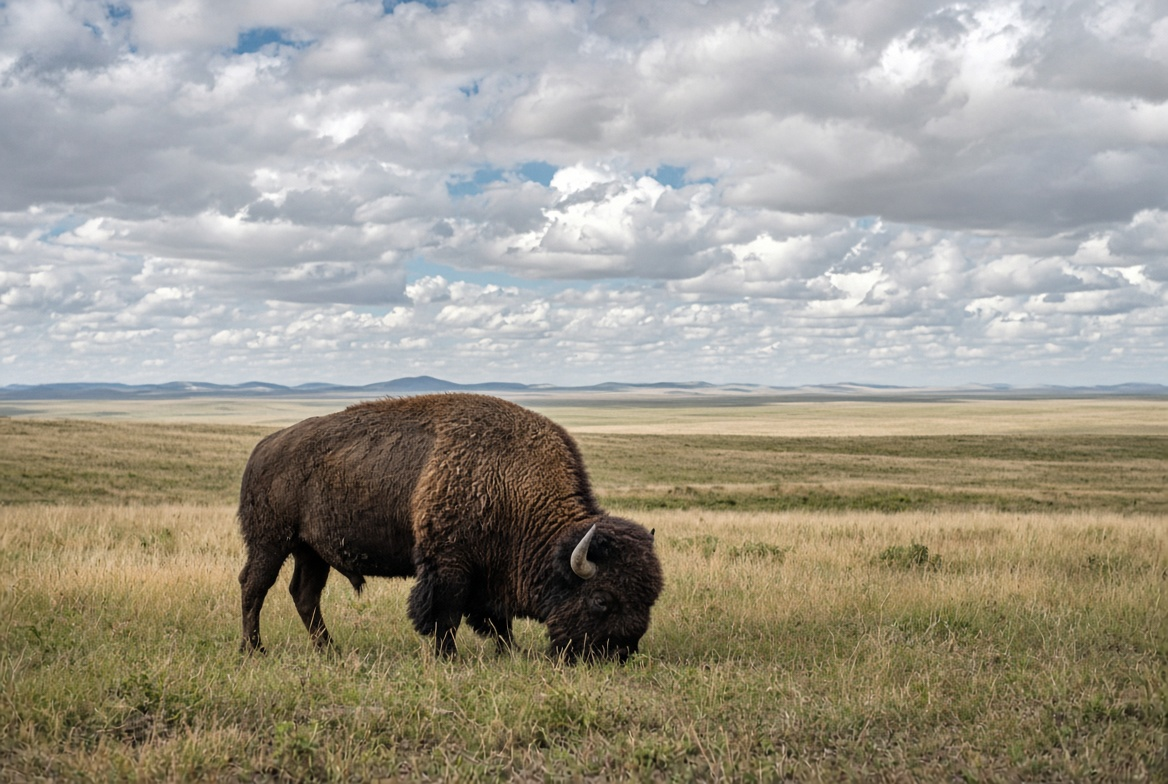
On signs, on steaks, on the edge of a park. The animal means the plains before the fence, and a species that was nearly erased.
Red rock and sandstone fins
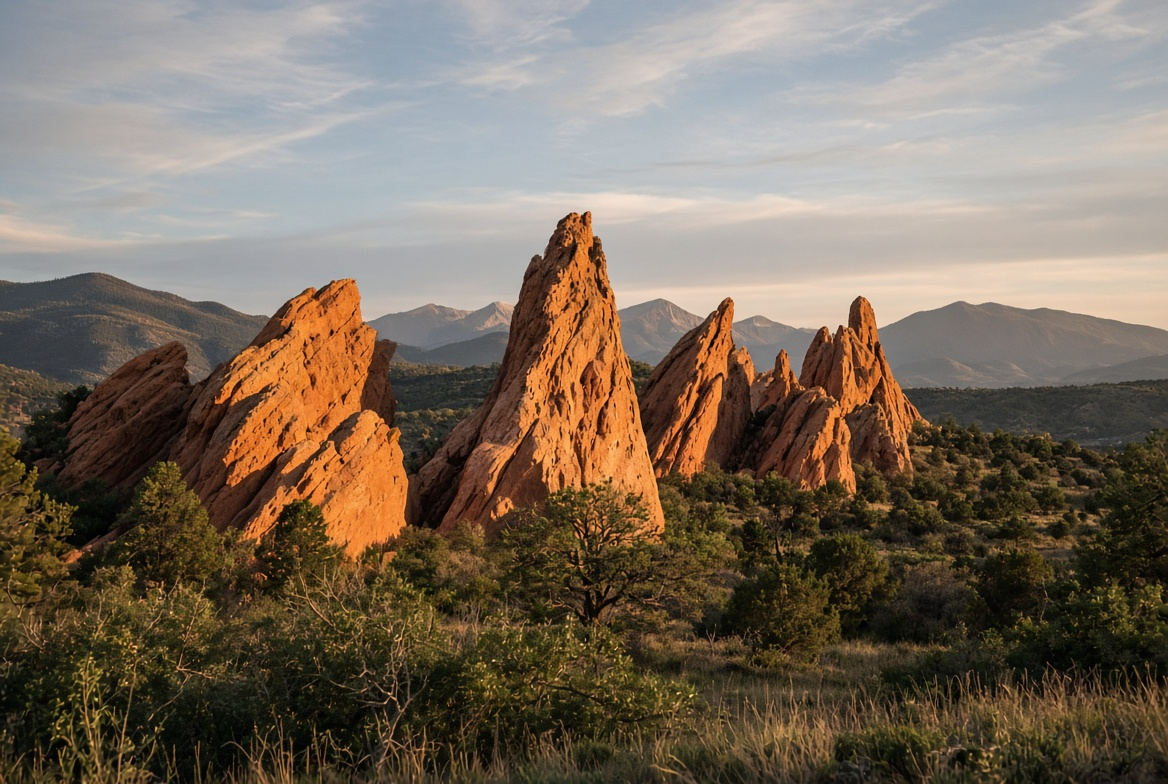
Garden of the Gods, Colorado National Monument, the Western Slope. Stone that photographs easily and still belongs to older stories than the parking lot.
The acequia and the irrigation ditch
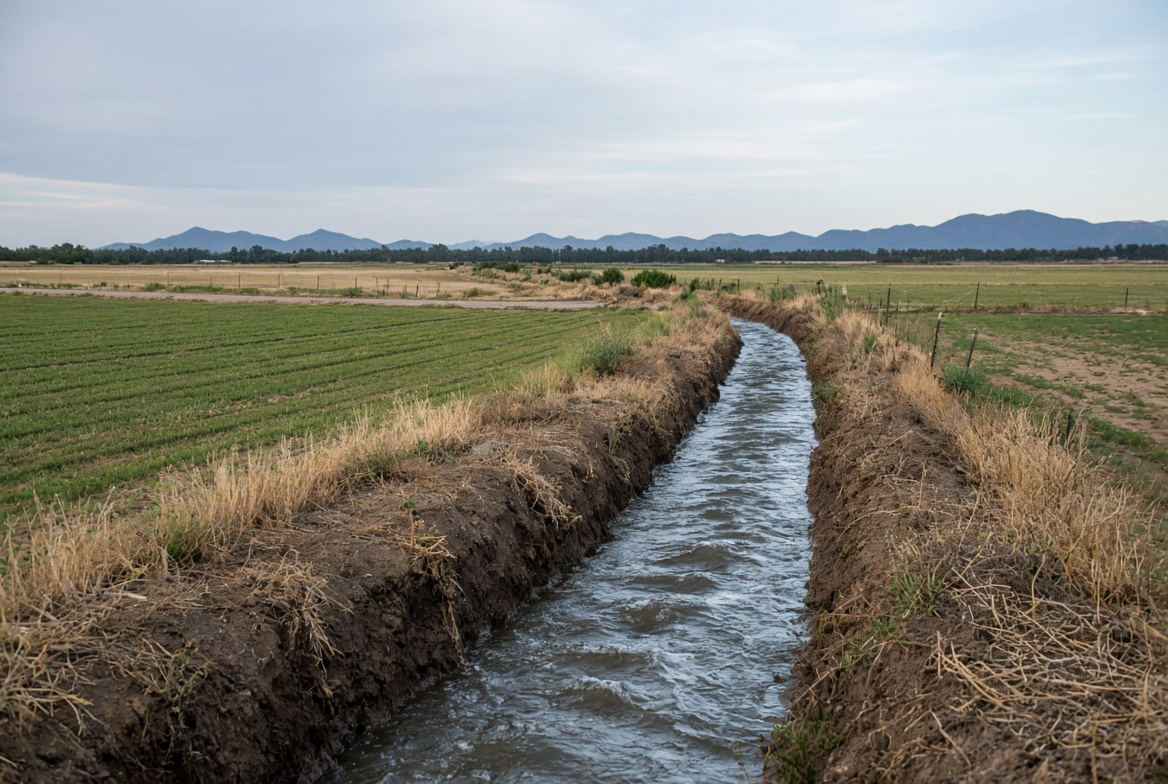
In the San Luis Valley and other farm country, water in a ditch is law and memory. The symbol is not scenic. It is how a field lives.
The narrow-gauge steam engine
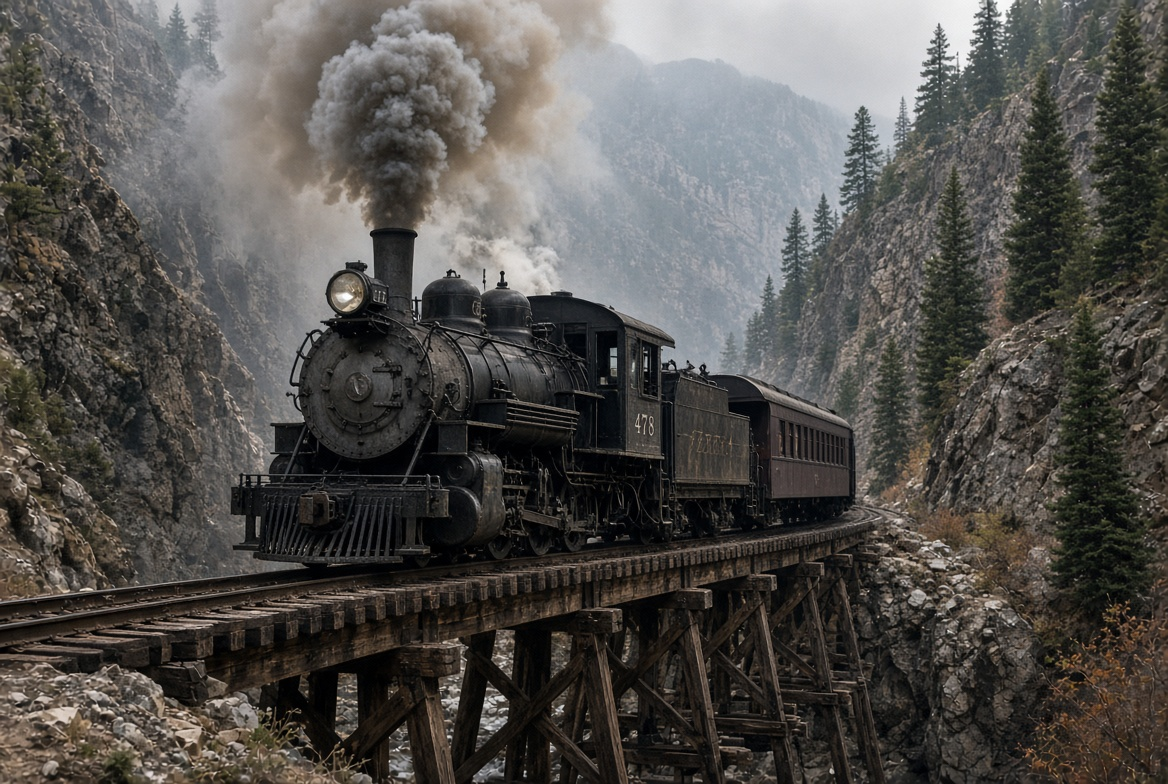
Durango, Georgetown, Leadville country. Iron that once hauled ore and now hauls visitors. It means the mountains were an industrial workplace.
“Mile High”
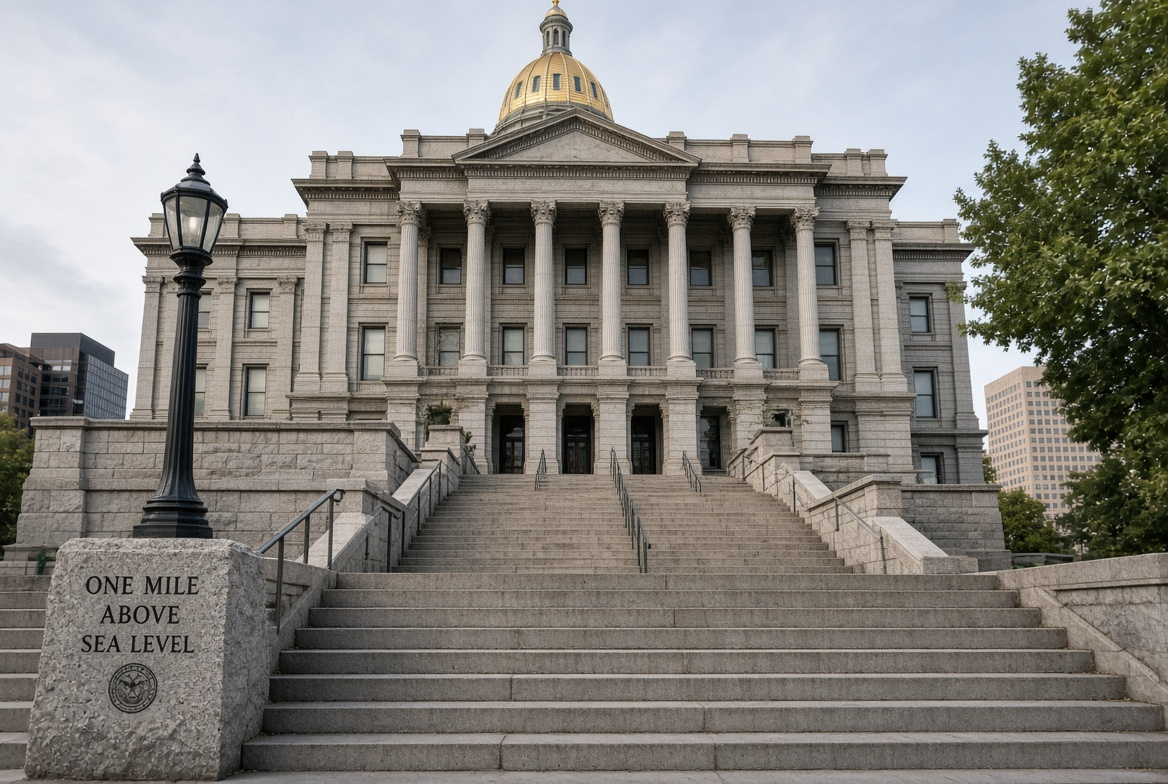
Denver’s step on the Capitol and the city’s nickname. It means altitude as civic identity, and a warning that the air is thinner than it looks.
What holds the symbols together
A good mark in this state still has to work on a gate, a pot, a trail sign, or a winter morning. If it only works on a postcard, people here will let it pass.