
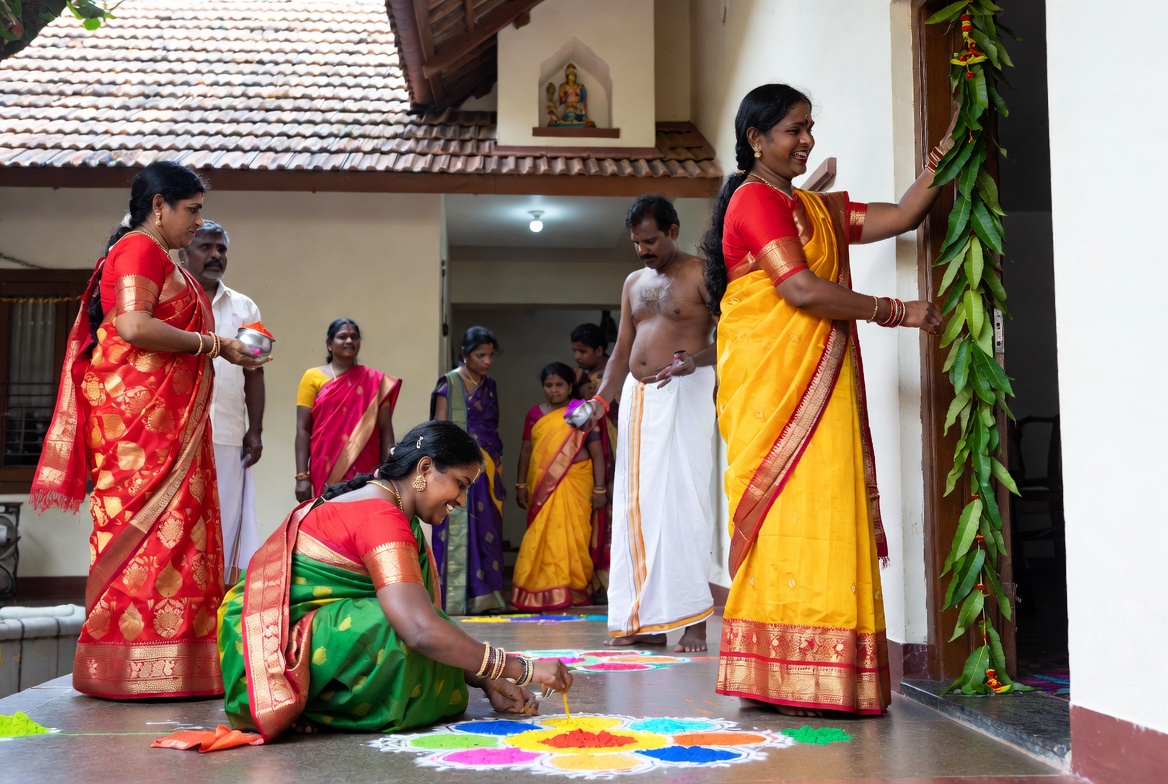
Gudi Padwa
One of the most significant festivals in our Marathi community is Gudi Padwa, our traditional New Year, celebrated on the first day of the Chaitra month (usually March–April).
A Childhood Memory
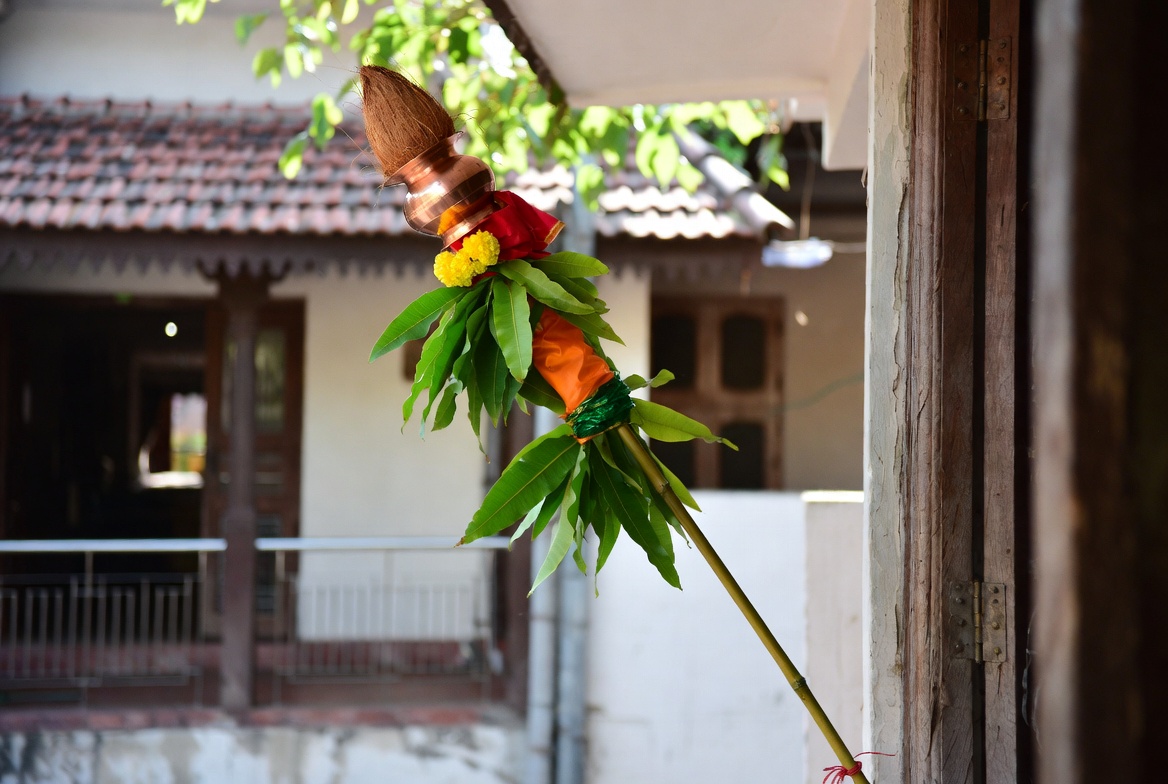
I still remember waking up early on Gudi Padwa morning as a child in Pune. My grandmother would have already raised the Gudi — a bright green or saffron cloth tied to a bamboo pole, adorned with mango leaves, marigolds, and a copper pot (kalash) on top. She told us the story of how Lord Rama returned to Ayodhya after 14 years of exile, and how the gudi symbolizes victory, prosperity, and new beginnings.
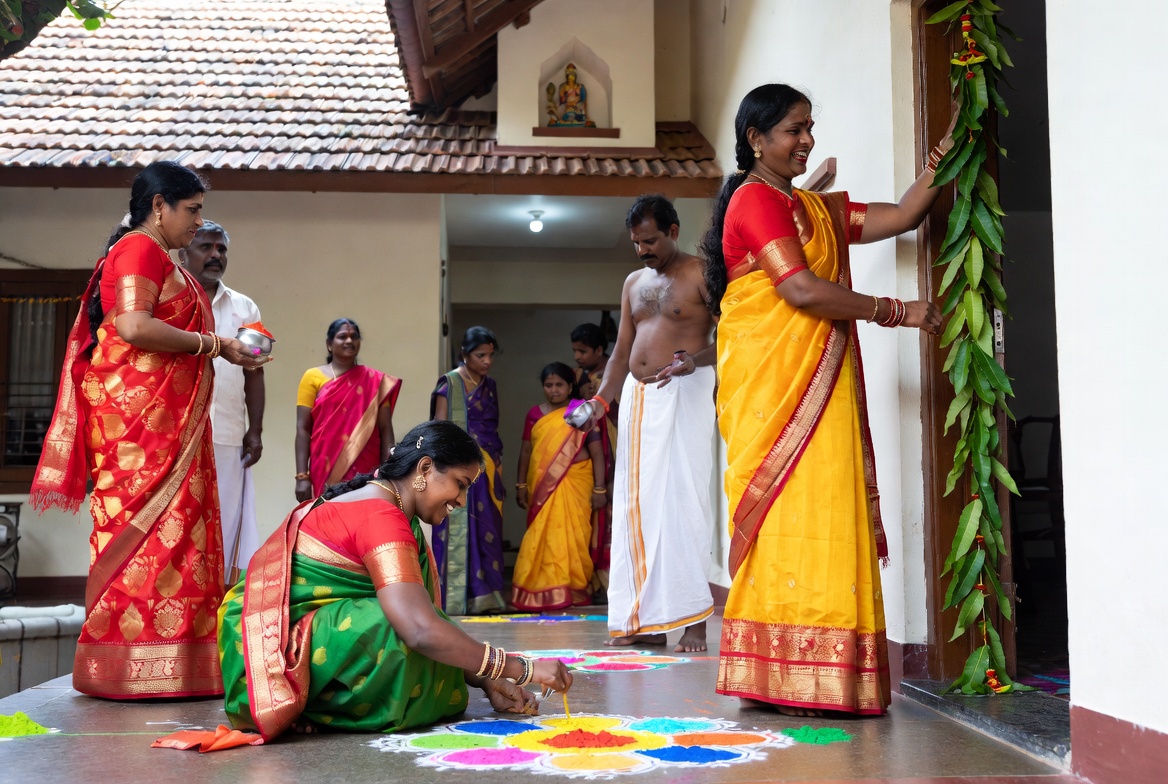
That year, our whole extended family gathered at my grandparents’ house. The women prepared a special festive thali — Puran Poli, shrikhand, aamras (mango pulp), and spicy potato bhaji. My cousins and I helped decorate the house with rangoli (colorful floor designs) and fresh torans (mango leaf garlands) on the door.
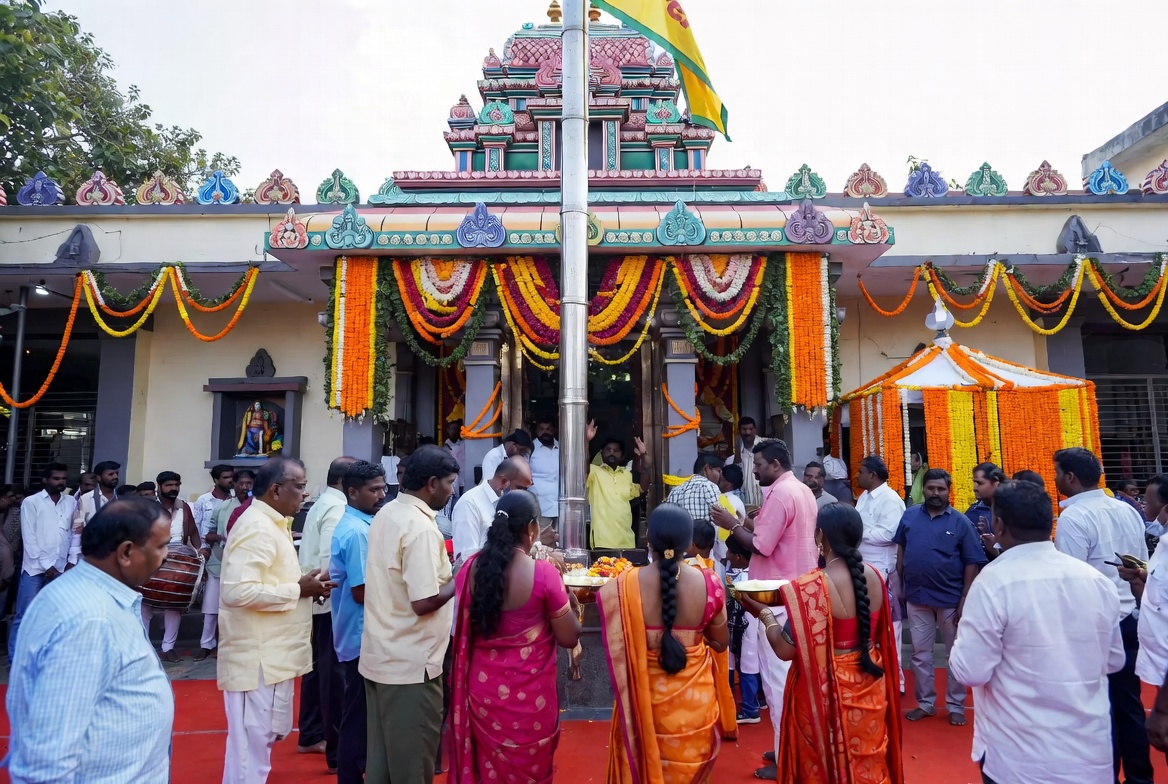
In the evening, we all wore new clothes and visited the neighborhood temple. The air was filled with the sound of dhol and lezim (traditional instruments), and people danced with joy. My grandmother explained that the gudi facing upwards represents looking forward to a bright future, while the neem leaves in the decoration remind us to stay strong and healthy even in tough times.
Gudi Padwa taught me the importance of hope, family unity, and starting fresh every year.
This festival beautifully marks the arrival of spring and new beginnings in our community. It is celebrated with enthusiasm across Maharashtra — from grand processions in cities to simple family rituals in villages.