
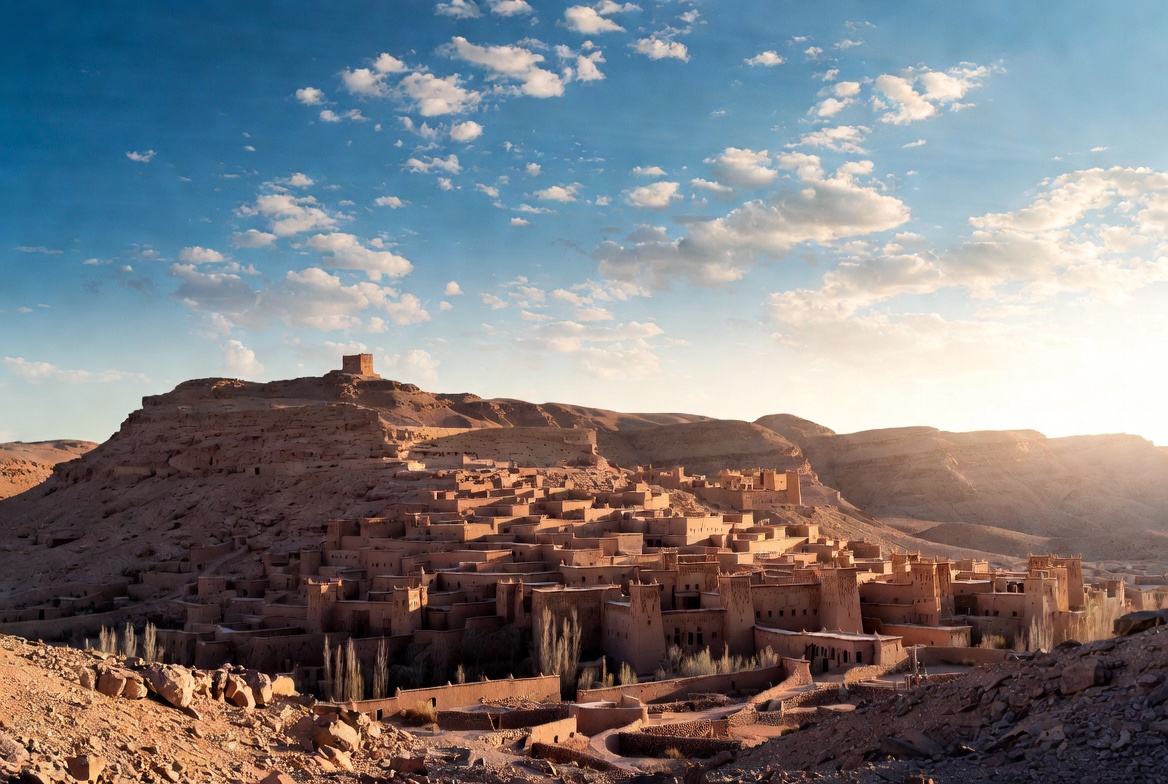
Historical landmarks in Morocco
Morocco is incredibly rich in history, with layers of Berber, Roman, Arab, Andalusian, and colonial influences. It has 9 UNESCO World Heritage Sites (the most in North Africa), reflecting its role as a crossroads of civilizations. Here are some of the most important historical landmarks and their significance:
Medina of Fez (Fes el-Bali)
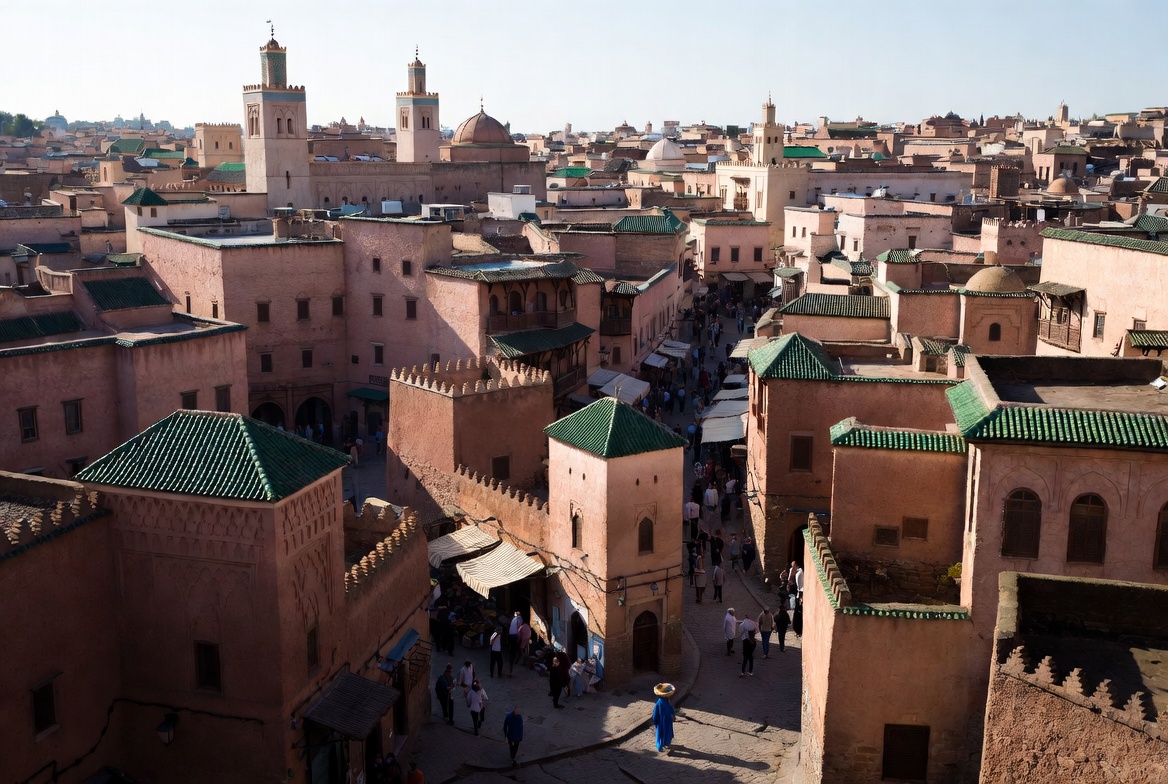 Significance: Founded in the 9th century, it’s one of the world’s oldest living medieval cities and a spiritual/cultural heart of Morocco. It was the capital under the Marinid dynasty and a major center of learning (University of Al Quaraouiyine is one of the oldest in the world). Famous for its tanneries, madrasas (e.g., Bou Inania), and labyrinthine alleys.
- UNESCO: 1981.
Medina of Marrakech
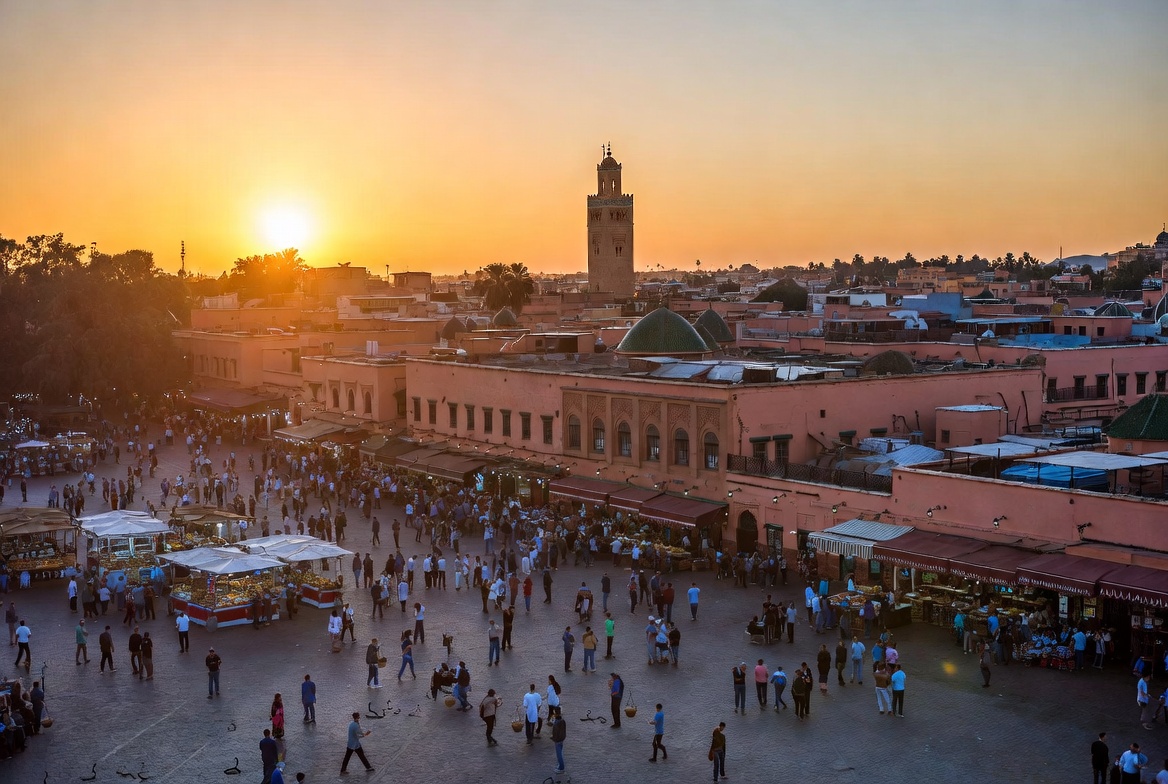 Significance: Founded in the 11th century by the Almoravids, it was a major trading and cultural hub. Features the iconic Jemaa el-Fna square (a UNESCO Intangible Heritage site with storytellers, musicians, and markets), Koutoubia Mosque, and Bahia Palace.
- UNESCO: 1985.
Ksar of Aït Ben Haddou
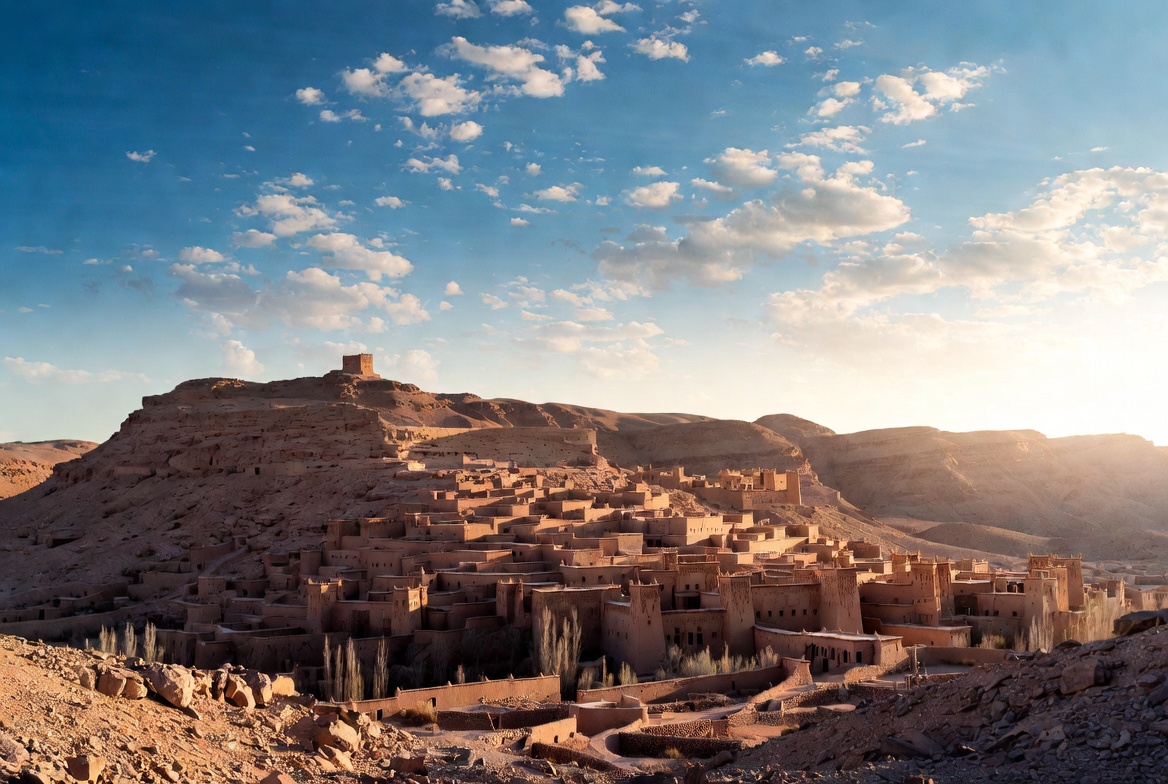 Significance: A stunning fortified village (ksar) made of earthen architecture along ancient caravan routes from the Sahara to Marrakech. It exemplifies traditional Berber defensive settlements and has appeared in films like Gladiator and Game of Thrones.
- UNESCO: 1987.
Historic City of Meknes
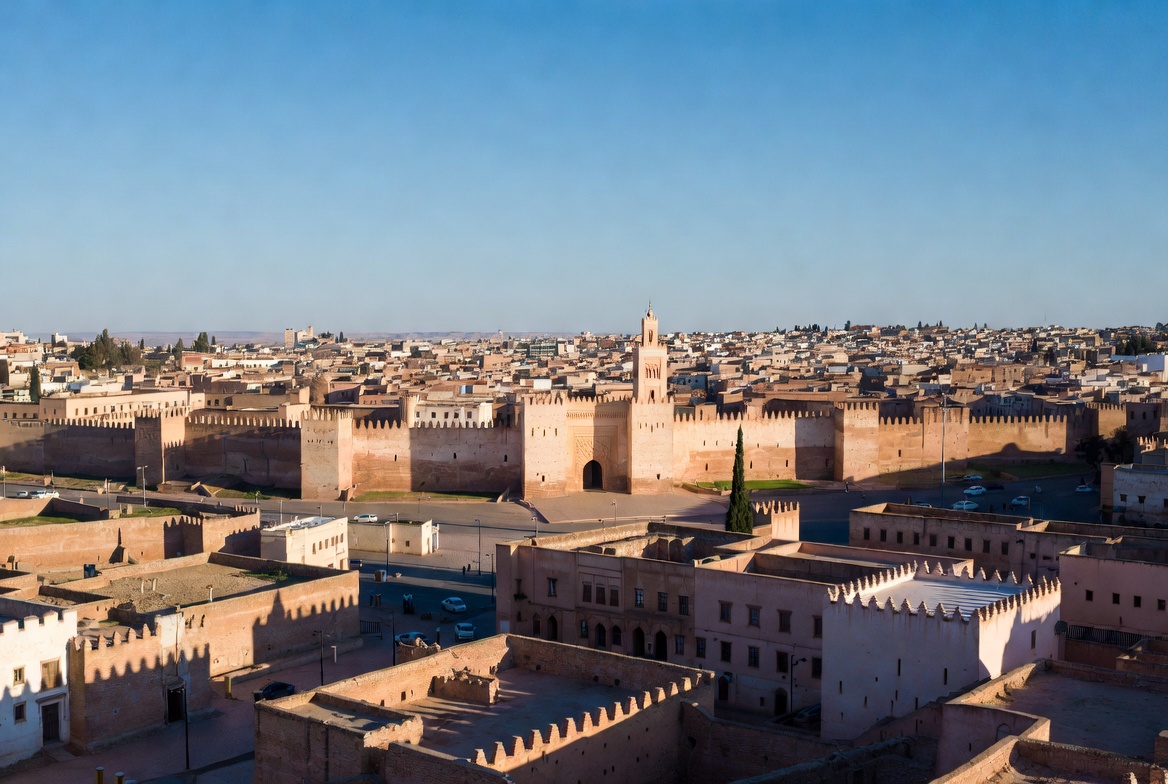 Significance: Built as an imperial capital in the 17th century by Sultan Moulay Ismail (who sought to rival Versailles). Known for massive gates (Bab Mansour), palaces, and granaries. Blends Islamic and European styles.
- UNESCO: 1996.
Volubilis (Archaeological Site)
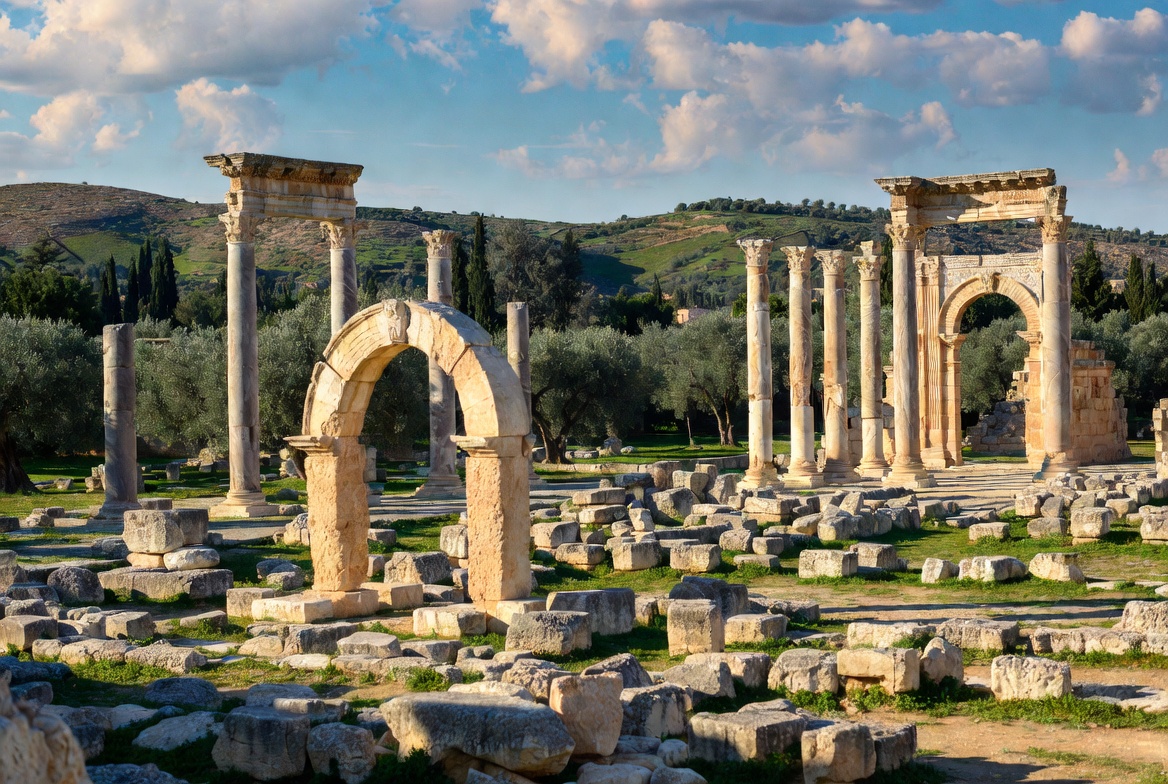 Significance: One of Morocco’s best-preserved Roman ruins (dating to the 3rd century BC–3rd century AD). It was a prosperous outpost of the Roman Empire with grand arches, mosaics, basilicas, and olive presses. Highlights Berber-Roman cultural fusion.
- UNESCO: 1997.
Hassan II Mosque (Casablanca)
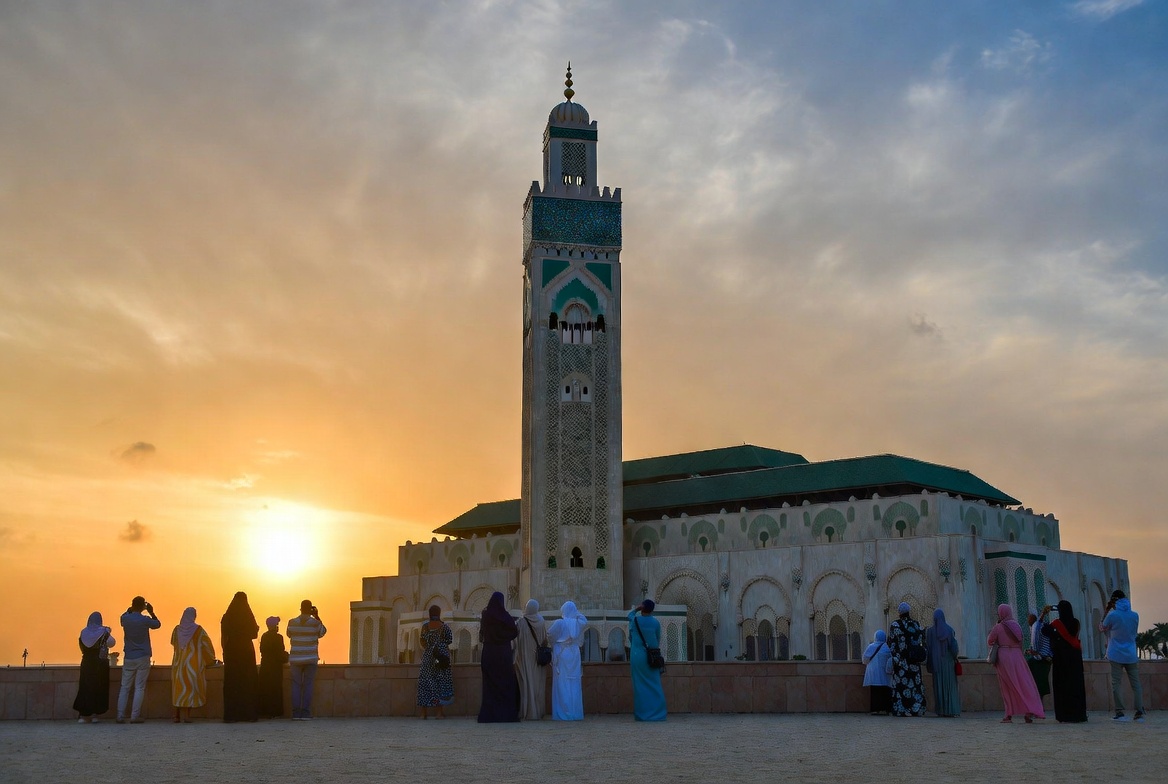
Significance: Completed in 1993, it’s one of the largest mosques in the world. Built partly over the Atlantic Ocean, it symbolizes modern Moroccan Islamic architecture and national pride. Open to non-Muslims for guided tours (unlike most mosques)
Medina of Tétouan (formerly Titawin)
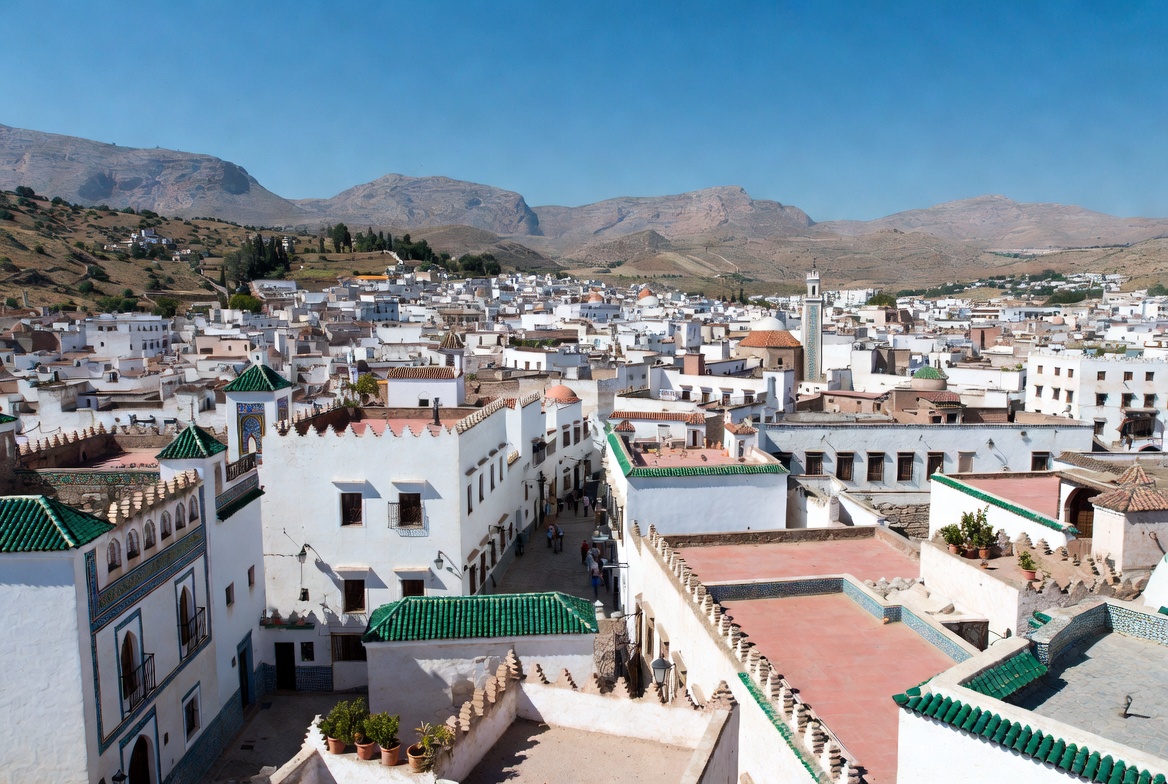
Significance: A remarkably well-preserved Andalusian-style medina influenced by Moorish refugees from Spain. Known for its whitewashed houses, intricate tilework, and role as a cultural bridge between Morocco and Andalusia.
- UNESCO: 1997.
Medina of Essaouira (formerly Mogador)
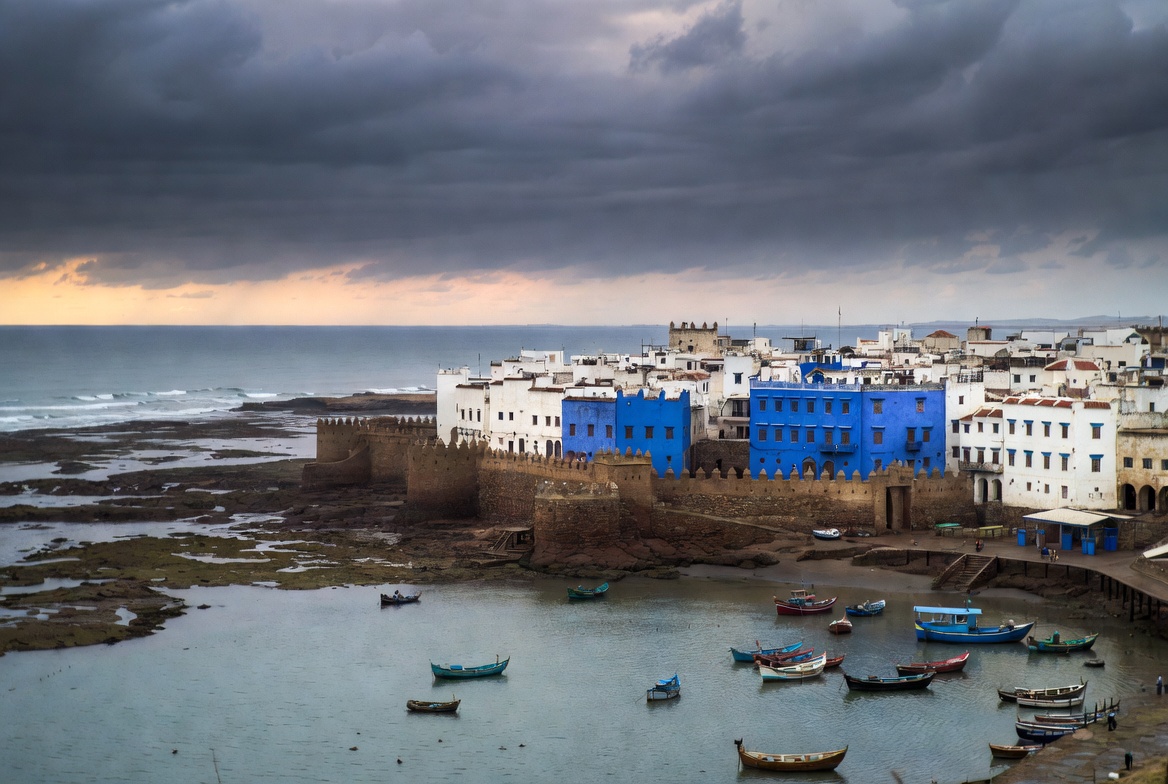
Significance: A fortified coastal town designed by a French architect in the 18th century. It was a major trading port for spices, gold, and slaves, blending European, Arab, and Berber elements. Famous for its blue-and-white architecture, ramparts, and seafood.
- UNESCO: 2001.
Portuguese City of Mazagan (El Jadida)
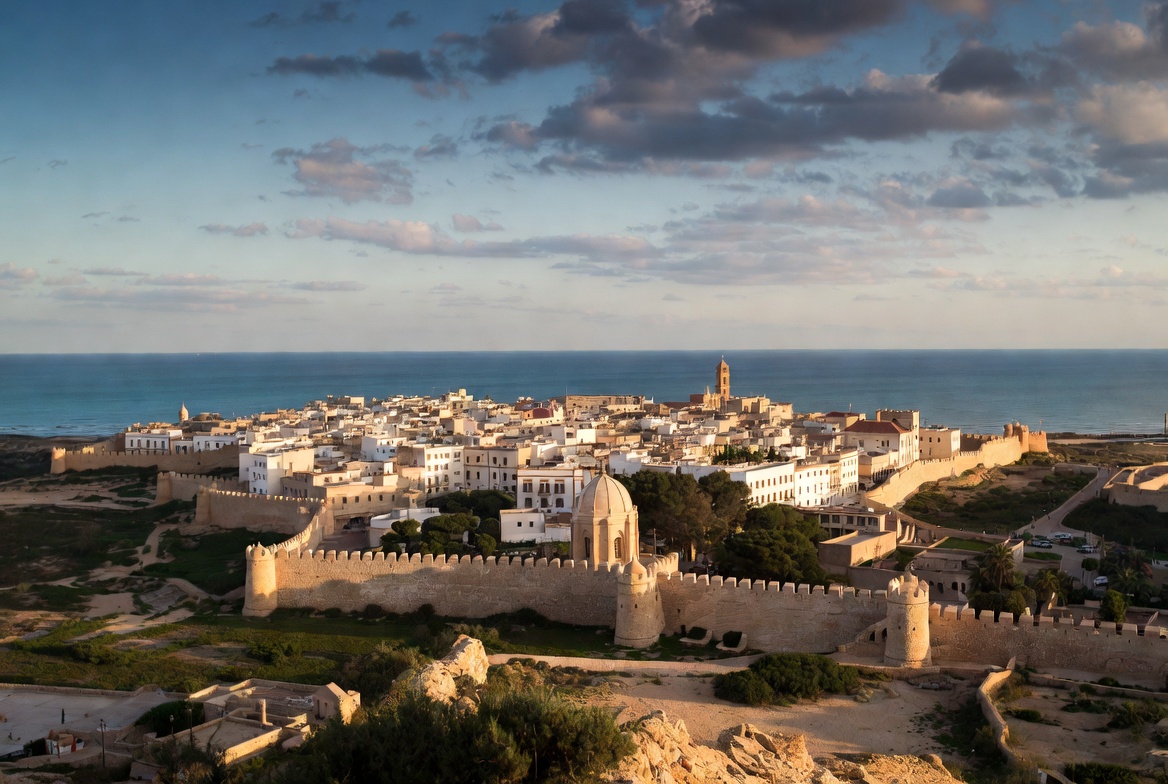
Significance: A 16th-century Portuguese fortified colony with intact ramparts, a cistern, and Manueline-style architecture. It represents early European colonial presence in Africa and later served as a melting pot of cultures.
- UNESCO: 2004.