
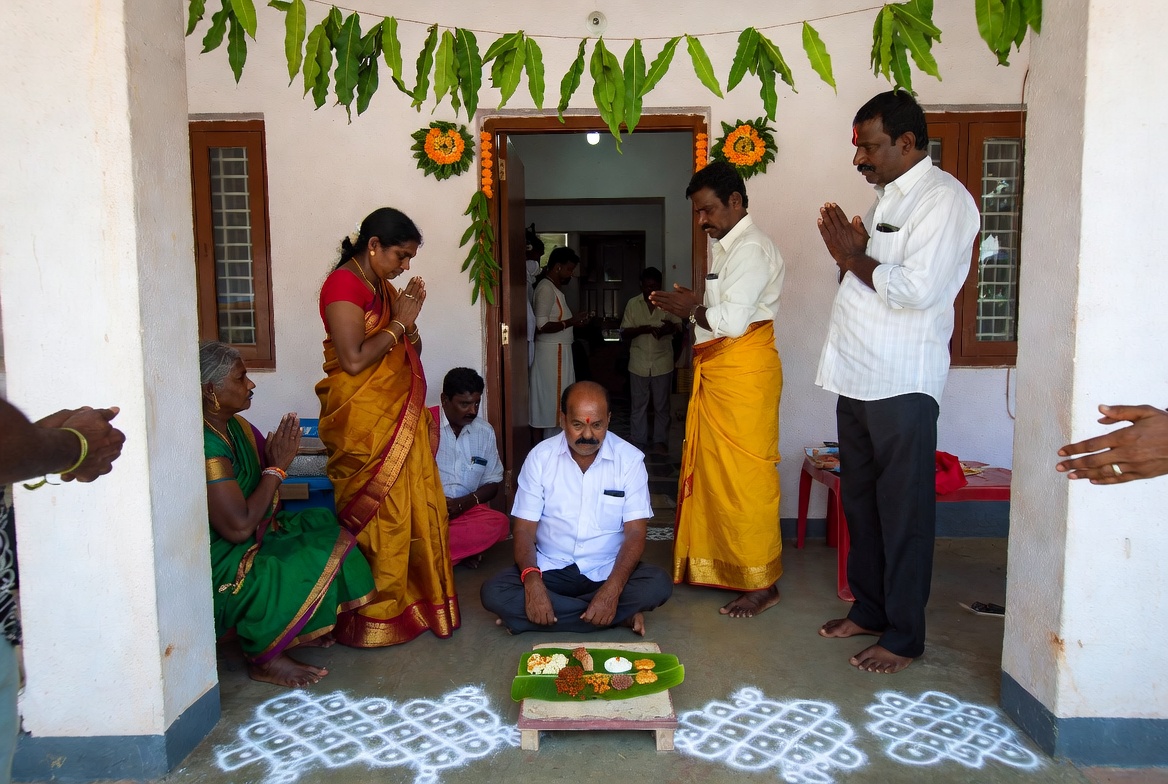
Important Festivals Celebrated in Tamil India
Tamil culture has a vibrant festival calendar deeply rooted in agriculture, devotion, and community. Here are some of the most significant ones:
1. Pongal (Thai Pongal) – Mid-January
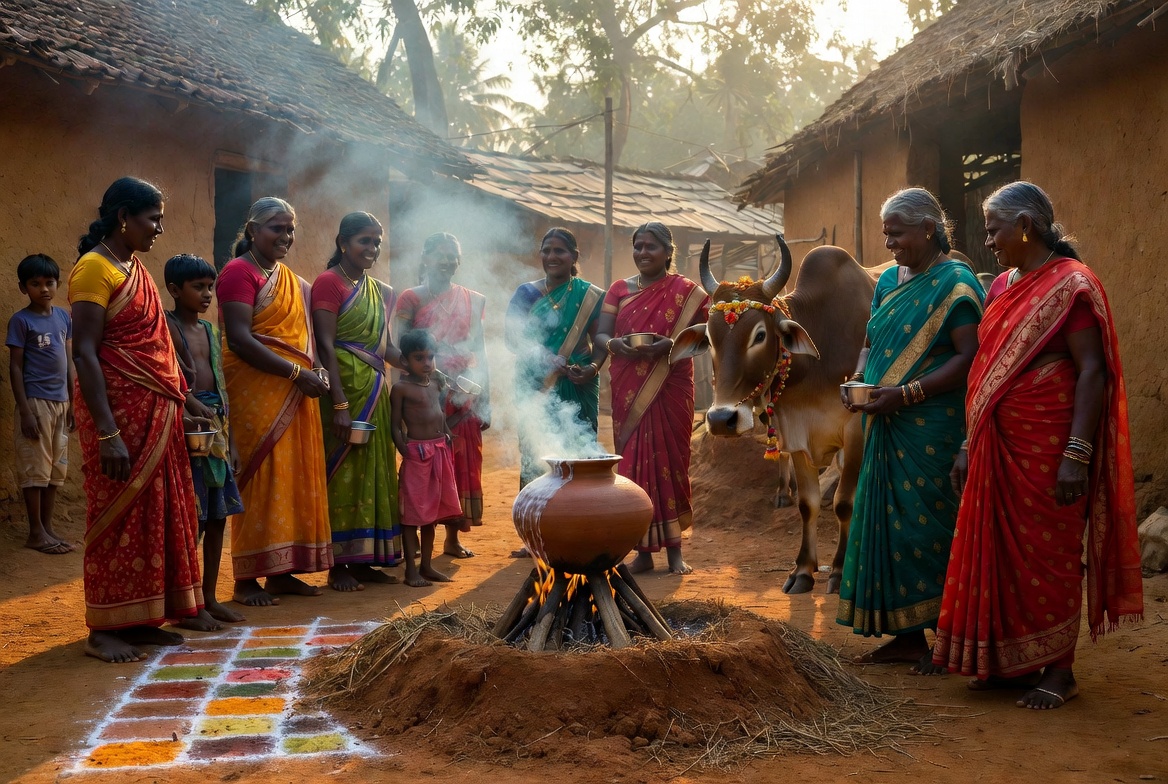
What it is about: Harvest festival thanking the sun, earth, and cattle.
How it’s celebrated: Boiling milk and rice in clay pots (Pongal), drawing kolam, decorating cattle, family feasts, and folk dances. It marks the start of the Tamil month Thai.
2. Deepavali (Diwali) – October/November
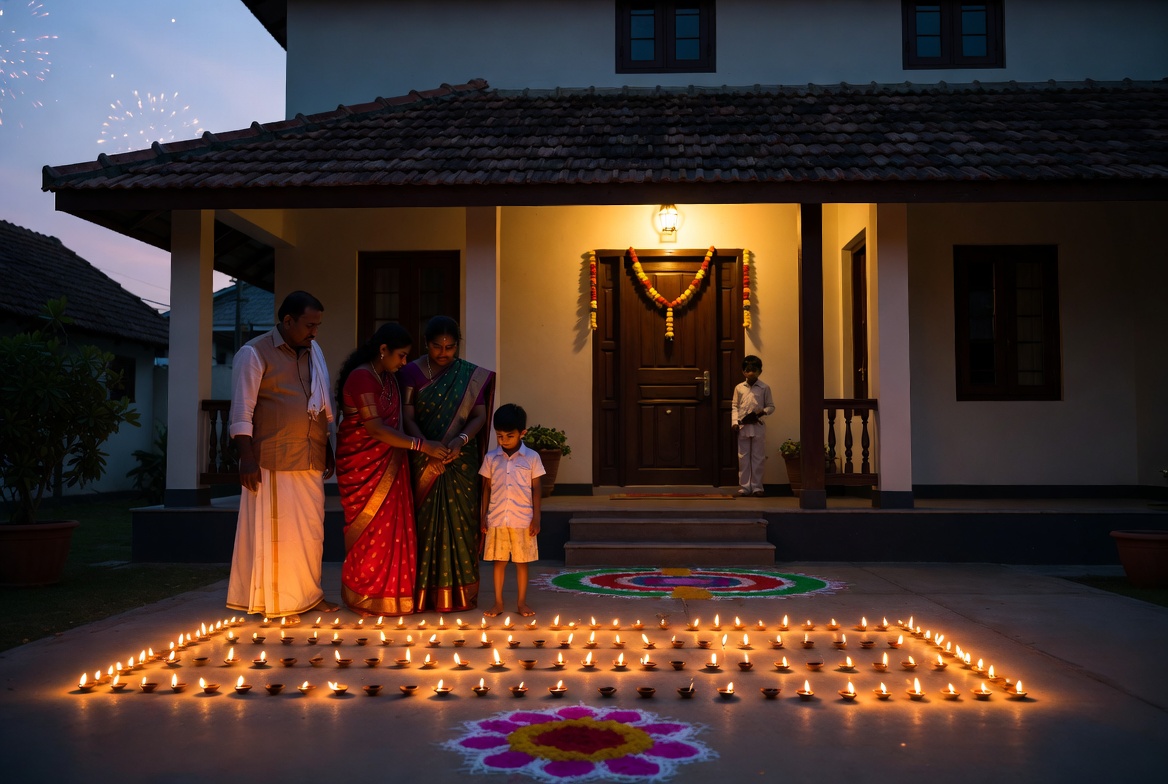
What it is about: Victory of light over darkness and good over evil.
How it’s celebrated: Oil baths at dawn, new clothes, lighting diyas, bursting fireworks, sharing sweets (especially murukku and laddu), and temple visits.
3. Tamil New Year (Puthandu) – Mid-April
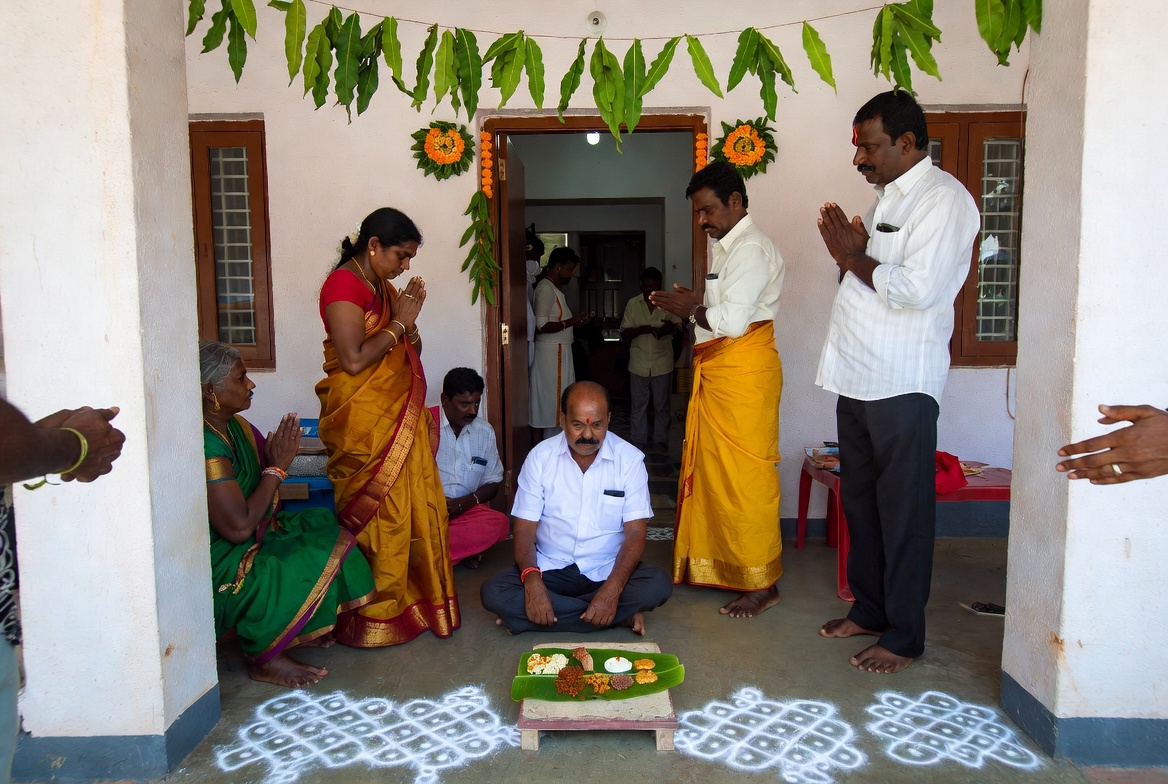
What it is about: Beginning of the Tamil solar calendar.
How it’s celebrated: Mangai pachadi (special tangy dish), new clothes, visiting temples, and family gatherings with auspicious symbols at home entrances.
4. Thaipusam – January/February
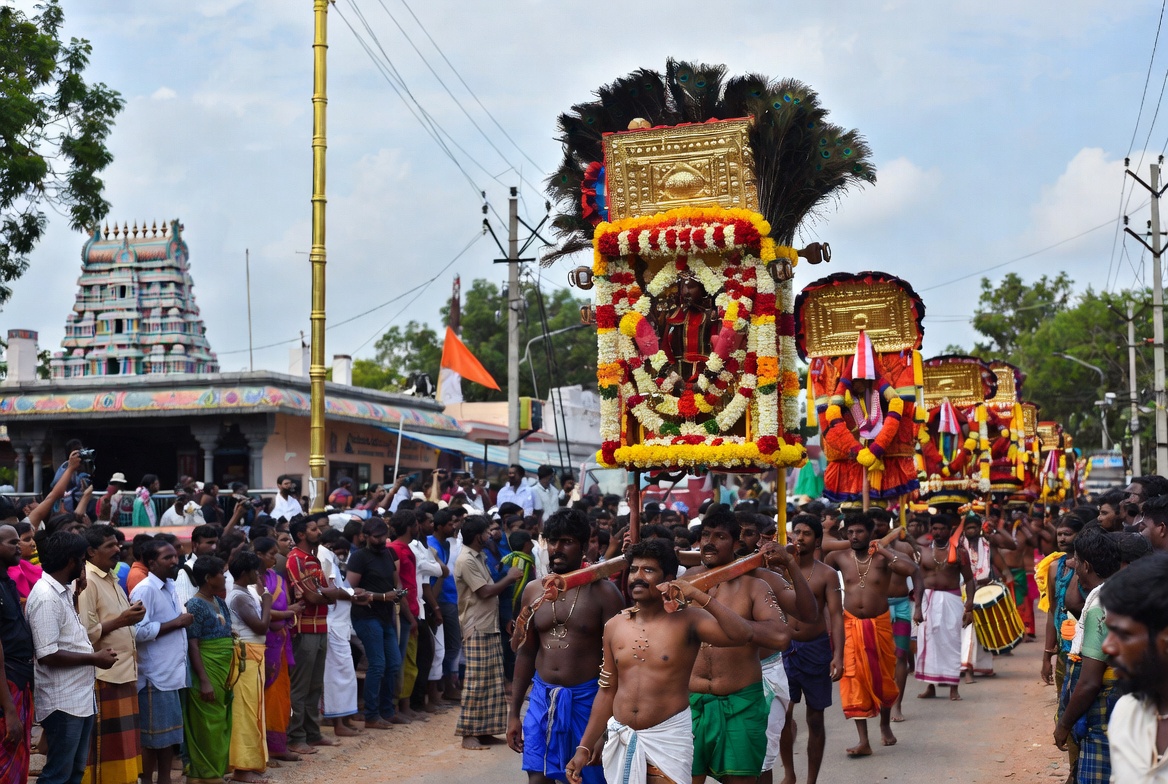
What it is about: Devotion to Lord Murugan (Kartikeya).
How it’s celebrated: Grand processions with kavadi (burdens carried as offerings), body piercings by devotees, music, and massive gatherings at temples like Palani and Batu Caves (in diaspora).
5. Karthigai Deepam – November/December
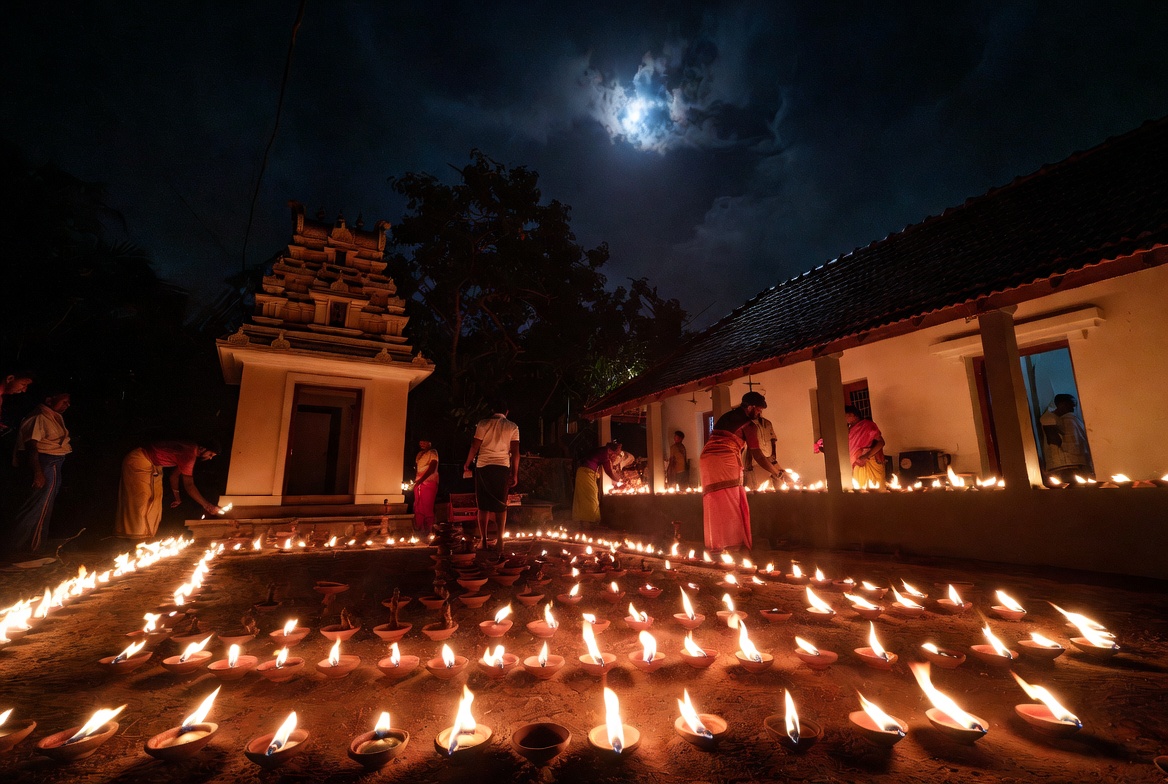
What it is about: Festival of lights honoring Lord Shiva and Murugan.
How it’s celebrated: Lighting rows of oil lamps (deepam) around homes and temples, especially on the full moon day of the Tamil month Karthigai.
6. Navaratri & Vijayadasami – September/October
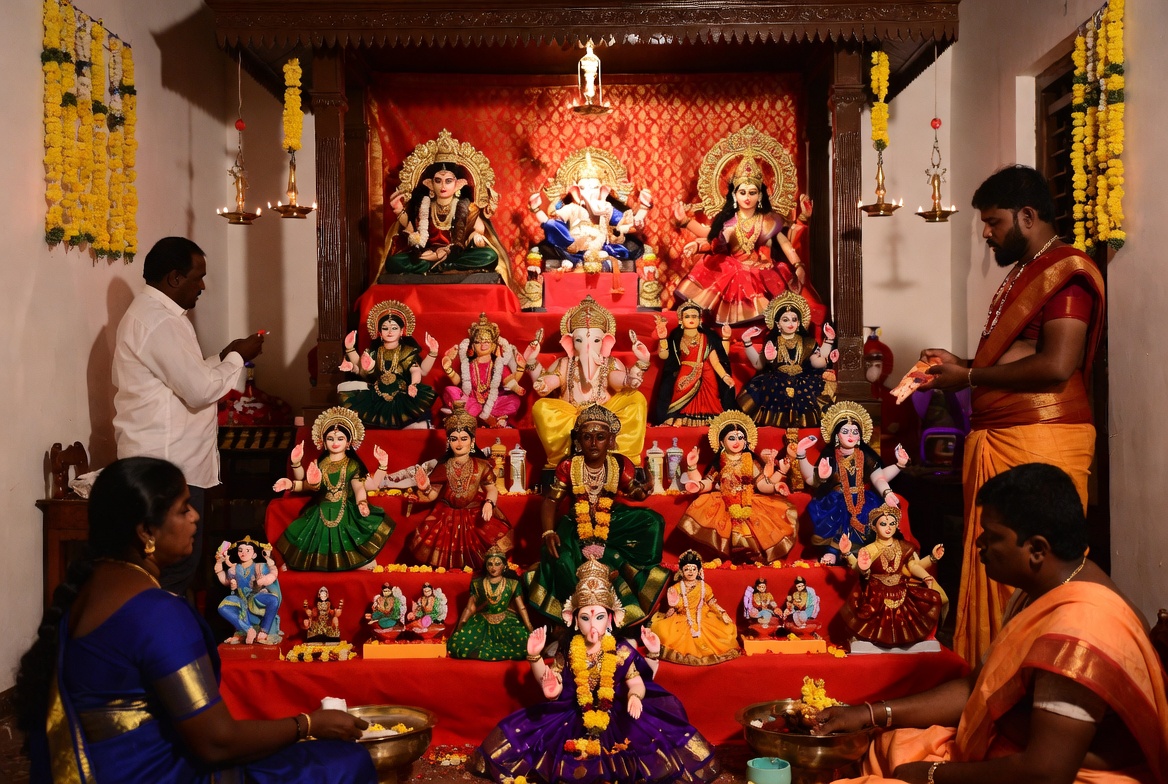
What it is about: Nine nights celebrating Goddess Durga, Lakshmi, and Saraswati.
How it’s celebrated: Setting up beautiful kolu (doll displays of gods), special pujas, classical music and dance performances, and on Vijayadasami — children start new learning (Vidyarambham).
These festivals bring families and communities together through rituals, food, music, and devotion, keeping Tamil heritage alive.