
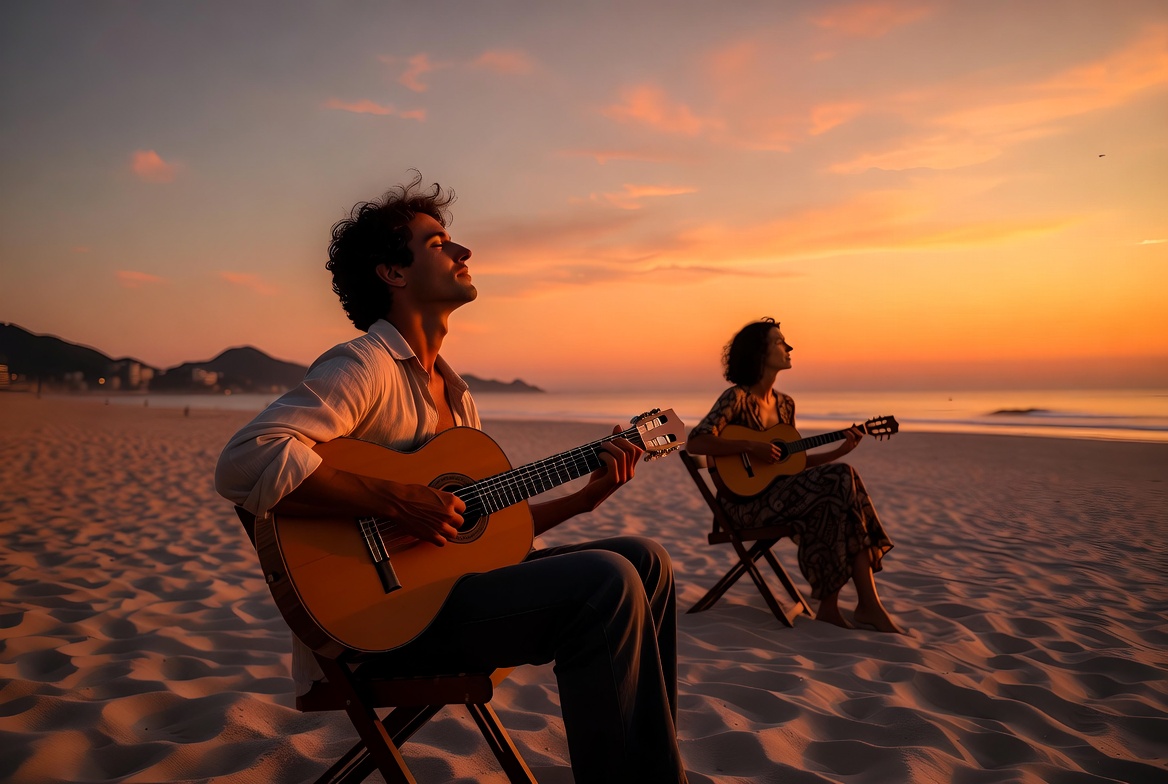
Music & dance styles in Brazil
Brazil is one of the most musically rich countries in the world. Here are the most important styles:
Major Music & Dance Genres
Samba: The heartbeat of Brazil. Energetic rhythm with drums, strong beats, and joyful singing. It is the main music of Carnival.
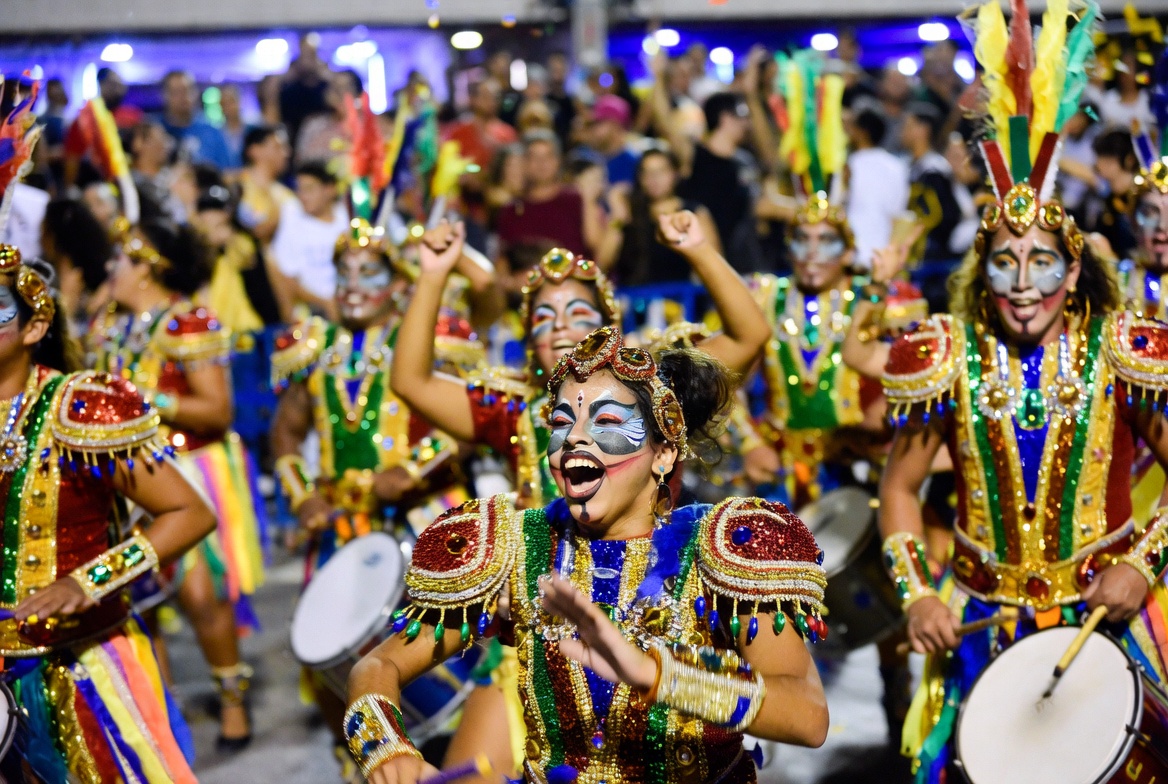 Bossa Nova: Smooth, relaxed jazz-influenced style born in the 1950s–60s. Famous songs like “The Girl from Ipanema”. It represents sophistication and beach culture.
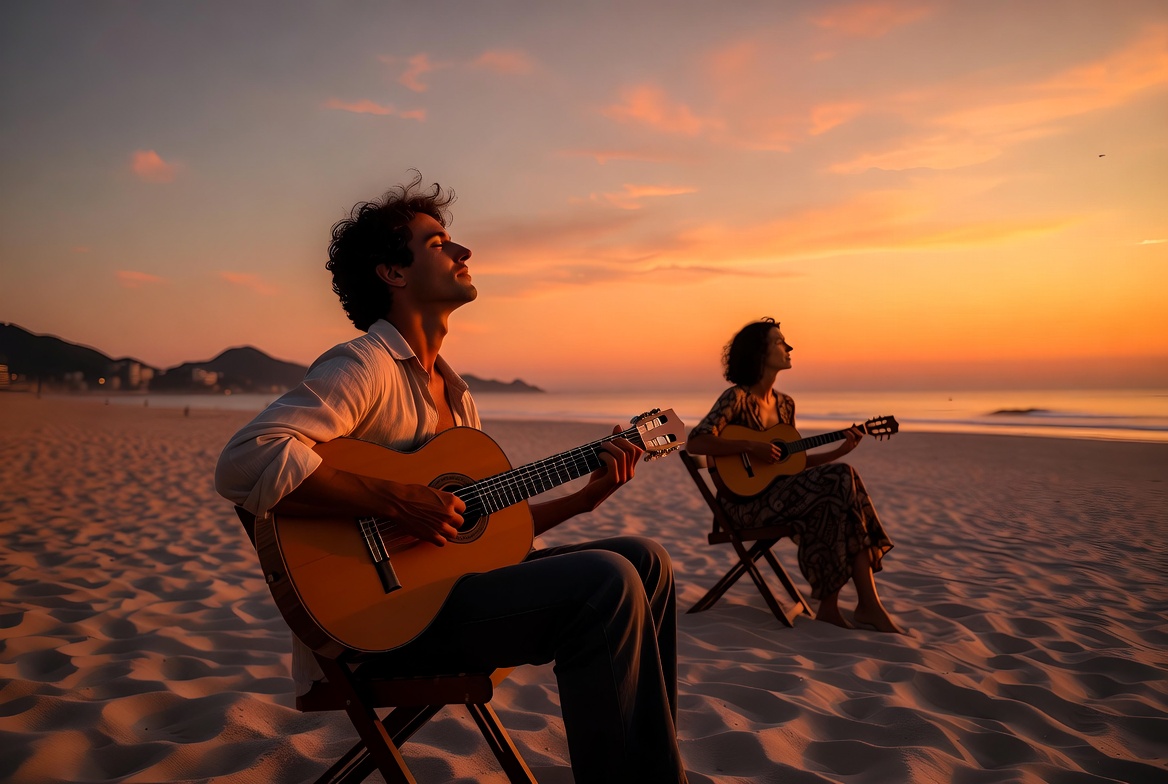 Forró: Very popular in the Northeast. Fast-paced accordion, triangle, and zabumba drum music. Couples dance closely — it’s the dance of love and parties.
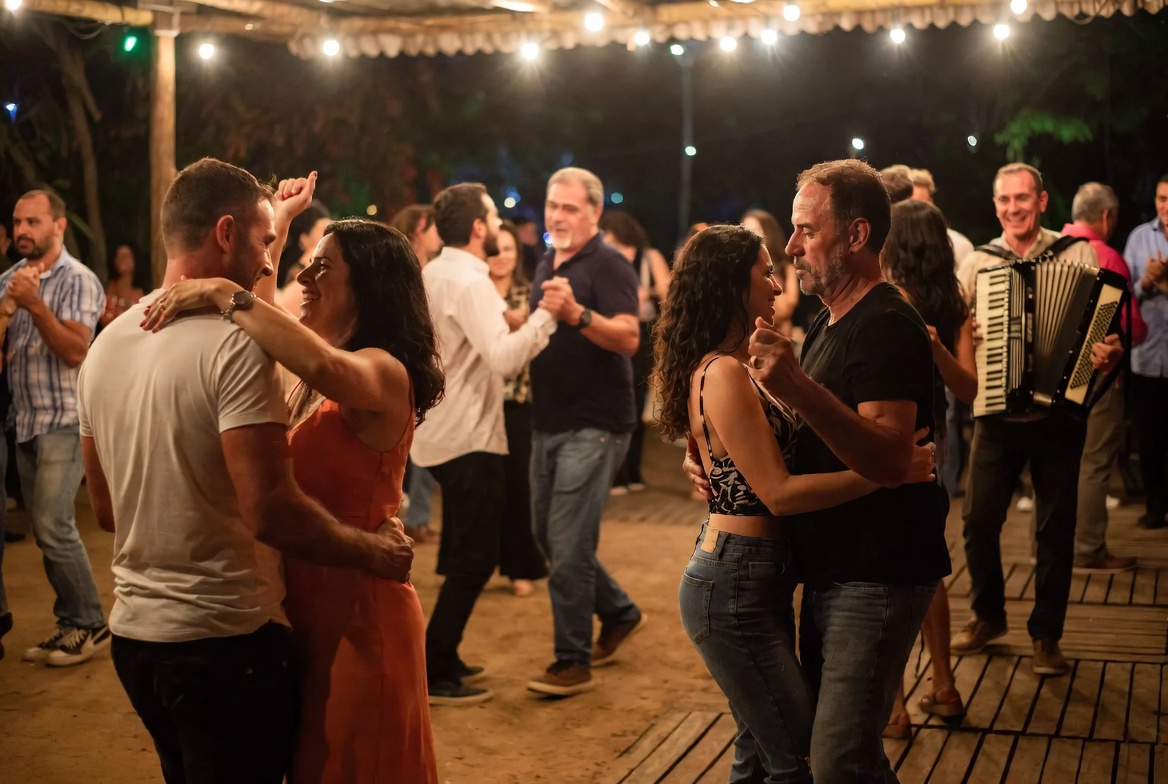 Axé: Energetic pop style from Bahia with strong African beats. It dominates Carnival in Salvador.
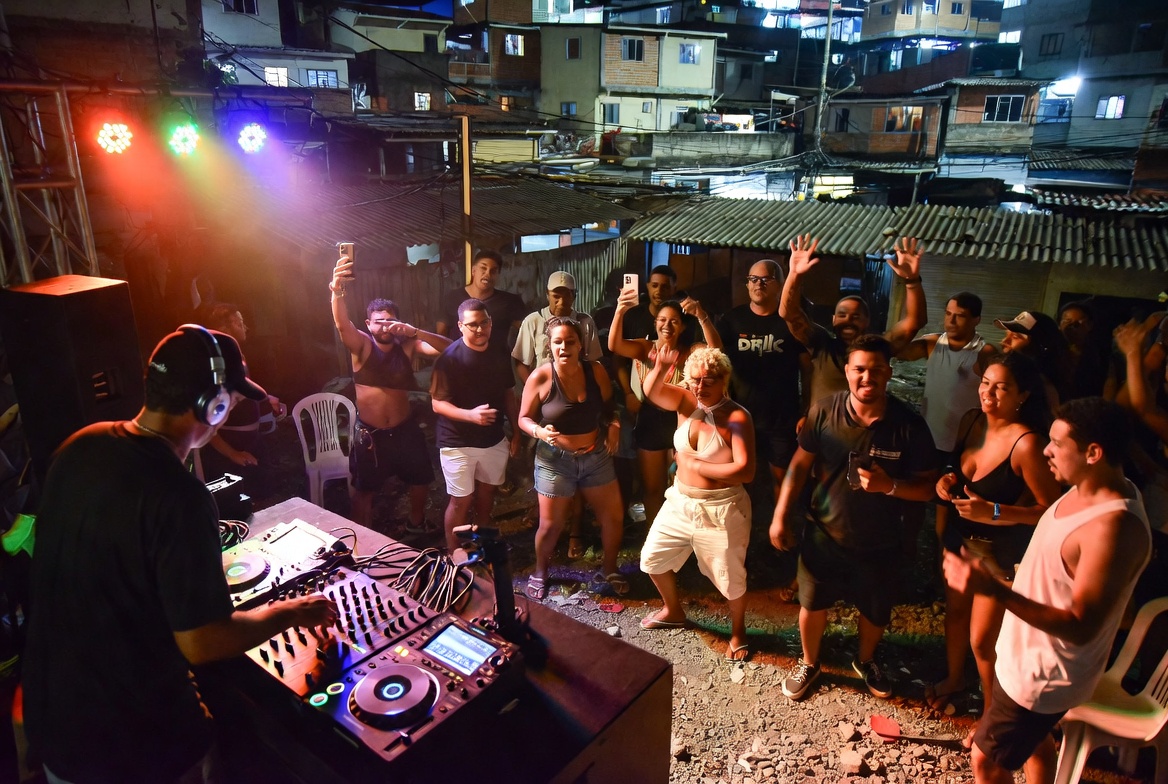
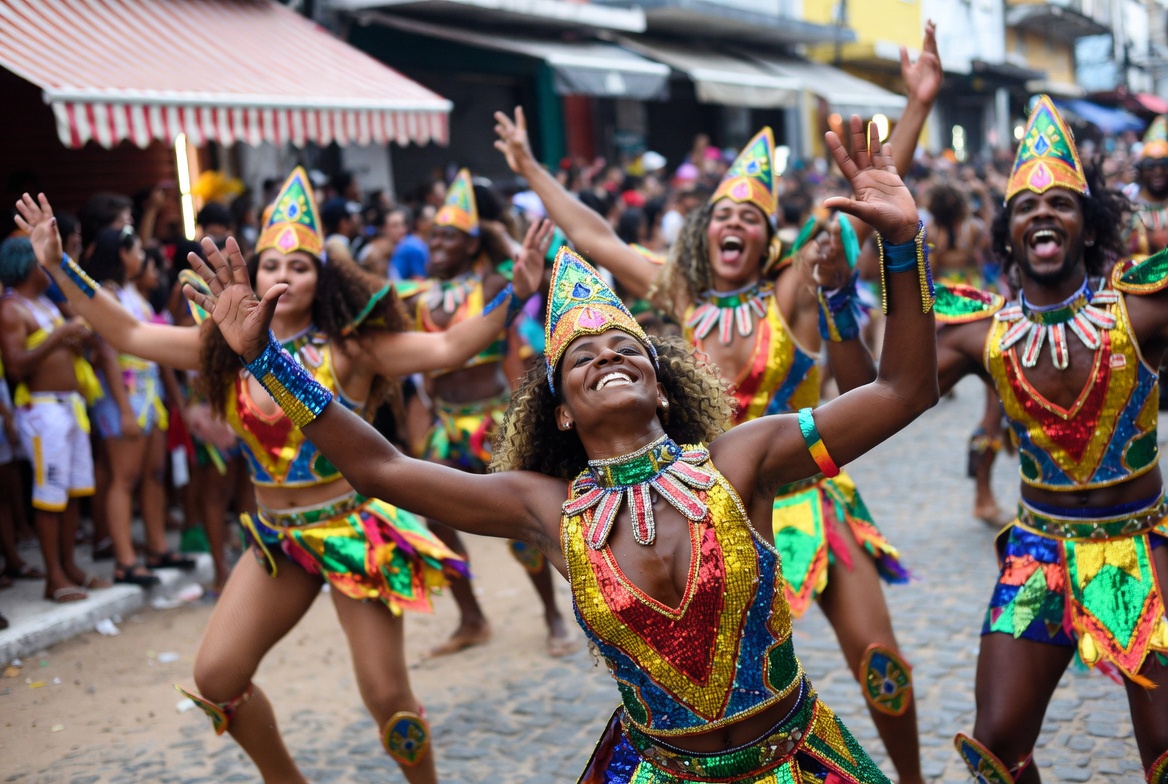 Funk Carioca (Brazilian Funk): Heavy bass, electronic beats, and raw lyrics. Extremely popular in Rio’s favelas and among young people.
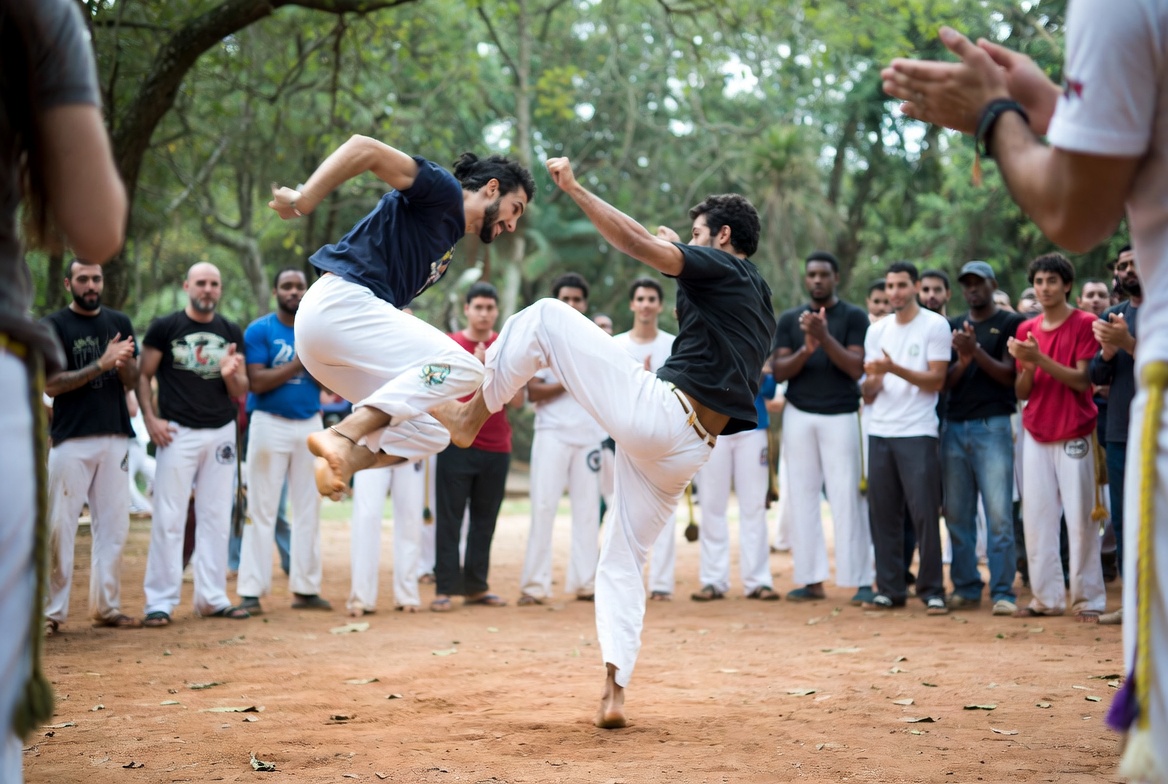
 Capoeira: A martial art that looks like a dance. Created by enslaved Africans, it combines music (berimbau), acrobatics, and fighting movements.
 MPB (Música Popular Brasileira): A broad category that includes artists like Caetano Veloso, Gilberto Gil, and Marisa Monte. It mixes many styles with poetic lyrics.
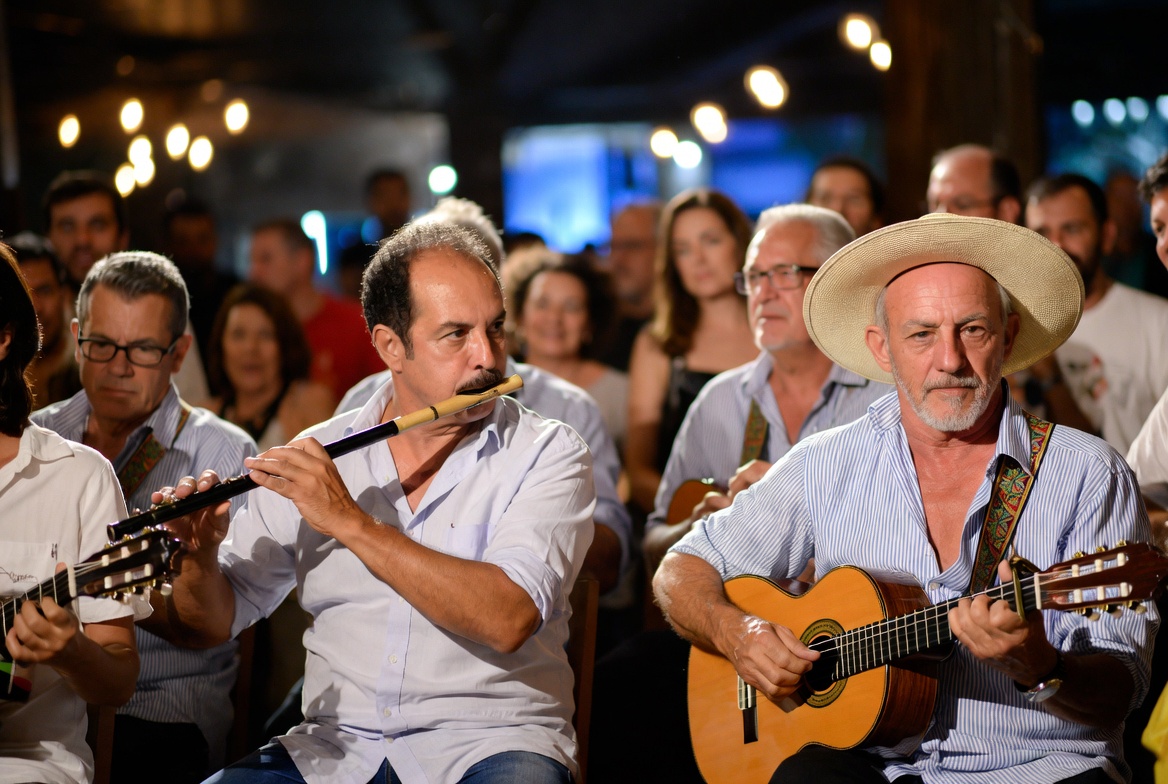 Choro: One of the oldest Brazilian music styles — instrumental, fast, and emotional, often played with flute, guitar, and cavaquinho.
 Cultural Note
Brazilian music and dance are deeply connected to celebration, emotion, and social expression. Almost every party, festival, or gathering involves music and dancing.