
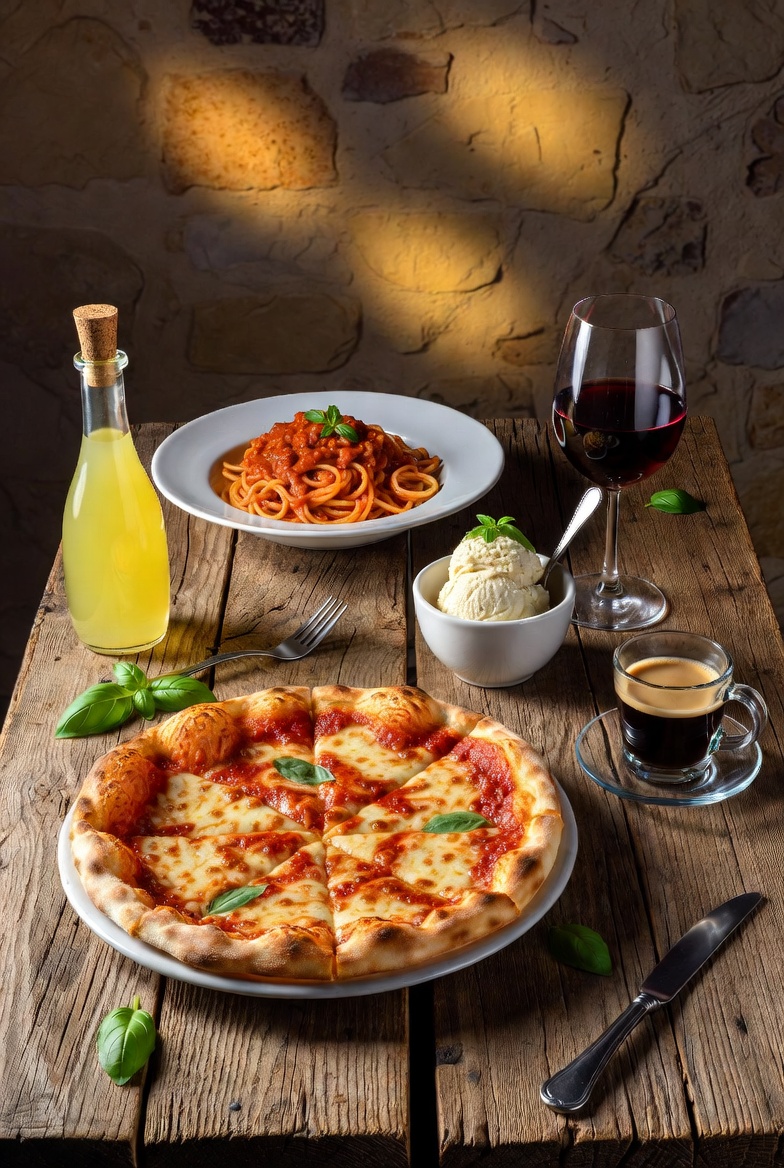
Popular Italian Foods & Drinks: A Tourist's Meal Plan Guide
Tourists often feel lost with Italian menus. This guide helps you know what to order, when to order it, and what not to do.
1. Pizza Margherita
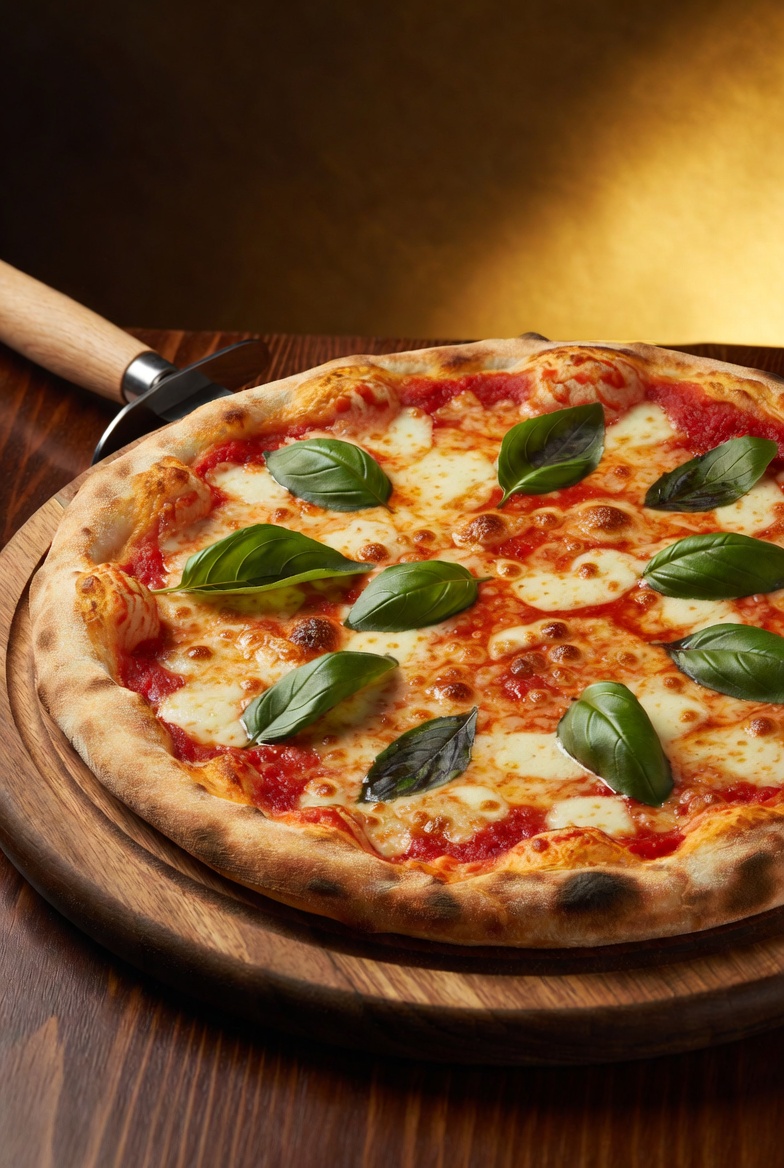
The original Italian pizza. Tomato, fresh mozzarella, basil, olive oil. Never ask for pineapple.
Best in Naples (birthplace of pizza)
Eaten with fork and knife, not hands
Crust should be soft and slightly charred
No toppings beyond what is on the menu
A whole pizza is one serving for one person
2. Pasta al Pomodoro
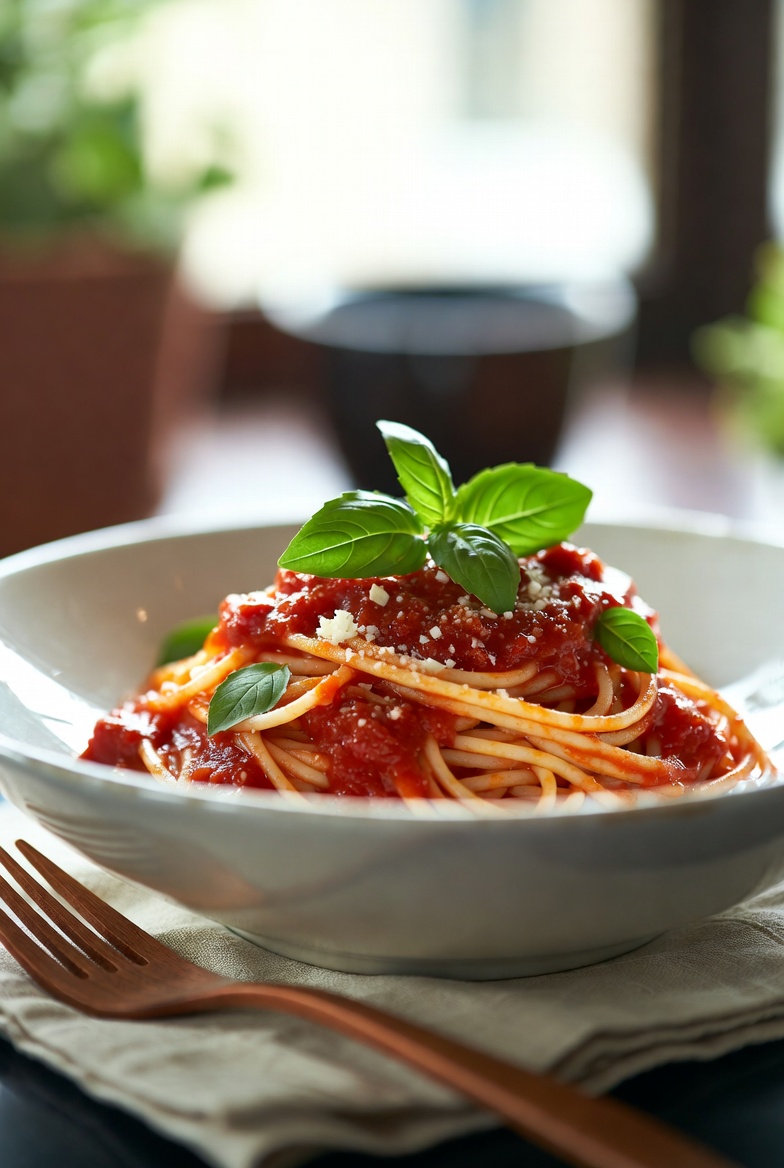
Simple pasta with fresh tomato sauce, garlic, basil, and olive oil. The most common pasta in Italian homes.
Best in Rome and Campania
Parmesan cheese is optional (never with seafood pasta)
Pasta must be al dente (firm to bite)
Sauce is never blended smooth (chunky is traditional)
Order it as a primo (first course), not main meal
3. Risotto alla Milanese
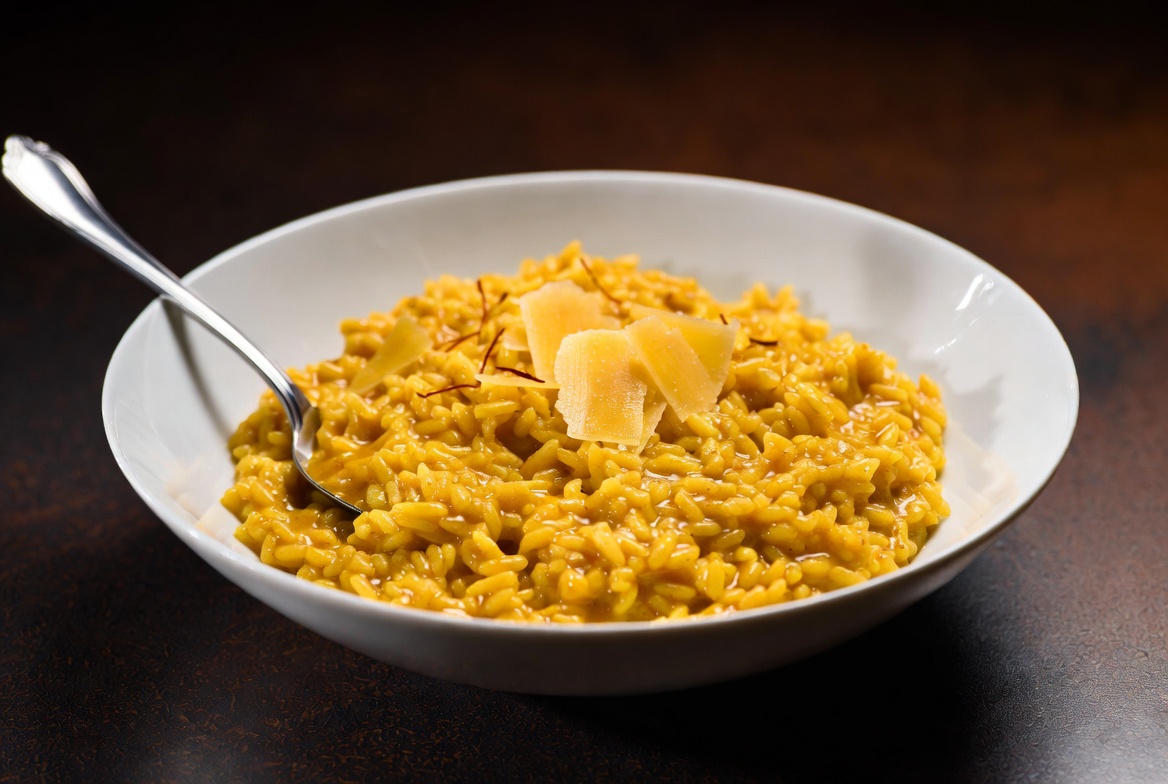
Creamy rice cooked slowly with beef broth and colored yellow with saffron. A specialty of Milan.
Best in Milan (Lombardy region)
Stirred constantly for 18-20 minutes
Saffron is the most expensive spice in the world
Never rinse the rice before cooking
Served as a primo (first course), not a side dish
4. Lasagna alla Bolognese
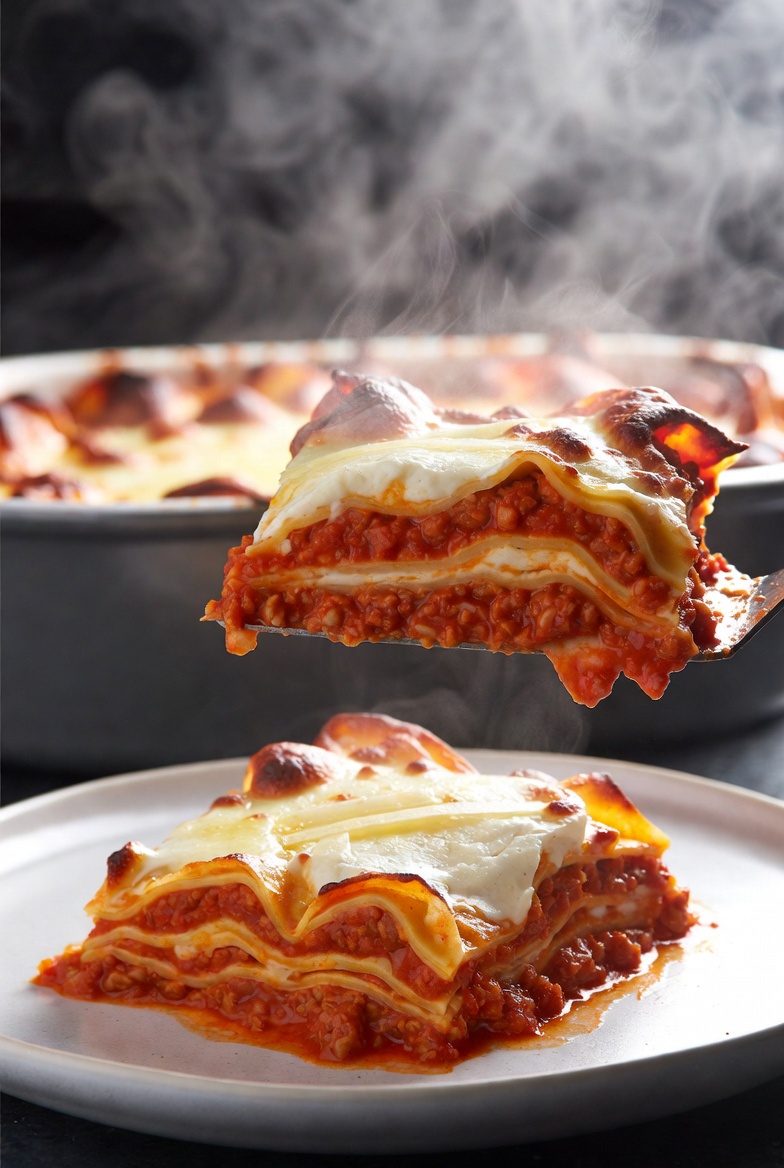
Layers of fresh pasta, slow-cooked meat ragù, creamy béchamel, and parmesan. Baked until bubbly.
Best in Bologna (Emilia-Romagna)
Takes 4-6 hours to make properly
Contains béchamel, NOT ricotta (that is American)
Always homemade, never frozen
5. Frittura di Pesce (Mixed Fried Seafood)
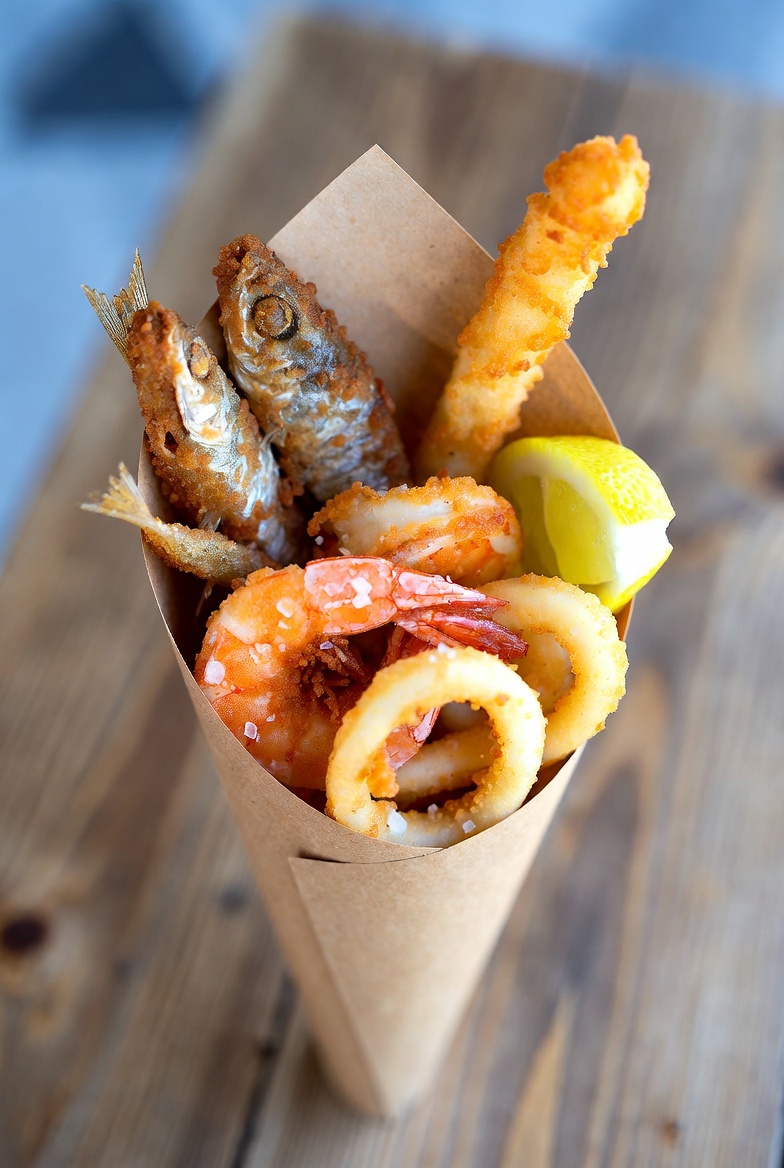
Fresh small fish, shrimp, squid, and calamari lightly floured and fried. Served with lemon wedges.
Best in coastal towns (Naples, Bari, Sicily)
Eaten with hands, not fork and knife
No sauce except lemon juice
Best enjoyed standing at a street food window
The fryer oil must be very fresh
6. Bistecca alla Fiorentina (Florentine Steak)
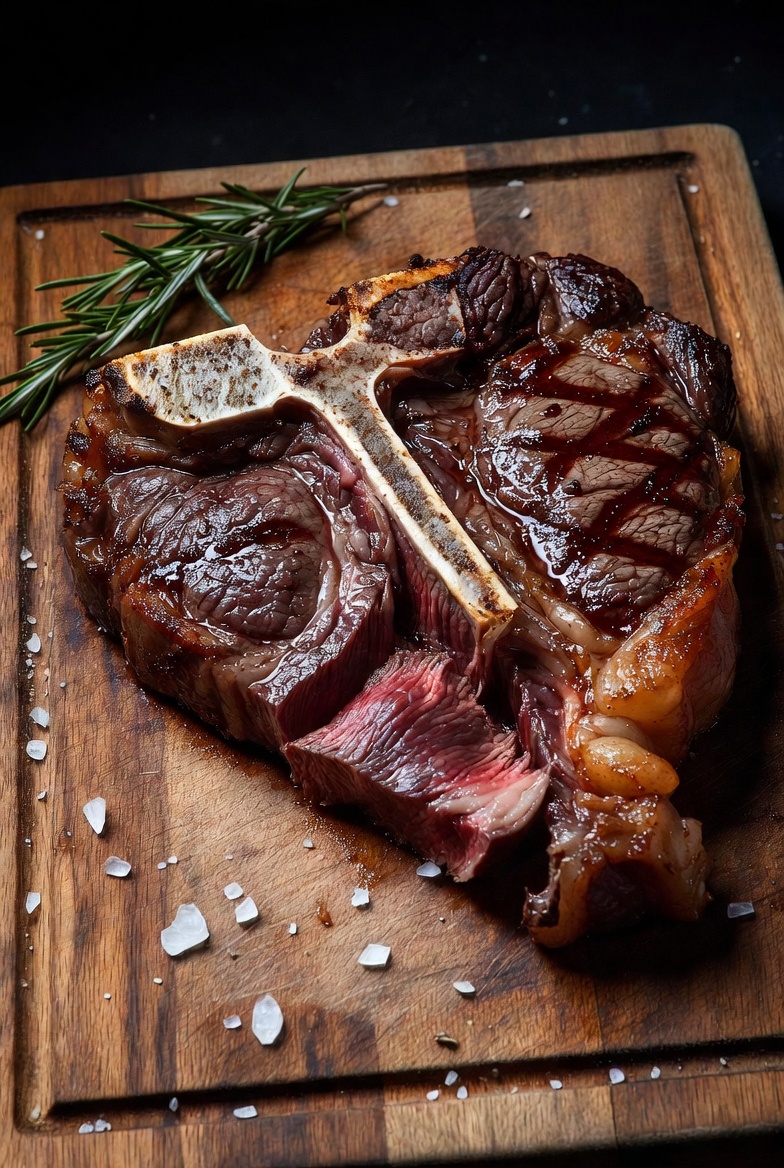
A huge T-bone steak from Chianina cattle. Grilled rare over hot coals. Seasoned only with salt, pepper, and olive oil.
Best in Florence (Tuscany)
Cooked rare only (medium or well done is refused)
Aged for minimum 15-20 days
Served with white beans (fagioli al fiasco)
7. Gelato (Italian Ice Cream)
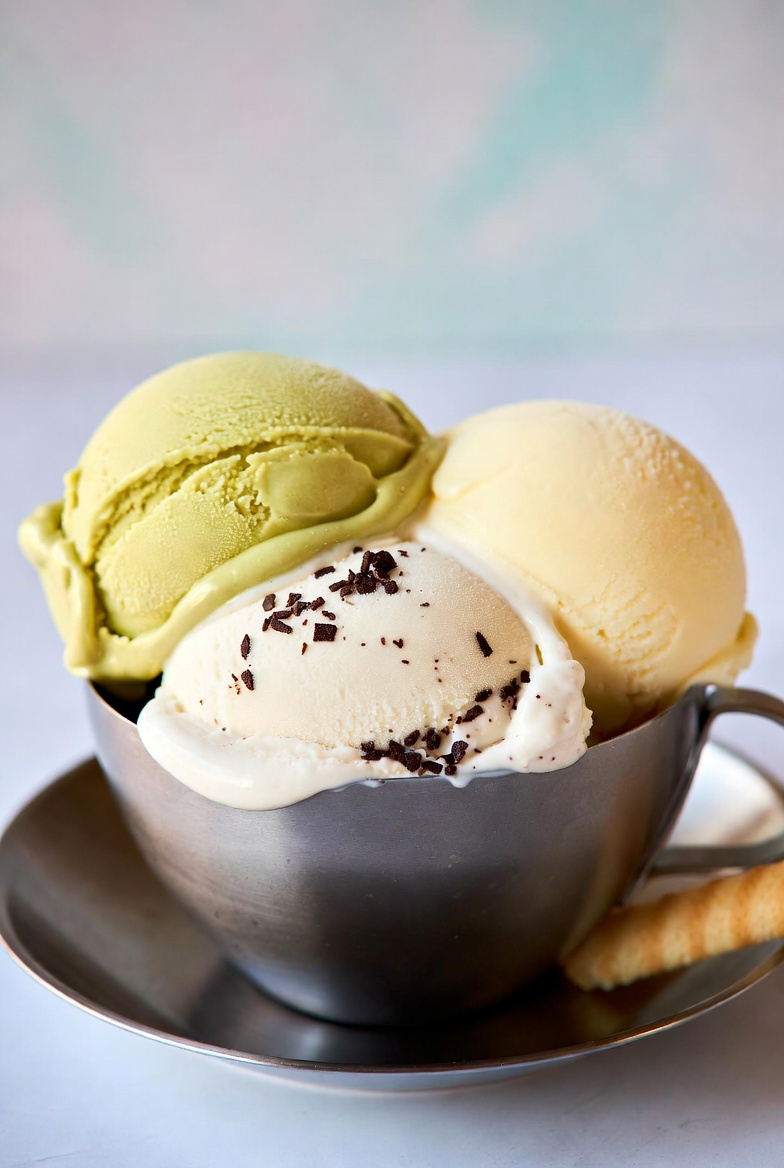
Best in any Italian gelateria
Bright colors mean poor quality (natural looks muted)
Never ask for a spoon with a cone
Real gelato is stored in flat metal tins, not piled high
Pistachio should be grey-green, not bright green
8. Tiramisù
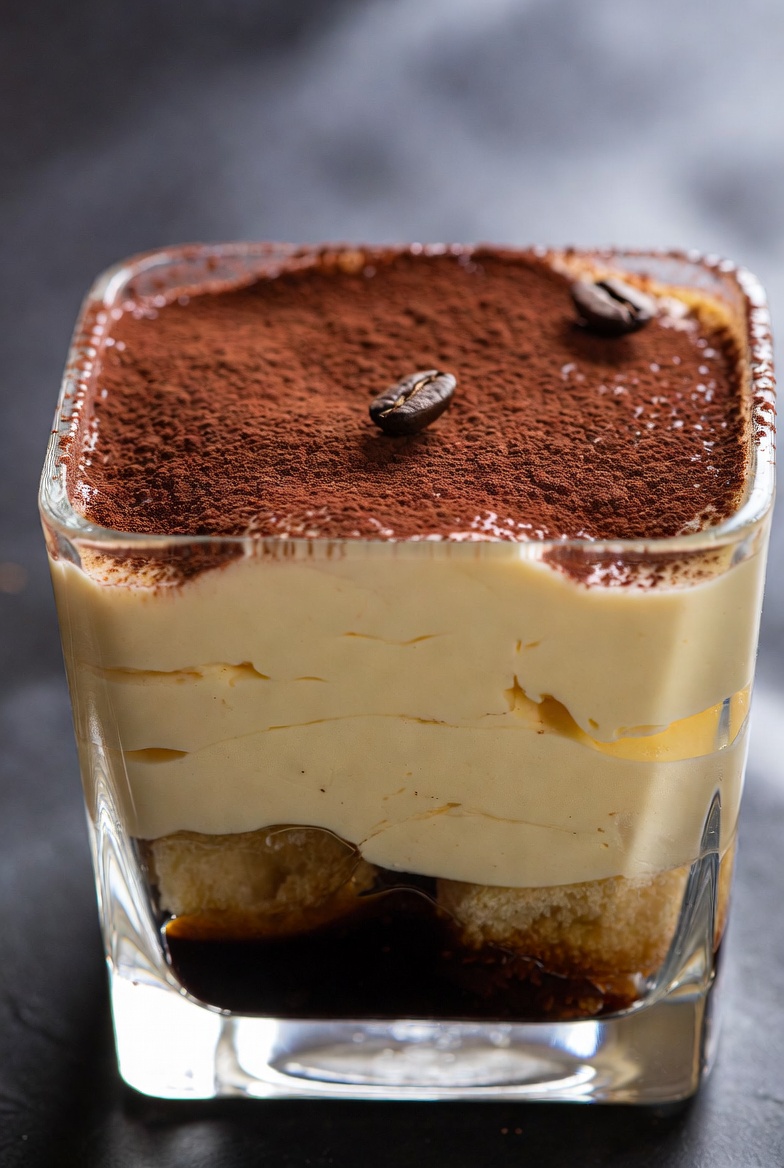
Layers of coffee-soaked ladyfinger biscuits and mascarpone cream. Dusted with dark cocoa powder.
Best in Veneto (Treviso region)
Contains raw eggs (authentic version)
No cream, no alcohol (original has neither)
Must be chilled for hours before serving
Name means "pick me up" in Italian
9. Espresso (Caffè)
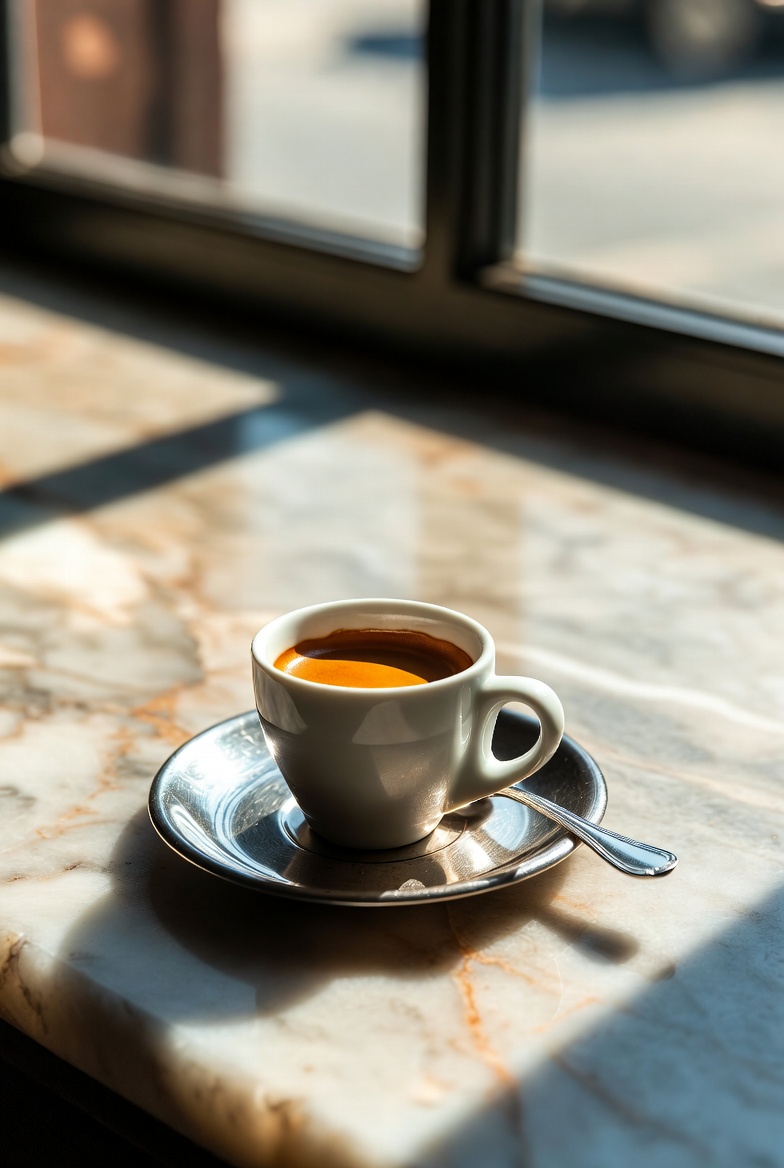
A tiny cup of very strong black coffee. Drunk standing at the bar, never to-go.
Best in any Italian bar
Order at the counter, pay, drink, leave (3 minutes maximum)
Never order cappuccino after 11 AM
Adding sugar is normal, adding milk after morning is not
A single shot is the standard (doppio is unusual)