
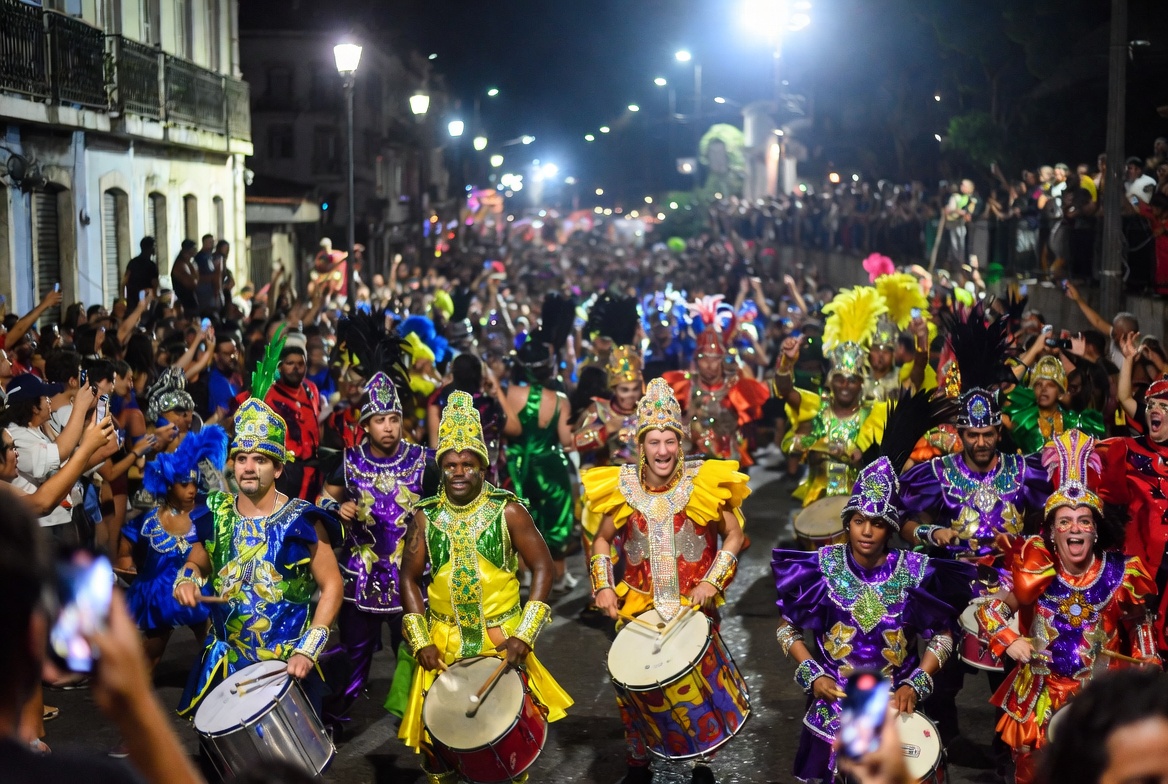
The Night Vovó Maria Danced Again
Every year in our neighbourhood, the most magical event is Carnaval — especially the week leading up to it. But the story I always remember is about the year my grandmother (Vovó Maria) turned 80.
Our community is a tight-knit group of families, many with roots in Bahia and Minas Gerais. For months before Carnival, everyone prepares. The escola de samba (samba school) rehearses almost every night. Children, teenagers, and elders all participate — sewing costumes, making floats, and practicing samba steps in the street.
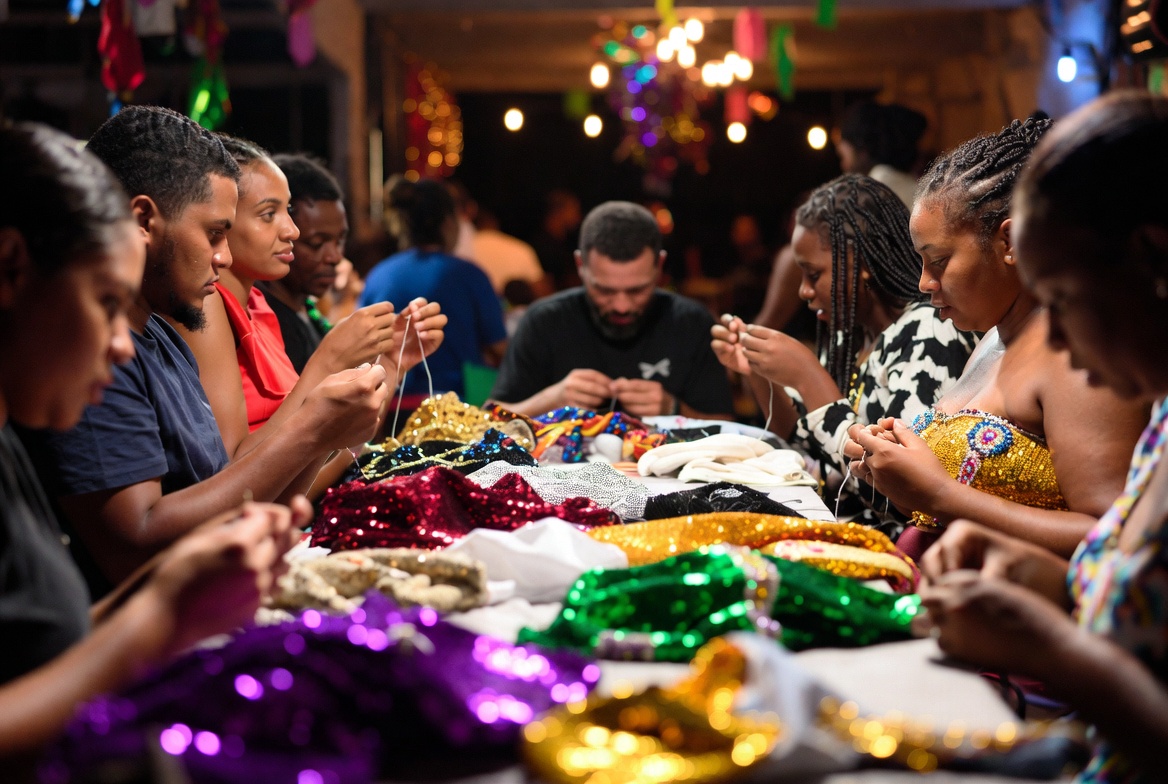 That year, Vovó Maria decided she wanted to dance in the parade one last time. She had been a famous passista (samba dancer) in her youth. The whole community came together to help. The women made her a beautiful red and gold costume with feathers and sequins. The young men built a special, lighter float section so she could sit when she got tired.
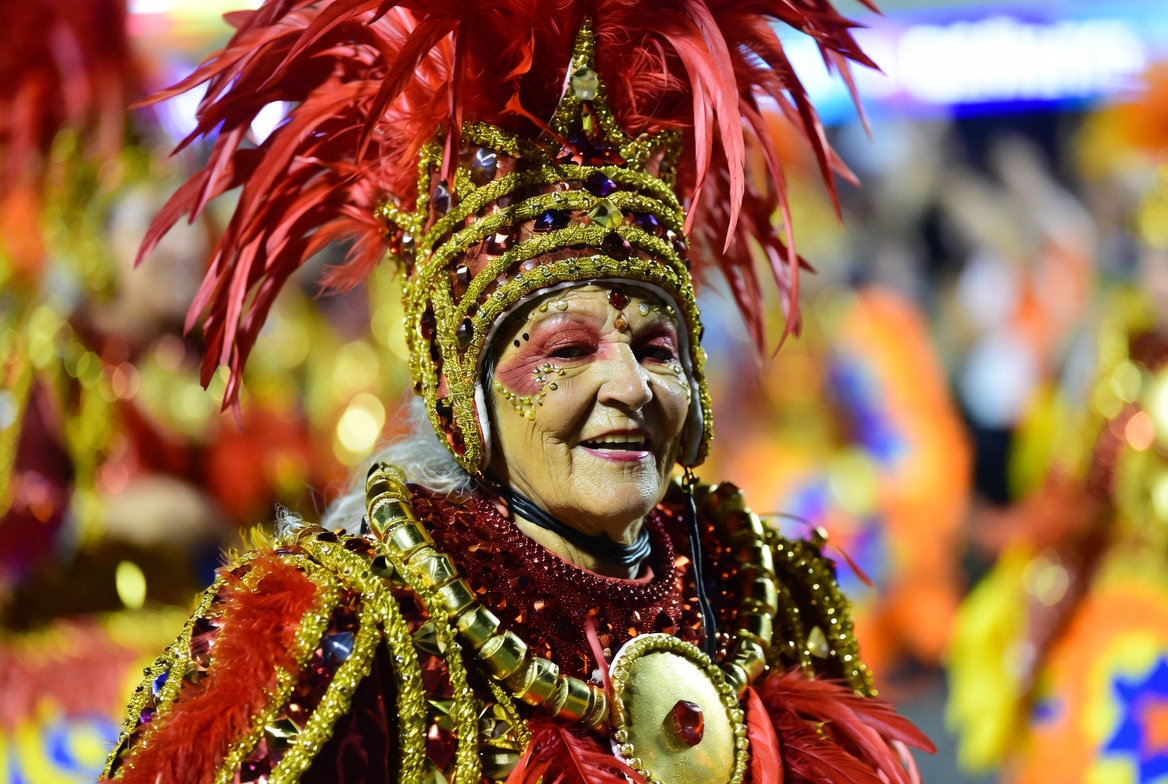 On the big night, the streets were alive with music, drumming, and thousands of people. When it was our bloco’s turn, Vovó Maria stood up with her walker decorated with flowers. The moment the samba rhythm started, something magical happened — she started dancing like she was 20 again. Everyone cheered, cried, and sang along.
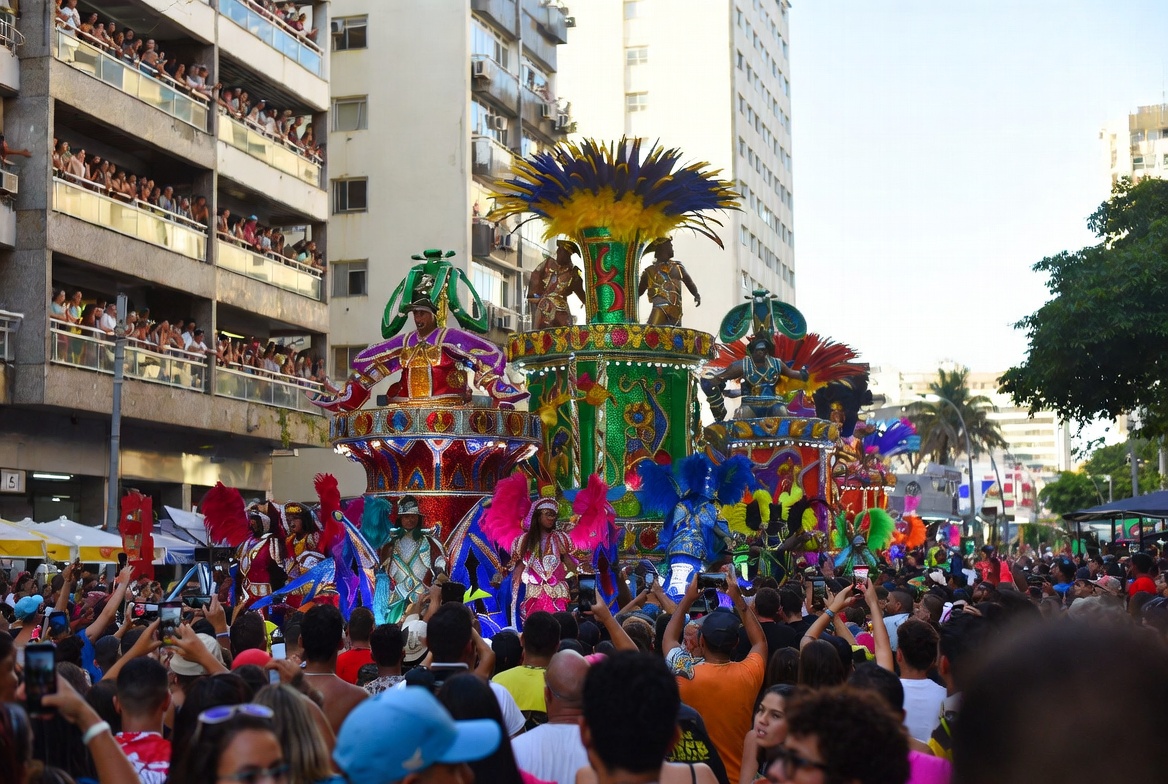 That Carnival taught us something important: in Brazilian culture, joy, community, and resilience are passed down through generations. Even when life is hard, we celebrate life together with music, dance, and colour.
Carnival isn’t just a party — it’s our way of saying we’re alive, we’re together, and we honour our roots.