
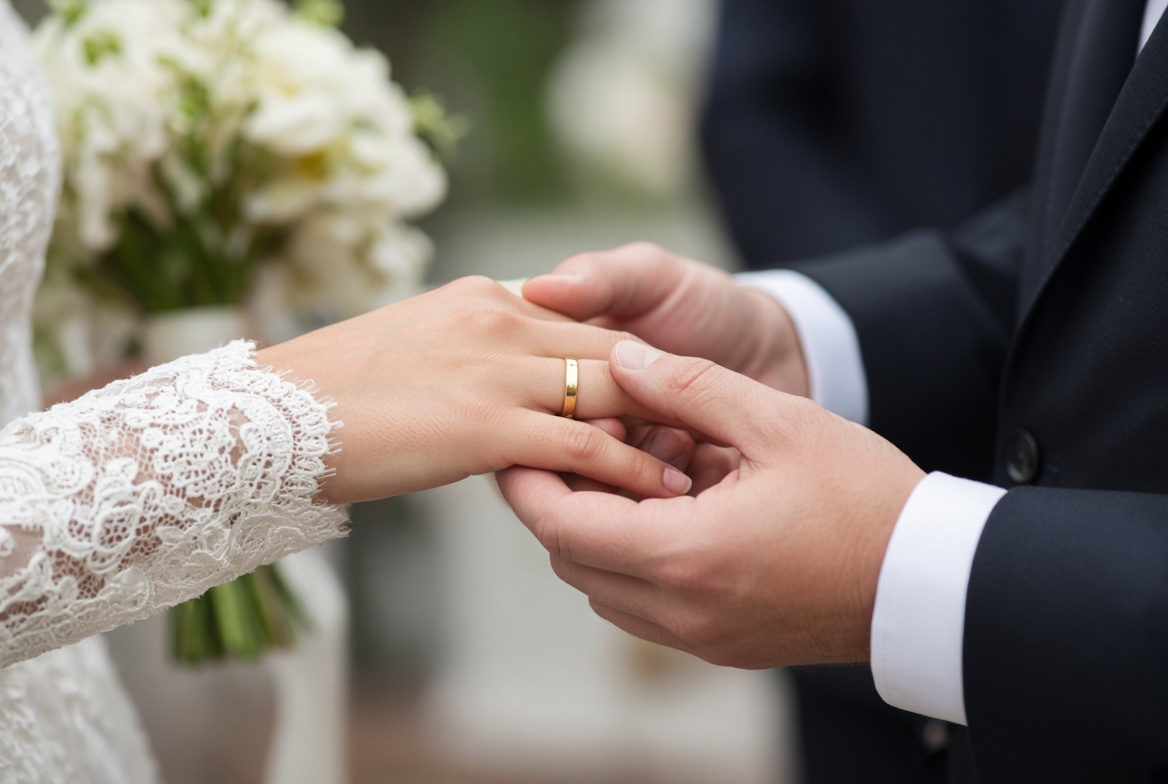
Traditional wedding customs in Virginia
A Virginia wedding is still, for most families, a licence, a room that will hold the guests, and a meal that tastes like the place. The Tidewater does not marry the same way as the Blue Ridge. Hunt country does not marry the same way as a Richmond church hall. What follows is what still happens, not a single costume for the whole state.
The licence and the place
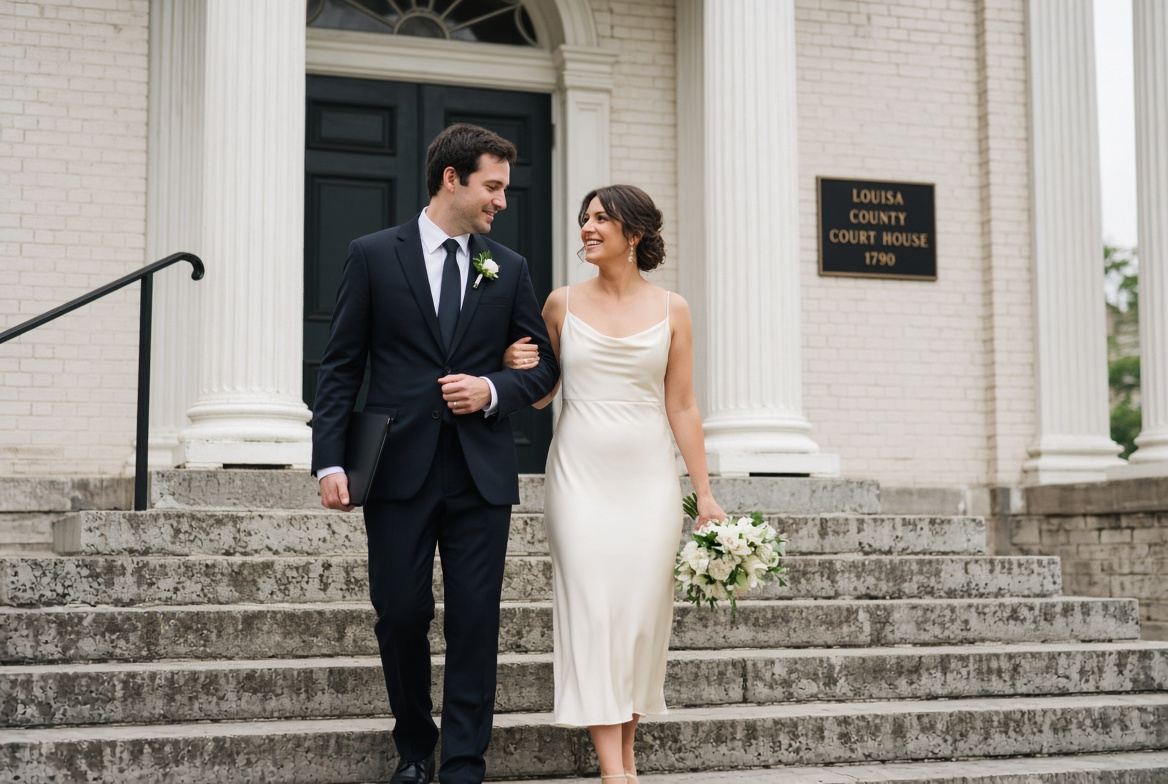
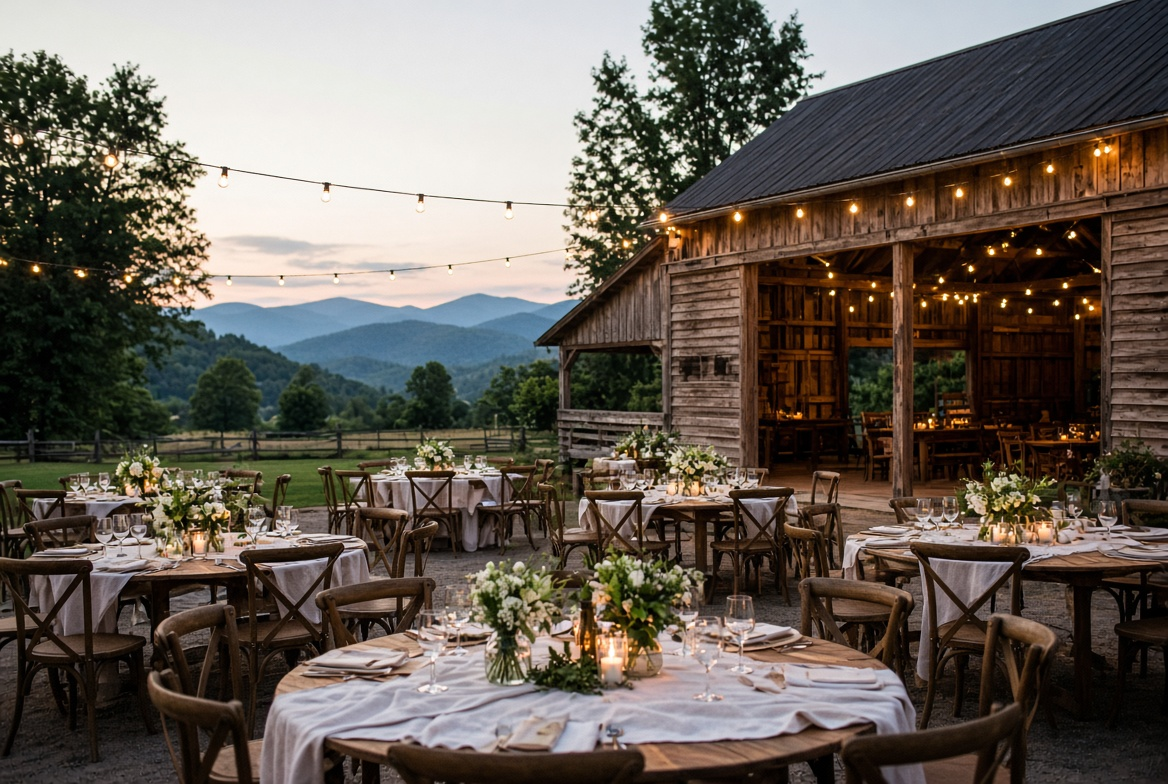
Couples get a marriage licence from the county or city clerk. Many still marry in a church: Baptist, Methodist, Episcopal, Catholic, AME. Others use a courthouse, a family farm, a barn in the Shenandoah, a river house on the James, or a hall that already knew the family. Historic grounds are popular. They are also old workplaces. Treat them as that.
Who stands up
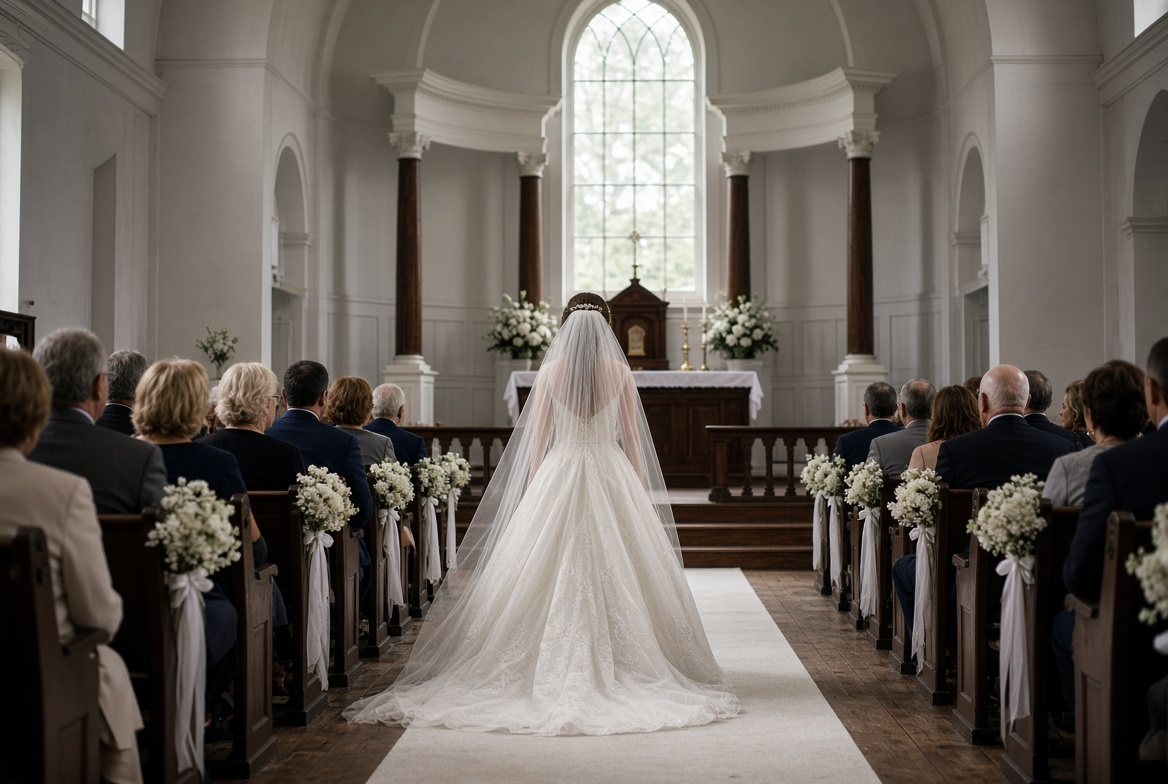
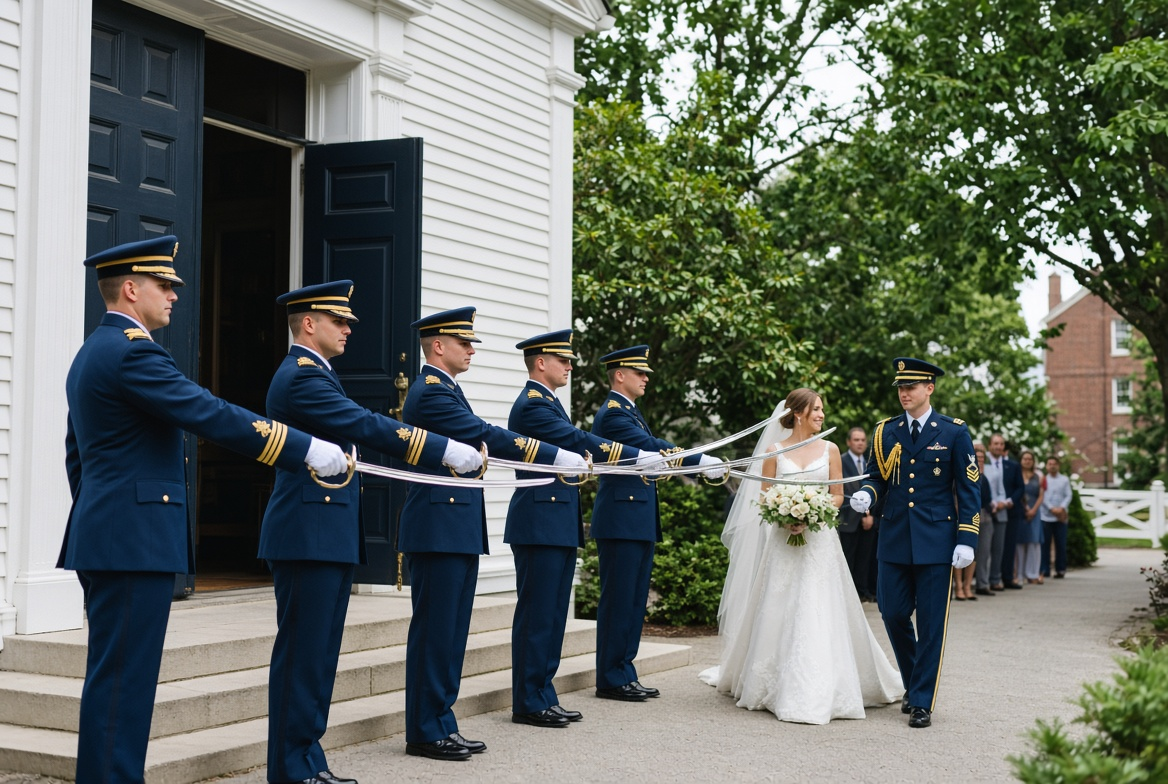
Parents walk someone in if that is the family’s way. A preacher, priest, or civil officiant runs the service. Military families, common around Norfolk, Hampton Roads, Quantico, and Northern Virginia, may leave under an arch of sabers. That custom belongs to the service, not to the scenery.
What They wear
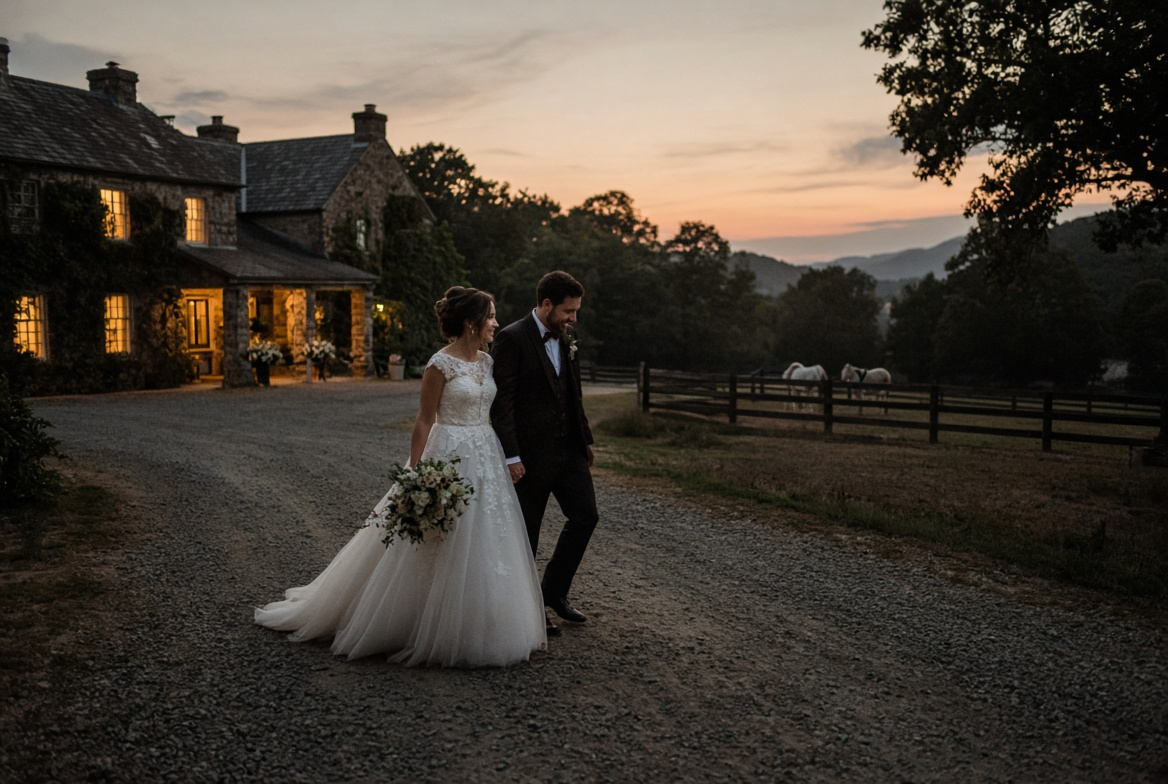
A white or formal dress is still ordinary in church. Grooms wear a suit or a dress uniform. In the mountains and on farms, boots under a dress hem are not a joke if the field is wet. Hunt-country weddings can look like a meet: good coats, good hats, a barn that has been cleaned within an inch of its life.
The service
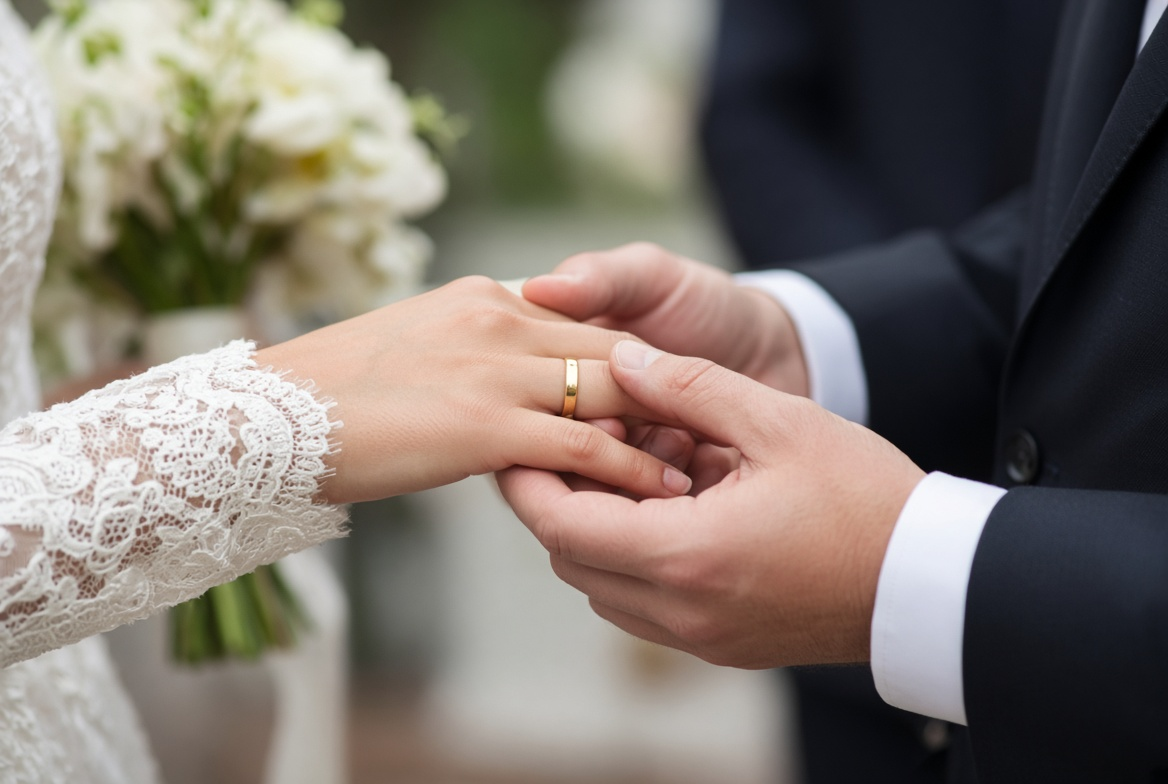
Vows and rings. A reading. A hymn if the church is used to singing. Some African American families still jump the broom at the end of the ceremony, a practice kept as memory and as blessing. Some couples light a candle or pour sand. Keep it short if the hall is hot and the children are already hungry.
Food that tastes like Virginia
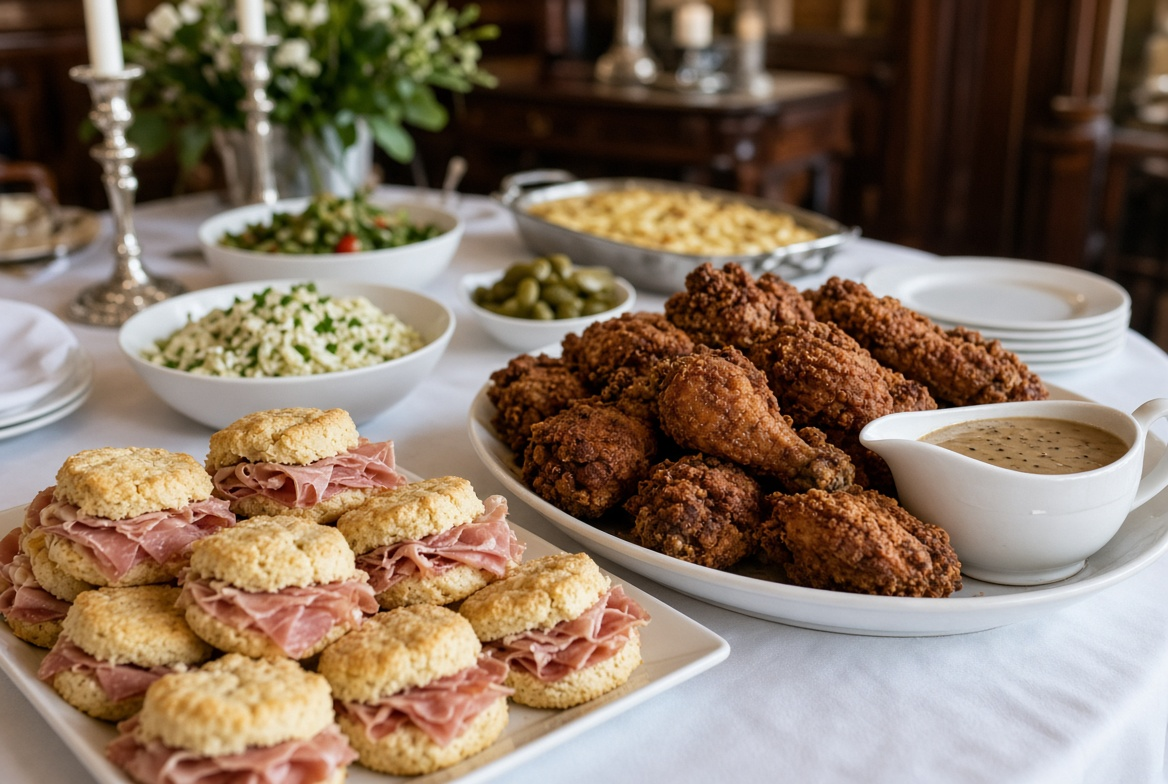
The reception is where the state shows. Country ham, biscuits, fried chicken, oysters on the Tidewater, peanuts, a pig pickin’ in the southside, a raw bar if the water is close. Cake is cut because that is what people expect. A good table feeds the aunts first and does not apologise for gravy.
Dance and the floor
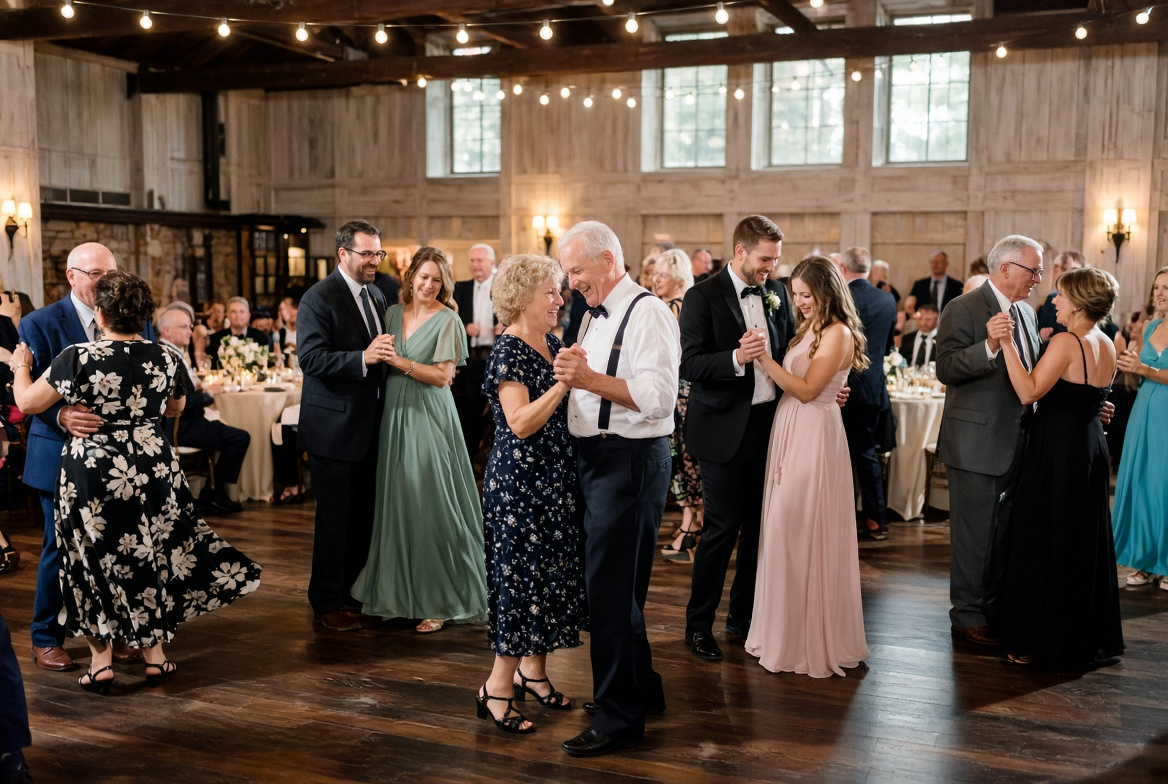
A DJ or a band. Line dances, a first dance, then whatever the cousins will actually do. In Latino families the money dance still appears. In a church hall the playlist is a negotiation. The floor decides, not a theme board.
Gifts and help
Registries are common. So is a dish brought to the house later. Older relatives still send money in a card. If you were fed at their table for twenty years, you show up and you help stack chairs.
What varies by region
Tidewater and the Eastern Shore lean toward water, oysters, and churches that have stood a long time. The Piedmont and horse country lean toward farms, tents, and a late exit down a gravel drive. The mountains lean toward a hall or a field the family already used. Northern Virginia often looks like any East Coast city wedding with a shorter drive to the Metro. None of those is more “real” than the others.
What to leave alone
Do not turn an old plantation into a joke or into a fairy tale. Do not assume every Black family wants a broom, or that every white family wants a hunt-country photo. Ask the couple. Then do what they asked.
What holds it together is scale. A good Virginia wedding is still a room you can cross, a name the grandparents recognise, and a plate that does not need explaining to the people already in the door.