
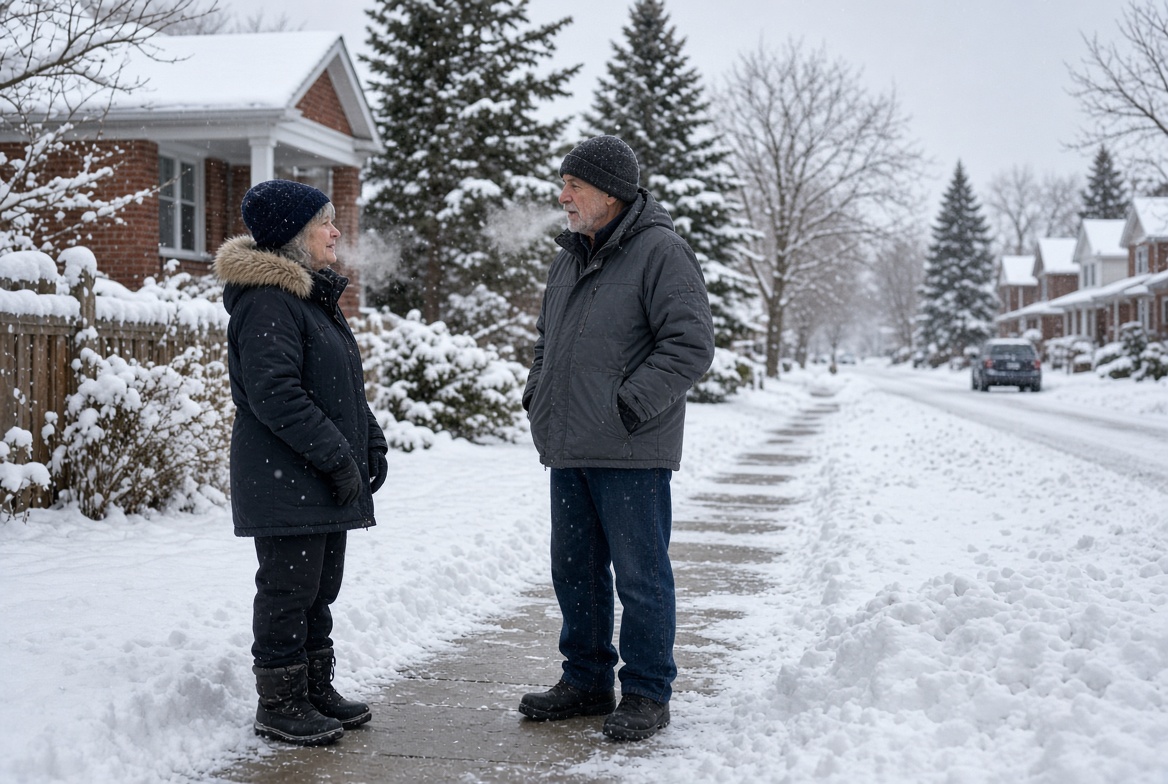
Common phrases & expressions in Ontario
CanadaEnglishOntario
Ontario English is the same language as other English, with a few local lines. Most of them are short. A visitor hears them at a counter, in a car, and on a dock.
Sorry
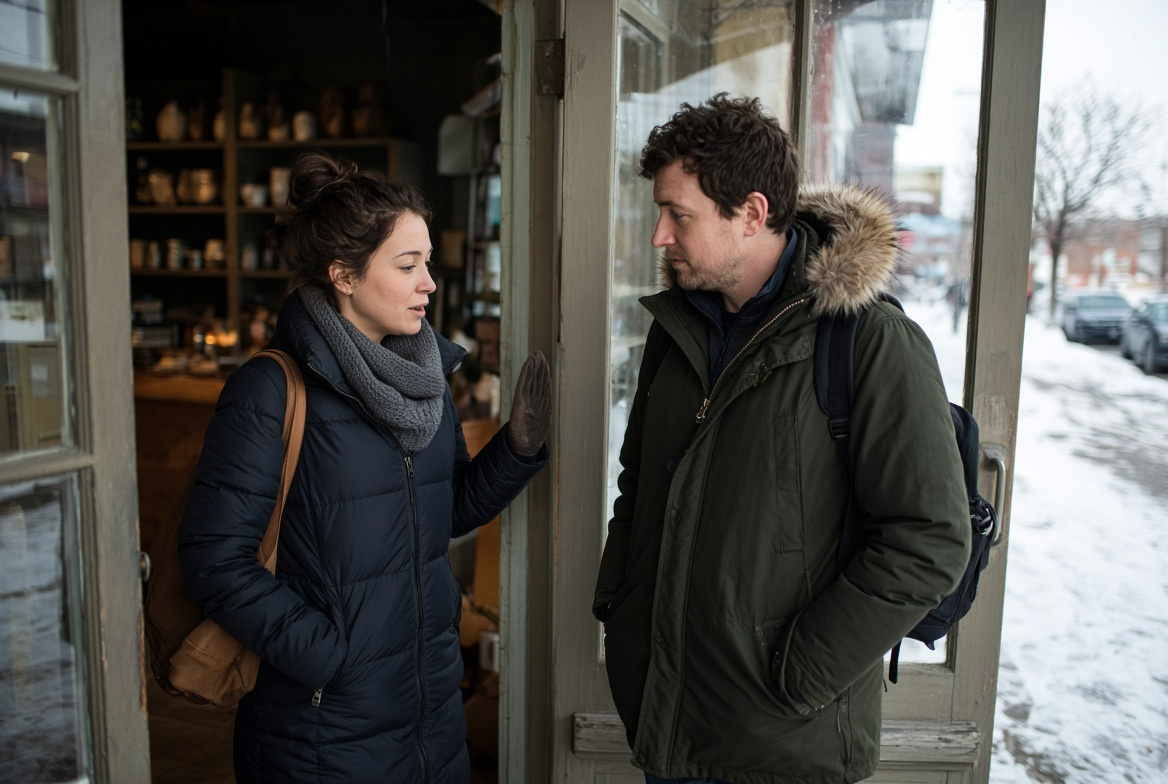 It is said when you bump someone, and also when they bump you.
- It is not always a real apology. It is a small softener.
- A door held, a tight aisle, a near miss: sorry covers them.
- It does not mean you were wrong.
- Leaving it out can sound sharp.
Eh
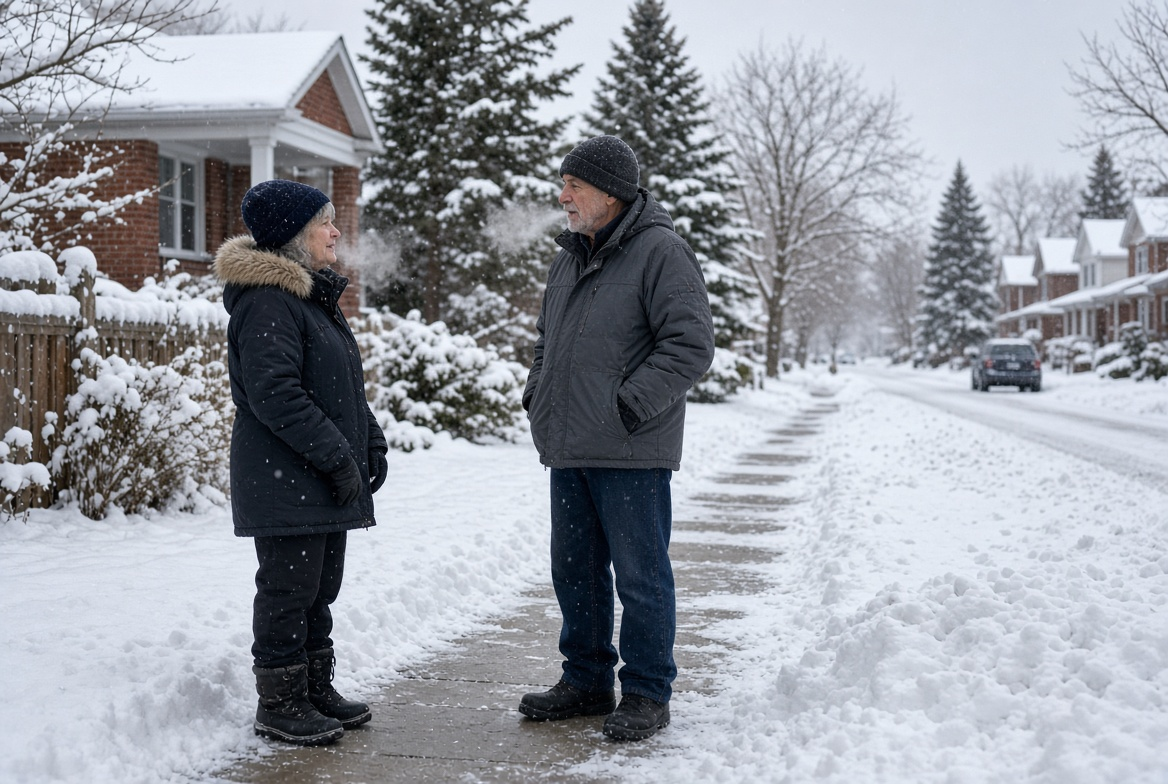 It is a tag at the end of a line. It asks if you follow.
- “Cold out, eh?” means the speaker wants a small yes.
- It is less common in a formal room.
- A visitor does not need to copy it.
- Hearing it is normal. It is not a joke on its own.
Not too bad
 It means fine, or even good. It does not mean poor.
- “How are you?” often gets this, not a long answer.
- Praise is kept small. “Not bad” can be a compliment.
- A real complaint sounds different. This one is mild.
- It fits the habit of not making a fuss.
Double-double
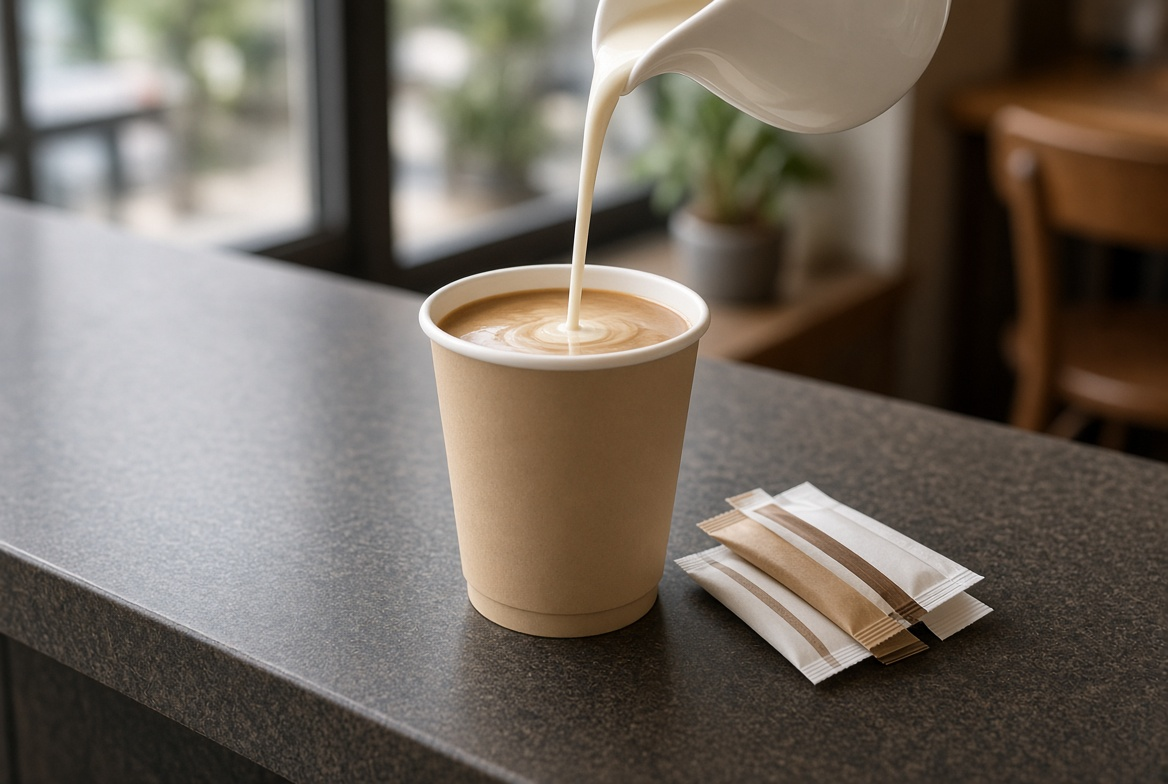 It is a coffee with two creams and two sugars.
- The line comes from the doughnut counter. It is still used.
- You can order it that way and be understood.
- A “regular” in some shops means one cream and one sugar.
- It is a drink order, not a proverb.
Give’er
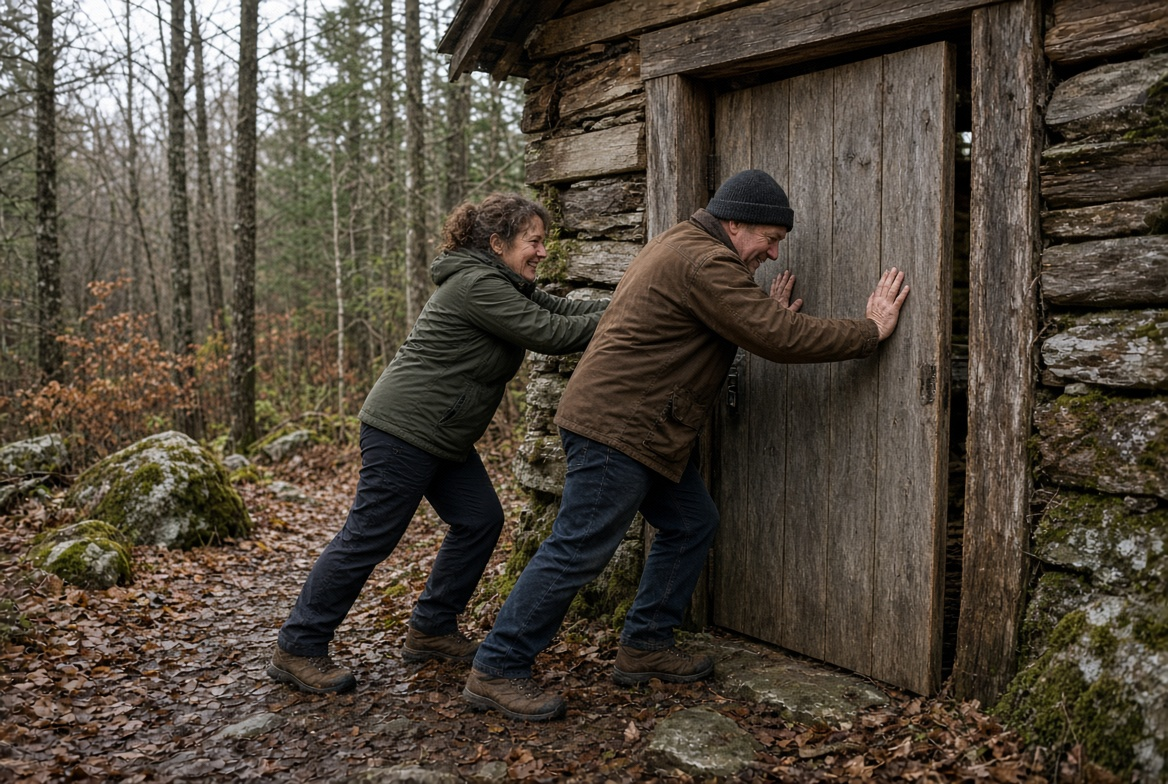 It means try hard, or go ahead.
- A stuck door, a last hill, a job to finish: give’er.
- It is casual. A meeting does not use it.
- The point is effort, not carelessness.
- A friend says it. A stranger may not.
Out for a rip
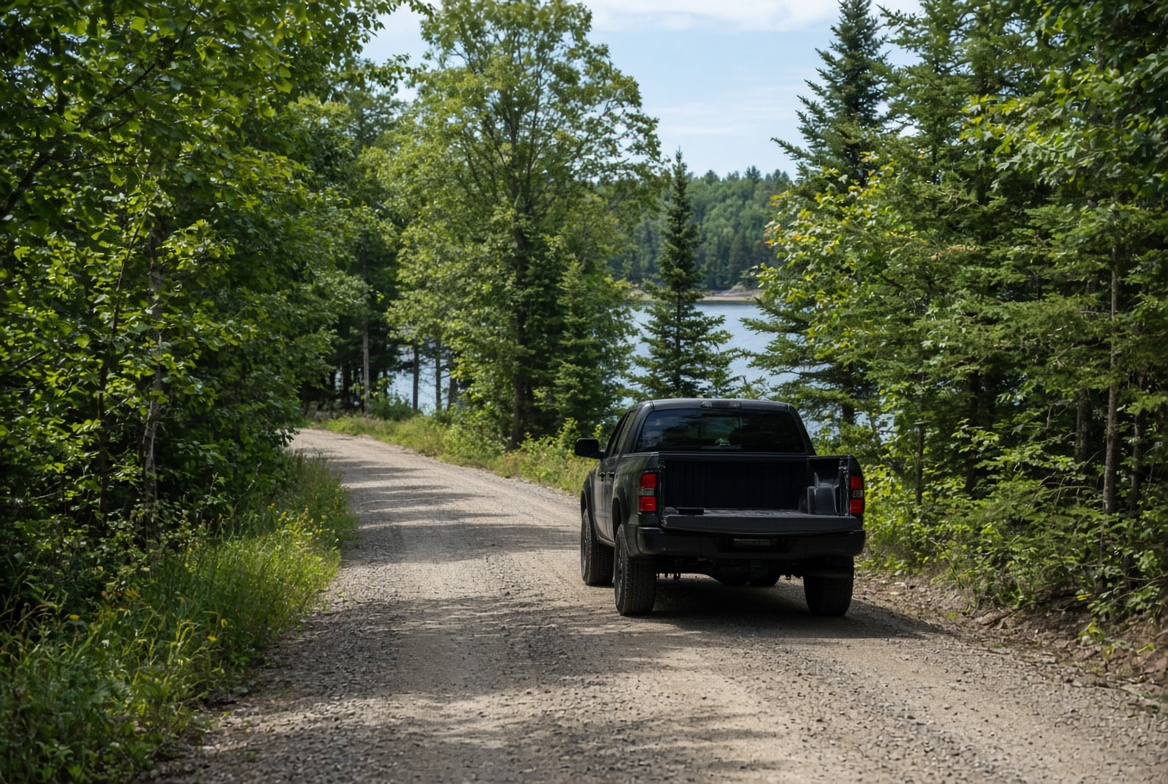 A rip is a short drive with no real errand.
- It is often in a truck, on a back road, or to the cottage.
- The point is the drive itself.
- It is a weekend line more than a work line.
- You are invited, or you are not. Both are fine.
A two-four
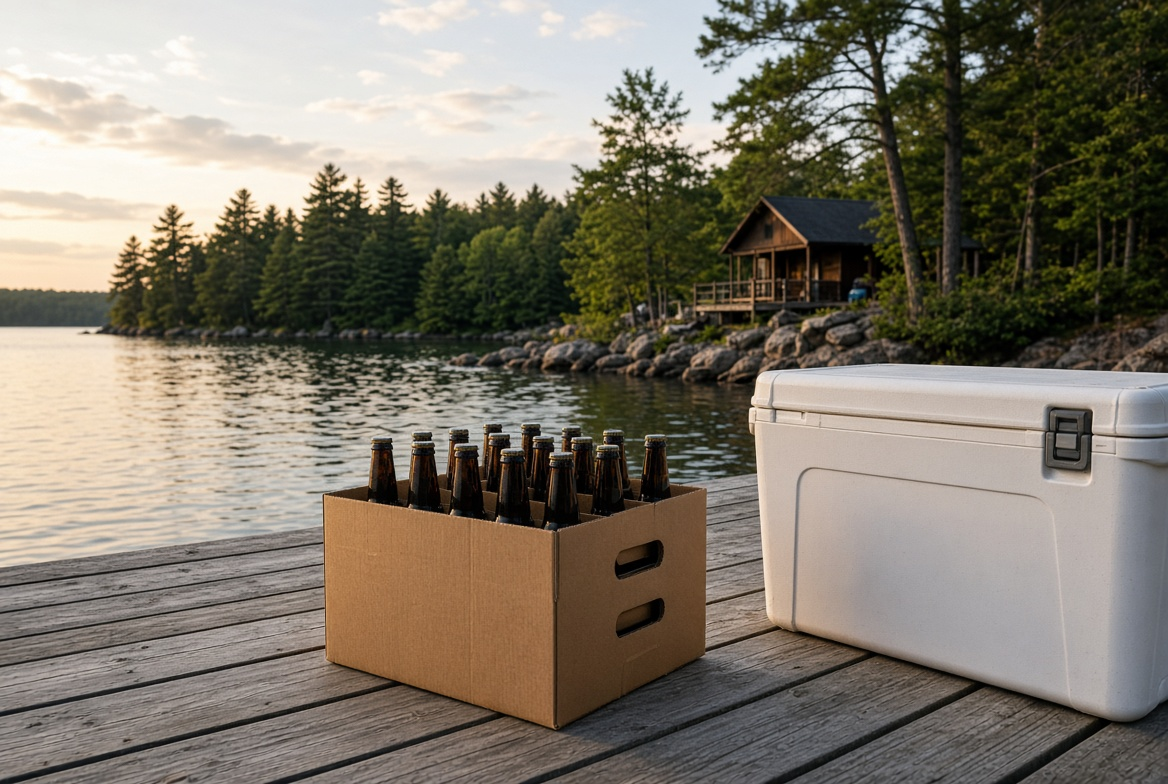 It is a case of 24 beers.
- The name is the count, not a brand.
- It shows up at a cottage, a barbecue, and a long weekend.
- A six-pack is smaller. A two-four is the party size.
- It is a shopping word, not a toast.
Toque
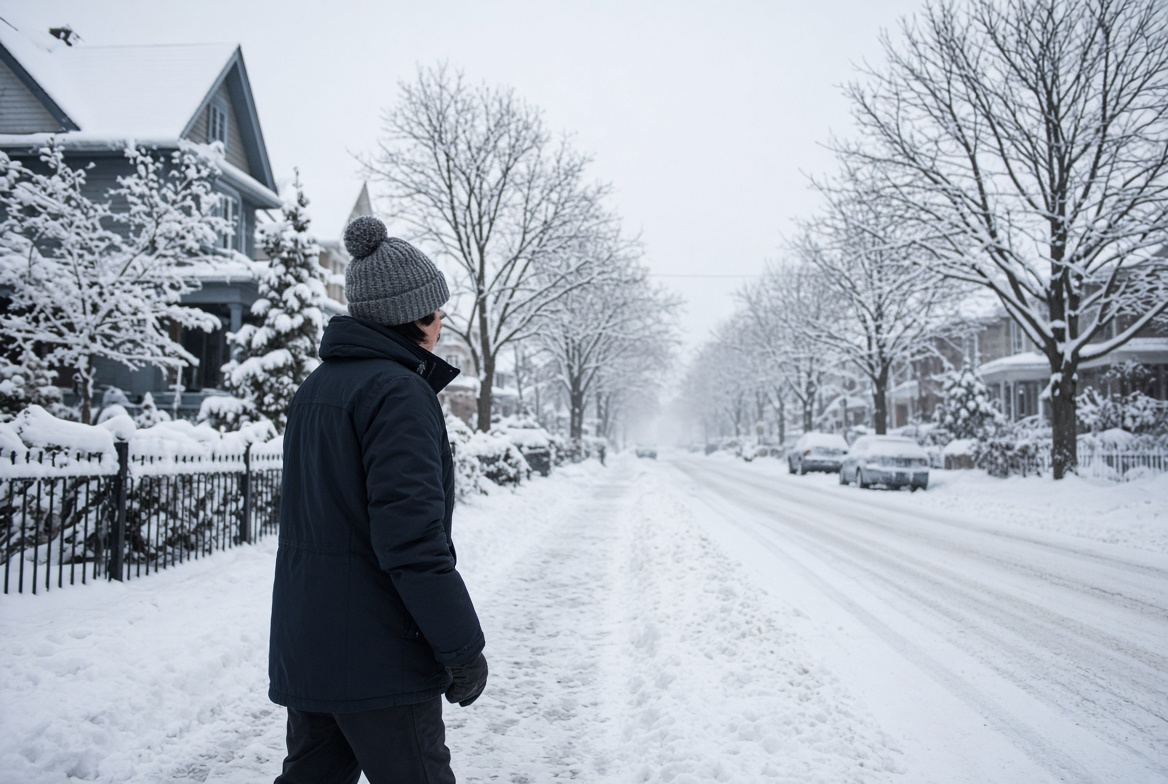 It is a knit winter hat.
- Ontario says toque. Other places say beanie.
- You need one from November on.
- Losing it is a small winter story.
- The word is local. The hat is not optional.
CanadaNiagaraOntario