
Cultural Symbols of Peru & Their Meanings
Peruvian culture is rich with symbols that reflect its Indigenous Andean roots, Inca heritage, connection to nature, and spiritual beliefs. Here are some of the most important ones:
1. Inti – The Sun God
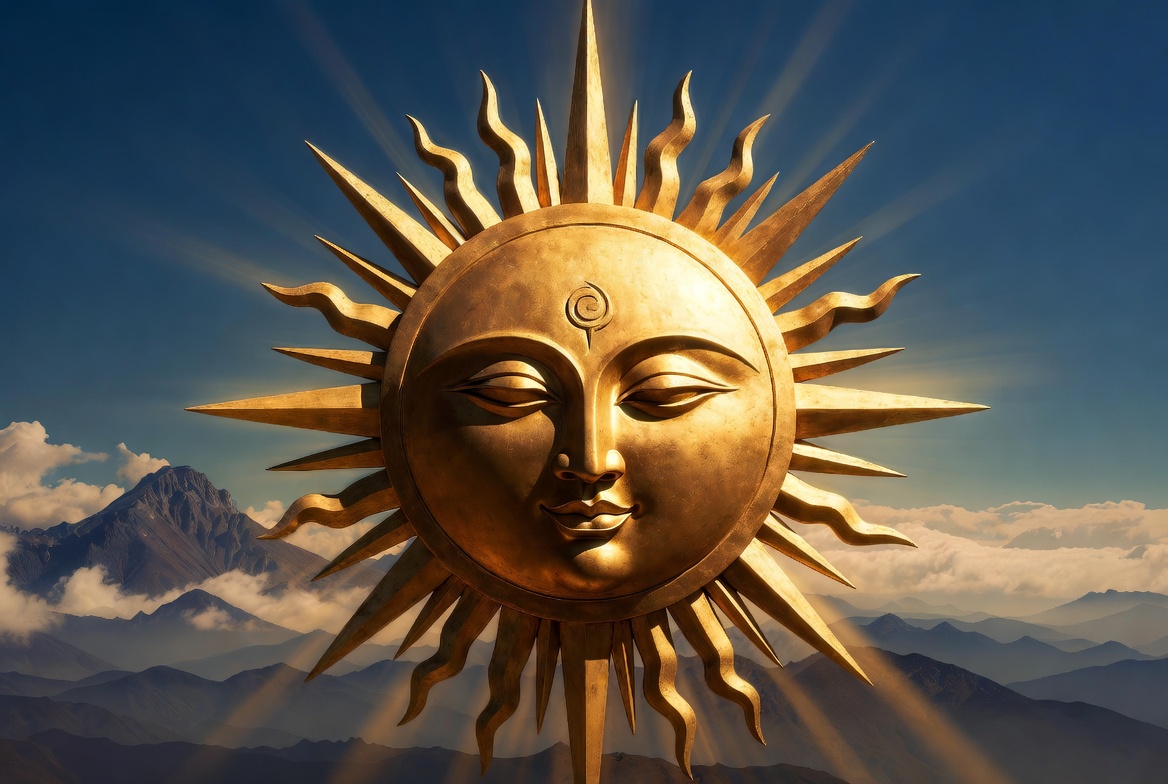
The most important deity in Inca religion.
Symbolizes life, energy, warmth, and divine power.
Represented by a golden sun with rays and a human face. Central to Inti Raymi festival.
2. Chakana (Andean Cross)
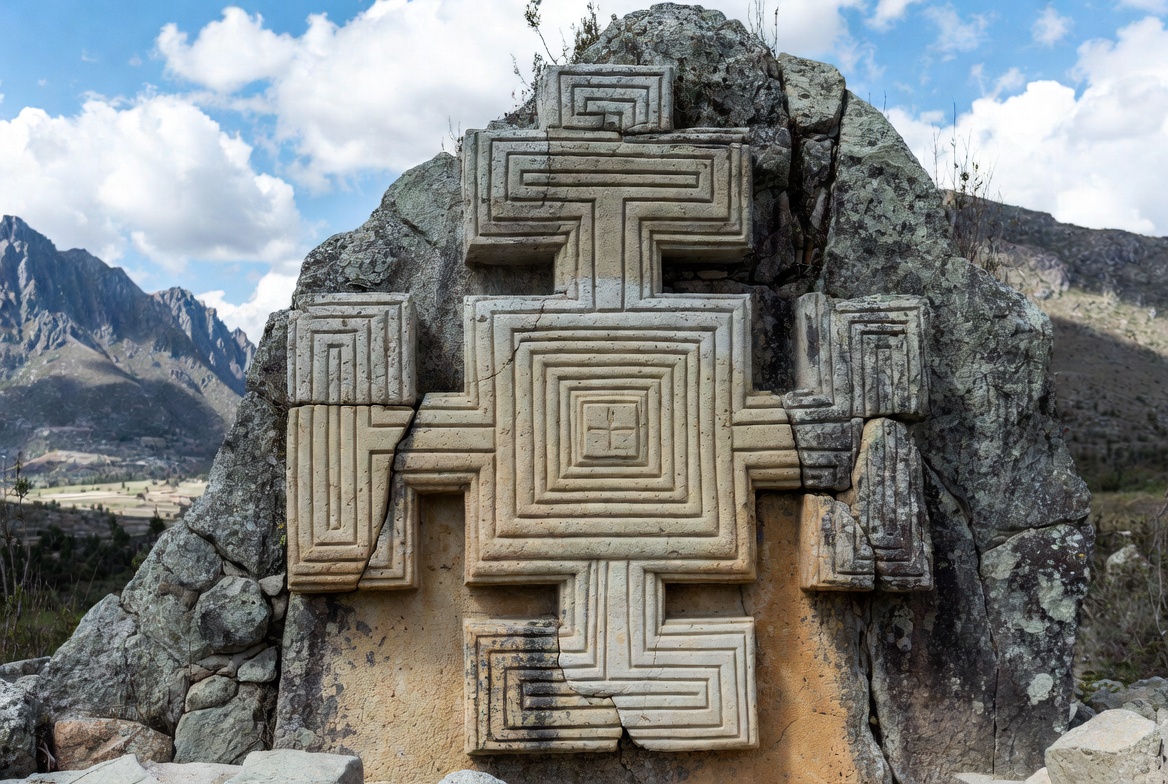
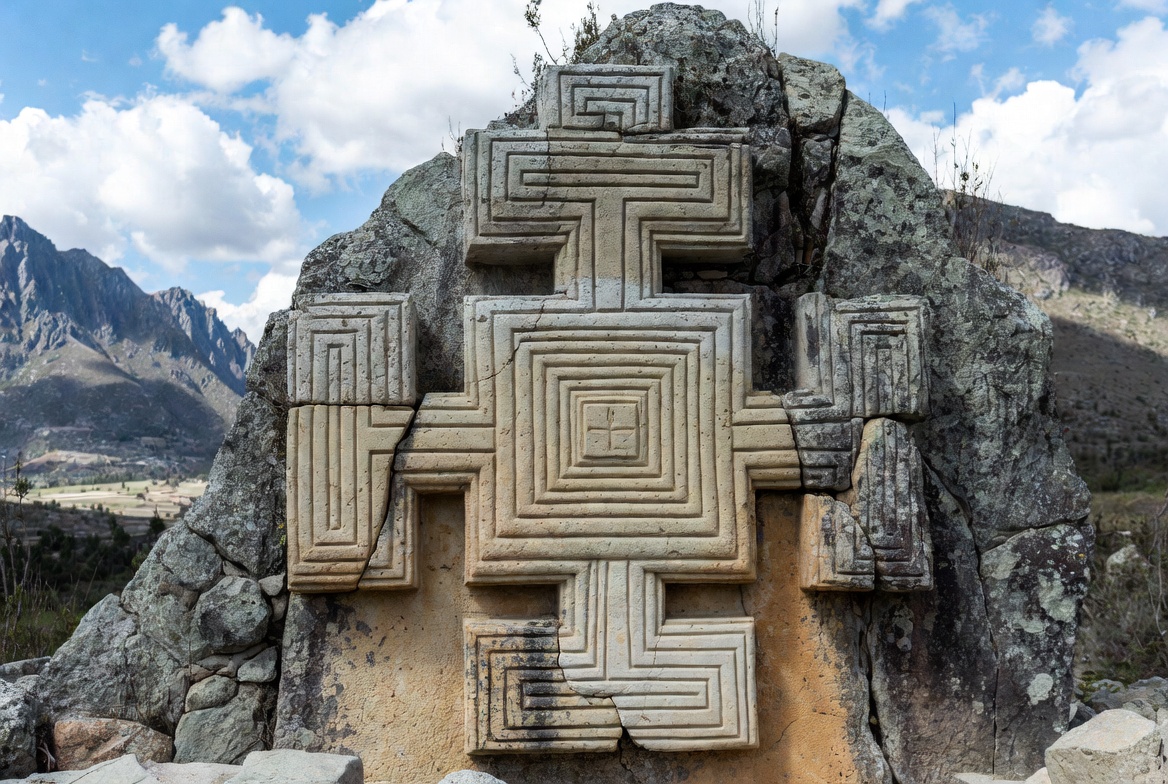
A stepped cross with 12 points, representing the Inca worldview.
Symbolizes the union of heaven, earth, and underworld; balance, harmony, and the cycles of life.
Often seen in textiles, jewelry, and architecture.
3. Condor
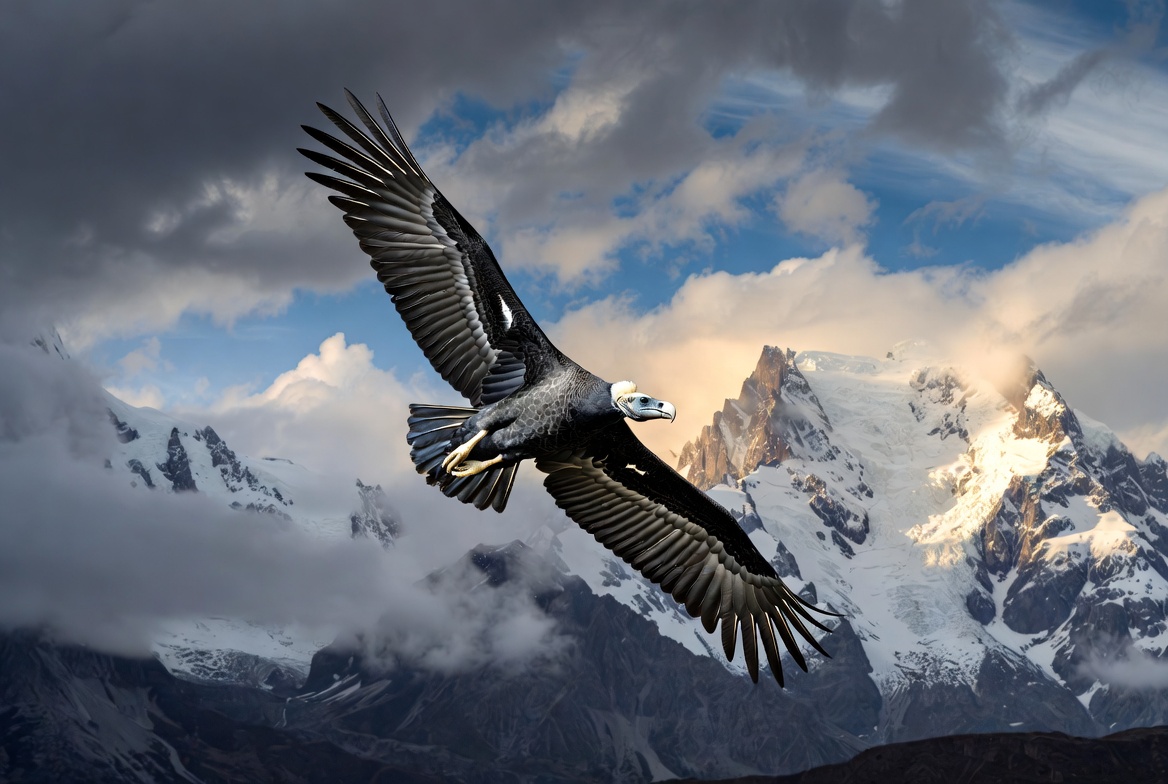
One of the most powerful Andean animals.
Represents the heavens, freedom, vision, and spiritual elevation.
Part of the Inca trilogy: Condor (sky), Puma (earth), Serpent (underworld).
4. Pachamama (Mother Earth)
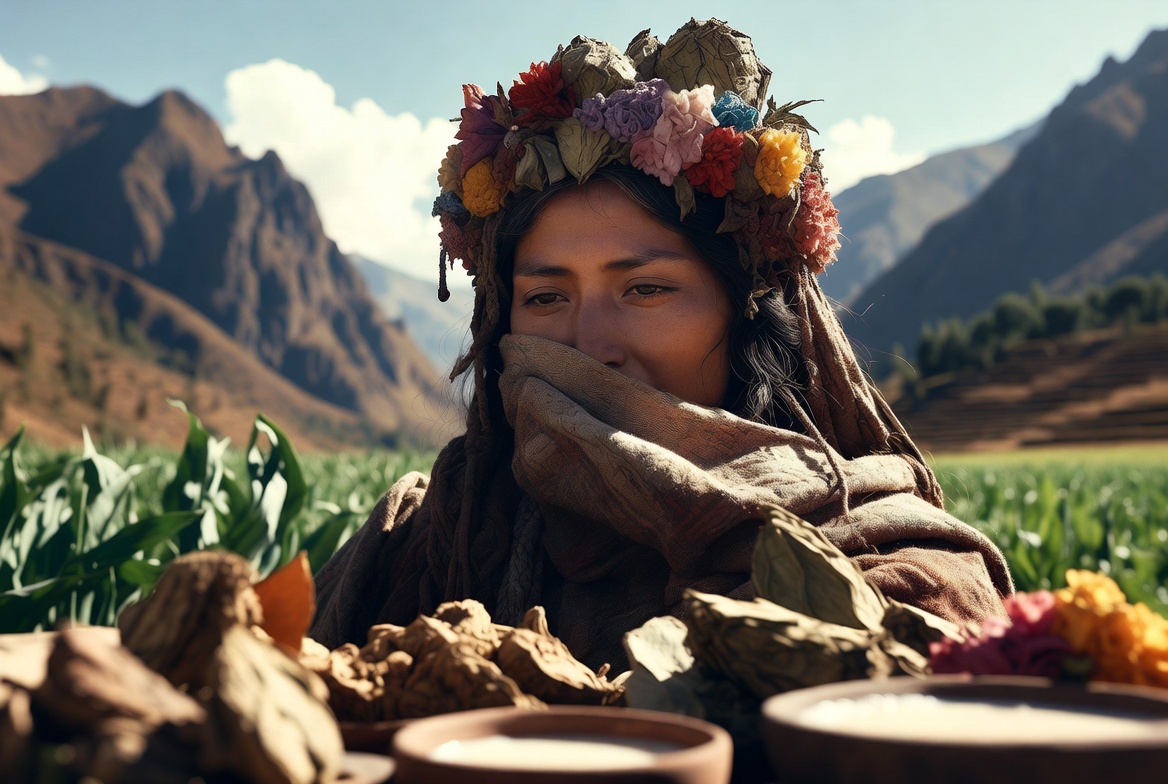
The goddess of fertility, agriculture, and nature.
Symbolizes gratitude, abundance, and respect for the environment.
People still make offerings (coca leaves, chicha) to her today.
5. Peruvian Flag (Red & White)
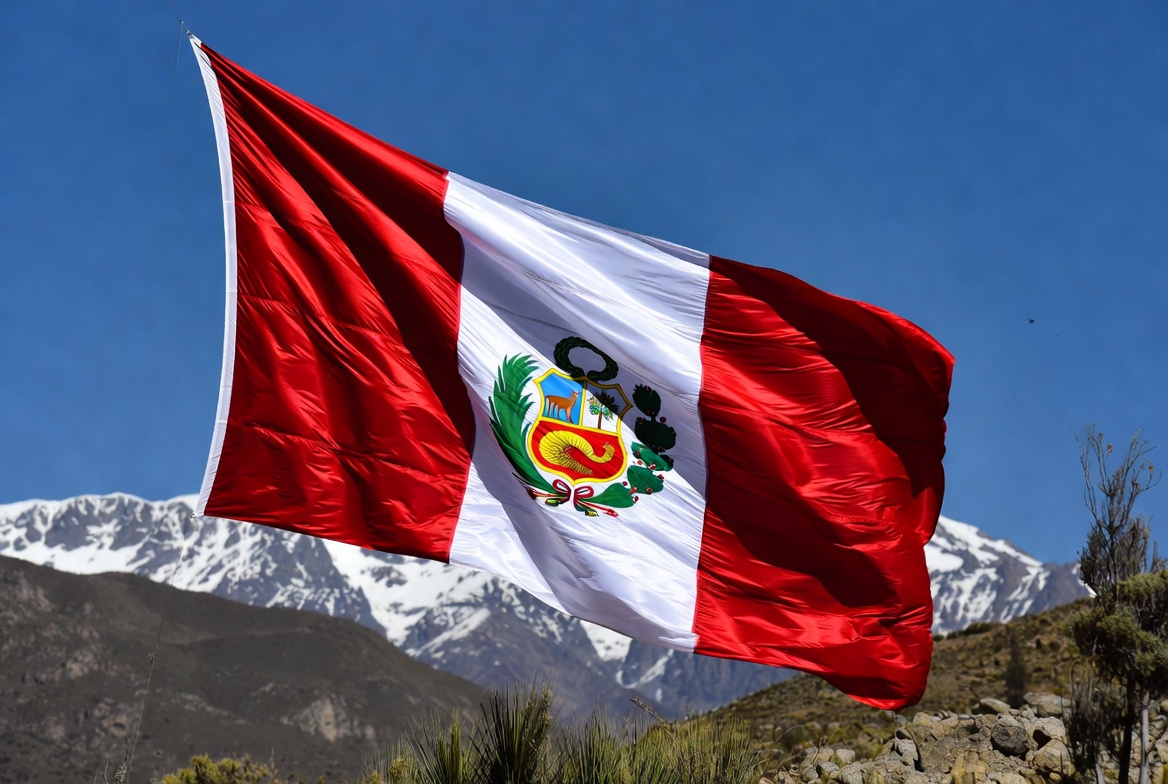
Red represents the blood of those who fought for independence and the courage of the people.
White symbolizes peace, purity, and justice.
The coat of arms in the center features a vicuña, cinchona tree, and cornucopia.
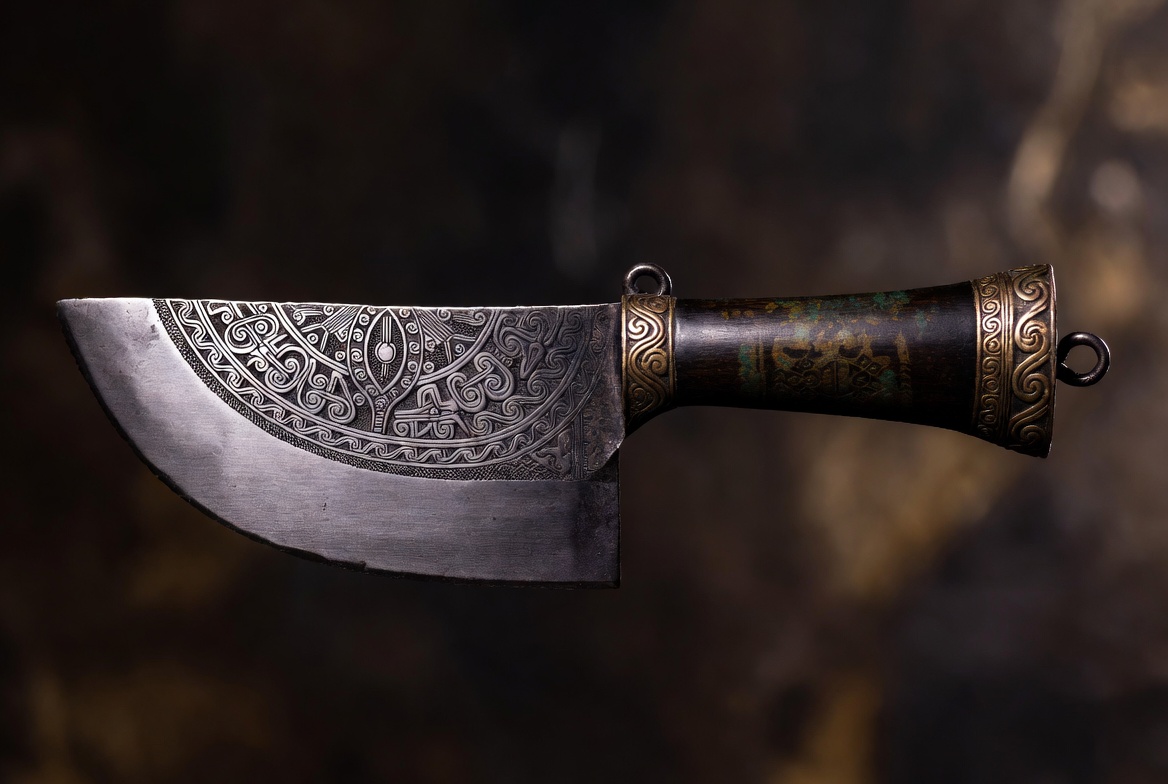
6. Tumi
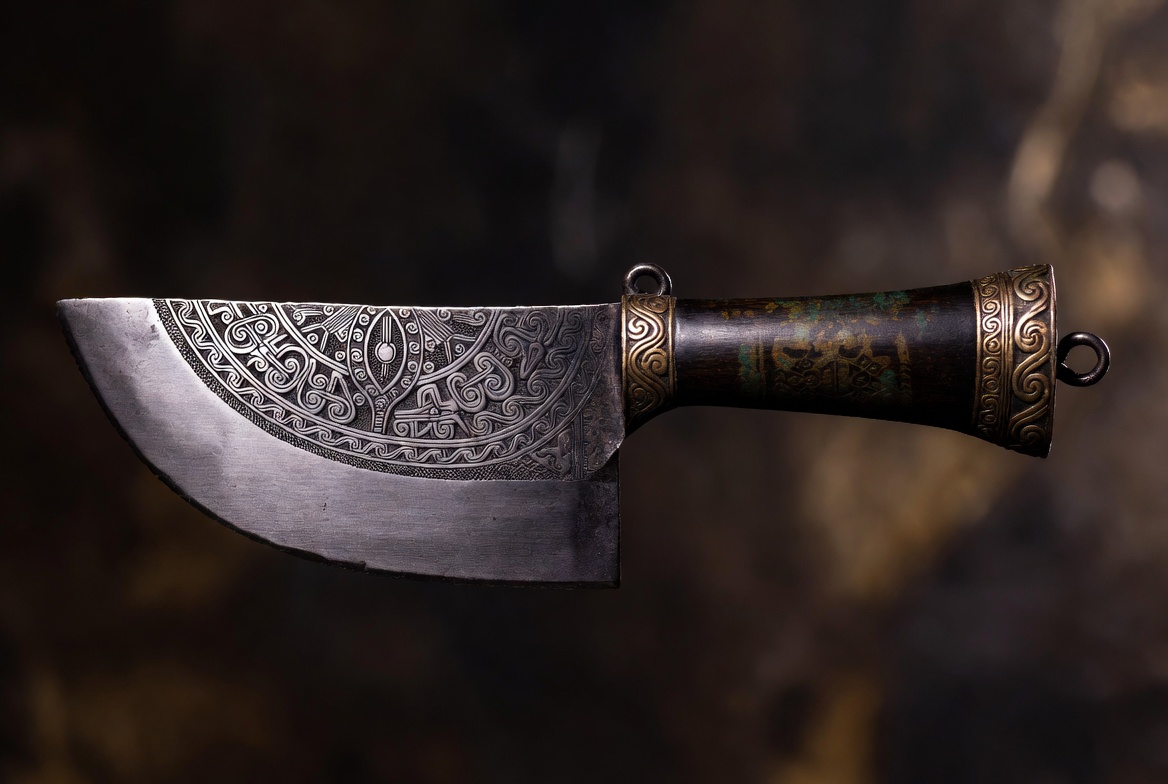
A ceremonial sacrificial knife with a half-moon blade.
Symbol of authority, medicine, and spiritual power.
Strongly associated with the ancient Chimú and Moche cultures.
7. Quipu (Khipu)
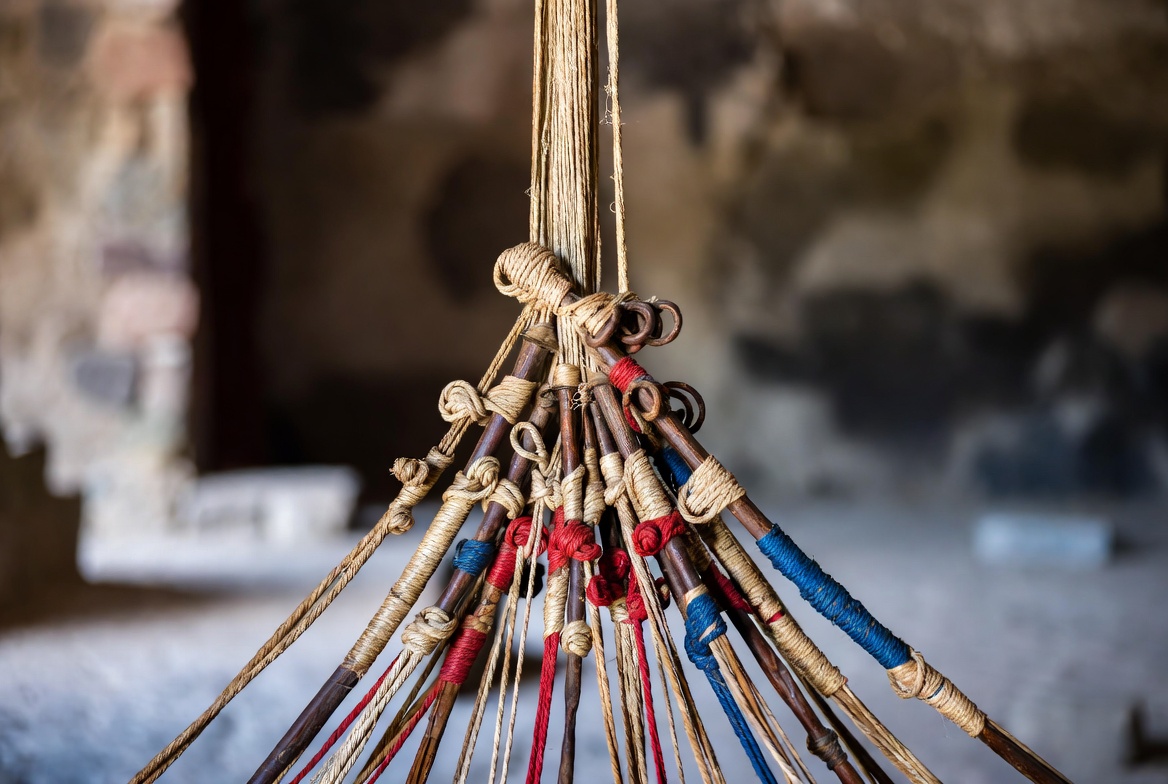
Knotted string recording system used by the Inca.
Symbol of knowledge, administration, and memory.
Represents the sophisticated Inca civilization without a written language.
8. Coca Leaf
Sacred plant in Andean culture.
Symbolizes endurance, connection to the land, and spiritual communication.
Used in rituals, offerings, and traditional medicine (not to be confused with cocaine).
These symbols appear in art, textiles, festivals, and daily life — connecting modern Peruvians to their ancient heritage.