
Czech Traditional Festivals & Celebrations: A Tourist's Guide
Czech festivals are a colorful mix of pagan traditions, Christian rituals, and modern fun. Tourists who understand them can join the joy and avoid awkward moments.
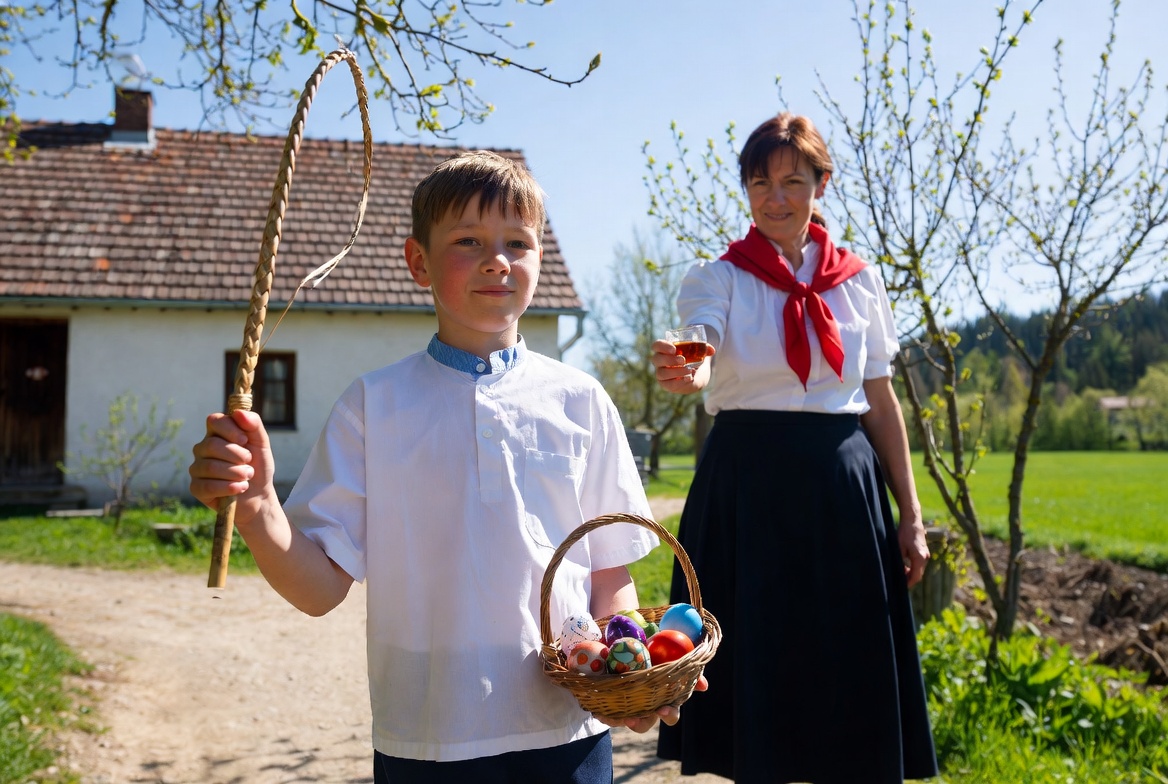
1. Easter Monday (Pomlázka)
Celebrated on Easter Monday (March/April).
Men and boys whip women and girls with braided willow branches (pomlázka).
Whipping is believed to bring health, beauty, and youth for the year.
Women give decorated eggs and shots of slivovice (plum brandy) in return.
Very playful and joyful.
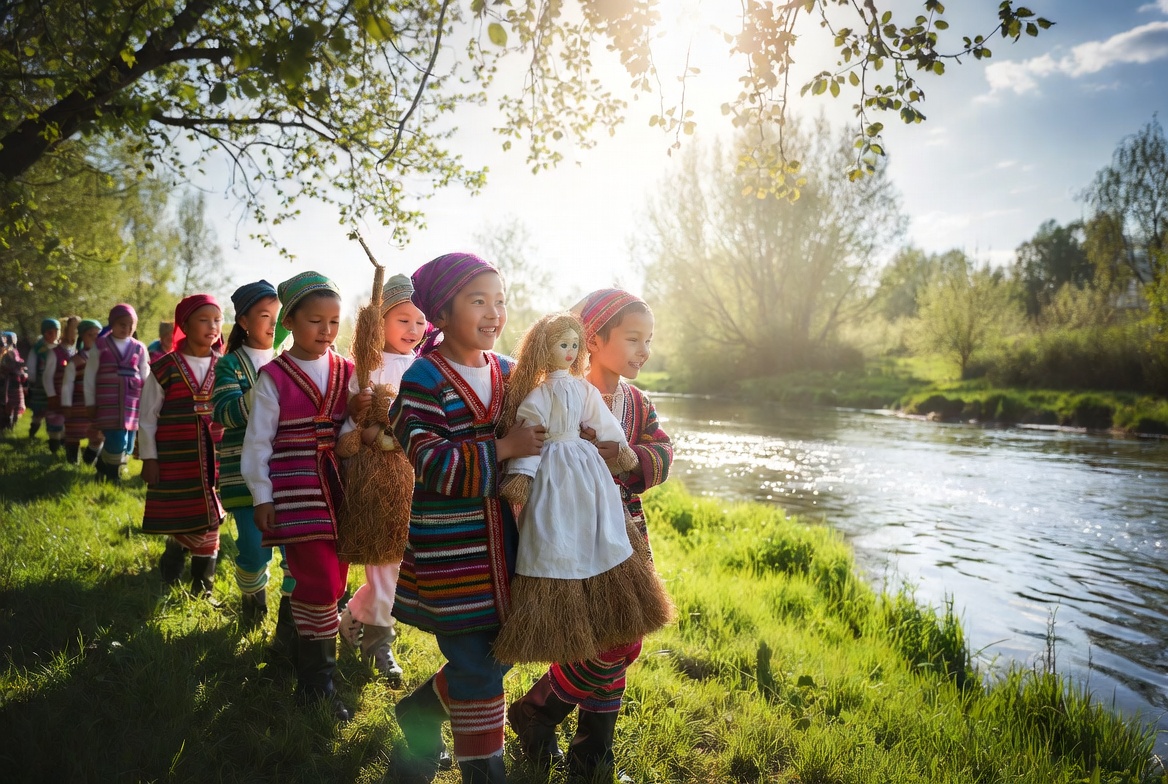
2. Burning of Morena (Winter Doll)
Celebrated on March 21 (first day of spring).
A straw doll (Morena) represents winter, death, and disease.
Children parade through the village with the doll.
Morena is burned or thrown into a river (symbolizing the death of winter).
Ancient pagan Slavic tradition.
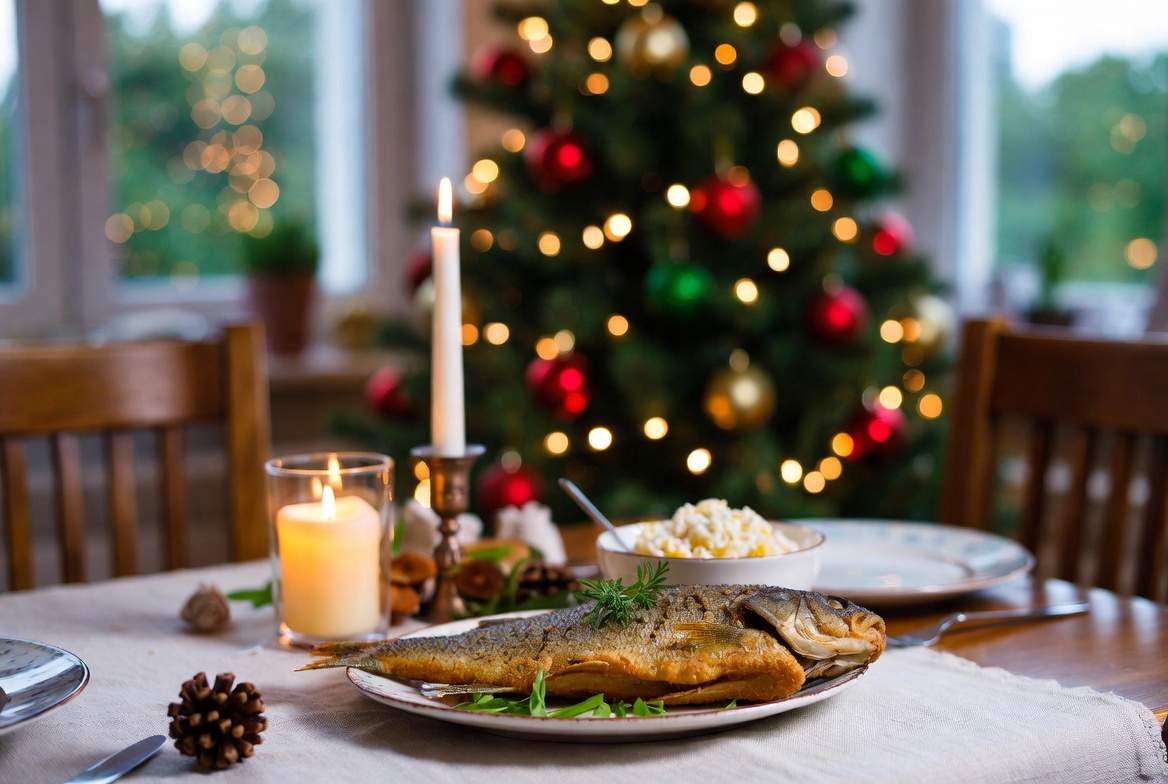
3. Christmas Eve (Štědrý den)
Celebrated on December 24.
Traditional meal: fish soup, fried carp with potato salad.
Carp is bought alive days before and kept in the bathtub.
Dinner begins when the first star appears.
Gifts brought by Ježíšek (Baby Jesus), not Santa.
No meat consumed on Christmas Eve (except fish).
4. St. Martin's Feast (Svatý Martin)
Celebrated on November 11.
"Sv. Martin přijíždí na bílém koni" (St. Martin arrives on a white horse) – first snow of winter.
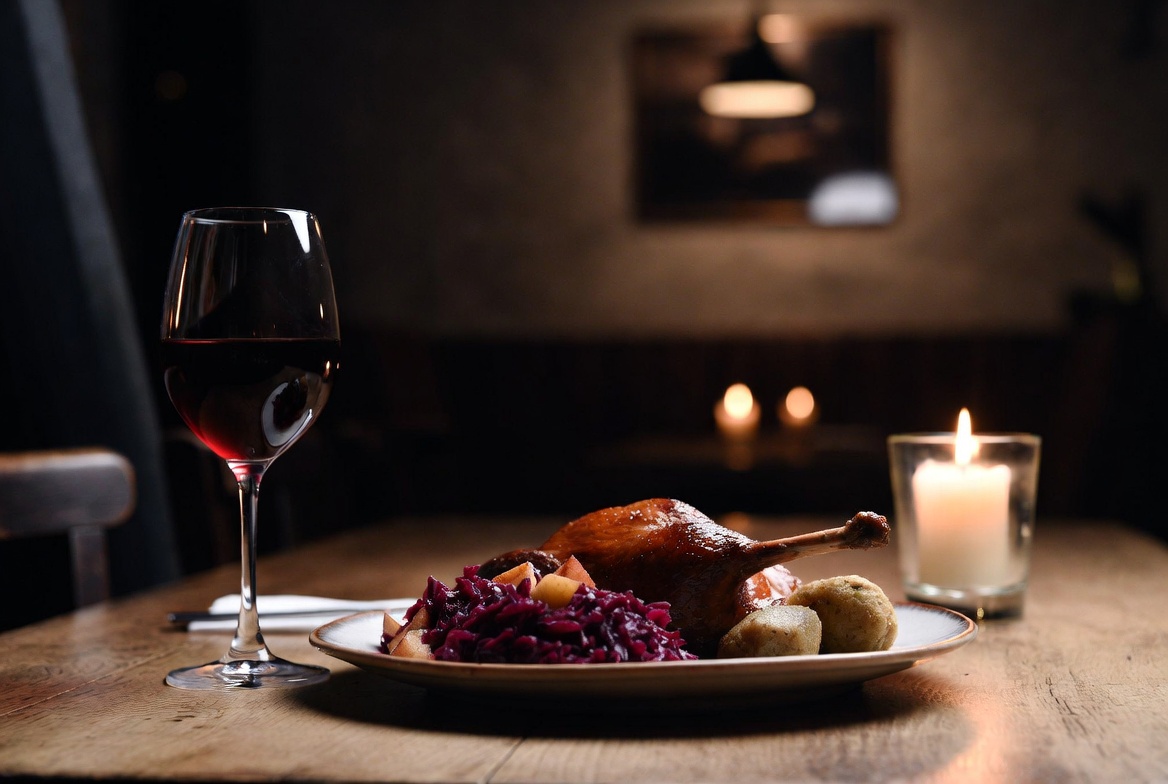
Traditional meal: roast goose with red cabbage and dumplings.
Young wine (Martinovské víno) is tasted for the first time.
Often celebrated in pubs and wine cellars.
5. Čarodějnice (Burning of Witches)
Celebrated on April 30 (night before May Day).
Bonfires are lit across the country.
A witch doll is burned on the fire (symbolizes the end of winter and evil).
People dance, sing, and eat sausages roasted over the fire.
Very popular with young people and families.