
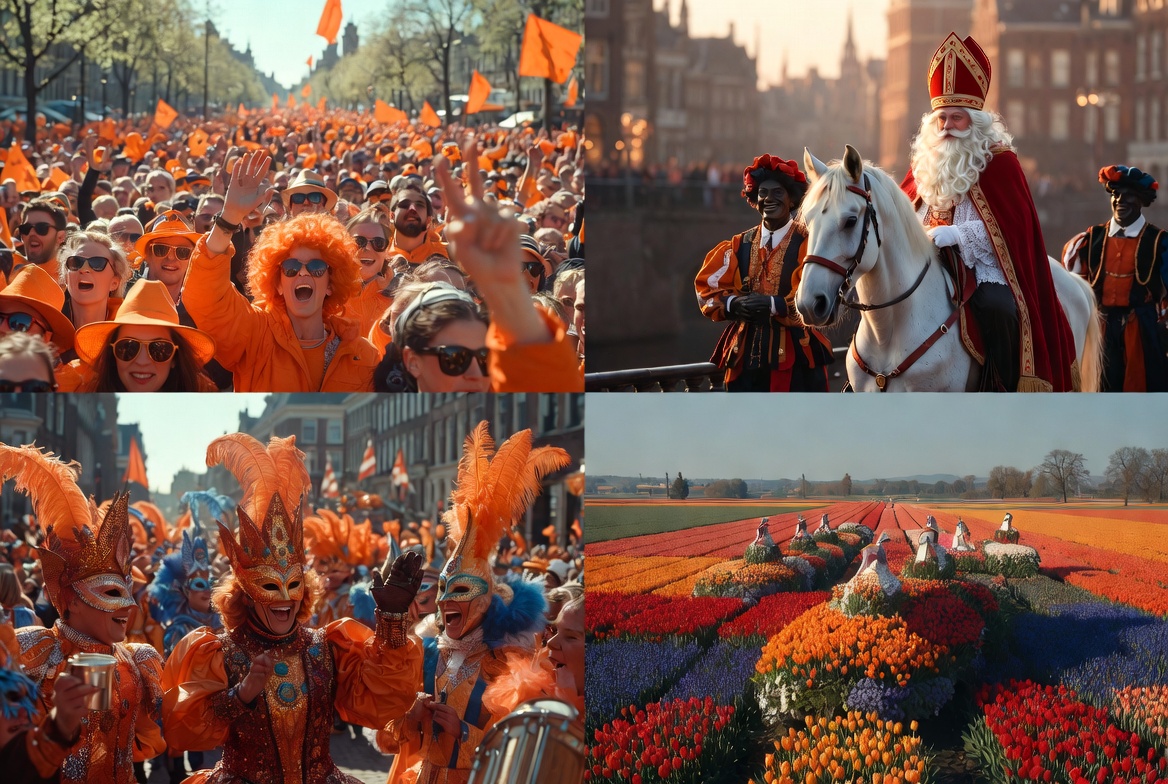
Dutch Traditional Festivals & Celebrations: A Tourist's Guide
The Dutch celebrate everything from kings to saints to the first herring of the year. Most festivals are family-friendly, loud, and full of orange.
1. King's Day (Koningsdag)
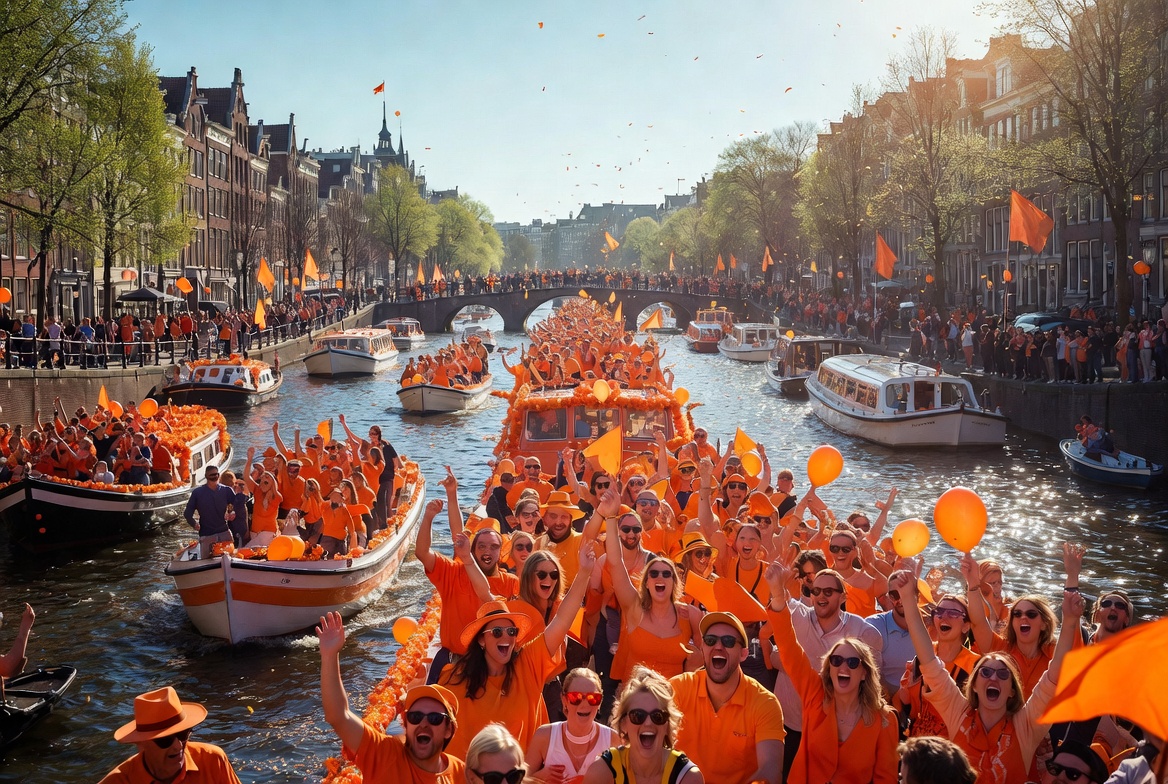
Celebrated on April 27 (King Willem-Alexander's birthday)
The entire country turns orange (Dutch royal family color)
Free markets everywhere (anyone can sell anything on the street)
Streets filled with music, dancing, and drinking
Amsterdam is extremely crowded (2-3 million visitors)
Children play games and win prizes
2. Sinterklaas (Saint Nicholas Eve)
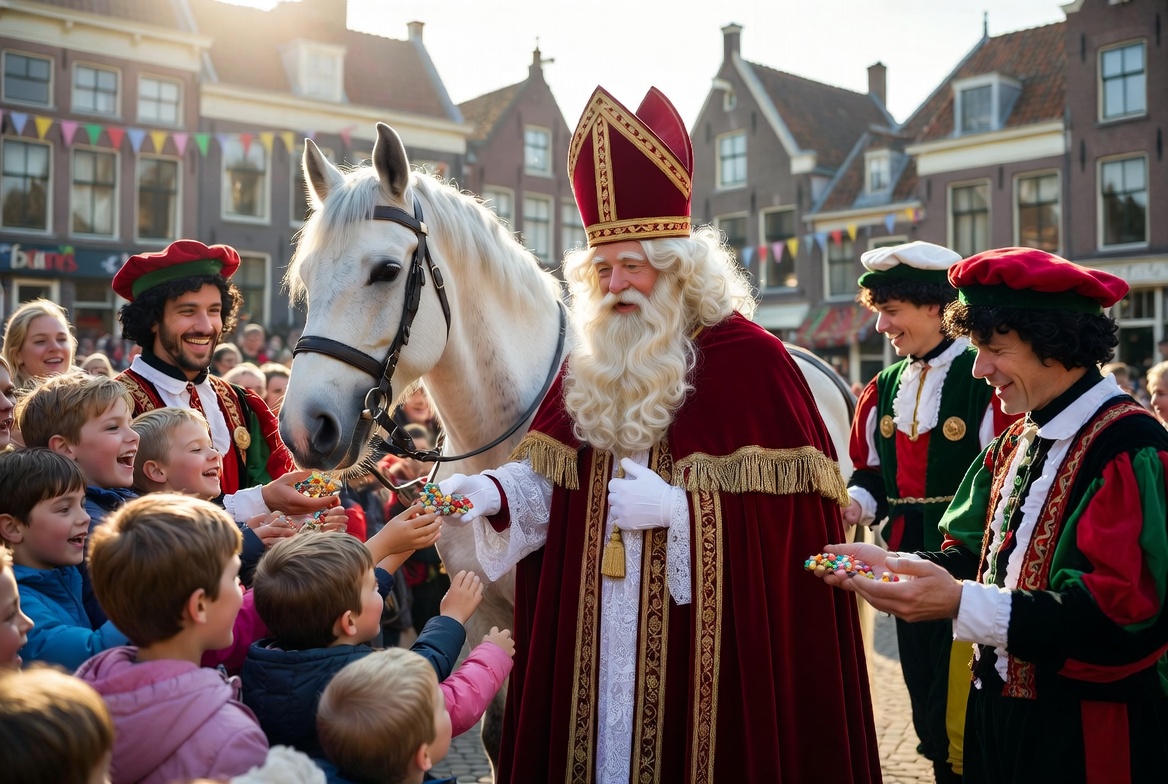
Celebrated on December 5 (evening)
Sinterklaas arrives by steamboat from Spain (mid-November)
Children put shoes by fireplace (carrot for horse, sing songs)
Sinterklaas and helpers (Pieten) leave gifts in shoes
Traditional candies: pepernoten (small spiced cookies), chocolate letters
Surprises: poems and creative gift-wrapping (adults)
3. Carnival (Carnaval)
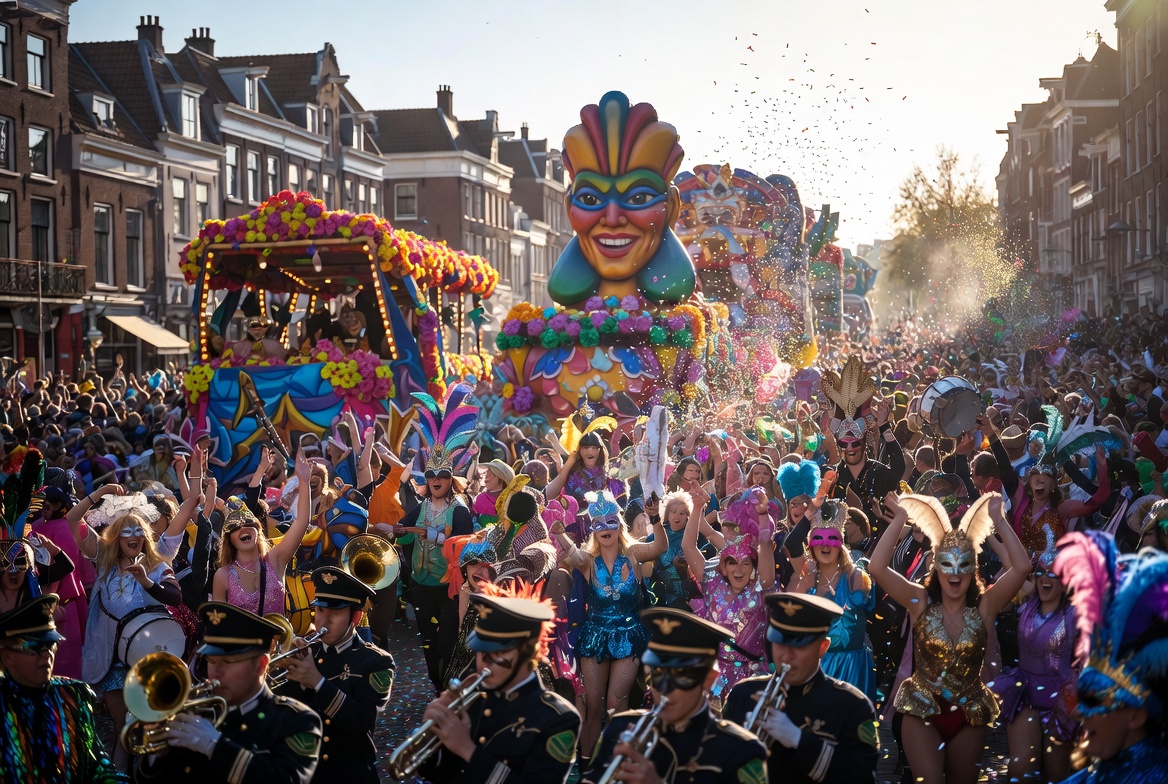
Celebrated in February or March (before Lent)
Mostly in southern provinces (Limburg, North Brabant)
Cities change names (Den Bosch becomes "Oeteldonk")
Costume parades, music, drinking, dancing
40+ parades in different cities
Not celebrated in north (Amsterdam, Utrecht, Rotterdam)
5. Tulip Festival (Tulpenfestival)
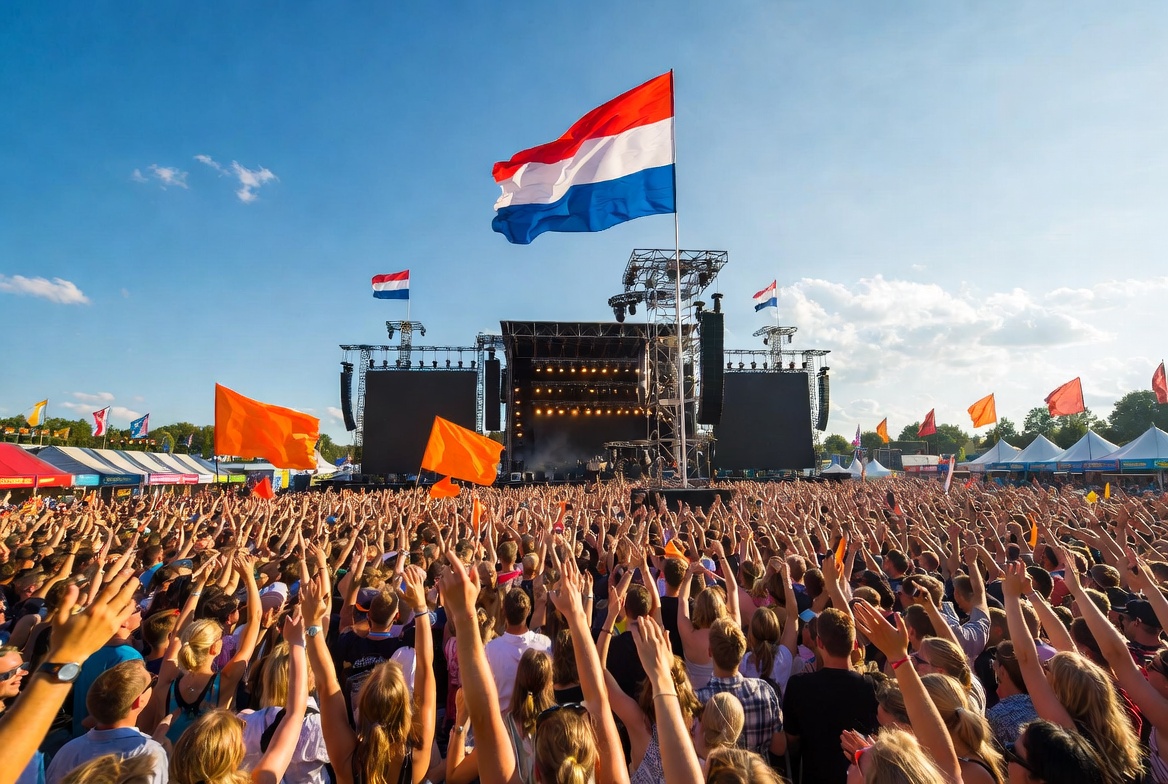
Celebrated from late March to early May
Tulip fields in full bloom (Bollenstreek region, near Lisse)
Keukenhof Gardens open for 8 weeks (7 million flowers)
Flower parade (Bloemencorso) with giant flower floats
Tourists can pick their own tulips at farms
Most famous flower event in the world
6. New Year's Eve (Oud en Nieuw)
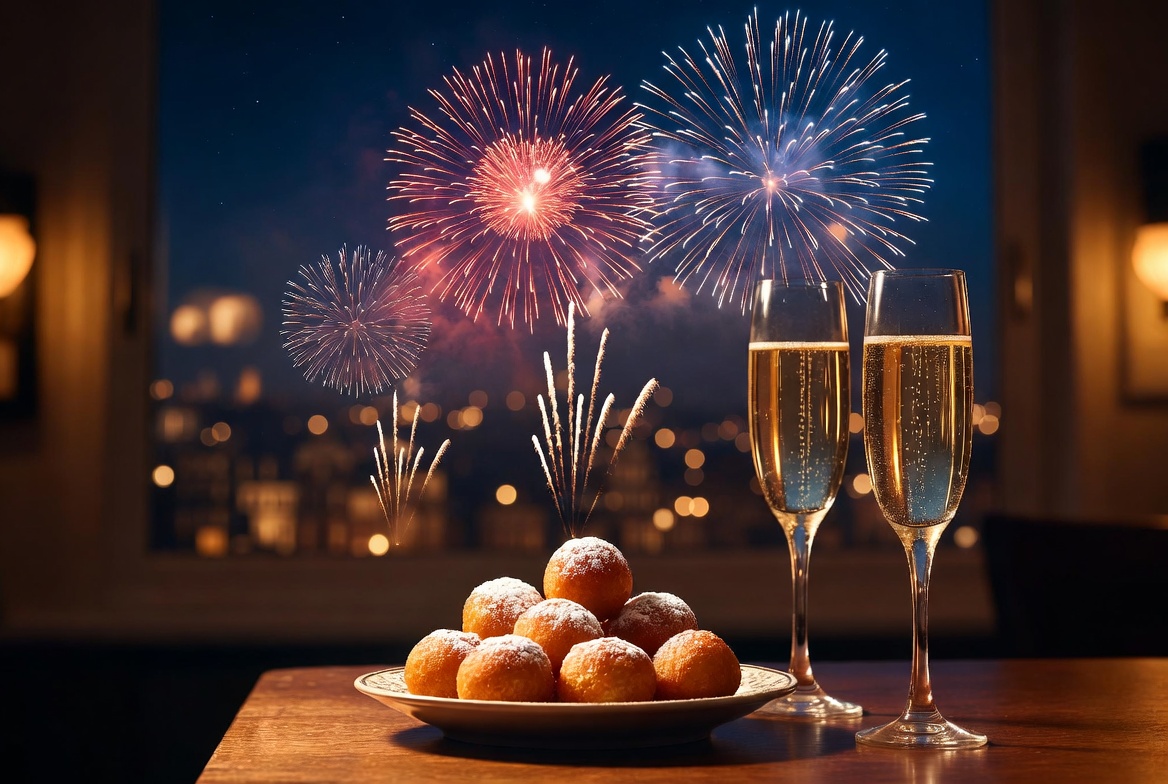
Celebrated on December 31 (Oudjaarsdag) and January 1 (Nieuwjaarsdag)
Fireworks everywhere from 6 PM to 2 AM (sold from temporary stalls)
Traditional food: oliebollen (deep-fried dough balls with raisins)
Bonfires on beaches (Scheveningen)
People jump into freezing North Sea on January 1 (Nieuwjaarsduik)
Police strictly enforce illegal firework bans