
Festivals Celebrated in Japan
Japan has a rich calendar of festivals (called Matsuri). Here are the most significant and widely celebrated ones:
1. New Year (Shōgatsu) – January 1–3
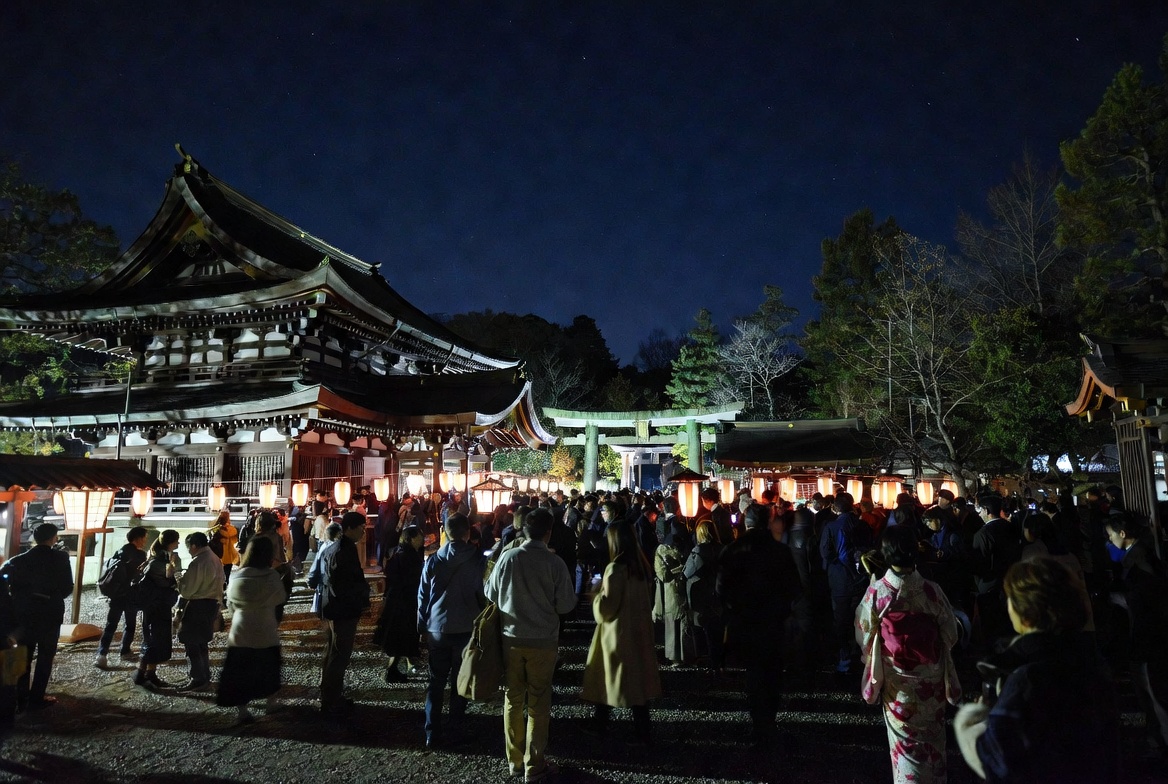
The biggest festival of the year.
Families gather, eat special foods (Osechi), visit shrines (Hatsumōde), and send New Year cards.
Many businesses close for the first few days.
2. Coming of Age Day (Seijin no Hi) – Second Monday of January
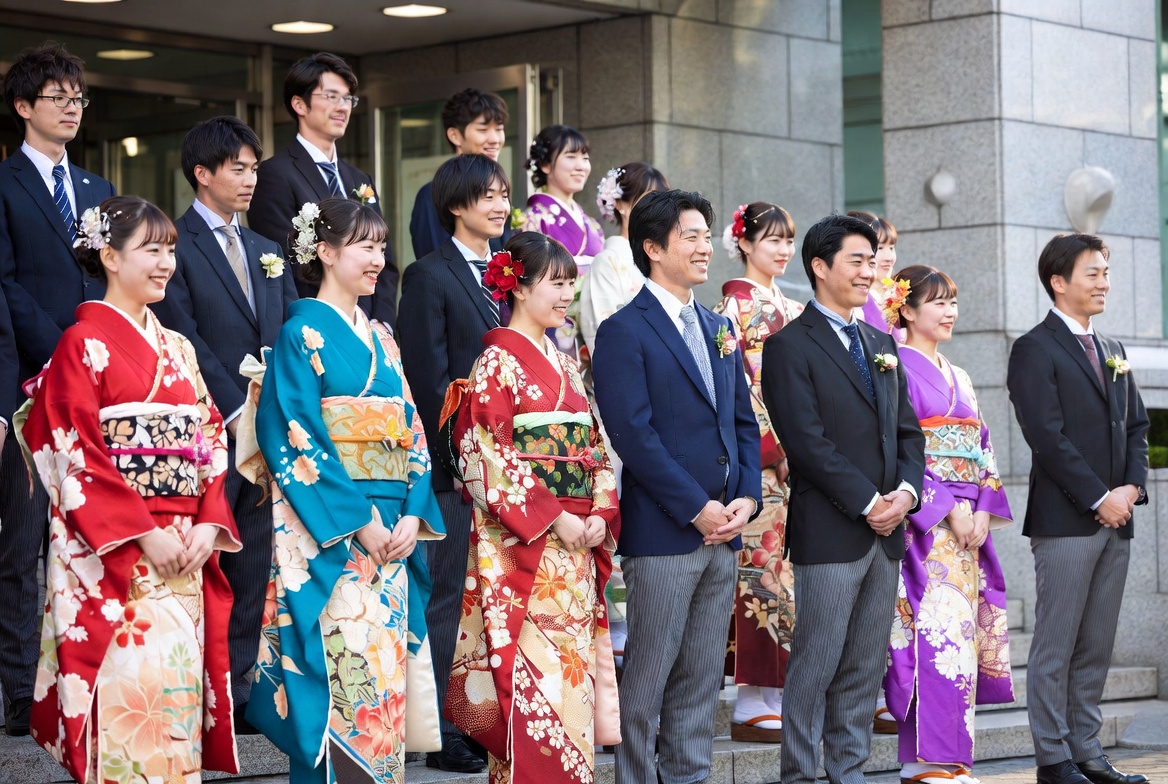
Celebrates young people turning 20 (legal adulthood).
Young adults dress in beautiful furisode kimonos and attend ceremonies.
3. Cherry Blossom Festival (Hanami) – Late March to Early April
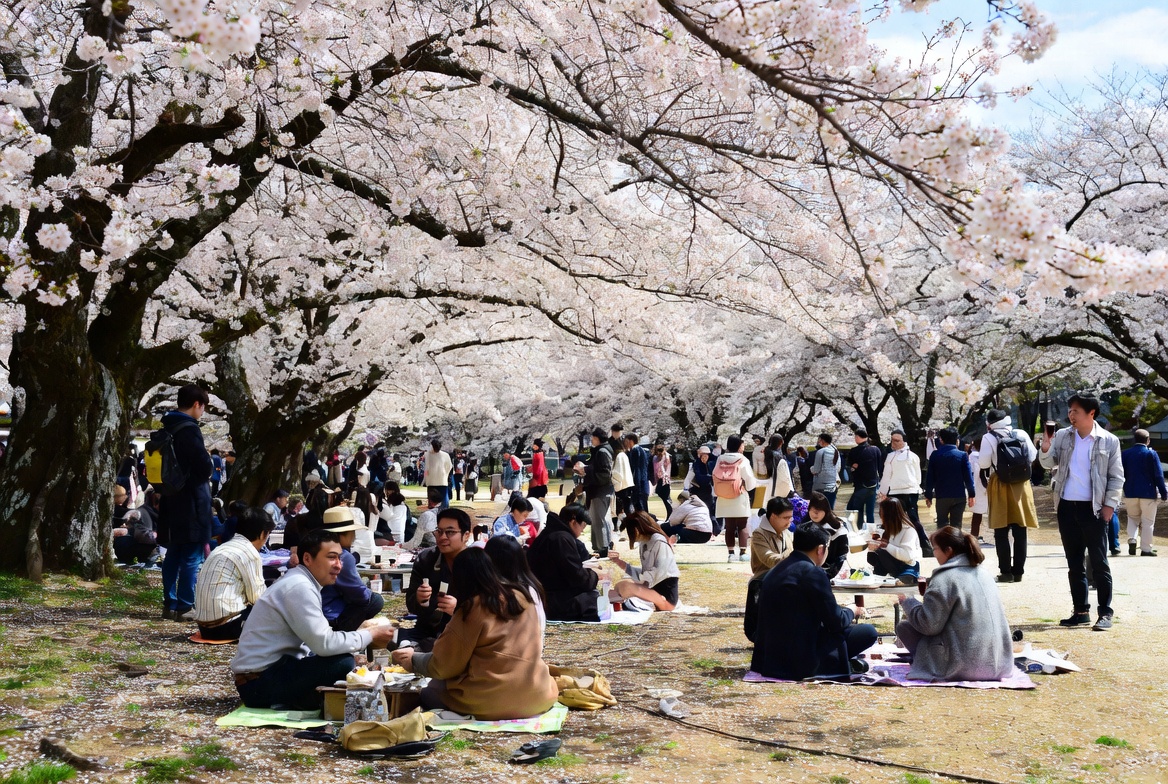
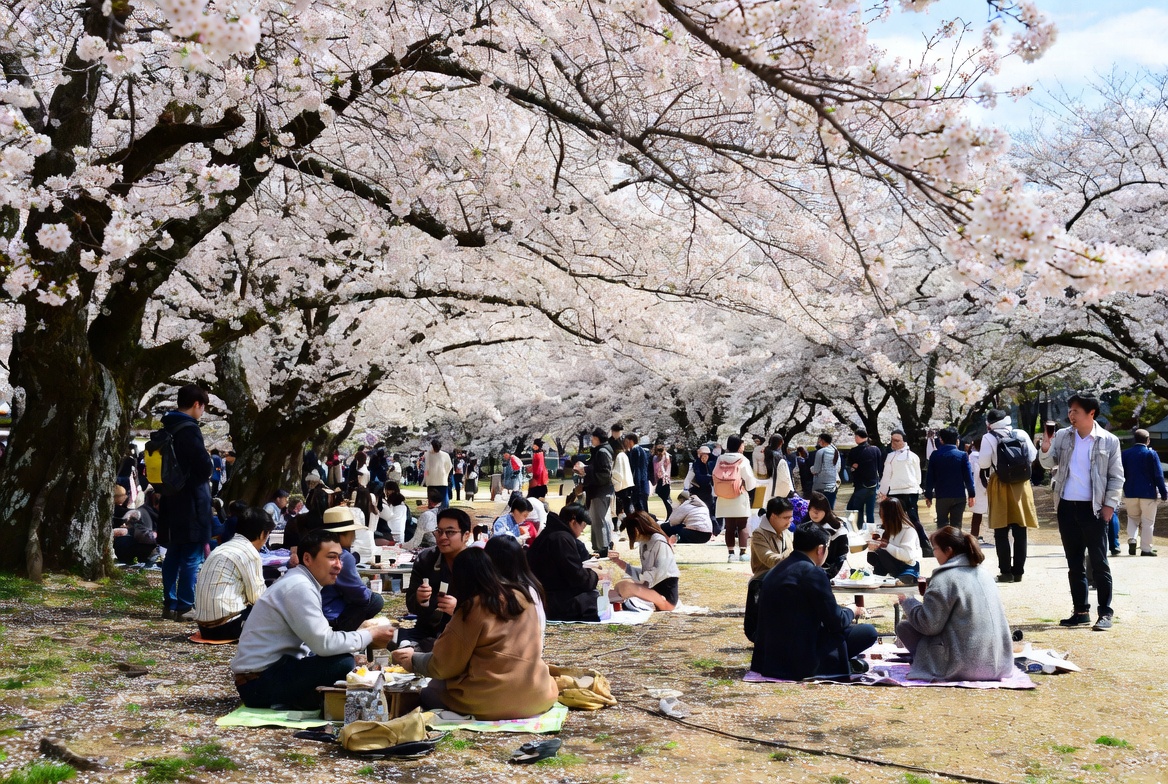
Not an official holiday, but one of the most beloved traditions.
People gather under cherry blossom trees for picnics, drinking, and appreciating the fleeting beauty of the blossoms.
4. Golden Week – Late April to Early May
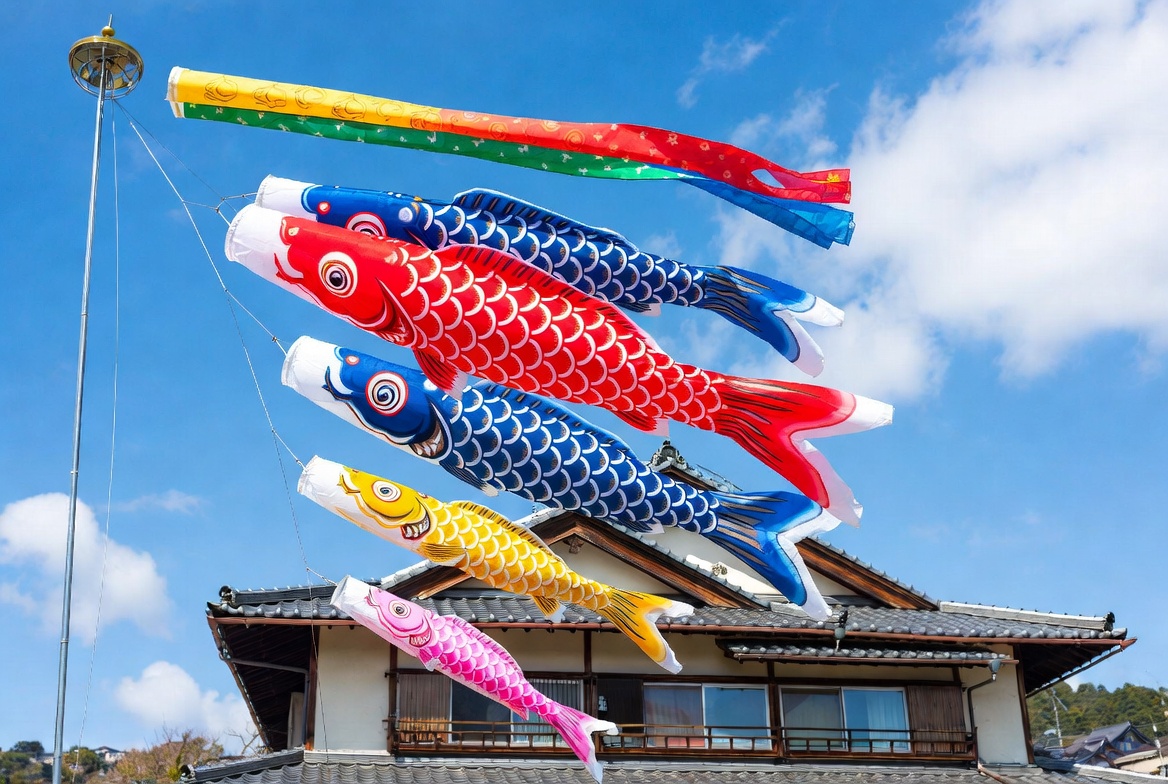
A cluster of national holidays including:
Showa Day (April 29)
Constitution Memorial Day (May 3)
Greenery Day (May 4)
Children’s Day (May 5)
Many Japanese travel or take long vacations.
5. Tanabata (Star Festival) – July 7
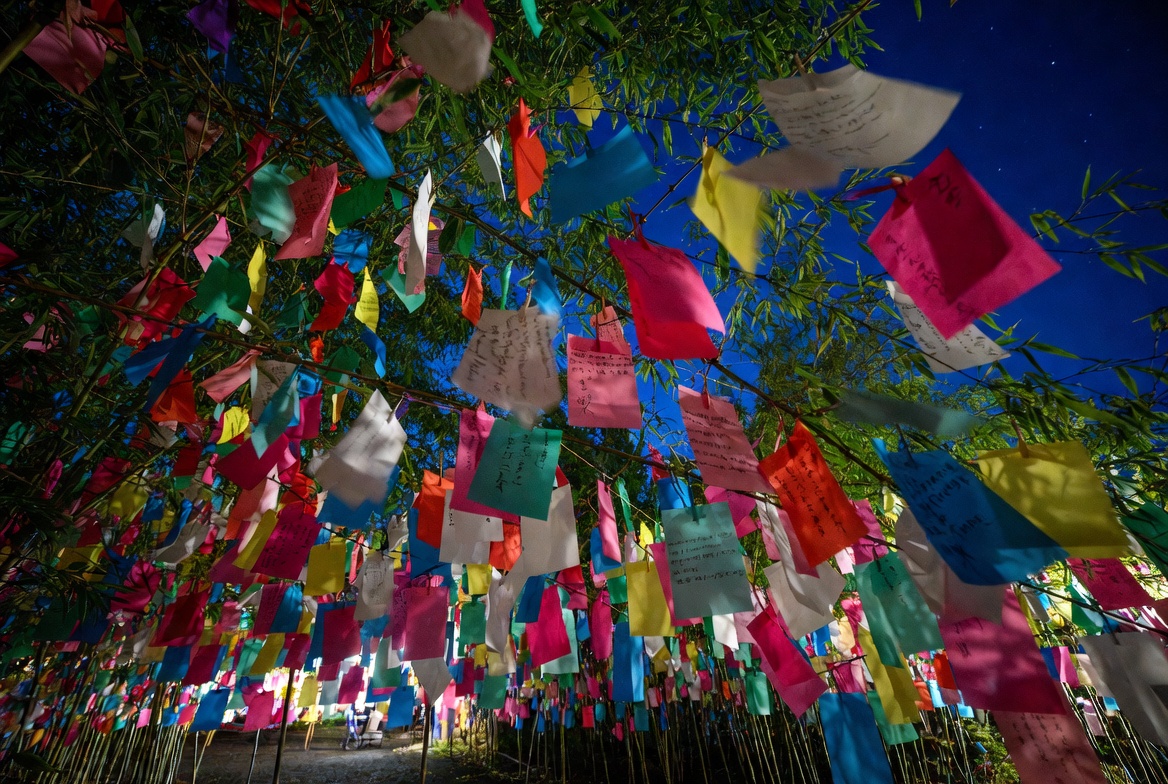
Based on a romantic legend of two stars (lovers) meeting once a year.
People write wishes on colorful paper strips (tanzaku) and hang them on bamboo branches.
6. Obon Festival – Mid-August
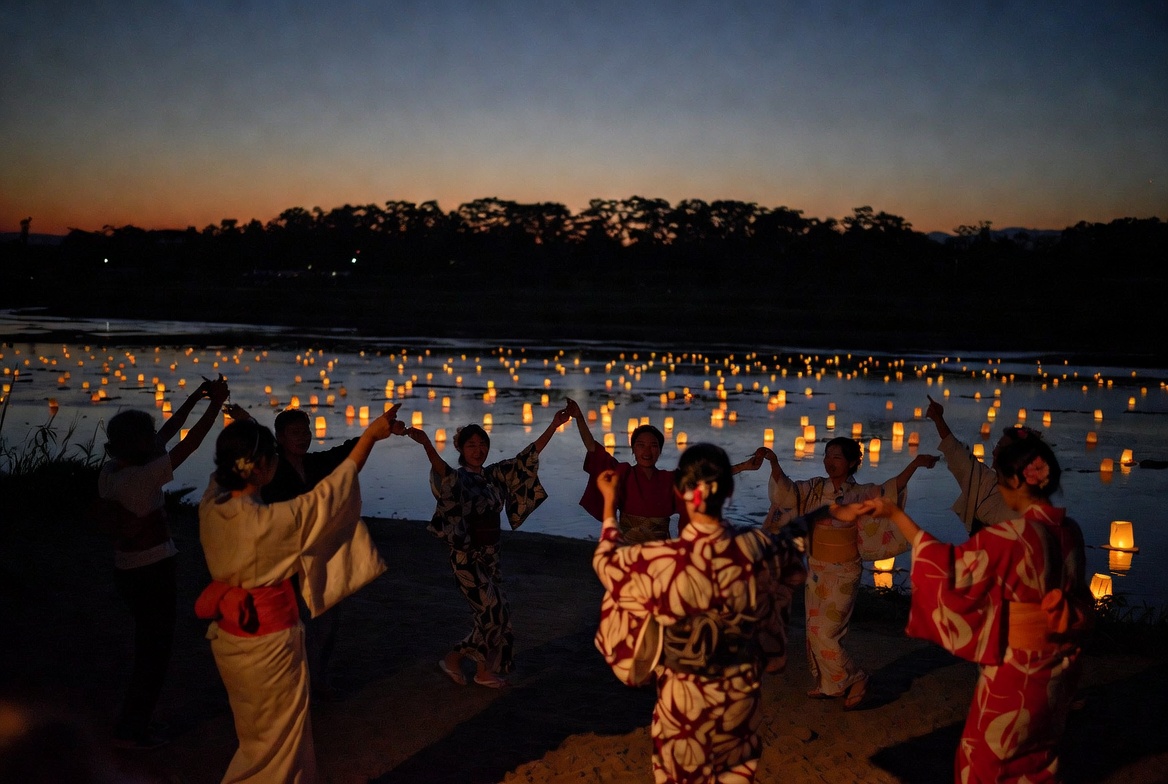
A Buddhist festival to honor ancestors.
Families return to hometowns, clean graves, and participate in Bon Odori (folk dances).
Lanterns are floated on rivers to guide spirits.
7. Gion Matsuri – July (Kyoto)
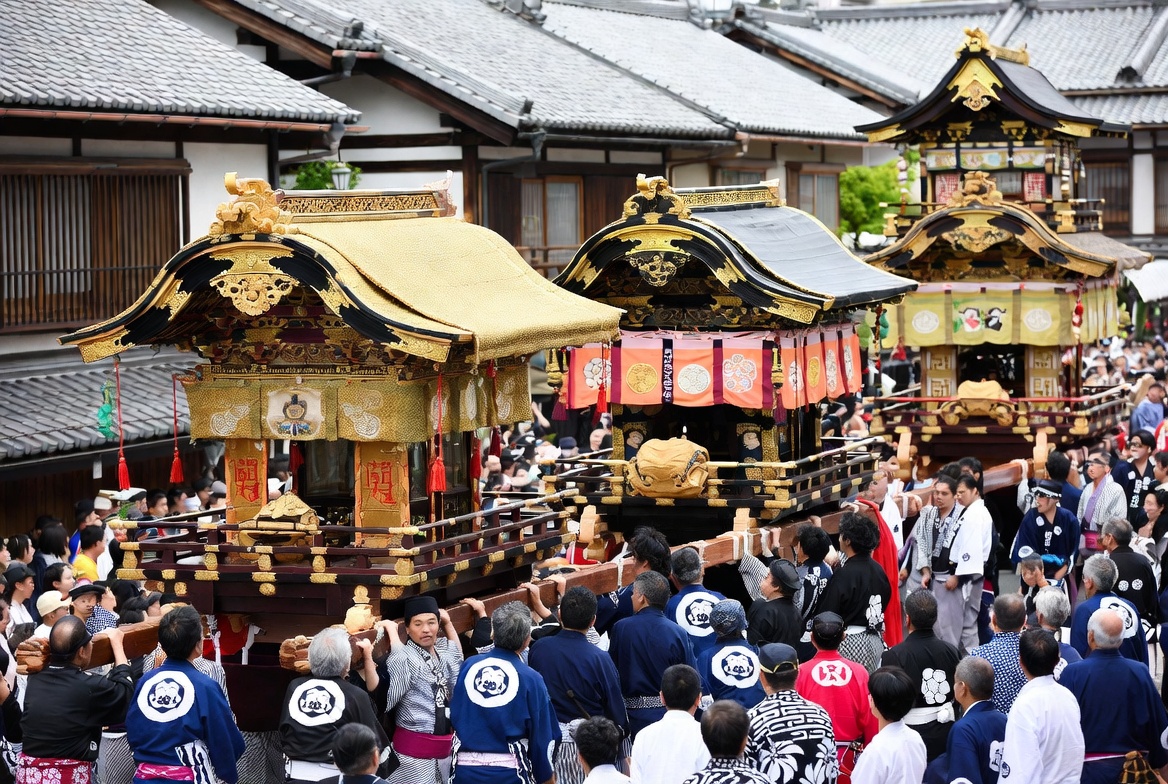
One of Japan’s most famous festivals.
Features massive decorated floats, parades, traditional music, and elaborate costumes.
8. Awa Odori Festival – August (Tokushima)
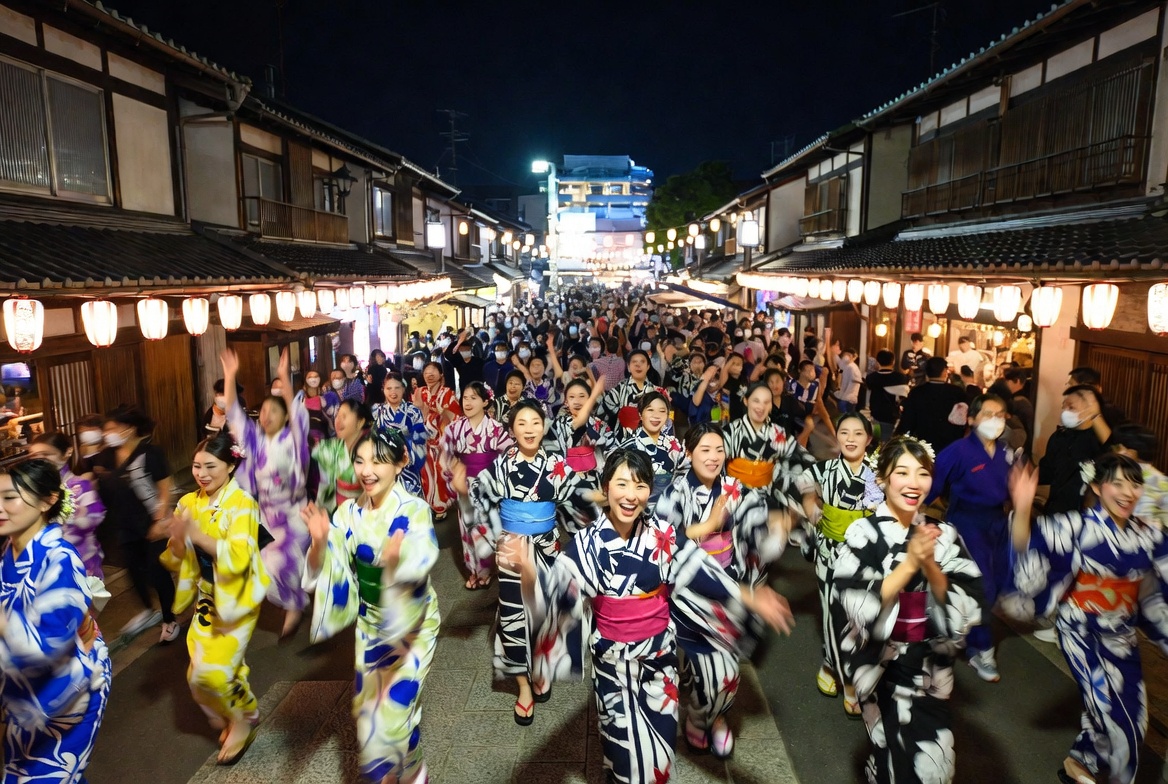
One of the largest dance festivals in Japan.
Thousands of people dance in the streets wearing colorful yukata.
9. Jidai Matsuri – October (Kyoto)
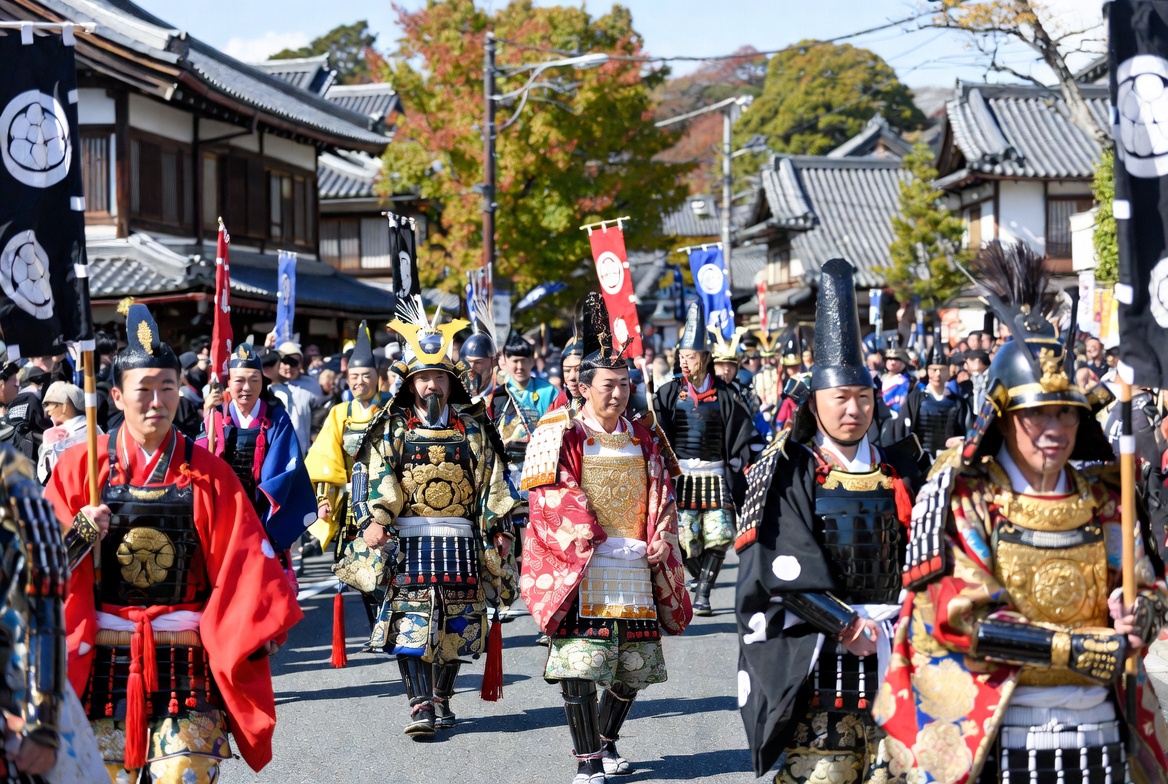
Historical parade featuring people dressed in costumes from different eras of Japanese history.
Key Characteristics of Japanese Festivals:
Strong connection to seasons and nature.
Mix of Shinto, Buddhist, and modern traditions.
Emphasis on community, family, and tradition.