
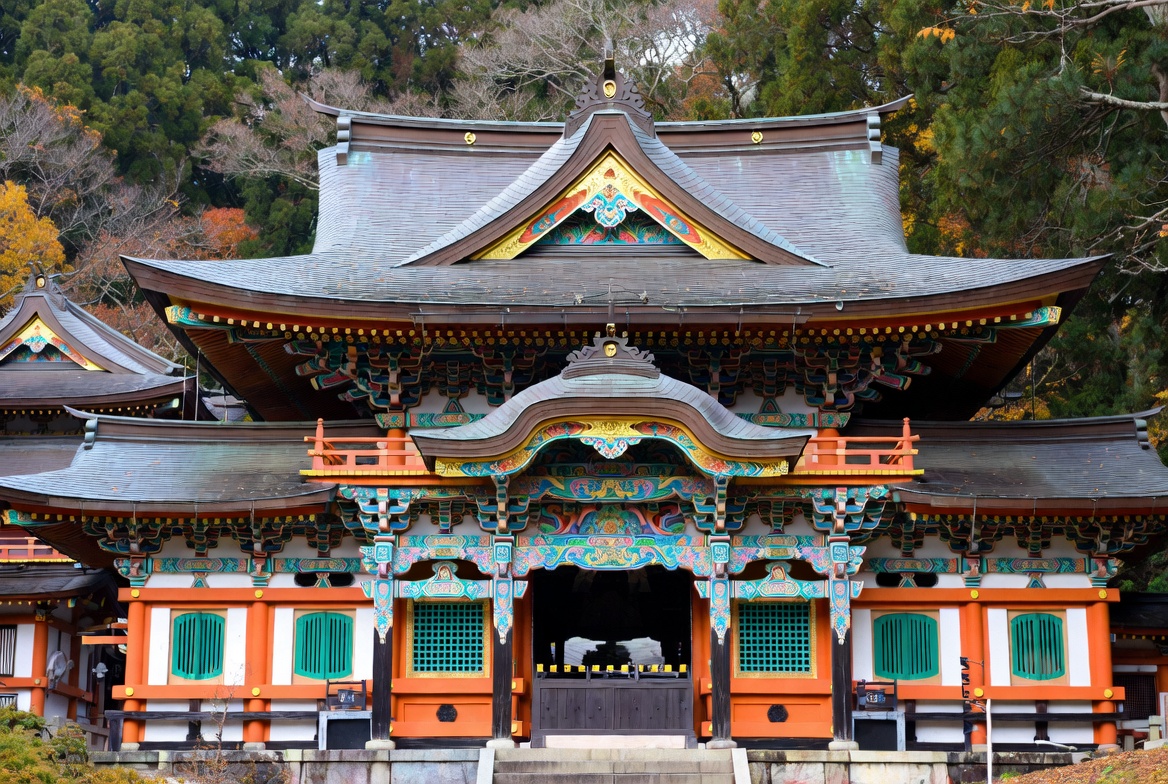
Historical Landmarks in Japan: Must-Visit Places & Their Significance
Japan is incredibly rich in history. Here are some of the most important historical landmarks you should visit, along with their cultural significance:
1. Himeji Castle (Hyogo Prefecture)
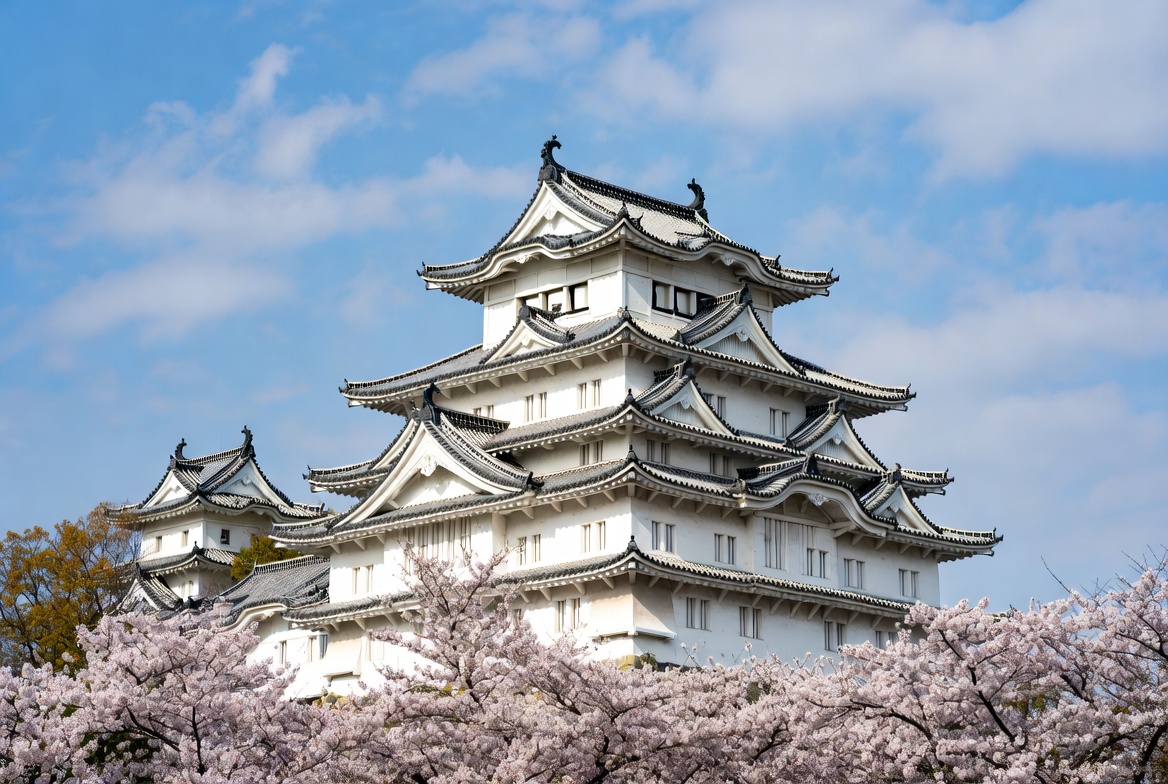
The finest surviving example of Japanese castle architecture (UNESCO World Heritage Site).
Built in the 14th century, known as the “White Heron Castle” for its elegant white appearance.
Symbol of feudal power and military strategy.
2. Kyoto’s Ancient Temples & Shrines
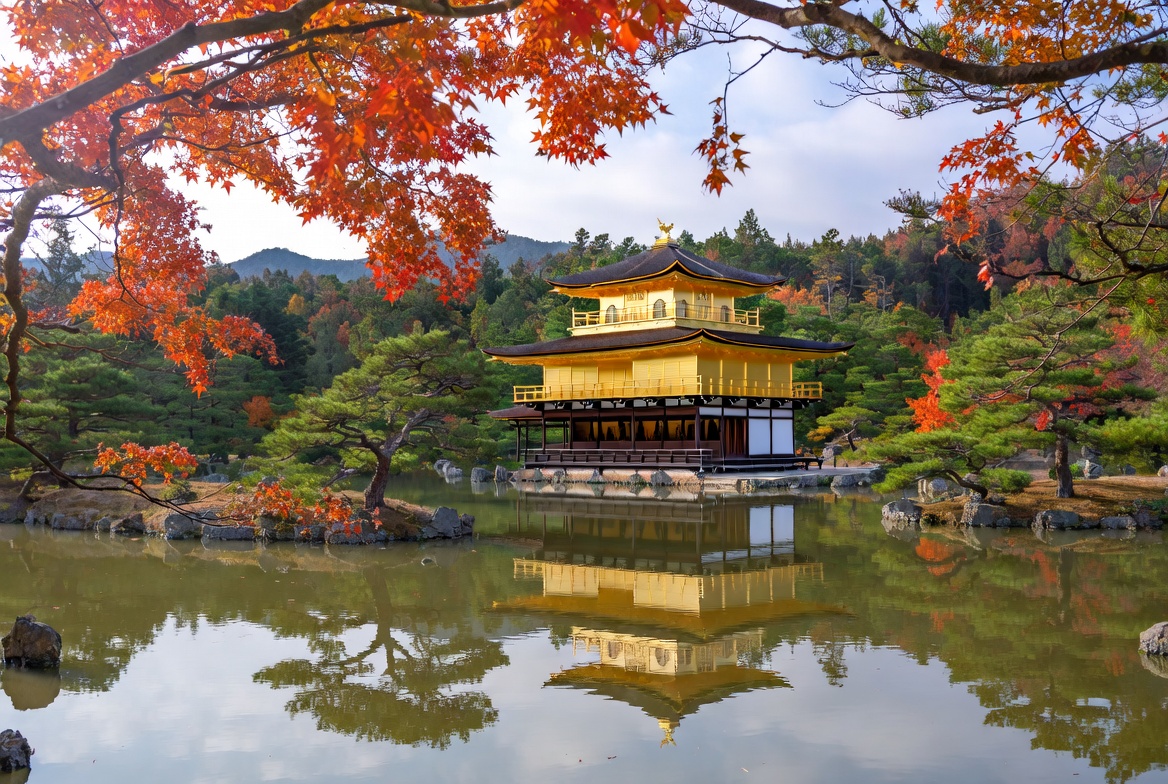
Kinkaku-ji (Golden Pavilion) – Stunning Zen temple covered in gold leaf. Represents beauty and Zen philosophy.
Fushimi Inari Shrine – Famous for its thousands of red torii gates. Dedicated to the god of rice and prosperity.
Kiyomizu-dera – Historic wooden temple with a massive stage overlooking the city. One of Kyoto’s most iconic sights.
3. Nara Park & Tōdai-ji Temple
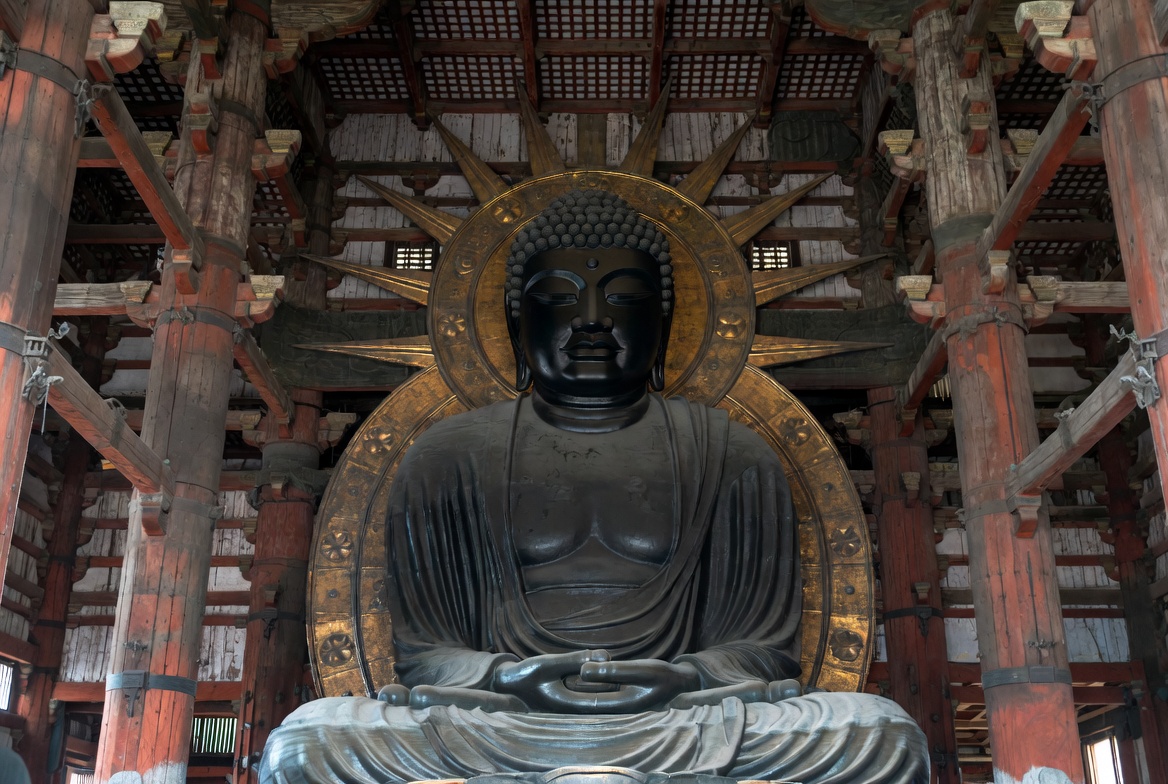
Home to the Great Buddha of Nara (Daibutsu) – one of the largest bronze Buddha statues in the world (8th century).
One of Japan’s ancient capitals and the birthplace of Japanese Buddhism.
4. Hiroshima Peace Memorial (Genbaku Dome)
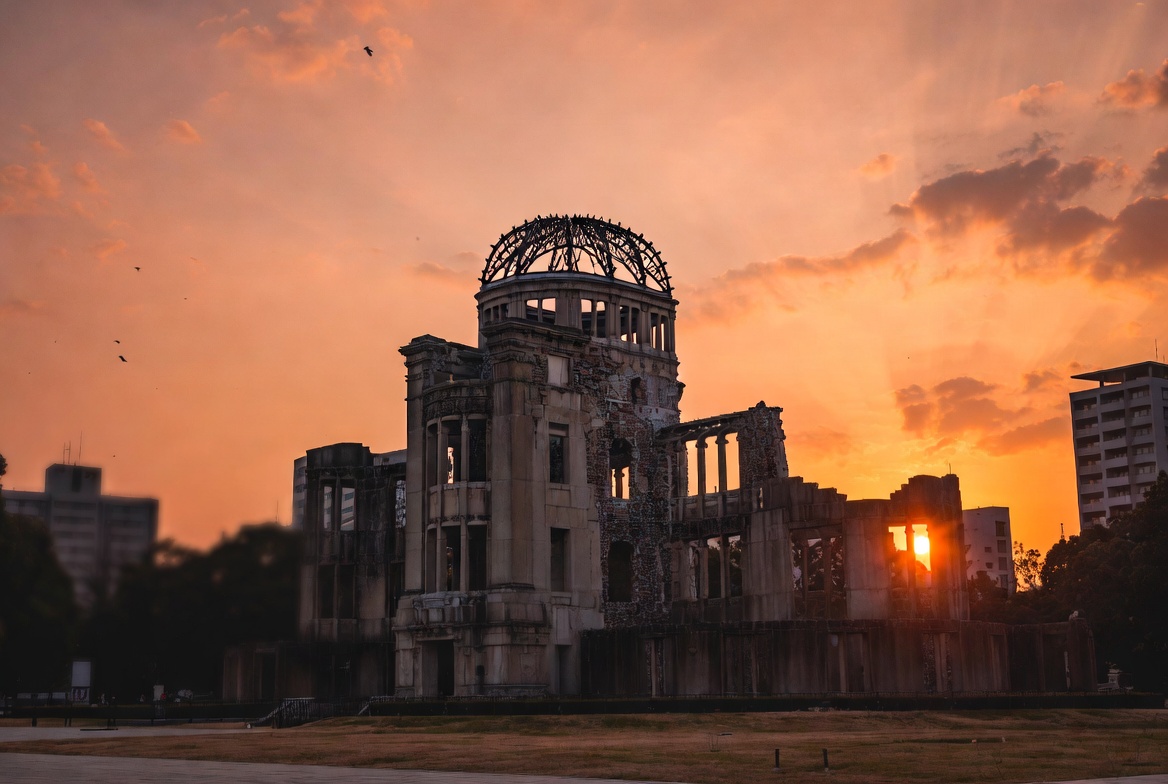
UNESCO World Heritage Site.
The only building left standing near the epicenter of the atomic bomb dropped in 1945.
Powerful symbol of peace and the horrors of war.
5. Itsukushima Shrine (Miyajima Island)
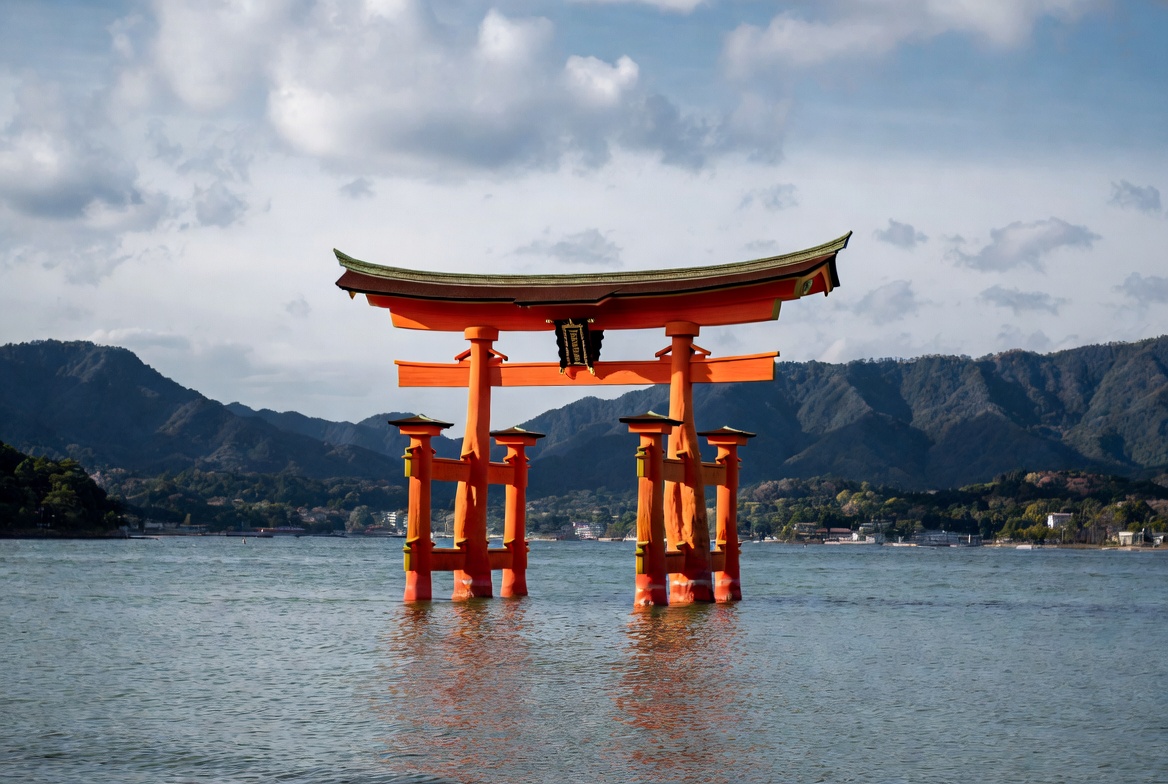
Famous for its “floating” red torii gate in the sea.
UNESCO World Heritage Site. One of Japan’s most scenic and photographed landmarks.
6. Nikko Toshogu Shrine
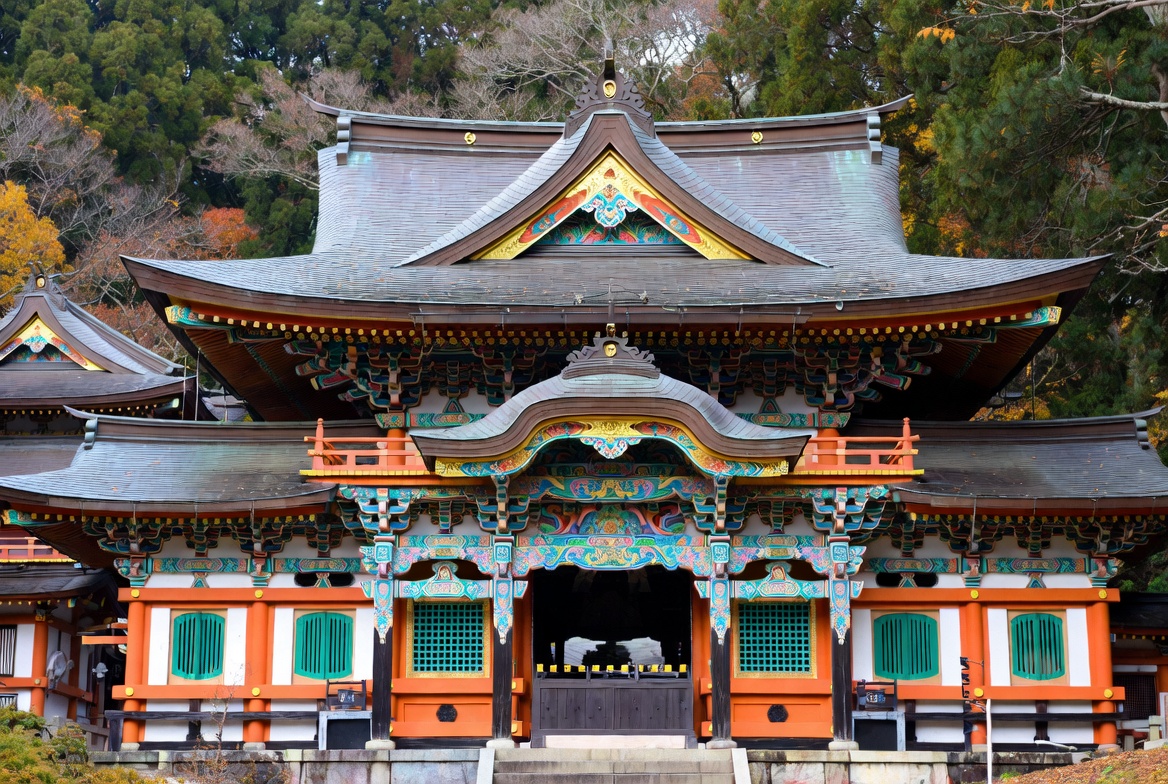
Lavishly decorated Shinto shrine dedicated to Tokugawa Ieyasu, the founder of the Tokugawa Shogunate.
Famous for its intricate carvings, including the “See no evil, speak no evil, hear no evil” monkeys.
7. Mount Fuji & Surrounding Area
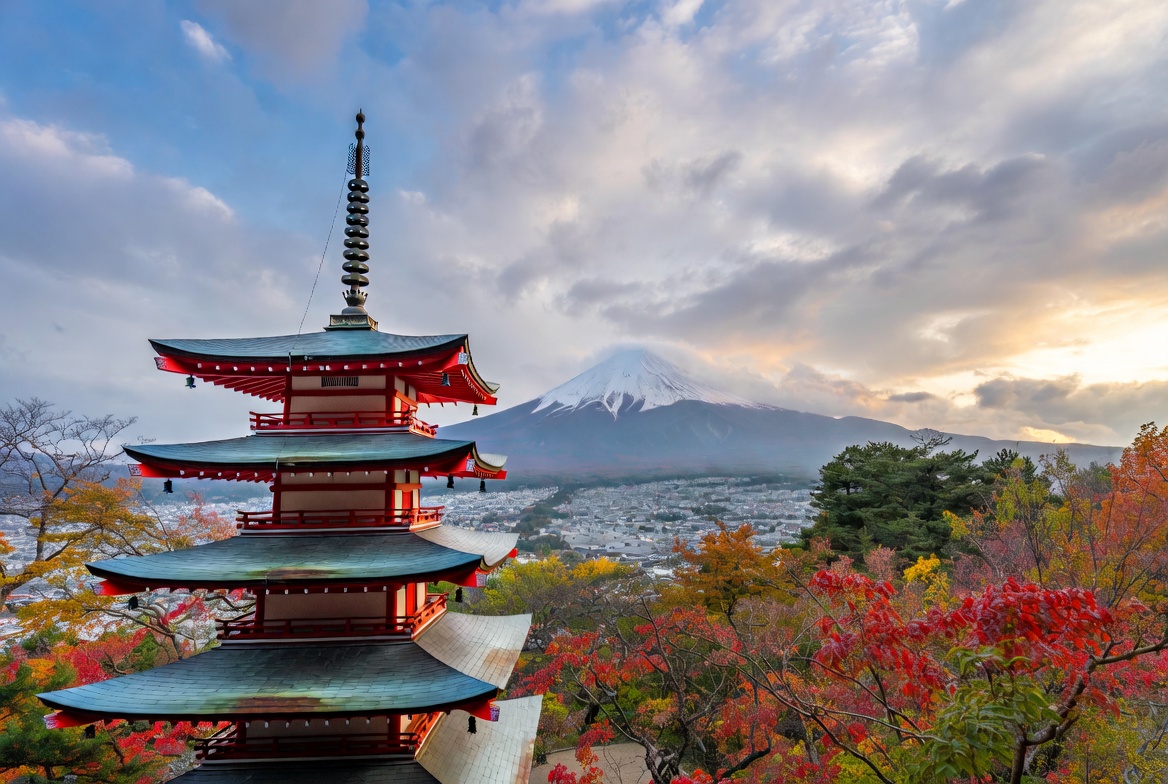
Japan’s most iconic mountain and a UNESCO World Heritage Site.
Sacred symbol of Japan, inspiring art, literature, and spirituality for centuries.
8. Osaka Castle
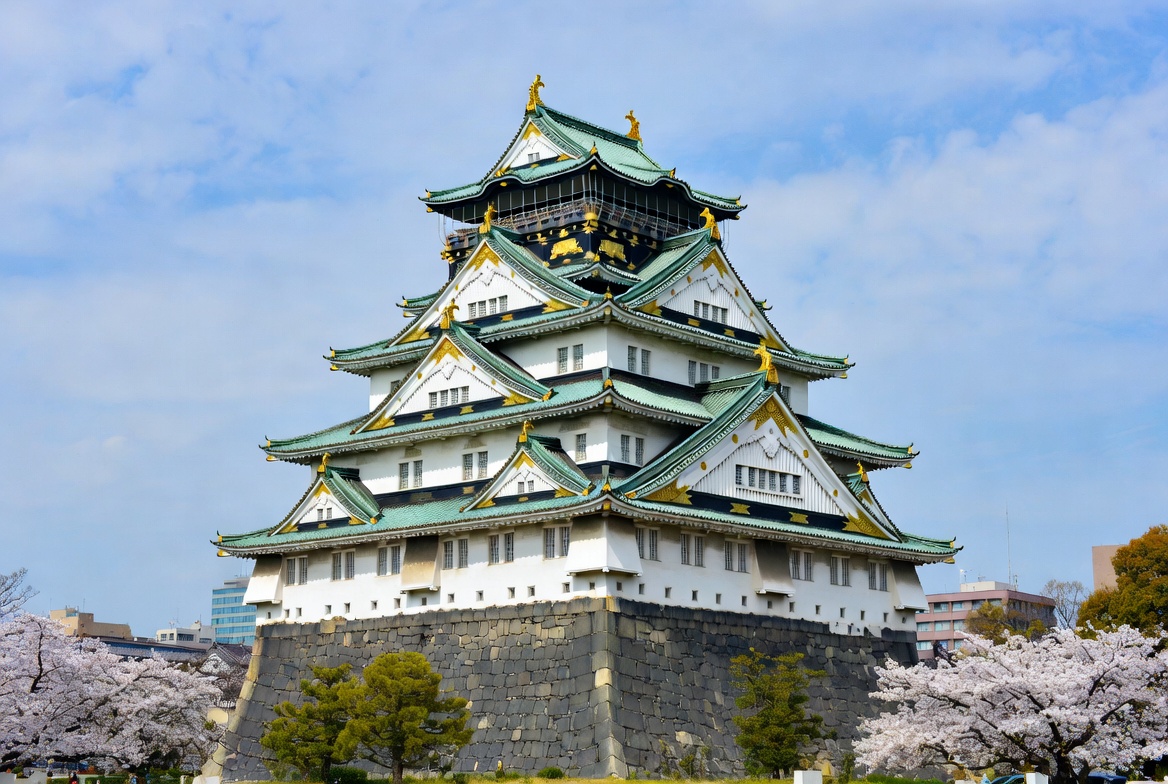
Rebuilt in the 1930s but historically significant as a major center of power during the Sengoku period.
Beautiful park and impressive architecture.
9 Takayama Old Town (Gifu)
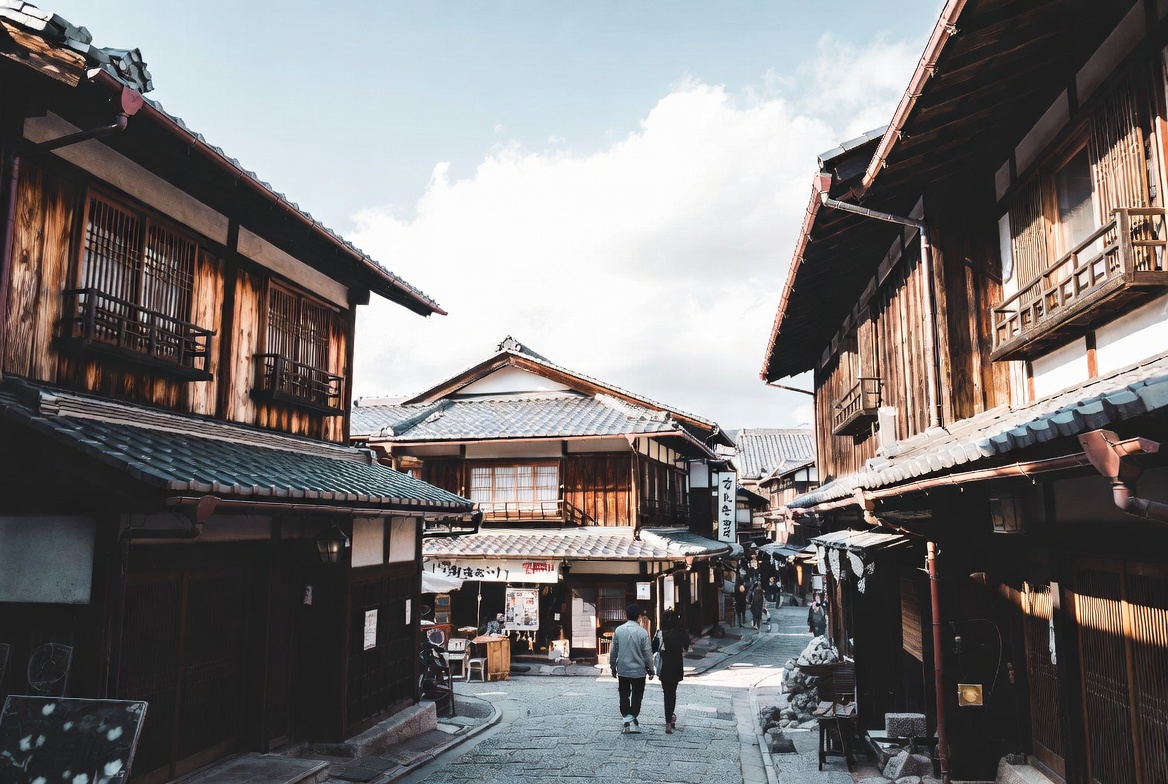
Well-preserved Edo-period merchant town with traditional wooden houses and morning markets.
Tip:
Many of these sites are best visited during spring (cherry blossoms) or autumn (fall foliage) for maximum beauty.