
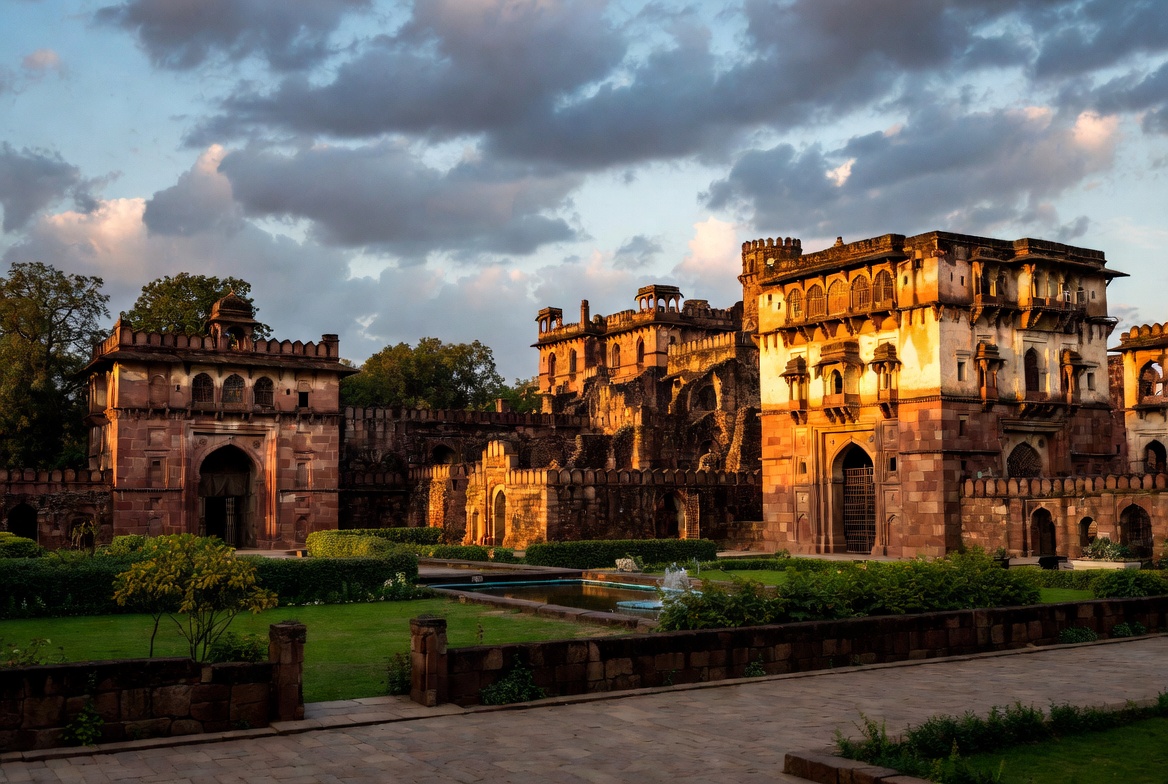
Historical Landmarks in Marathi India
Maharashtra is incredibly rich in history, from ancient rock-cut caves to symbols of the mighty Maratha Empire. Here are some of the most important historical landmarks in our Marathi community:
1. Ajanta Caves (Aurangabad)
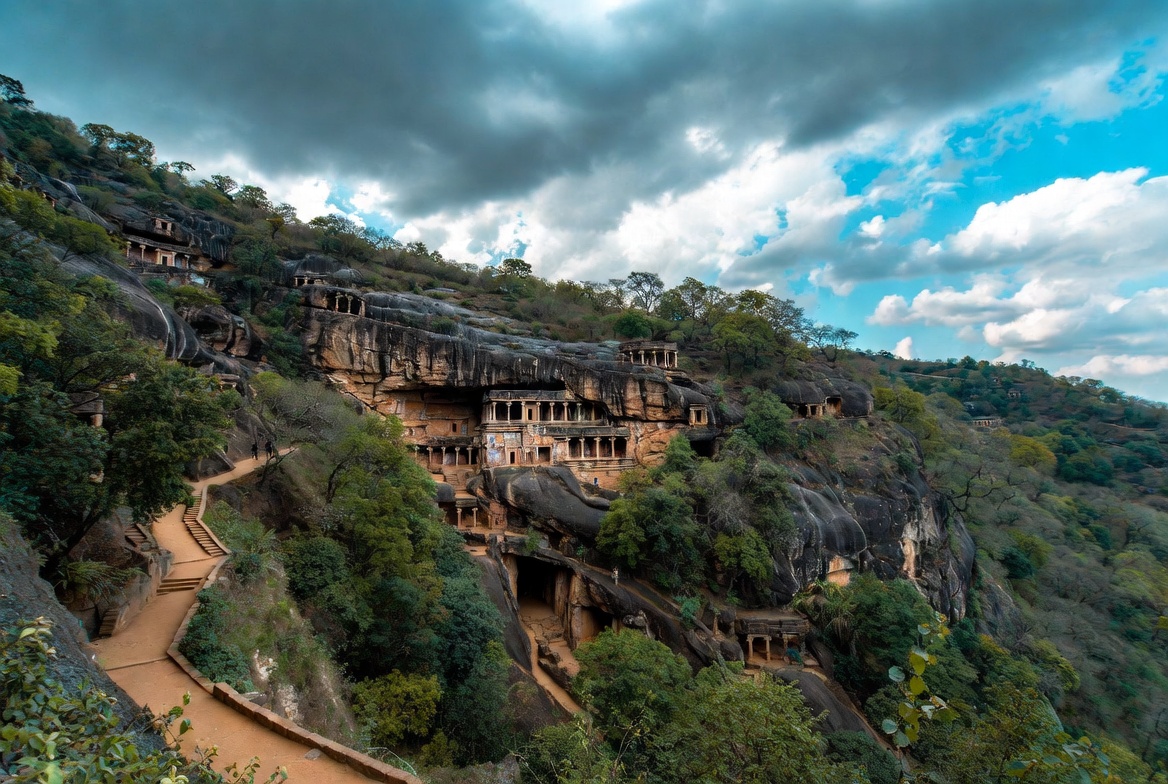
A UNESCO World Heritage Site with 30 rock-cut Buddhist caves dating back to the 2nd century BCE.
Famous for their stunning murals and frescoes depicting the life of Buddha. They represent the peak of ancient Indian art and Buddhist culture.
2. Ellora Caves (Aurangabad)
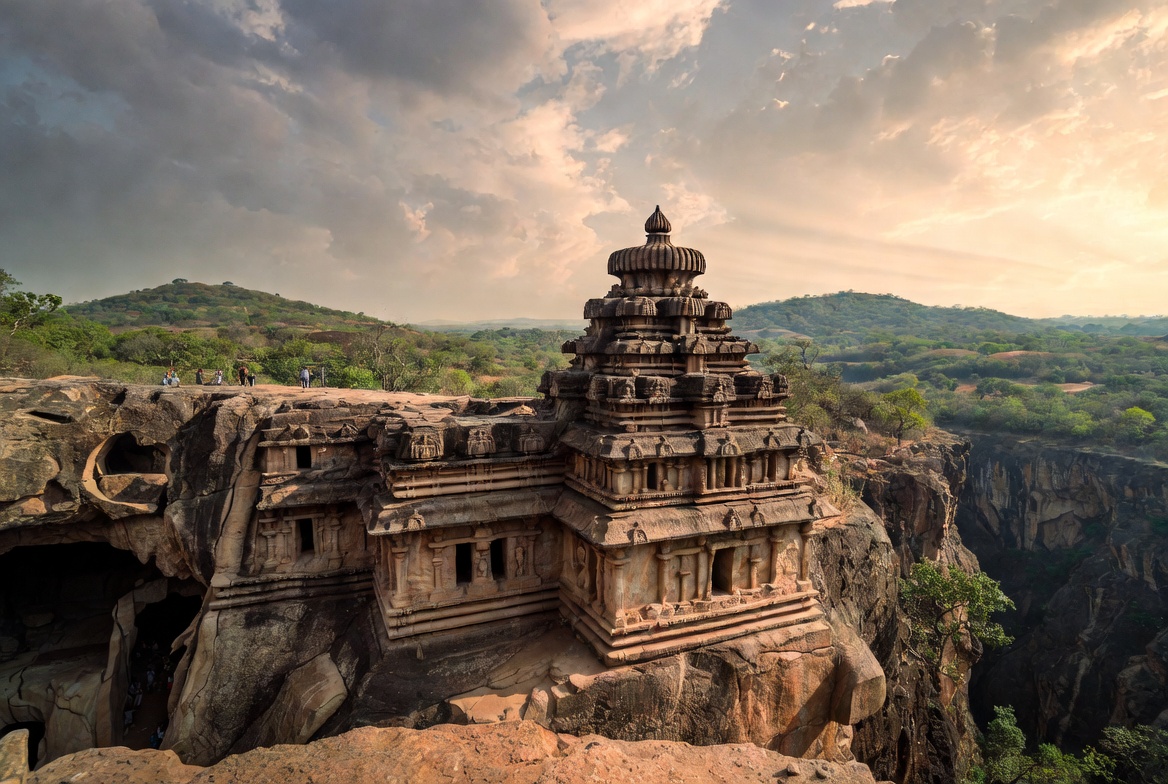
Another UNESCO site with 34 caves (Hindu, Buddhist, and Jain) carved between the 6th and 10th centuries.
The highlight is the massive Kailasa Temple (Cave 16), the largest monolithic rock-cut structure in the world, showcasing incredible engineering and religious harmony.
3. Raigad Fort (Raigad District)
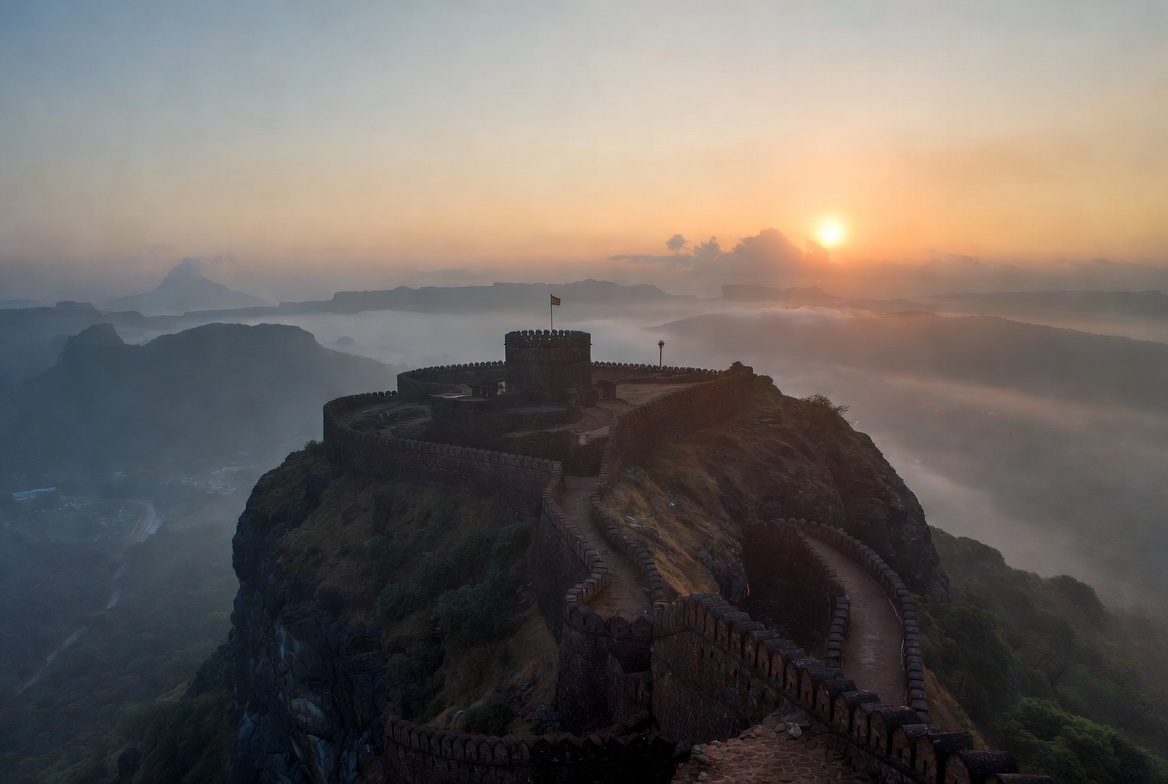
The capital fort of Chhatrapati Shivaji Maharaj, where he was crowned king in 1674.
Symbol of Maratha pride, self-rule (Swarajya), and strategic military genius. The fort offers breathtaking views and is a place of pilgrimage for Maharashtrians.
4. Shaniwar Wada (Pune)
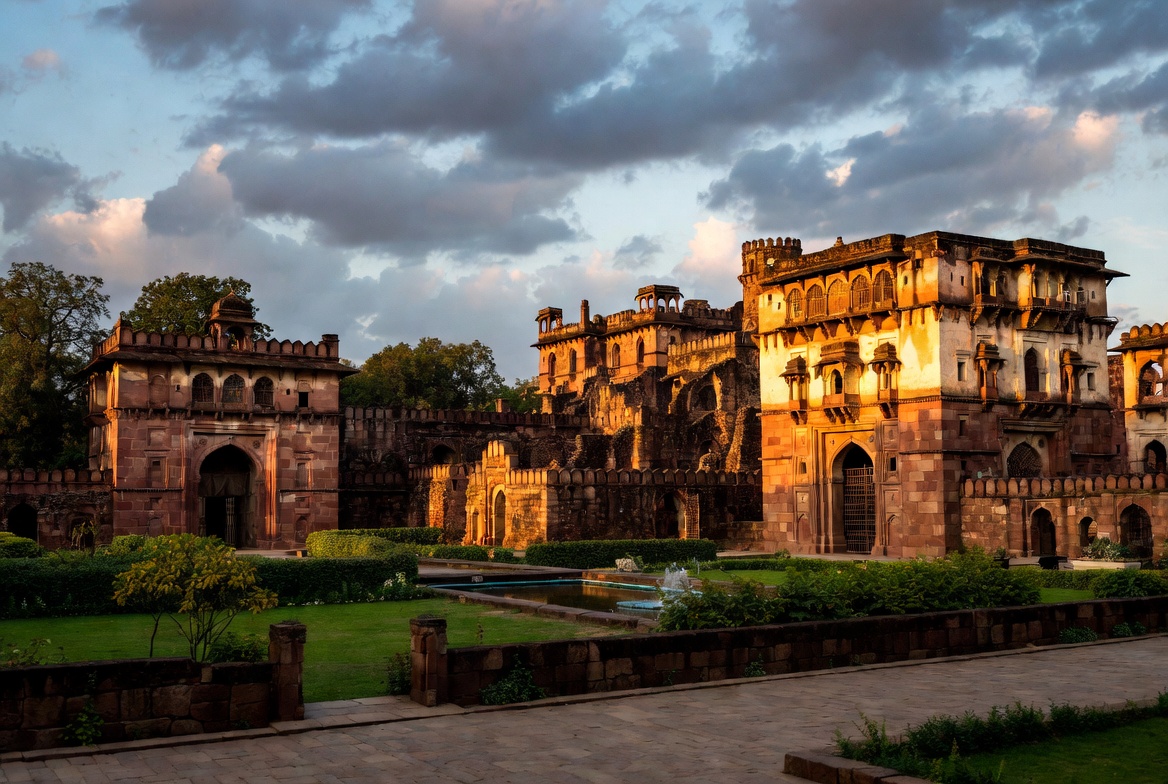
Built in 1730 as the seat of the Peshwa rulers.
Though largely destroyed by fire in 1828, its ruins remain an iconic symbol of the Maratha Empire’s power and grandeur. Light & sound shows bring its glorious history to life.
5. Sinhagad Fort (Pune)
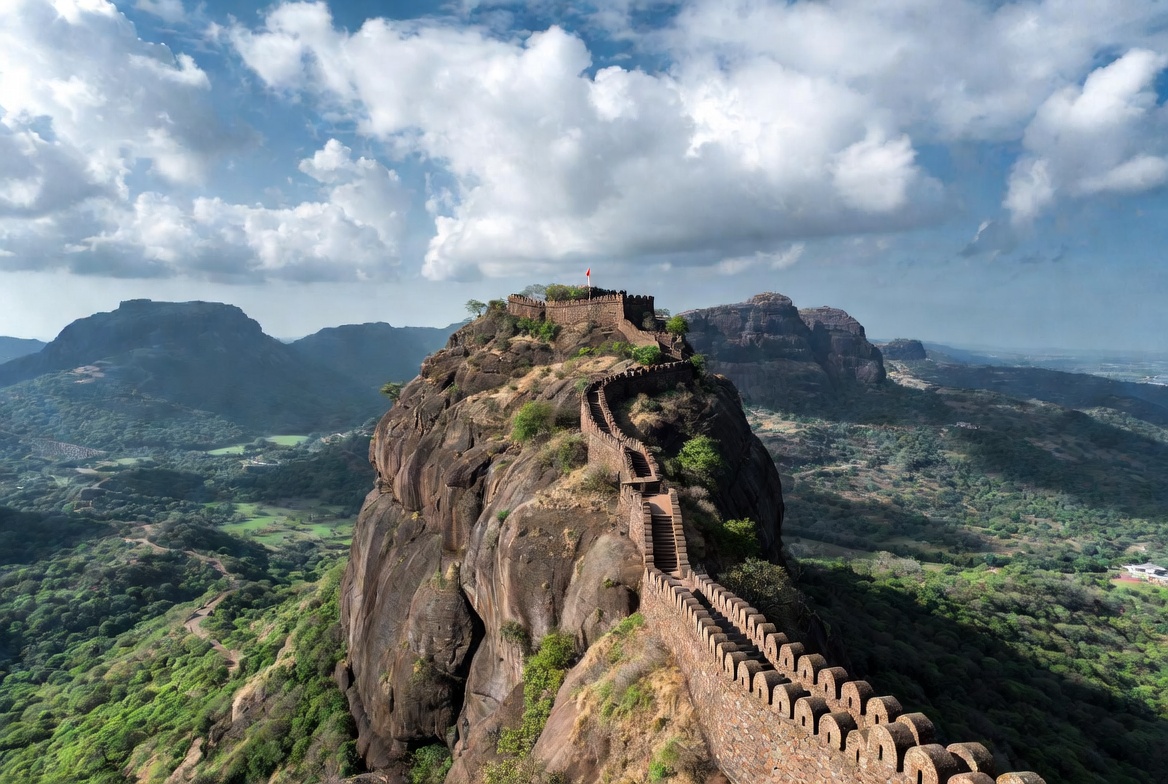
A key fort in Shivaji Maharaj’s campaigns, famous for the daring night battle of 1670 led by Tanaji Malusare.
Represents courage and sacrifice (“Gad aala pan Sinha gela”). It is a popular trekking spot with deep historical resonance.
6. Bibi Ka Maqbara (Aurangabad)
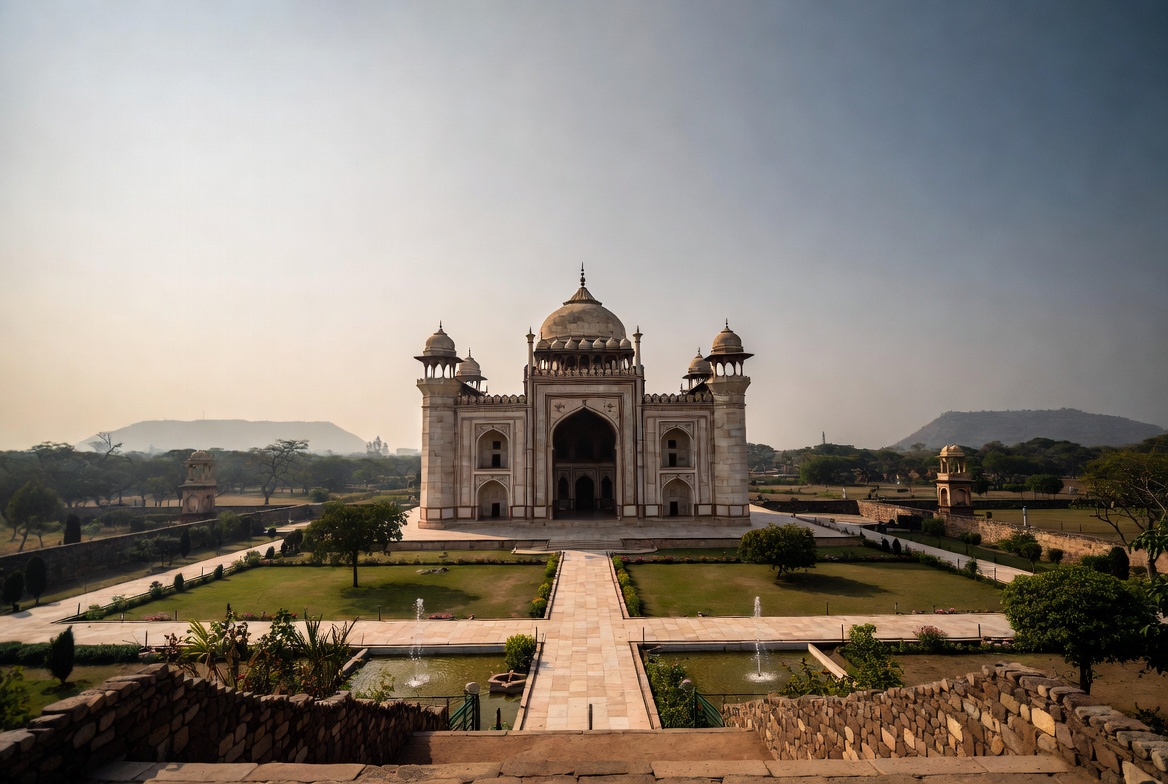
Built in 1660 by Aurangzeb’s son as a tribute to his mother.
Often called the “Taj Mahal of the Deccan” due to its striking resemblance to the Taj Mahal, though smaller in scale. It showcases Mughal architecture in Maharashtra.
These landmarks tell the story of our region — from ancient spiritual art to the rise of the Maratha Empire and beyond. They fill every Marathi heart with immense pride.