
Juhannus (Midsummer)
One of the most significant cultural festivals in Finland is Juhannus, our celebration of the summer solstice. It’s deeply rooted in ancient pagan traditions of light, fertility, and nature, later blended with Christian elements. It’s all about welcoming the longest day of the year when the sun barely sets in the north.
I remember one magical Juhannus at my grandparents’ summer cottage by a lake in the Finnish Lakeland. The whole extended family gathered — aunts, uncles, cousins — as we always do. My grandfather told us stories around the bonfire about how our ancestors believed the sun was fighting darkness, and the flames would help it win.
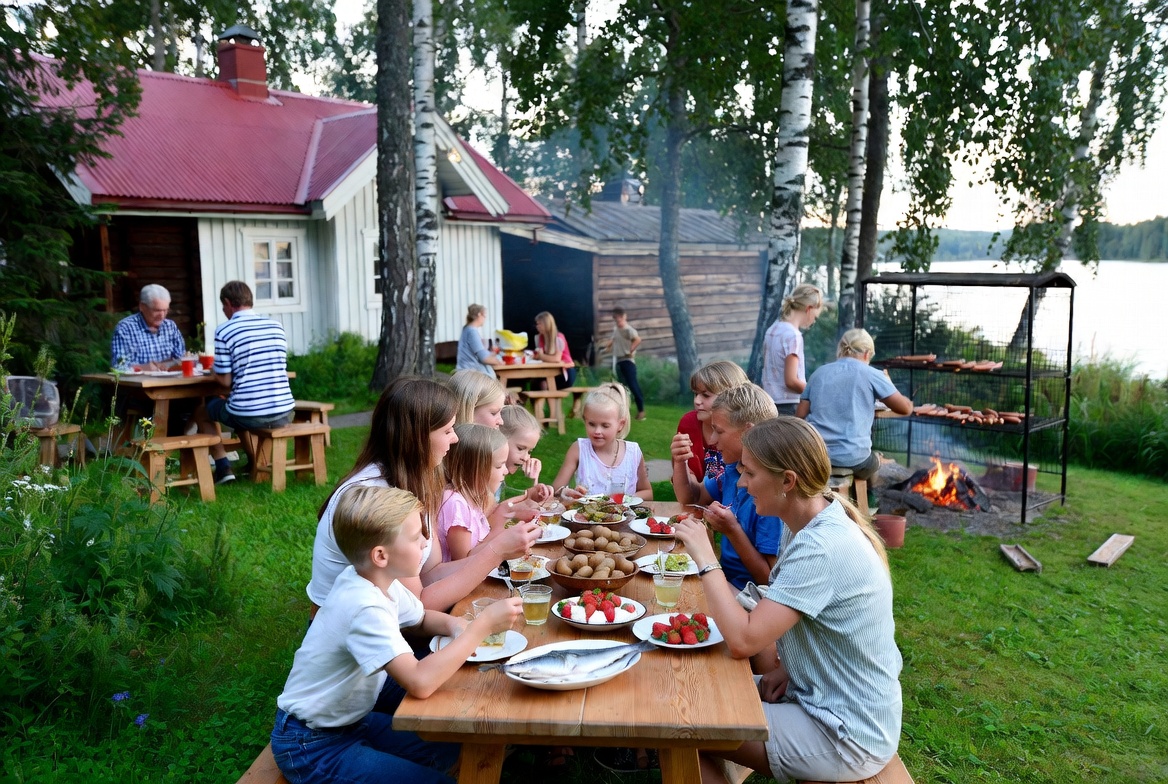
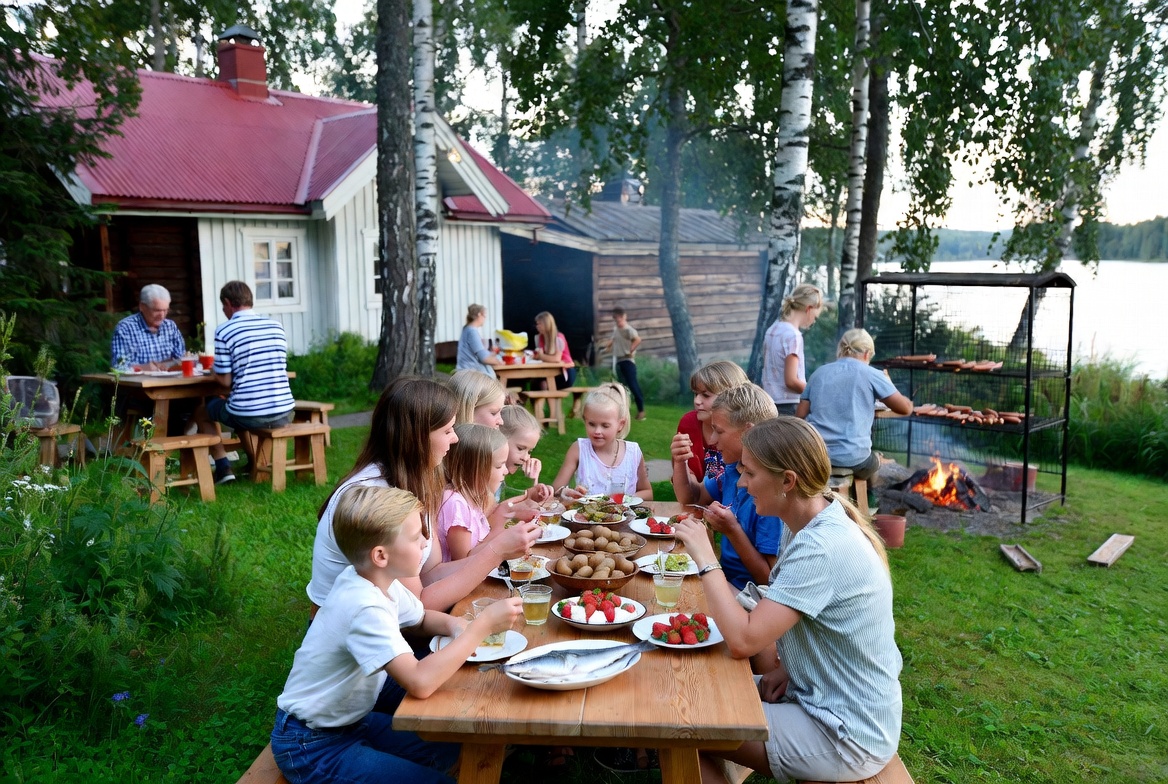
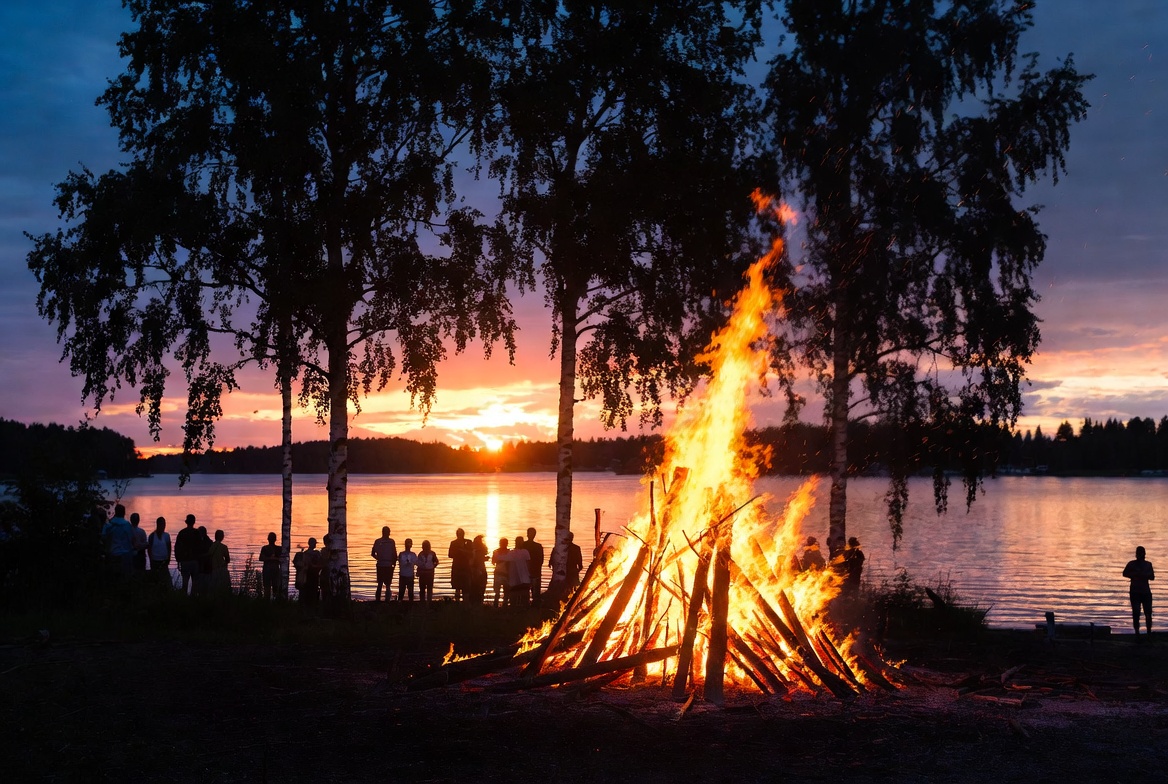
The evening started with us raising a tall birch pole (maypole) decorated with fresh birch leaves and wildflowers. The children wove flower crowns. As the sun dipped low but never fully disappeared, we lit a huge bonfire on the shore. We grilled sausages, ate new potatoes with dill, fresh fish, and strawberries with cream. Someone brought out an accordion, and we danced traditional polka and waltz late into the bright night.
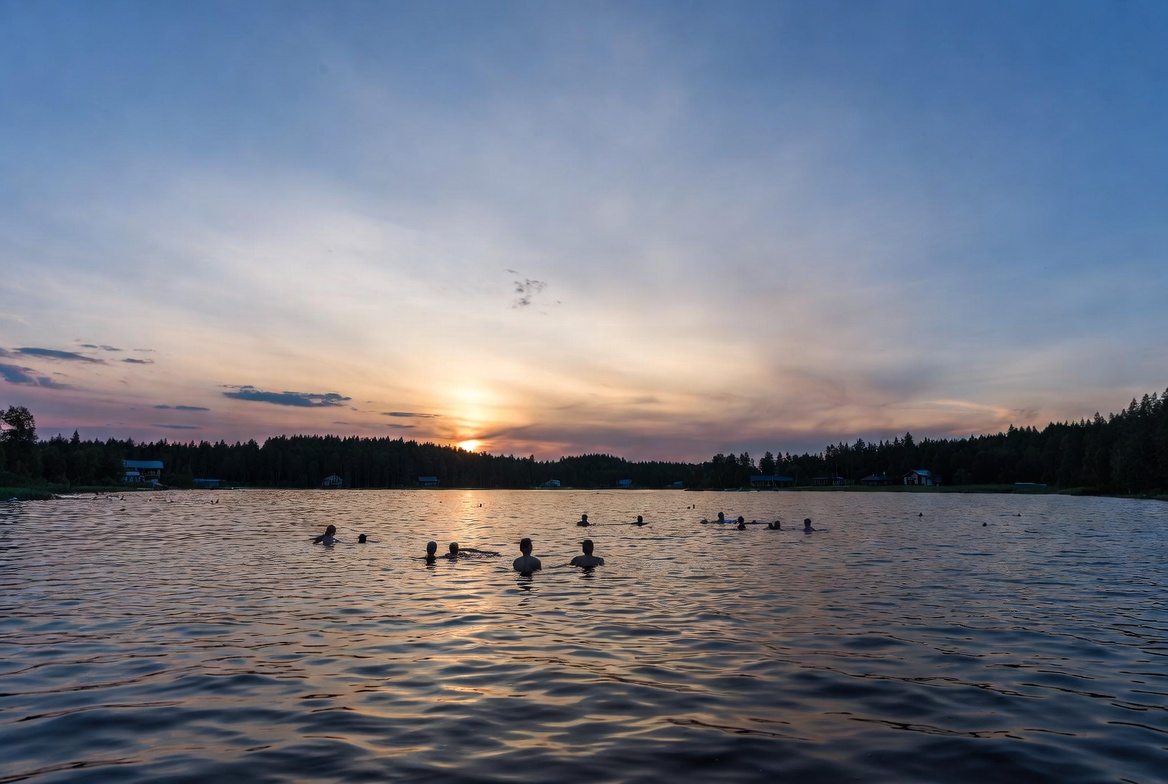
At midnight, we all went for a silent swim in the glowing lake. The water was warm from the long day, and the sky had this soft golden-pink hue. My grandmother whispered that on Juhannus night, the boundaries between worlds are thinner, and if you’re lucky, you might see a glimpse of the future in the reflections. It felt truly mystical.
Juhannus reminds us to celebrate light, nature, community, and the simple joy of being together during the short but intense Finnish summer.