
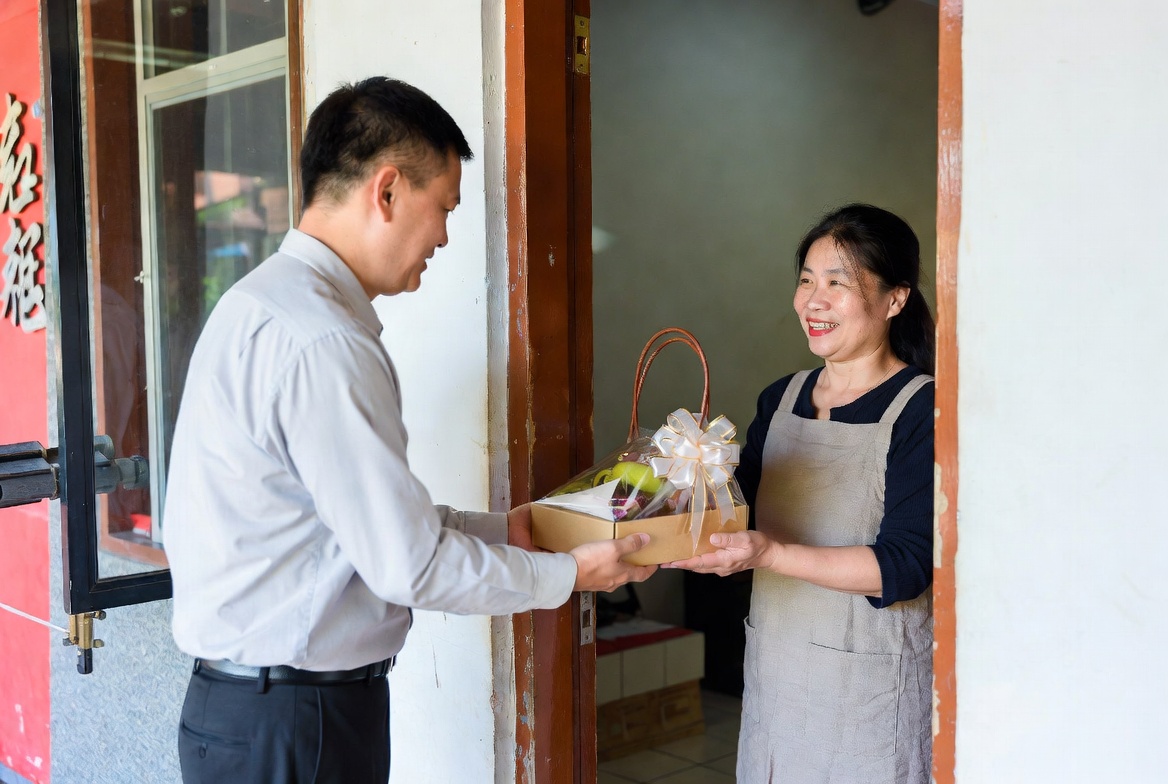
Local customs & etiquette in Taiwan
Taiwanese culture blends warmth, respect, and modern courtesy. Here are some key customs and etiquette tips you’ll commonly encounter:
1. Greetings

A friendly “Nǐ hǎo” (Hello) or “Zǎo ān” (Good morning) is standard.
Handshakes are common (light and brief). For elders or in formal settings, a slight nod or bow shows respect.
Remove shoes when entering someone’s home.
2. Respect for Elders & Hierarchy
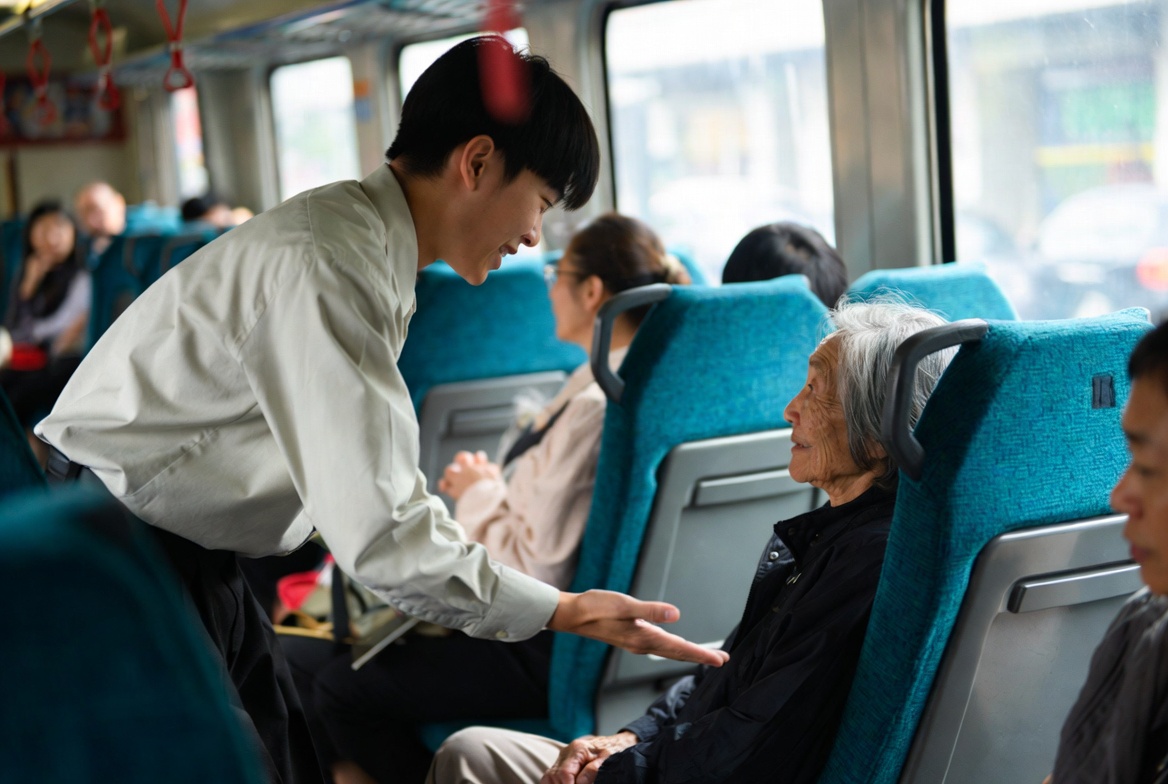
Always greet elders first and use respectful language (e.g., add “ā yí” for auntie or “shū shu” for uncle).
Give up your seat on public transport to elderly people, pregnant women, or those with children.
When receiving something from an elder, use both hands.
3. Dining Etiquette
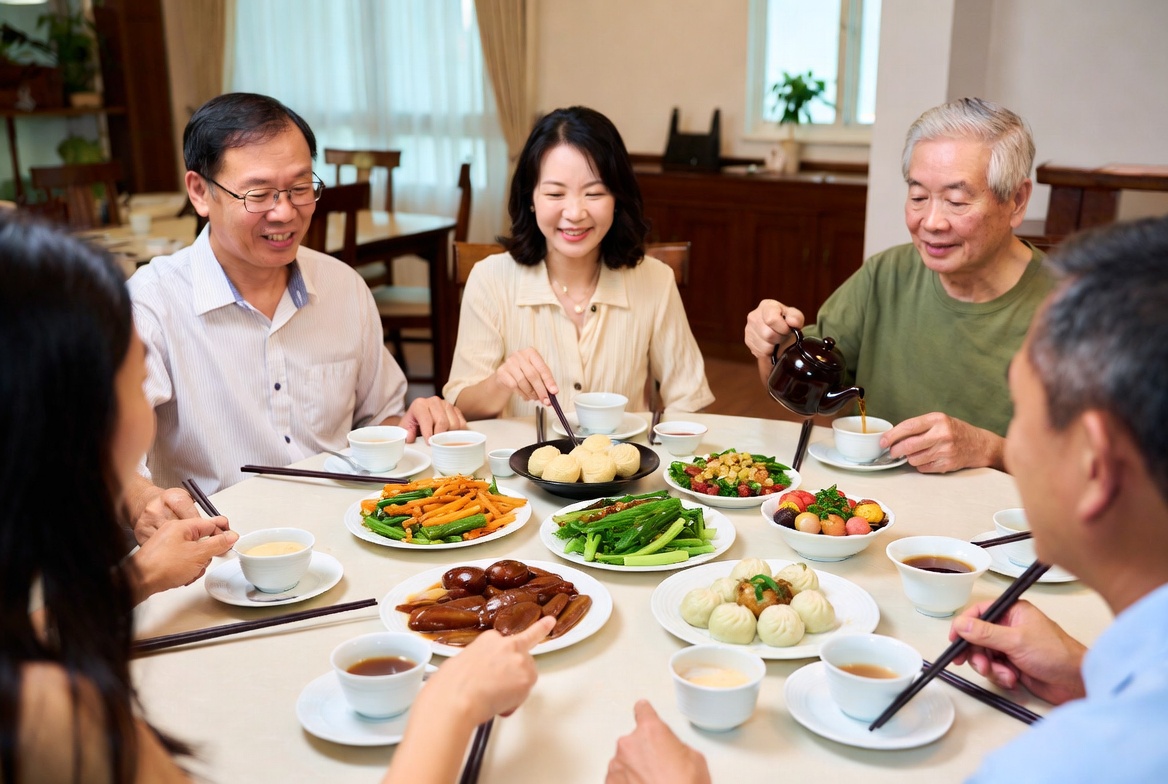
Wait for the host or eldest person to start eating.
Don’t stick chopsticks upright in rice (it resembles incense for the dead).
Tapping the table with two fingers when someone pours tea for you is a polite “thank you.”
It’s common to fight over the bill — offering to pay is a sign of generosity.
4. Gift Giving
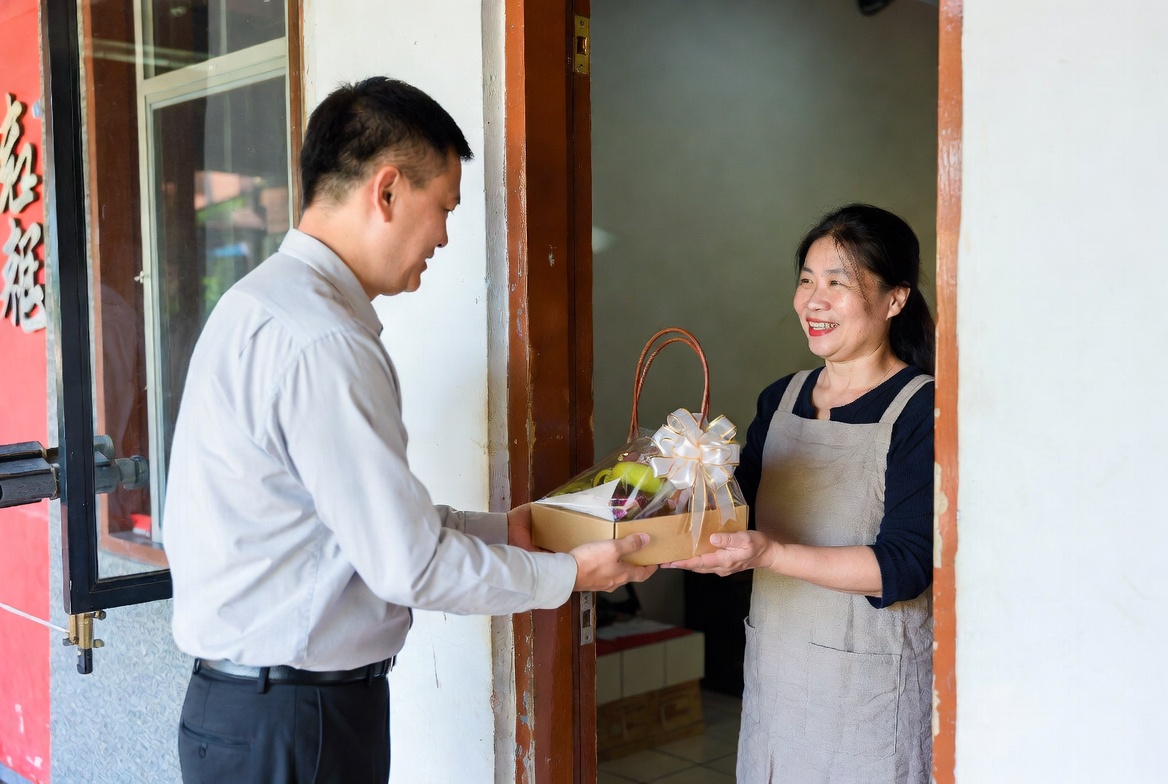
Bring a small gift (fruit, snacks, or tea) when visiting someone’s home.
Avoid clocks (sounds like “sending off to death”) or sharp objects.
Use both hands when giving or receiving gifts or business cards.
5. Public Behavior
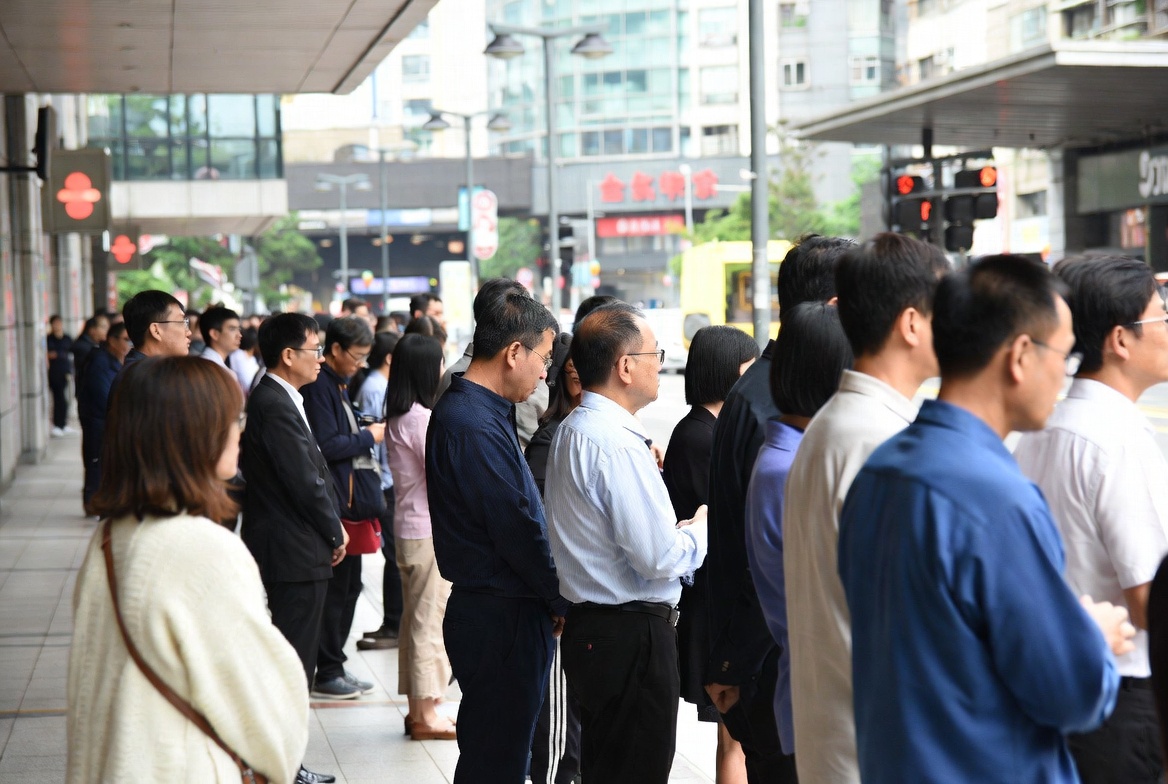
Be quiet and orderly in public spaces (MRT, temples, libraries).
Line up patiently — pushing is considered rude.
In temples, speak softly, dress modestly, and follow the flow of worship.
6. Hospitality & “Rén Qíng Wèi” (Human Warmth)
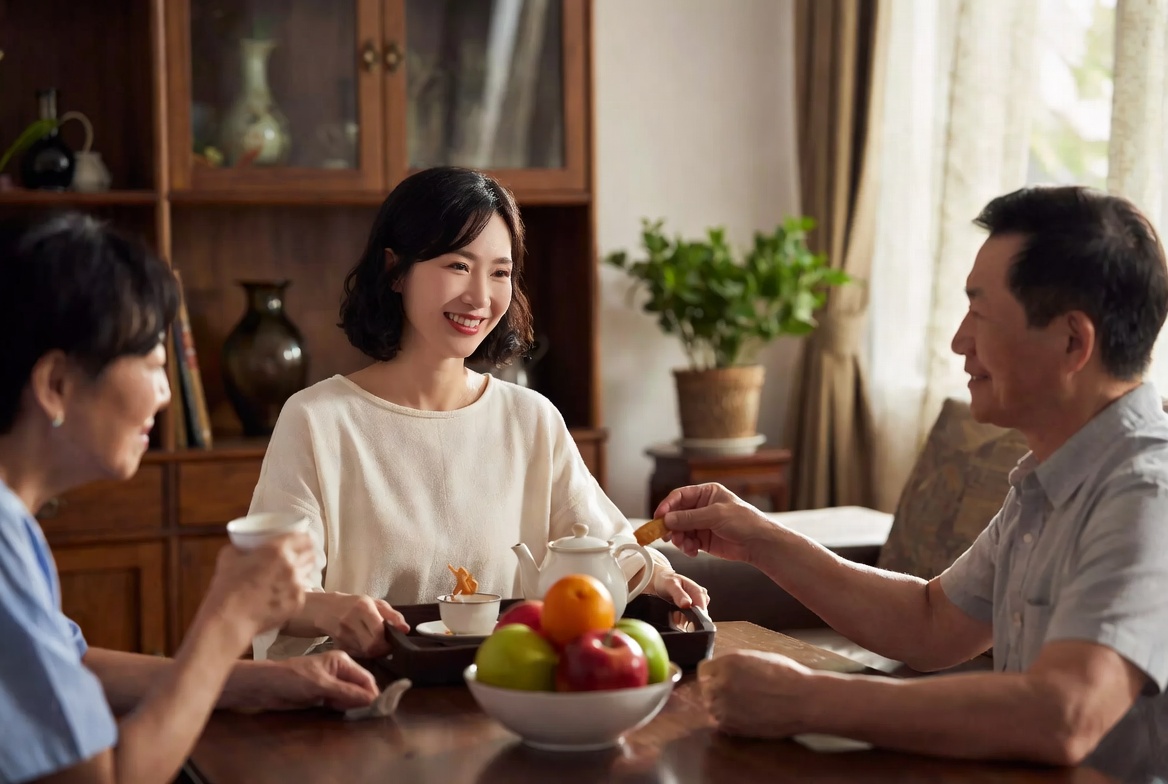
Taiwanese people are very hospitable — you’ll often be offered tea, snacks, or fruit immediately.
Saying “Bú yòng kè qì” (No need to be polite) is common when someone thanks you.
Overall, Taiwanese society values harmony, humility, and thoughtfulness. A warm smile and sincere effort to follow local ways are always appreciated!