
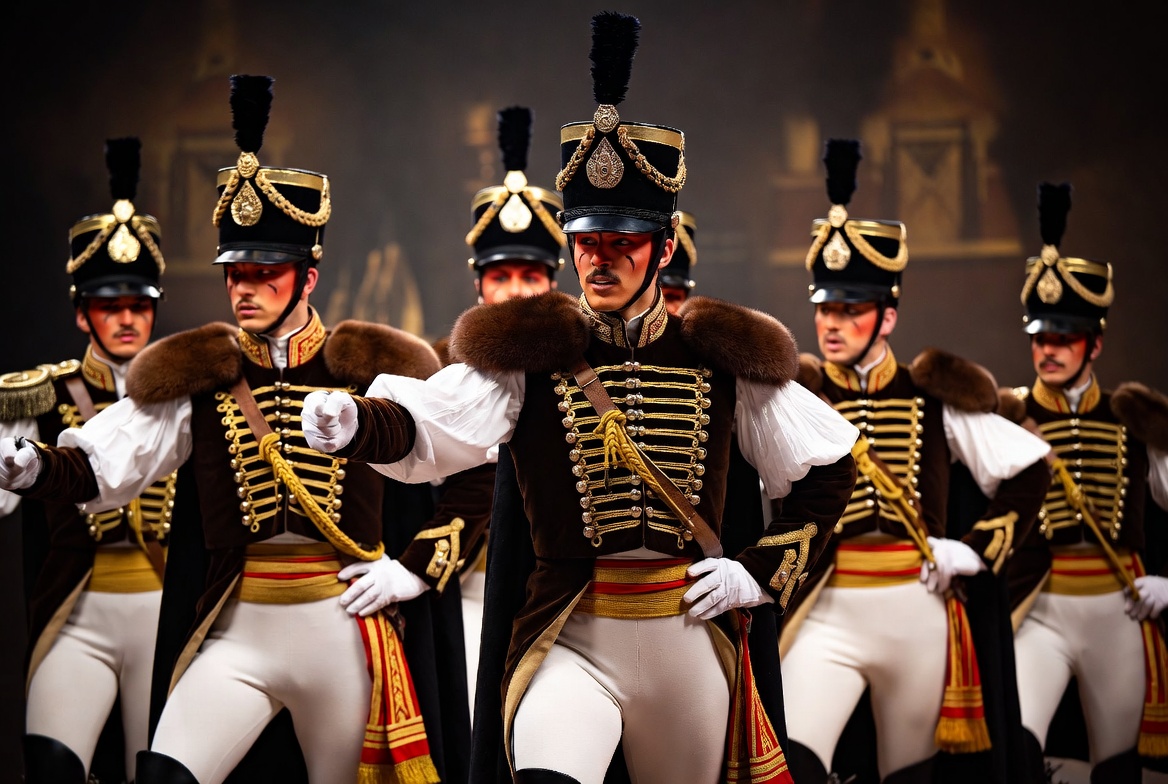
Music & Dance in Hungary: Traditions, Passion & Rhythm
Hungary has a vibrant and diverse musical heritage, deeply rooted in folk traditions while also producing world-class classical composers. Here's an overview:
Traditional Folk Music & Dance
1. Csárdás (Chardash)
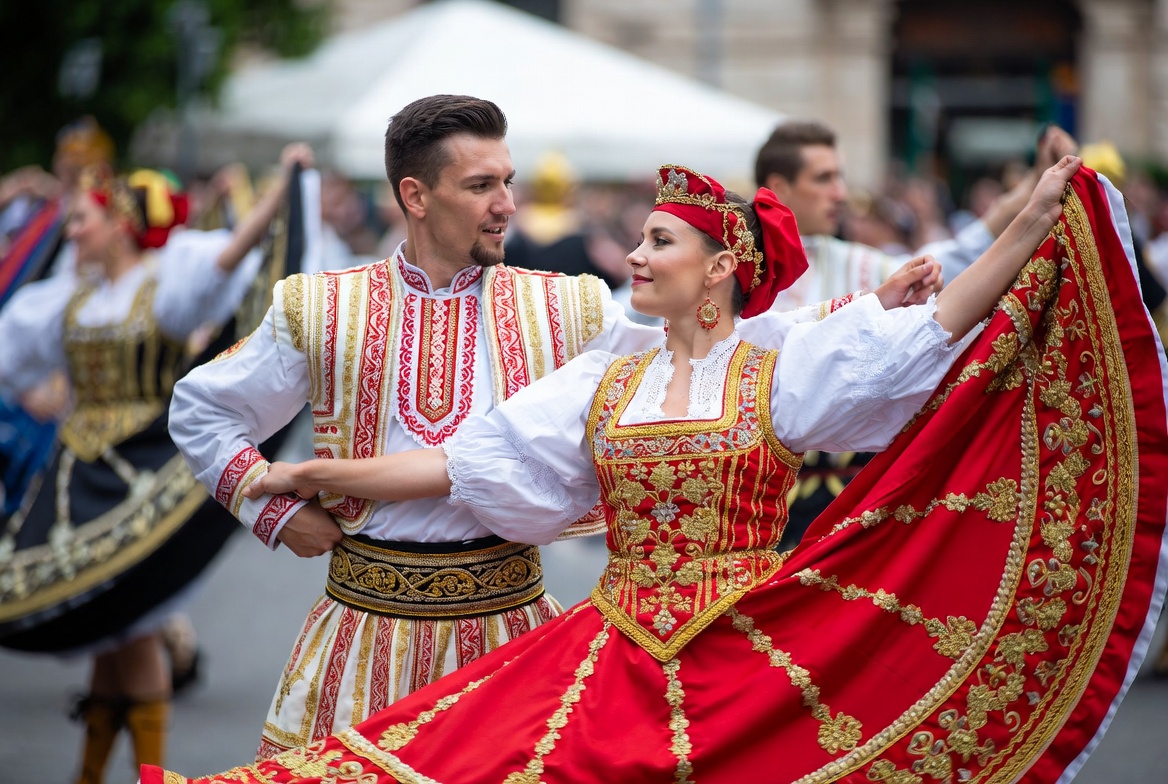
The most famous Hungarian dance.
A passionate couple’s dance with two parts: slow (lassú) and fast (friss).
Characterized by dramatic movements, spins, and emotional expression.
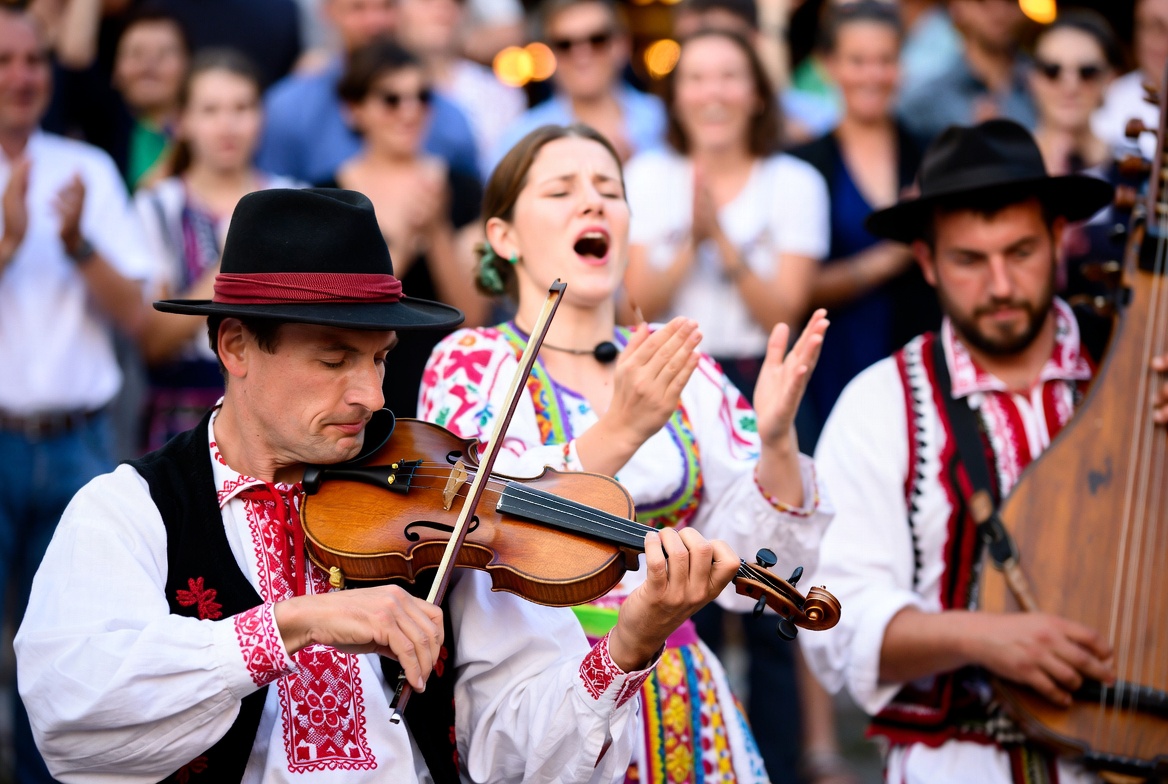
Often performed in traditional embroidered costumes.
2. Verbunkos
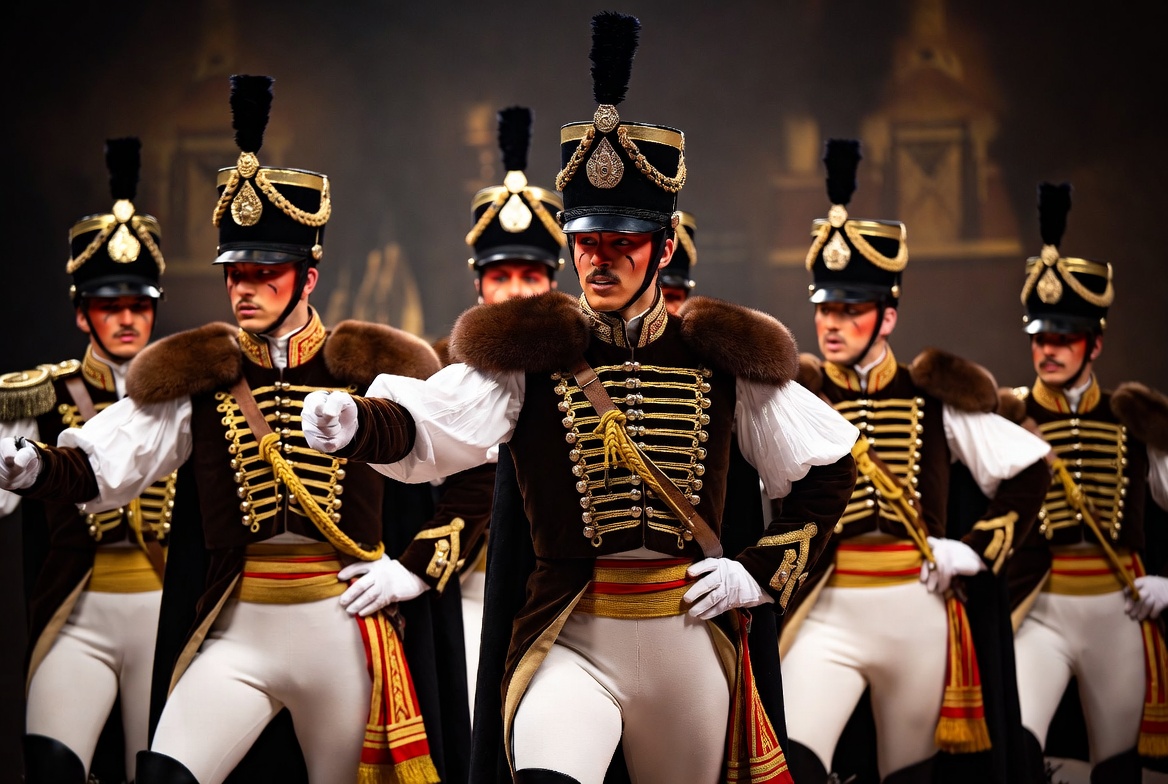
Originally a recruiting dance for soldiers in the 18th century.
Energetic, masculine, with spurs clicking and proud postures.
Influenced Hungarian classical music (especially Liszt and Brahms).
3. Táncház (Dance House) Movement
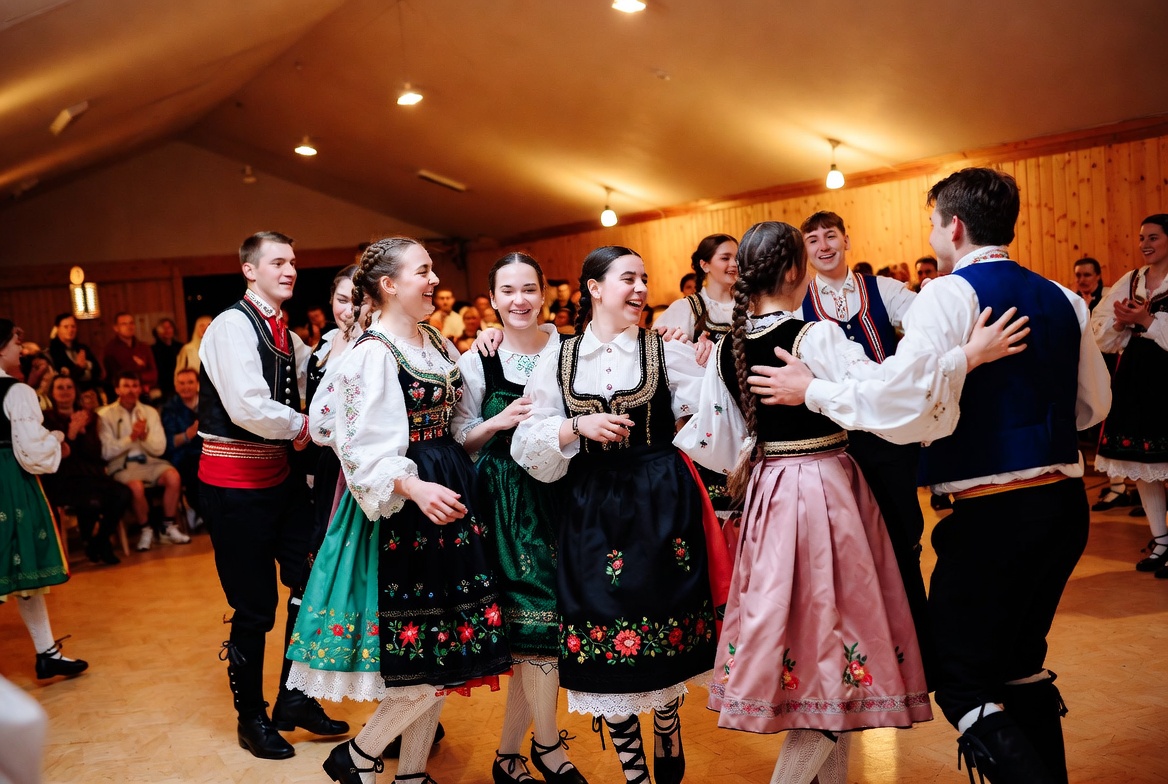
A modern revival of traditional folk dancing.
People gather in “dance houses” to learn and dance regional folk dances from all over Hungary and the Carpathian Basin.
Very lively and social — one of the best ways to experience authentic Hungarian culture today.
Music Genres
Classical Music
Hungary has produced some of the greatest composers:
Franz Liszt — Virtuoso pianist and composer.
Béla Bartók — Collected folk music and incorporated it into modern classical works.
Zoltán Kodály — Created the famous Kodály music education method.
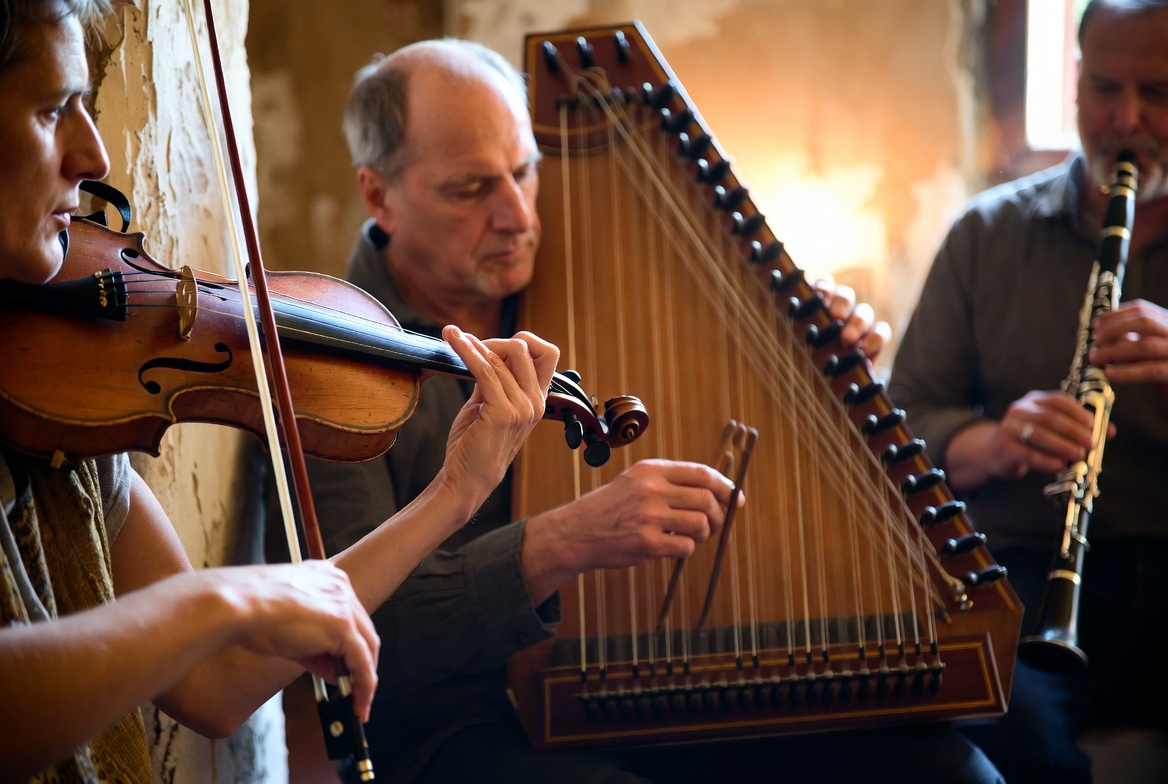
Roma (Gypsy) Music
Very popular in Hungary.
Features passionate violin playing, cimbalom (hammered dulcimer), and emotional singing.
Often performed in restaurants (especially in Budapest).
Modern Hungarian Music
Pop & Rock: Bands like Omega (legendary rock group), and current artists like Margaret Island or AWS (metal).
Electronic & Folk Fusion: Many young artists mix traditional folk with electronic beats.
Magyar Nóta — Traditional Hungarian songs with sentimental, storytelling lyrics.
Instruments You’ll Hear
Cimbalom (hammered dulcimer)
Violin (especially in Roma music)
Tárogató (woodwind instrument)
Accordion
Bagpipes (in some regions)