
Music & Dance Styles in Chinese Singapore
Chinese Singaporeans have preserved and evolved rich musical and dance traditions, blending Fujian, Guangdong, and other regional Chinese influences with local flavors.
Traditional Music Styles
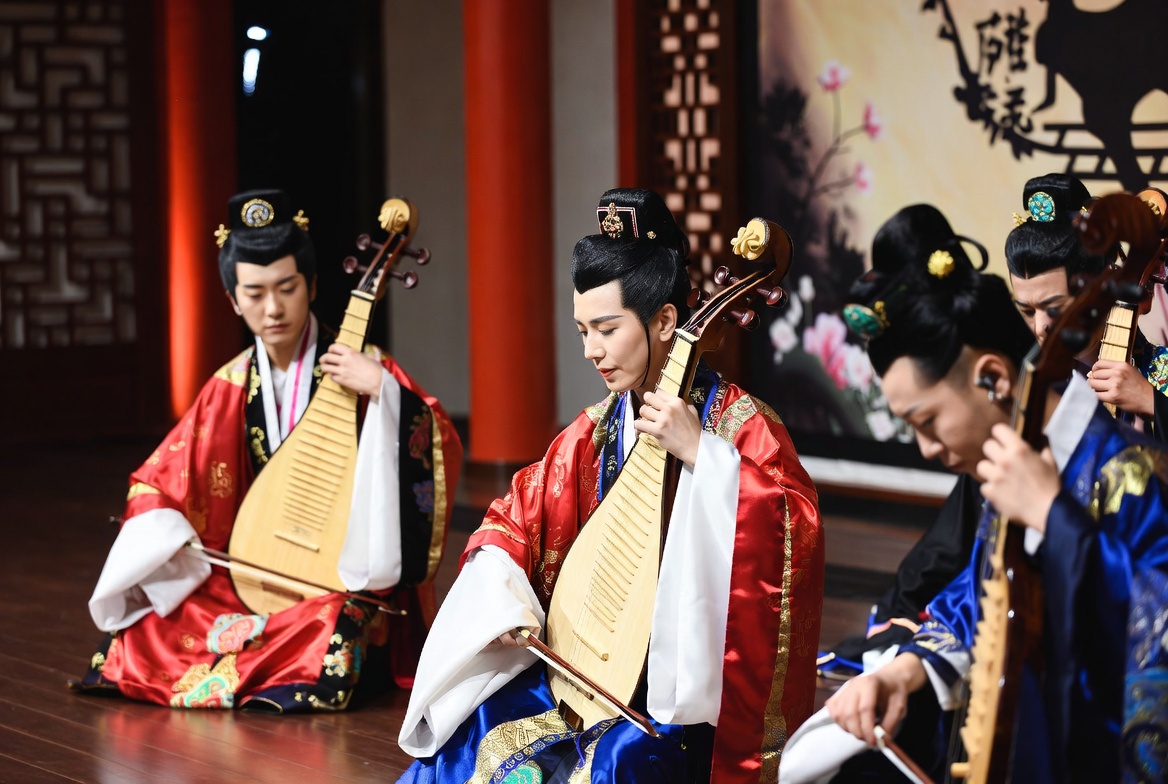
Nanyin (南音): Ancient Minnan (Hokkien) vocal and instrumental music with lutes and flutes. Significance: Considered one of the oldest surviving forms of Chinese music, performed at temples and cultural events.
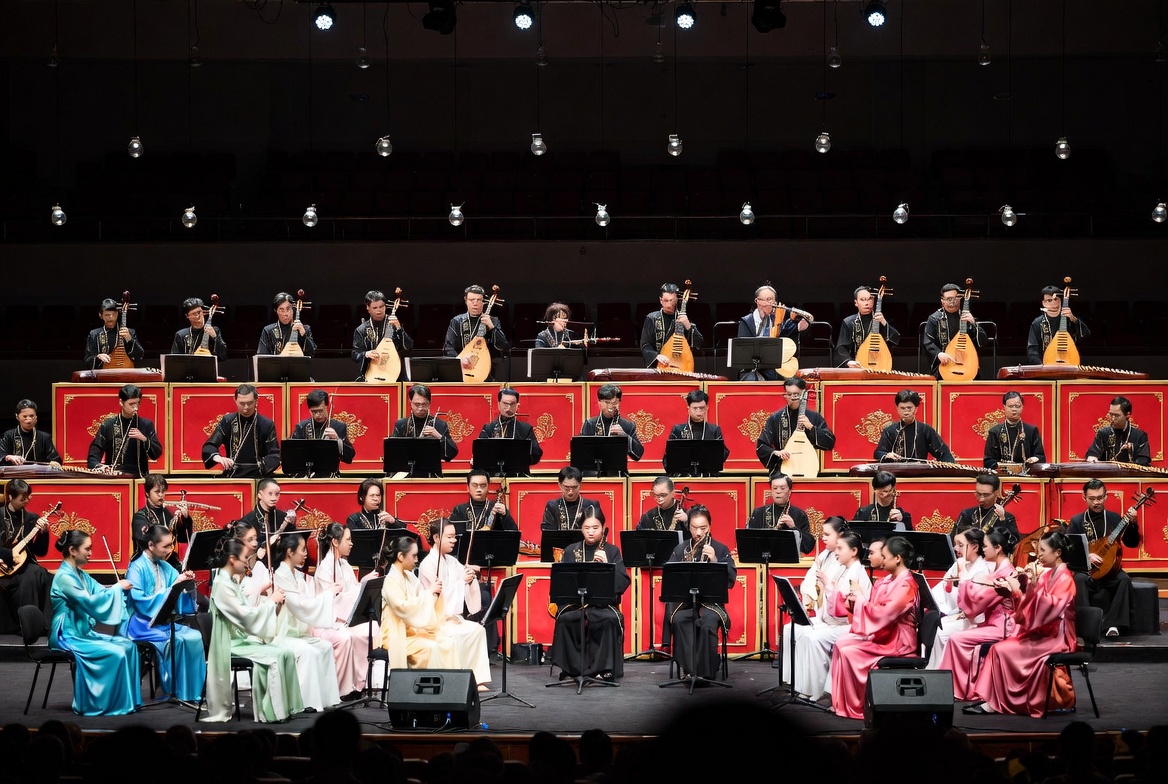
Chinese Orchestral Music: Modern ensembles featuring erhu, pipa, dizi, and percussion. Significance: Popular in schools and performances; Singapore has strong youth orchestras blending traditional and contemporary pieces.
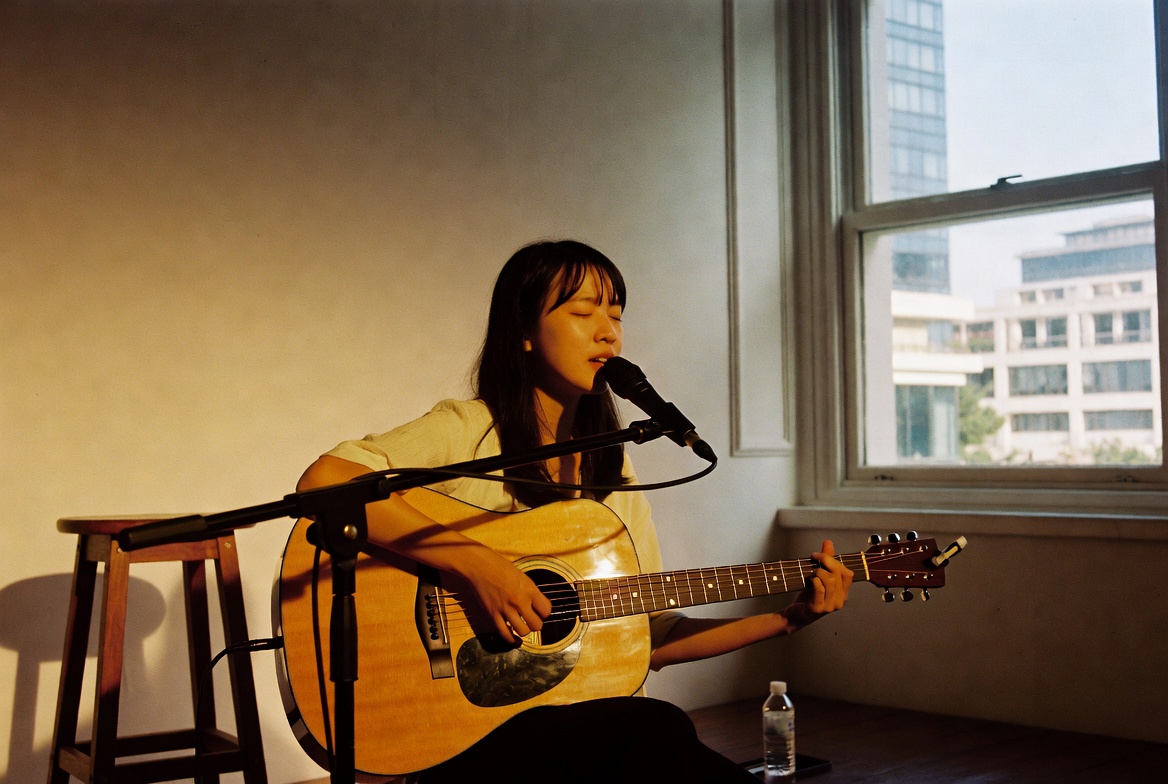
Xinyao (新谣): Original Singaporean Mandarin songs from the 1970s–80s. Significance: Reflects local life, nostalgia, and identity — a uniquely Singaporean Chinese music genre.
Traditional Dance Styles
Lion Dance (舞狮): Energetic performance with two dancers inside a colorful lion costume. Significance: Performed during Chinese New Year and festivals to bring good luck and ward off evil spirits.
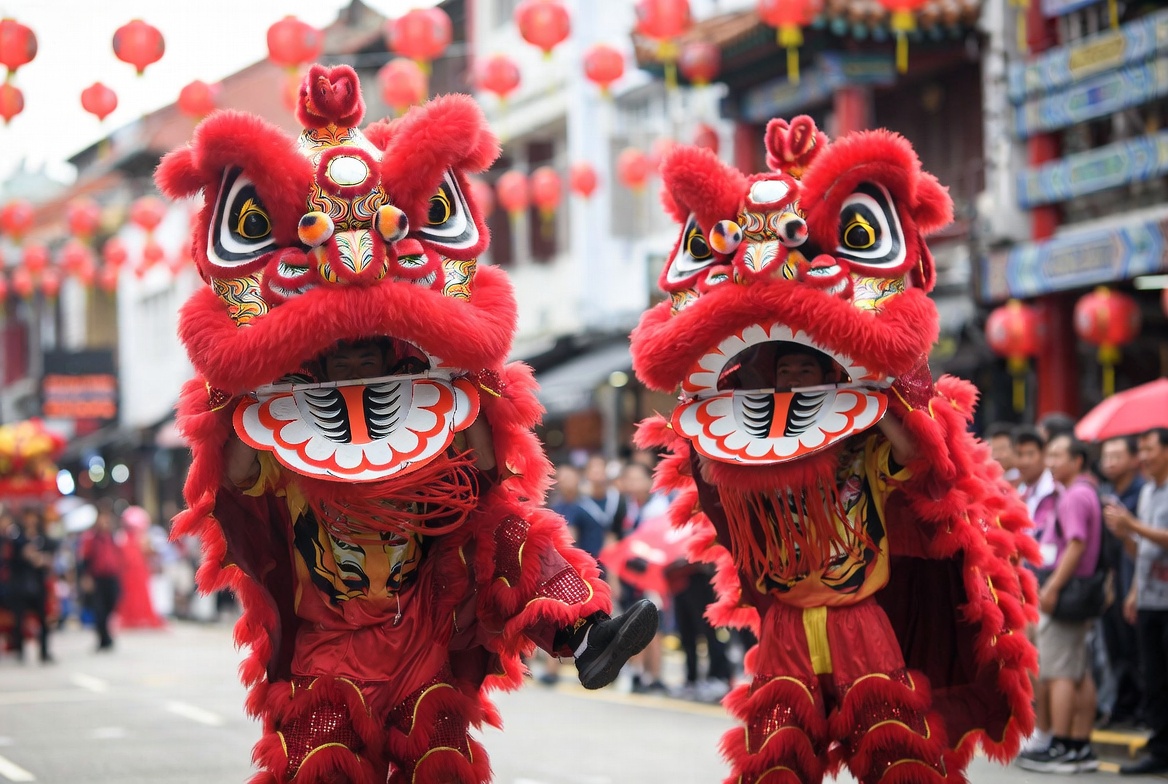
Dragon Dance (舞龙): Long dragon puppet manipulated by a team. Significance: Symbolizes power and good fortune, often featured in parades and major celebrations.
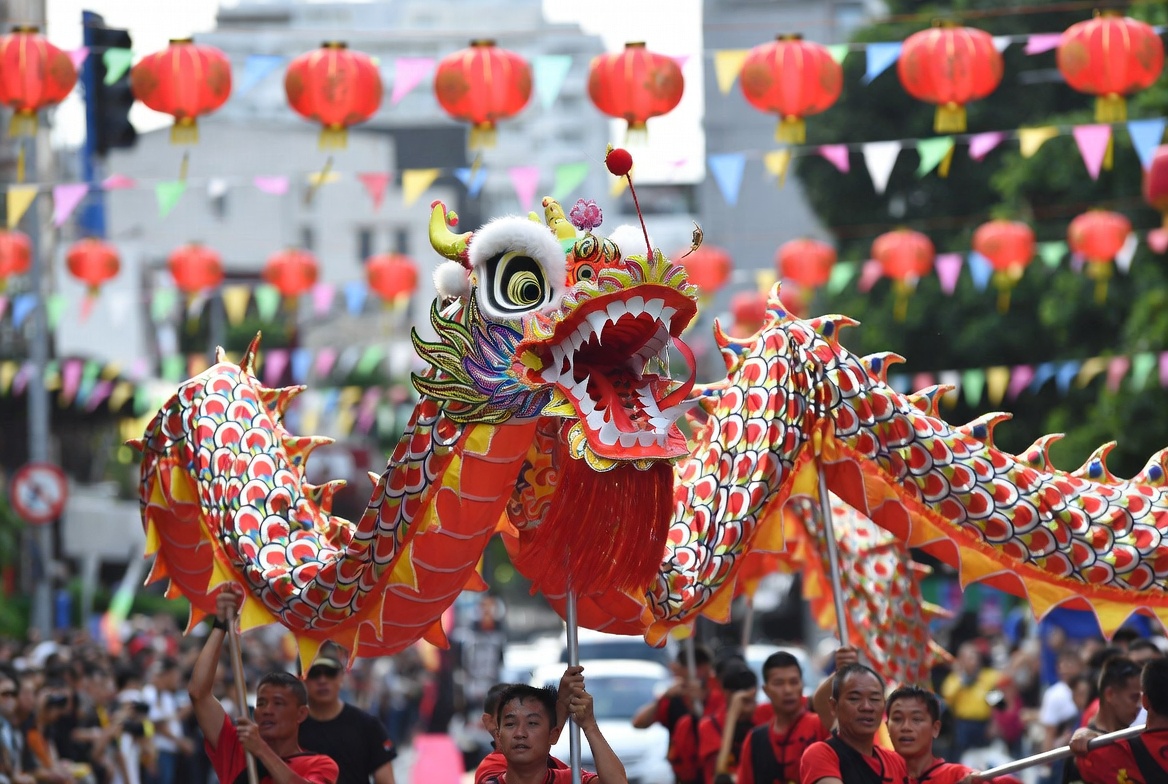
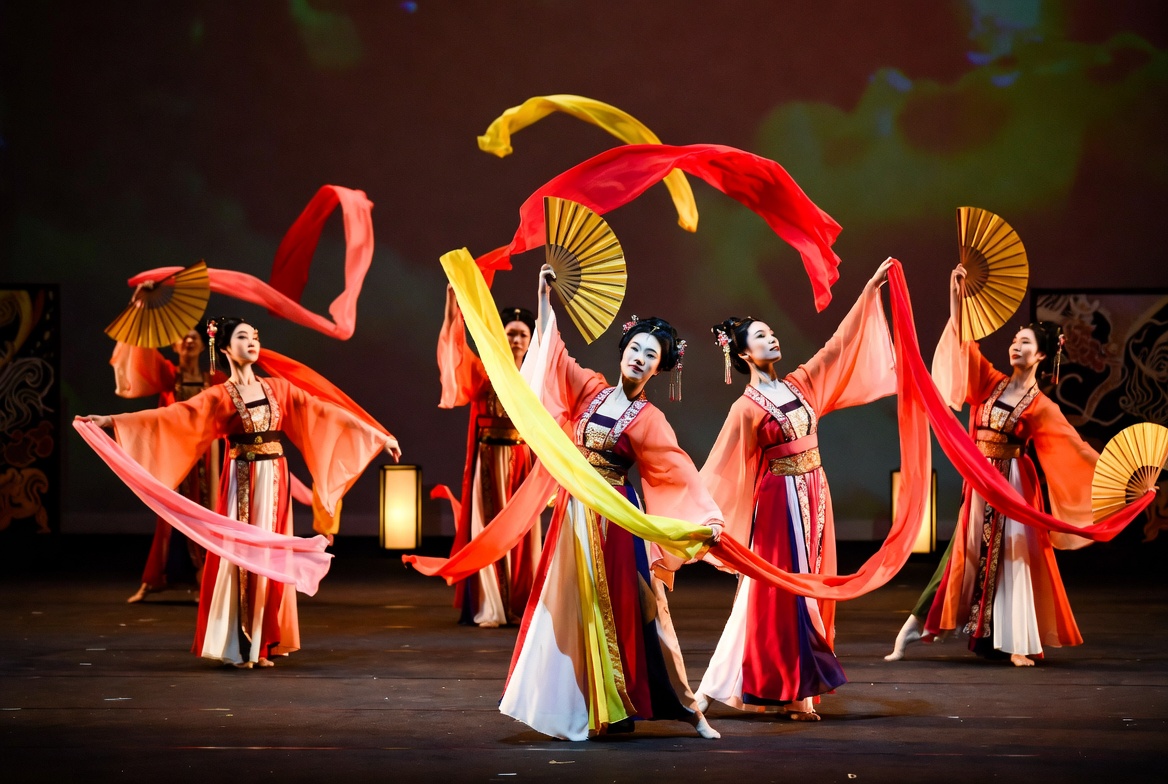
Fan Dance & Ribbon Dance: Graceful dances using silk fans or long ribbons. Significance: Showcase elegance and often performed at cultural shows and school events.
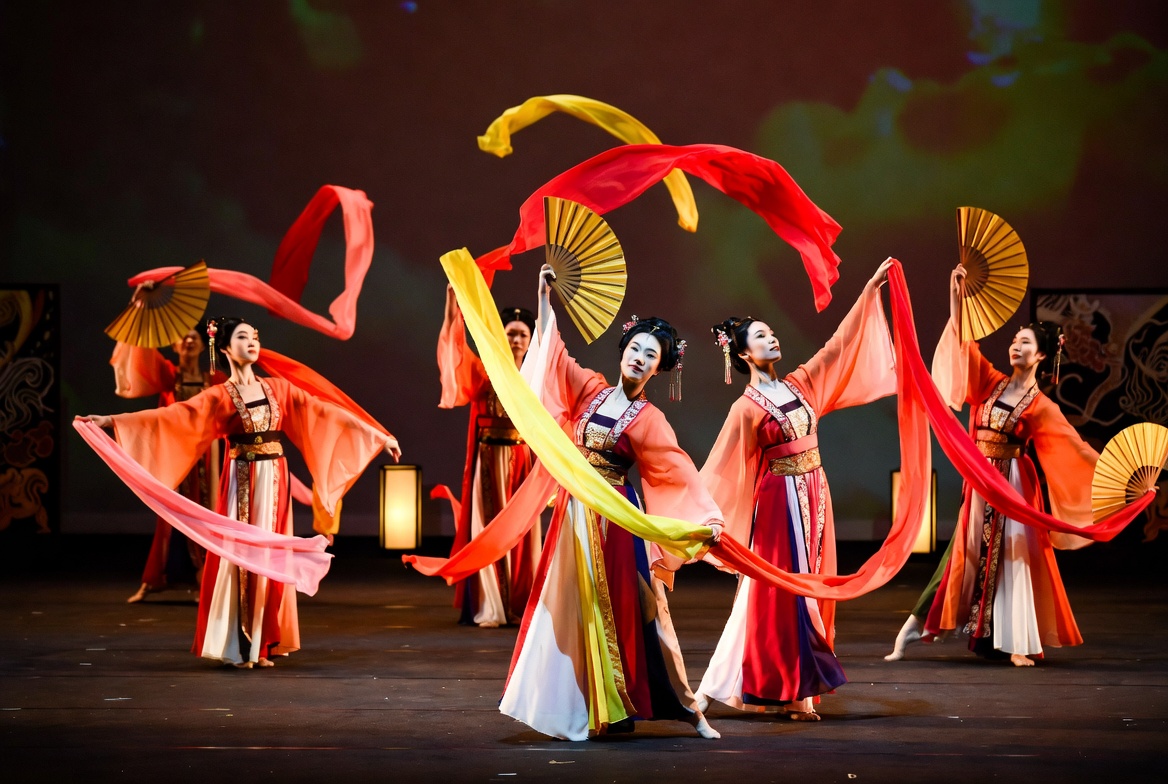
Peranakan Dance: Blends Chinese and Malay movements (e.g., joget-style). Significance: Represents the unique Straits Chinese heritage.
Modern & Fusion Styles
Many young Chinese Singaporeans participate in street dance, wushu performances, and fusion groups that mix hip-hop with traditional elements. Community centers and schools actively promote these arts.
These forms keep our cultural heritage alive while evolving in multicultural Singapore!