Polish Cultural Symbols & Meanings: A Tourist's Guide
Poland has ancient symbols on flags, churches, and even food. Knowing them helps tourists understand Polish pride and avoid accidental disrespect.
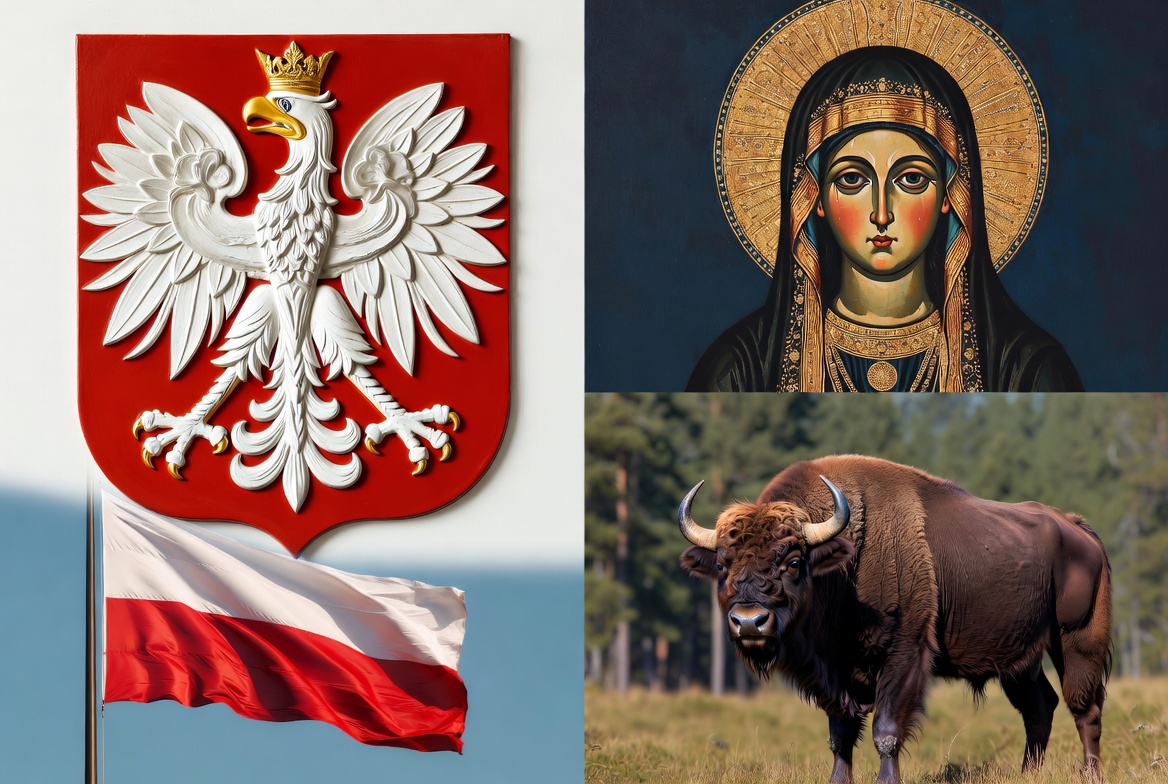
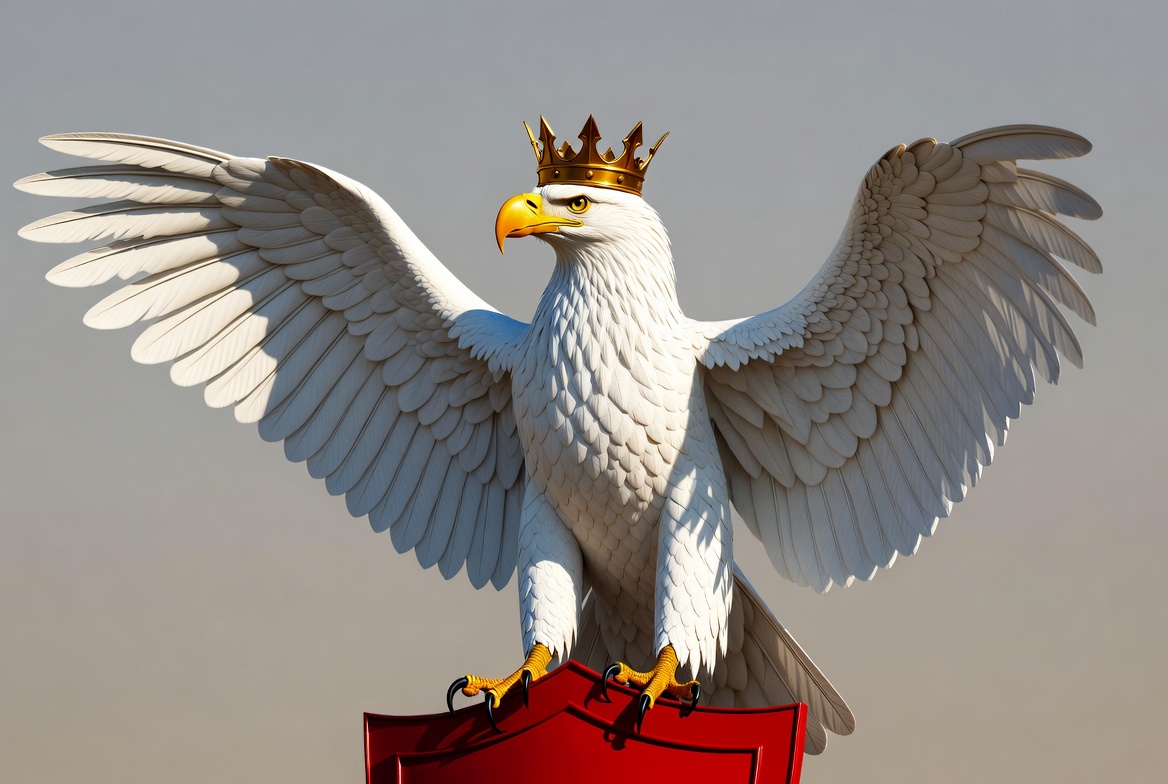
1. White Eagle (Biały Orzeł)
White eagle with golden crown on red background
Oldest symbol of Poland (over 1,000 years old)
Legend: Lech (founder of Poland) saw white eagle against red sunset sky
Found on coat of arms, government buildings, military uniforms
Never disrespect the eagle (tearing, burning = crime)
2. Polish Flag (Flaga Polski)
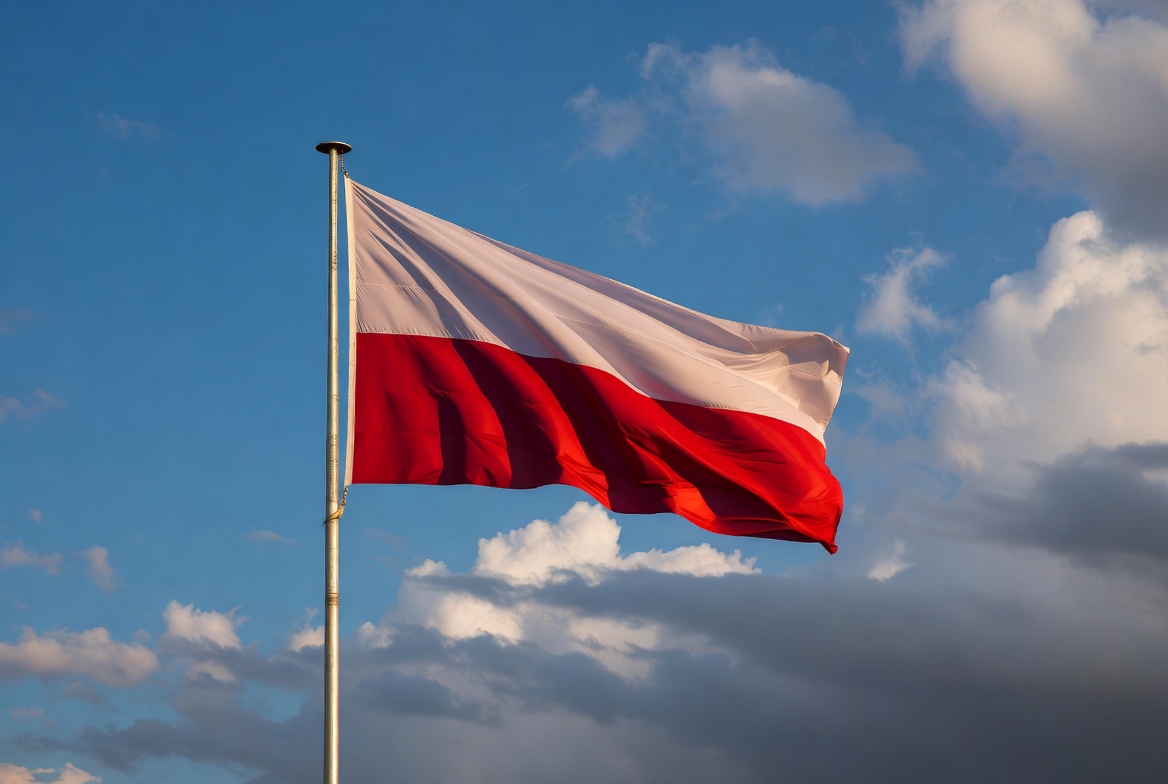
Two horizontal stripes: white on top, red on bottom
White represents peace and purity, red represents courage
Never let flag touch the ground
Official flag days: May 3 (Constitution Day), November 11 (Independence Day)
Same colors as Indonesia and Monaco (different order)
Flag with coat of arms is for use abroad only
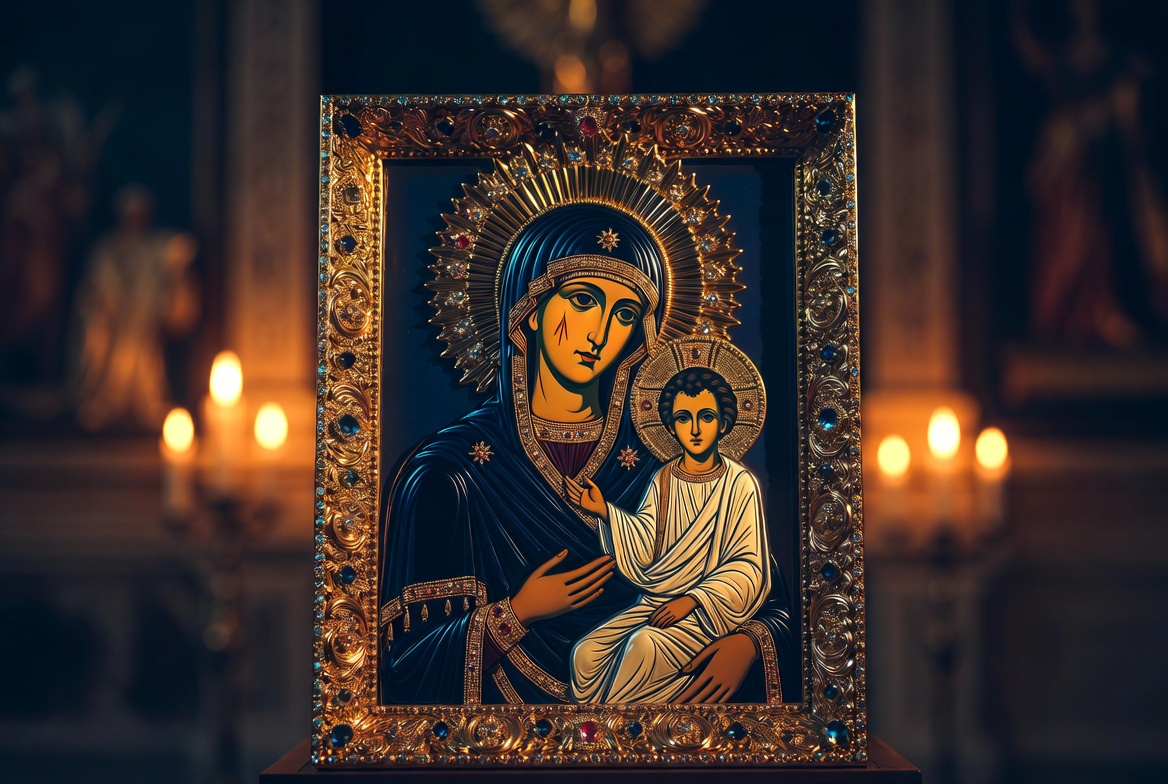
3. Our Lady of Częstochowa (Czarna Madonna)
Icon of Virgin Mary at Jasna Góra Monastery (Częstochowa)
Mary's face is dark (legend: fire smoke, or intentionally painted dark)
Two scars on right cheek (allegedly from Hussite soldier's sword)
Most important religious symbol in Poland
Pope John Paul II prayed here often
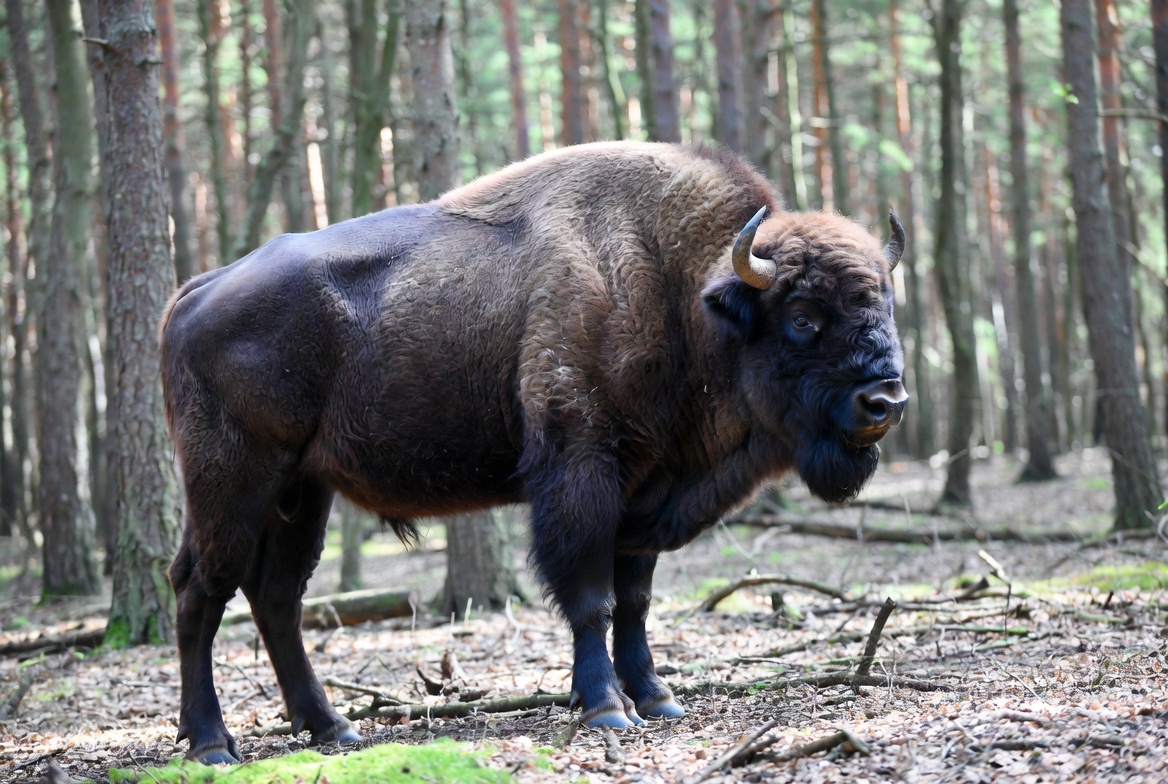
4. European Bison (Żubr)
Largest land animal in Europe (reintroduced after extinction)
Symbol of Polish wilderness and national pride
Found in Białowieża Forest (UNESCO, only natural lowland forest in Europe)
Also mascot of popular Polish beer brand (Żubr)
Endangered species (only 2,500 in Poland)