Polish Wycinanki: The Art of Paper Cutting
PolandPolishMinsk
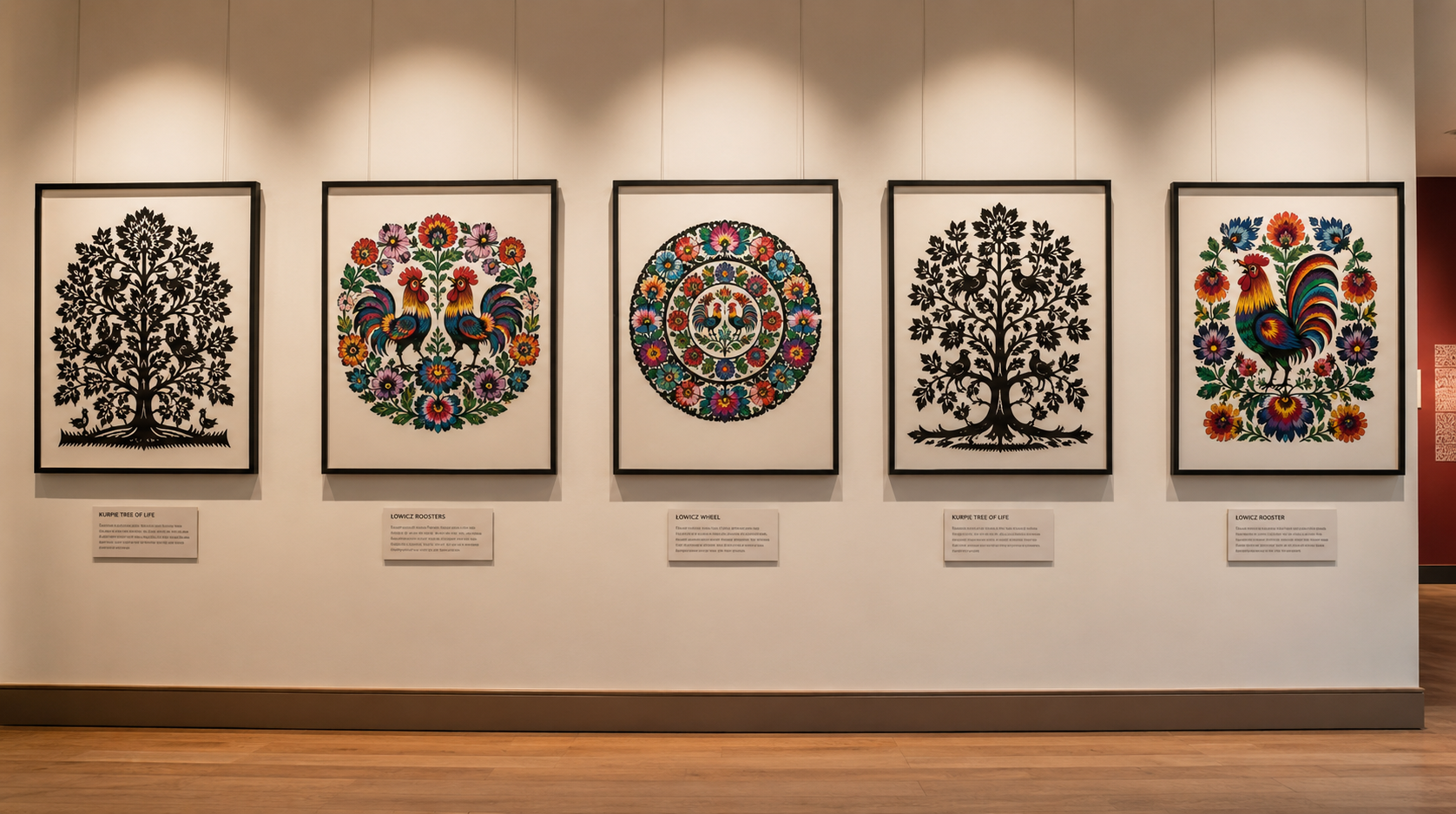
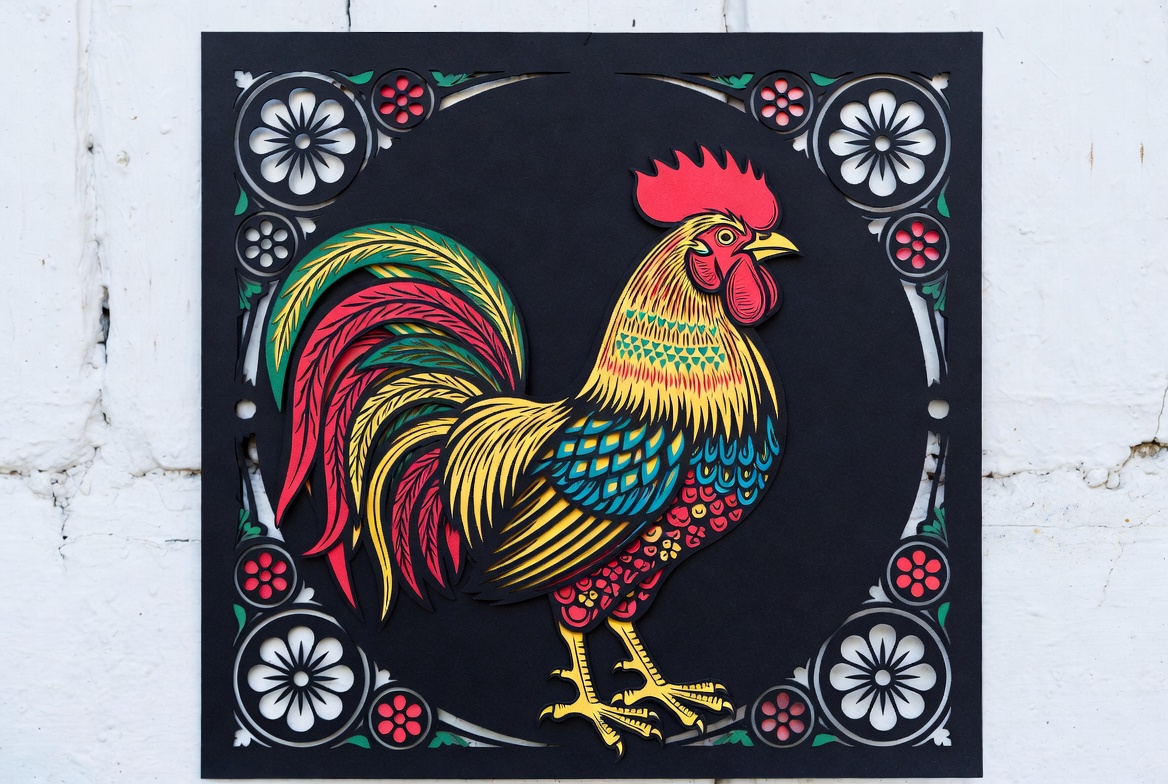
Wycinanki (vee-chee-nan-kee) is the traditional Polish art of paper cutting. Peasant farmers created these intricate designs to decorate their homes, ward off evil, and bring good luck
What Is Wycinanki?
- Traditional Polish art of decorative paper cutting. Peasant farmers created these intricate designs to decorate their homes, bring good luck, and ward off evil.
- Originated in 19th‑century rural Poland
- Began with cutting patterns into sheepskins covering windows
- Switched to paper when it became affordable
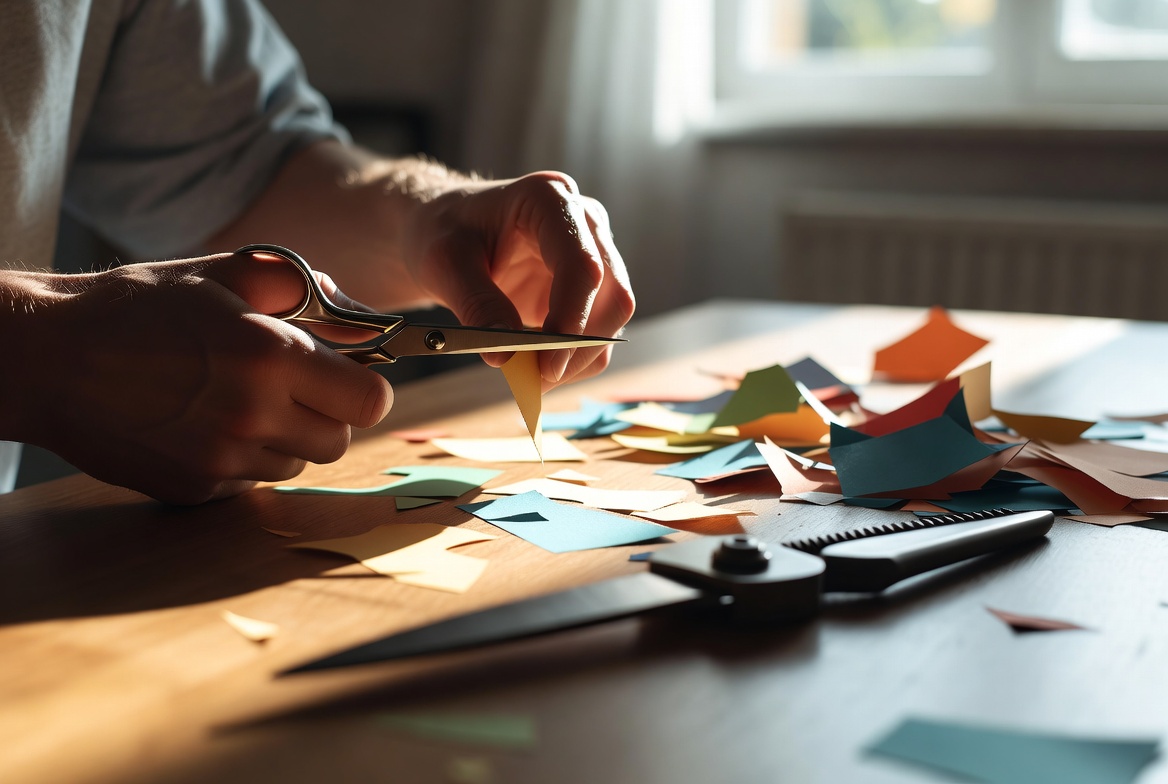
- Traditionally made with sheep shears, cutting up to 16 layers at once
- Used to decorate homes and given as gifts
 Two Main Regional Styles
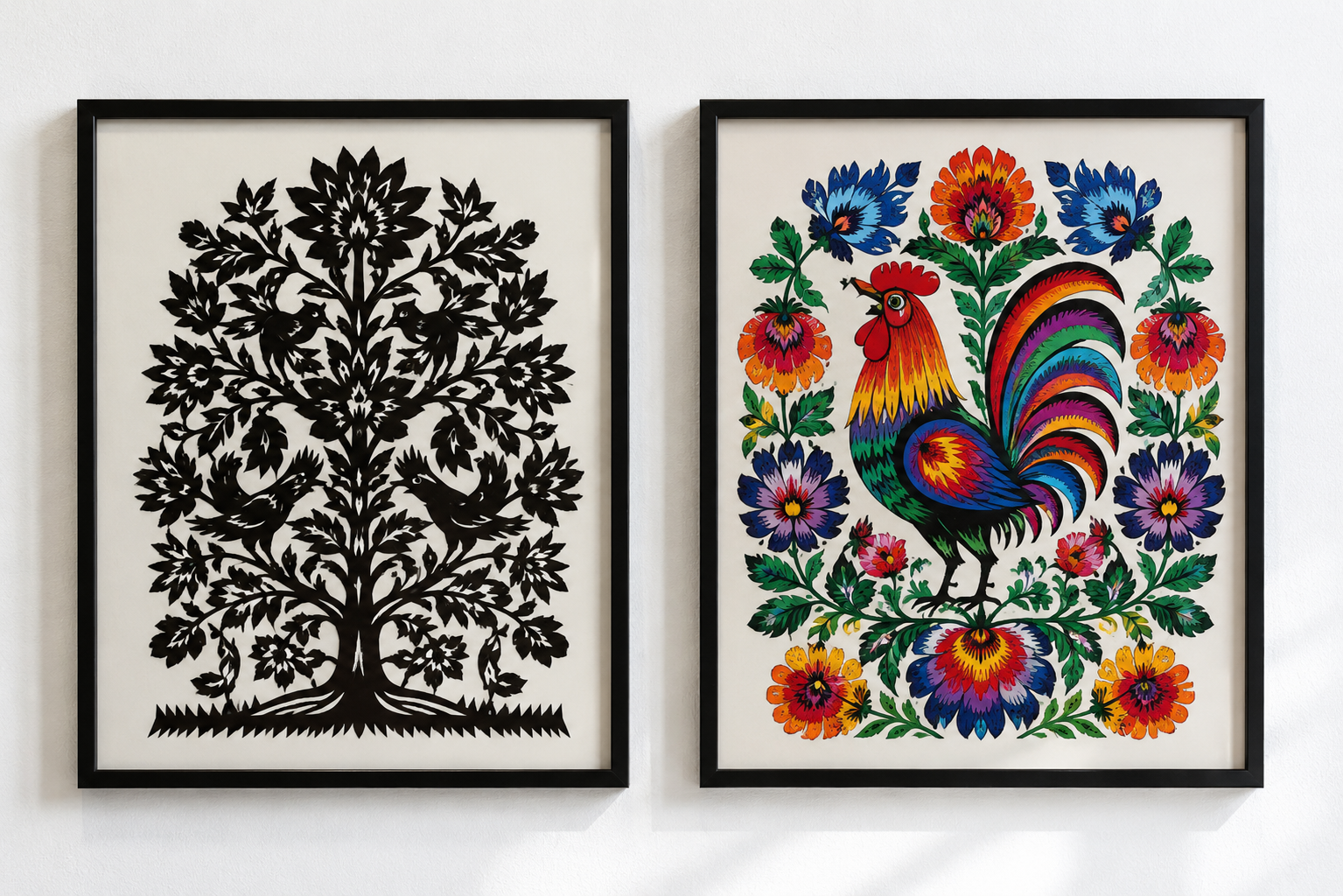
- Kurpie style (northeast Poland): Single sheet, one color (usually black), symmetrical tree of life motifs
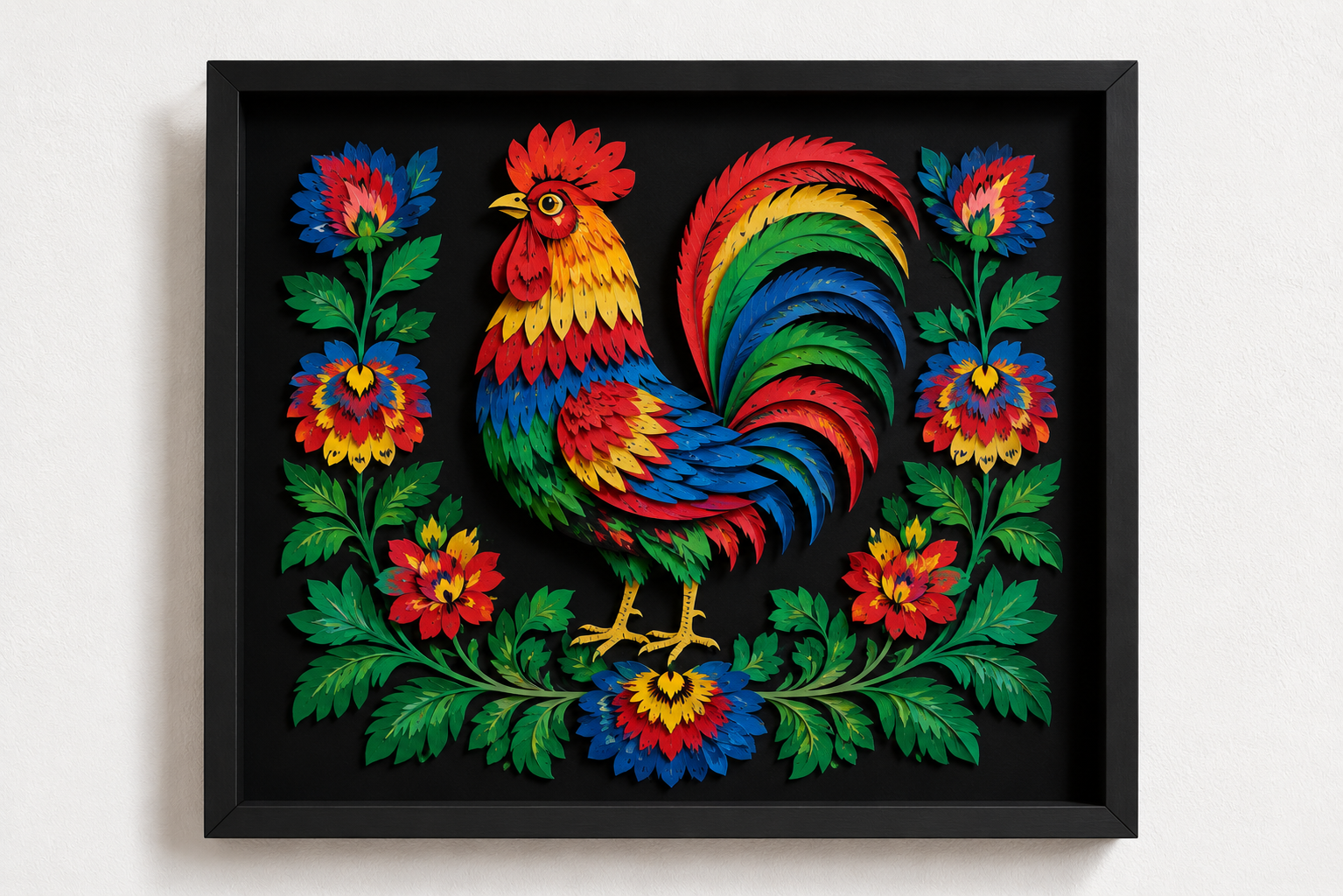
- Łowicz style (northwest Poland): Multiple layers, many colors, roosters and flower circles
 Symbols and Their Meanings
- Rooster: New life, resurrection of Christ, fertility
- Tree of Life (spruce/pine): Healing, medicinal herbs, connection between heaven and earth
- Circle motifs: Infinity, protection, sun
- Flowers: Beauty, nature, growth
- Peacock: Wealth, pride, dignity
 Why Wycinanki Matters to Polish People
- Believed to ward off the evil eye (protective magic)
- Given as gifts for weddings and holidays
- Each region has unique patterns (identity)
- Passed down through generations (grandmother to granddaughter)
- Still practiced today at cultural centers and festivals