
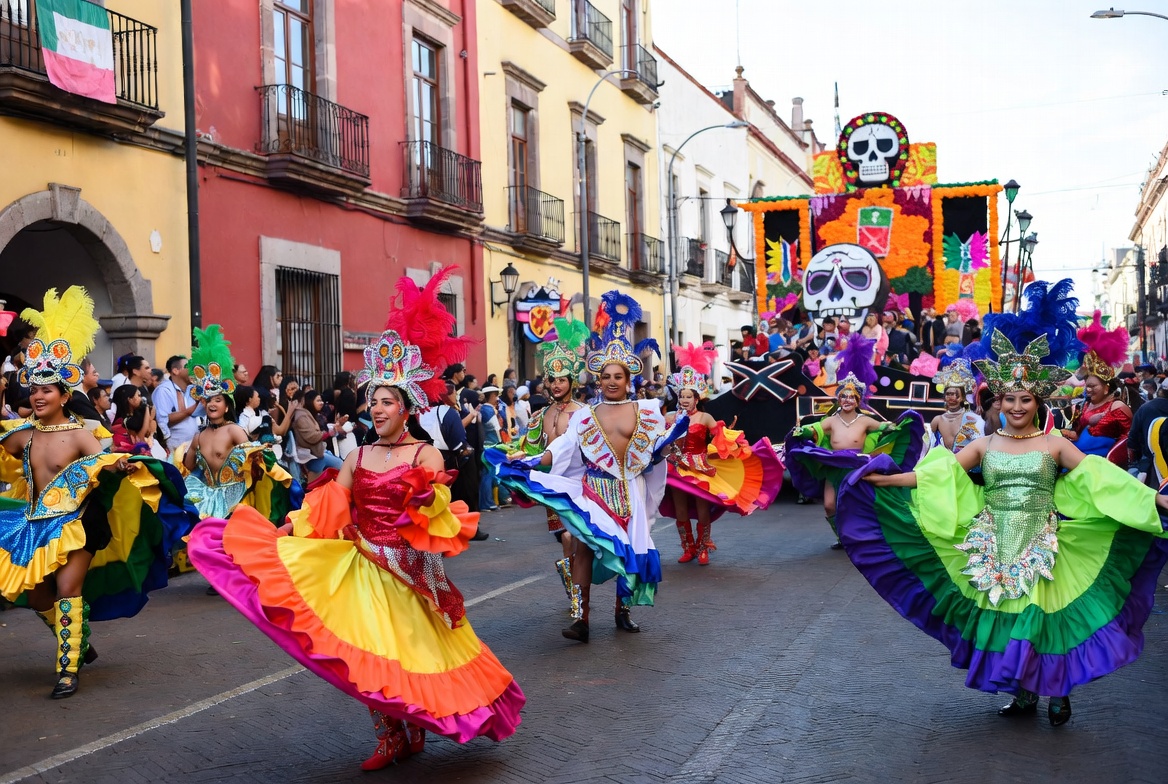
The Most Vibrant Festivals in Mexico: Color, Faith & Celebration
1. Día de los Muertos (Day of the Dead) – November 1–2
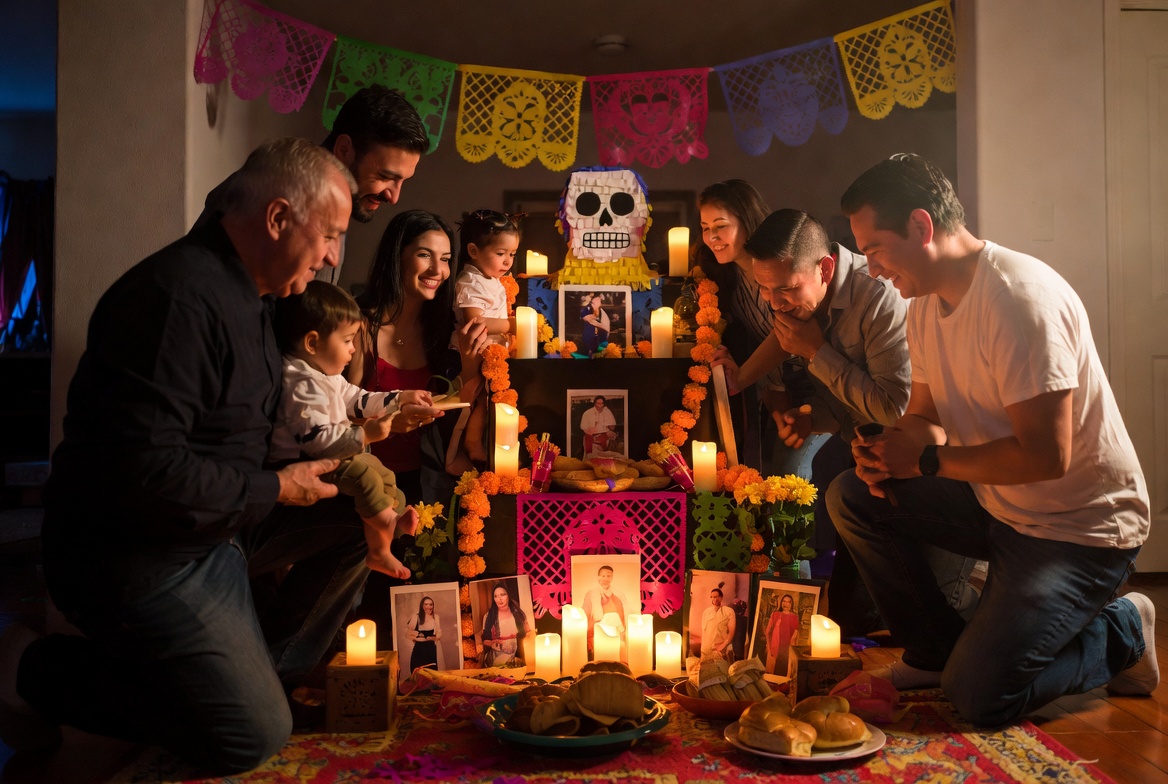
Most iconic Mexican festival.
Families honor deceased loved ones with colorful altars (ofrendas), marigolds, sugar skulls, and food.
Celebrated with joy rather than sadness — a beautiful blend of indigenous and Catholic traditions.
2. Semana Santa (Holy Week) – March/April
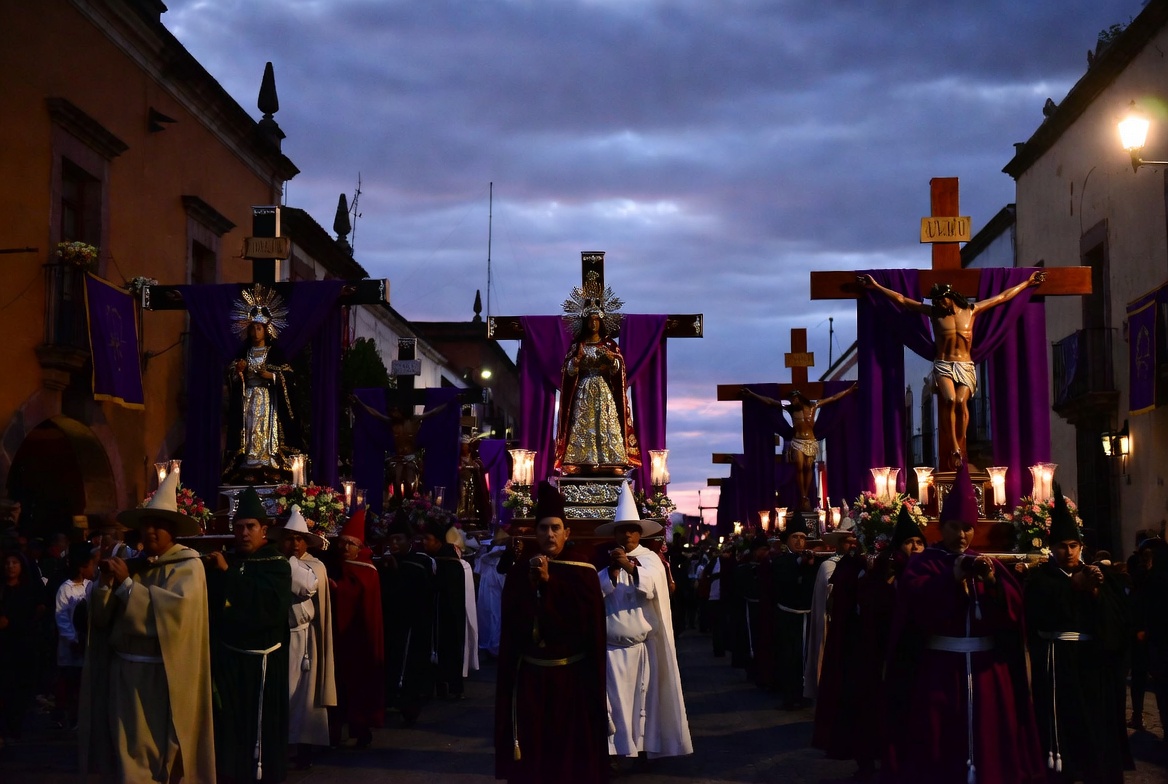
One of the biggest religious celebrations.
Especially vibrant in places like Taxco and San Miguel de Allende with processions, passion plays, and elaborate decorations.
3. Carnaval – February (before Lent)
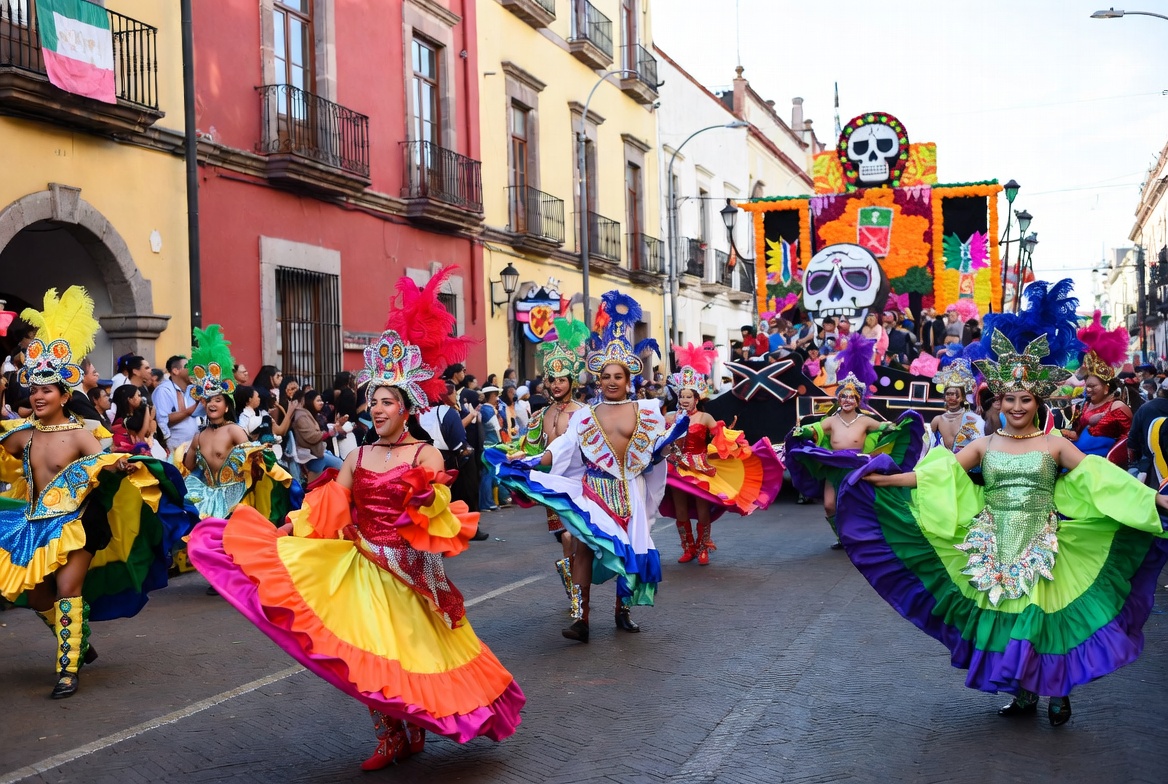
Huge street parties with parades, music, dancing, and costumes.
Most famous in Veracruz, Mazatlán, and Mérida.
4. Día de la Independencia (Independence Day) – September 15–16
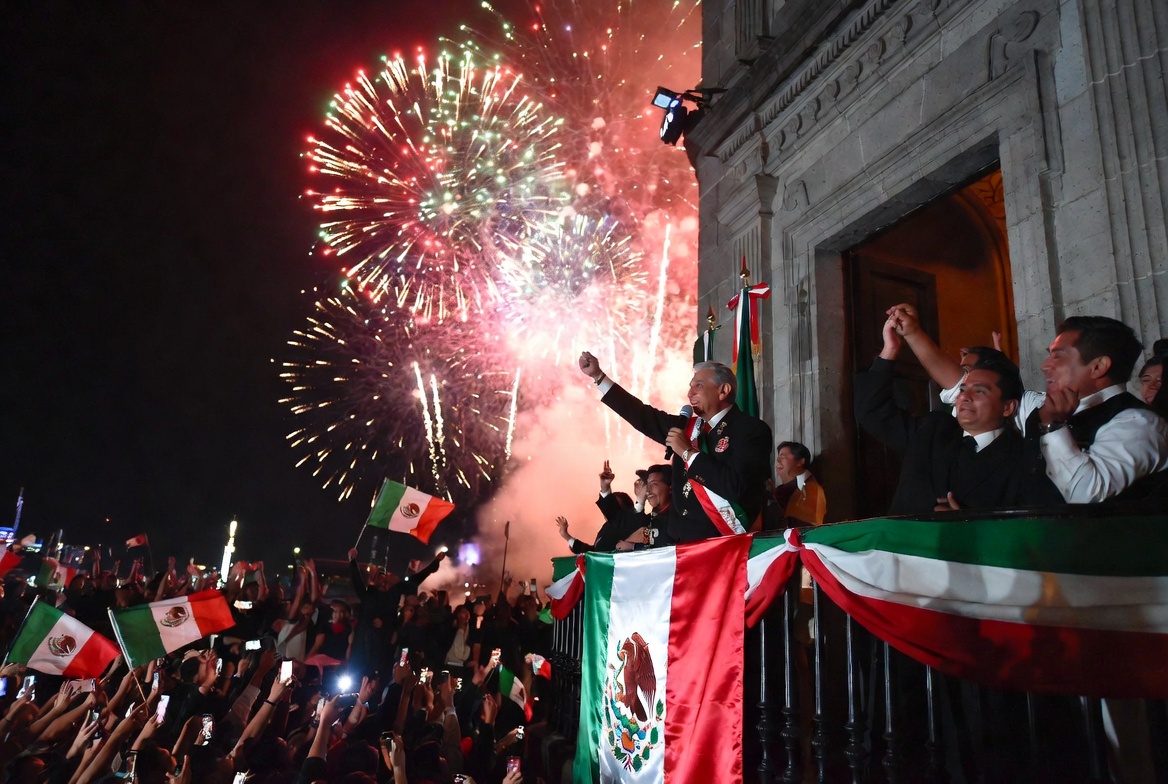
Celebrates Mexico’s independence from Spain in 1810.
Famous for “El Grito” (The Cry of Independence) by the President on the night of the 15th, followed by fireworks and parties.
5. Fiesta de la Virgen de Guadalupe – December 12
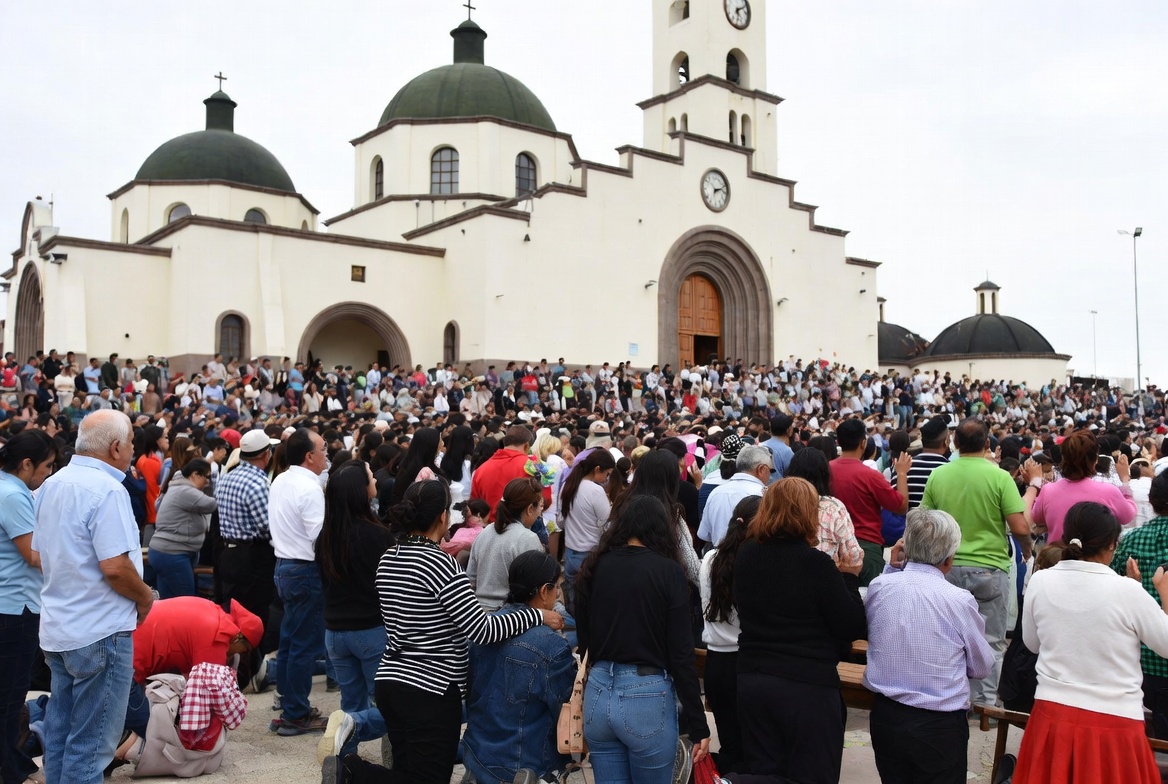
Mexico’s most important religious festival.
Millions of pilgrims visit the Basilica of Guadalupe in Mexico City to honor the country’s patron saint.
6. Guelaguetza – July (Oaxaca)
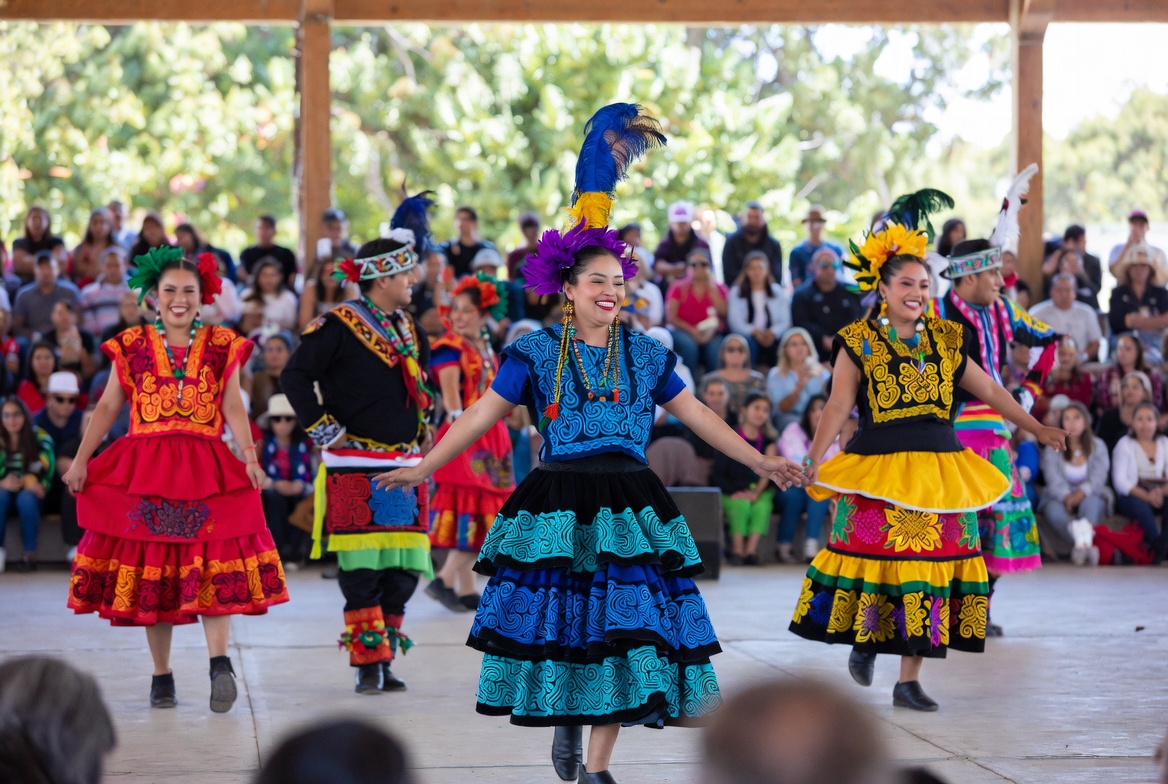
A major indigenous cultural festival showcasing traditional dances, music, and regional costumes from all over Oaxaca.
7. Las Posadas – December 16–24
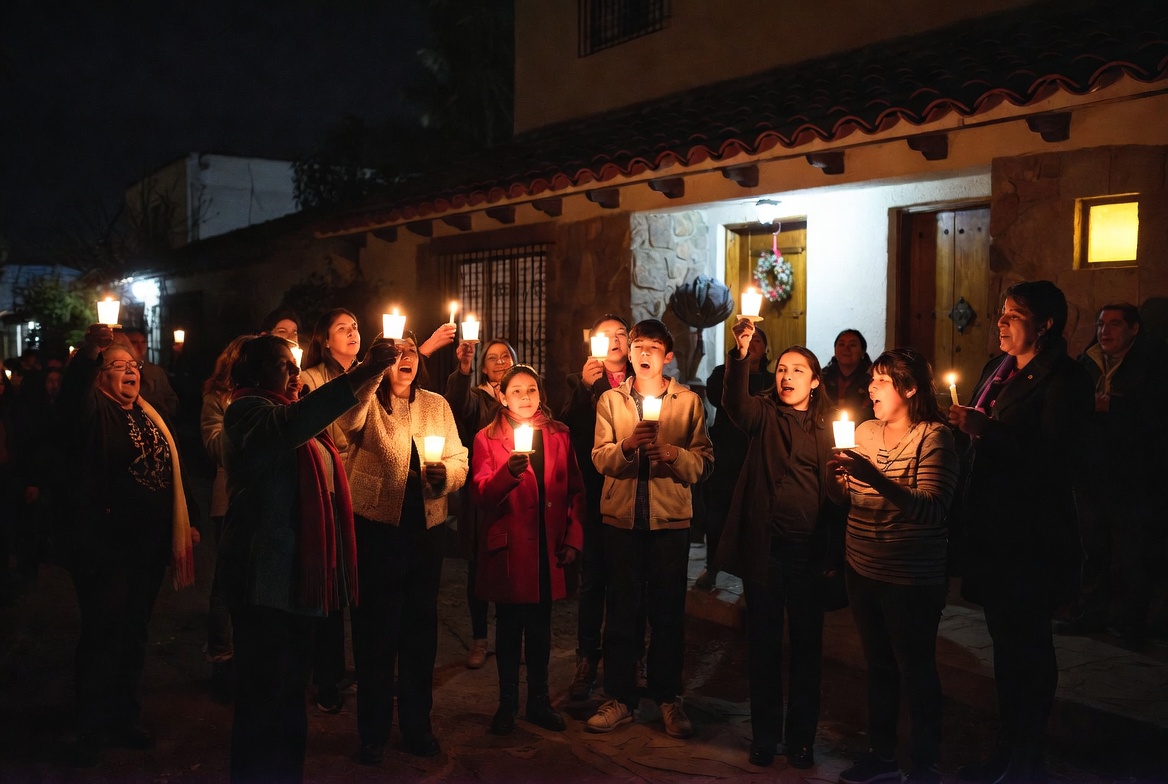
Christmas tradition reenacting Mary and Joseph’s search for shelter.
Families go house to house singing and sharing food.
8. Feria de San Marcos – April–May (Aguascalientes)
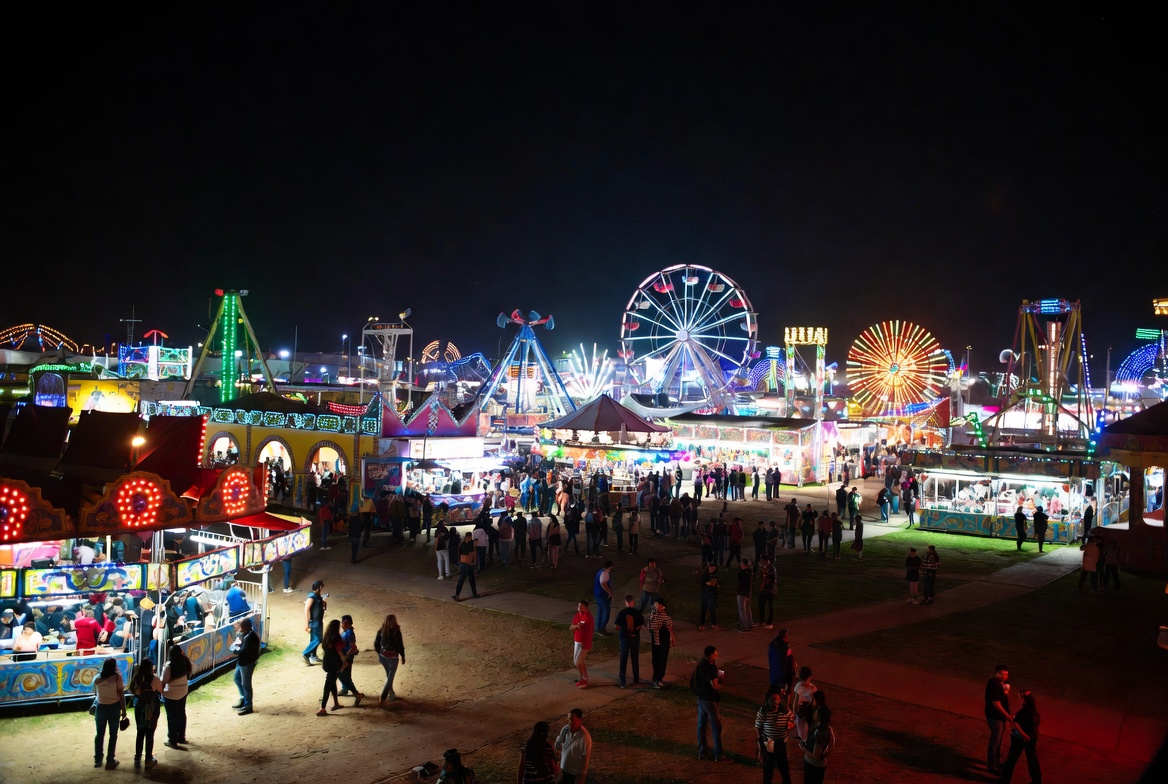
One of the largest fairs in Mexico with bullfights, concerts, rodeos, and parties.
Honorable Mentions:
Mexican festivals are known for being colorful, loud, joyful, and deeply tied to family, faith, and community.