
세계로 나아갈 준비가 되셨나요?
언어 장벽 때문에 커리어 성장을 멈추지 마세요.


Japanese Hiragana/Katakana Chart (Gojuuon): Complete Beginner Guide
Discover the complete beginner’s guide to the Japanese hiragana/katakana chart (gojuuon) and learn how these essential writing systems form the foundation.
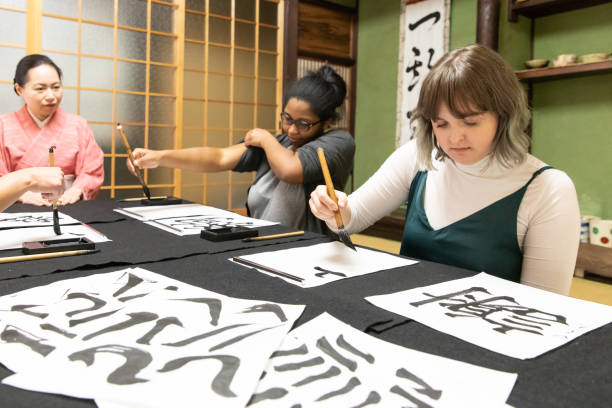
Japanese Hiragana/Katakana Chart (Gojuuon): Complete Beginner Guide
Learning Japanese becomes much easier once you understand the Japanese hiragana/katakana chart (gojuuon). For beginners, the Japanese writing system can initially feel overwhelming, but mastering these foundational characters is the first major step toward reading, speaking, and understanding Japanese naturally.
Unlike English, Japanese pronunciation follows a highly organized sound system. Once you learn the basic sounds in the gojuuon chart, you can begin reading words, improving pronunciation, and building confidence in conversations.
At Malegado, language learning goes beyond memorization. Through storytelling, culture, and immersive experiences, learners develop practical communication skills while connecting more deeply with the language itself.
In this guide, you’ll learn:
- What the Japanese gojuuon chart is
- The difference between hiragana and katakana
- How pronunciation works
- Effective memorization techniques
- Common beginner mistakes
- How to learn Japanese more naturally
What Is the Japanese Hiragana/Katakana Chart (Gojuuon)?
The gojuuon (五十音), often translated as “fifty sounds,” is the standard arrangement of Japanese syllables. It organizes sounds into a table based on vowels and consonants.
The five core Japanese vowels are:
- A (あ)
- I (い)
- U (う)
- E (え)
- O (お)
These vowels combine with consonants to create syllables such as:
- Ka (か)
- Ki (き)
- Ku (く)
- Ke (け)
- Ko (こ)
The same pronunciation structure exists in both:
- Hiragana
- Katakana
Together, these writing systems form the foundation of beginner Japanese reading and pronunciation.
According to the Japan Foundation, understanding hiragana and katakana is essential before moving into more advanced Japanese reading skills such as kanji.
Hiragana vs Katakana: Understanding the Difference
One of the first things Japanese learners notice is that the language uses multiple writing systems. Hiragana and katakana may represent the same sounds, but they are used differently.
Hiragana (ひらがな)
Hiragana is mainly used for:
- Native Japanese words
- Verb endings
- Grammar particles
- Everyday expressions
Its characters are softer and more curved.
Examples:
- あ (a)
- さ (sa)
- の (no)
Most beginner Japanese reading materials rely heavily on hiragana.
Katakana (カタカナ)
Katakana is primarily used for:
- Foreign loanwords
- Brand names
- Technical vocabulary
- Emphasis
Its characters appear sharper and more angular.
Examples:
- ア (a)
- サ (sa)
- ノ (no)
For example:
- Coffee → コーヒー
- Computer → コンピューター
Modern Japanese frequently uses katakana because of technology, media, and international vocabulary.
Why the Gojuuon Chart Matters
The Japanese hiragana/katakana chart (gojuuon) is important because it helps learners:
- Read Japanese correctly
- Pronounce words naturally
- Build vocabulary faster
- Improve listening comprehension
- Understand sentence structure
Unlike English spelling, Japanese pronunciation is generally consistent. Once you learn the sound system, reading becomes much more predictable.
This makes the gojuuon chart one of the most rewarding milestones for beginner Japanese learners.
How to Memorize Hiragana and Katakana Faster
Many learners try to memorize every character immediately and quickly become frustrated. A more effective approach combines repetition, culture, storytelling, and real usage.
1. Learn Small Groups Daily
Instead of studying all characters at once:
- Learn 5–10 characters per day
- Repeat them throughout the day
- Write them while saying the sounds aloud
Consistency is more effective than cramming.
2. Connect Characters to Real Words
Learning actual Japanese vocabulary improves retention.
Examples:
- ねこ (neko) → cat
- みず (mizu) → water
- テレビ (terebi) → television
This method helps your brain associate sounds with meaningful context.
3. Practice Through Stories and Conversations
One reason many learners lose motivation is because they only memorize symbols without using them naturally.
At Malegado Japanese Learning, learners explore Japanese through:
- stories
- culture
- practical conversation
- immersive experiences
This makes language learning feel more engaging and memorable.
4. Listen While Reading
Combining audio with reading improves pronunciation and listening comprehension much faster.
Useful beginner resources include:
- Japanese podcasts
- Anime dialogue
- Music lyrics
- Beginner audio lessons
The NHK World Easy Japanese Lessons are also excellent for pronunciation practice.
Common Beginner Mistakes When Learning Japanese
Trying to Memorize Everything Too Quickly
Japanese is best learned gradually. Short daily study sessions are more effective than long, exhausting study periods.
Ignoring Pronunciation Practice
Because Japanese is syllable-based, pronunciation matters significantly. Always read characters aloud while studying.
Avoiding Writing Practice
Even if you primarily type digitally, writing characters by hand improves memory and recognition dramatically.
Simple tracing exercises can help reinforce learning.
Why Learning Japanese Through Culture Matters
Language is more than vocabulary and grammar. It reflects culture, emotions, traditions, and human interaction.
That is why many learners progress faster when they engage with:
- storytelling
- real conversations
- cultural context
- authentic experiences
Traditional language apps often focus heavily on repetition drills. Malegado takes a more human-centered approach by helping learners connect language with culture and communication.
This makes learning feel more practical, immersive, and enjoyable.
You can also explore more language learning insights on the Malegado Articles Page.
Should You Learn Hiragana or Katakana First?
Most Japanese teachers recommend learning:
- Hiragana first
- Katakana second
- Kanji afterward
Hiragana appears more frequently in beginner Japanese materials, making it the ideal starting point.
Once hiragana becomes familiar, katakana is usually much easier to learn.
Final Thoughts
Mastering the Japanese hiragana/katakana chart (gojuuon) is one of the most important steps in learning Japanese. It creates the foundation for reading, pronunciation, listening comprehension, and conversational confidence.
While the writing system may initially seem intimidating, consistent practice makes progress surprisingly achievable.
And when language learning is connected to stories, culture, and authentic communication, the journey becomes far more meaningful.
If you want to build real confidence while exploring Japanese language and culture, Malegado offers an immersive and engaging way to begin your learning journey.
세계로 나아갈 준비가 되셨나요?
언어 장벽 때문에 커리어 성장을 멈추지 마세요.