
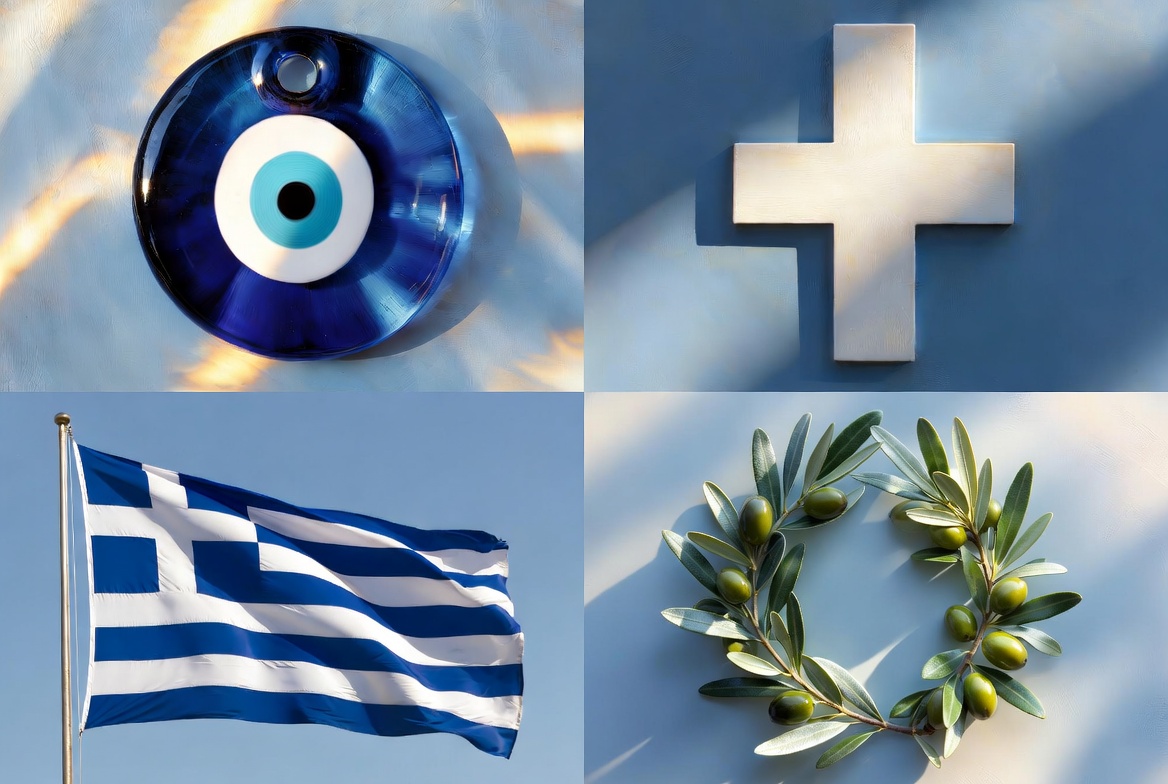
Greek Cultural Symbols & Meanings: A Tourist's Guide
Greece has ancient symbols on walls, around necks, and in churches. Knowing them helps tourists understand Greek pride and avoid accidental disrespect.
1. Mati (Evil Eye)
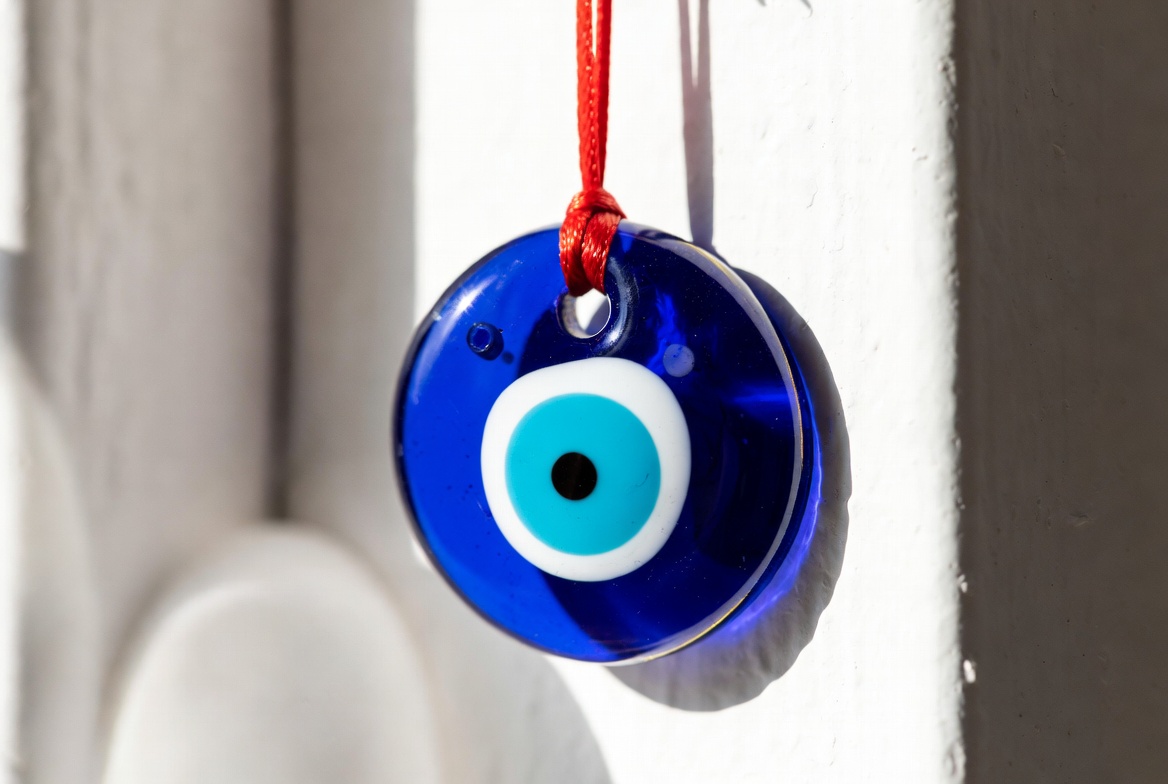
Blue glass bead with white and dark blue circles
Protects against jealous looks (kako mati)
Hung in homes, cars, offices, and on babies
Believed to crack when it absorbs bad energy
Most common souvenir in Greece
Never gift without a small coin in return
2. Greek Flag (Galánolefki)
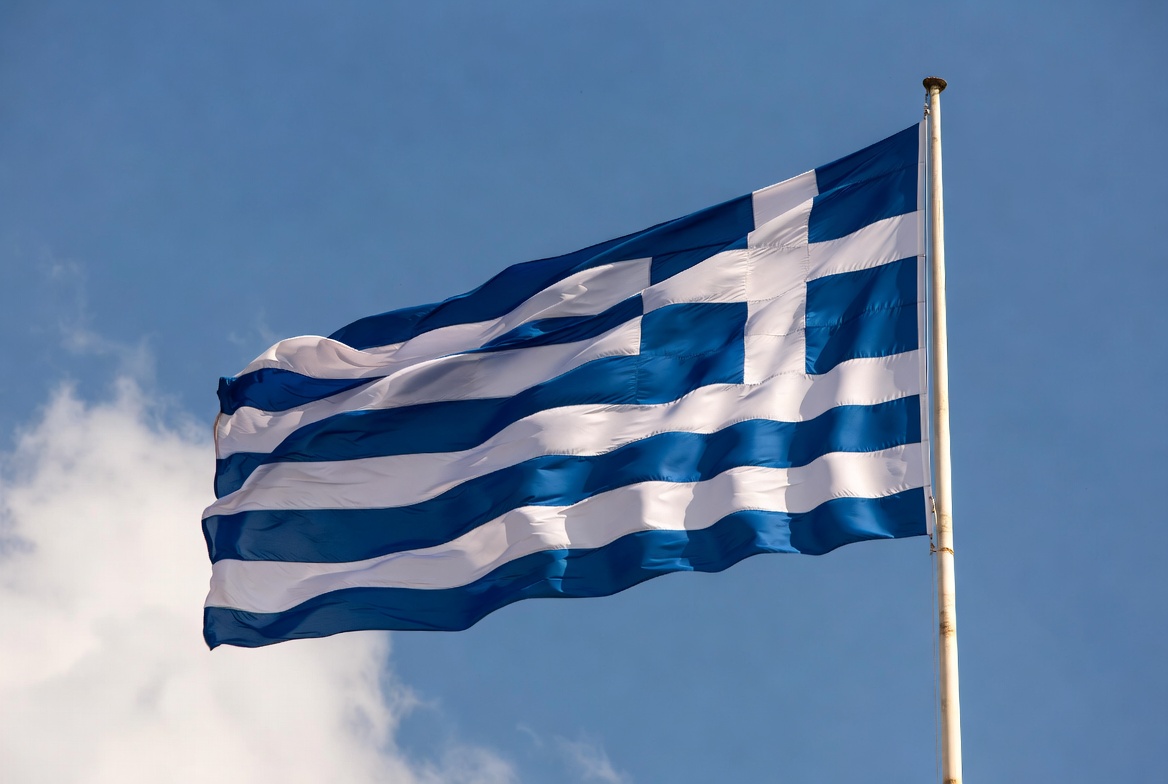
Nine blue and white stripes (one for each syllable of "Eleftheria i Thanatos" - Freedom or Death)
White cross in top left corner (Greek Orthodox faith)
Blue represents sky and sea
White represents purity of struggle for independence
Never let flag touch the ground
Displayed on March 25 (Independence Day) and October 28 (Ochi Day)
3. Olive Wreath (Kotinos)
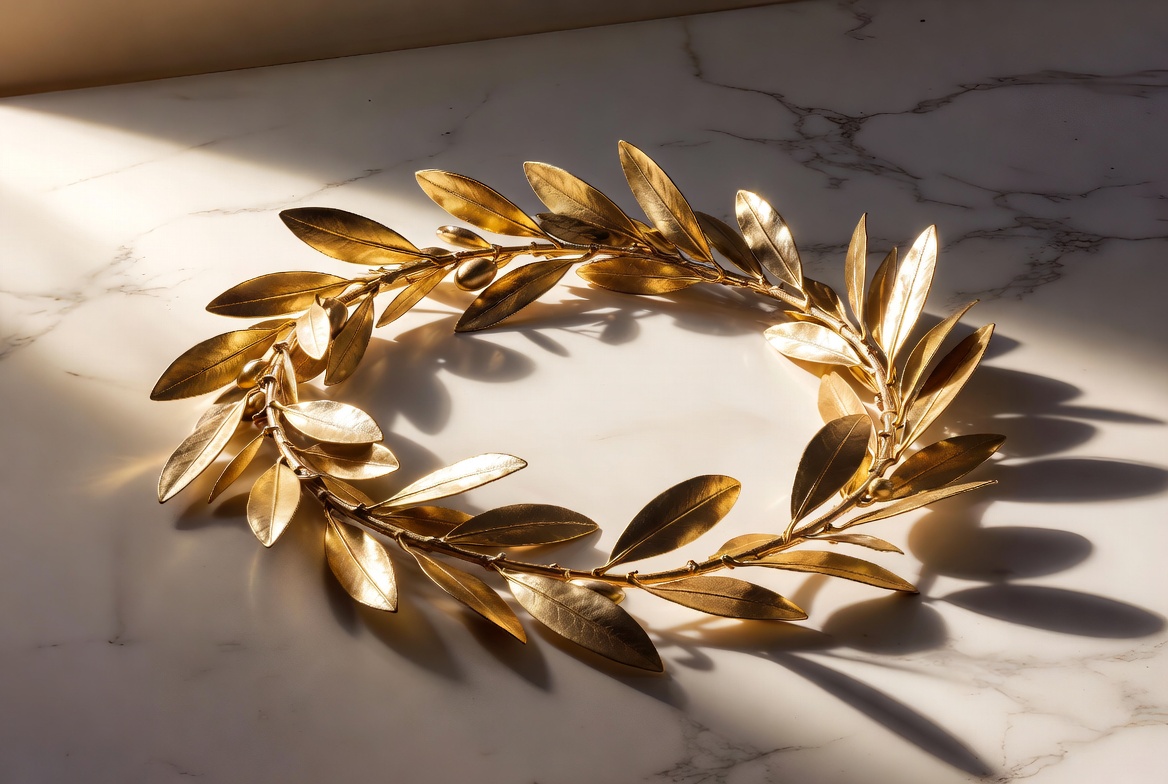
Wreath made from olive branches
Symbol of peace, victory, honor, and wisdom
Given to winners of ancient Olympic Games (crown of olive leaves)
Associated with goddess Athena (she gave olive tree to Athens)
Now used in Olympic medal ceremonies
Olive branches also used in Greek weddings (crowns)
4. Double-Headed Eagle (Dikefalos Aetos)
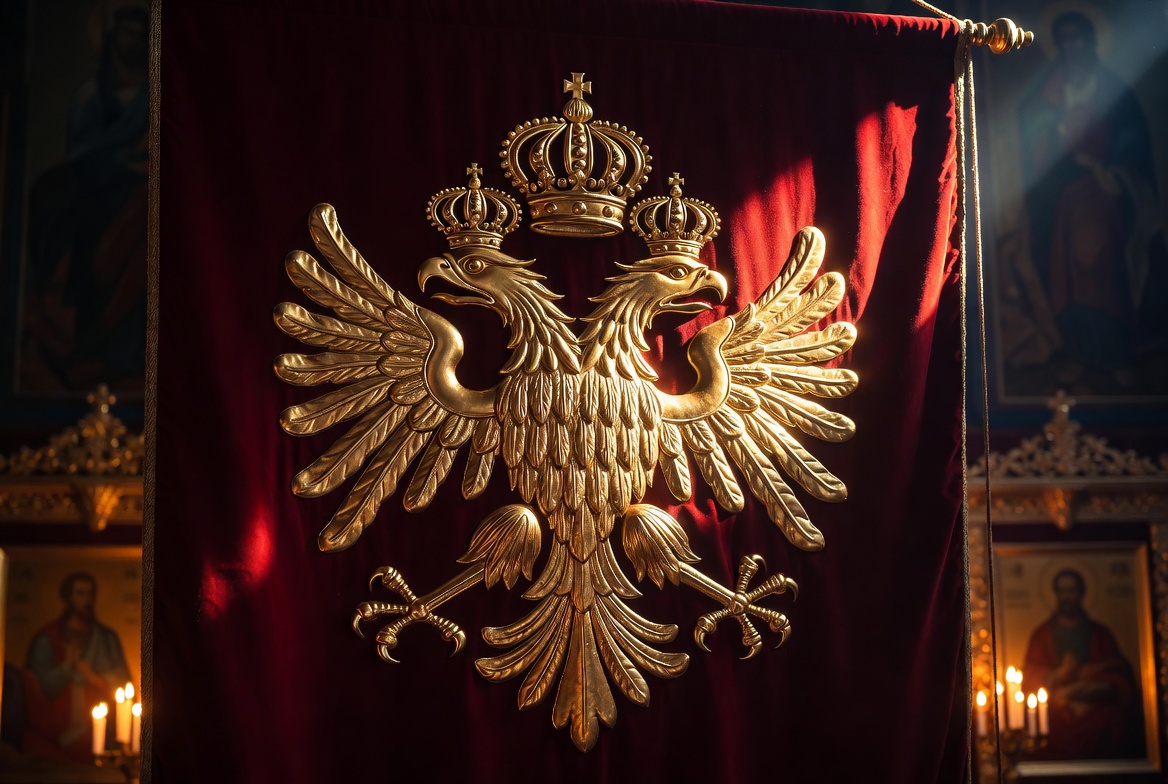
Byzantine and Orthodox Church symbol
Two heads looking east and west
Represents Church authority over both Eastern and Western Roman Empires
Also symbol of Greek Orthodox Patriarchate
Found on church banners, icons, and clergy robes
Also used by Greek military (special forces)
5. White Cross (Stavros)
Most important Christian symbol in Greece
Represents crucifixion and resurrection of Jesus Christ
Found on church domes, iconostases, and graves
Greeks cross themselves before entering church, passing church, or hearing bad news
Cross is kissed during church services
Never step over a cross on ground (deep disrespect)