
Local Customs & Etiquette in a Marathi Community
In Maharashtra, our customs blend respect, hospitality, simplicity, and warmth. Here are some important everyday etiquettes followed in Marathi families and communities:
1. Greetings
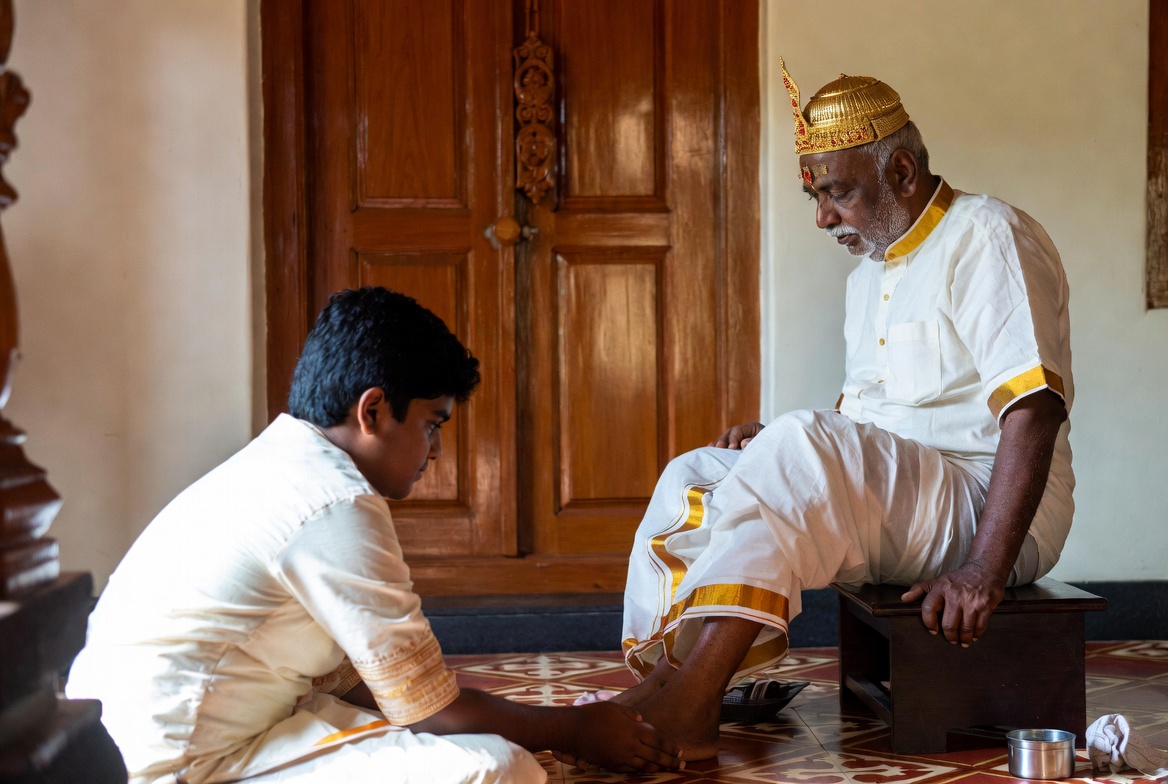
Always greet elders first with a respectful “Namaskar” (joining both palms) or touching their feet (especially parents and grandparents).
Among friends and same age, a simple “Namaskar” or “Kasa kai?” (How are you?) is common.
2. Respect for Elders
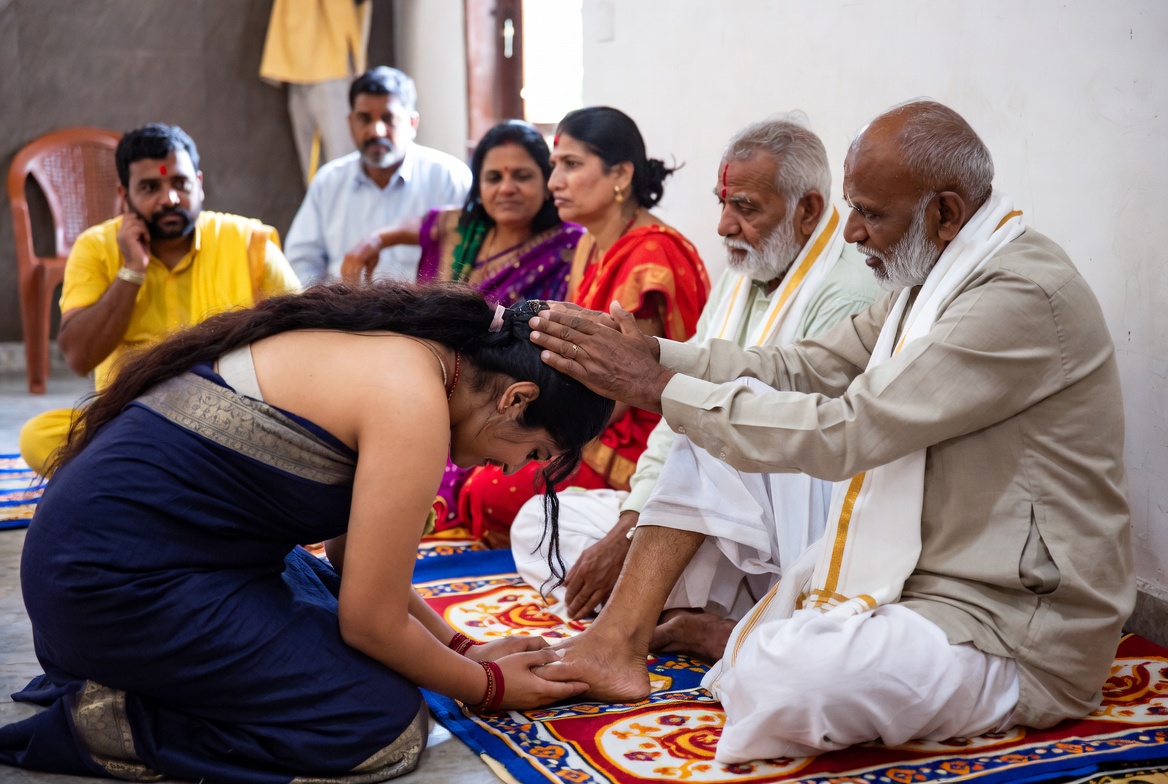
Elders are highly respected. Stand up when they enter the room, offer them the best seat, and seek their blessings (ashirwad) on important occasions.
Use respectful terms like “Aai” (mother), “Baba” (father), “Kaka” (uncle), “Mami” (aunt), etc.
3. Hospitality (Atithi Devo Bhava)
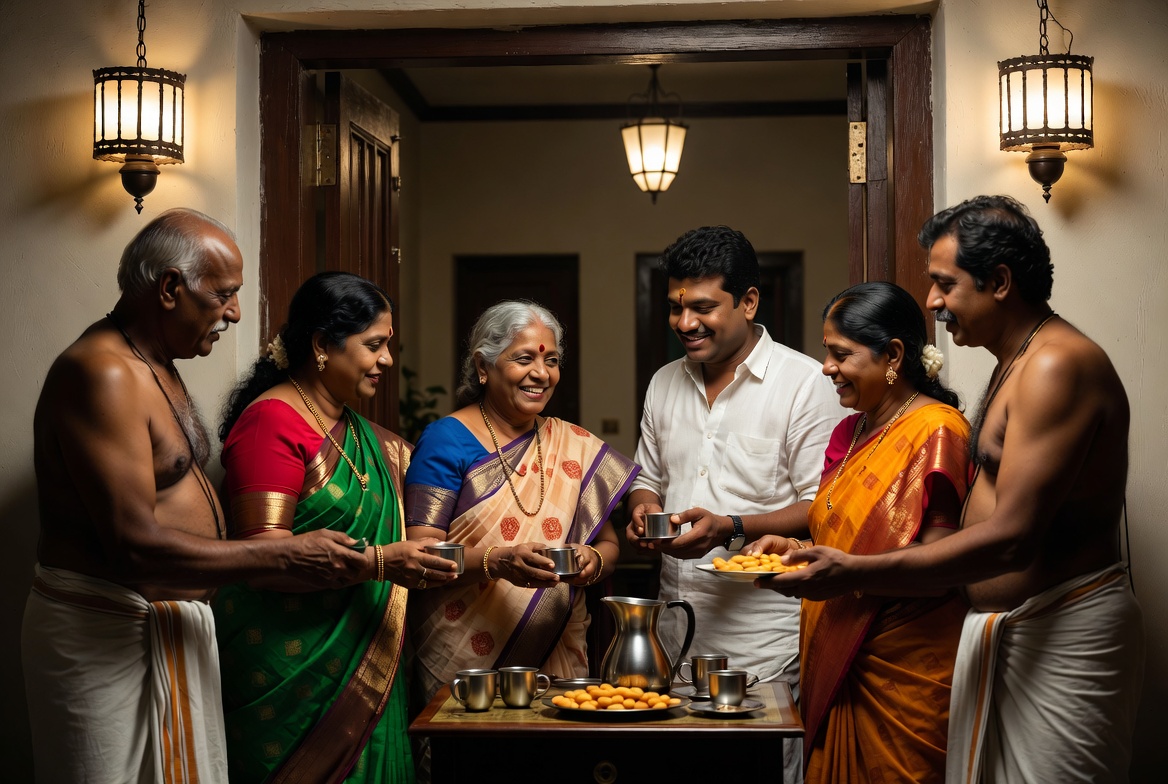
Guests are treated like gods. Always offer water, tea, or snacks immediately.
Even unexpected guests are welcomed warmly — saying “no” to food offered is considered impolite.
4. Dining Etiquette
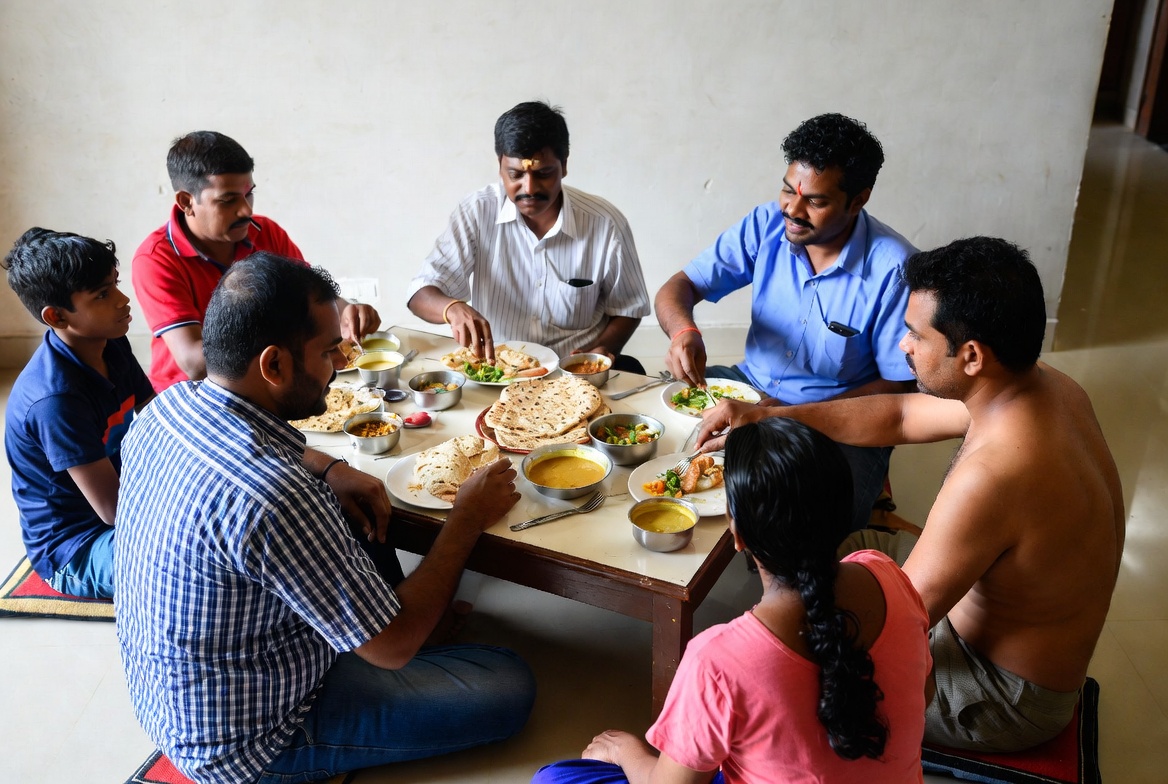
Traditionally eat with the right hand. The left hand is not used for eating.
Sit on the floor or low stool in traditional settings. Do not waste food — it is considered sacred.
Say “Annadata sukhi bhava” (may the provider be happy) as thanks after meals.
5. Temple & Religious Customs
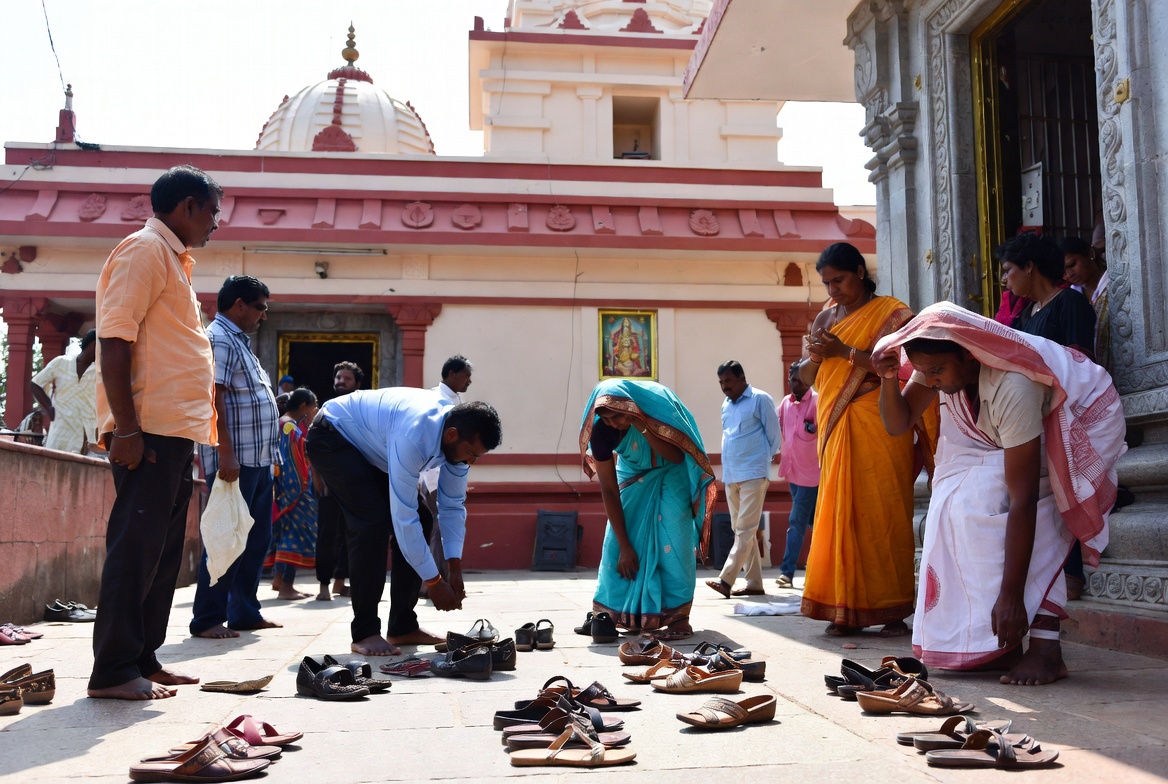
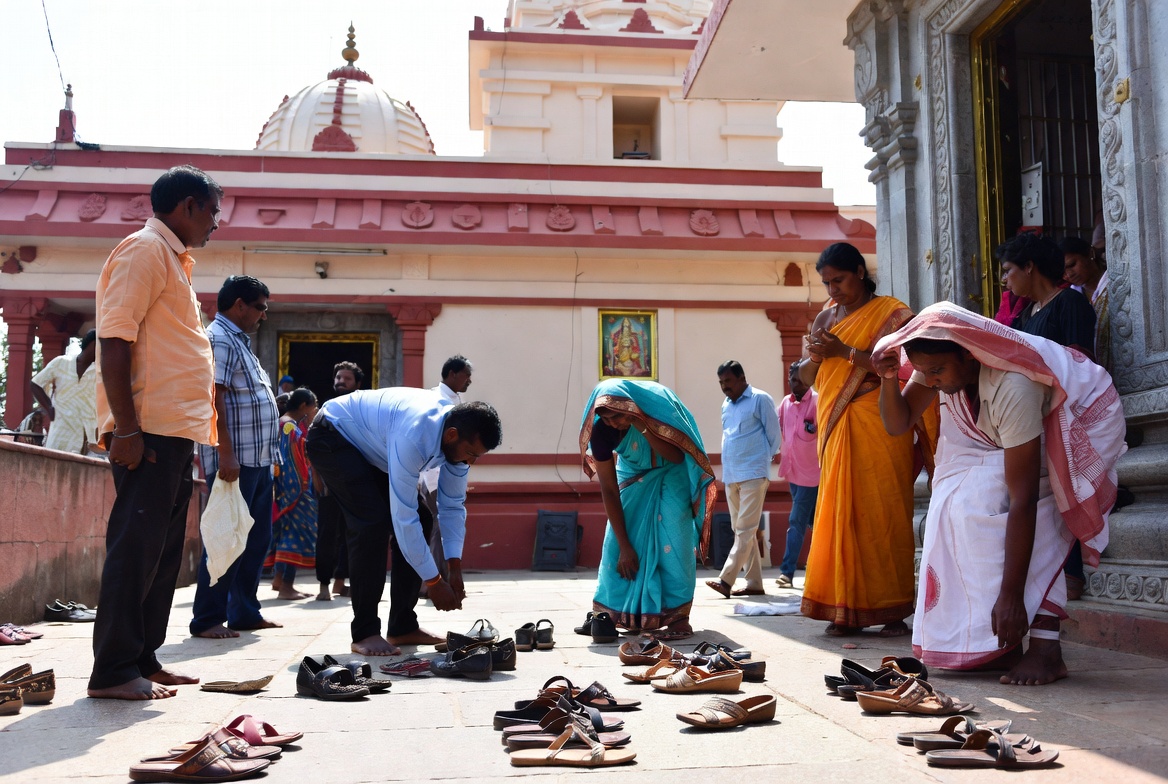
Remove shoes before entering temples or homes with a tulsi plant.
Women often cover their heads with the pallu of their saree during puja.
Avoid touching anyone or anything while in wet clothes after a bath.
6. Clothing & Public Behaviour
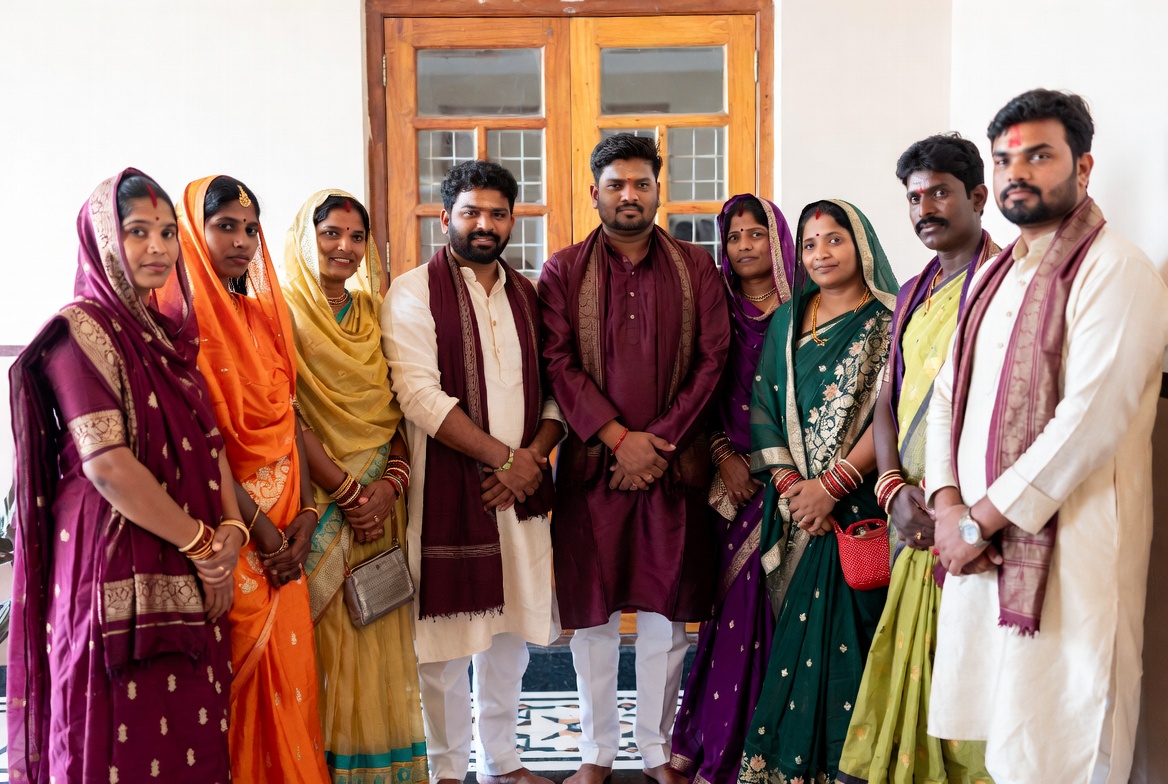
Modesty is valued. Traditional attire like saree, kurta-pyjama, or salwar kameez is common for formal or religious occasions.
Loud talking or public displays of affection are generally avoided, especially in rural or traditional settings.
7. Festivals & Celebrations
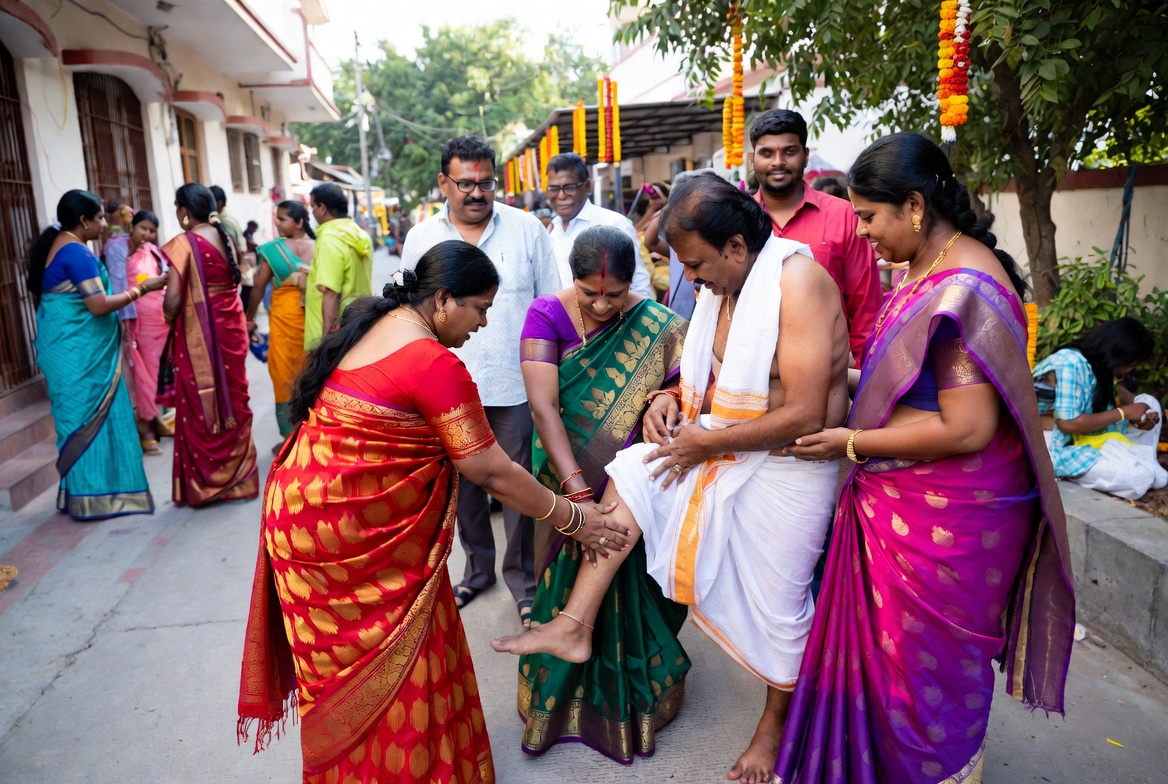
During festivals like Ganesh Chaturthi or Gudi Padwa, participate enthusiastically and help neighbours.
Touching feet of elders and seeking blessings is very common during special occasions.
These customs reflect our values of respect, humility, and togetherness. Modern life has brought some flexibility, but the core Marathi spirit of warmth and tradition remains strong.