
Local Customs & Etiquette in Tamil India
Tamil culture places high value on respect, hospitality, and tradition. Here are the most important customs and etiquette you should know:
1. Greetings
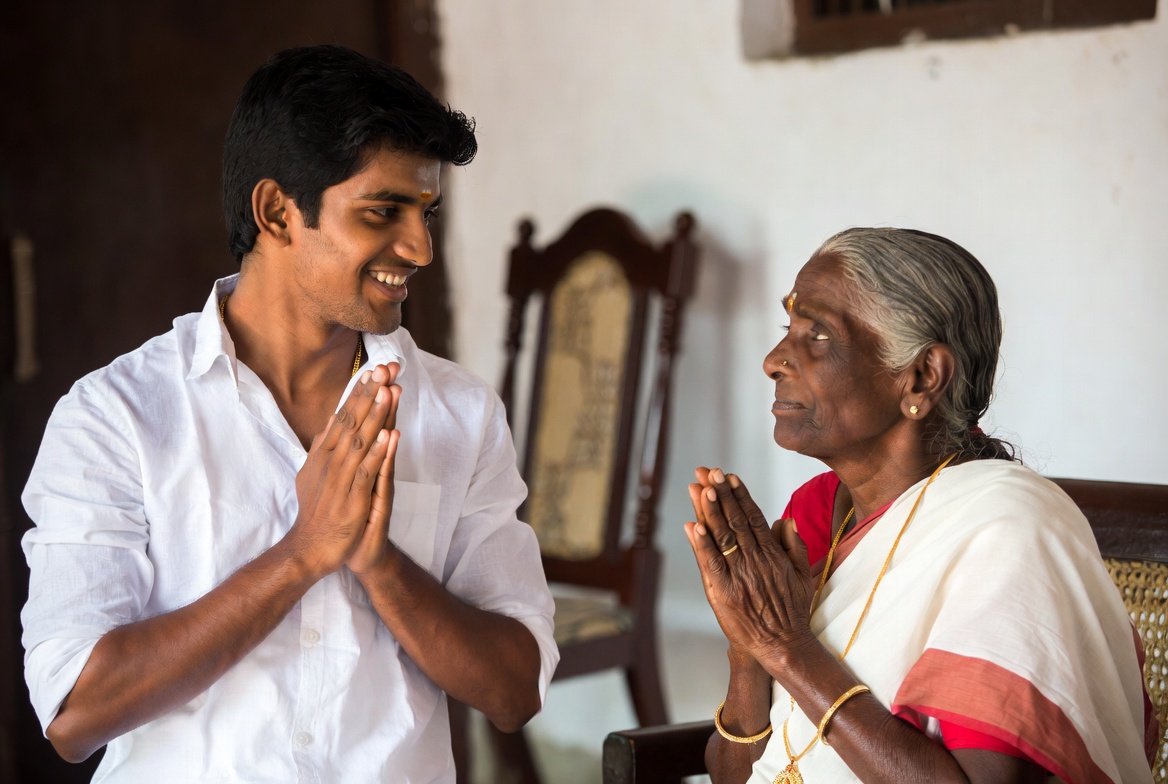
Always greet elders first with “Vanakkam” (Hello / Welcome).
Use “Namaste” with folded hands or slightly bow your head.
Men and women may shake hands with same gender; women often greet each other with a smile or light hug among close family.
2. Respect for Elders
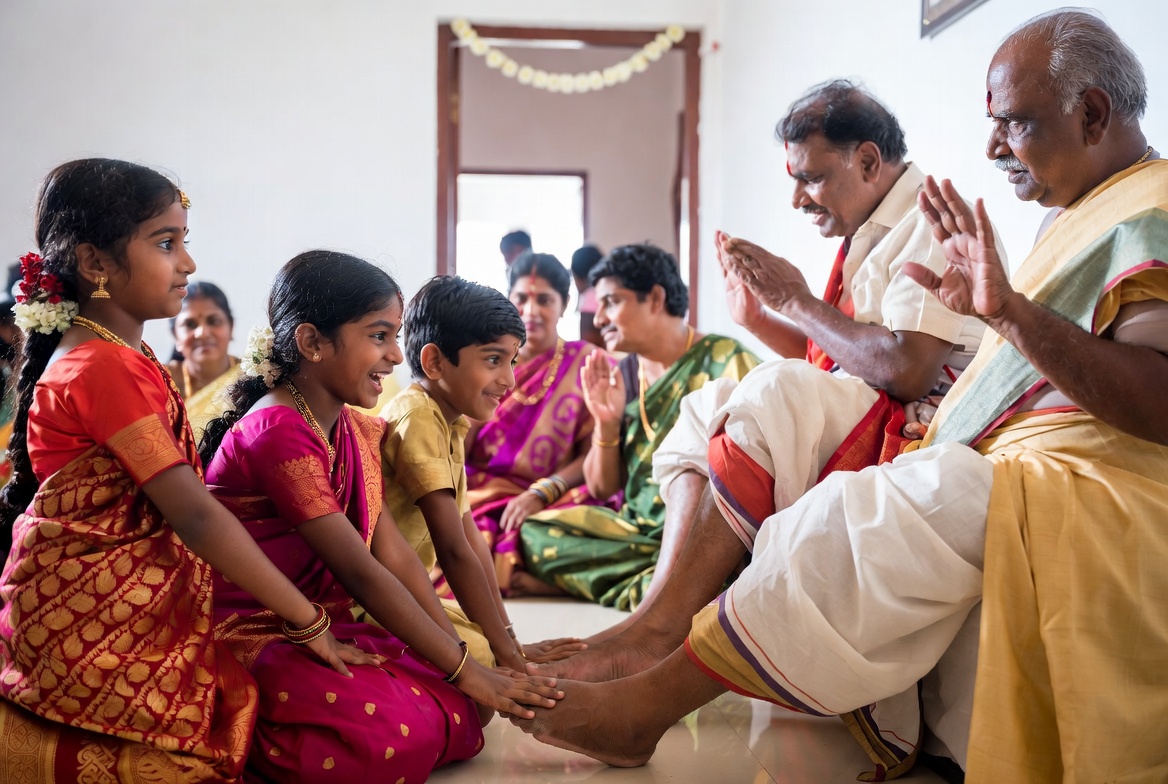
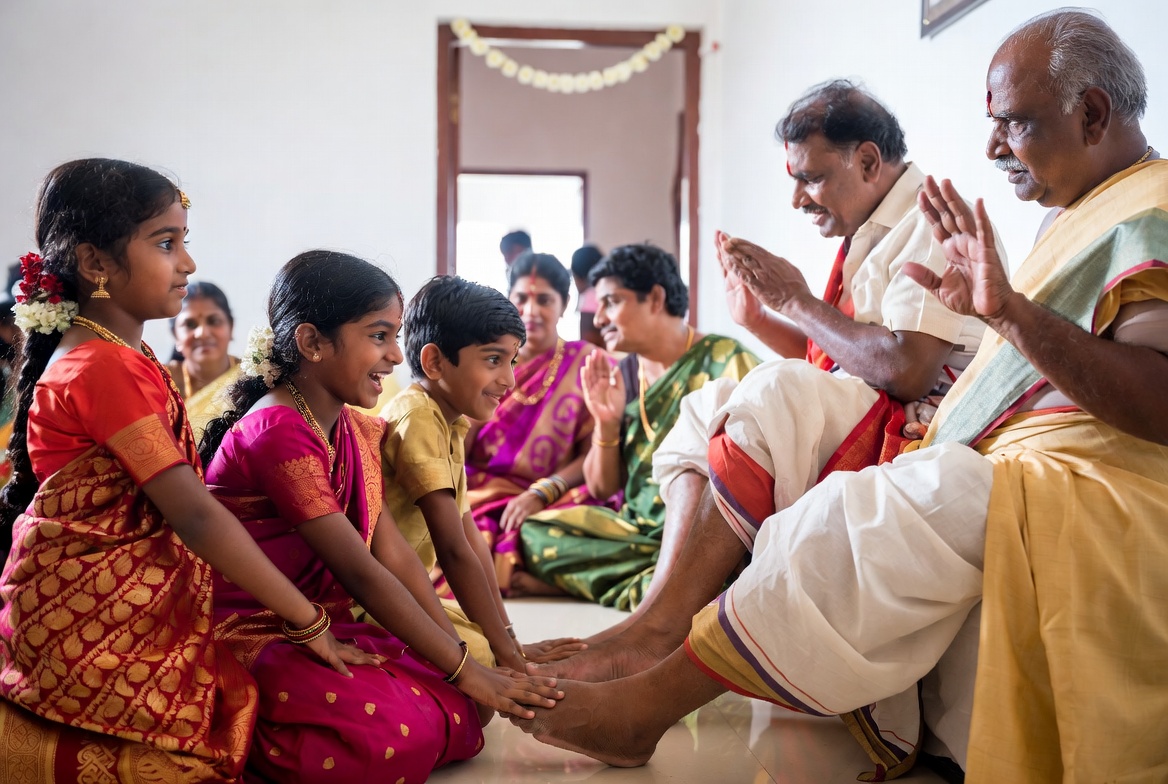
Touch the feet of elders (especially parents and grandparents) as a sign of respect — this is very common.
Address elders as “Anna” (elder brother), “Akka” (elder sister), “Thambi” (younger brother), or “Paati/Thatha” (grandmother/grandfather).
Never interrupt elders when they are speaking.
3. Dining Etiquette
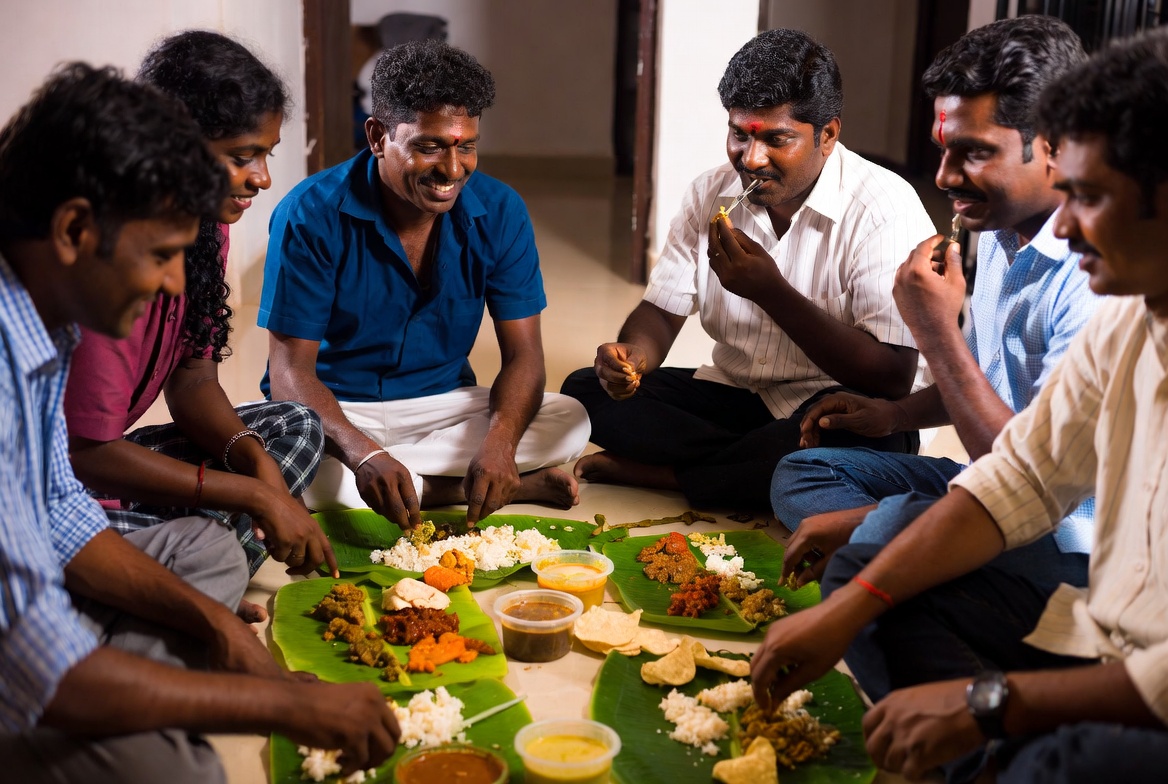
Traditional meals are served on banana leaves.
Eat with your right hand only — the left hand is considered unclean.
Wait for elders to start eating before you begin.
Saying “Sappadu ready” (food is ready) and inviting guests warmly is common.
4. Temple & Religious Customs
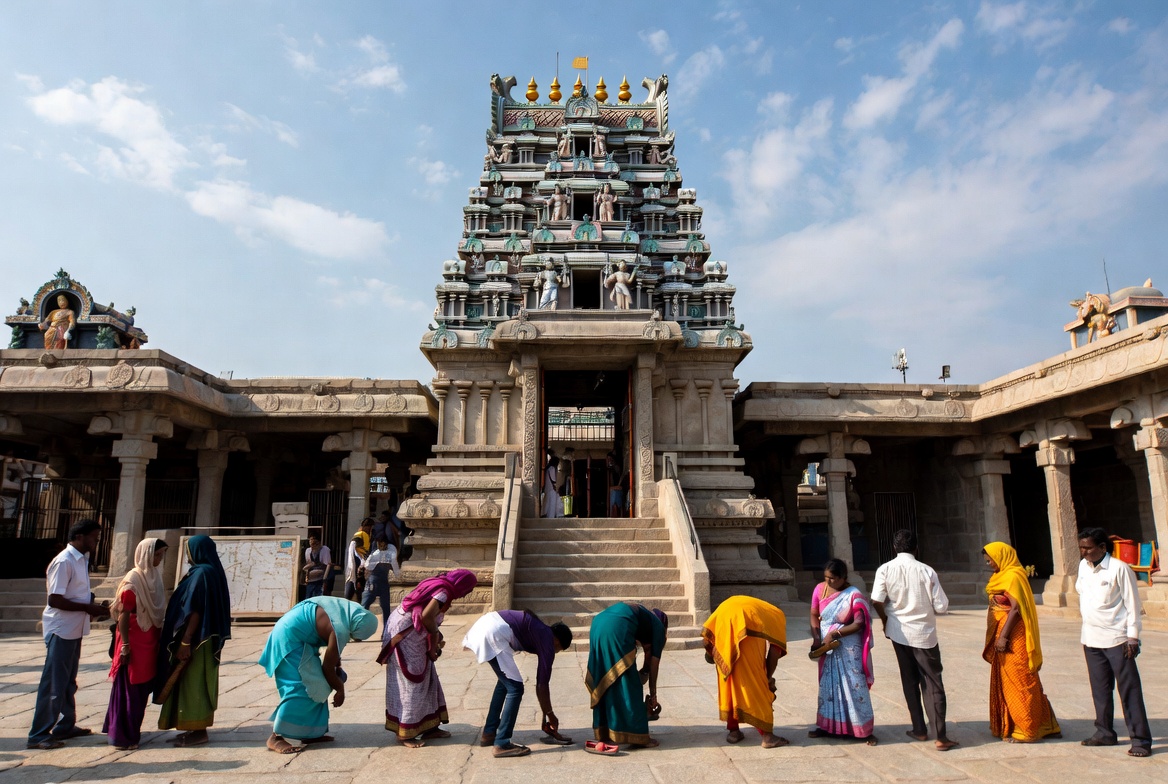
Always remove your shoes before entering a temple or home.
Dress modestly (shoulders and knees covered).
Women should avoid wearing black or white clothes for auspicious events.
Circumambulate (walk around) the sanctum clockwise.
5. Hospitality (Atithi Devo Bhava)
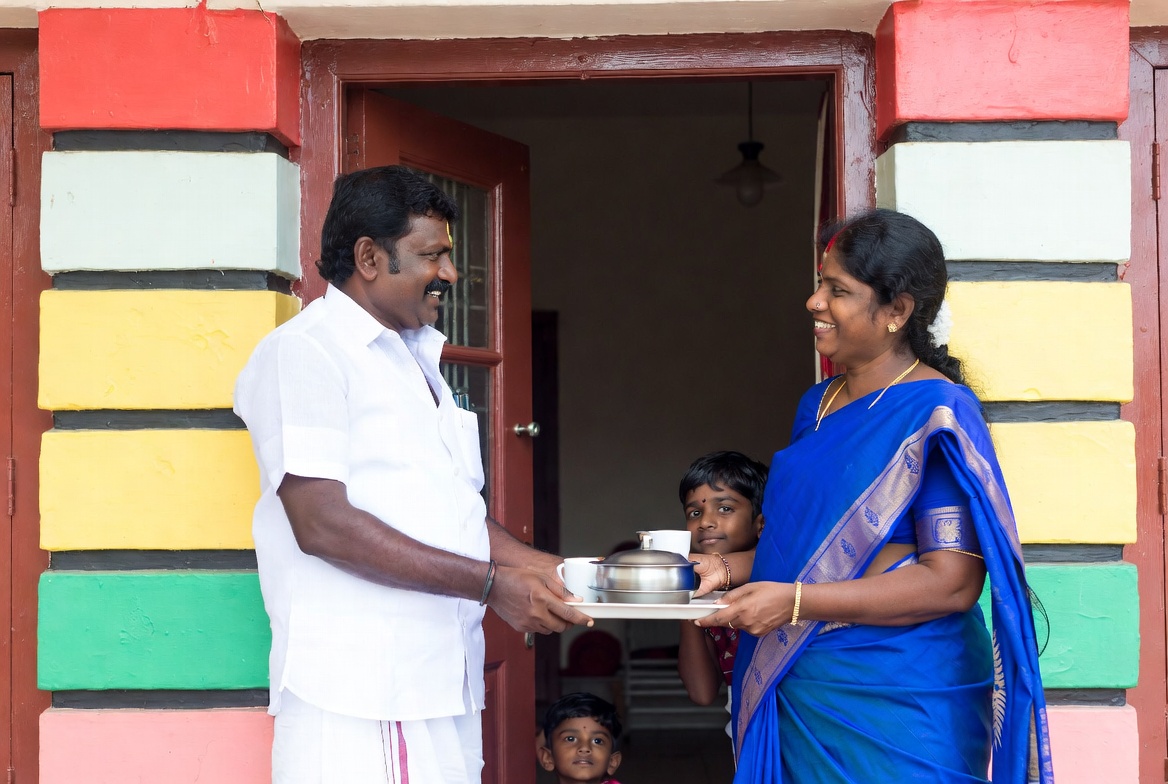
Guests are treated like gods — offer water, food, or coffee immediately.
It is polite to accept at least a small amount of food or drink when offered.
Saying “No” too directly may be seen as impolite; soften refusals.
6. General Etiquette
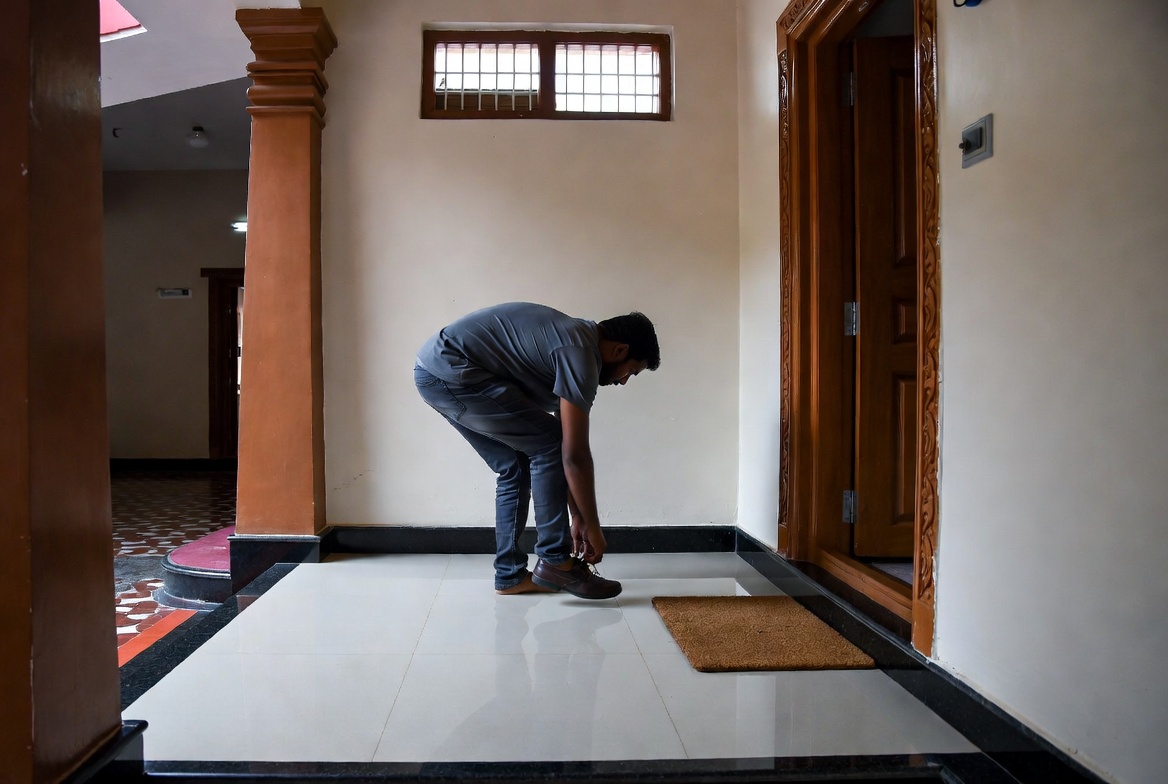
Remove footwear before entering someone’s home.
Avoid pointing your feet at people or deities.
Use your right hand to give or receive things.
Public displays of affection are minimal; maintain modesty.
Women often wear traditional sarees or salwar kameez for special occasions.
These customs reflect the deep-rooted values of respect, humility, and warmth in Tamil society.