
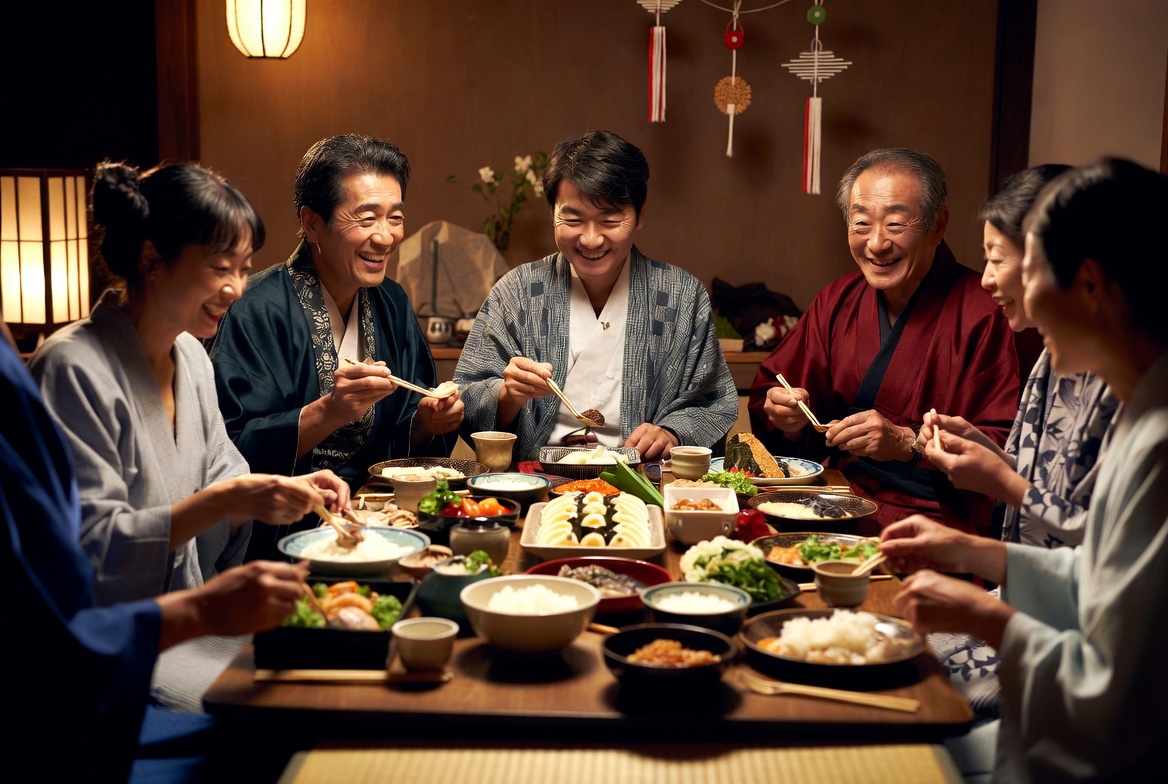
The Joy of Celebration in Japanese Culture
In Japan, celebrations are usually a beautiful mix of tradition, family bonding, respect, and delicious food. Here’s how special occasions are typically celebrated:
1. New Year (Shōgatsu) – The Biggest Celebration
The most important holiday in Japan.
Families gather for Ōmisoka (New Year’s Eve) to eat toshikoshi soba (long buckwheat noodles) for longevity.
On New Year’s Day:
First shrine visit (Hatsumōde)
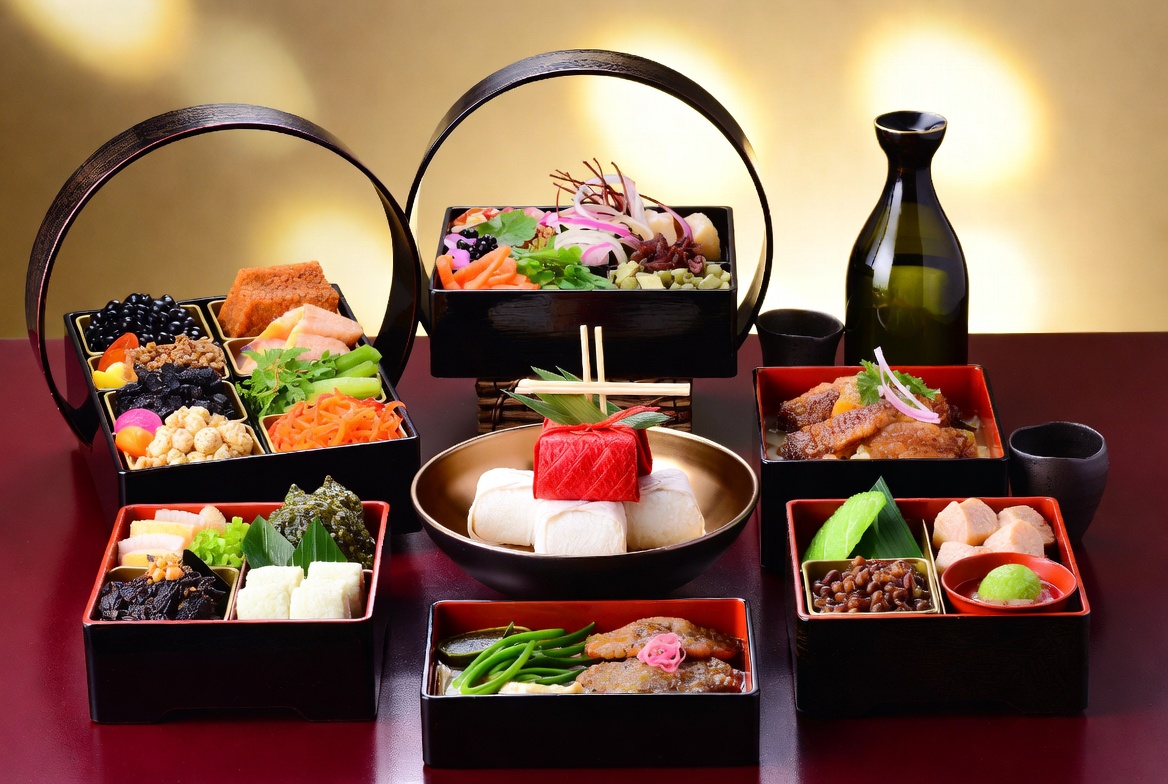
Eating Osechi Ryōri (special boxed dishes with symbolic meanings)
Drinking Otoso (spiced sake)
Playing Hanetsuki or Kite flying
Many people send Nengajō (New Year cards).
2. Weddings (Kekkonshiki)
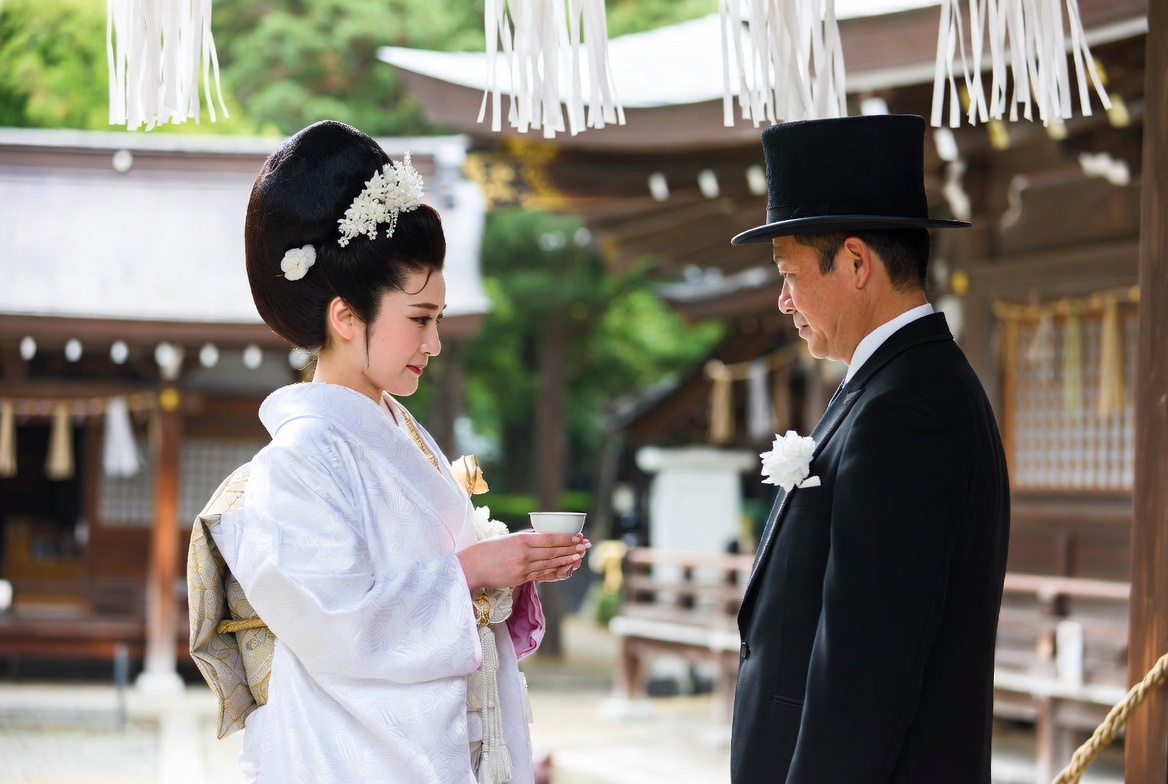
Very formal and elegant.
Often held at shrines (Shinto style) or churches.
Bride wears a white Shiromuku kimono or colorful Uchikake.
Highlights include:
San-san-kudō (sharing sake cups — 3 times)
Cutting a multi-tiered cake
Speeches from bosses and family
Gift money (Goshūgi) in special envelopes
3. Birthdays
Modern birthdays are celebrated with cake, candles, and presents.
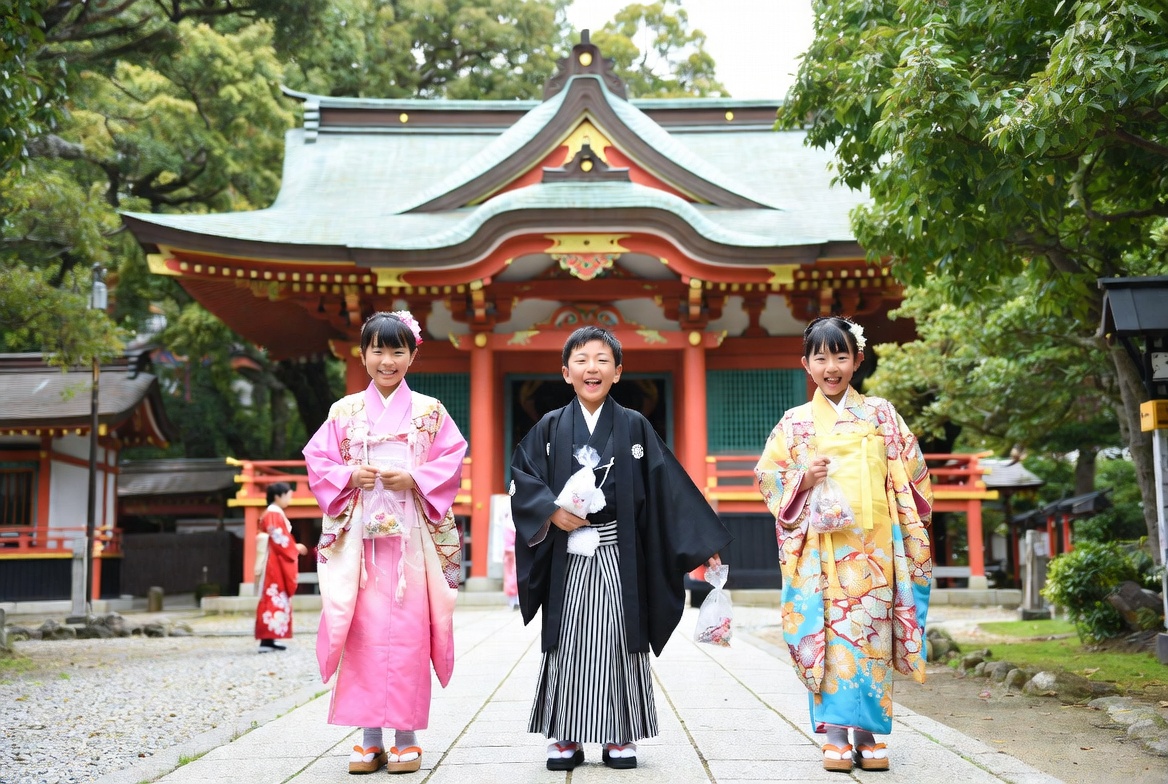
Traditional families may also celebrate Shichi-Go-San (7-5-3):
Children aged 3, 5, and 7 dress in beautiful kimonos and visit shrines for blessings.
4. Coming of Age Day (Seijin no Hi)
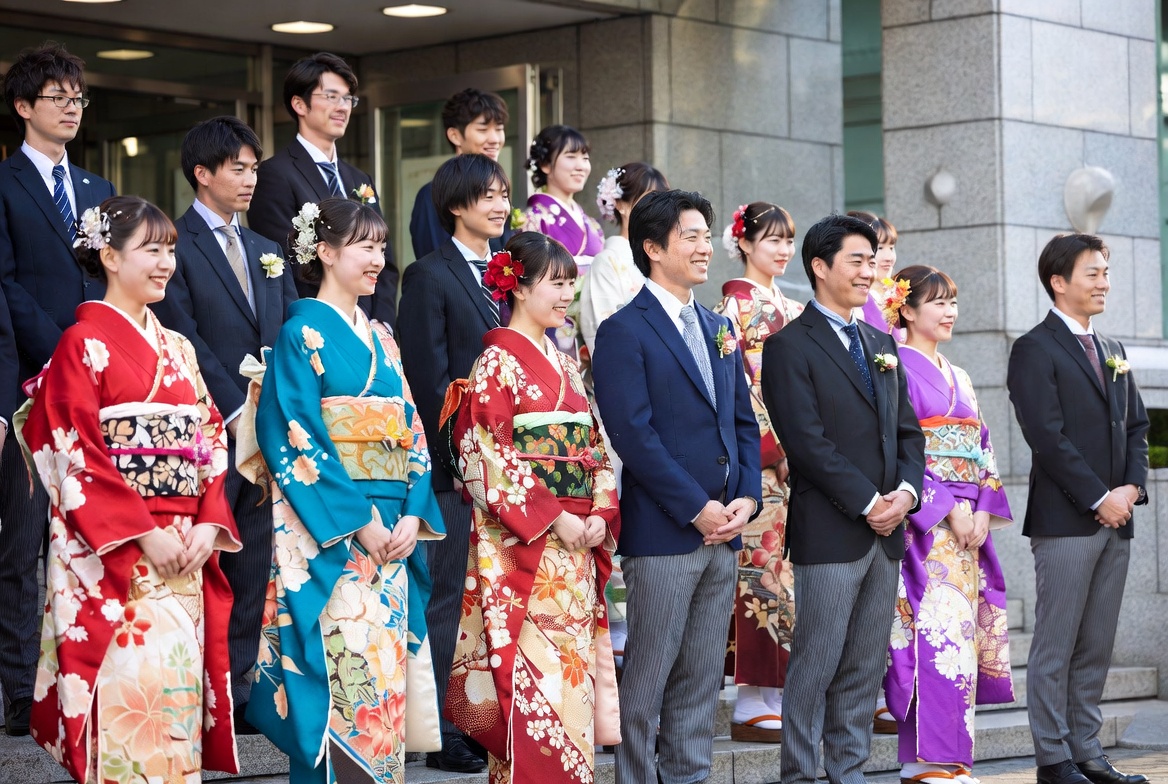
Second Monday of January.
Young people who turned 20 celebrate becoming adults.
They wear elegant kimonos or suits and attend ceremonies at city halls.
5. Festivals (Matsuri)
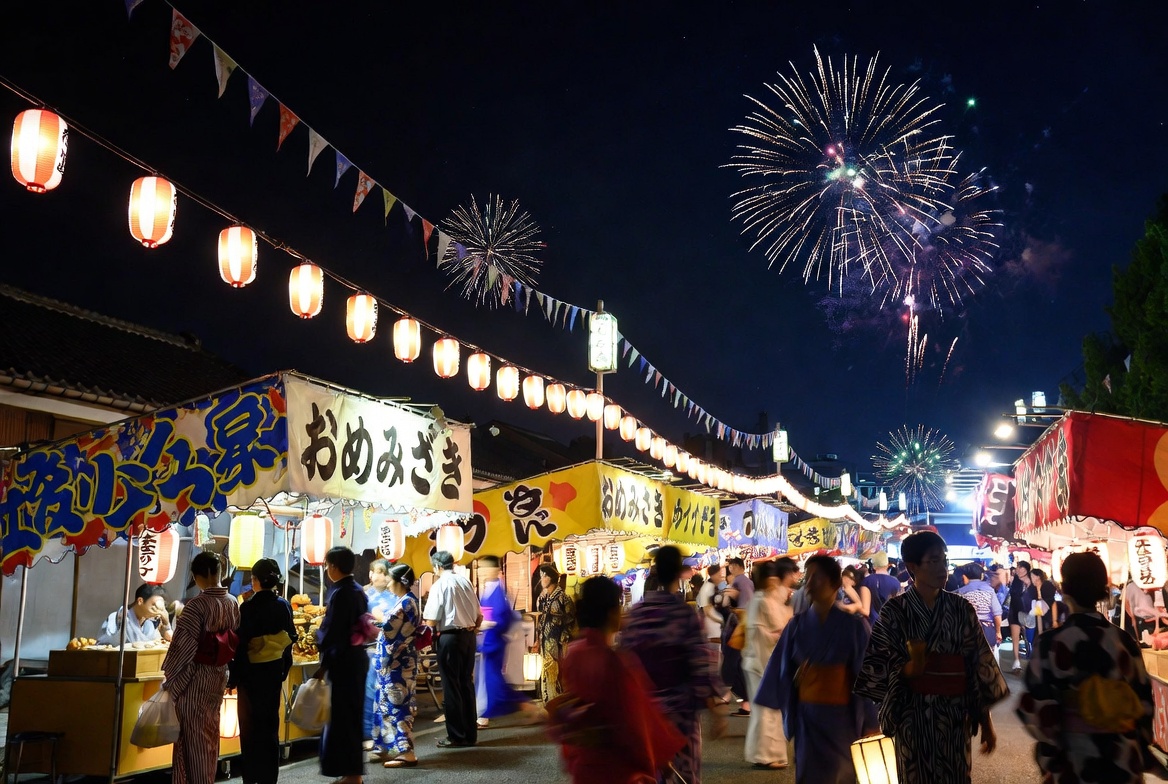
Local community festivals are very lively:
Summer Matsuri with fireworks, street food, games, and Yukata (summer kimono).
Obon Festival (August) – honoring ancestors with dances, lanterns, and family gatherings.
6. Other Important Moments
Children’s Day (May 5) – flying carp kites (Koinobori)
Respect for the Aged Day – honoring grandparents
Funeral & Memorial services are solemn with Buddhist rituals
Common Elements in Japanese Celebrations:
Emphasis on family and community
Beautiful presentation of food
Respect and gratitude
Seasonal awareness (using flowers, colors, and ingredients of the season)