Traditional Wedding Customs in the UAE
United Arab EmiratesArabicDubai
UAE (Emirati) weddings are grand, multi-day celebrations that blend Islamic traditions, Arab hospitality, and rich cultural heritage. Here’s how they typically unfold:
1. Pre-Wedding Preparations
 Khutba (Engagement): A formal agreement where families meet, the groom’s family visits the bride’s home, and the marriage contract (Nikah) details are discussed.
- Mahr: The groom gifts the bride (often gold jewellery, money, or property) as a mandatory part of Islamic marriage.
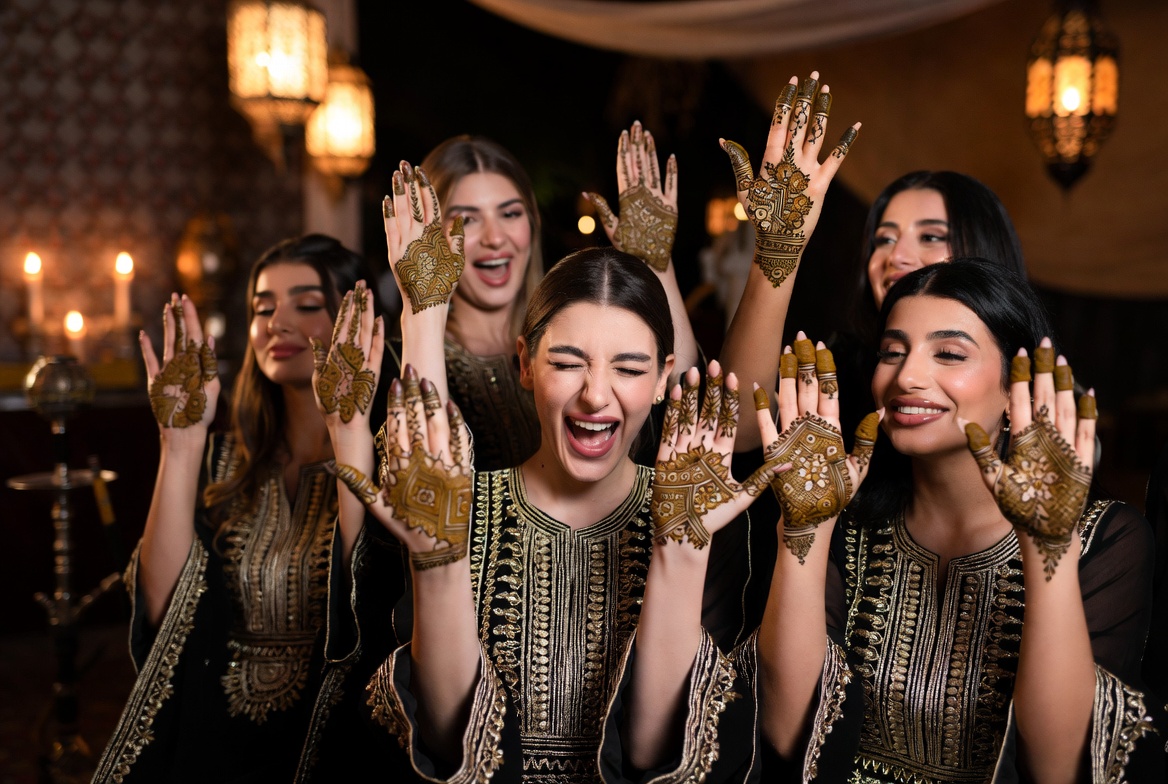
- Henna Night (Laylat Al Henna): A women-only celebration a few days before the wedding. The bride and female guests get intricate henna designs on hands and feet. It’s filled with music, dancing, and sweets.
2. The Wedding Day(s)
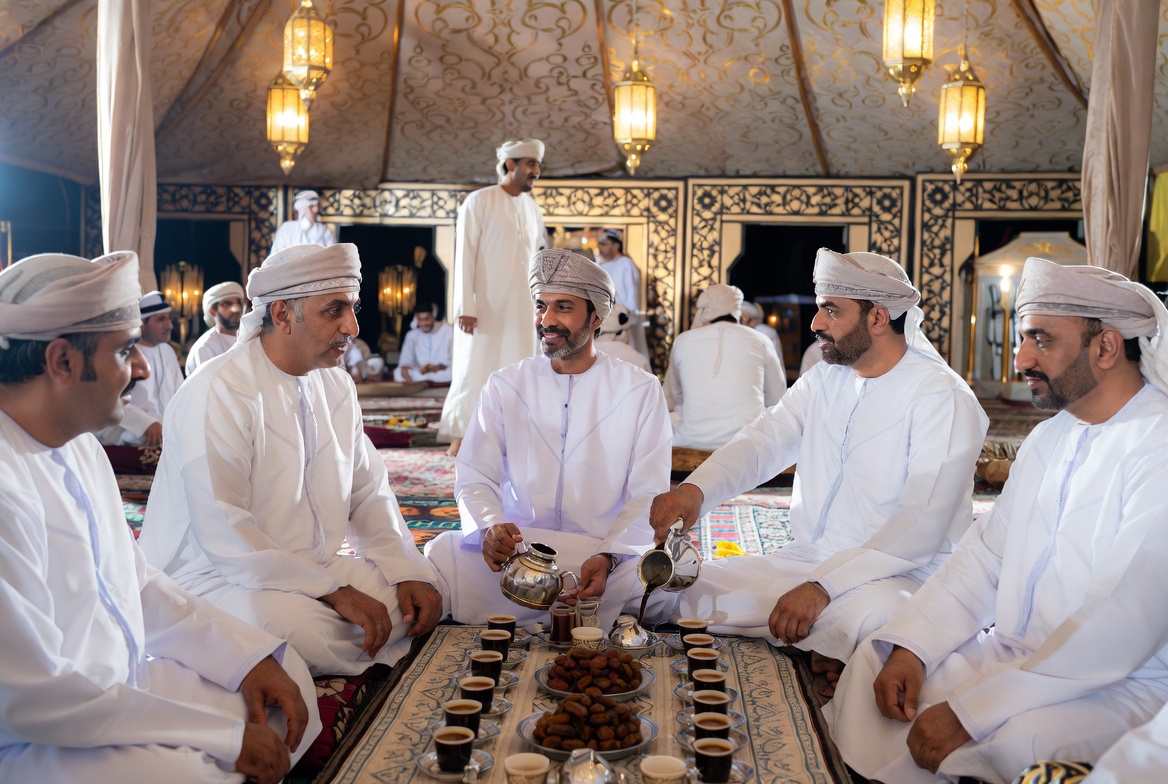 Men’s & Women’s Separate Celebrations: Traditional weddings are often segregated. Men have their majlis (gathering) with Arabic coffee, dates, and performances, while women have a more glamorous party with music and dancing.
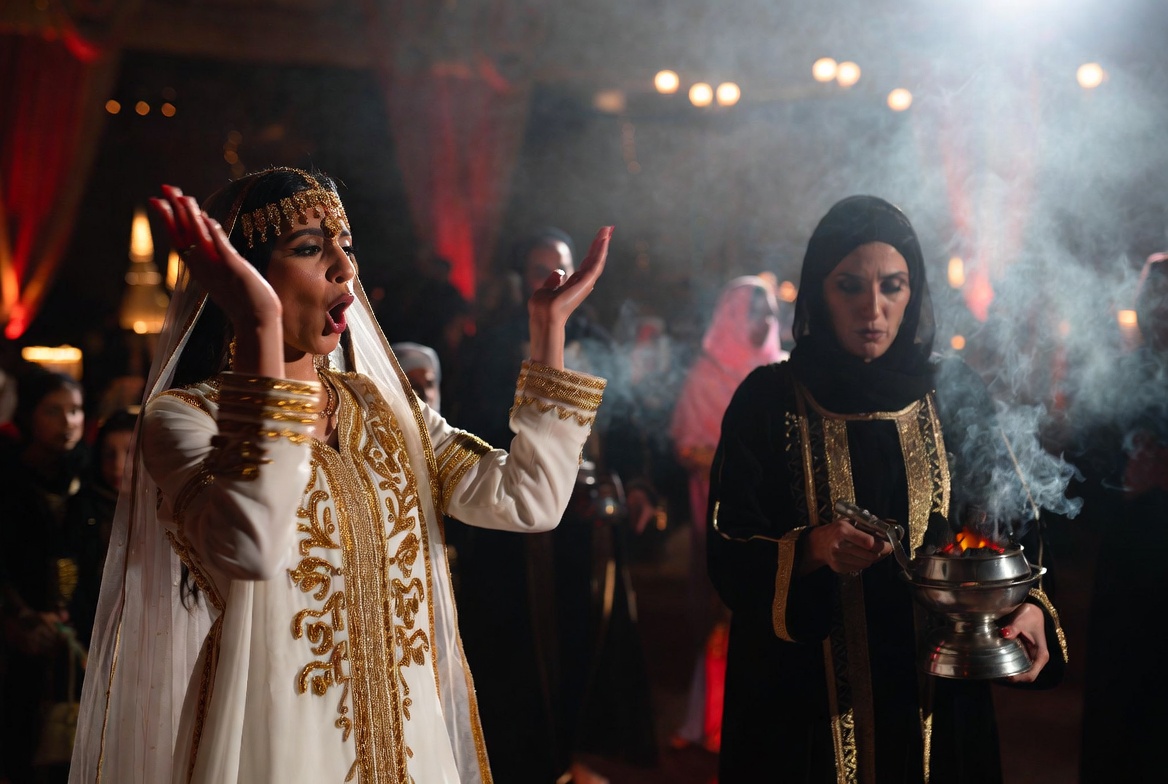
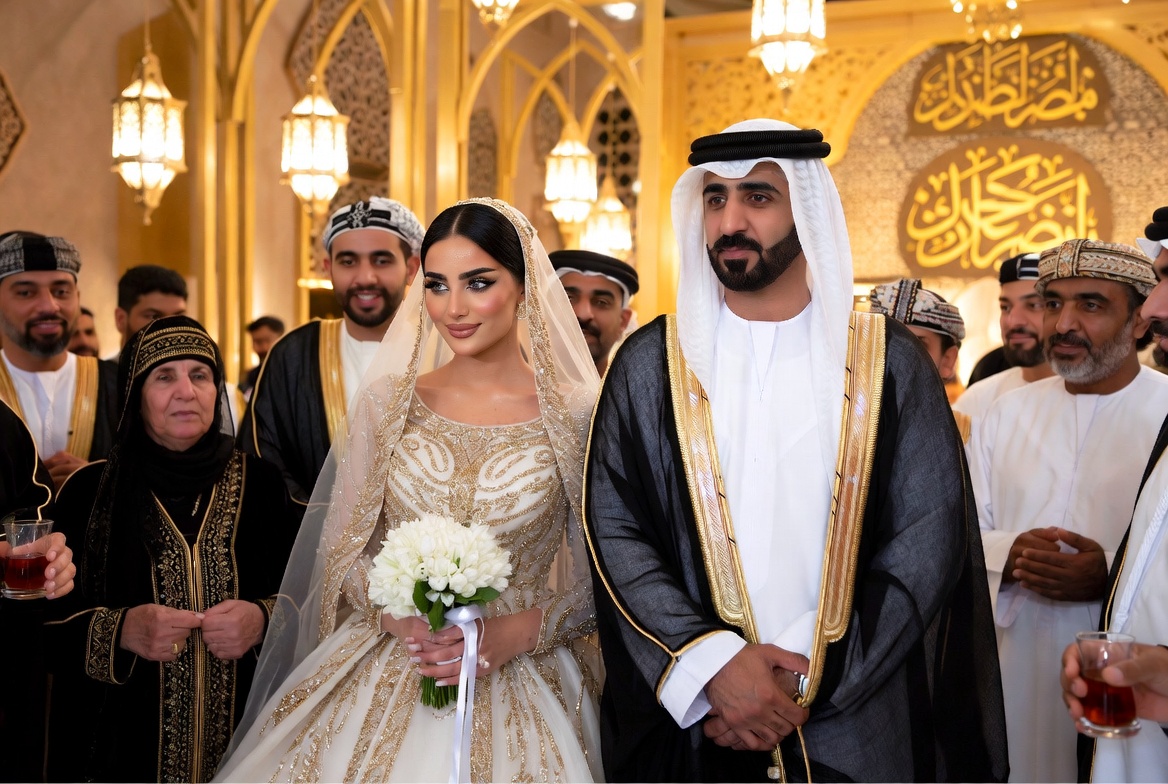
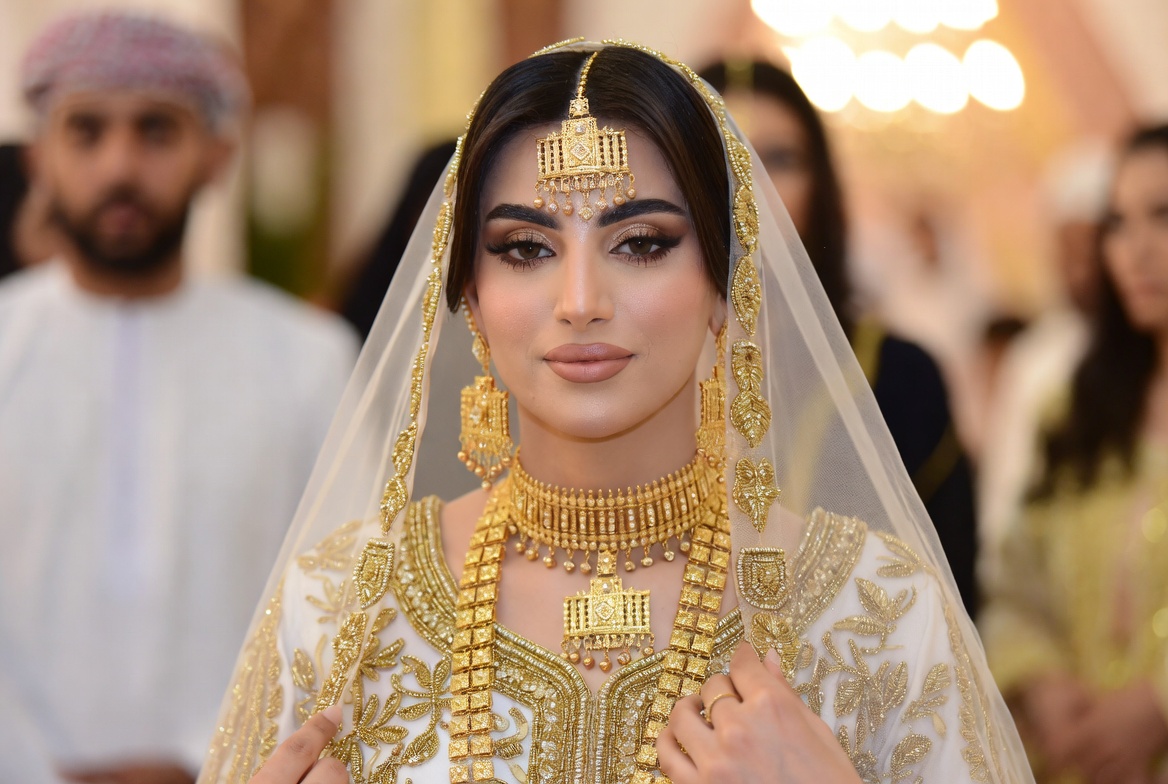
- The Bride’s Entrance: The bride enters in an elaborate dress (usually modern white or traditional embroidered thobe), wearing heavy gold jewellery. She is accompanied by women ululating (making celebratory sounds called zaghrouta).
- Nikah Ceremony: The religious marriage contract is signed, often with an Islamic scholar present.
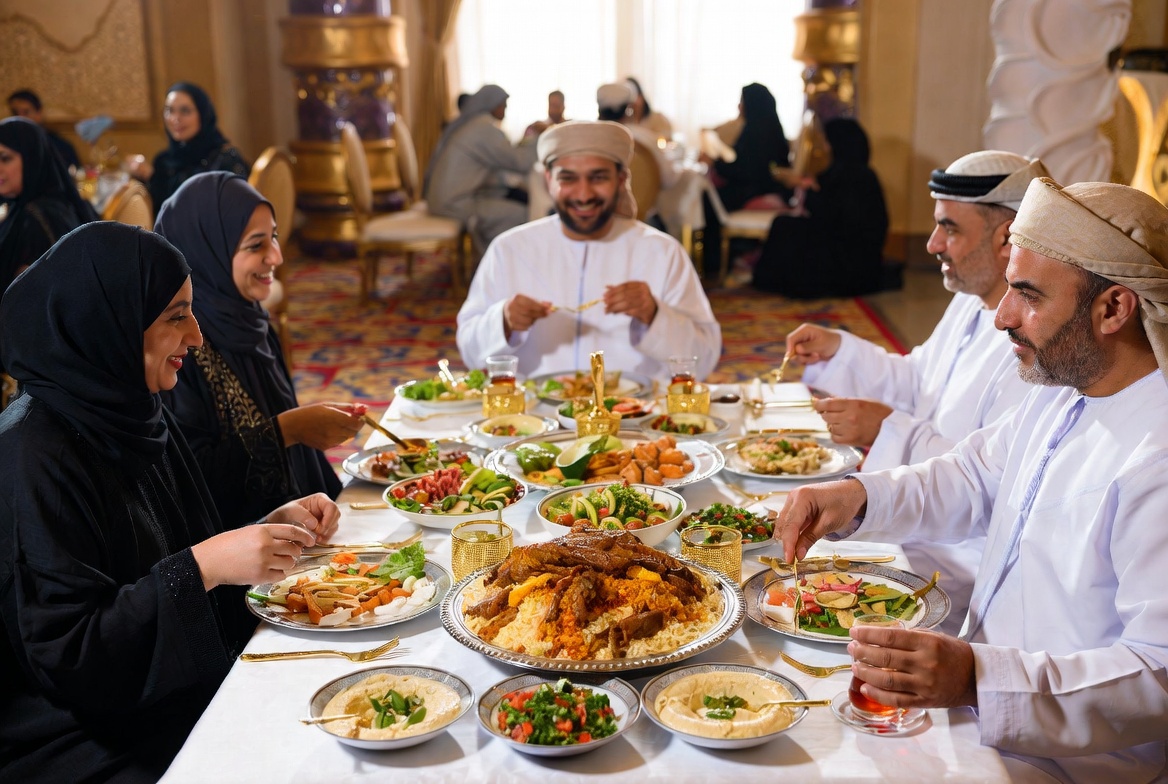
- Walima: The wedding banquet/feast. Large quantities of traditional Emirati food like machboos (spiced rice with meat), harees, and luqaimat (sweet dumplings) are served.
 3. Key Traditions & Symbols
 Incense (Bukhoor): Burned throughout to welcome guests and create a fragrant atmosphere.
- Traditional Attire: Men wear kandura (white robes) and ghutra (headscarf). Women wear colourful abayas or luxurious embroidered dresses.
- Dancing: Women perform traditional dances like the yowla (with sticks) or modern belly dancing.
- Gift Giving: Guests bring gifts, often gold for the bride.
Modern UAE weddings often mix these traditions with contemporary elements (luxury venues, DJs, fireworks), but the core values of family, hospitality, and Islamic customs remain strong.