
Tying the Knot in Germany: Traditions, Symbolism, and Celebration
German weddings mix formal legal steps, symbolic traditions, and lively celebrations.
1. Civil Ceremony First (Standesamt)
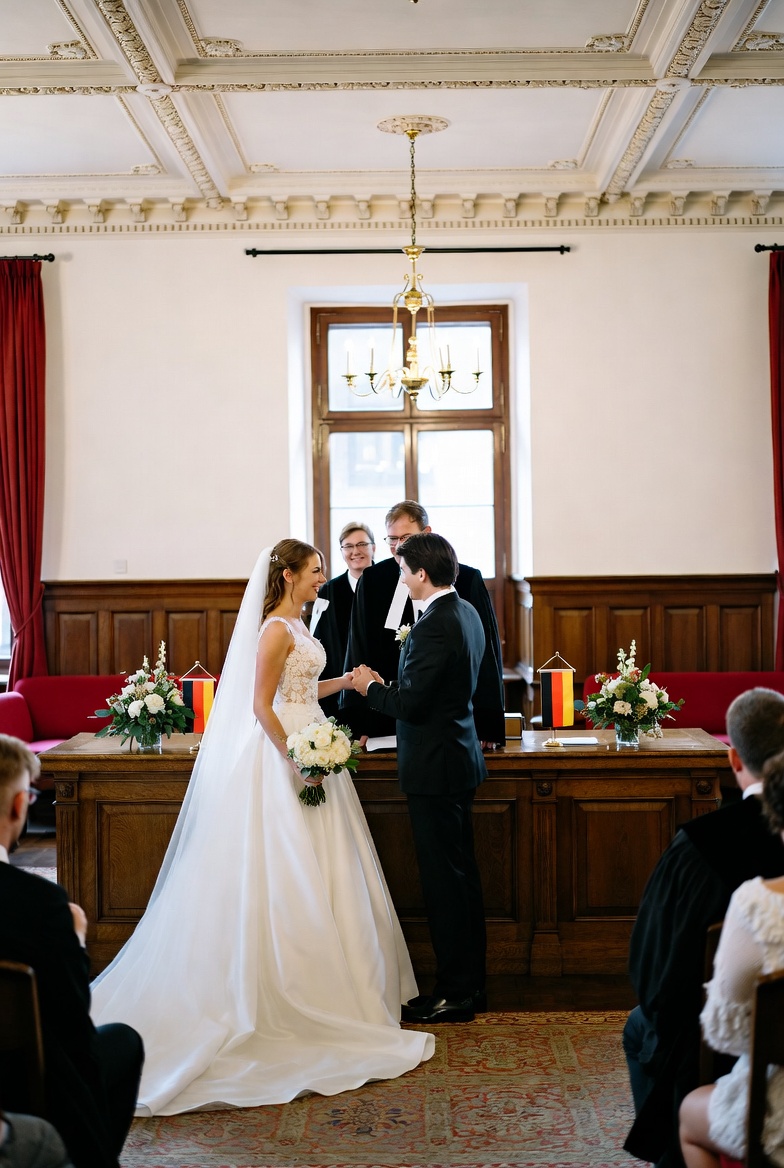
Marriage must be registered at the Standesamt (registry office)
This is the legal wedding; church ceremonies are optional
Often a small, formal event with close family
2. Engagement & Rings
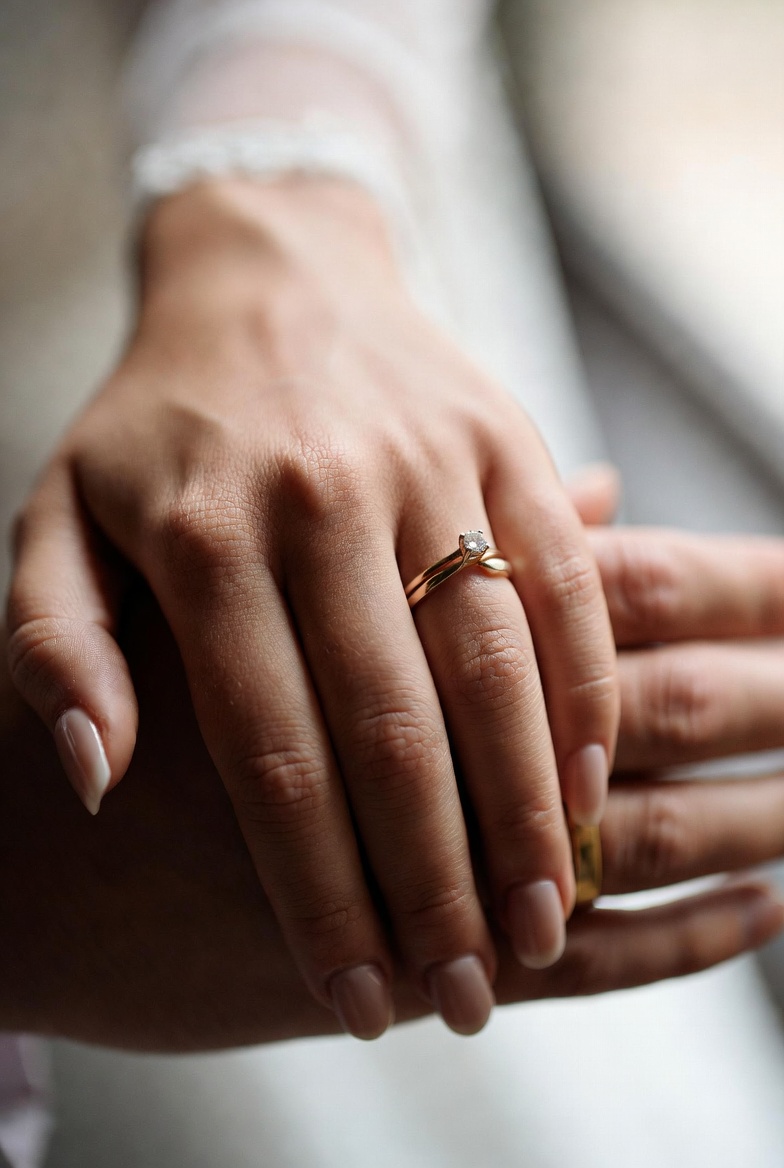
Couples exchange engagement rings
Wedding rings are often worn on the right hand (not left, as in many countries)
Symbolizes commitment and tradition
3. Polterabend (Pre-Wedding Party)
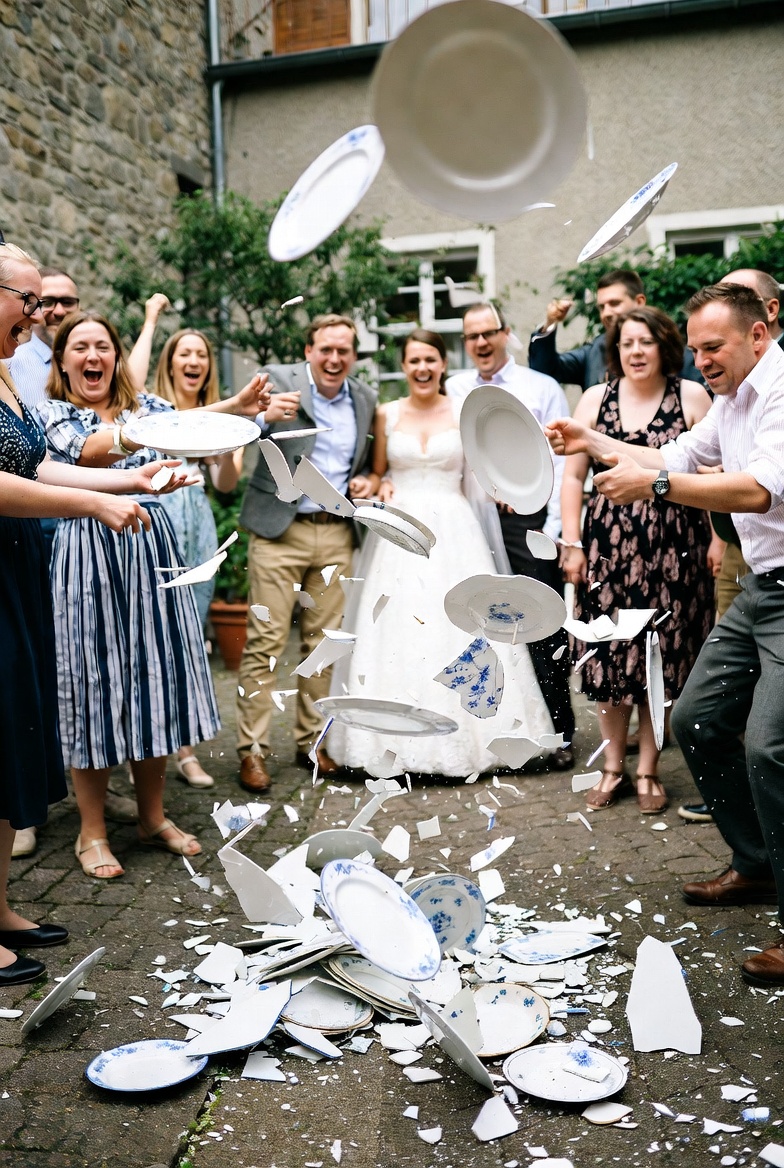
Polterabend
Friends and family break porcelain dishes
Meaning:
Brings good luck
Couple cleans up together → teamwork in marriage
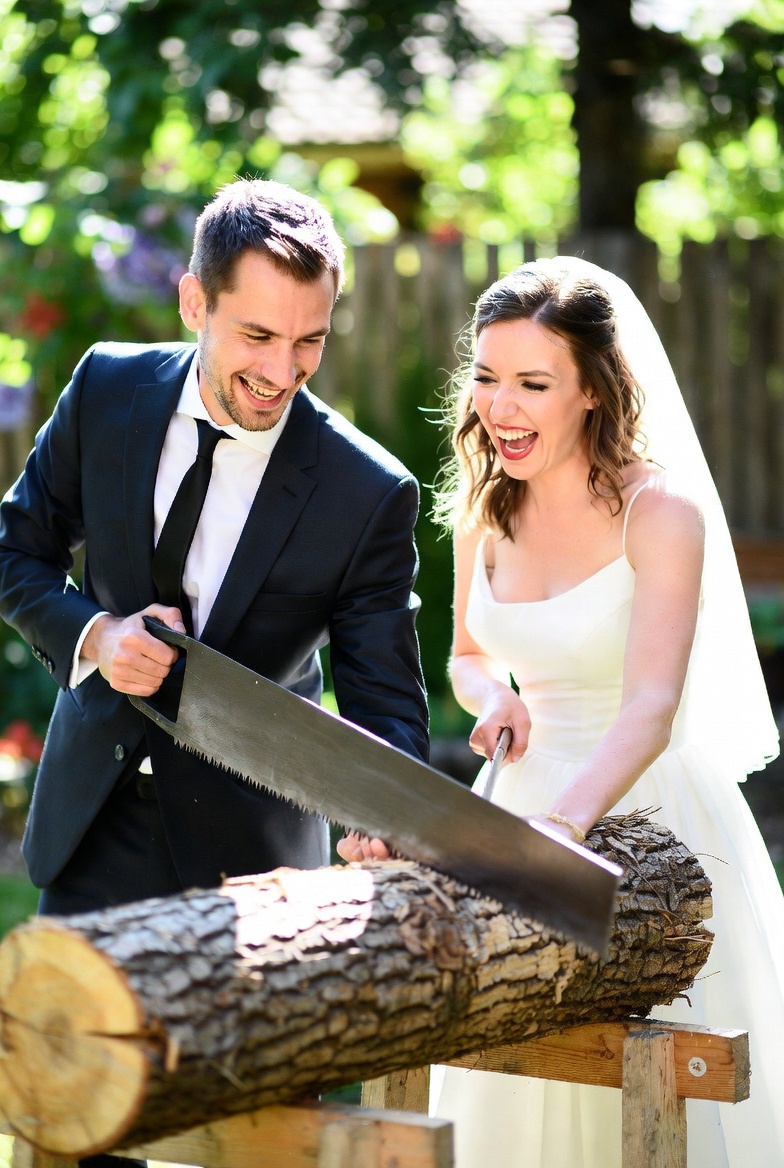
4. Baumstamm Sägen (Sawing the Log)
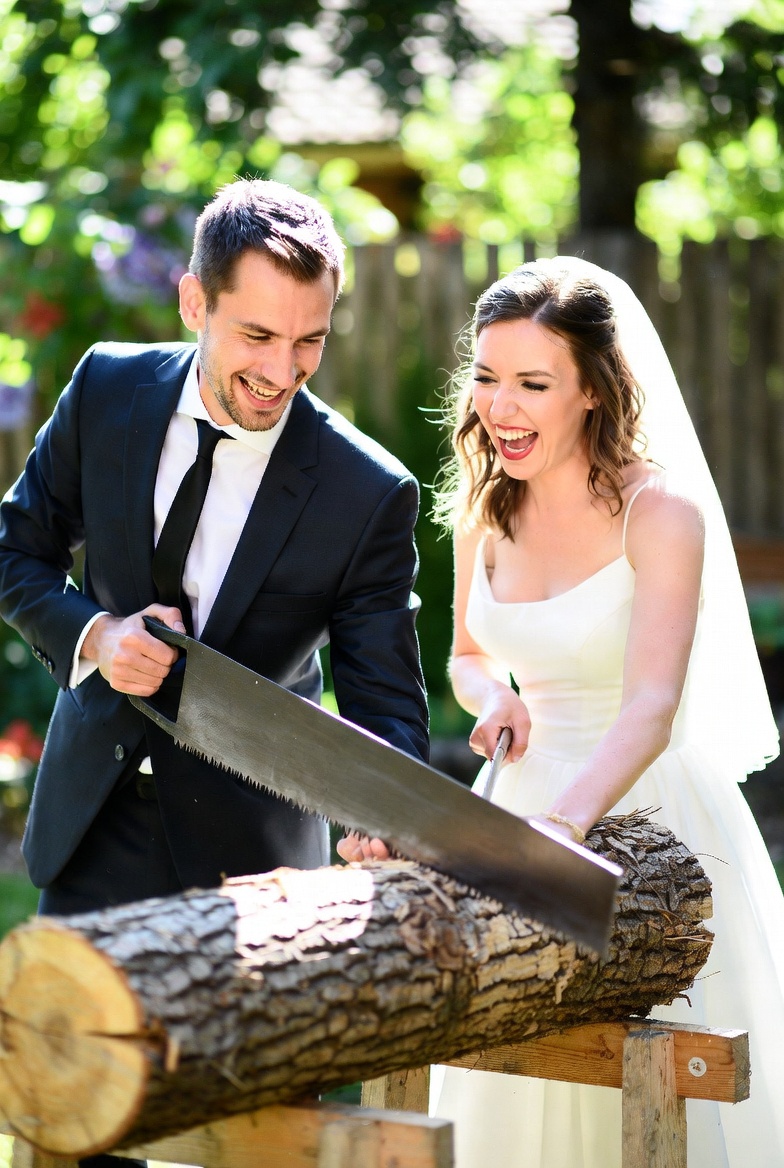
Baumstamm Sägen
Couple saws a log together after the ceremony
Symbolizes:
Cooperation
Overcoming challenges together
5. Wedding Cake (Hochzeitstorte)
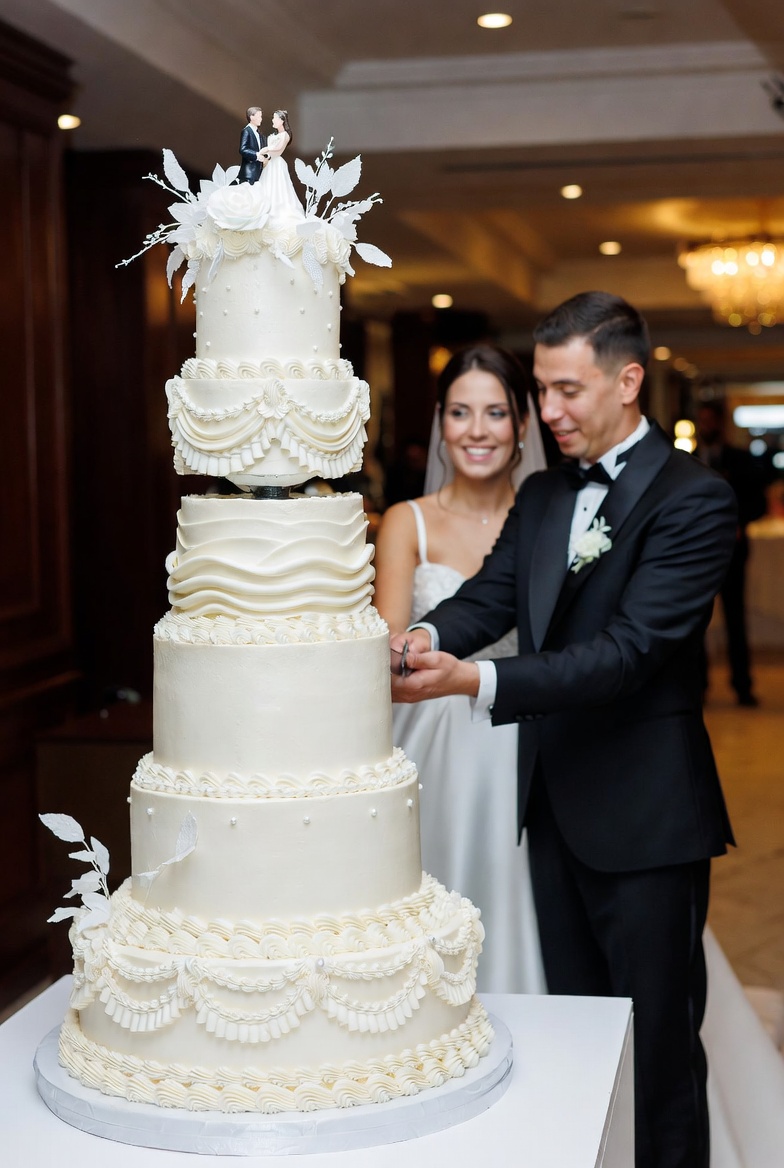
Multi-layered cake served in the afternoon
Couple cuts it together
Who holds the knife on top = playful symbol of leadership
6. Wedding Games & Pranks
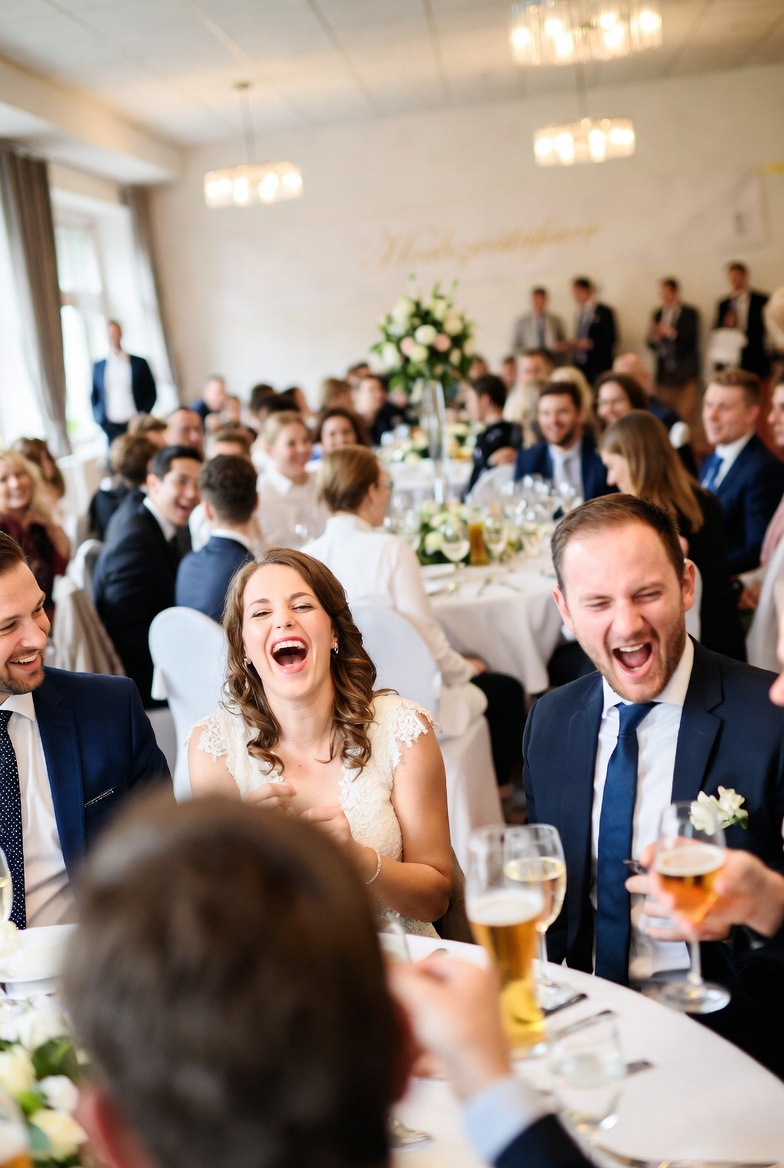
Guests organize games and surprises
Can include humorous challenges or performances
Keeps the celebration lively and interactive
7. The Wedding Feast
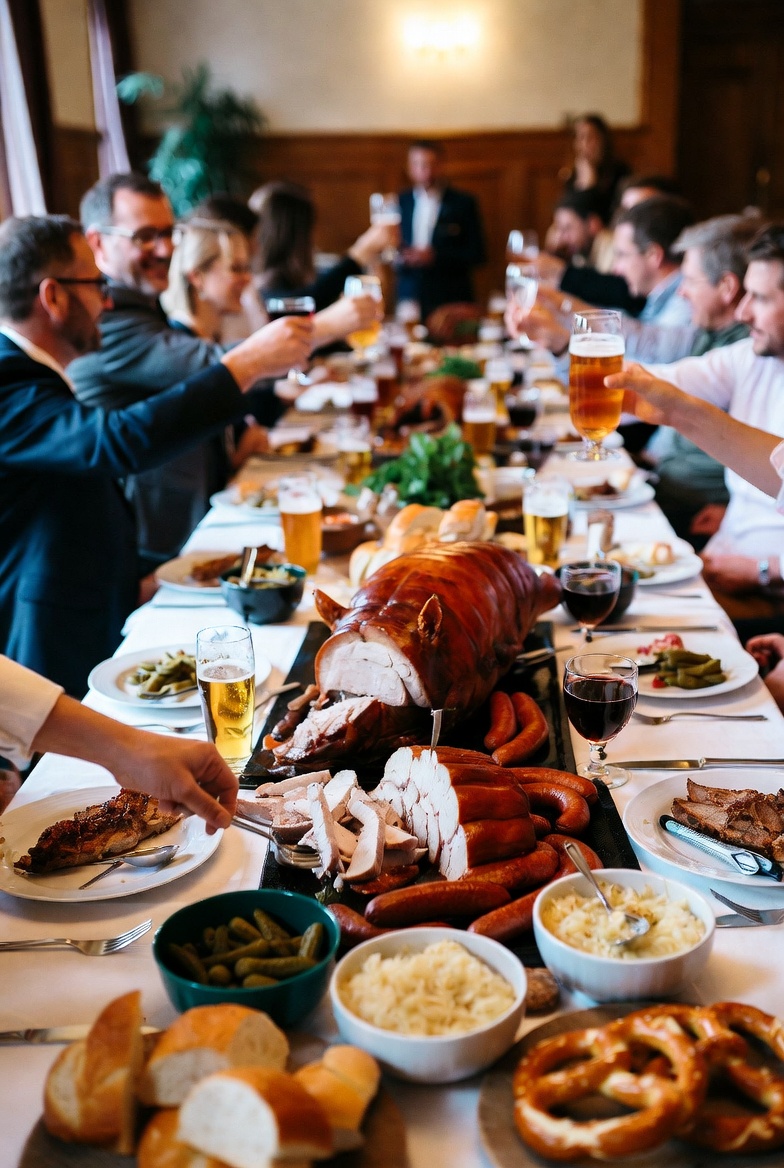
Large meal with:
Meat dishes
Bread
Beer or wine
Food is hearty and shared socially
8. Dancing & Celebration
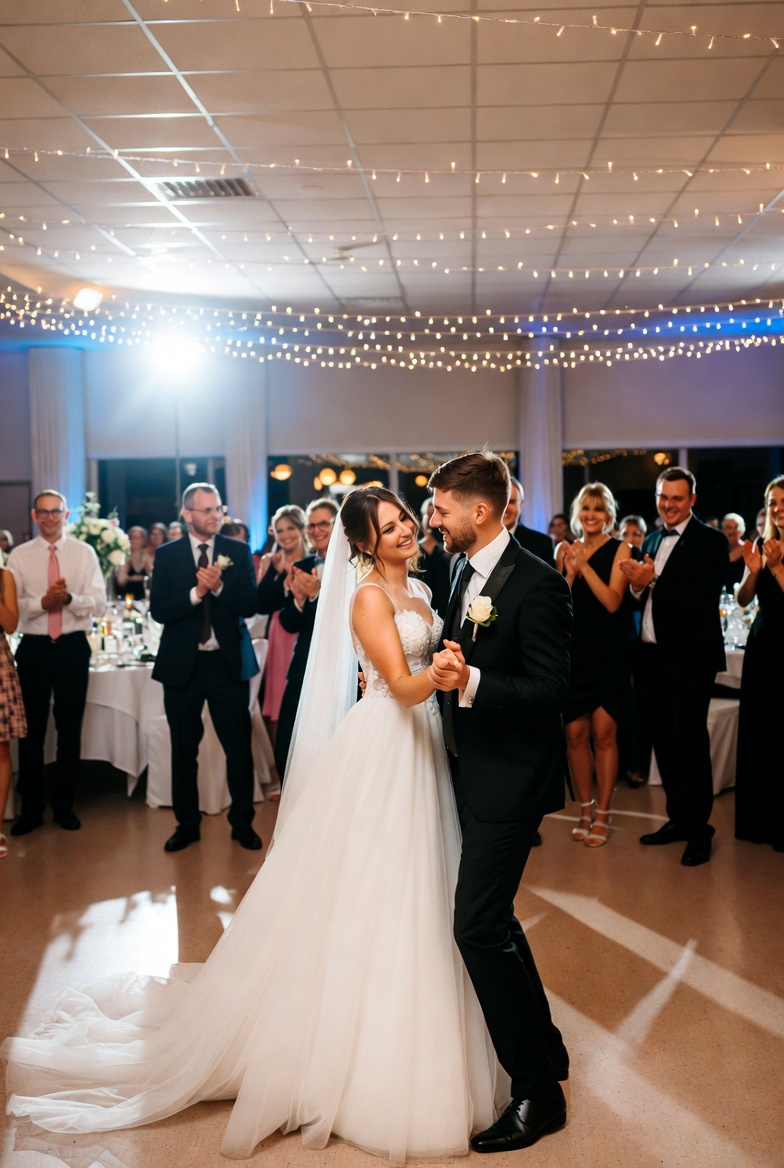
First dance by the couple
Followed by group dancing
Celebration often lasts late into the night
German weddings balance structure + fun
Many traditions focus on teamwork and partnership
Celebrations are both symbolic and practical