
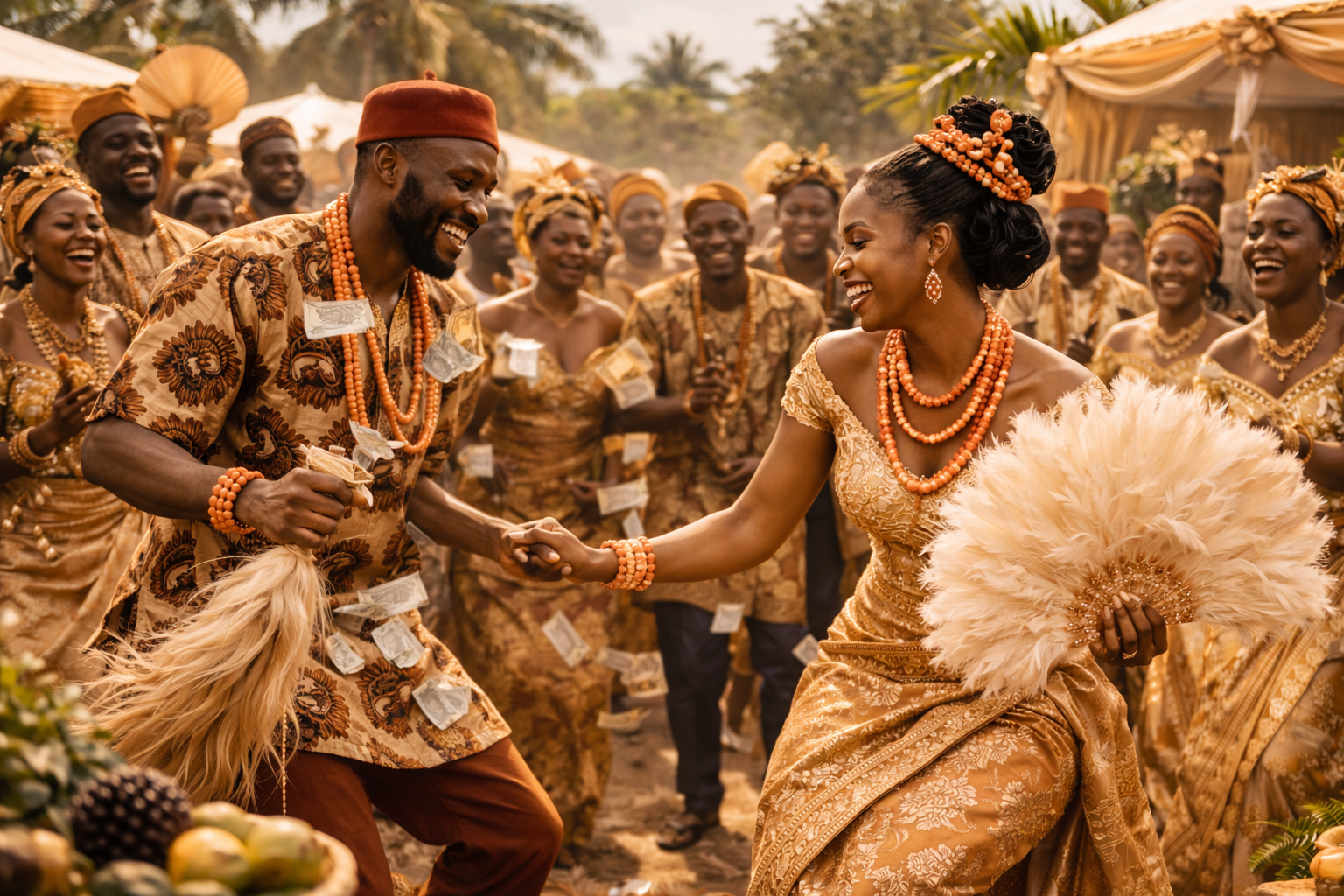
Wedding traditions in a typical Igbo Community
Igbo traditional marriage (known as Igba Nkwu or Ime Ego) is one of the most culturally rich ceremonies in southeastern Nigeria. It is not just a union of two individuals but a formal alliance between families and kindreds.
Here are the key customs:
Introduction (Iku Aka / Knock on the Door)
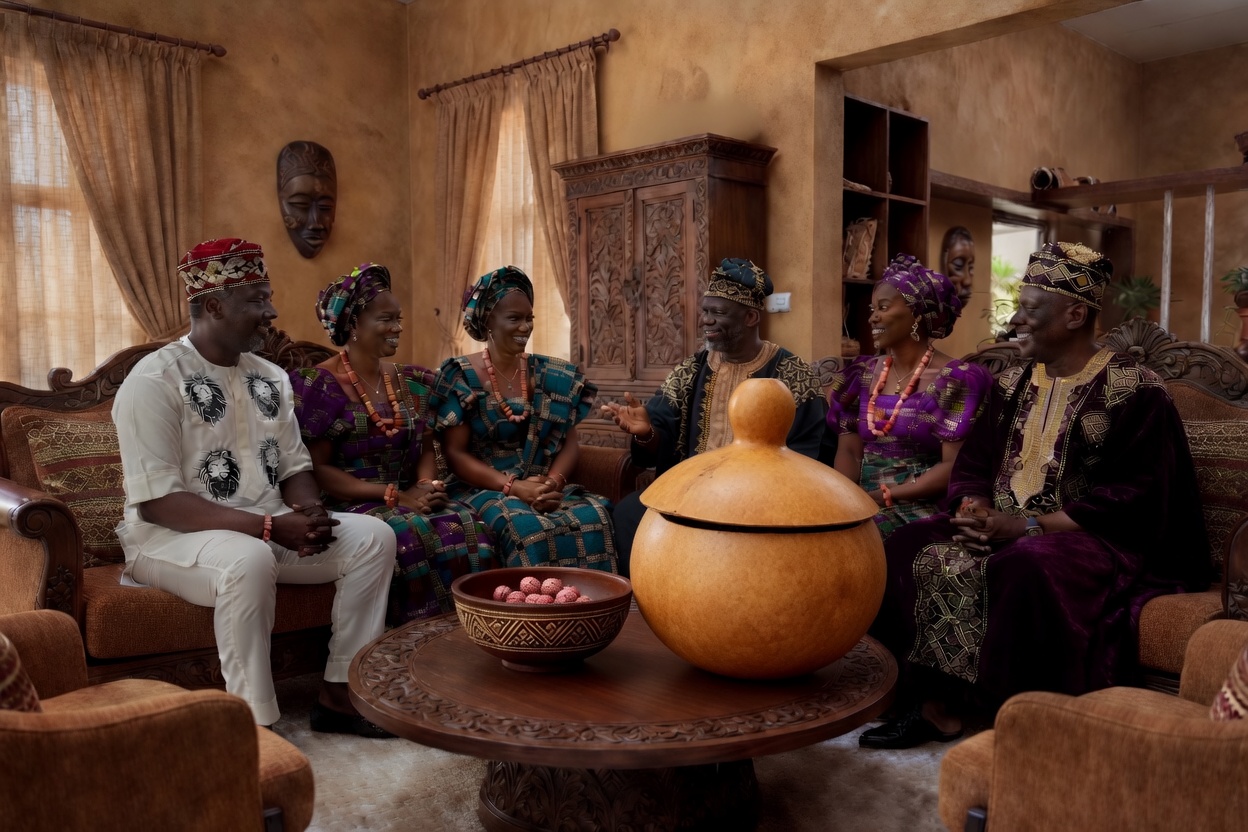
The first step is a formal visit by the groom’s family to the bride’s family.
The groom’s family brings drinks (usually palm wine) and kola nuts.
They formally declare their intention.
Discussions begin between elders.
Respectful speech and proper greetings are essential.
This stage confirms both families approve of the relationship.
Bride Price Negotiation (Ime Ego)
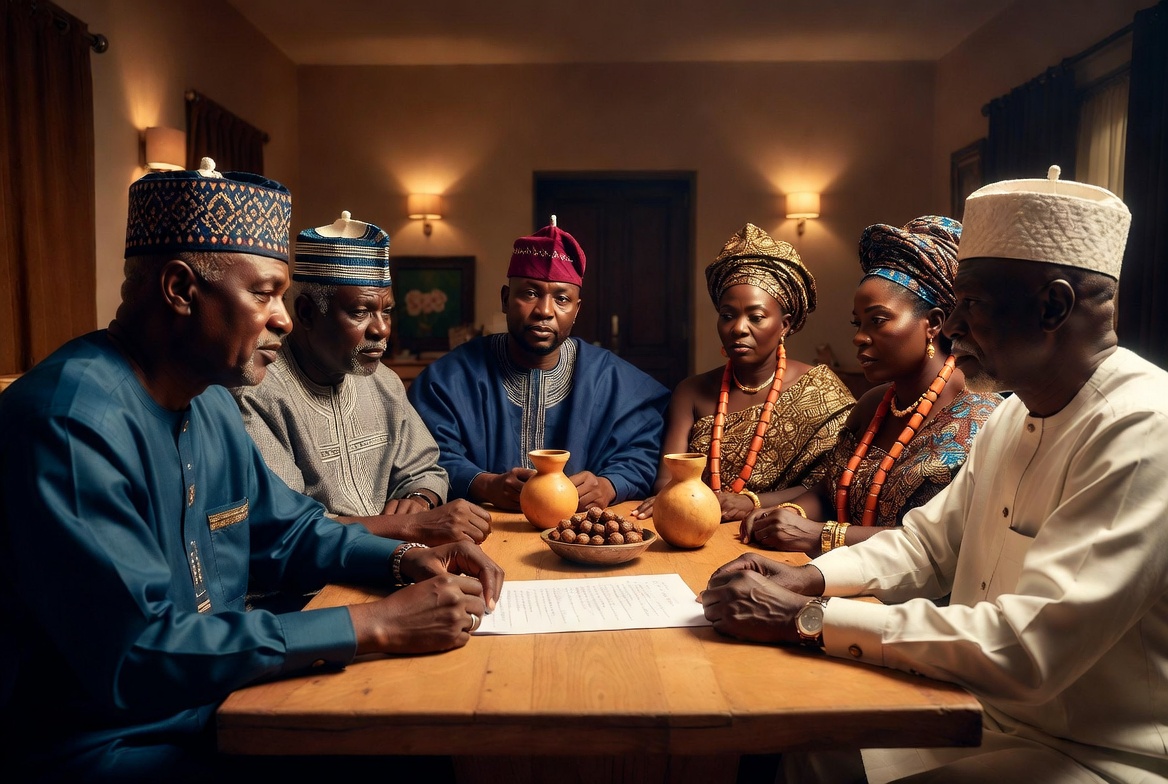
The bride’s family presents a traditional list.
Items may include money, drinks, livestock, and symbolic gifts.
Negotiation is done respectfully by elders.
The process is symbolic — not “buying” the bride, but honoring her family.
Once completed, the marriage is officially recognized traditionally.
Kola Nut Ceremony (Iwa Oji)
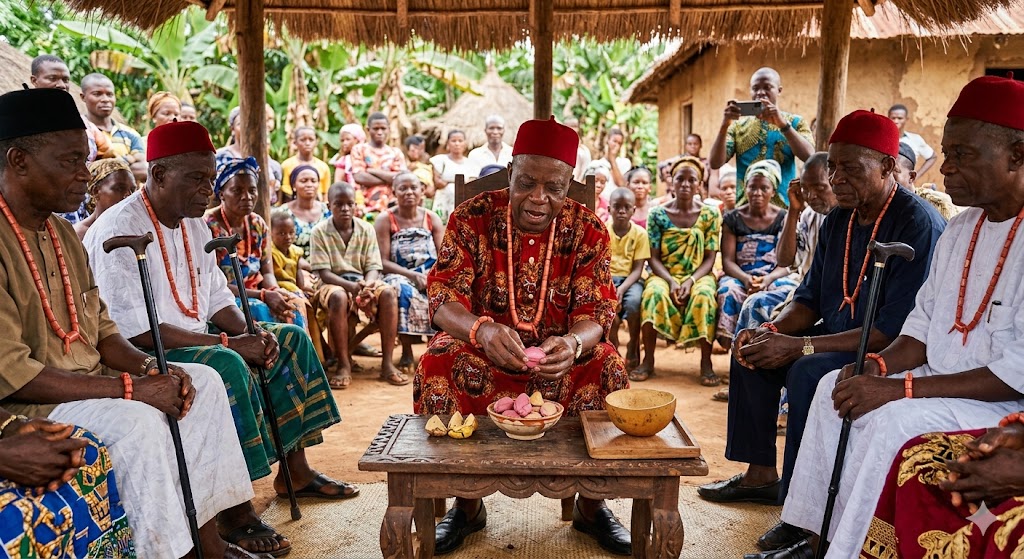
Kola nut is sacred in Igbo culture.
It is presented and blessed by an elder.
Prayers are offered to God and ancestors.
The kola nut is broken and shared.
This symbolizes unity and acceptance.
Palm Wine Carrying (Igba Nkwu Proper)
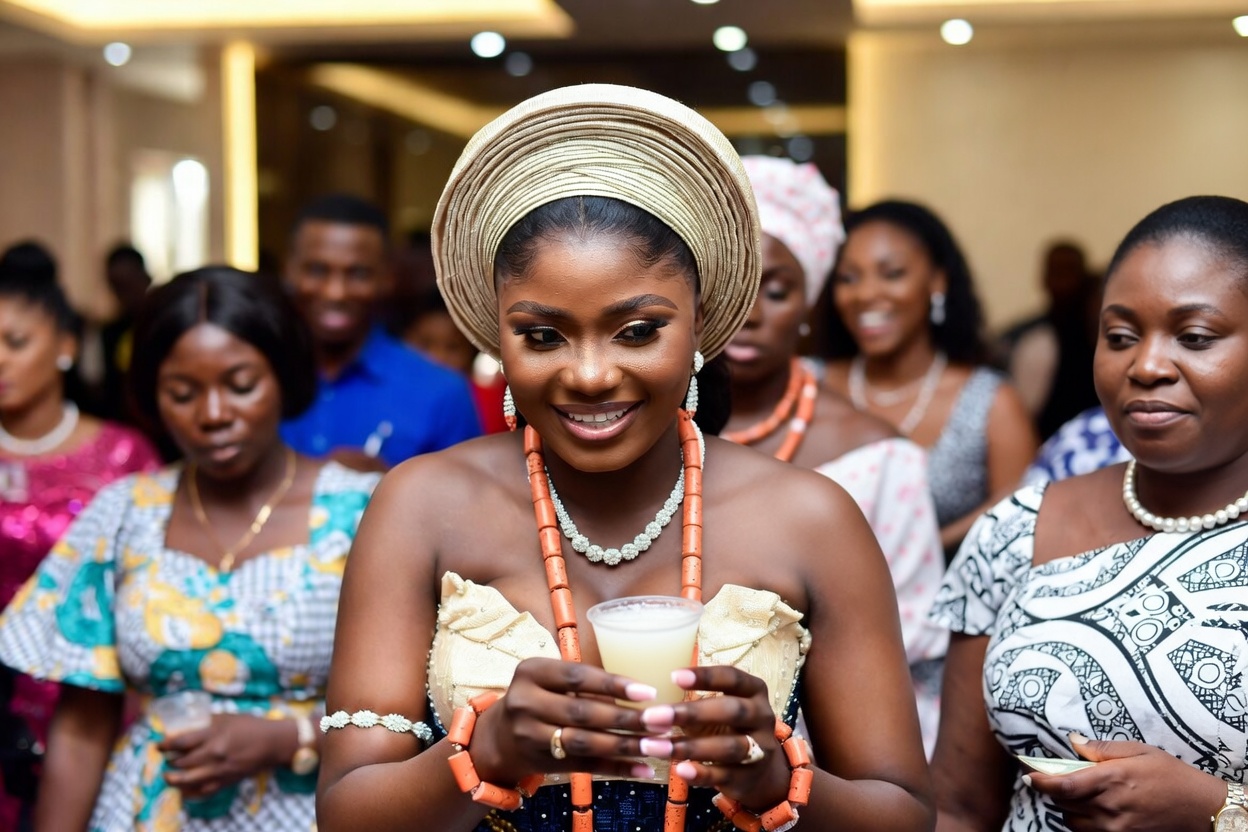
This is one of the most dramatic and joyful moments.
The bride enters with a cup of palm wine.
She searches for her groom among the crowd.
Once she finds him, she kneels and offers him the drink.
He drinks and places money in the cup.
He leads her to his family, confirming her choice.
This publicly identifies the groom as her husband.
Traditional Attire
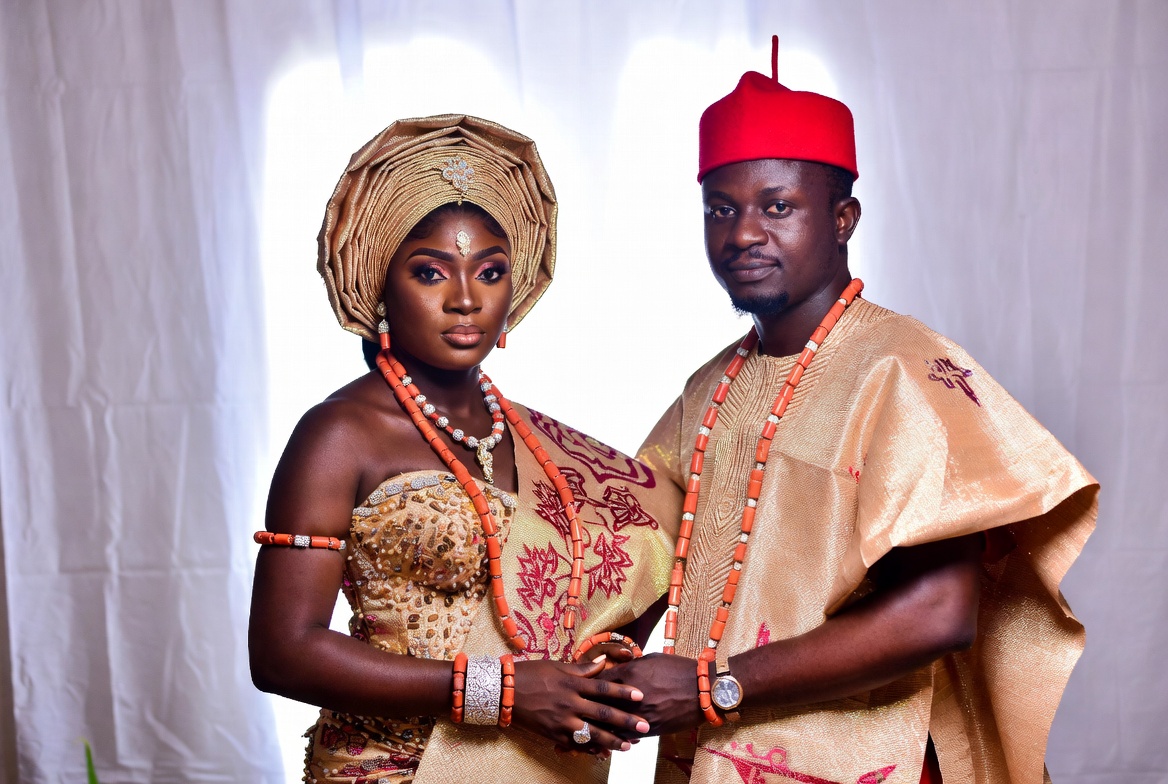
The bride usually wears:
George or lace wrapper
Coral beads (neck, wrists, hair)
Elaborate headpiece
Red, gold, or bright-colored blouse
The groom often wears:
Isiagu (lion-head patterned top)
Red cap (symbol of leadership)
Coral beads
Staff or horsetail whisk
Music, Dance & Celebration
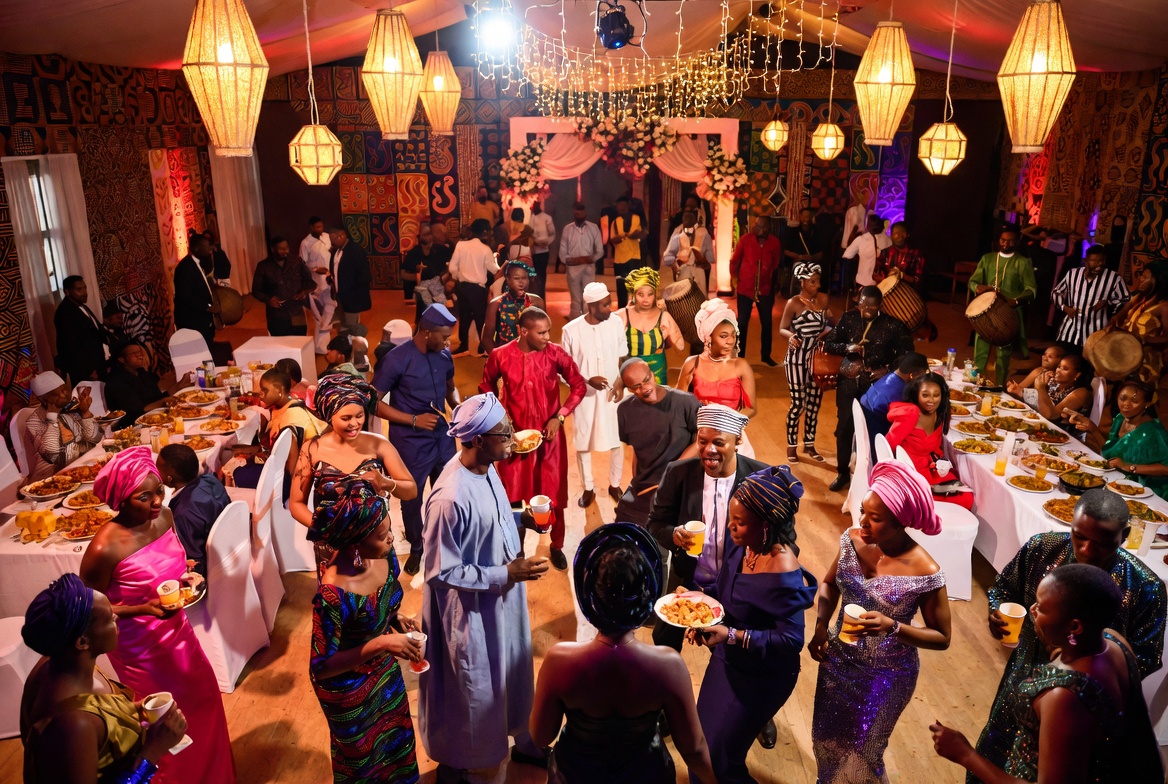
Talking drums and highlife music
Cultural dance performances
Joyful ululation
Large communal feast
The entire community often participates.
Cultural Significance
Igbo traditional weddings emphasize:
Respect for elders
Family approval
Community recognition
Ancestral blessing
Public declaration of commitment
Marriage is not private — it is communal and spiritual.