
Colombian Historical Landmarks & Must-Visit Places for Tourists
Colombia offers an incredible mix of colonial history, indigenous heritage, natural wonders, and modern vibrancy. Here are some of the most important historical landmarks and tourist destinations:
1. Cartagena’s Walled City & Castillo San Felipe de Barajas
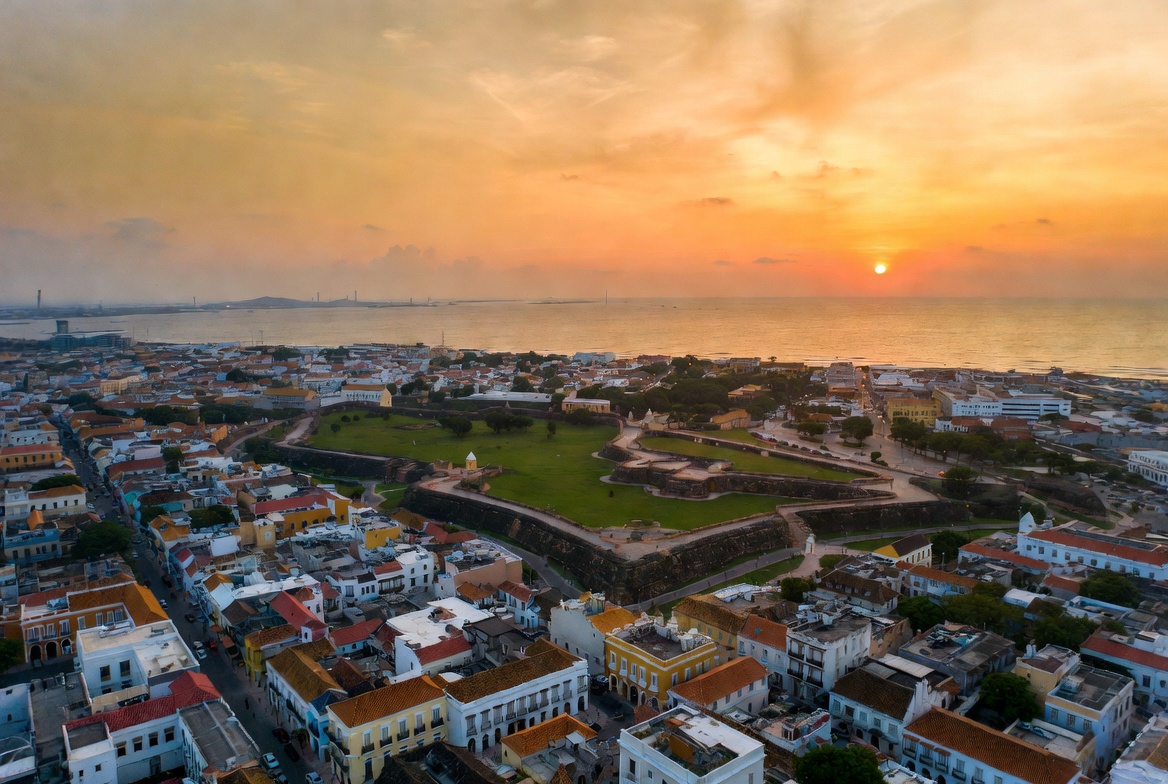
A UNESCO World Heritage Site and one of the best-preserved colonial cities in the Americas.
Massive 17th-century fortress built to protect against pirates.
Significance: Symbol of Spanish colonial power and Caribbean resilience. Romantic cobblestone streets, colorful balconies, and vibrant nightlife.
2. La Ciudad Perdida (The Lost City) – Sierra Nevada de Santa Marta
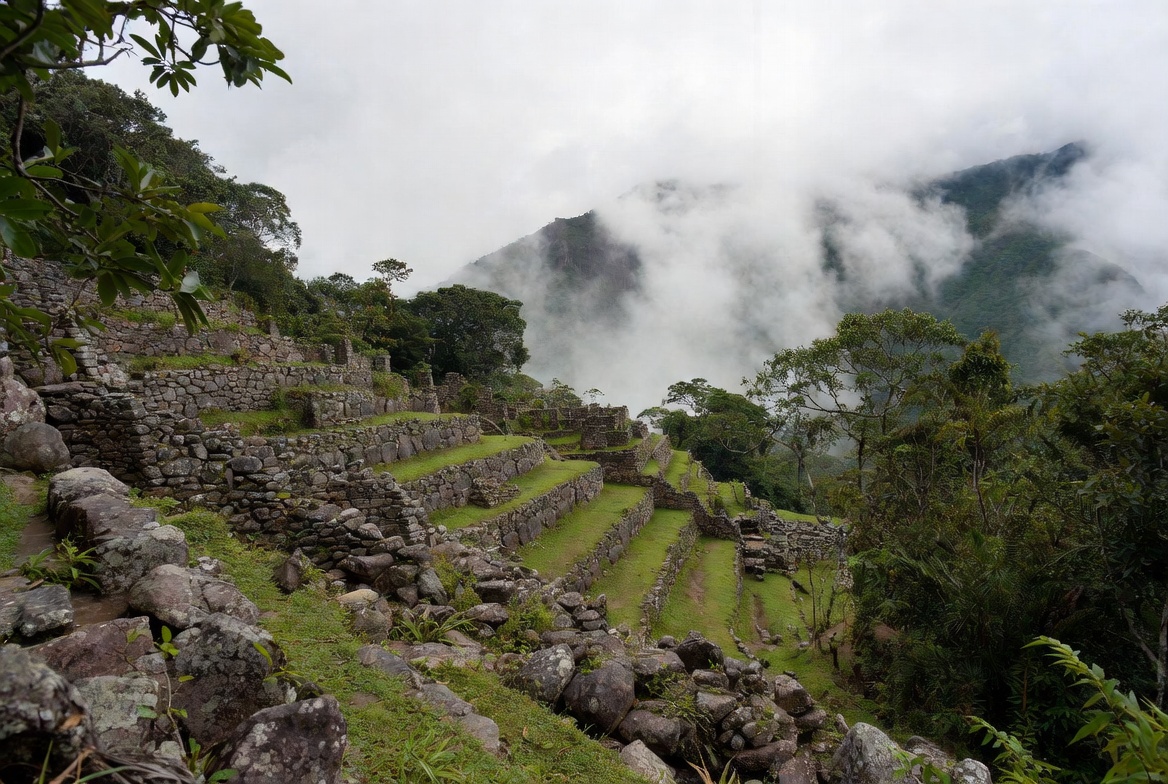
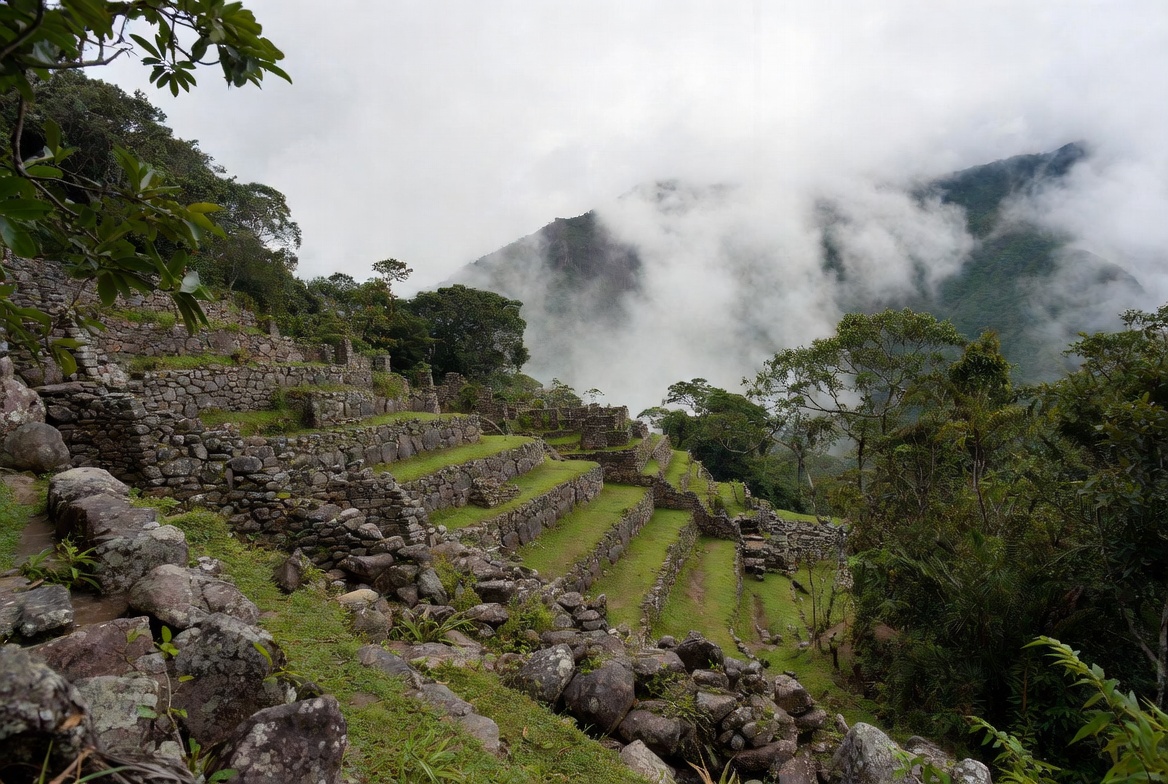
Ancient Tayrona city discovered in the 1970s, older than Machu Picchu.
A challenging multi-day trek through jungle to reach stone terraces and ceremonial sites.
Significance: One of the most important archaeological sites in Colombia, representing pre-Columbian indigenous civilization.
3. Gold Museum (Museo del Oro) – Bogotá
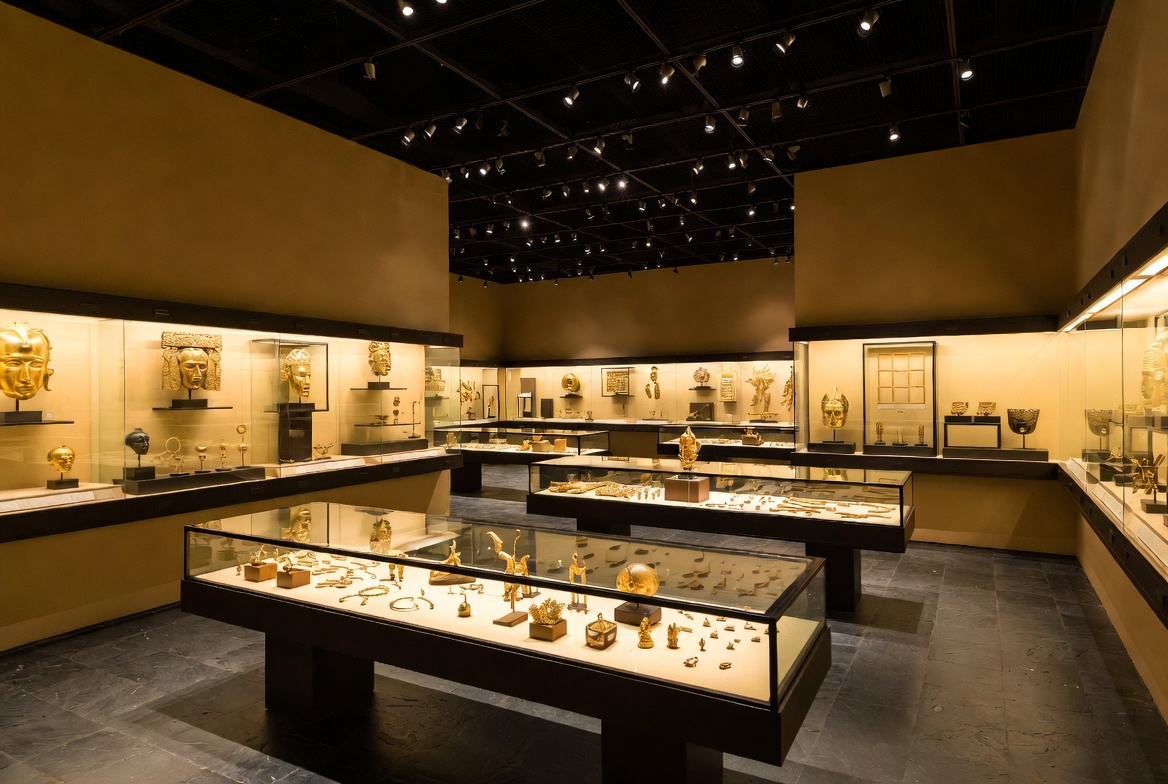
Houses the world’s largest collection of pre-Columbian gold artifacts (over 55,000 pieces).
Significance: Showcases the incredible metallurgical skill and spiritual beliefs of indigenous cultures before Spanish arrival.
4. San Agustín Archaeological Park
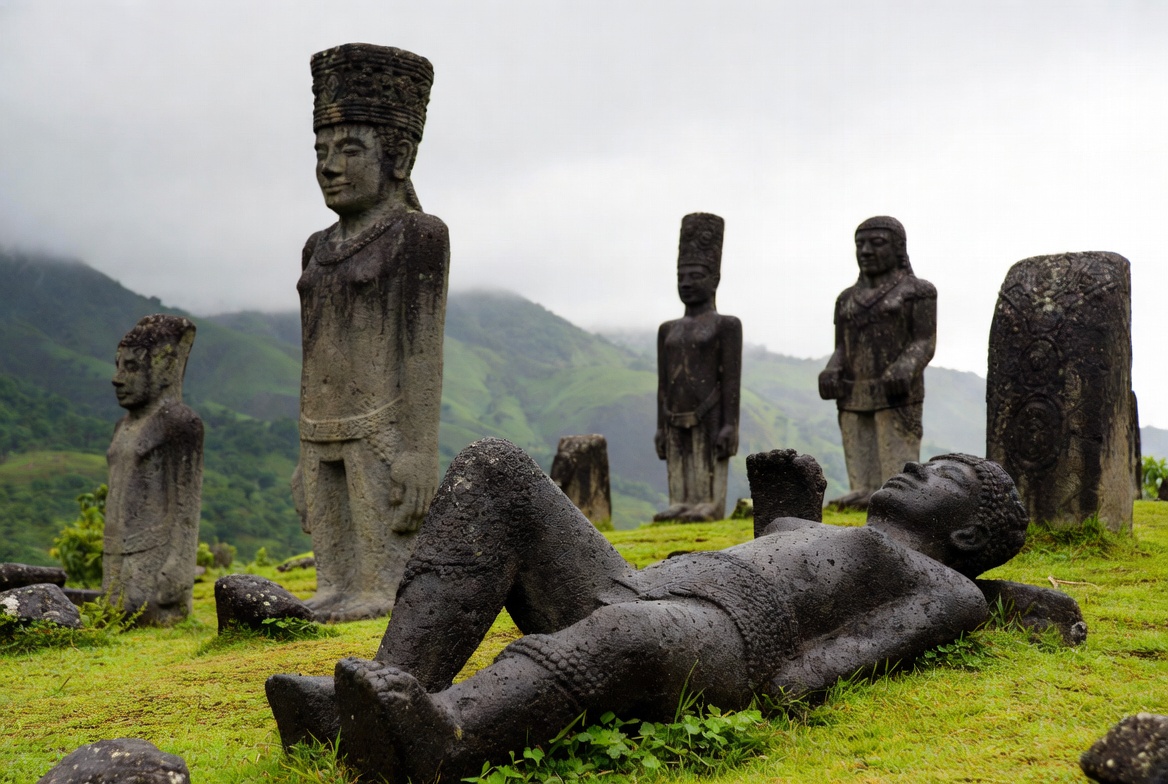
UNESCO World Heritage Site with hundreds of ancient stone statues and burial mounds.
Significance: One of the largest groups of religious monuments and megalithic sculptures in South America (dating back to 1st–8th centuries).
5. Comuna 13 – Medellín
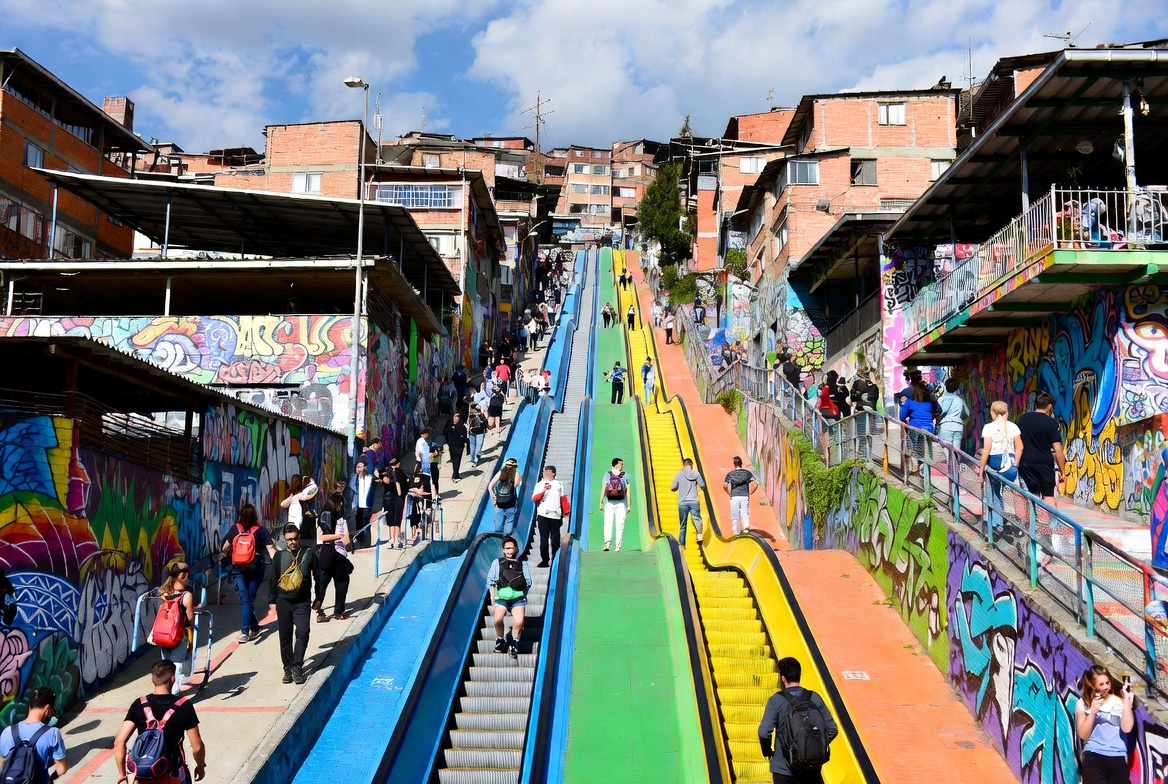
Once one of the most dangerous neighborhoods, now transformed with colorful street art, outdoor escalators, and vibrant culture.
Significance: Powerful symbol of urban resilience, social transformation, and the “Medellín Miracle.”
6. Villa de Leyva
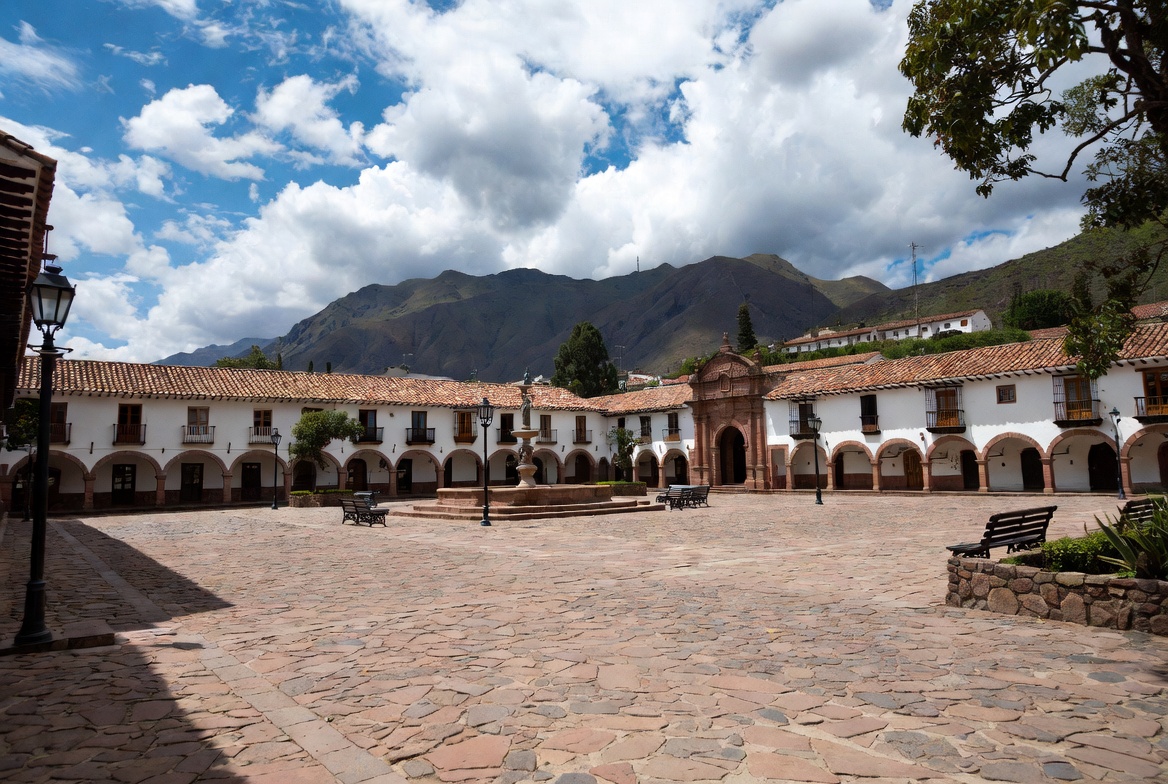
Beautiful colonial town with one of the largest cobblestone plazas in South America.
Significance: Excellent example of well-preserved Spanish colonial architecture and a peaceful retreat with nearby fossils and indigenous history.
7. Coffee Cultural Landscape (Eje Cafetero)
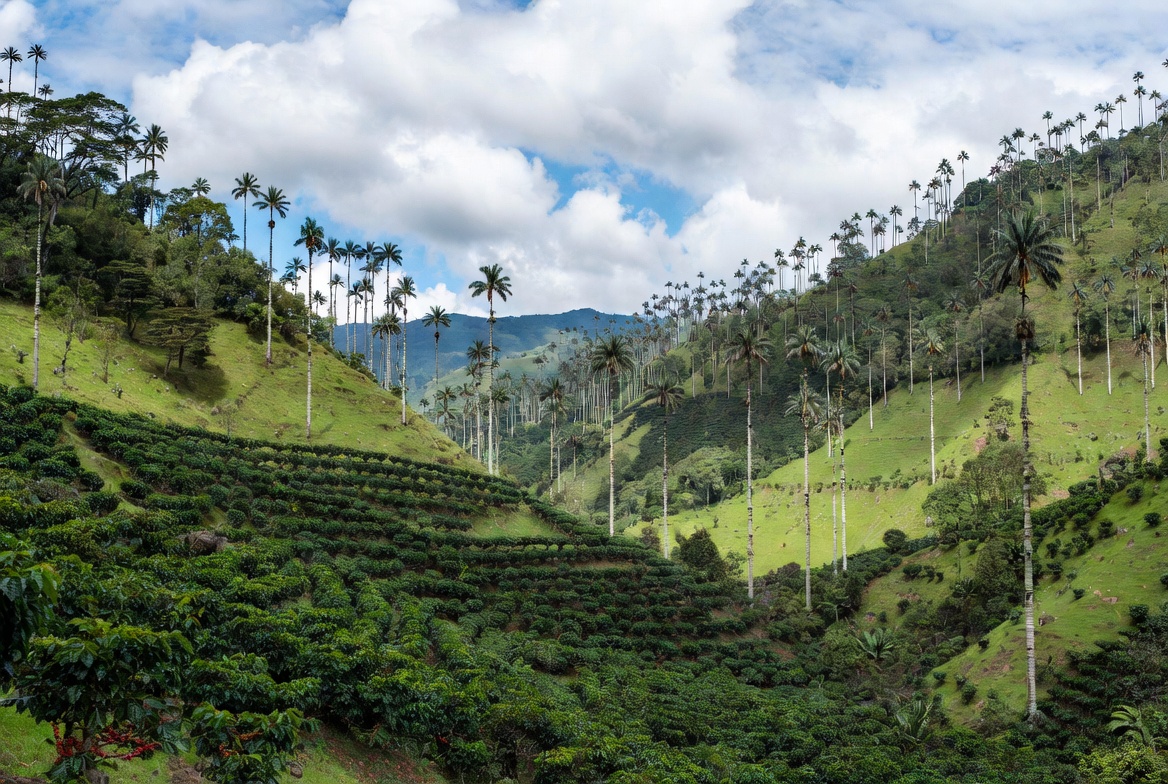
UNESCO site including Salento, Cocora Valley (wax palms), and traditional coffee farms.
Significance: Represents Colombia’s coffee heritage and the rural culture that shaped the nation’s identity.
8. Monserrate Hill – Bogotá
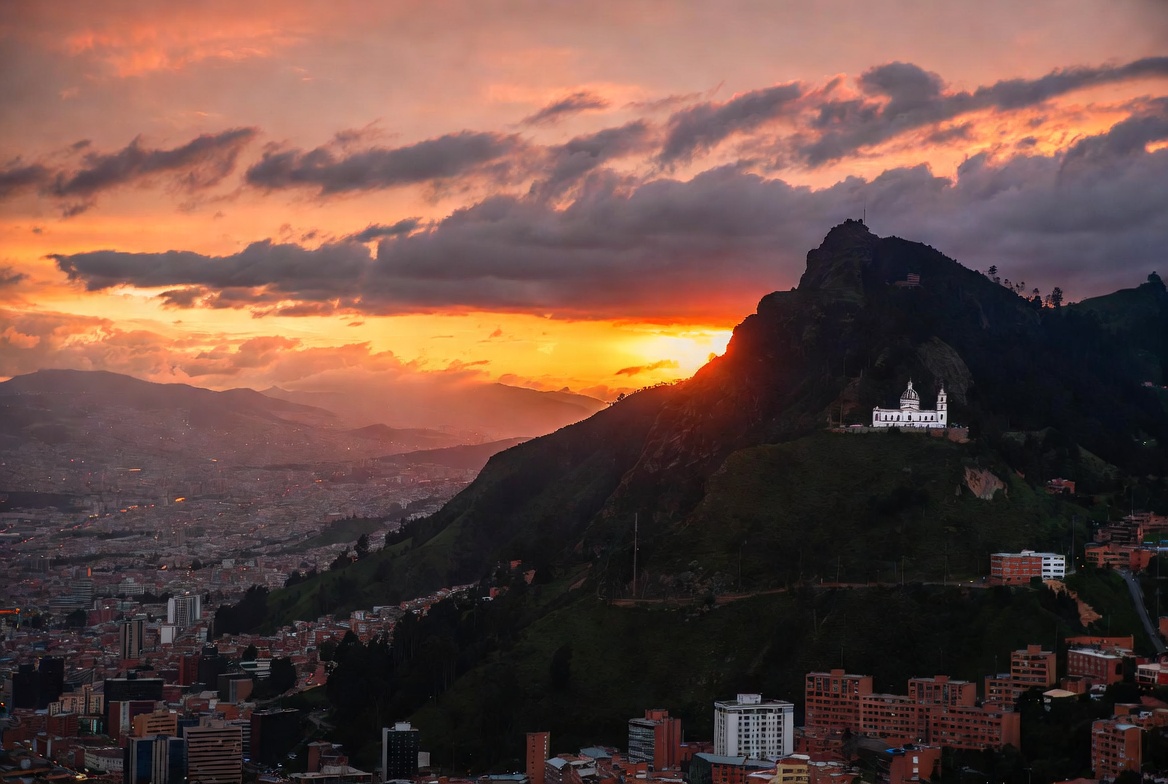
Iconic mountain overlooking Bogotá with a historic church and breathtaking views.
Significance: Important religious pilgrimage site and symbol of the city.