
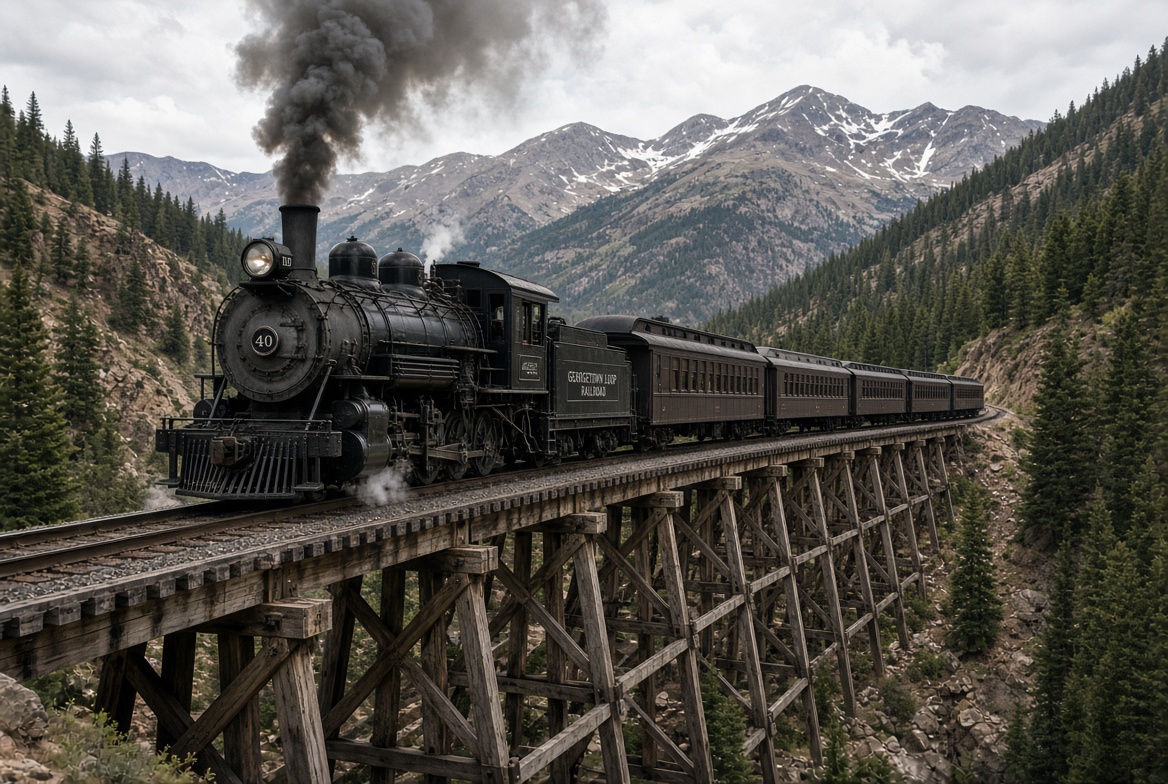
Historical landmarks in Colorado, and why they matter
Each place below is listed on its own. The point is what happened there, and why people still go.
Mesa Verde and Cliff Palace
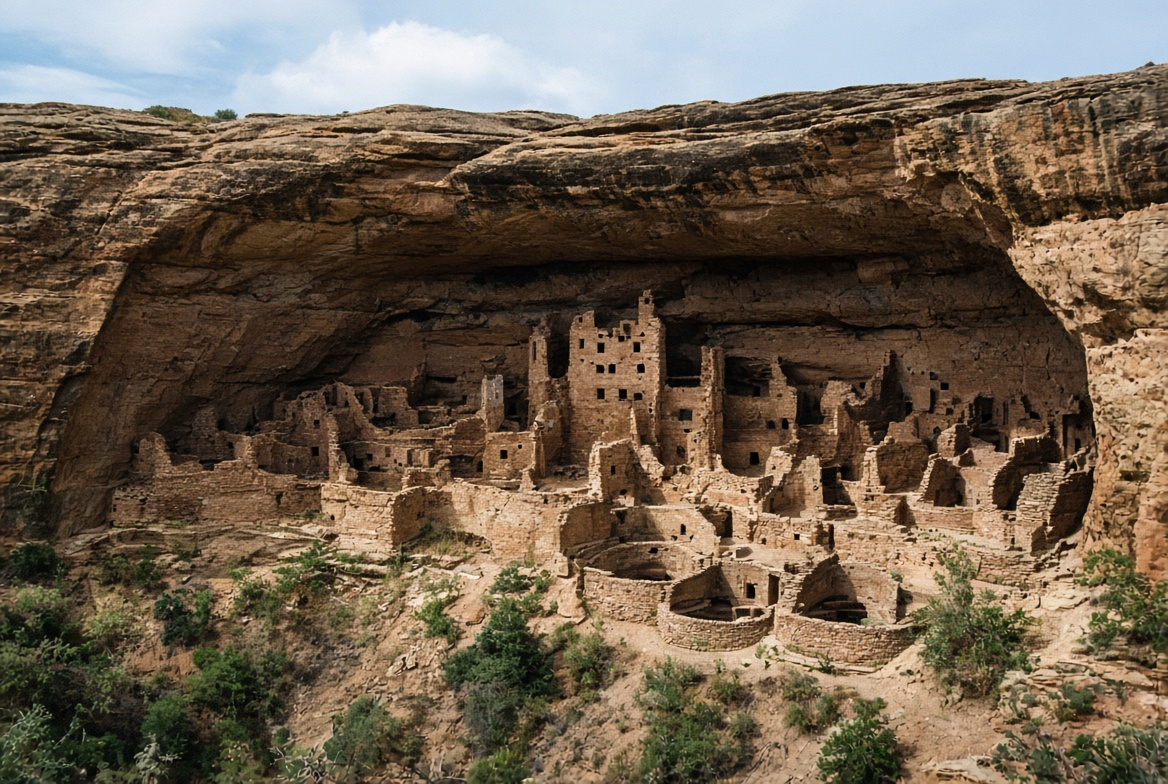
In the southwest, Ancestral Puebloan cliff dwellings sit in alcoves of sandstone. People lived, farmed, and left in the late 1200s. The site is not a backdrop. It is a home that was abandoned, then protected. Significance: the longest human story still visible in stone in this state.
Great Sand Dunes
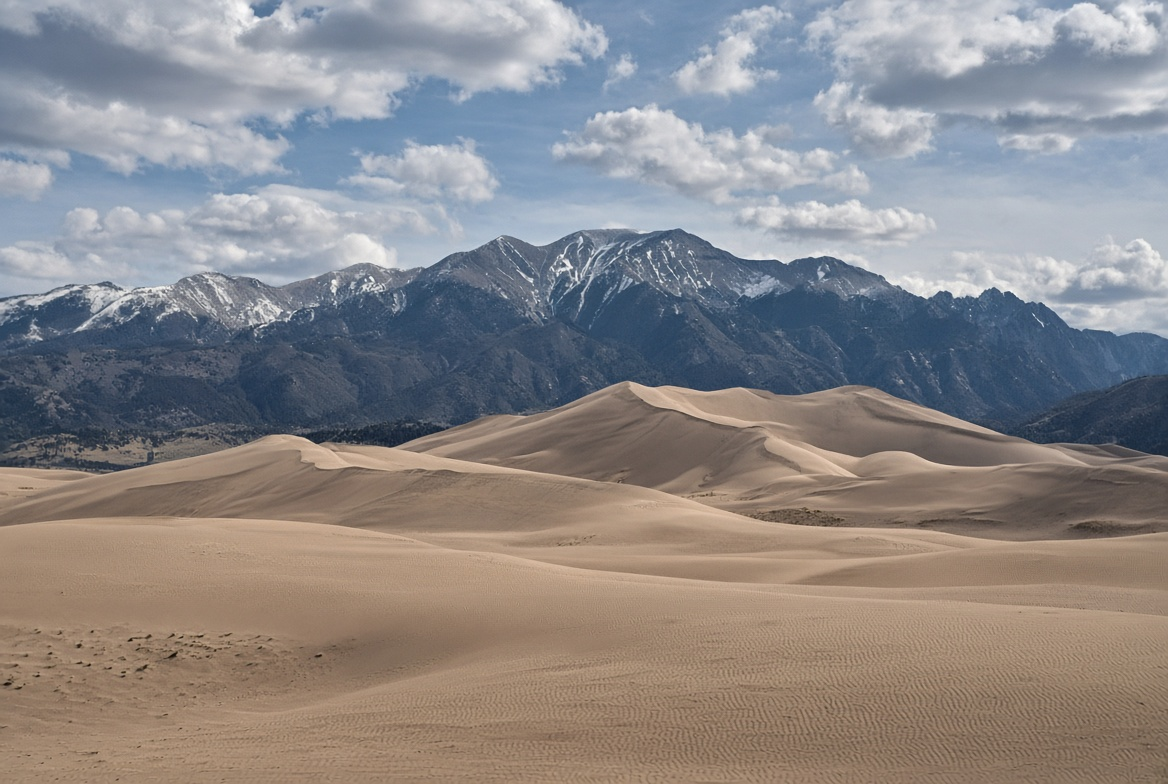
A dune field against the Sangre de Cristo range. Indigenous nations knew the valley long before it was a park. Significance: land that refuses the usual Rocky Mountain postcard, and a place still used for ceremony and family days.
Bent’s Old Fort
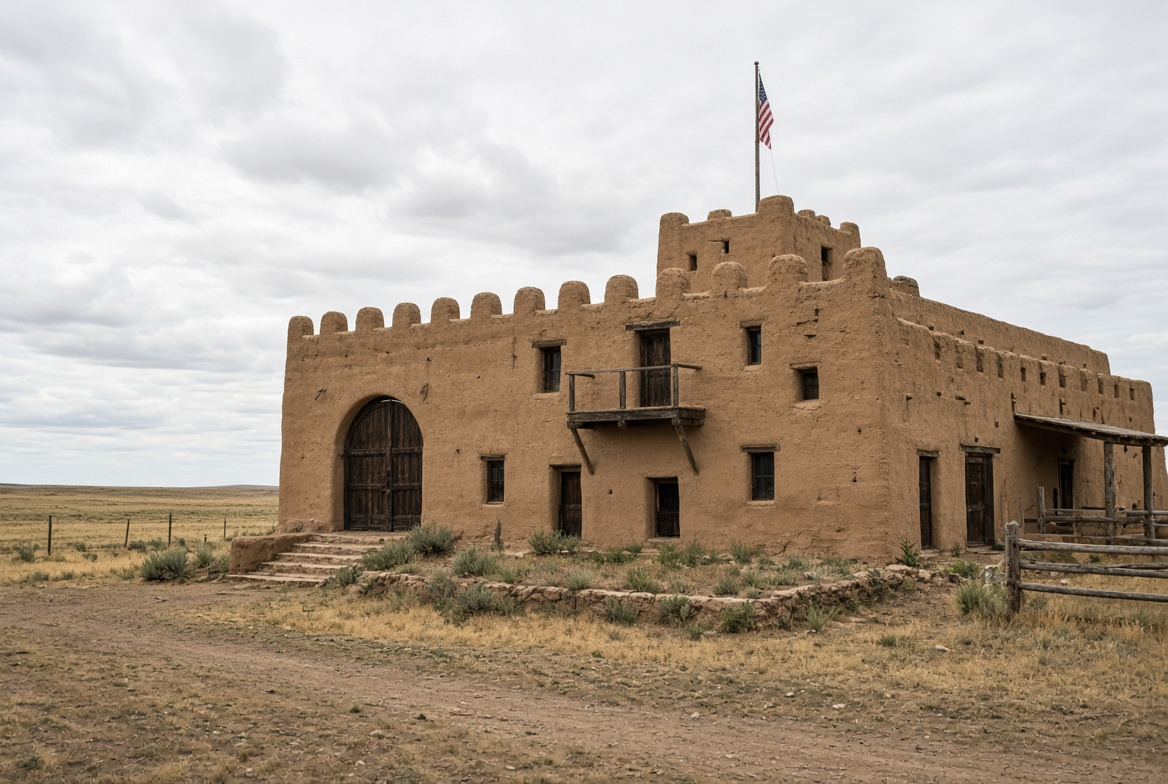
On the Arkansas River near La Junta. A reconstructed adobe trading post from the 1830s and 1840s. Cheyenne, Arapaho, Hispano, and American traders met here. Significance: the plains as a crossroads, not an empty approach to the mountains.
Sand Creek Massacre National Historic Site
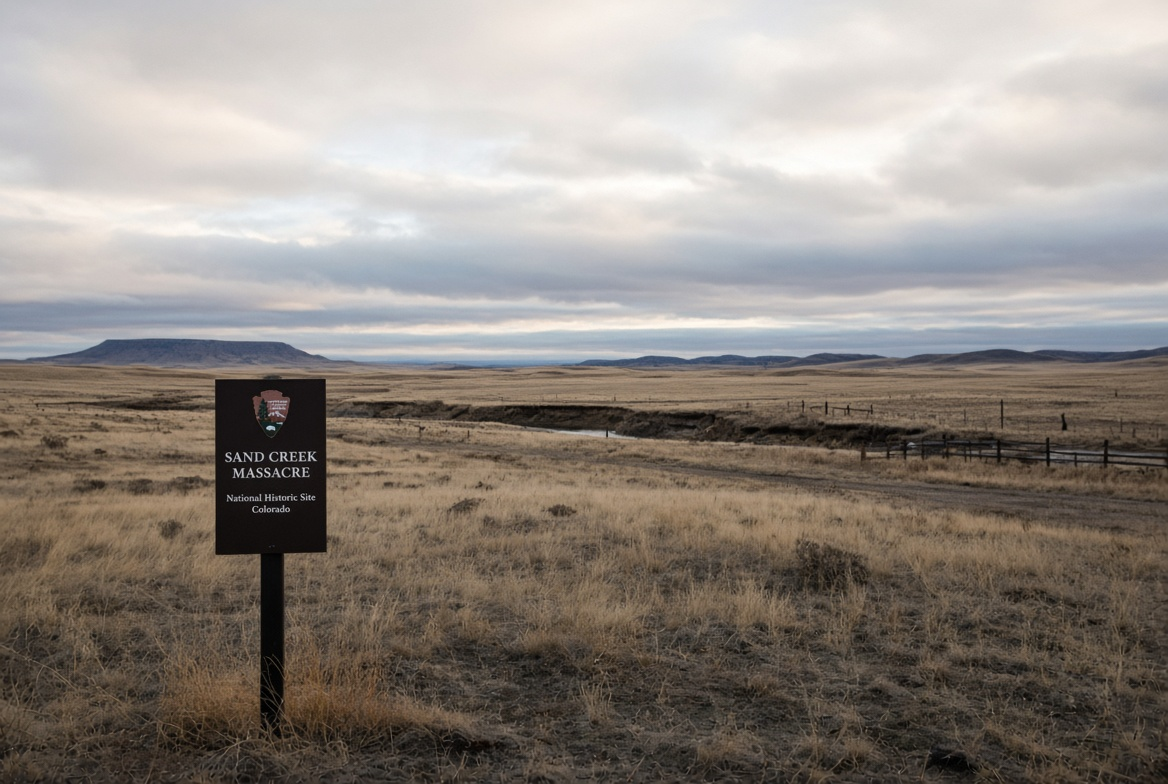
Near Eads. In 1864, U.S. troops attacked a peaceful Cheyenne and Arapaho camp. The site is a place of mourning. Significance: a crime the state still has to tell honestly. Visit with quiet.
Amache (Granada Relocation Center)
Near Granada. A World War II incarceration camp for Japanese Americans. Foundations and a cemetery remain. Significance: wartime fear made into policy on Colorado ground.
Pikes Peak
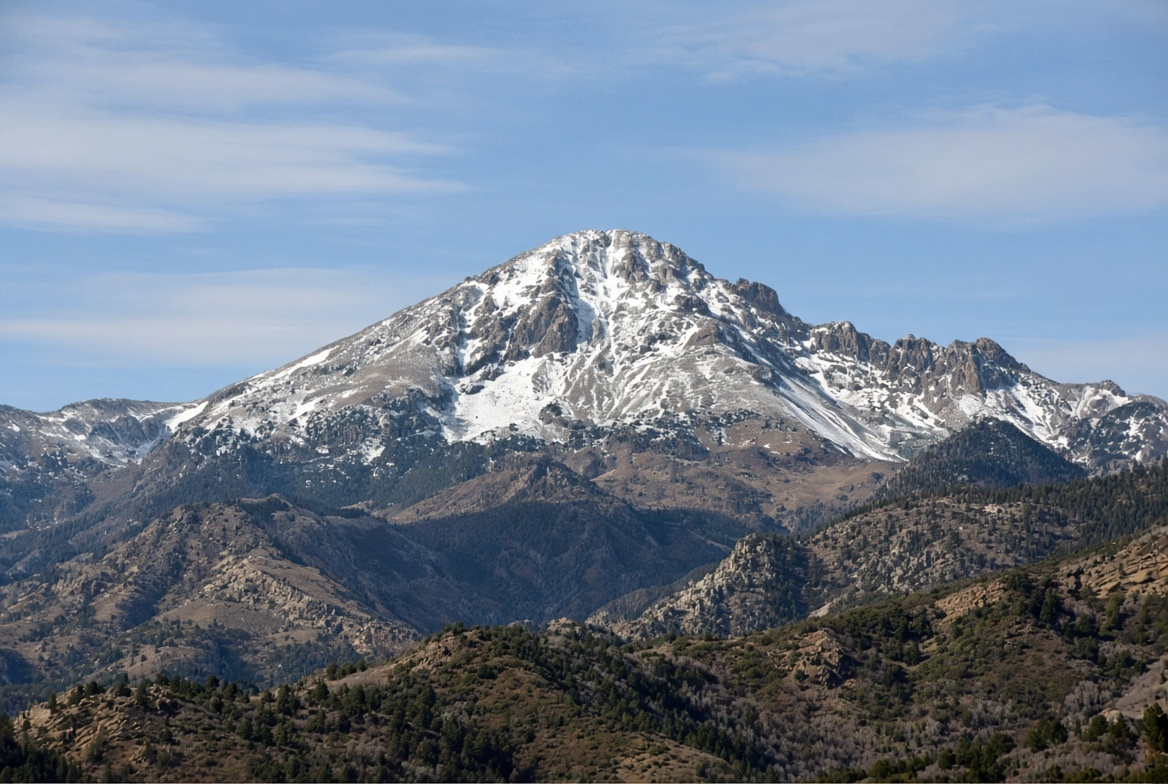
The mountain Zebulon Pike sighted, later climbed, later advertised. The cog railway and the highway made it a civic symbol. Significance: how Colorado sold itself to the rest of the country, and a peak people still treat as a day’s work.
Garden of the Gods
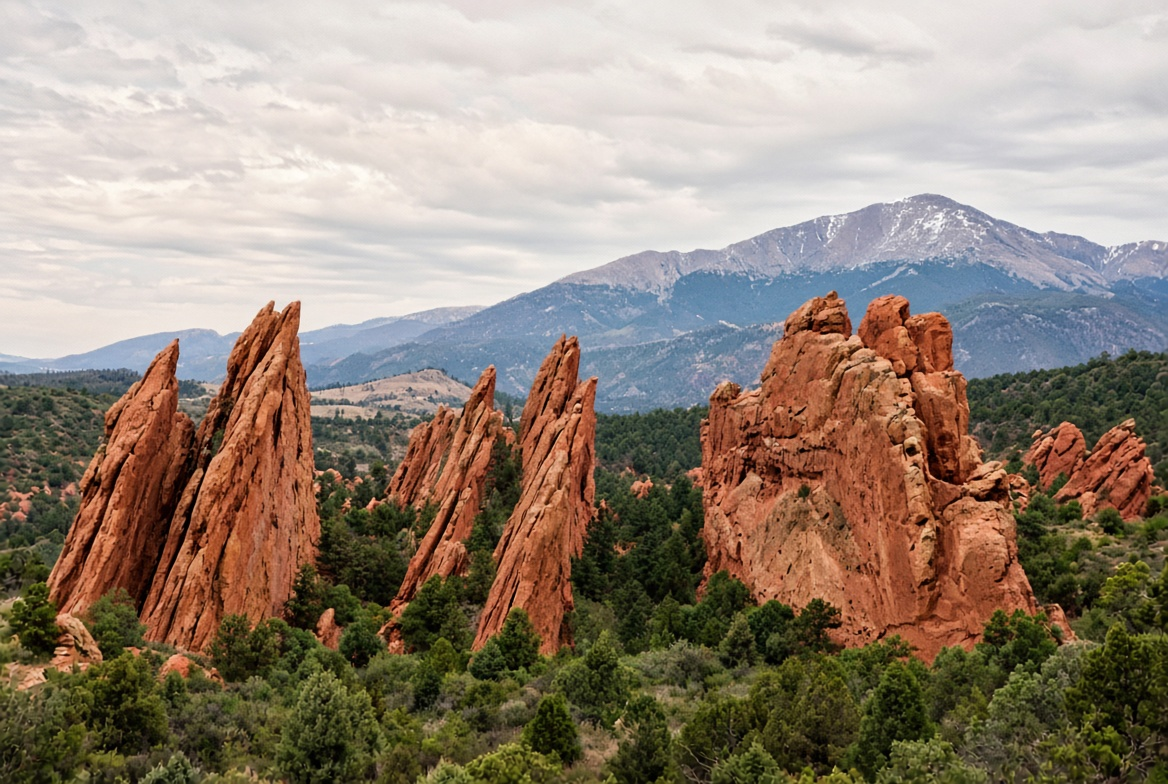
Red sandstone fins at the edge of Colorado Springs. Ute and other nations used the area. Settlers turned it into a park. Significance: sacred ground that became a public garden. Stay on the rock that is allowed.
Red Rocks Amphitheatre
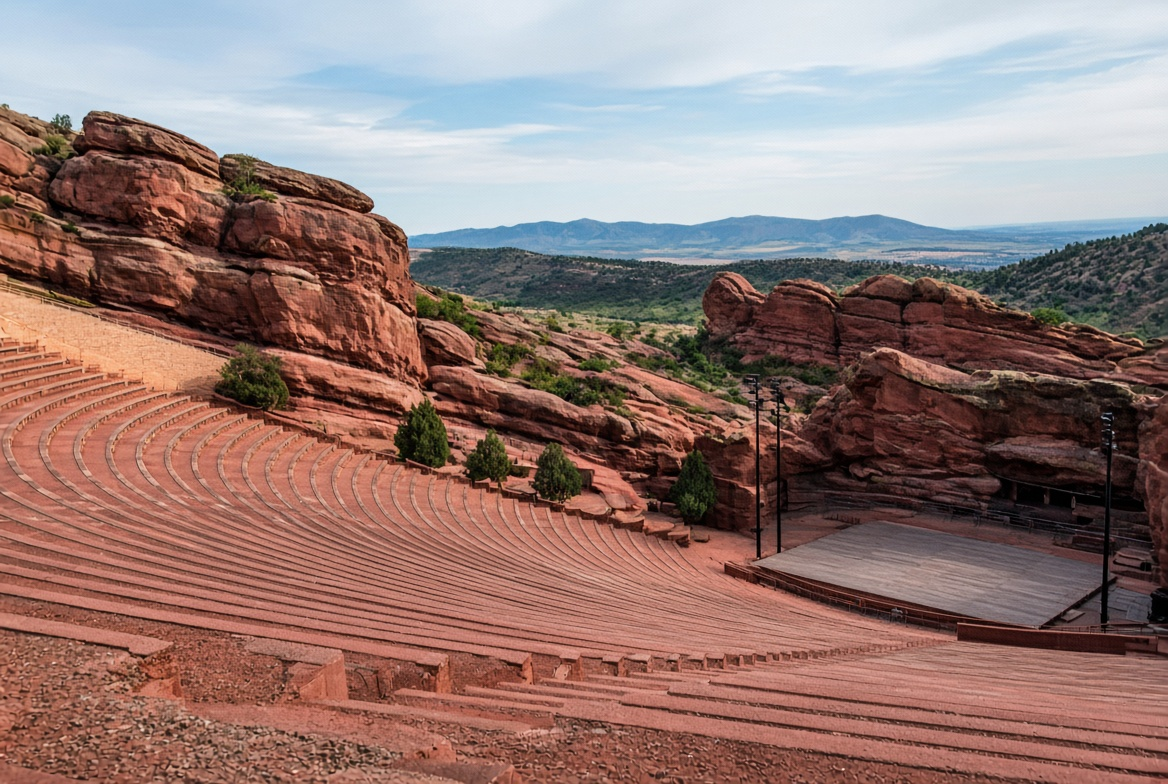
A natural bowl west of Denver, later built as a stage. Concerts made it famous. Significance: geology put to civic use. The rock is older than the ticket.
Colorado State Capitol
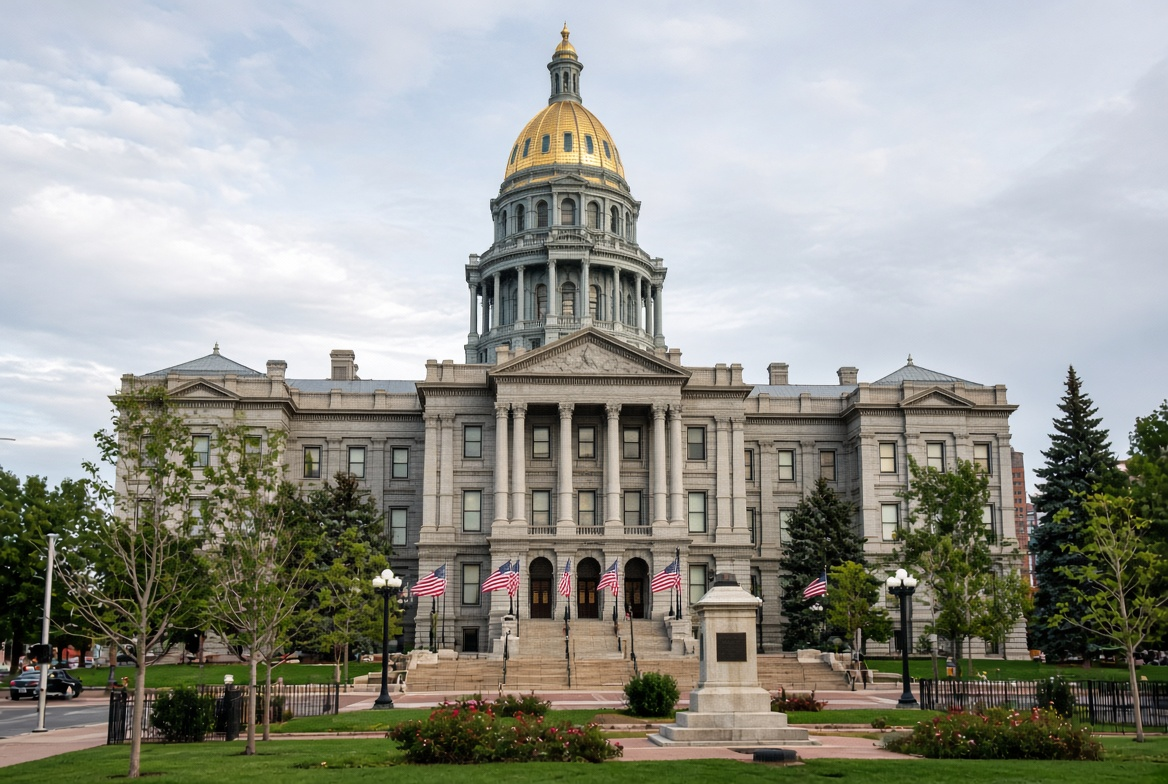
Denver. Gold dome, mile-high marker on the steps. Significance: where the state’s laws are made, and the Front Range’s claim to be the centre.
Leadville and the Matchless Mine
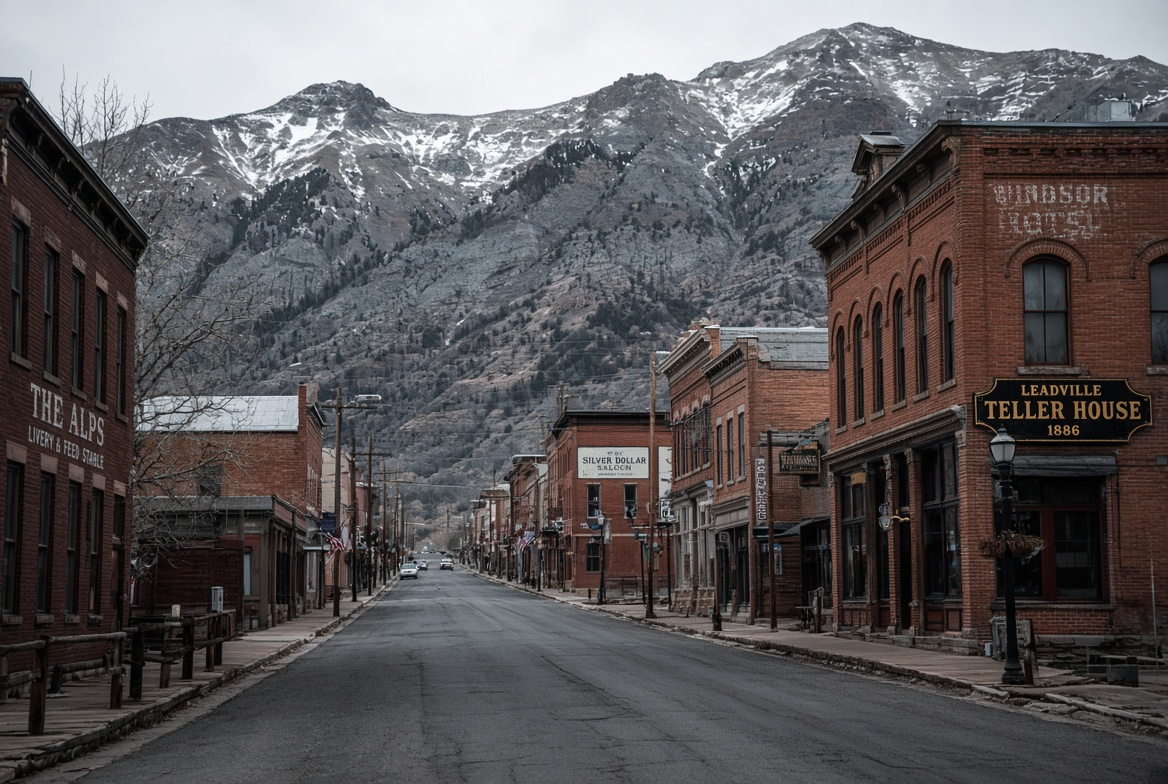
A high silver city that boomed and broke. Horace Tabor and Baby Doe are the famous names. Significance: mineral wealth, sudden ruin, and a town that stayed when the price fell.
Georgetown Loop and the high railroad towns
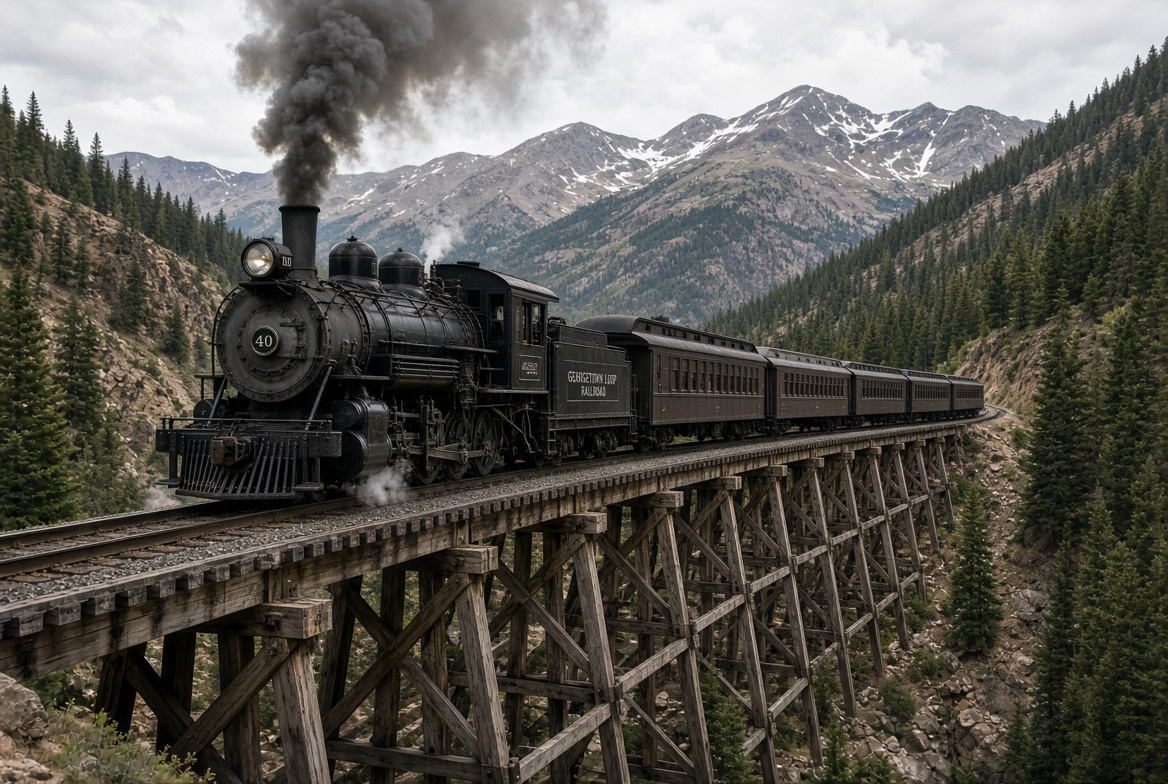
Narrow-gauge lines built to haul ore. Significance: engineering that made mining possible, now a ride that still follows the grade.
Durango & Silverton Narrow Gauge Railroad
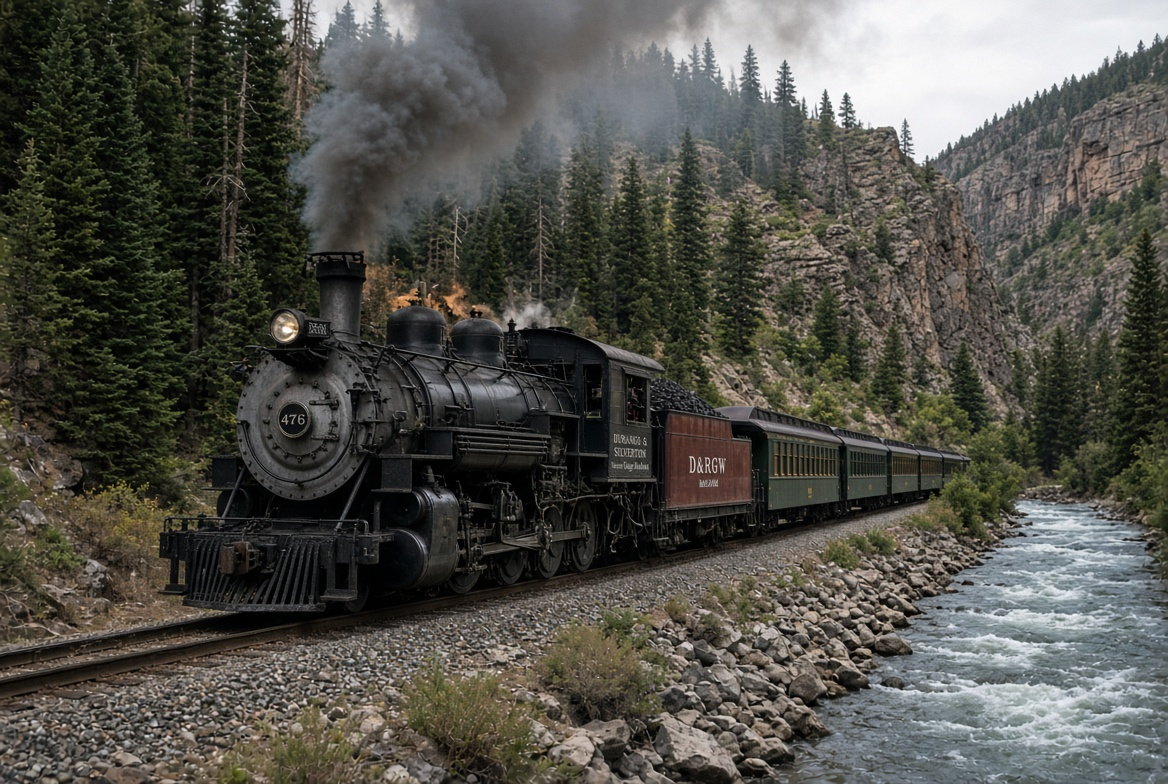
A working steam line through the Animas canyon. Significance: the San Juans as a mining world first, a view second.
What holds these places together is not one story. A landmark here can be a dwelling, a massacre ground, a mine, a rail grade, or a dune. The honest visit names what happened and does not turn every site into a backdrop.