
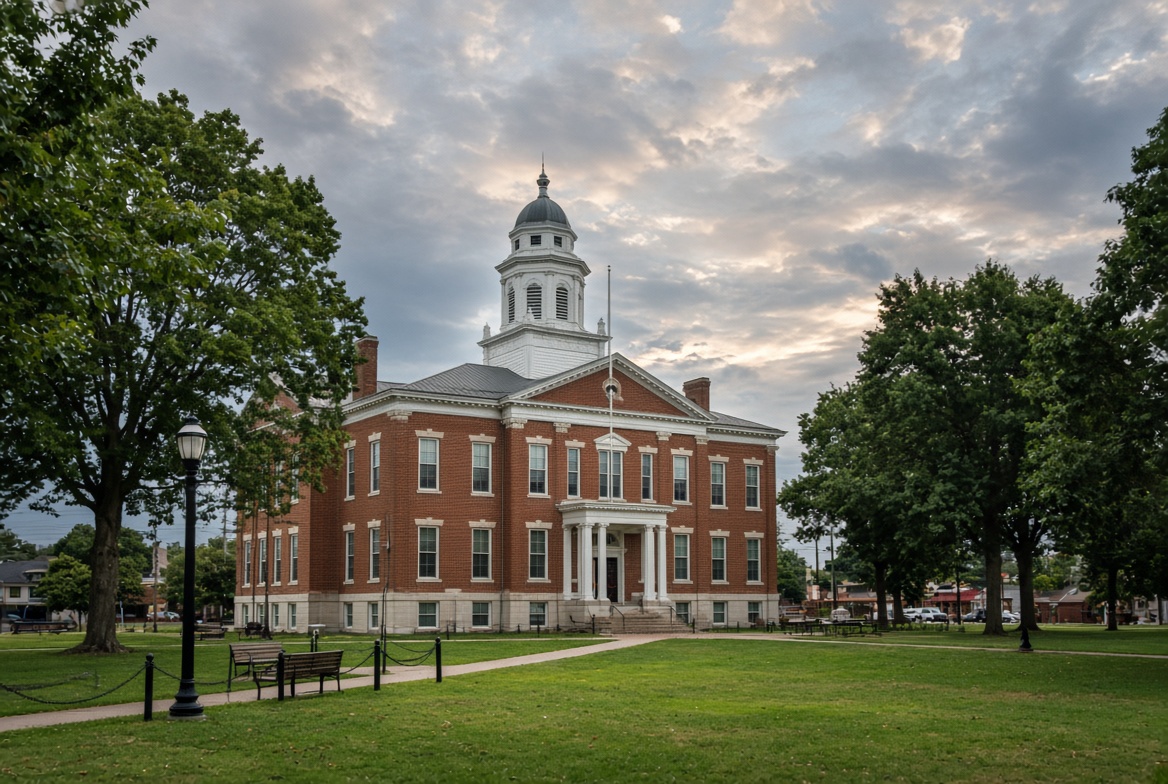
Historical Landmarks in Illinois
These places mark the state’s Native, French, frontier, Civil War, industrial, and modern history.
Cahokia Mounds State Historic Site (Collinsville)
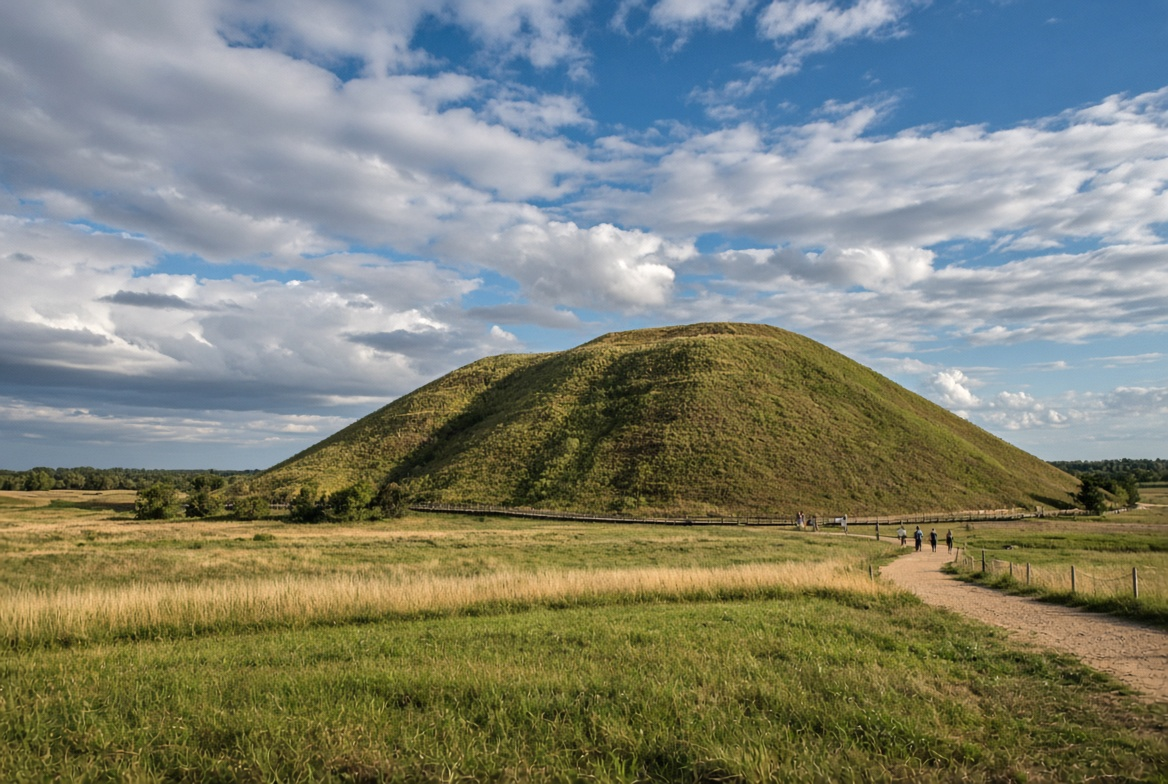
The largest pre-Columbian city north of Mexico. At its peak around 1050–1200, tens of thousands lived here. Monk’s Mound and the reconstructed woodhenge show a complex Mississippian civilization long before European settlement.
Lincoln Home National Historic Site (Springfield)
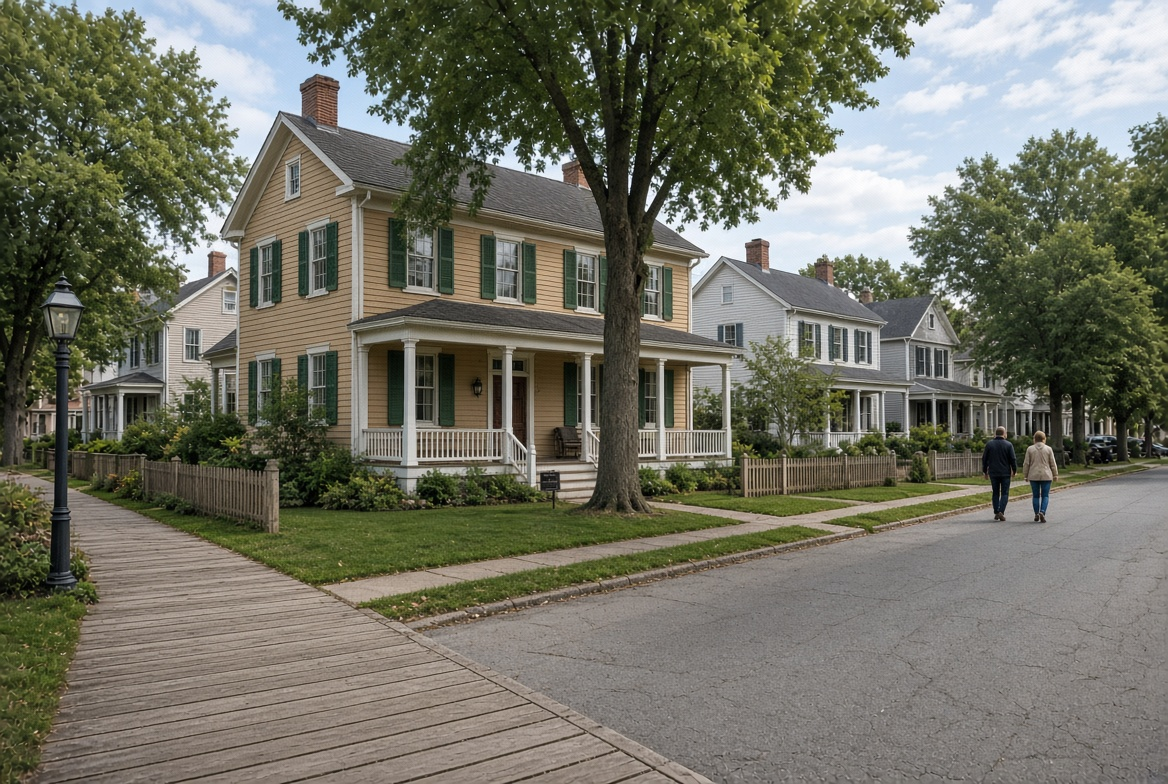
Abraham Lincoln’s only owned home. He lived here before the presidency. The preserved neighborhood shows the Midwestern setting that shaped the man who led the Union through the Civil War.
Old State Capitol (Springfield)
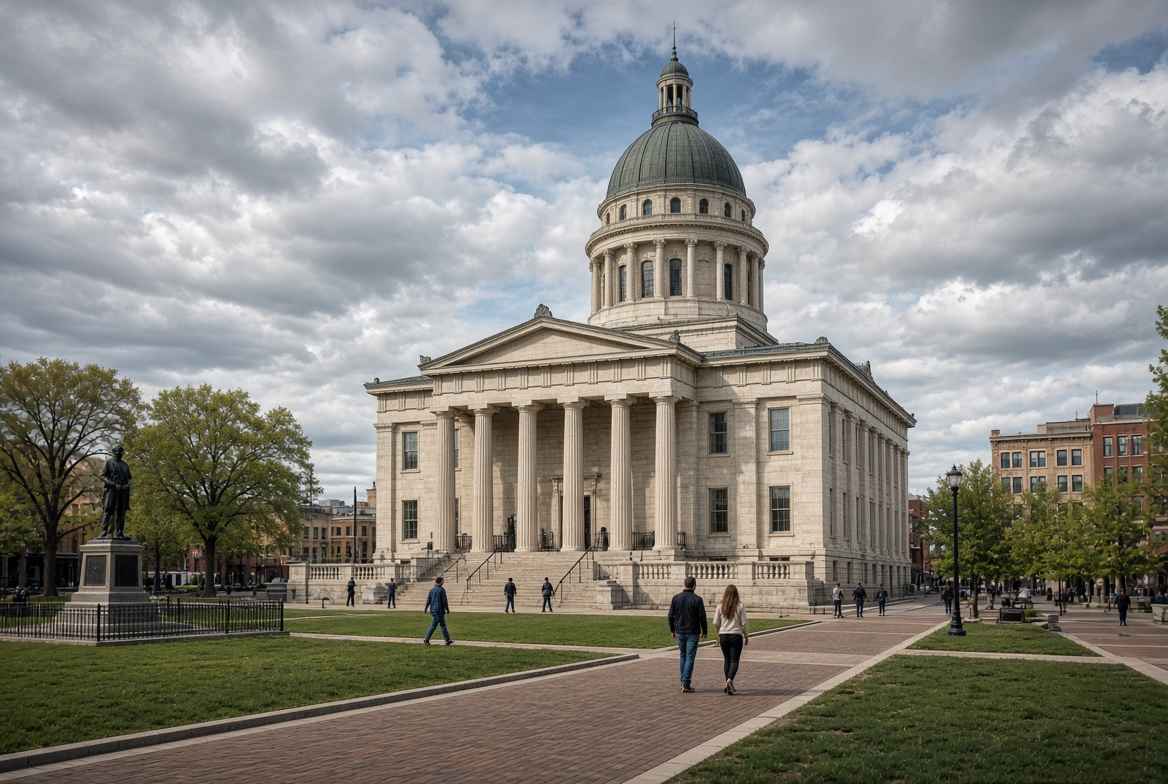
Lincoln served in the legislature here and delivered the 1858 “House Divided” speech. It was Illinois’ capitol from 1839 to 1876 and remains a central Lincoln landmark.
Lincoln Tomb (Oak Ridge Cemetery, Springfield)
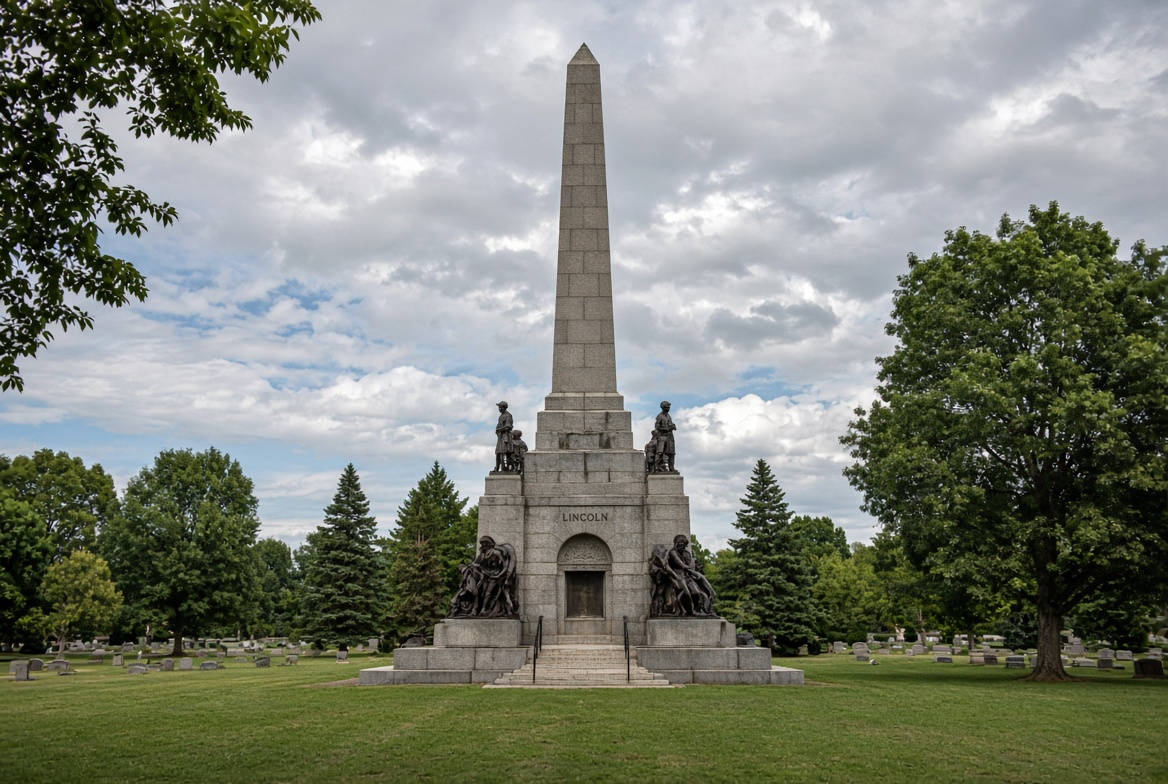
Final resting place of Abraham Lincoln, Mary Todd Lincoln, and three of their sons. It is one of the most visited presidential memorials in the country.
Lincoln’s New Salem State Historic Site
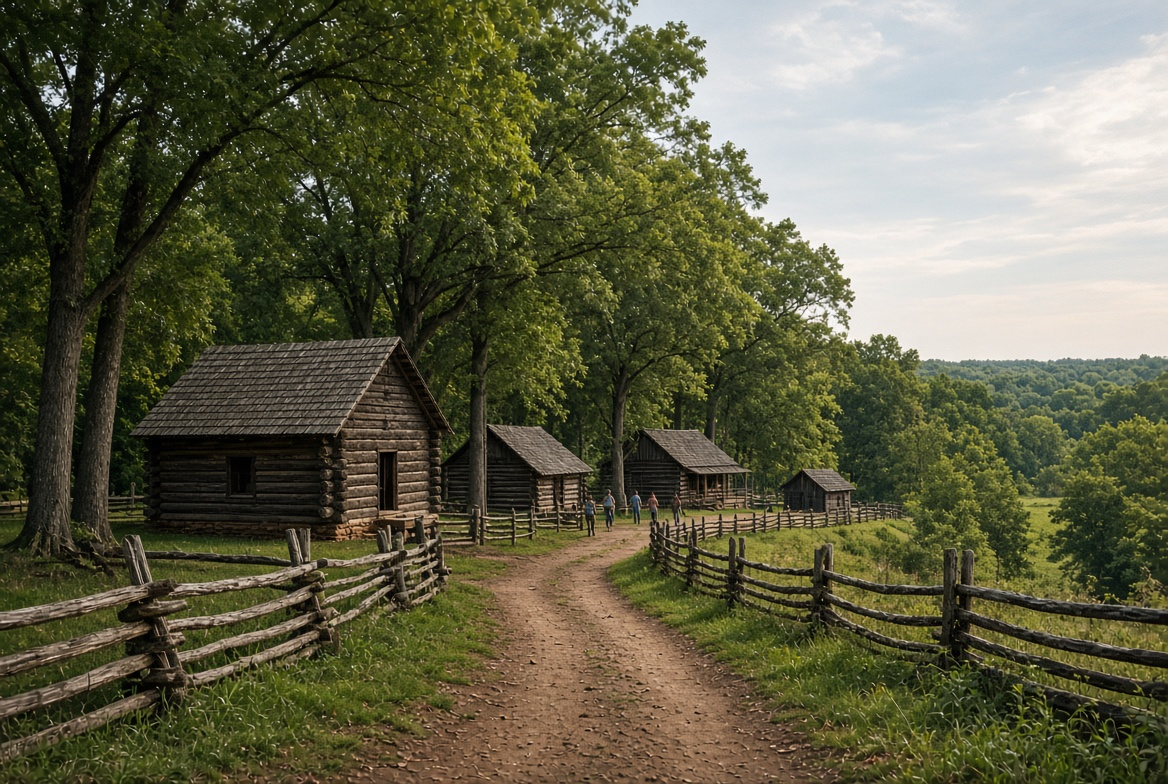
Reconstructed 1830s village where Lincoln lived as a young man, clerked in a store, and began studying law. It shows the frontier world that formed him.
Illinois State Capitol (Springfield)
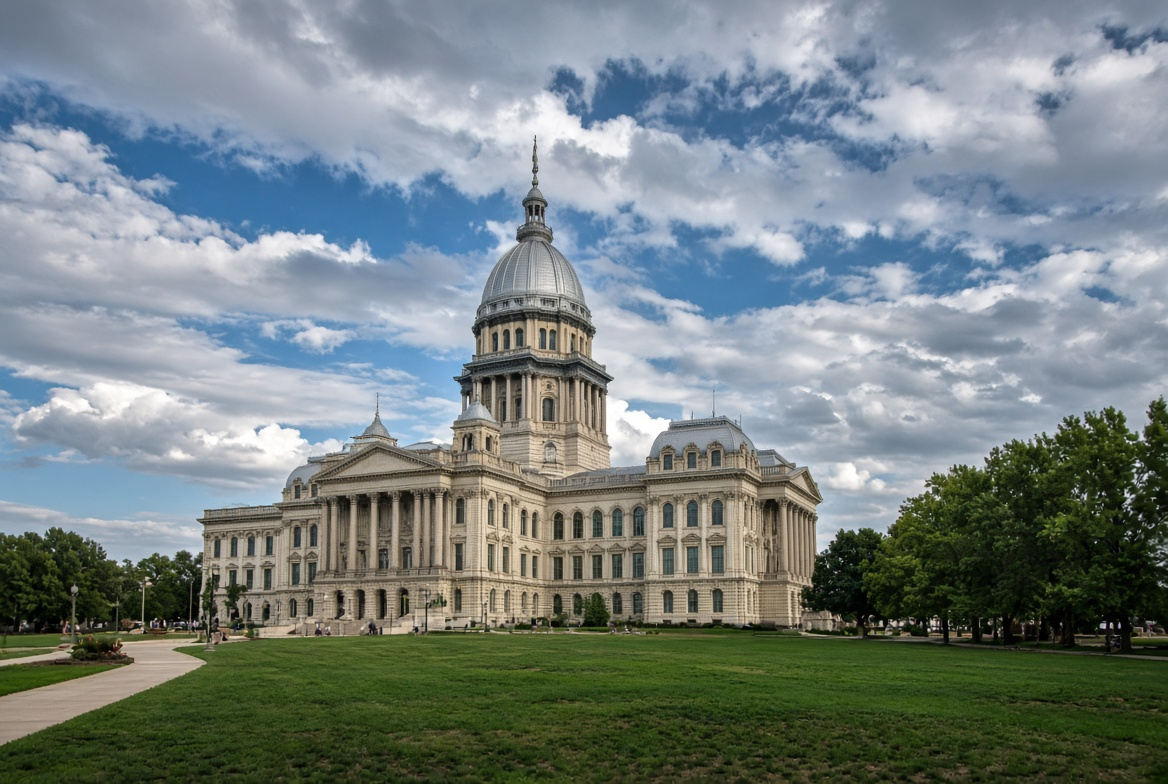
The current capitol, completed in the late 19th century. It is the seat of state government and a symbol of Illinois’ political center after the capital moved from Kaskaskia and Vandalia.
Chicago Water Tower and Chicago Fire history
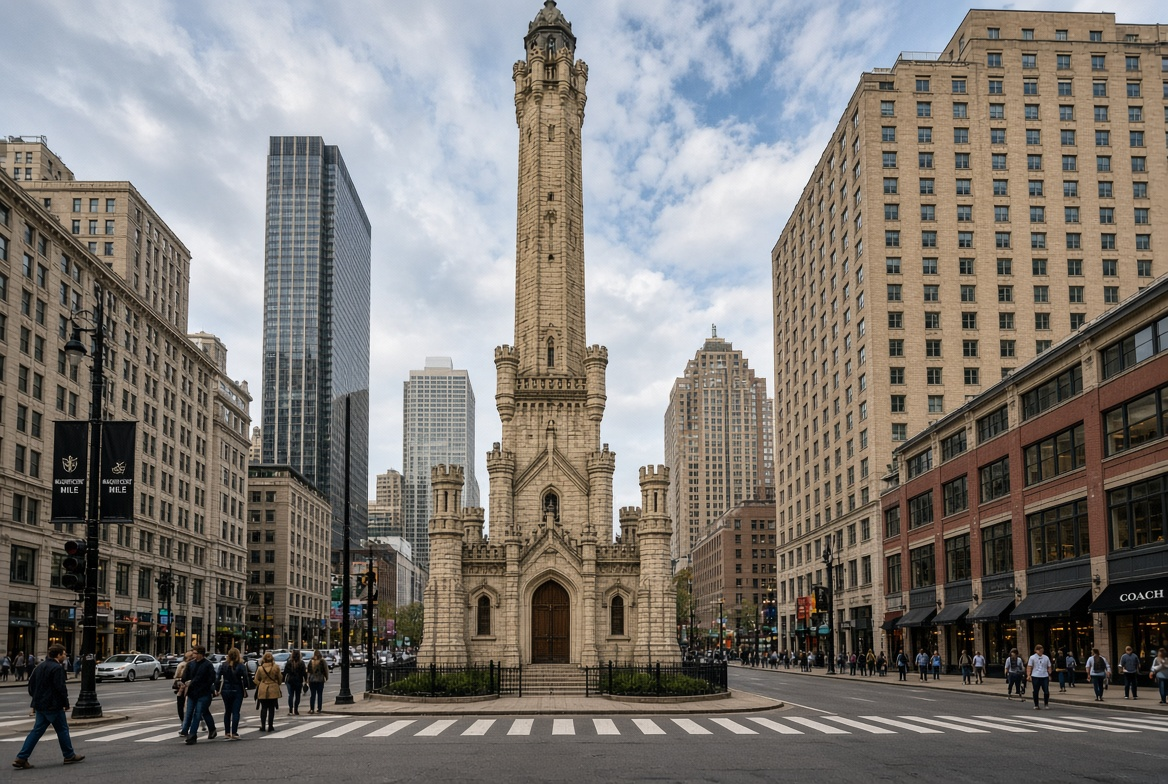
One of the few buildings to survive the Great Chicago Fire of 1871. It became a symbol of the city’s survival and rebuilding into a modern metropolis.
Pullman National Historical Park (Chicago)
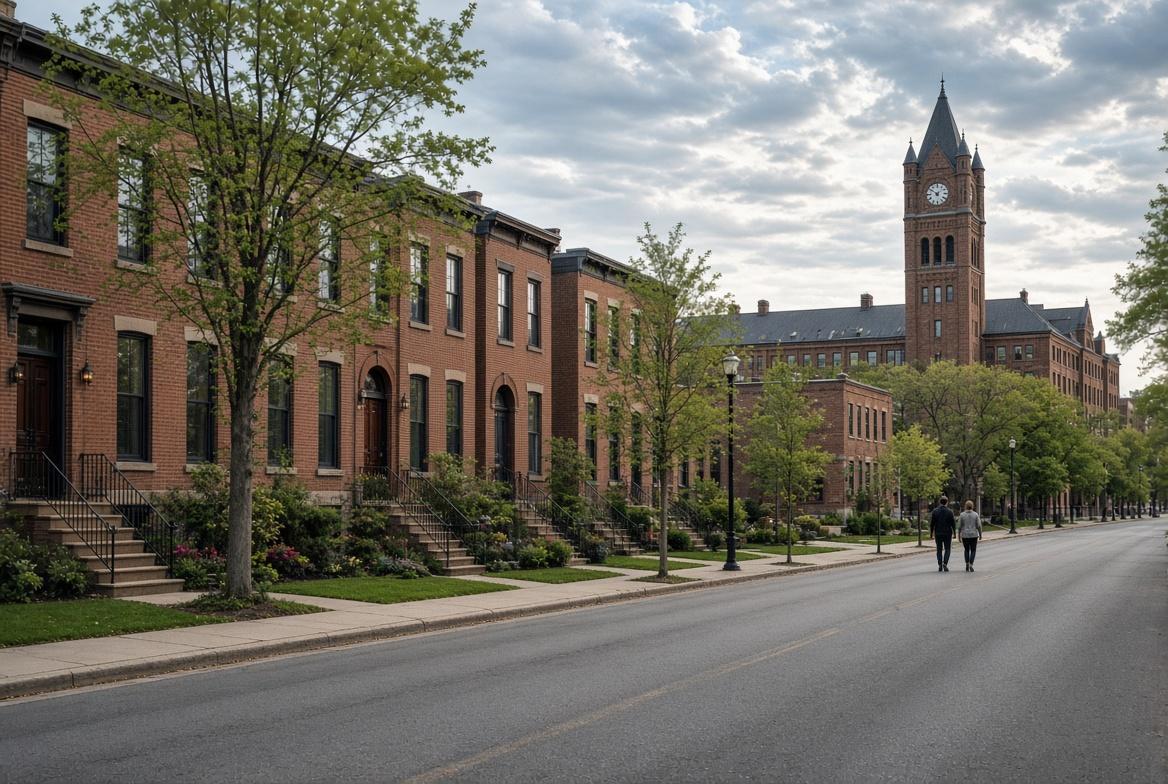
A planned company town built by George Pullman for railroad-car workers. The 1894 Pullman Strike made it a landmark of American labor history.
Jane Addams Hull-House Museum (Chicago)
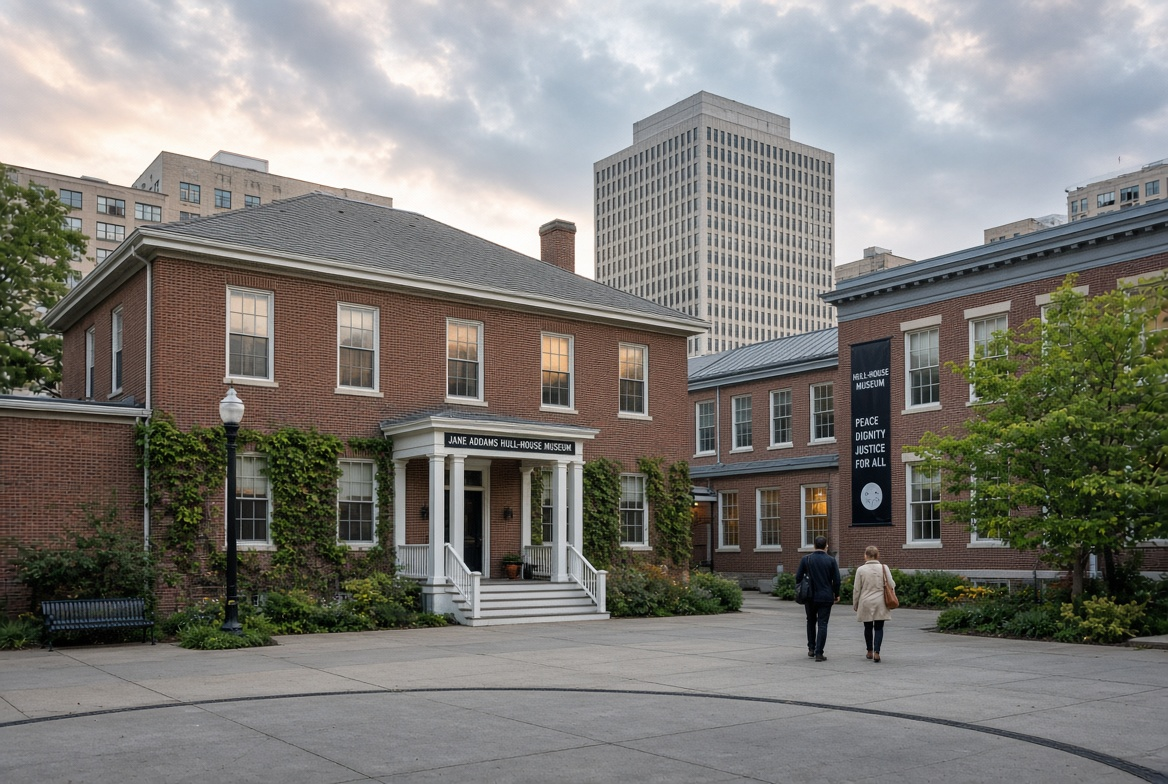
Founded in 1889, Hull-House was a leading settlement house. It is significant for social reform, immigrant aid, and the work of Jane Addams, the first American woman to win the Nobel Peace Prize.
Robie House (Chicago)
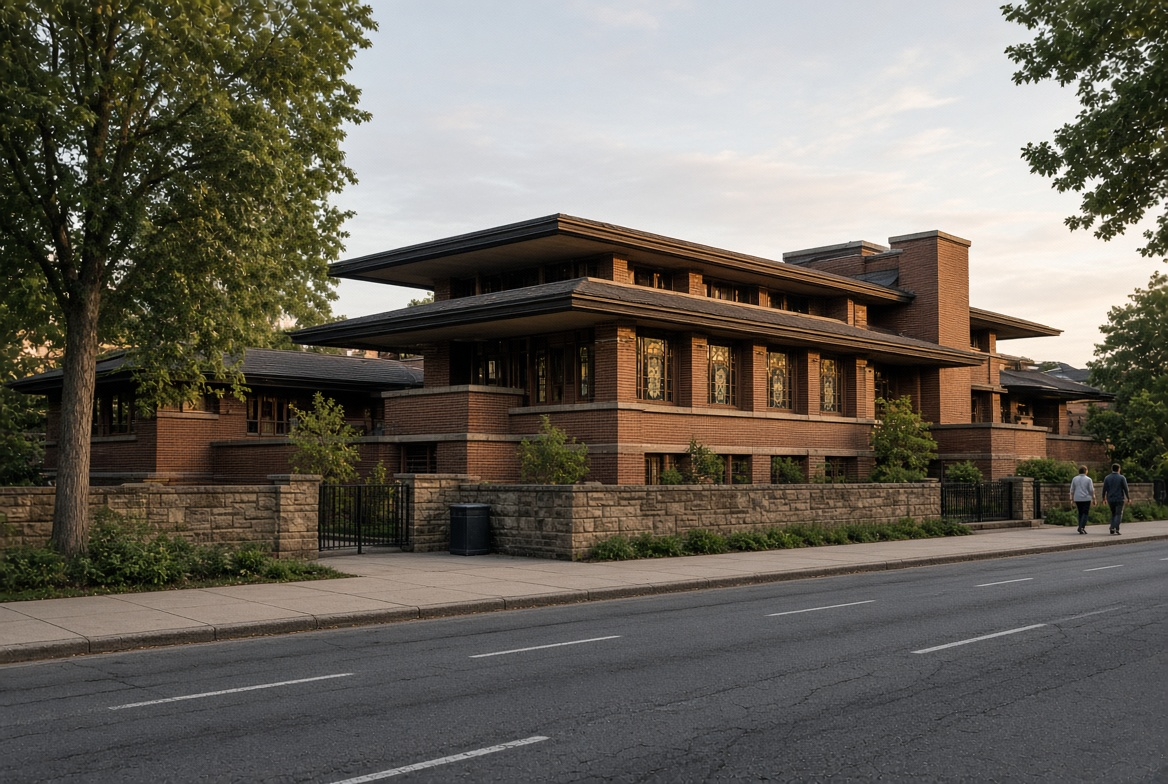
Frank Lloyd Wright’s Prairie School masterpiece. It helped define modern American residential architecture.
Ulysses S. Grant Home (Galena)
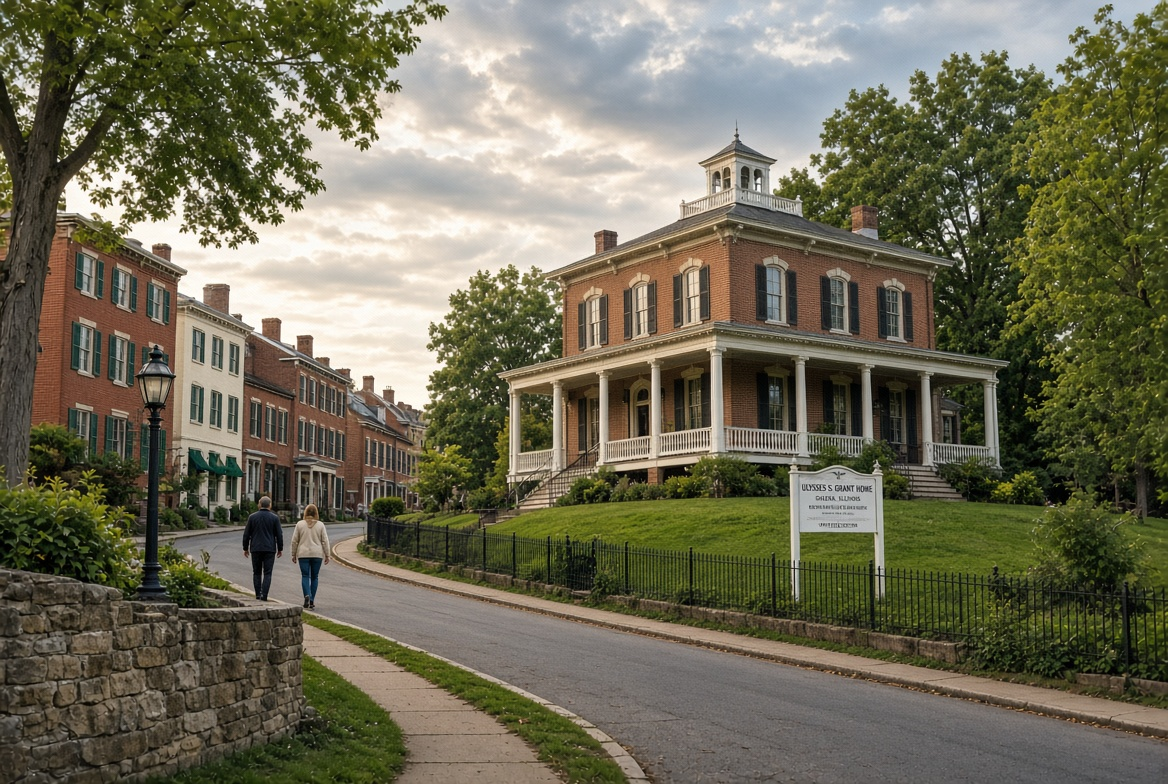
Grant lived here before and after the Civil War. Galena’s intact 19th-century streets show the lead-mining boom town that produced a Union general and U.S. president.
Nauvoo Historic District
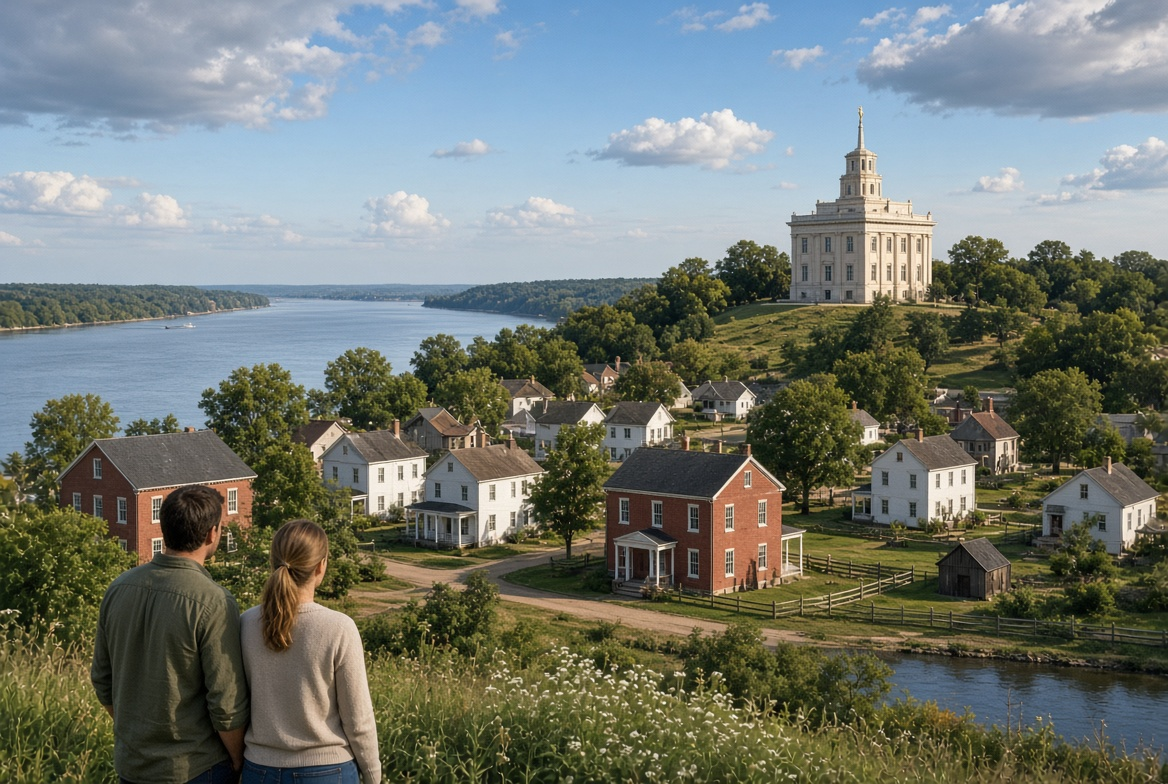
In the 1840s Nauvoo was a major Mormon city on the Mississippi. After Joseph Smith’s death, most Saints left for Utah, but the restored town remains important to both Illinois and Latter-day Saint history.
Fort de Chartres (near Prairie du Rocher)
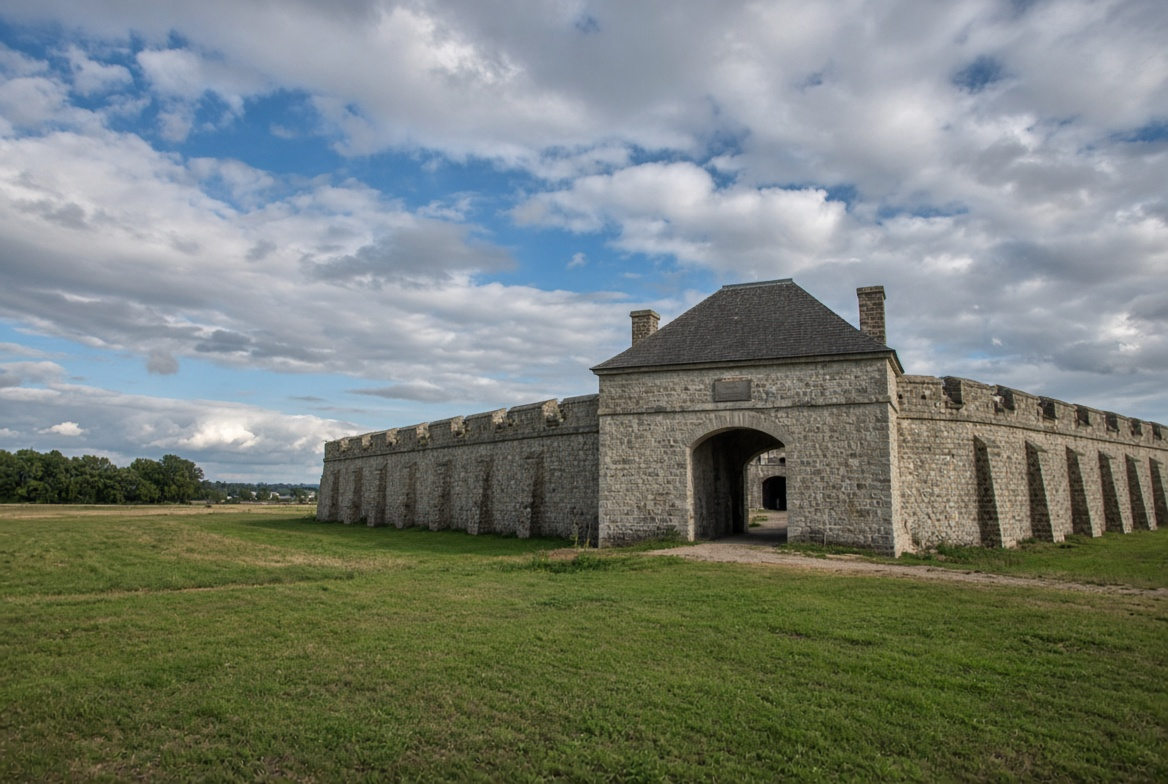
An 18th-century French colonial fort in the Illinois Country. It represents the French era before British and American control of the Mississippi Valley.
Vandalia State House
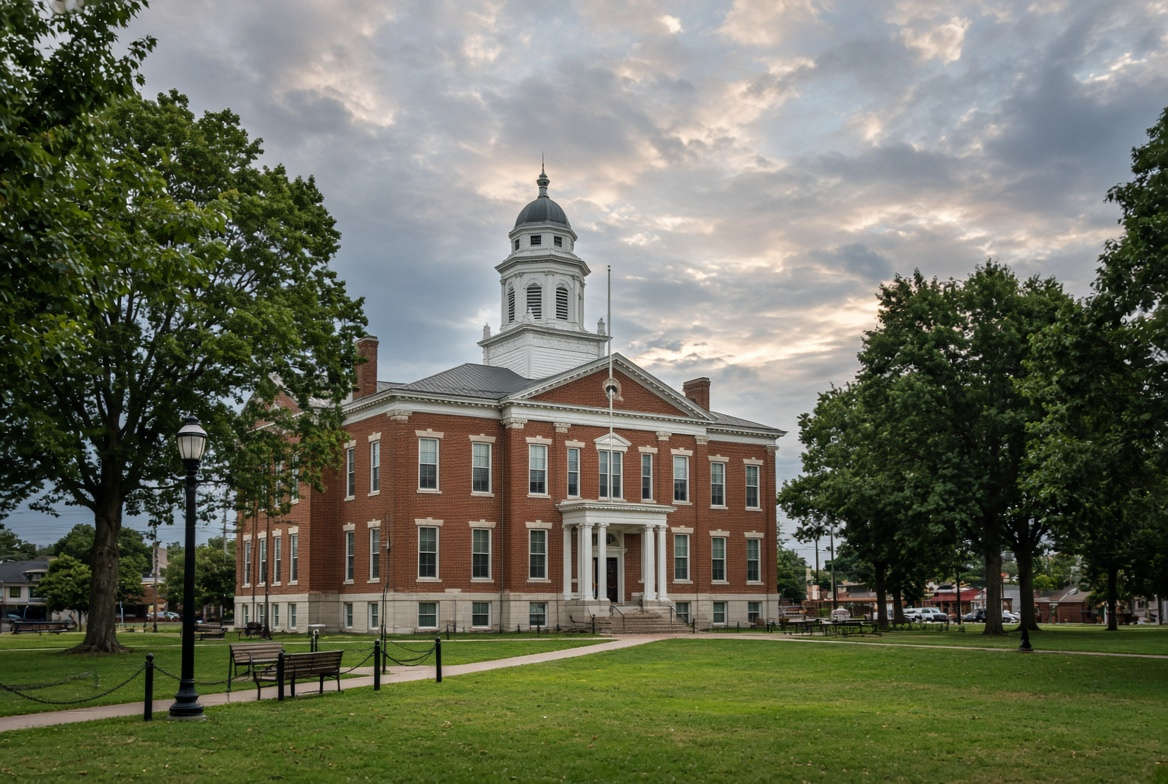
Illinois’ capitol from 1820 to 1839. Lincoln served his first legislative terms here. It marks the state’s move inland from the original capital at Kaskaskia.
Route 66 landmarks
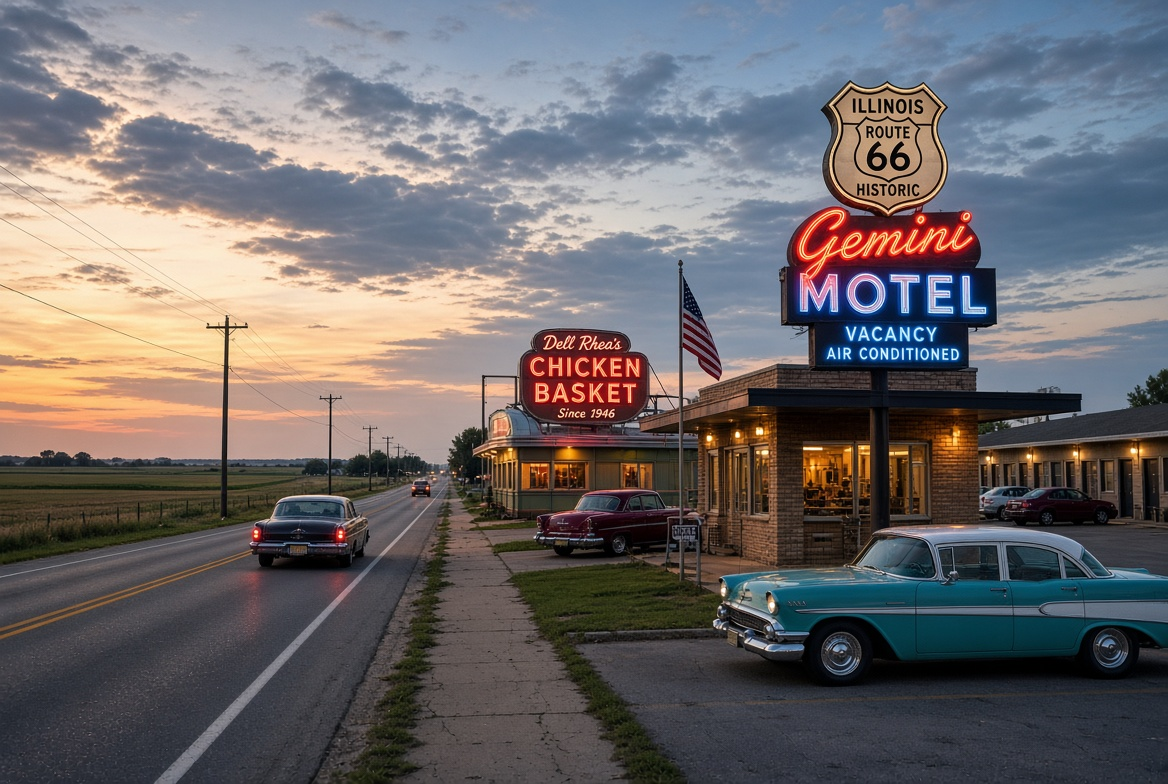
Illinois holds the first miles of the historic Mother Road. Roadside motels, cafes, and markers from Chicago to the Mississippi recall mid-20th-century travel and car culture.
Together these sites show Illinois as a meeting ground: Native cities, French colony, Lincoln’s prairie politics, industrial Chicago, and the labor and reform movements that shaped modern America.