
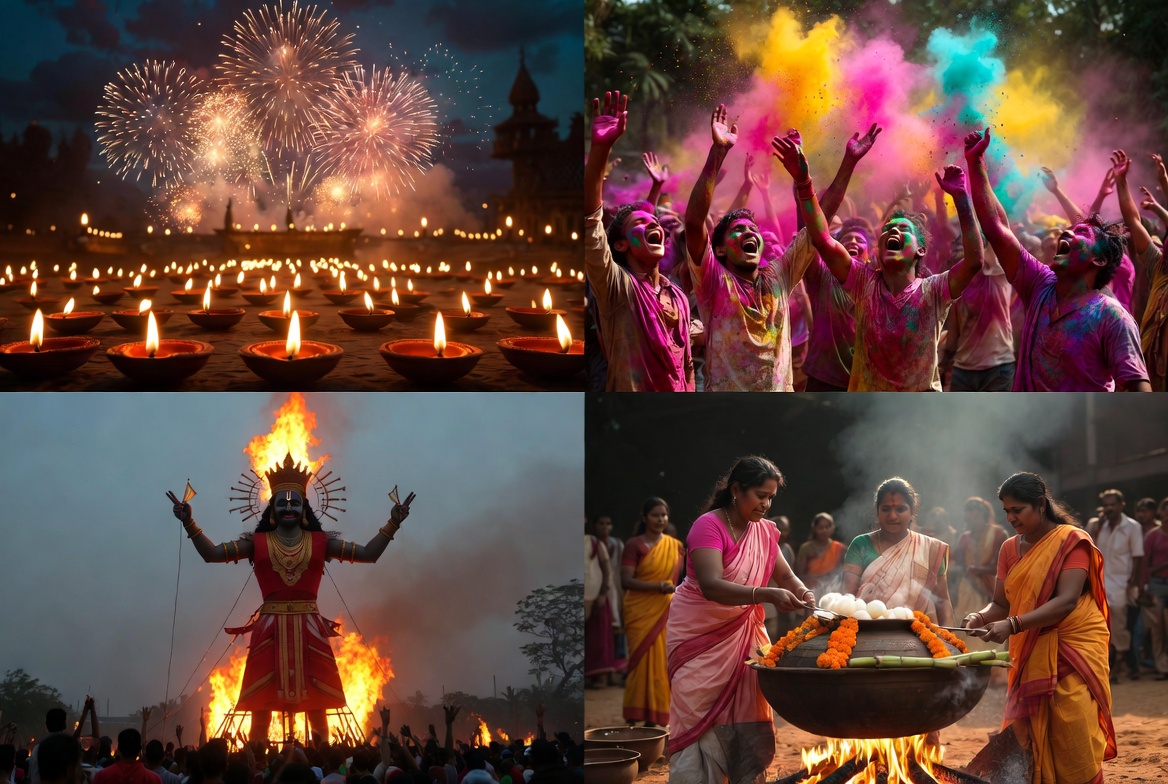
Indian Festivals: Cultural and Historical Significance
Indian festivals are deeply rooted in ancient epics, agricultural cycles, and religious traditions. Each festival tells a story of victory, gratitude, or spiritual renewal.
1. Diwali (Festival of Lights)
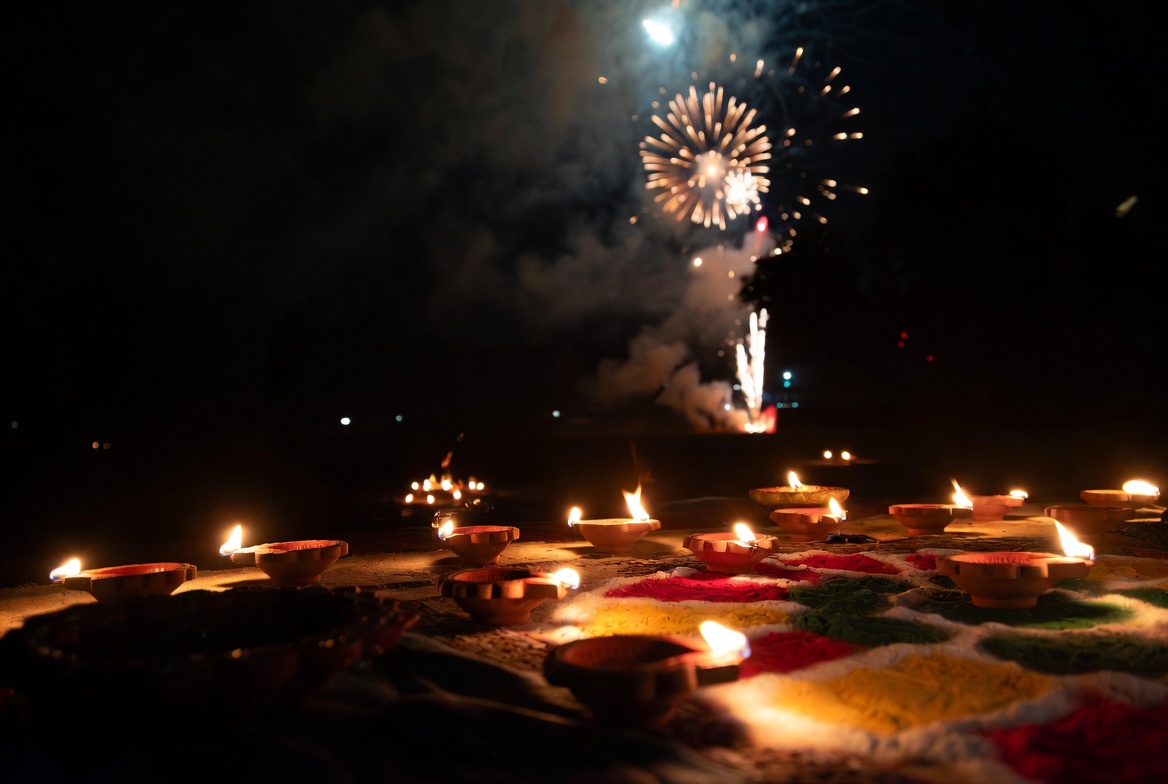
Celebrated in October or November (Amavasya of Kartika month)
Symbolizes victory of light over darkness, good over evil, knowledge over ignorance
People light oil lamps (diyas), decorate homes, burst fireworks, exchange sweets and gifts
Festival lasts 5 days: Dhanteras → Narak Chaturdashi → Diwali → Govardhan Puja → Bhai Dooj
2. Holi (Festival of Colors)
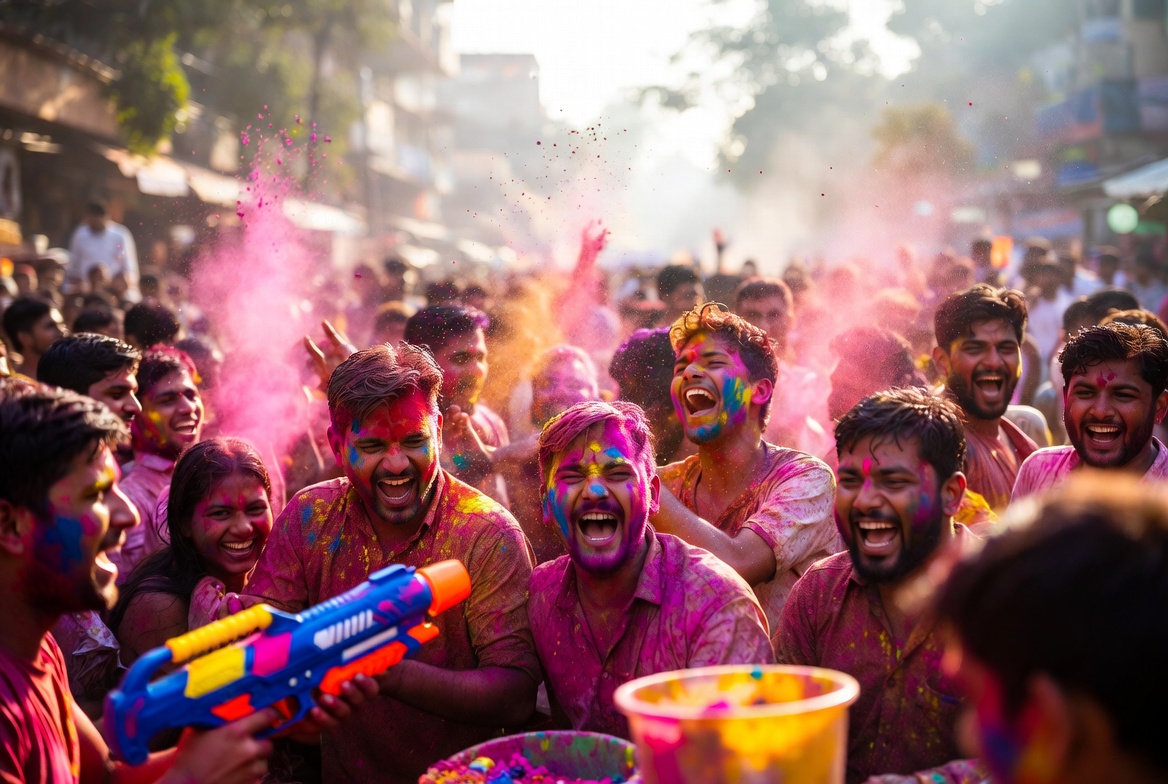
Celebrated in March (full moon day of Phalguna month)
Marks arrival of spring, victory of good over evil, end of winter
Legend of Prahlad and Holika: Demon king Hiranyakashyap wanted everyone to worship him. His son Prahlad worshipped Lord Vishnu. The king's sister Holika tried to burn Prahlad in fire, but she burned instead while Prahlad survived
Holika Dahan (bonfire) on the first night symbolizes burning of evil
Rangwali Holi: people throw colored powder (gulal) and water at each other, sing, dance, eat sweets
3. Dussehra (Vijayadashami)
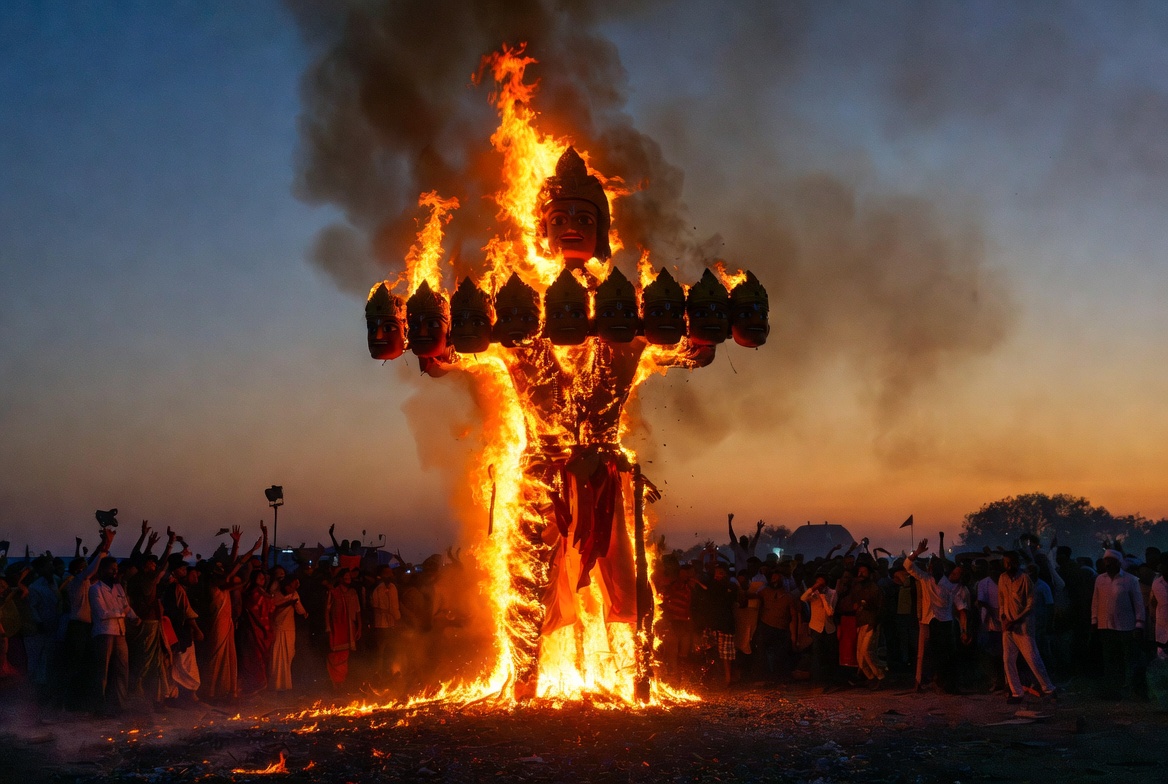
Celebrated in September or October (10th day after Navratri)
Commemorates Lord Rama's victory over demon king Ravana, symbolizing triumph of truth over evil
Based on epic Ramayana: Rama worshipped Goddess Durga for nine days, then on the tenth day defeated Ravana and rescued his wife Sita
Also celebrates Goddess Durga's victory over buffalo demon Mahishasur
Effigies of Ravana, his son Meghnad, and brother Kumbhakarna are burned in open grounds
Marks the end of Navratri (nine nights of fasting and worship)
4. Makar Sankranti / Pongal (Harvest Festival)
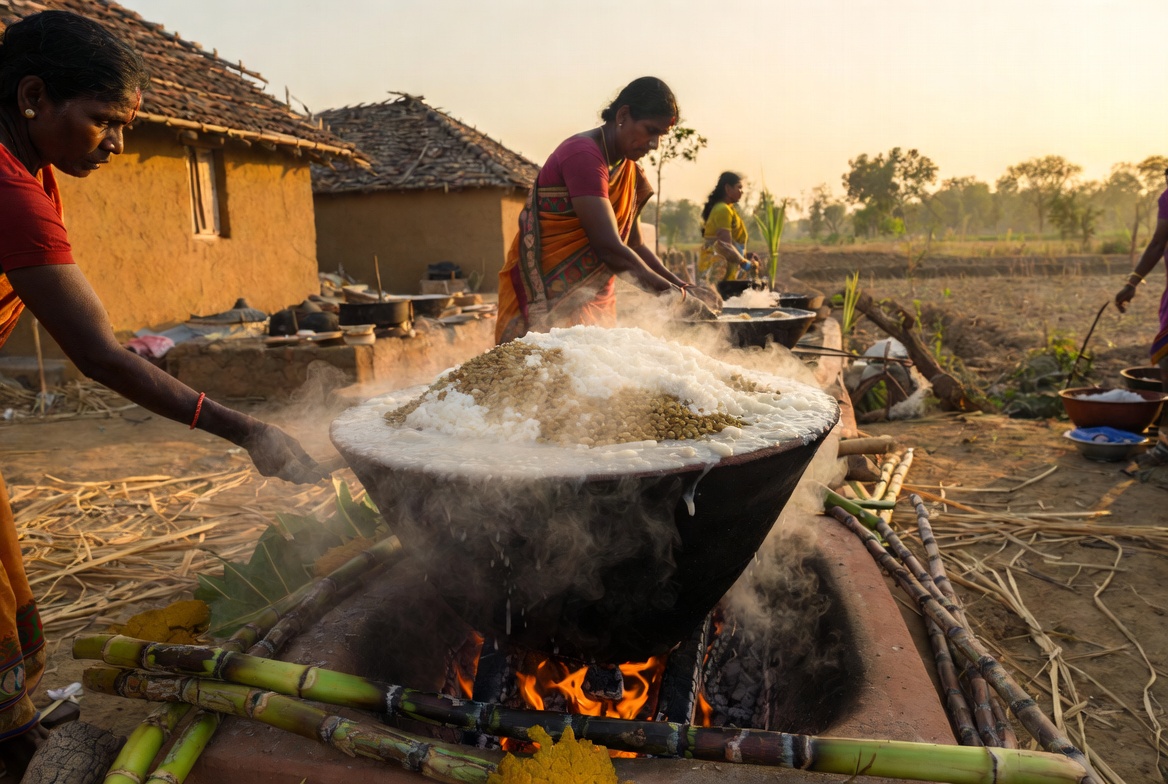
Celebrated on January 14 or 15 (solar calendar, fixed date)
Marks Sun's entry into Capricorn (Makara rashi) and northward journey (Uttarayan)
Symbolizes end of winter, longer days, and harvest gratitude
Known by different names: Pongal (Tamil Nadu), Lohri (Punjab), Bihu (Assam), Uttarayan (Gujarat), Sakraat (Maharashtra)
Traditions include holy river dips, kite flying, bonfires, feasting on newly harvested rice
Cattle are honored during Mattu Pongal for their role in agriculture
5. Navratri and Durga Puja
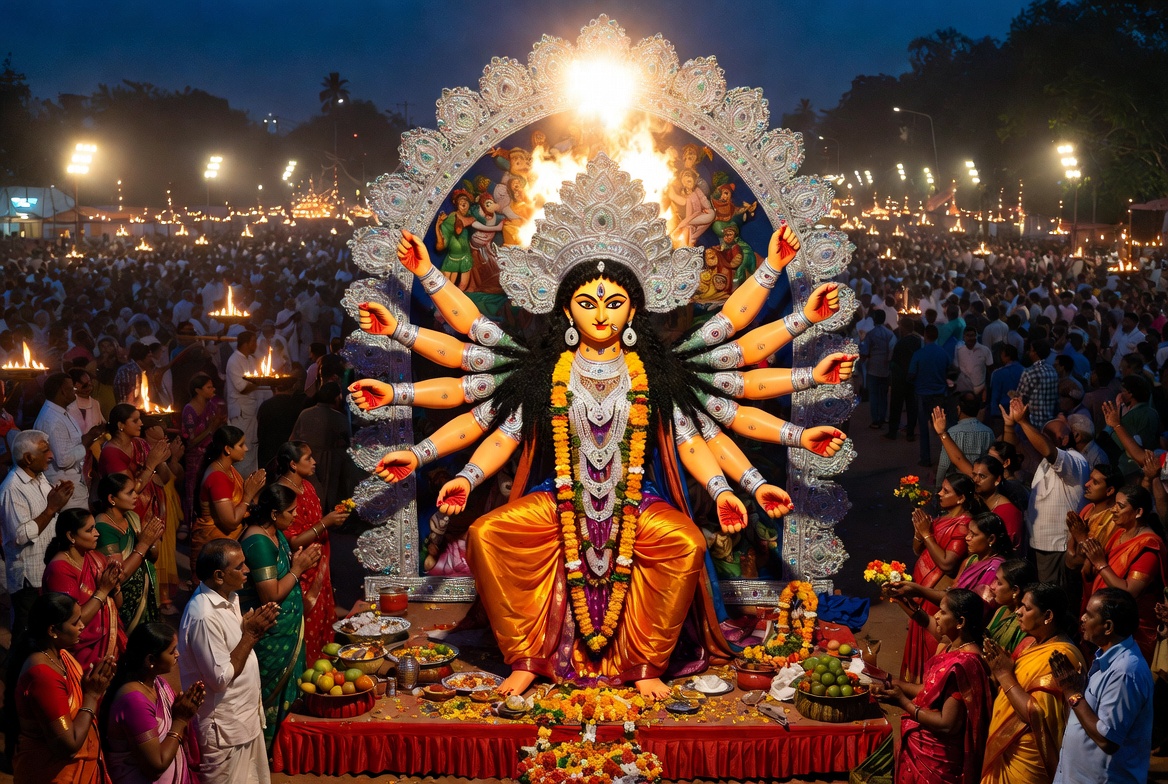
Celebrated twice a year (March-April and September-October), with Sharad Navratri being most significant
Nine nights dedicated to worshipping nine forms of Goddess Durga
Symbolizes victory of divine feminine power (Shakti) over evil
In West Bengal and eastern India, celebrated as Durga Puja with elaborate clay idols immersed in rivers on Vijayadashami
In Gujarat, celebrated with Garba and Dandiya Raas dances all night
Fasting is observed, and on the tenth day (Dussehra), celebrations conclude
6. Eid-ul-Fitr (Muslim Festival)
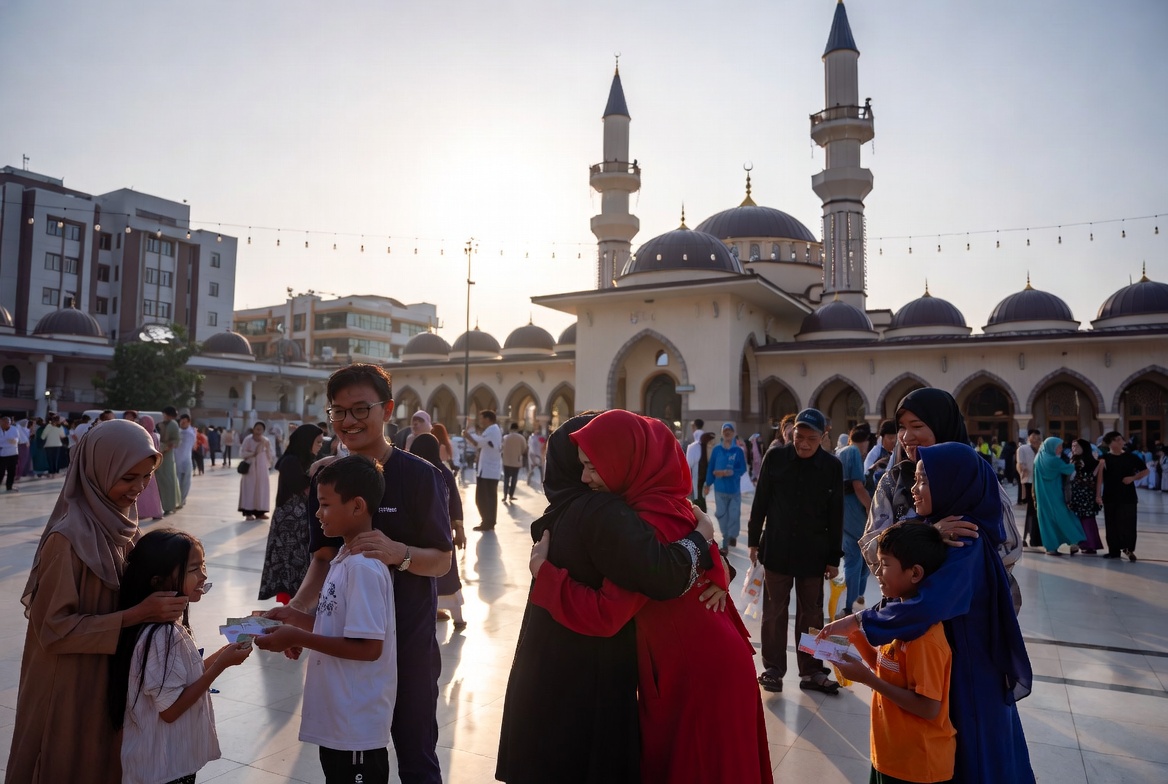
Celebrated after 29 or 30 days of Ramadan fasting (sighting of crescent moon)
Marks the end of holy month of Ramadan when Quran was first revealed to Prophet Muhammad
Muslims fast from dawn to dusk during Ramadan to practice self-discipline, empathy for poor, and spiritual purification
Eid day begins with special prayers (Namaz) at mosques, followed by feasting with family
Traditional greetings: "Eid Mubarak"
Zakat (charity) is given to poor before Eid prayers
Gifts (Eidi) given to children and loved ones
7. Guru Nanak Jayanti (Gurpurab)
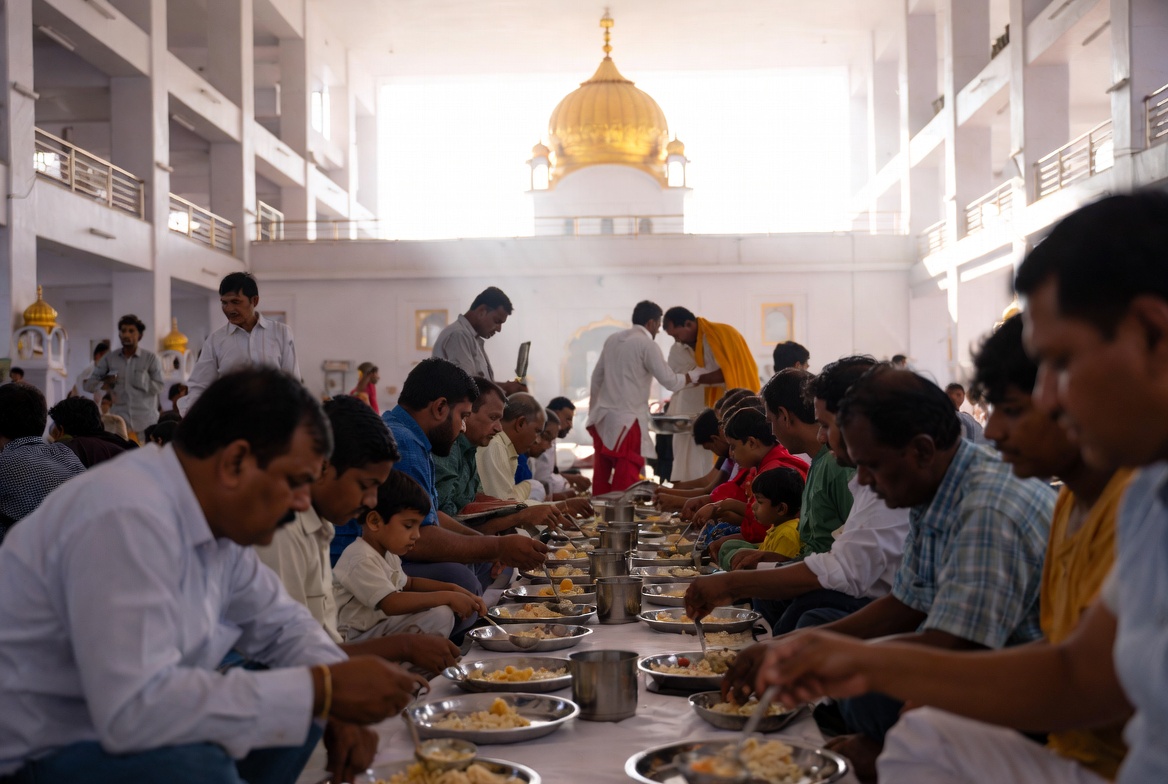
Celebrated in November (Kartik Purnima)
Marks the birth anniversary of Guru Nanak Dev, founder of Sikhism (born in 1469)
Symbolizes message of love, peace, brotherhood, and equality
Celebrations include Akhand Path (continuous 48-hour reading of Guru Granth Sahib), processions (nagar kirtan), and langar (community kitchen serving free meals to all regardless of religion or caste)
Gurdwaras are decorated with lights and flowers
8. Christmas (Christian Festival)
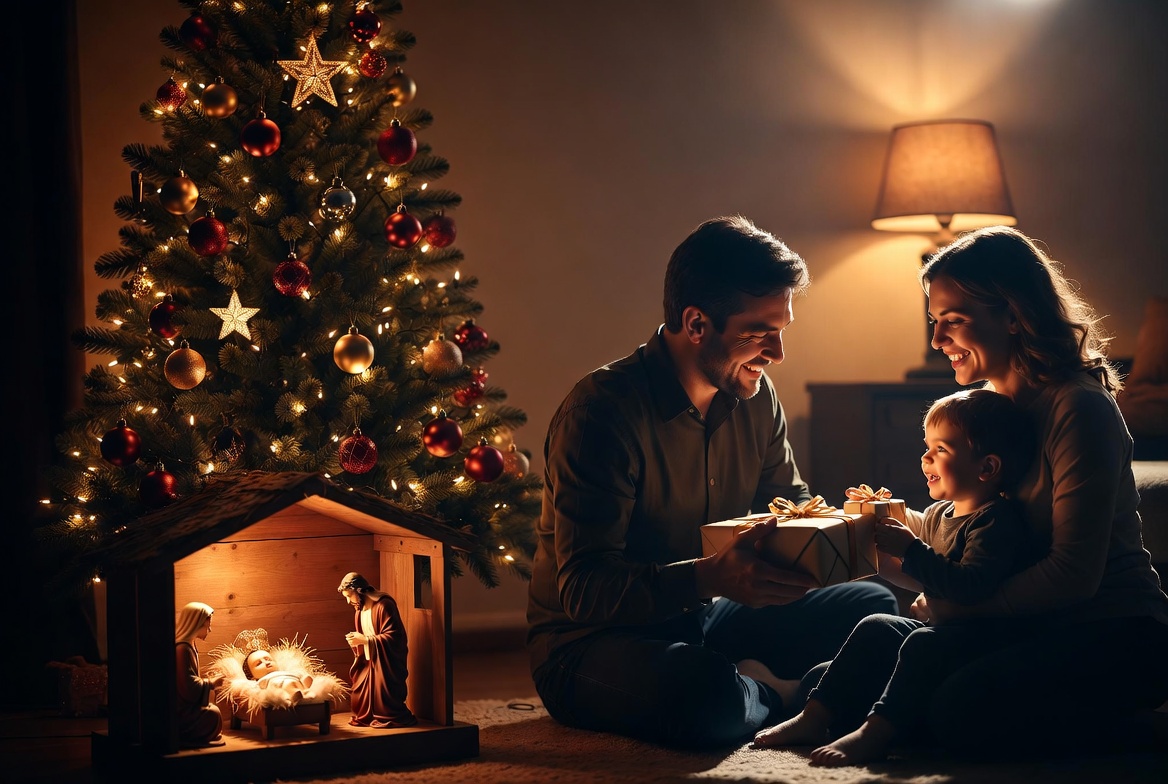
Celebrated on December 25 annually
Marks the birth of Jesus Christ, the central figure of Christianity
Christians believe Jesus is the Son of God and Savior of humanity
Celebrations include midnight mass at churches, carol singing, decorating Christmas trees, exchanging gifts, feasting with family and friends
Santa Claus distributes gifts to children
Celebrated across India with public decorations and holiday spirit