
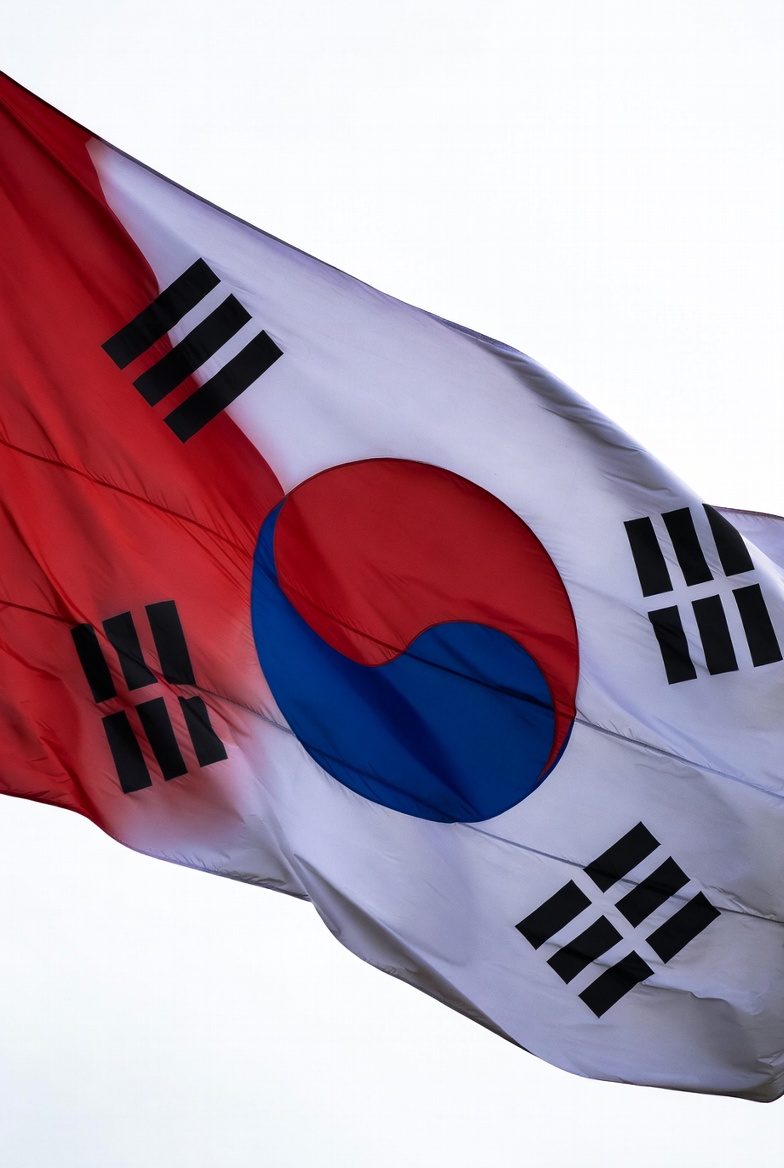
Korean Cultural Symbols & Meanings
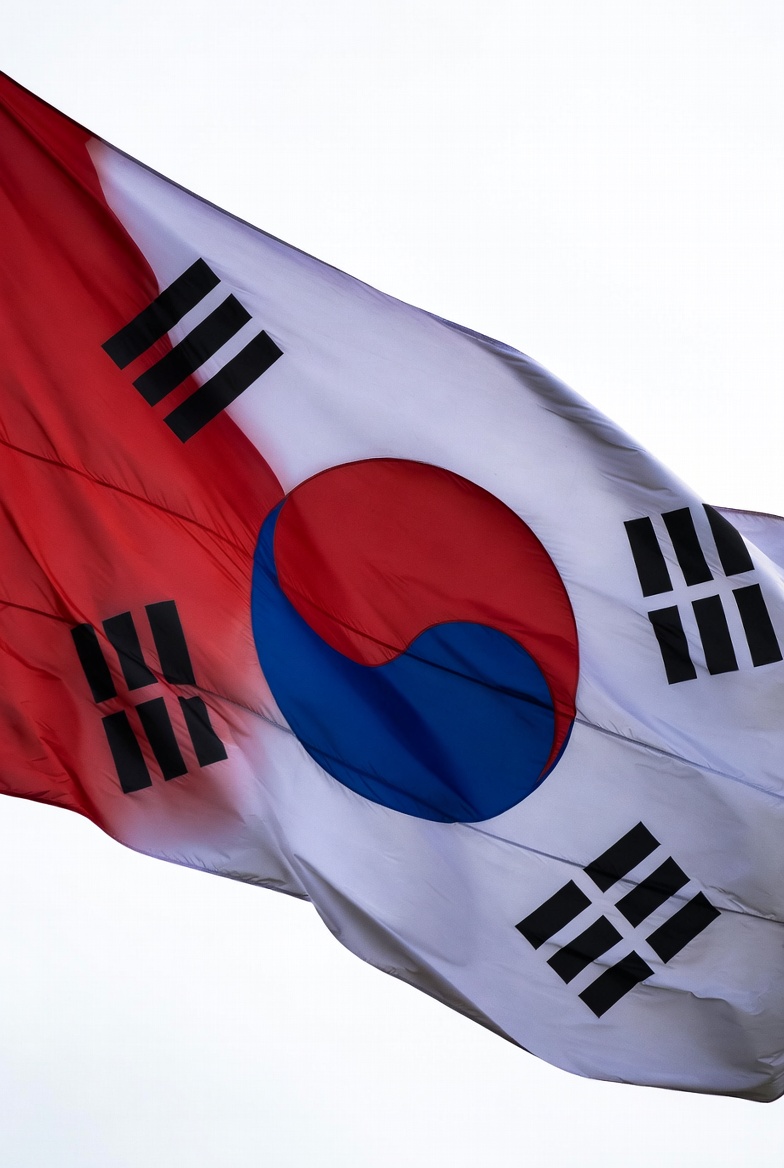
Taegukgi (National Flag): White background with red-blue Taegeuk (Yin-Yang) and four black trigrams. Symbolizes balance, harmony, and eternal movement of the universe.
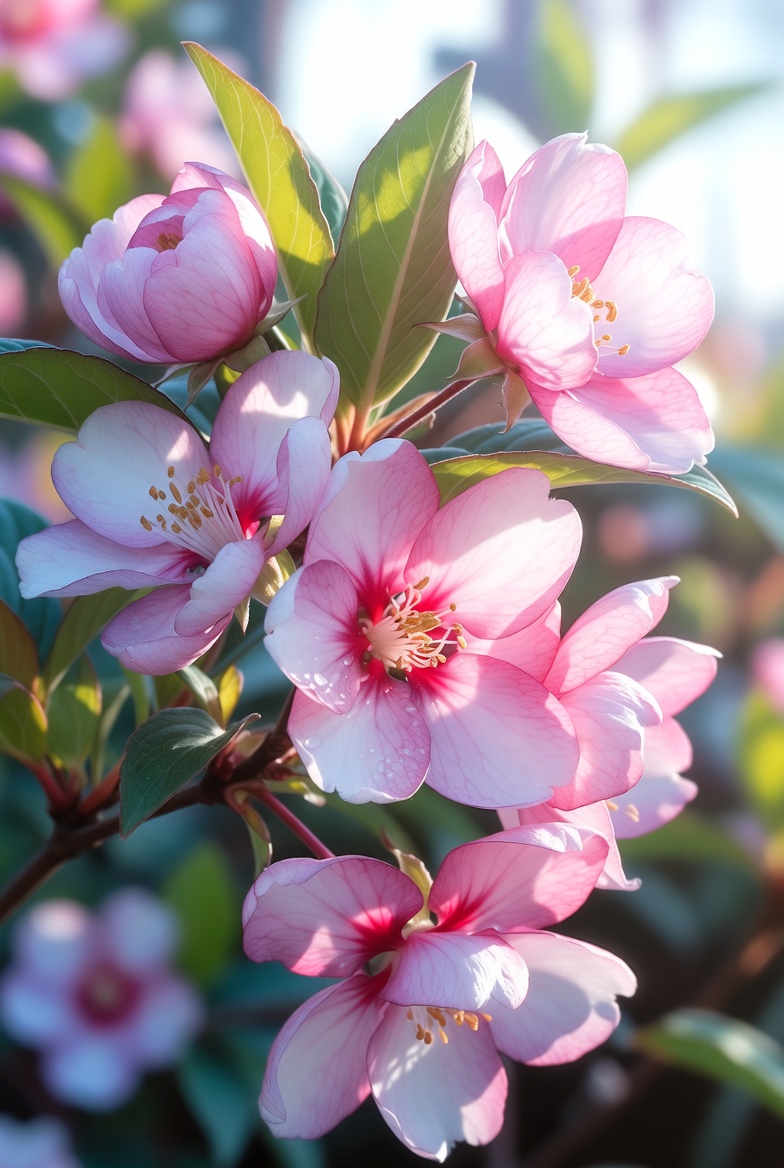
Mugunghwa (Rose of Sharon): National flower. Represents immortality, resilience, and the enduring spirit of the Korean people
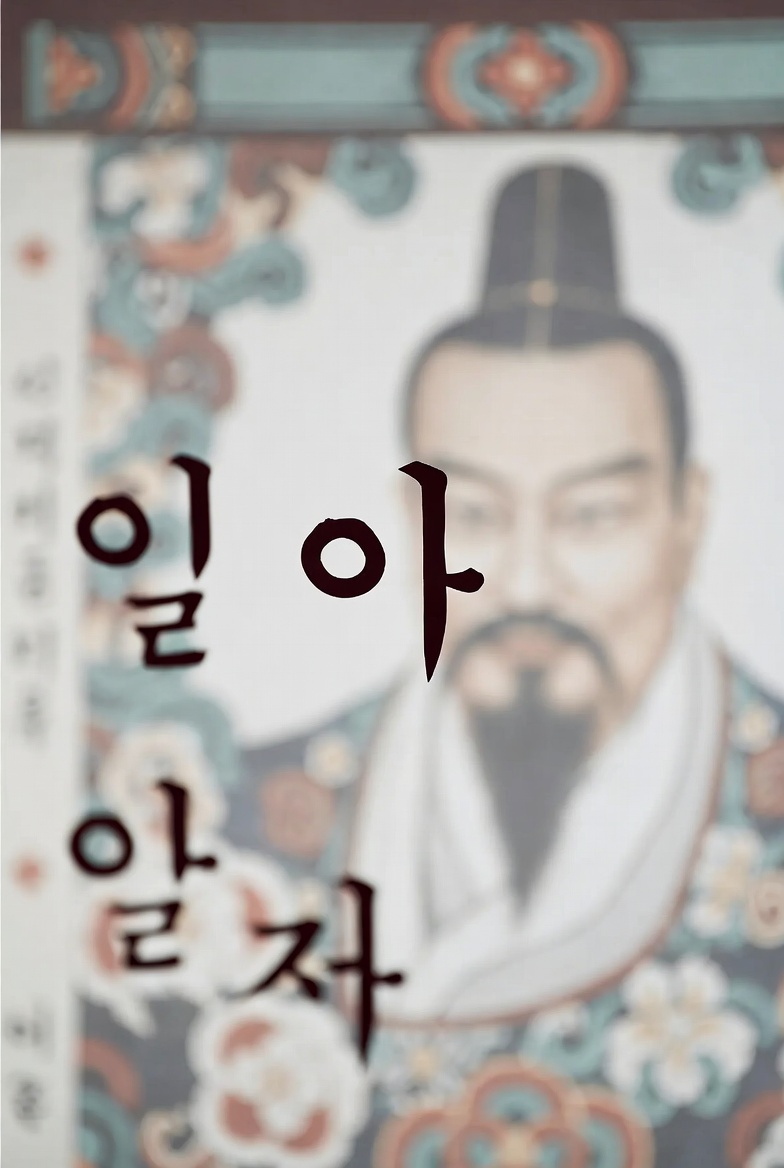
Hangeul (Korean Alphabet): Created in 1443 by King Sejong. Symbol of wisdom, equality, and Korean cultural pride — one of the most scientific writing systems.
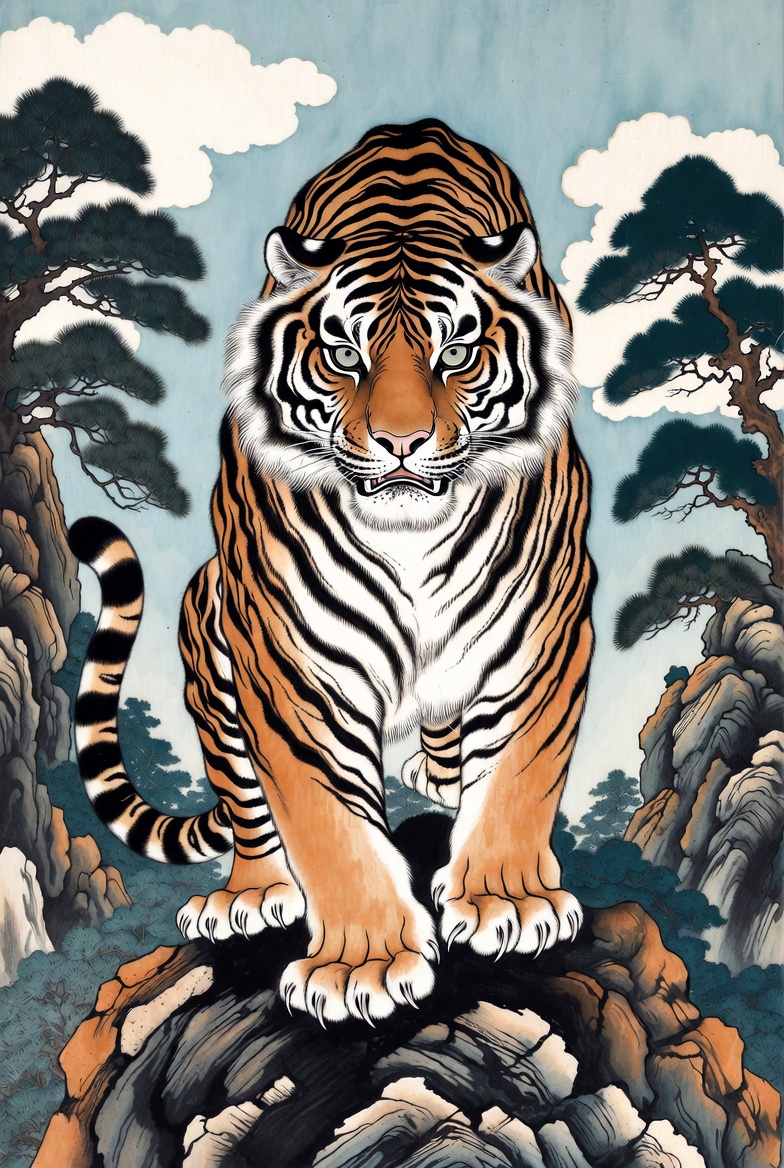
Tiger: Guardian spirit in Korean folklore. Stands for strength, courage, and protection against evil.
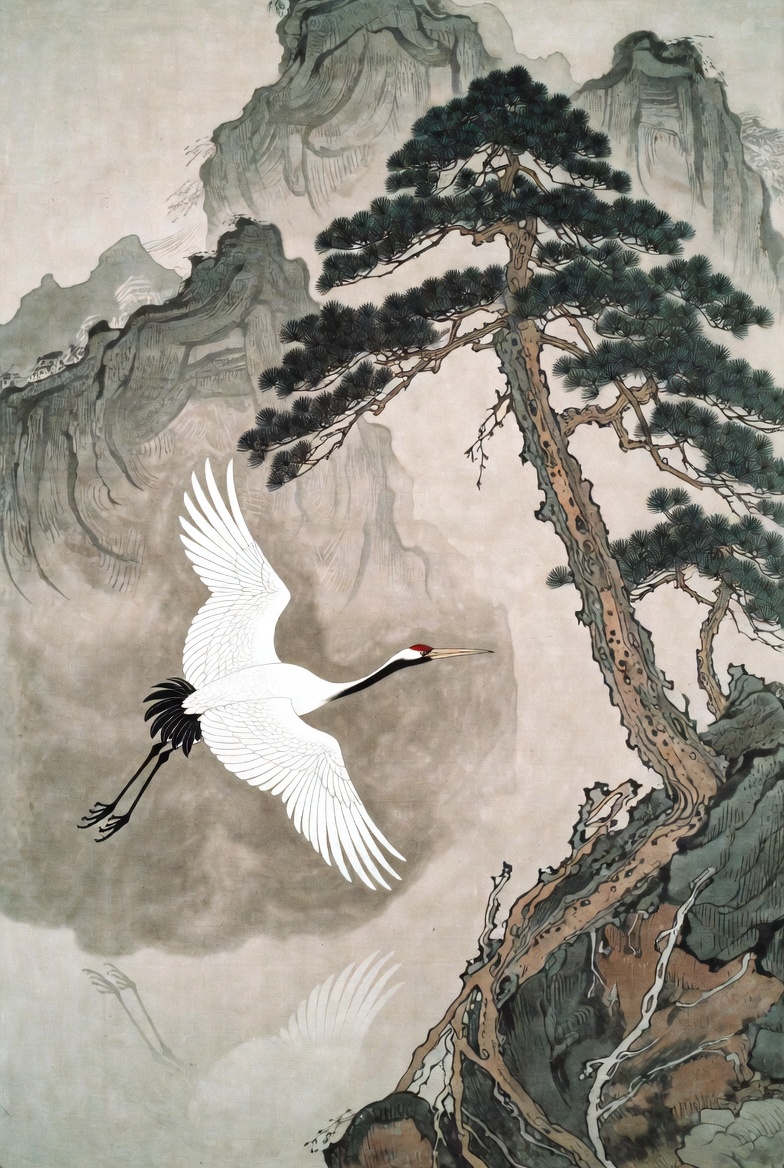
Crane & Pine Tree: Common in art and crafts. Crane = longevity; Pine = perseverance and steadfastness.
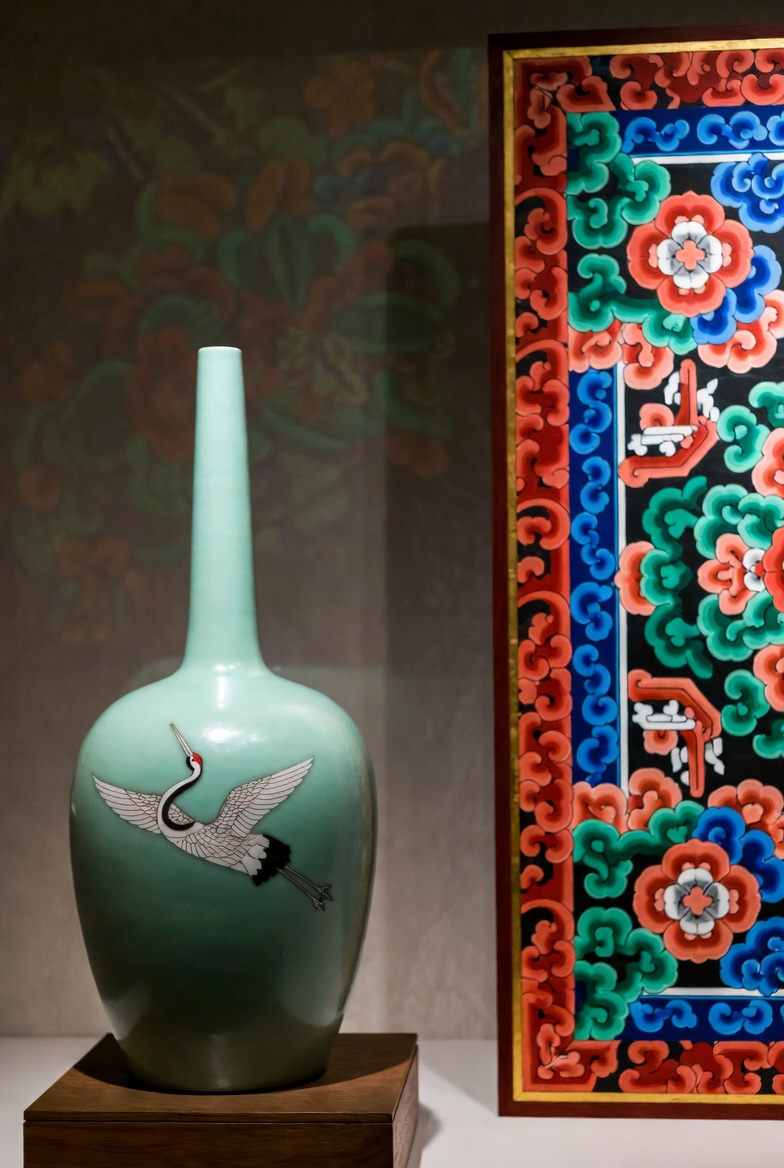
Celadon Pottery & Dancheong (Temple Colors): Represent refinement, nature’s beauty, and spiritual harmony.
Important Cultural Rules for Tourists
Respect elders at all times (stand up, greet first, offer seats).
Never touch or point at someone with your feet.
Remove shoes indoors (homes, temples, some restaurants).
Do not pour your own drink — pour for others first.
Be modest at sacred sites (cover shoulders/knees, speak softly).
Avoid public displays of anger — Koreans highly value “saving face” and harmony.
Bow slightly when thanking or greeting older people.
Following these symbols and rules shows respect and helps tourists connect deeply with Korean culture.