Matyó Embroidery (Matyó Hímzés)
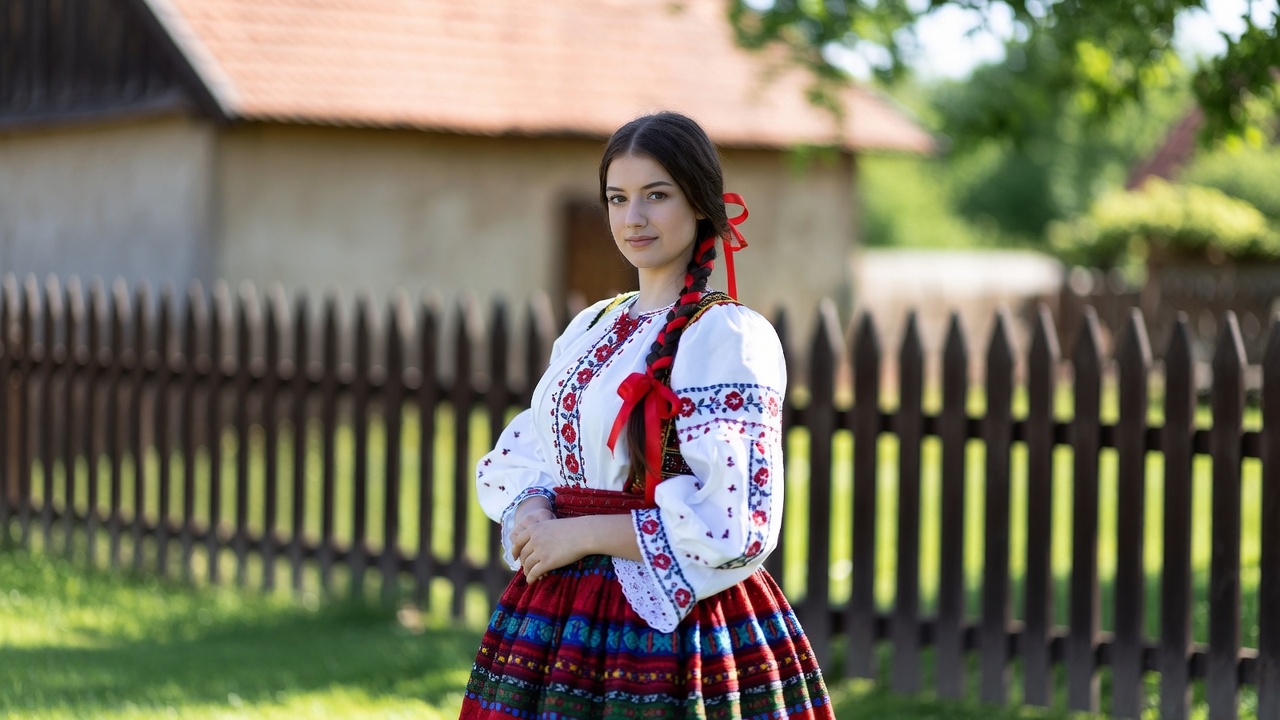
Matyó embroidery is one of the most famous and colorful forms of Hungarian folk art. It comes from the town of Mezőkövesd and the surrounding Matyó region in northern Hungary.
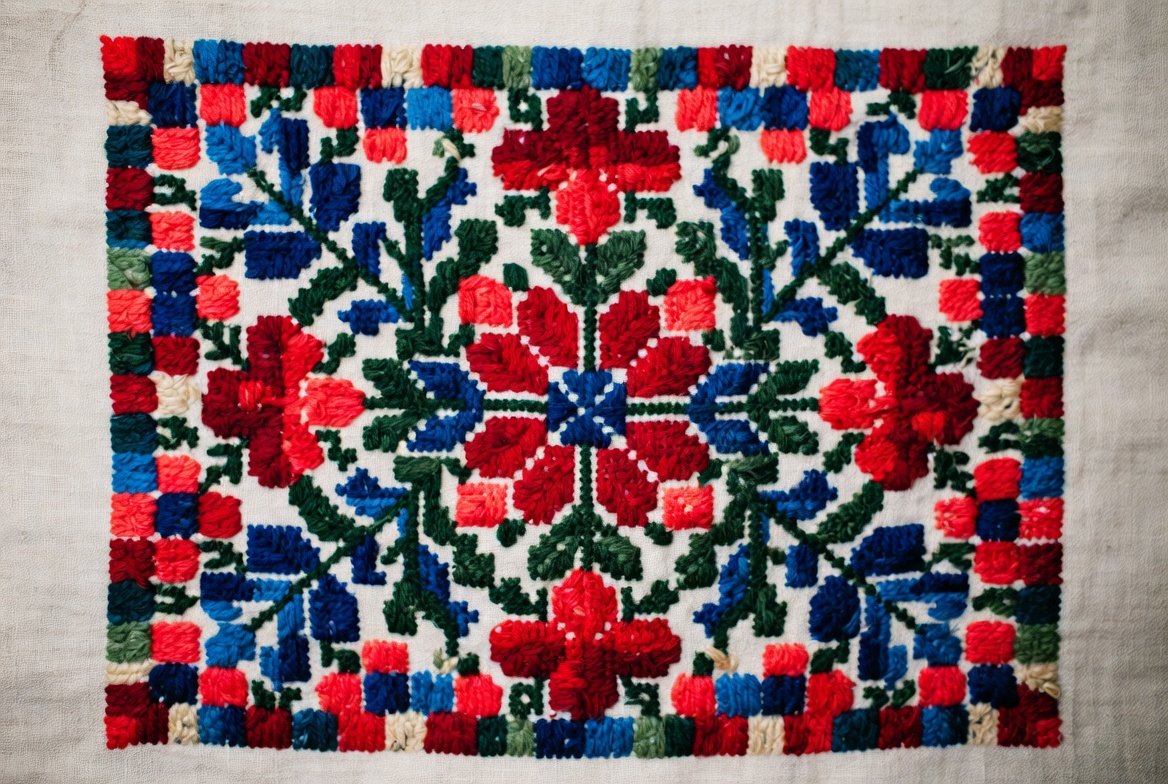
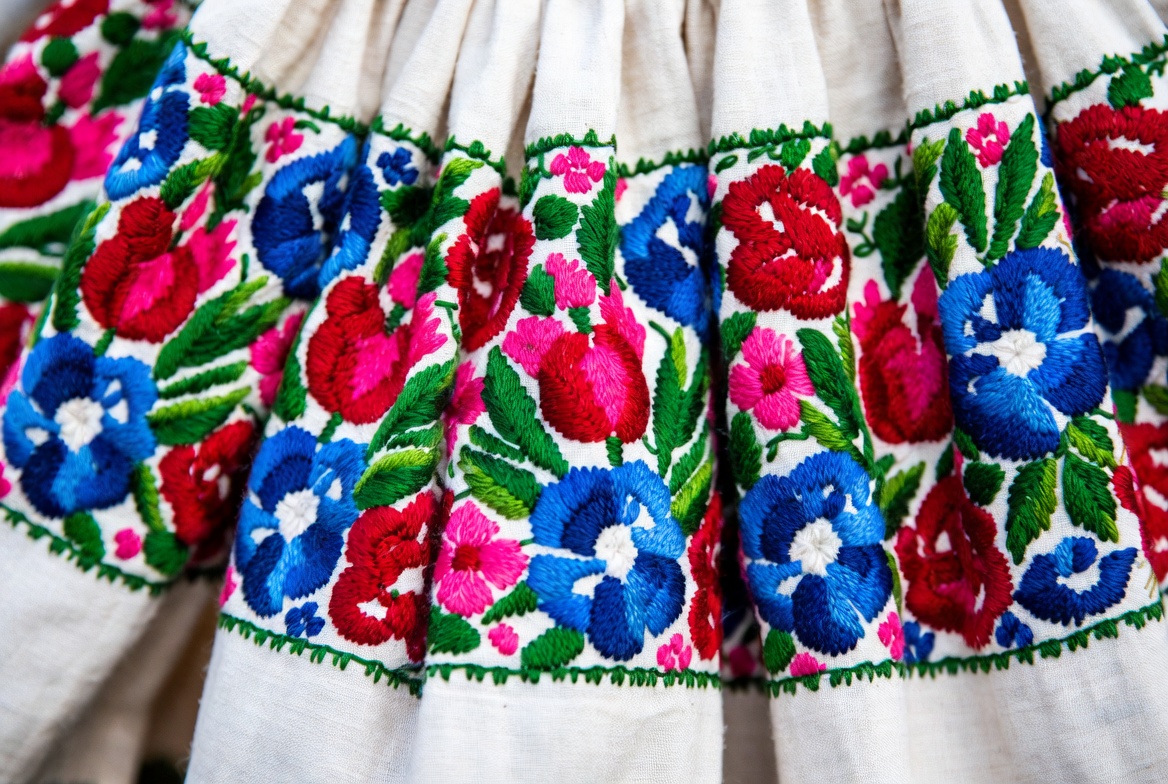
The embroidery is incredibly intricate, featuring bold, vibrant floral patterns — especially big red roses, tulips, carnations, and other flowers — stitched on white or black fabric. The designs are dense, symmetrical, and full of life. Traditional costumes, tablecloths, pillows, and even men's shirts are decorated with this style.
Significance
Cultural Identity: It is a proud symbol of Hungarian folk art and regional heritage. The bright colors and rich patterns reflect joy, vitality, and the beauty of nature.
Storytelling: The flowers and colors often carried symbolic meanings — red for love and passion, green for hope and life, blue for fidelity.
Community & Skill: In the past, young girls learned Matyó embroidery from their mothers and grandmothers. A well-embroidered dress or shirt showed a woman’s skill, patience, and readiness for marriage.
Living Tradition: Today, Matyó embroidery is still very much alive. You can see it at folk festivals, in museums, and even in modern fashion. The town of Mezőkövesd has been recognized by UNESCO for preserving this cultural heritage.
Fun Fact: A single traditional Matyó dress can take months to complete and may contain over 10,000 stitches!