
Music & Dance Styles in Indonesia
Indonesia has an incredibly rich and diverse music and dance heritage that varies across its many islands and ethnic groups. Here are 6 of the most iconic traditional music and dance styles:
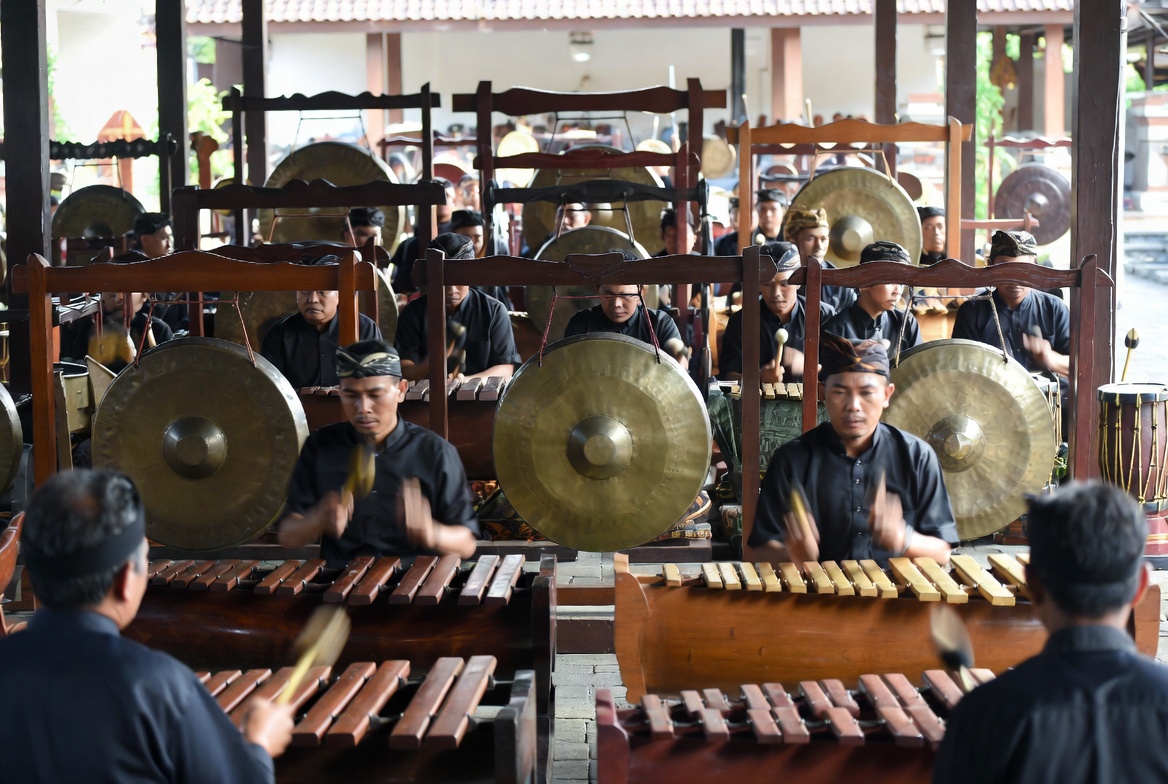
Gamelan: Traditional ensemble music from Java and Bali using metallophones, gongs, drums, and xylophones. It creates a hypnotic, layered sound and is performed at ceremonies, dances, and royal courts.
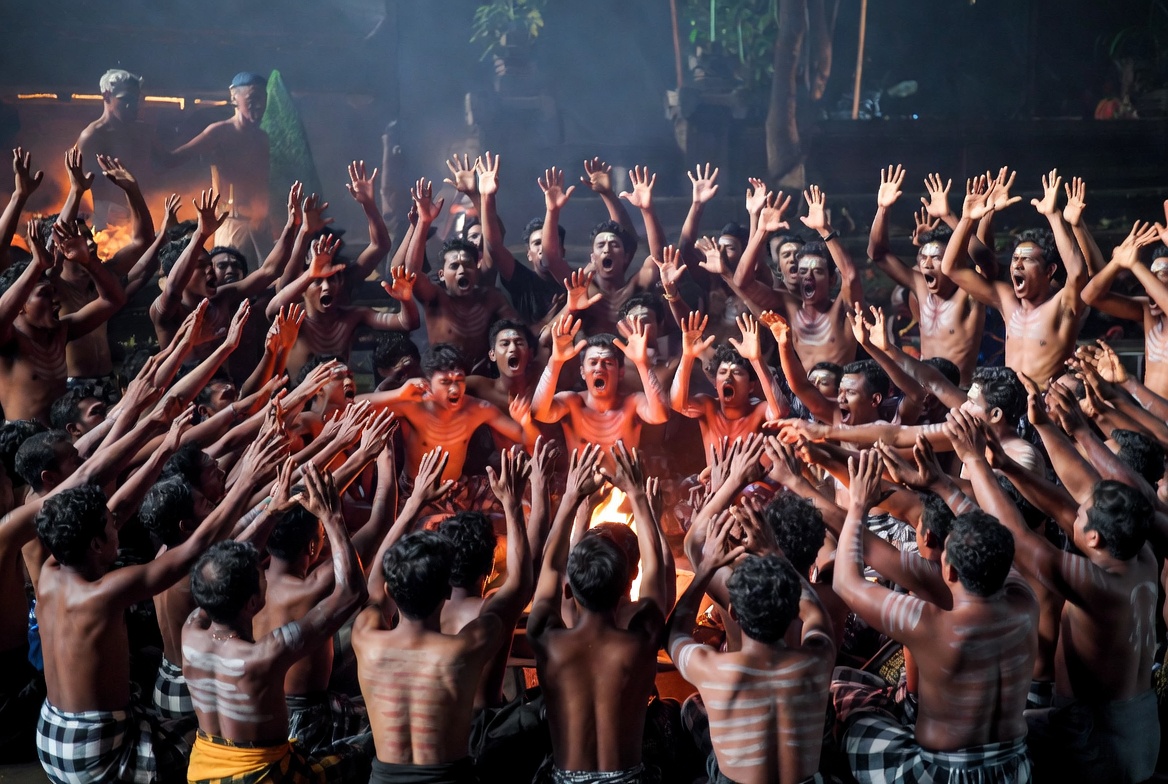
Kecak Dance (Bali): Also known as the “Ramayana Monkey Chant.” A large group of men chant “cak-cak-cak” in a circle while performing the Ramayana story around a fire. No instruments — only human voices.
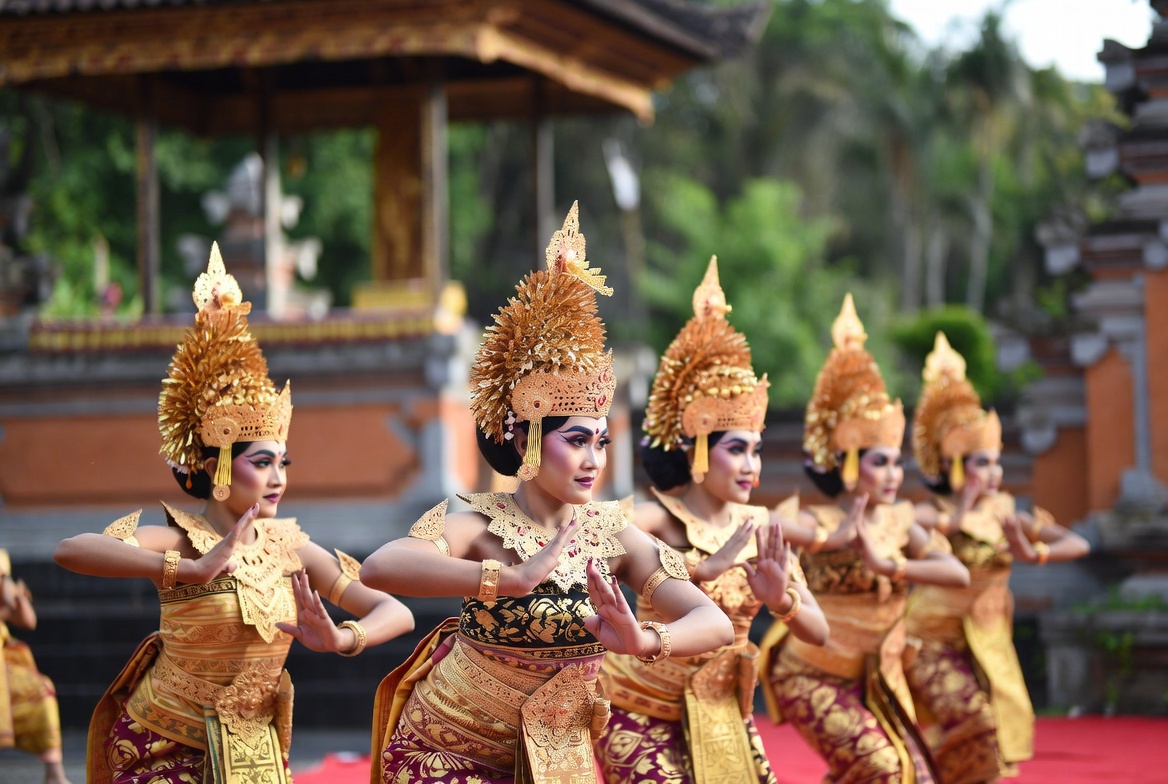
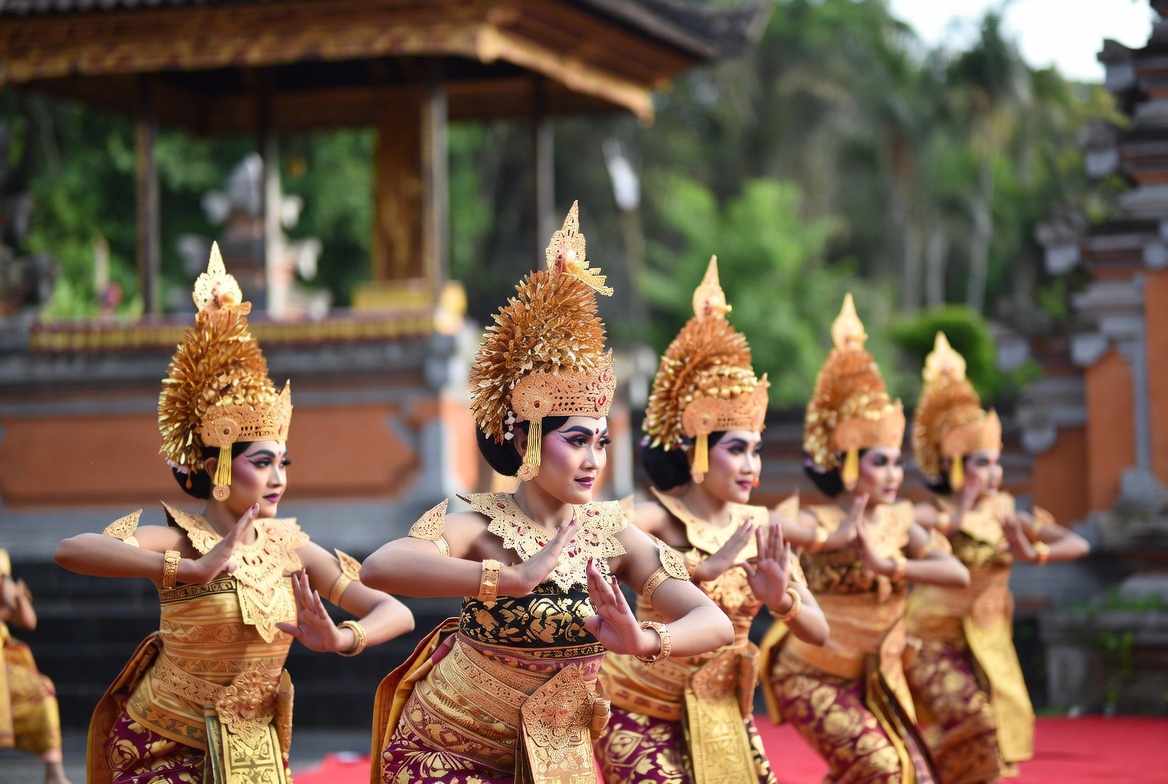
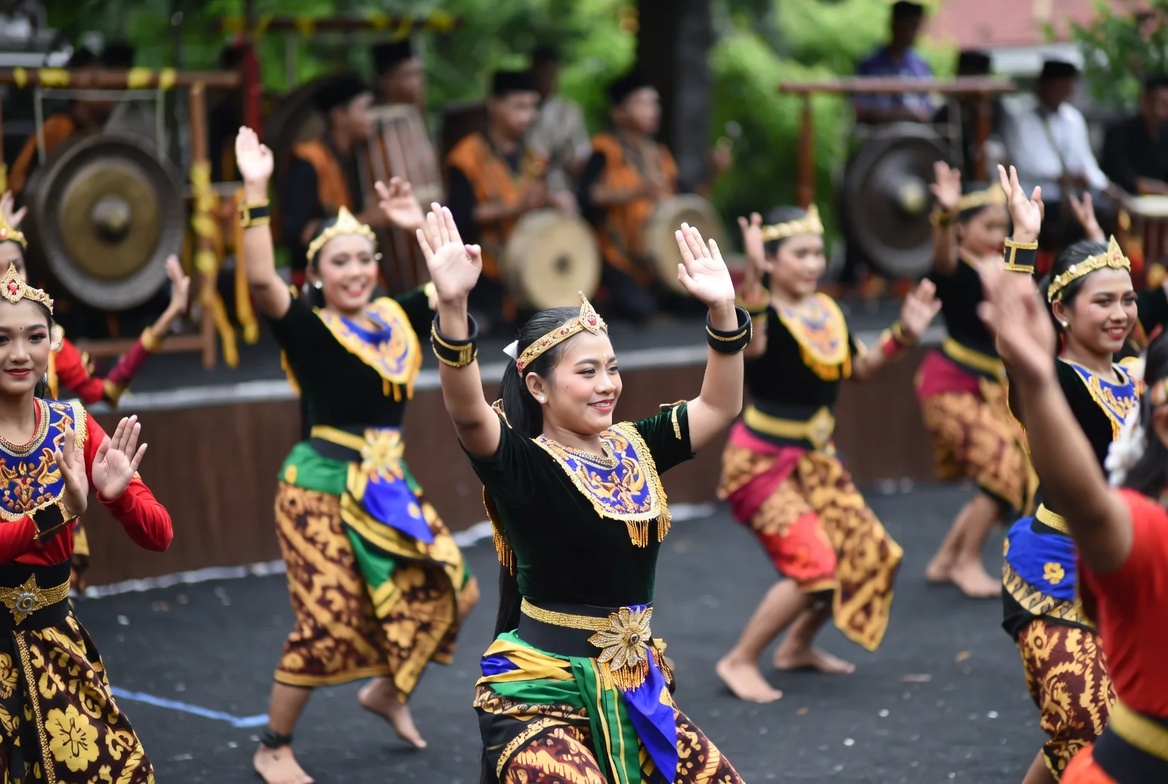
Legong Dance (Bali): A refined classical dance usually performed by young girls. It features graceful, intricate hand and eye movements, elaborate costumes, and golden headdresses.
Tari Saman (Aceh): Also called the “Dance of a Thousand Hands.” Performed by a row of seated dancers who clap, snap, and move their bodies in perfect synchrony at high speed. UNESCO-recognized for its beauty and discipline.
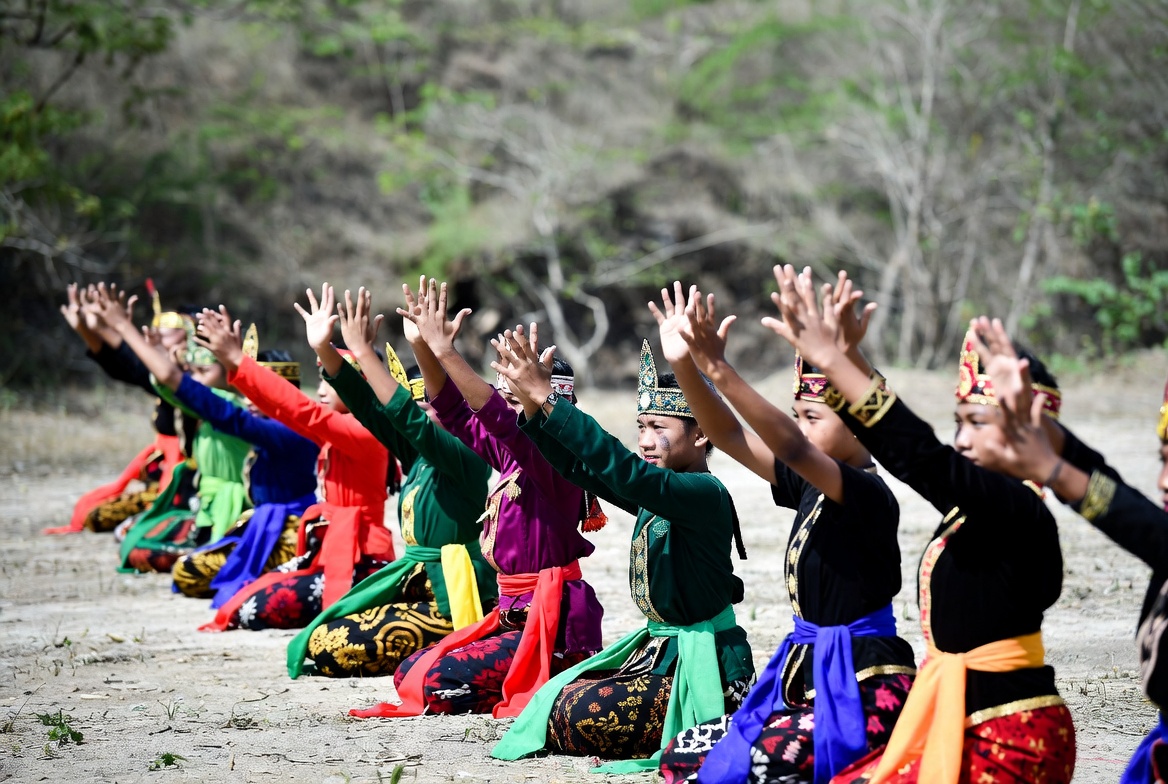
Jaipongan (West Java): A lively Sundanese social dance with dynamic hip movements, energetic music, and colourful costumes. It blends traditional and modern elements and is very popular at celebrations.
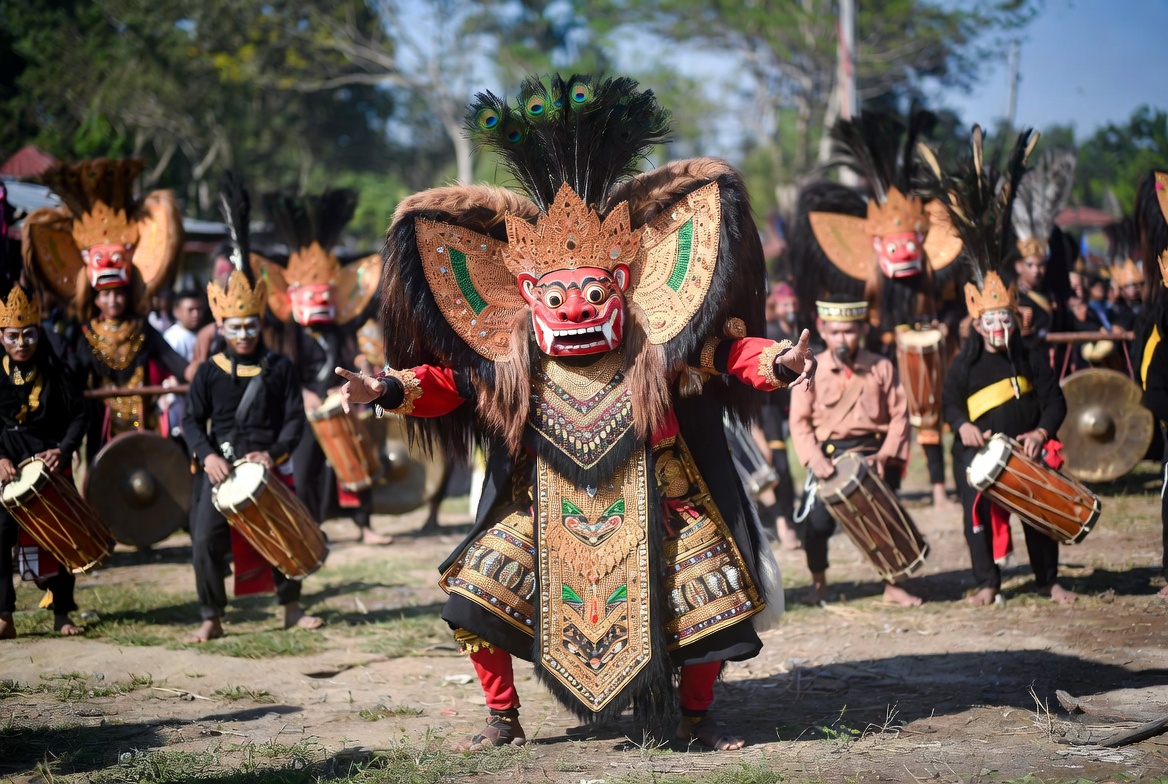
Reog Ponorogo (East Java): A powerful masked dance featuring a huge lion-peacock mask (singa barong) worn by a strong dancer, accompanied by trance-like music and stories of bravery and mythology.
These styles beautifully express Indonesia’s spiritual beliefs, community spirit, and artistic excellence.