
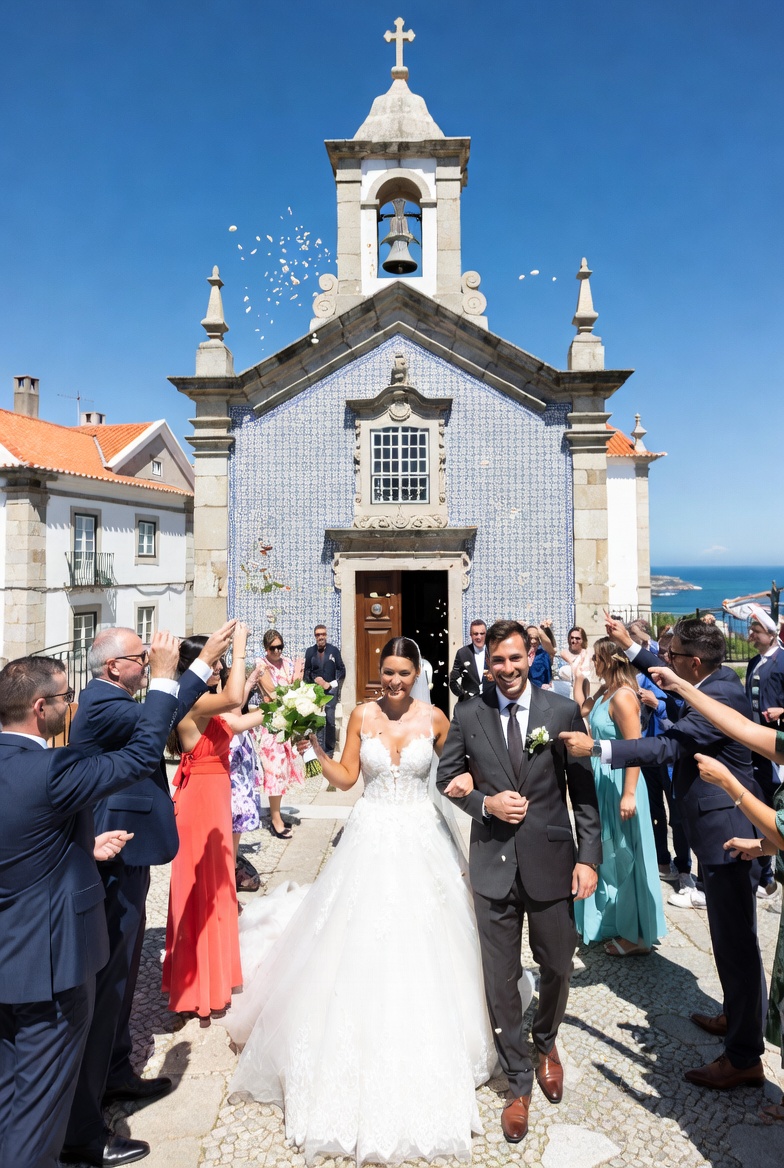
Portuguese Wedding Traditions: Love, Family, and Celebration
Portuguese weddings blend deep Catholic faith, family loyalty, and joyful parties that last until sunrise
1. Civil Ceremony First, Then Church
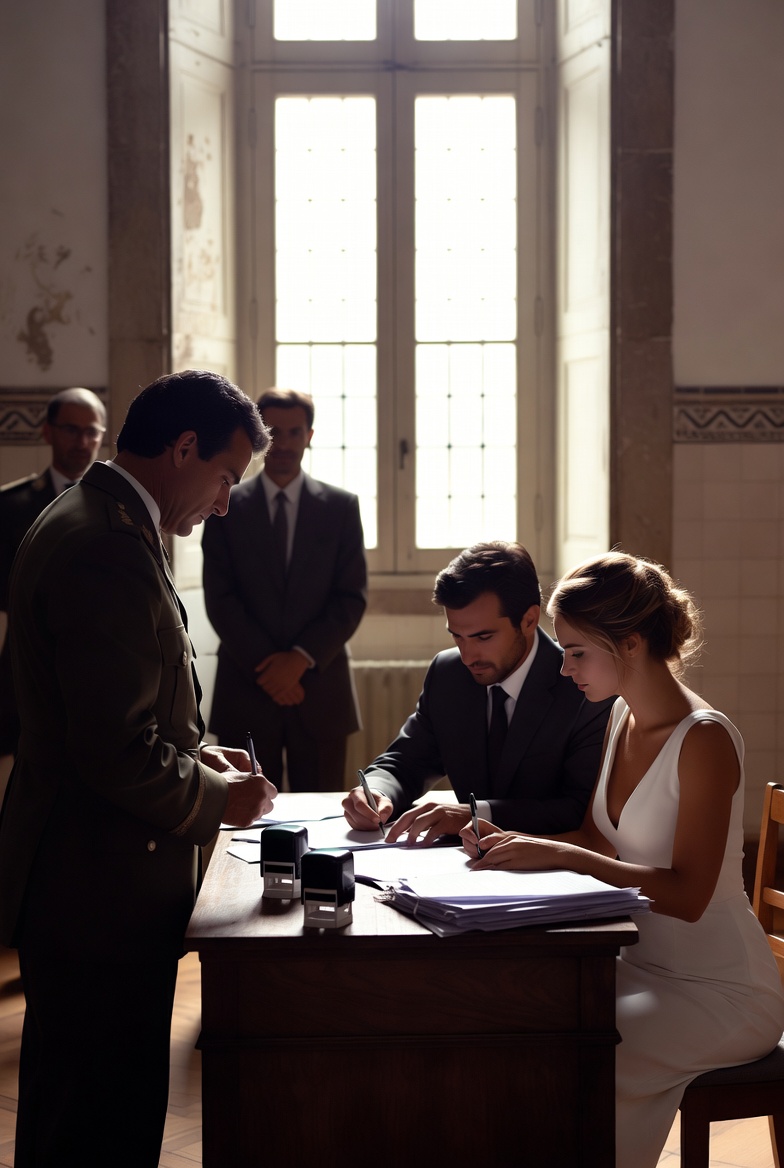
Portuguese law requires a civil ceremony at the town hall (Registo Civil) before any religious ceremony. Most couples do both on the same day.
Civil ceremony is short and legal
Church ceremony is long and spiritual
Couple must show civil marriage certificate before entering church
Guests attend both or just the church
No church wedding without civil papers first
2. The Bride Wears Gold and White
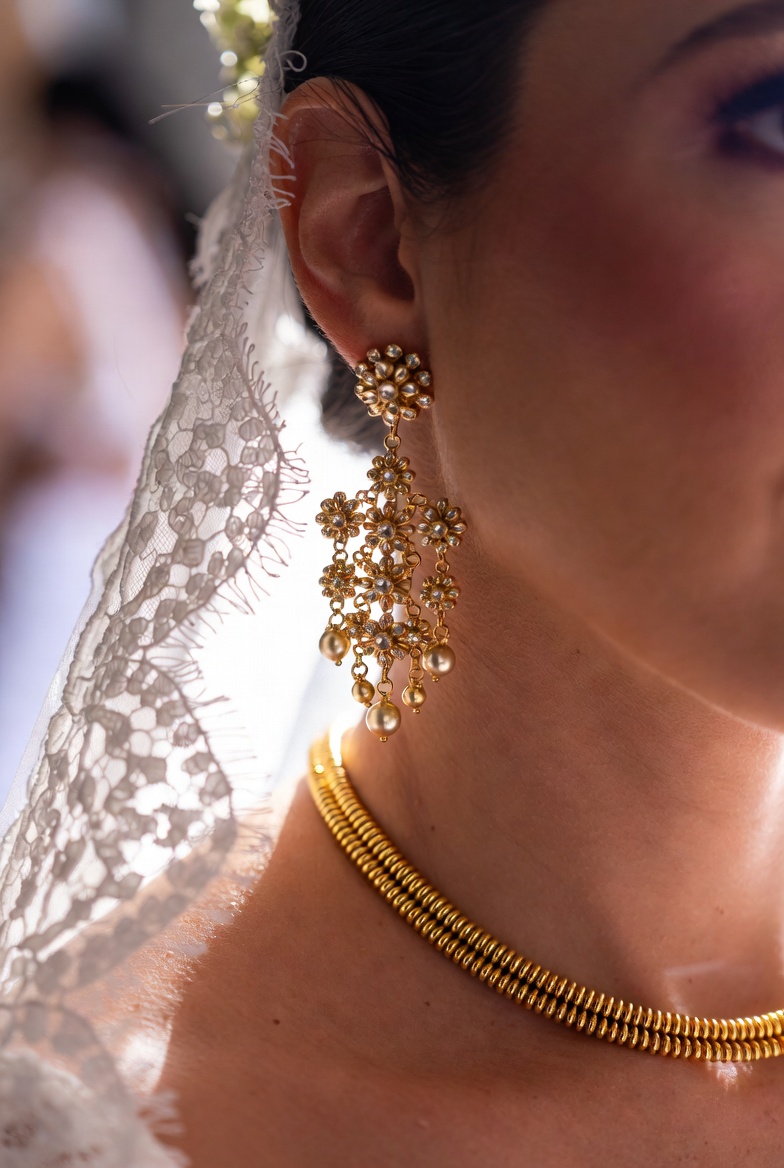
Portuguese brides traditionally wear white dresses with gold jewelry. Gold represents wealth, stability, and family heritage.
Gold earrings and necklace from grandmother
White dress symbolizes purity
Veil covers the face until after the ceremony
Something blue is often sewn into the hem
Married women in the family help her dress
3. The Groom Gives Thirteen Gold Coins (As Treze Moedas)
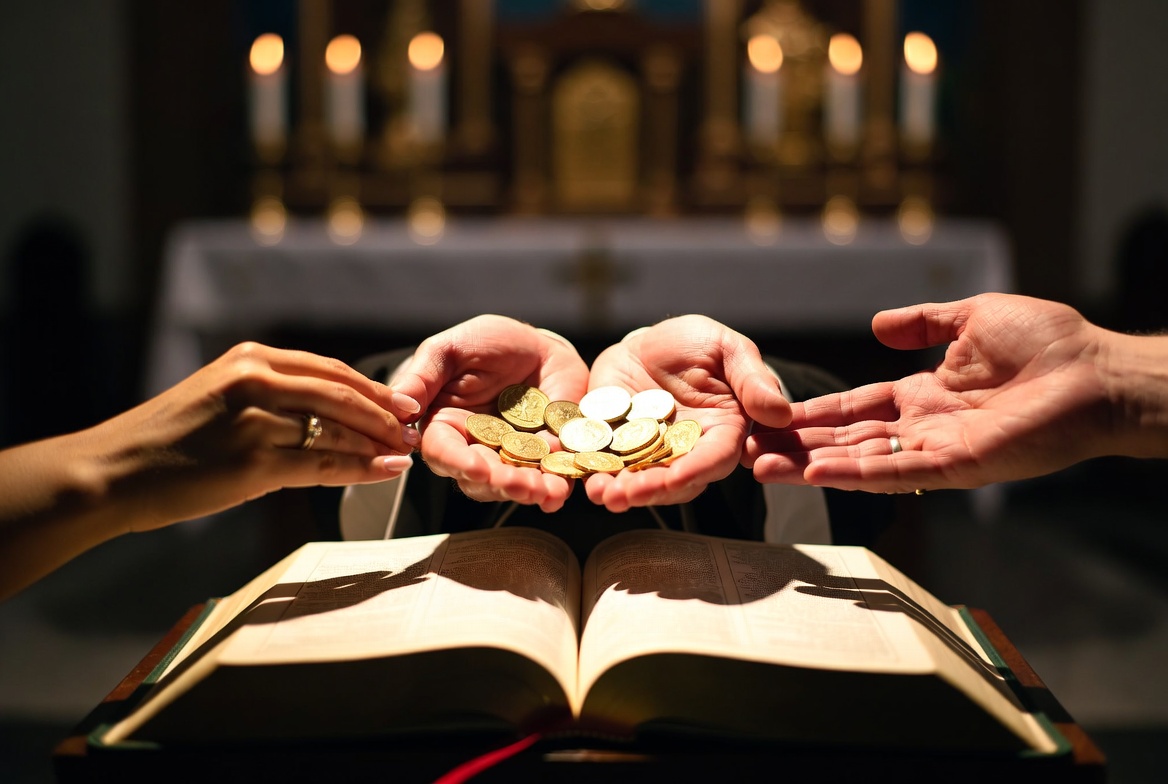
During the ceremony, the groom gives the bride thirteen gold coins. This represents his promise to support her and their future children.
Coins are blessed by the priest
Symbolizes sharing all worldly goods
Bride returns them as trust in his promise
Coins become family heirlooms
Tradition dates back to Roman times
4. The Wedding Procession (Cortejo)
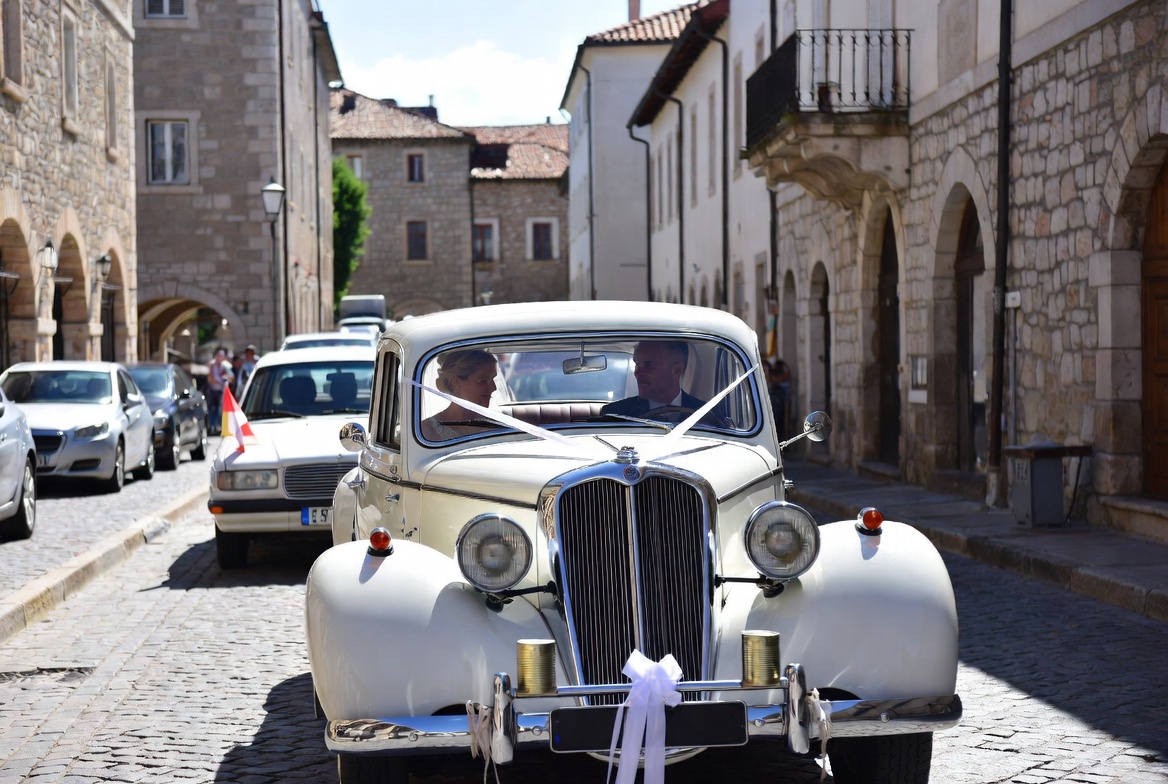
After the church ceremony, guests follow the couple through the streets. Cars honk horns. People shout "Viva os noivos!" (Long live the newlyweds!).
Guests decorate cars with ribbons and cans
Bride and groom ride in a decorated car
Everyone drives to the reception together
People wave from balconies
The longer the honking, the better the luck
5. The Wedding Feast (O Copo d'Água)
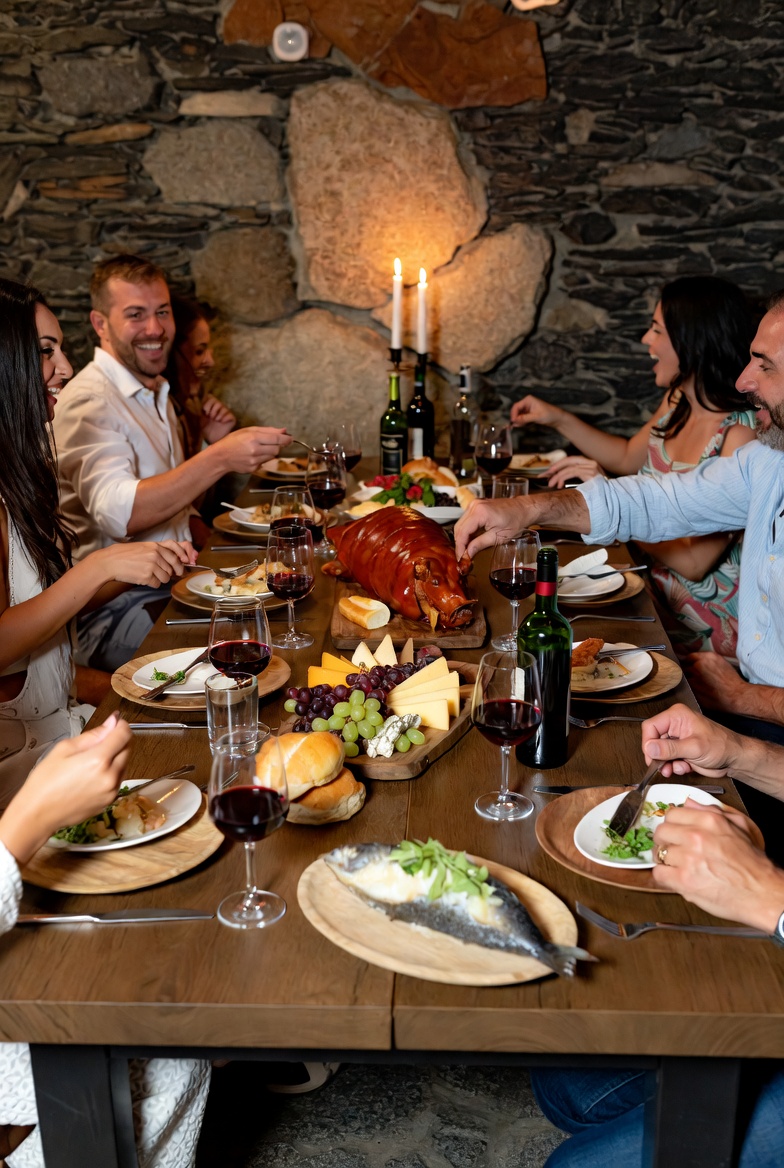
The reception is called "O Copo d'Água" (The Glass of Water). It lasts until early morning with multiple courses, wine, and dancing.
Starts with aperitivo and Portuguese wines
Multiple courses: soup, fish, meat, cheese, dessert
Port wine served after the meal
Dancing starts at midnight
Party often ends at 6 AM
6. The Traditional Cake (Bolo de Casamento)
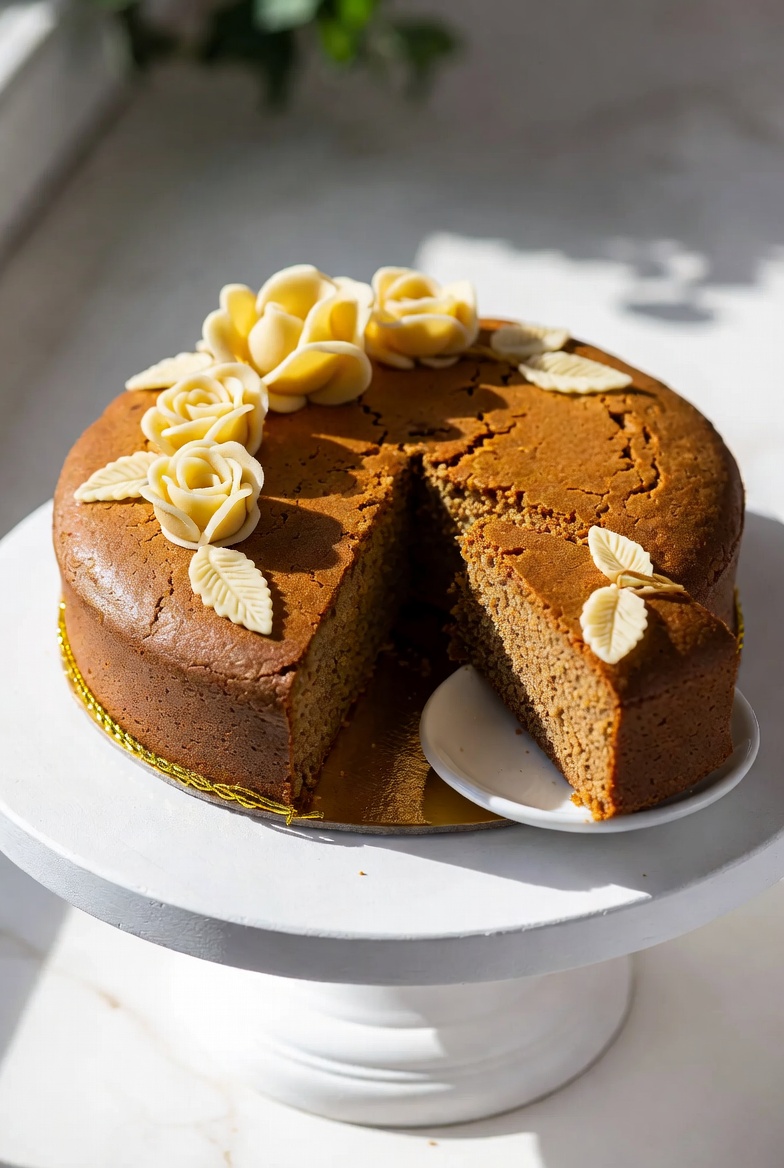
Portuguese wedding cake is not sweet like American cake. It is a dense almond and egg yolk cake (bolo de amêndoa) with marzipan decorations.
Often one tier, not multiple tiers
Very rich and heavy (small slice is enough)
Served with Port wine
Leftovers wrapped for guests to take home
Almonds symbolize fertility and prosperity
7. The Dance of the Money (Dança do Dinheiro)
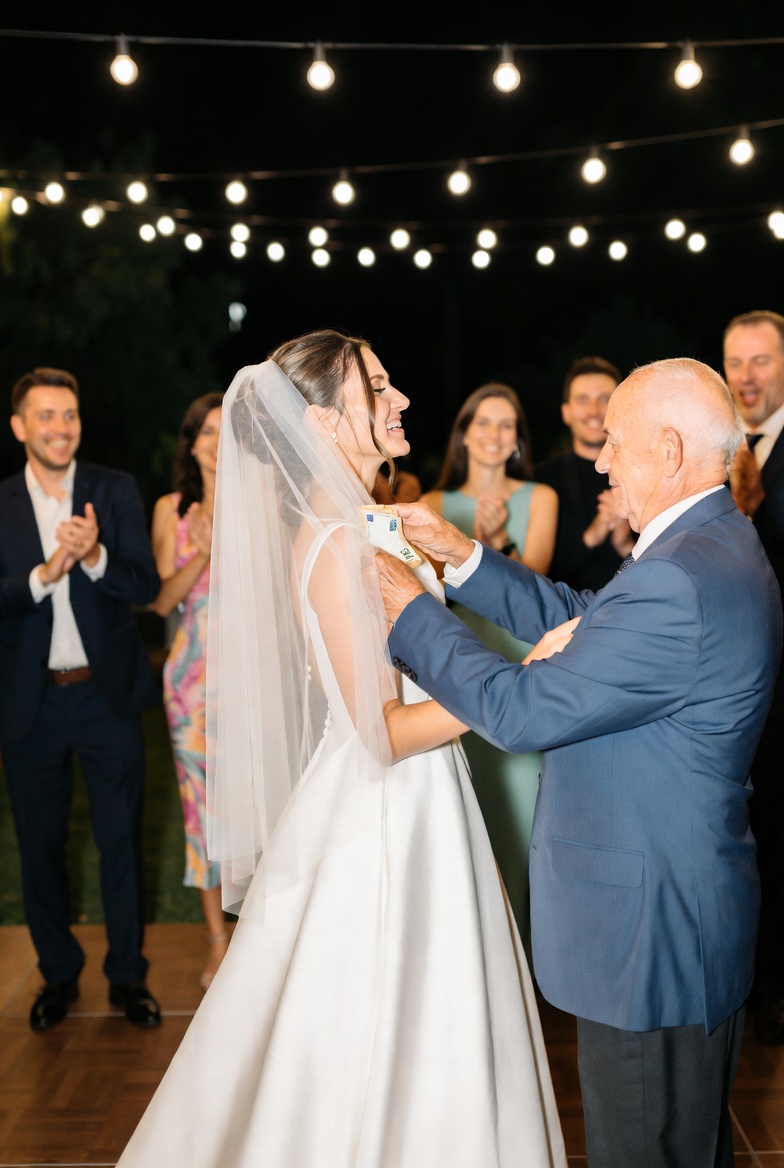
During the dance, guests pin money onto the bride's veil or dress. This helps the couple pay for the wedding and start their new life.
Men line up to dance with the bride
Each man pins money before dancing
Women also dance with the groom
Money goes toward the honeymoon
Very fun and competitive for guests
8. The Shoe Game (Jogo do Sapato)
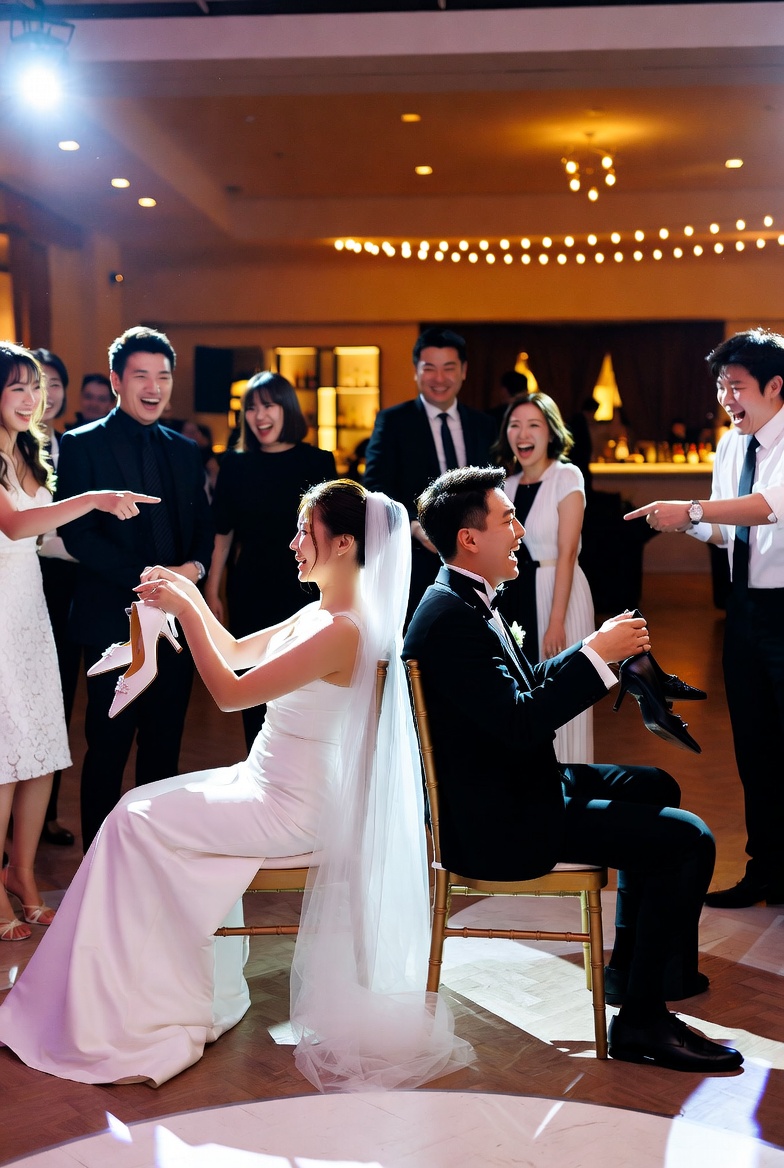
The couple sits back to back holding one of each of their shoes. The DJ asks questions like "Who cooks better?" and the couple raises the shoe of the answer.
Very funny for guests to watch
Answers are not always honest
Newer tradition but very popular
Couple must agree without looking
Shows how well they know each other
9. The Farewell (A Despedida)
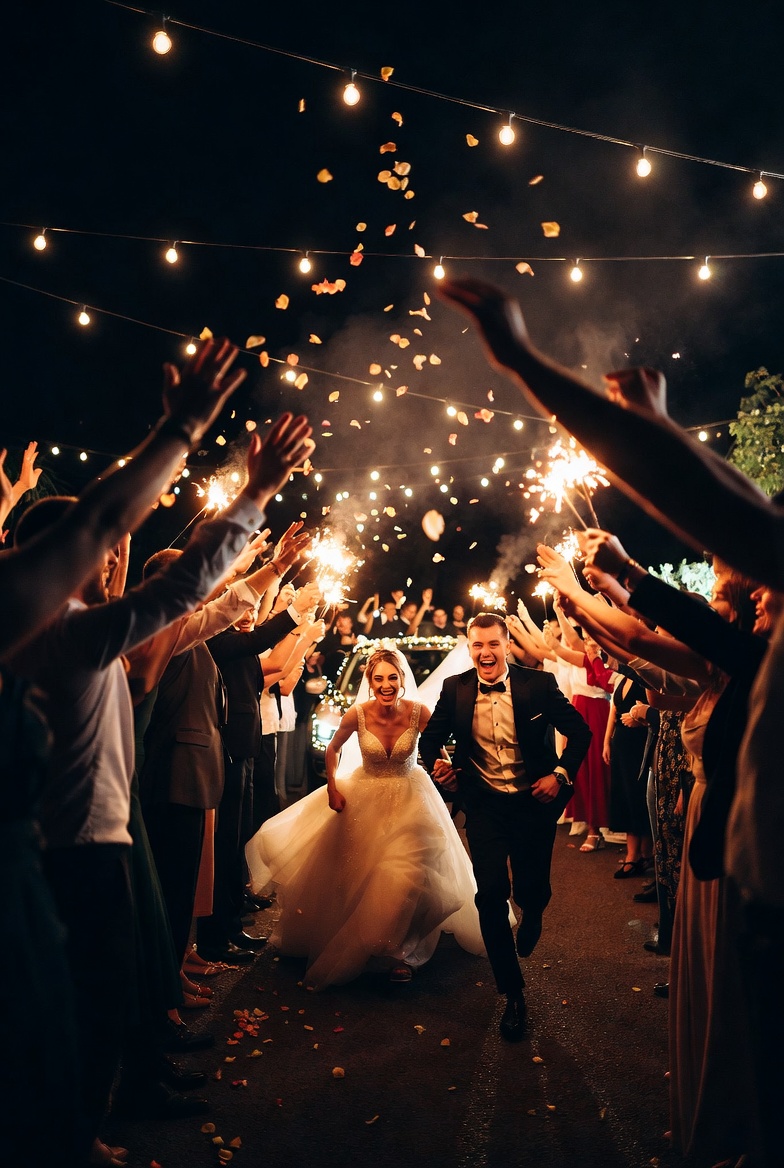
At the end of the night, guests form a tunnel with their arms. The couple runs through while guests shower them with flower petals.
Usually happens around 4-5 AM
Couple leaves in their decorated car
Guests follow honking horns
Some guests continue partying at home
The newlyweds leave for their honeymoon