
The Krampuslauf: Dancing with Fear and Joy in the Austrian Alps
Every year in early December, our small town in Tyrol comes alive for the Krampuslauf — the traditional Krampus Run. It’s one of the most powerful and unforgettable events in our calendar.
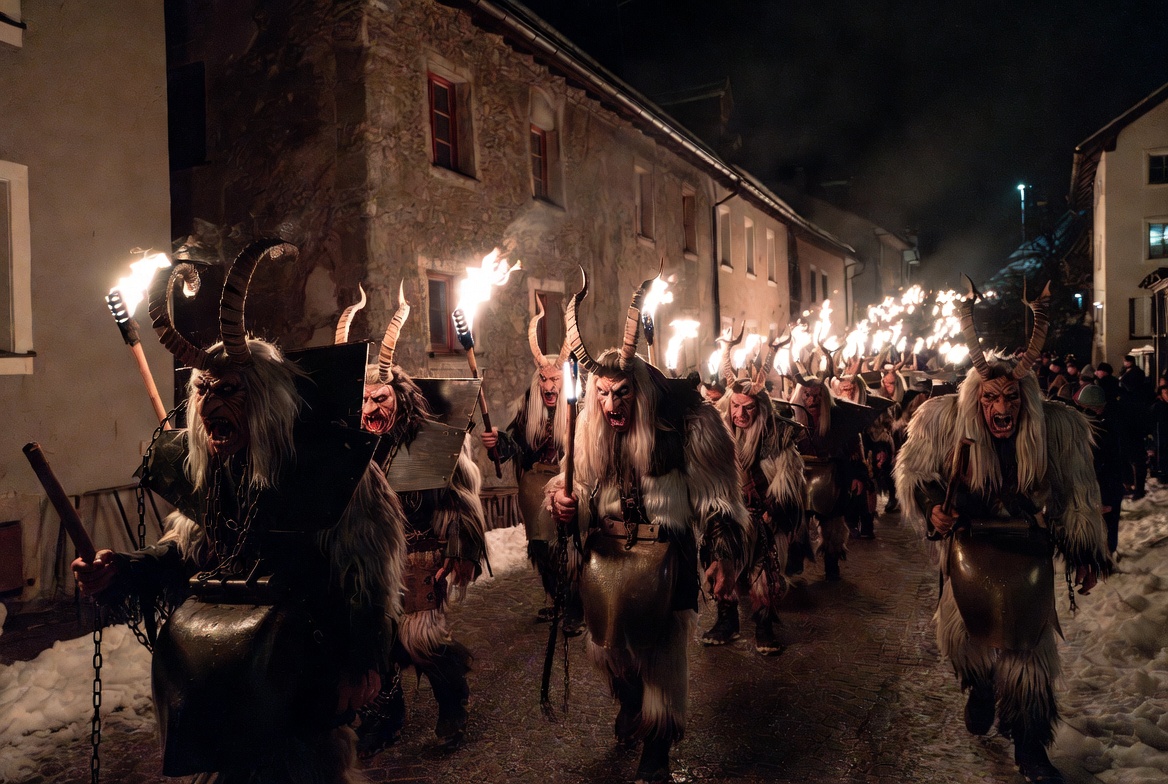
When I was a child, I used to wait with a mix of fear and excitement as night fell. On December 5th (the eve of St. Nicholas Day), the streets would suddenly fill with the sound of heavy bells, chains rattling, and deep growling. Then they appeared — the Krampusse.
These were not costumes you see in movies. Grown men from the village, dressed in heavy fur, horns, and terrifying masks carved from wood, would storm through the town in a wild procession.
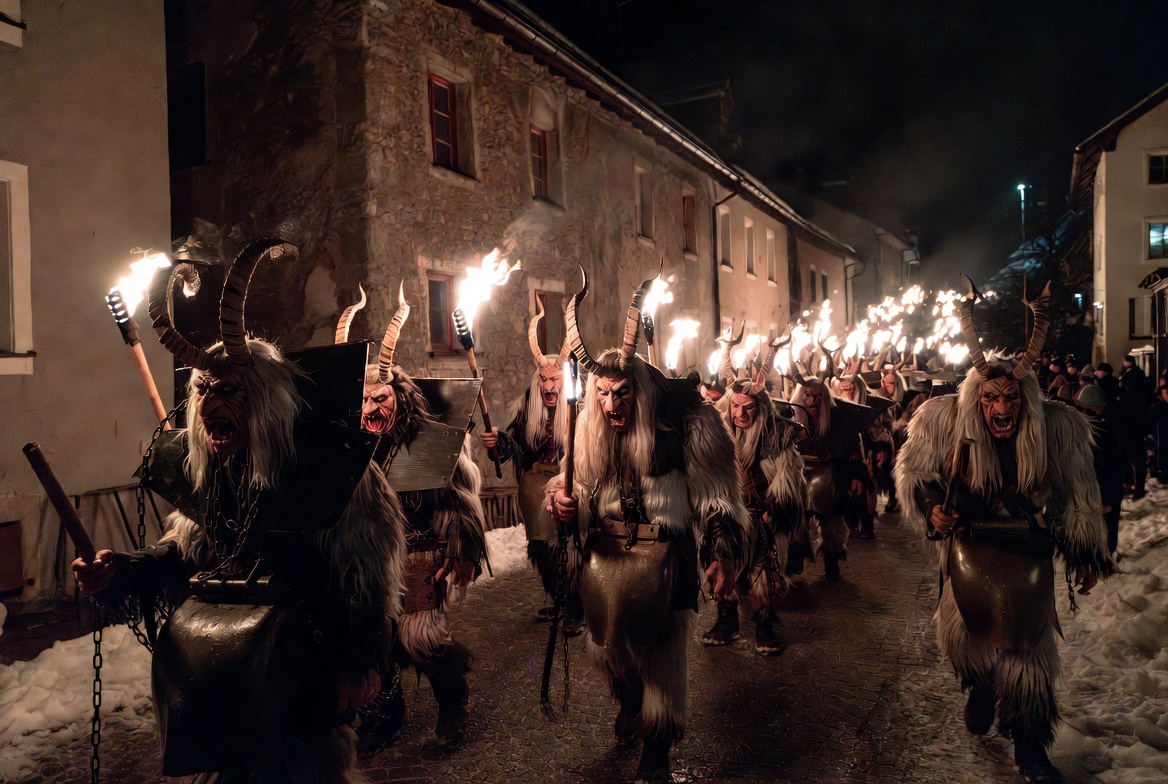 Some carried bundles of birch rods (Ruten) and would playfully swat at the legs of children who had been naughty. Others rang huge cowbells so loudly that the ground seemed to shake. St. Nicholas (Nikolaus) would walk among them in his bishop’s robes, giving out sweets and small gifts to the good children.
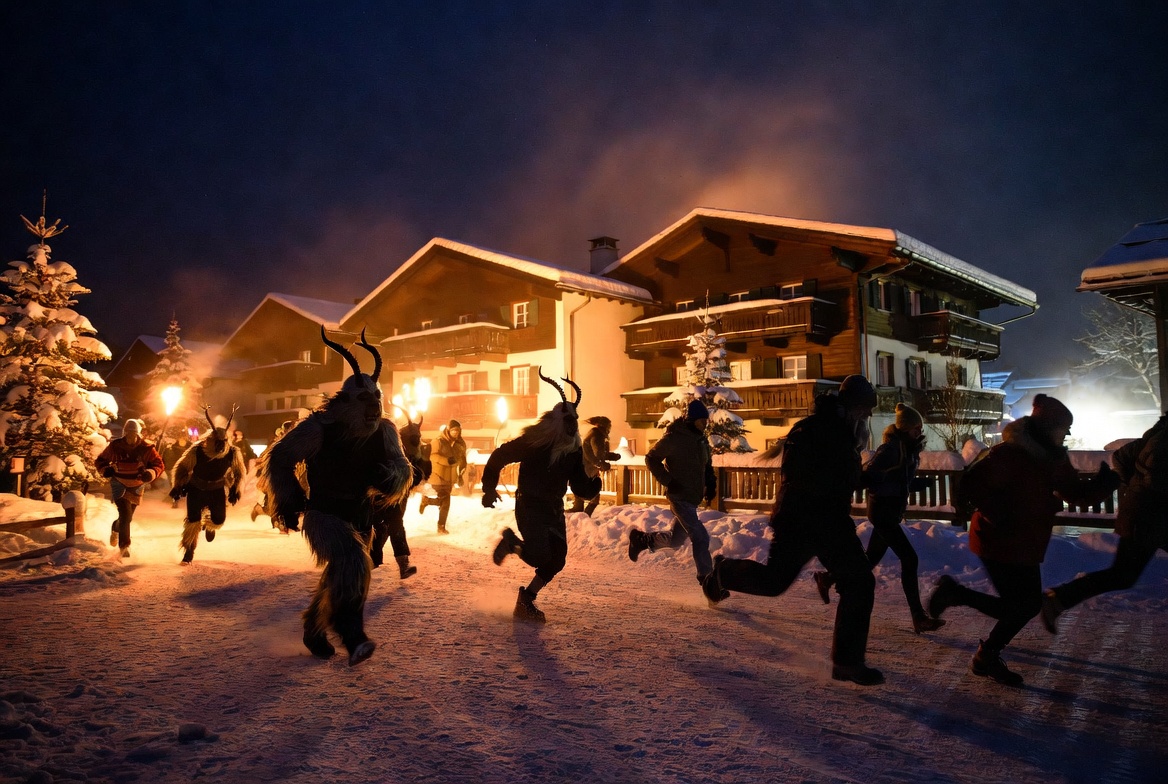
The most thrilling moment was when the Krampusse would chase people through the streets. I remember running with my friends, half screaming, half laughing, while the adults stood by cheering.
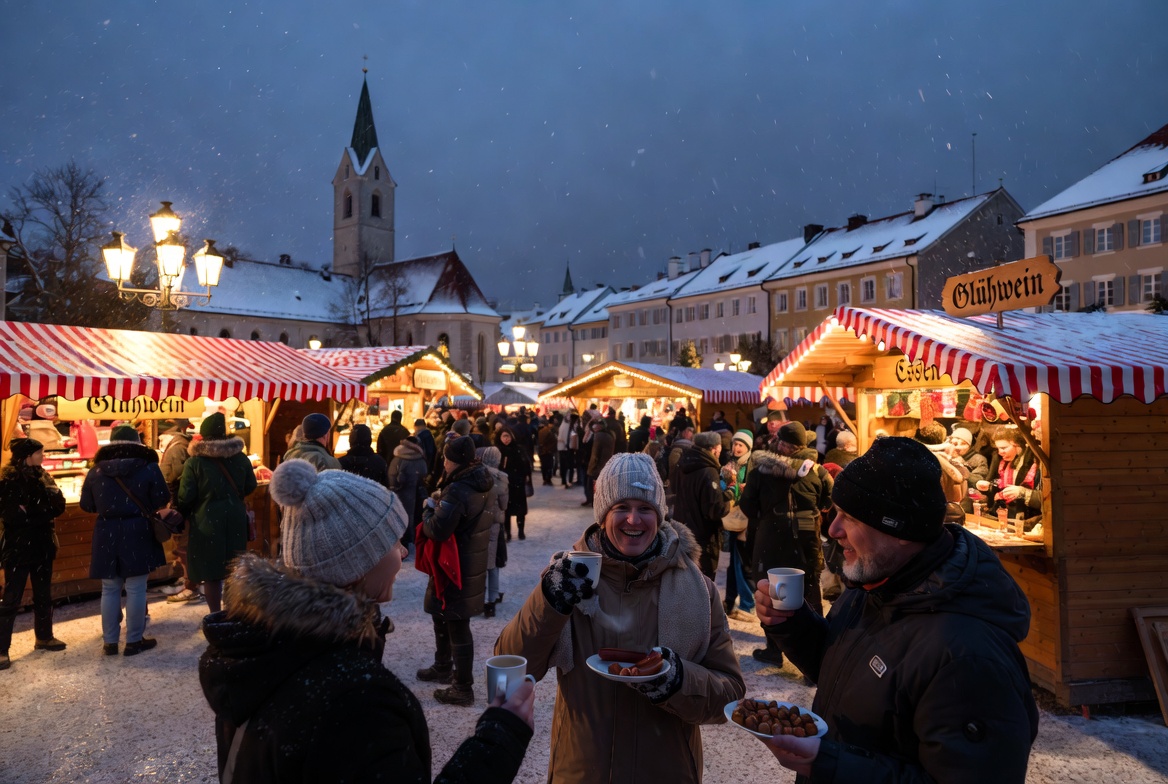
 After the procession, everyone gathered in the town square for hot spiced wine (Glühwein), roasted chestnuts, and sausages. The air smelled of pine, smoke, and cinnamon.
What makes the Krampuslauf special is how it balances fear and joy. In Austrian Alpine culture, it’s a reminder that light and darkness, good and mischief, exist together. The Krampus represents the wild, untamed side of nature and the importance of good behavior — but it’s all done with community spirit and humor.
 Even today, as an adult, I still go every year. It connects me to our ancestors, to the mountains, and to the strong traditions that keep our small communities close. In a modern world that often feels too polished, the Krampuslauf reminds us to embrace the wild, the scary, and the joyful all at once.