
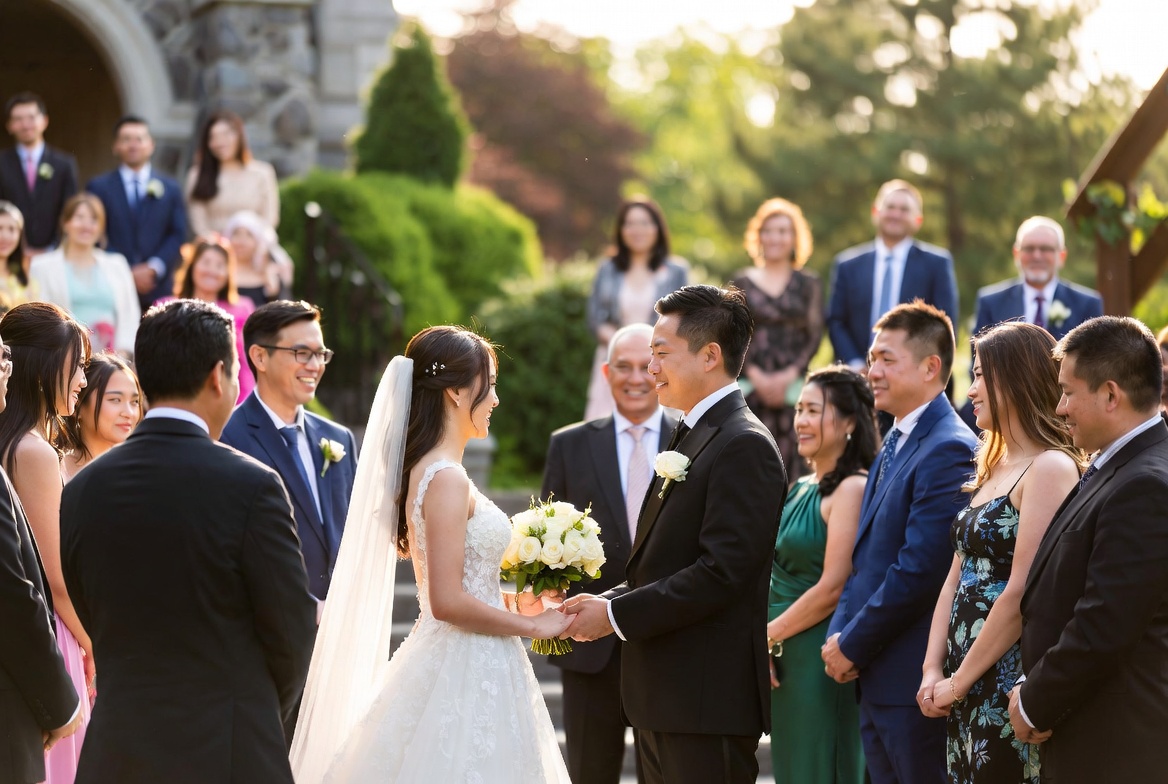
Traditional Canadian Weddings
Canada is highly multicultural, so wedding customs vary greatly depending on cultural background (British, French, Indigenous, South Asian, Chinese, Ukrainian, etc.). However, the most common “traditional” Canadian wedding follows a blend of Western/Anglo traditions with modern, inclusive elements.
Core Elements of a Typical Canadian Wedding
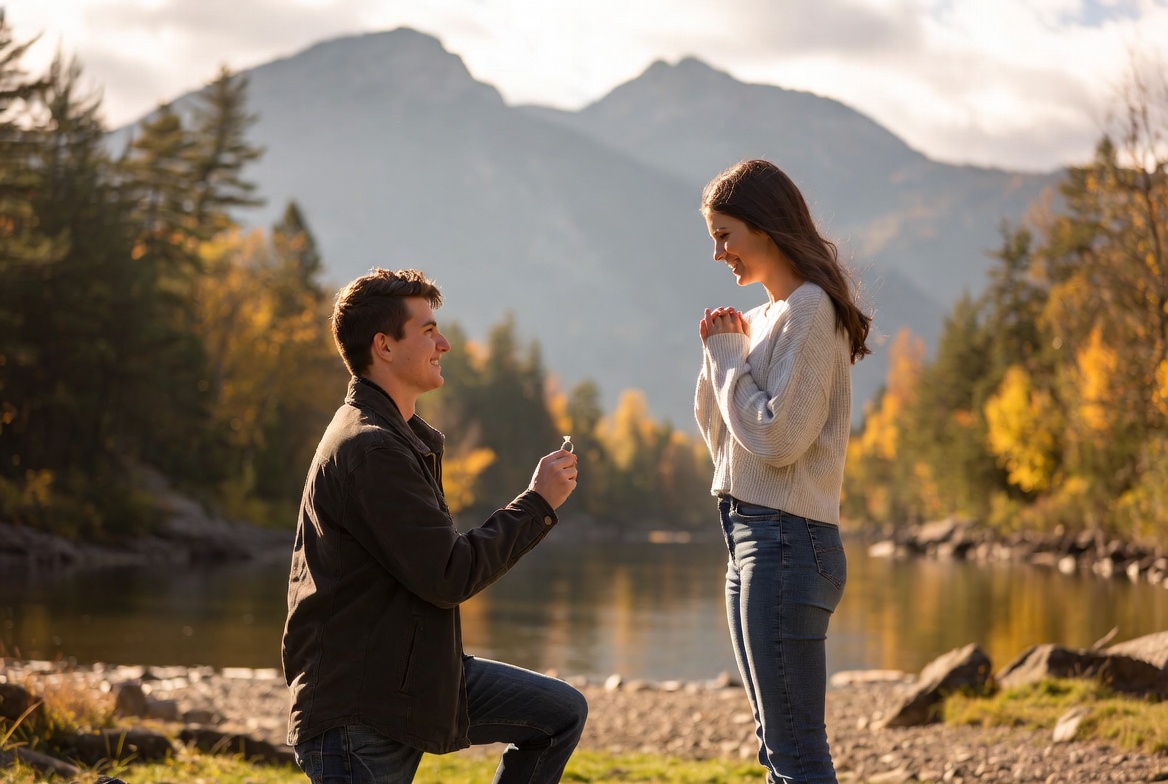
Engagement: Usually involves a proposal with a diamond engagement ring.
 Families often meet for a celebratory dinner.
Pre-Wedding Events
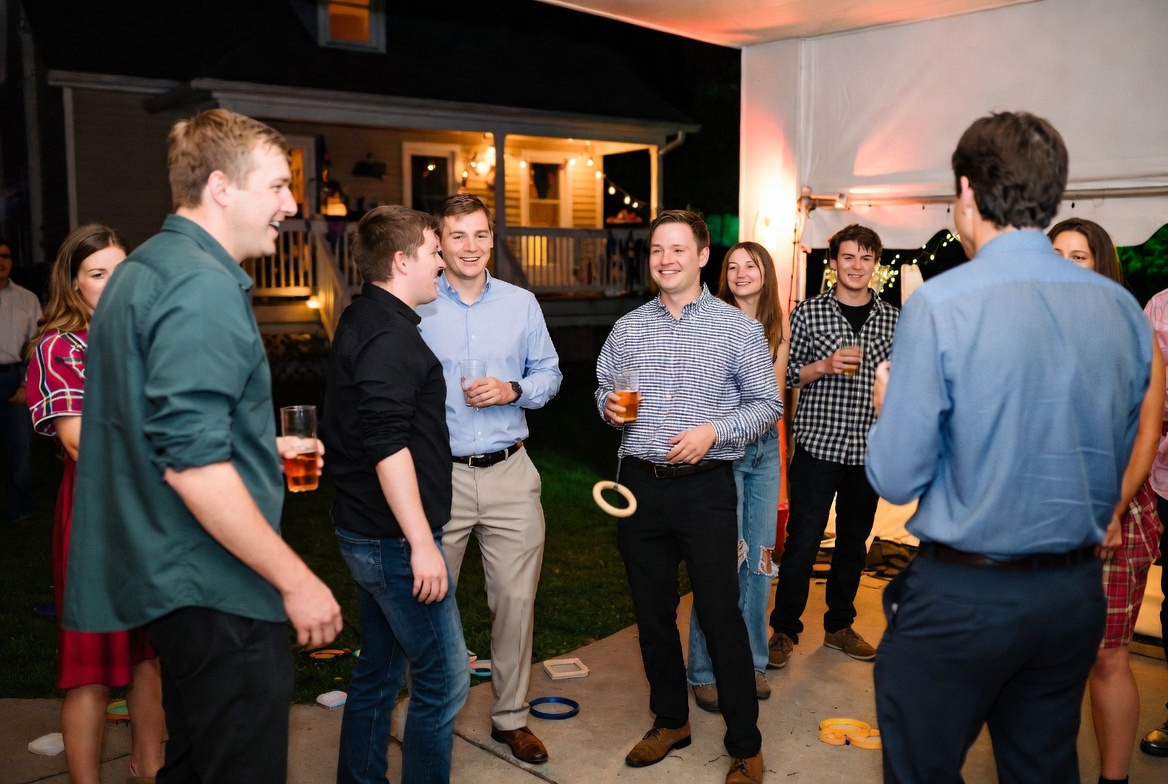 Bridal Shower: Hosted by bridesmaids for the bride (gifts for the home).
- Stag & Doe (or Bachelor/Bachelorette parties): Mixed or separate parties common, especially in Ontario and the Prairies.
- In French-Canadian communities: “Les fiançailles” (formal engagement) and sometimes a “corvée” (community help preparing).
The Ceremony
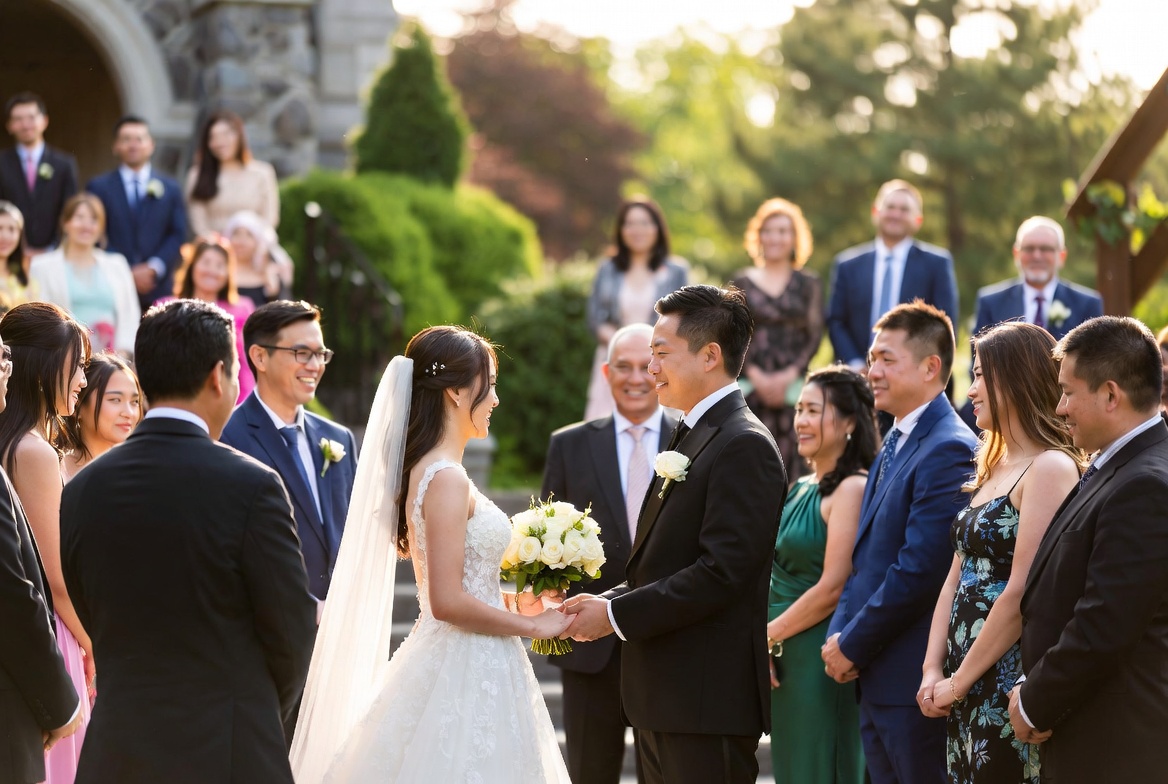 Can be religious (church, synagogue, temple, mosque) or civil (at city hall, outdoors, or licensed venues).
- Processional: Bride walks down the aisle (often with father or both parents).
- Vows & Rings: Exchange of vows and wedding bands.
- Unity Rituals: Common additions include unity candle, sand ceremony, or handfasting.
- Same-sex marriages have been legal nationwide since 2005 and are fully integrated.
Attire
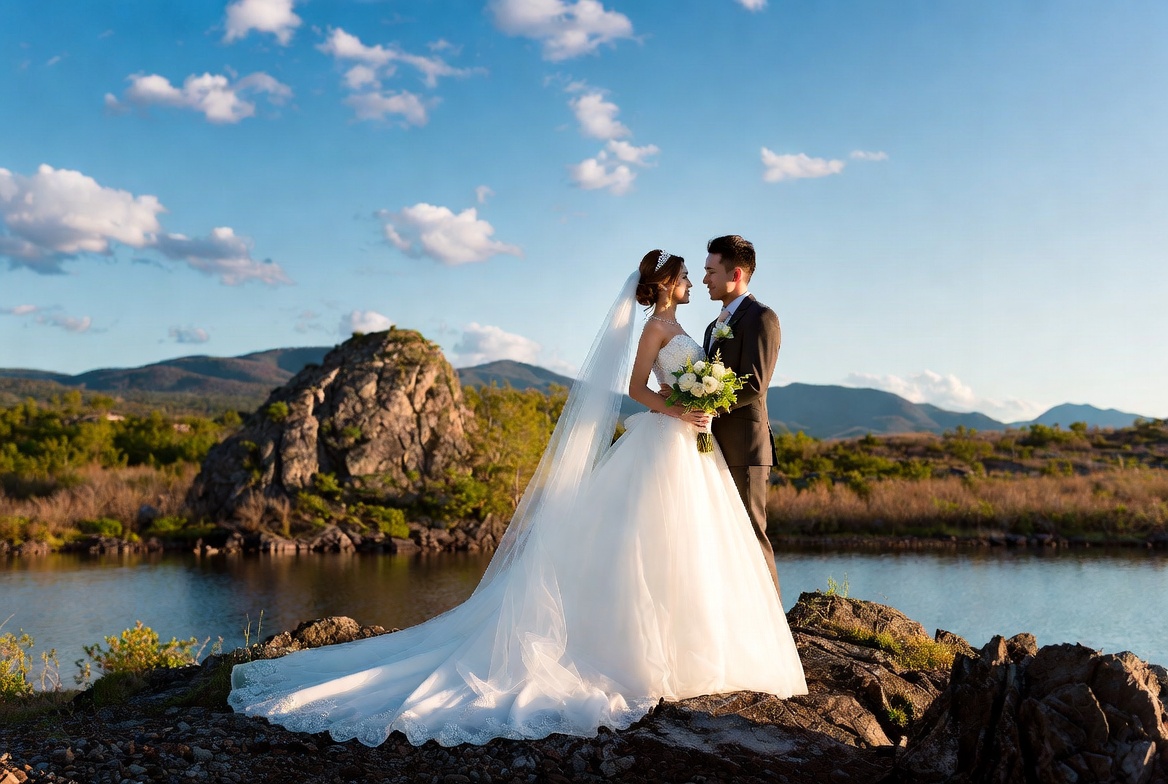 Bride: White or ivory wedding dress (Western influence).
- Groom: Suit or tuxedo.
- Bridesmaids and groomsmen wear coordinated outfits.
- Many incorporate cultural elements (e.g., Scottish kilt, South Asian lehenga, Indigenous regalia).
Reception Traditions
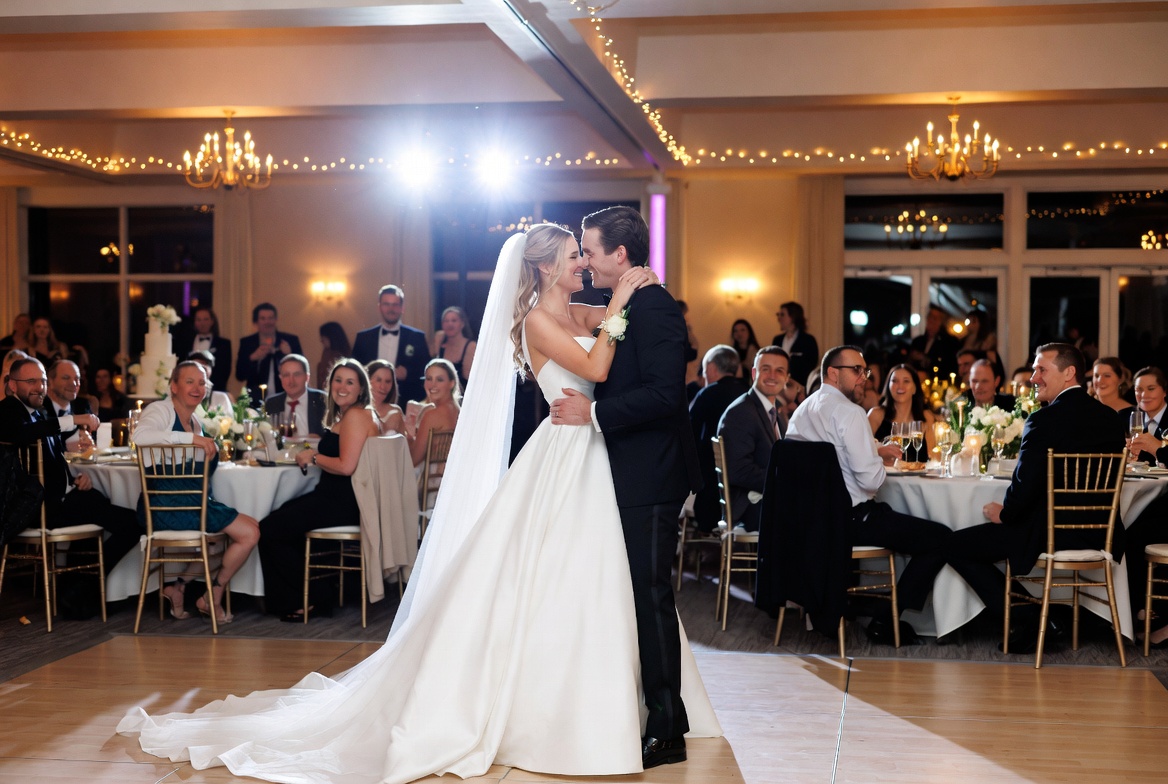 Cocktail Hour followed by dinner.
- Speeches: By parents, best man, maid of honor, and sometimes the couple.
- First Dance: Bride & groom’s first dance as a married couple.
- Cake Cutting: Multi-tiered wedding cake; the couple feeds each other a piece.
- Bouquet & Garter Toss.
- Dancing late into the night with DJ or live band.
- Late-Night Snack: Popular in many regions (poutine, pizza, or perogies).
Unique Canadian Touches
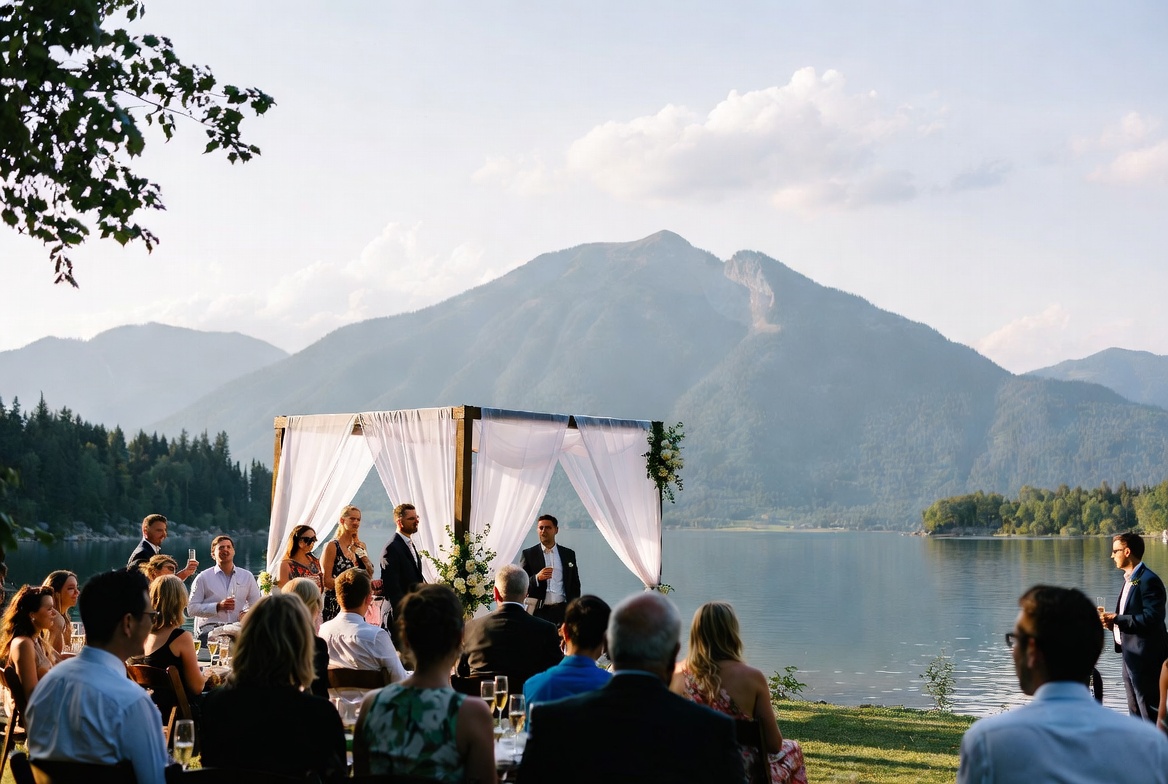 Outdoor weddings are very popular, especially in summer (lakes, mountains, forests).
- Money Dance or Dollar Dance in some communities (guests pay to dance with the bride/groom).
- Indigenous weddings often include smudging, drumming, or blanket ceremonies.
- In Quebec: Sometimes a “sugaring off” or maple-themed elements.
Post-Wedding
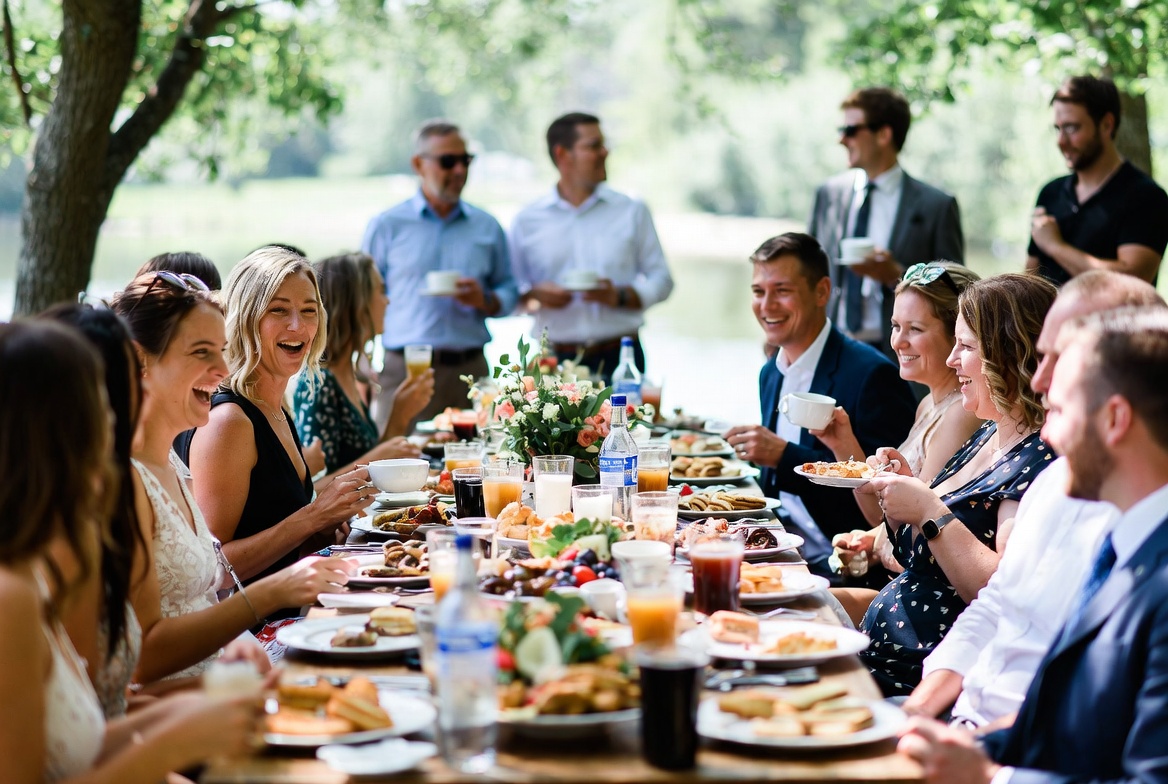 Brunch the next day for close family and guests.
- Sending thank-you cards is expected.
Legal Requirements
- Marriage license required.
- Minimum age is 16–18 (varies by province).
- Civil officiants or religious leaders can perform ceremonies.
Canadian weddings today are a beautiful mix of tradition, personalization, and cultural diversity — often blending heritage with contemporary values like inclusivity and sustainability.