
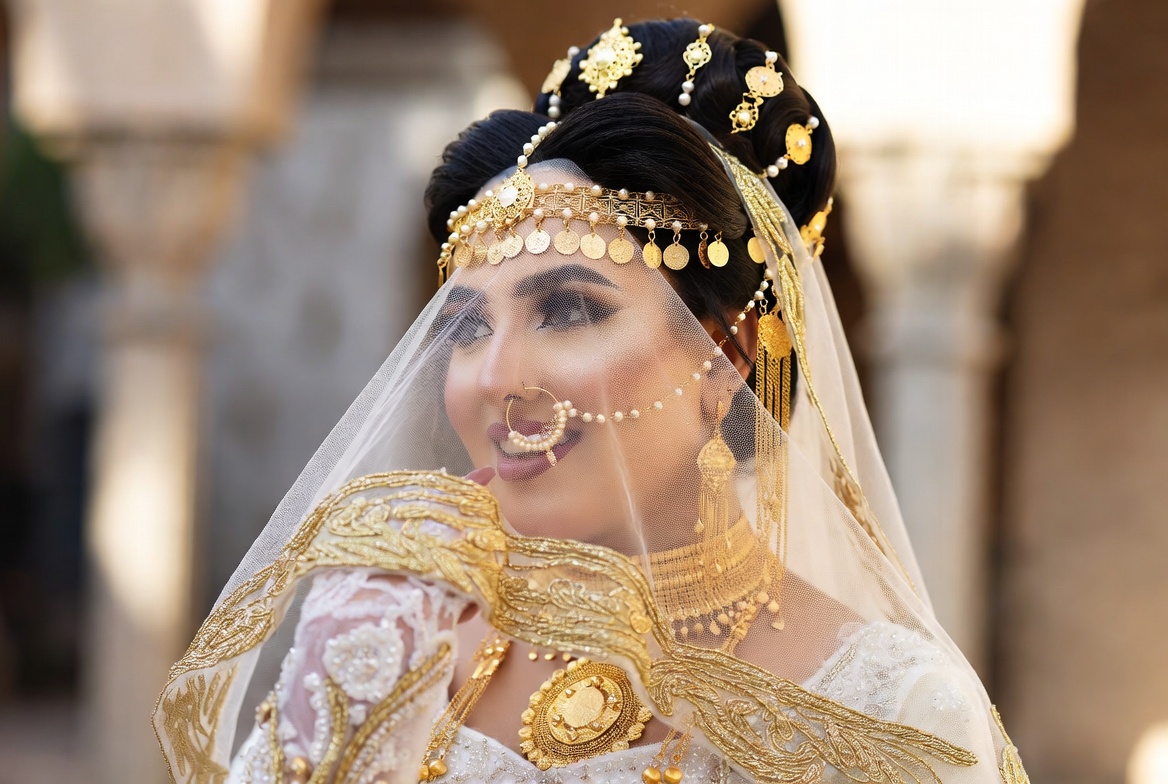
Traditional Wedding Customs in Egypt
Egyptian weddings are vibrant, joyous, and deeply rooted in both ancient traditions and Islamic culture. Here’s how traditional weddings are typically celebrated:
Pre-Wedding Traditions
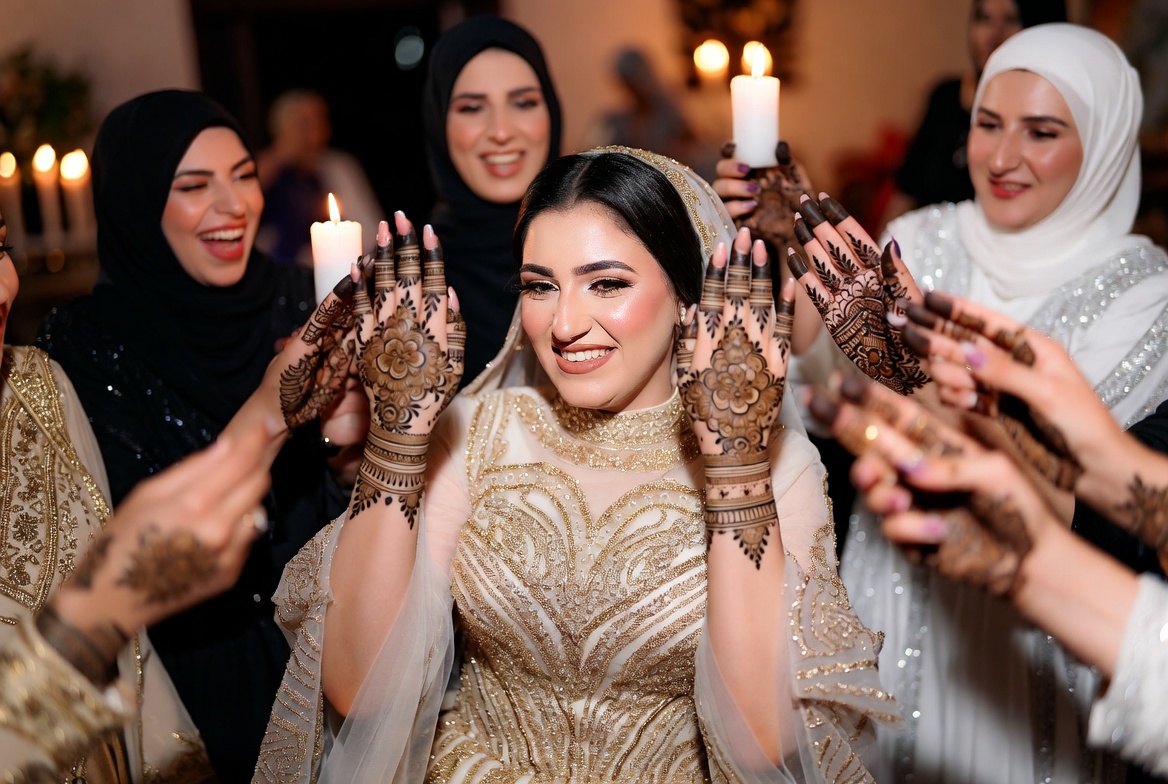
Proposal (Khutba): The groom’s family visits the bride’s family with gifts. Once accepted, a formal engagement party is held.
Henna Night (Laylat al-Henna): A women-only celebration a few days before the wedding. The bride’s hands and feet are decorated with intricate henna patterns. It’s a joyful evening with music, dancing, and sweets.
Preparation: The bride often gets a full beauty treatment (makeup, hair, traditional dress). The groom may wear a suit or traditional gallabiya.
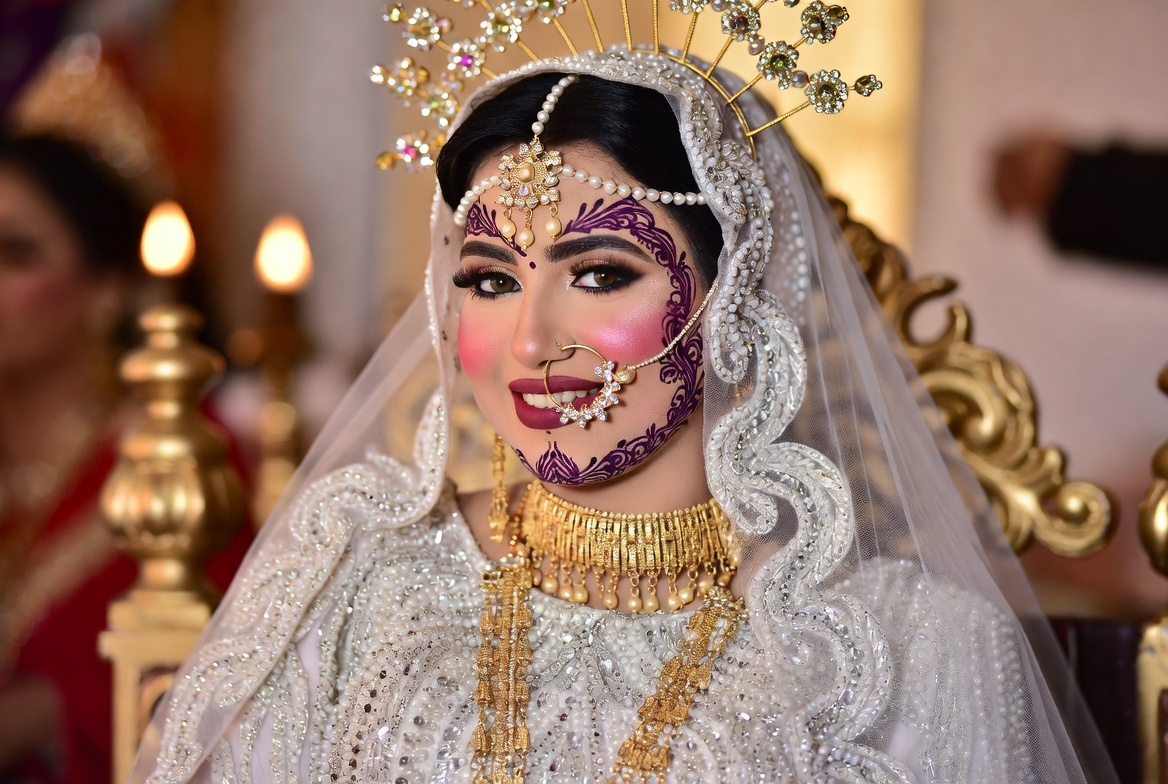
The Wedding Day
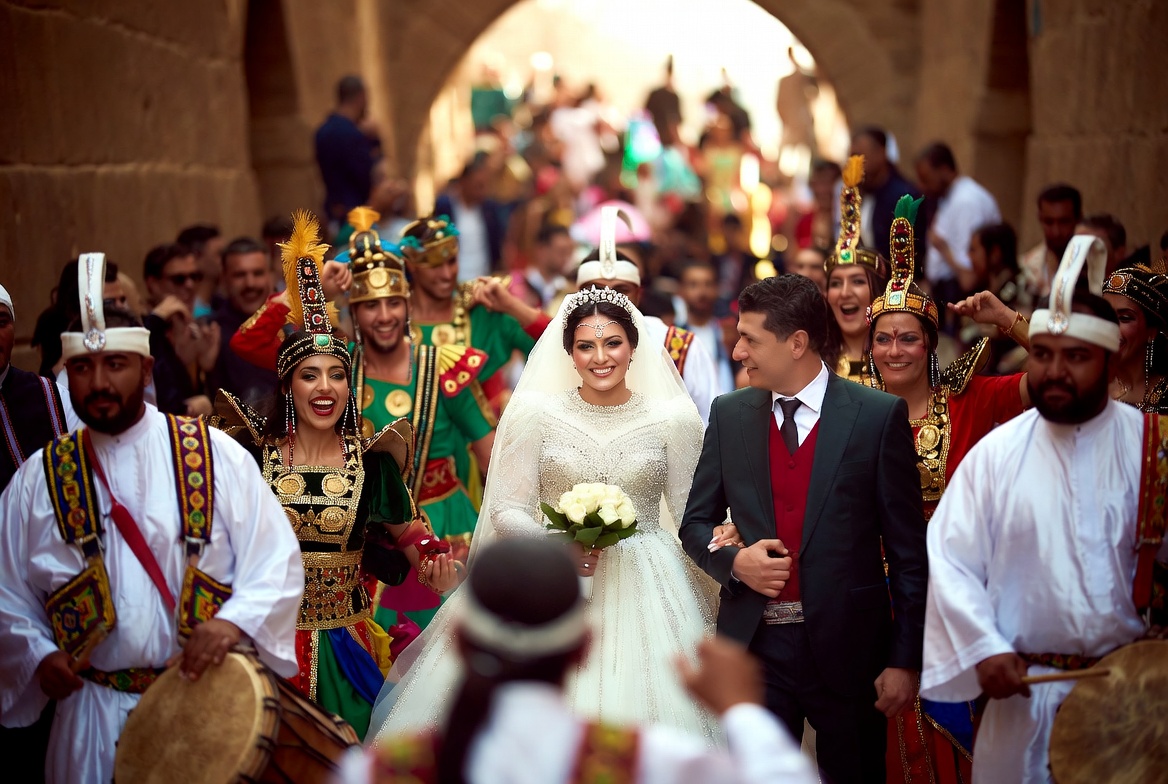
Zaffa (Wedding Procession): The highlight! The bride and groom enter to loud music, with drummers (zaghareet – high-pitched trilling sounds by women), dancers, and sometimes a horse or carriage. It’s very festive and loud.
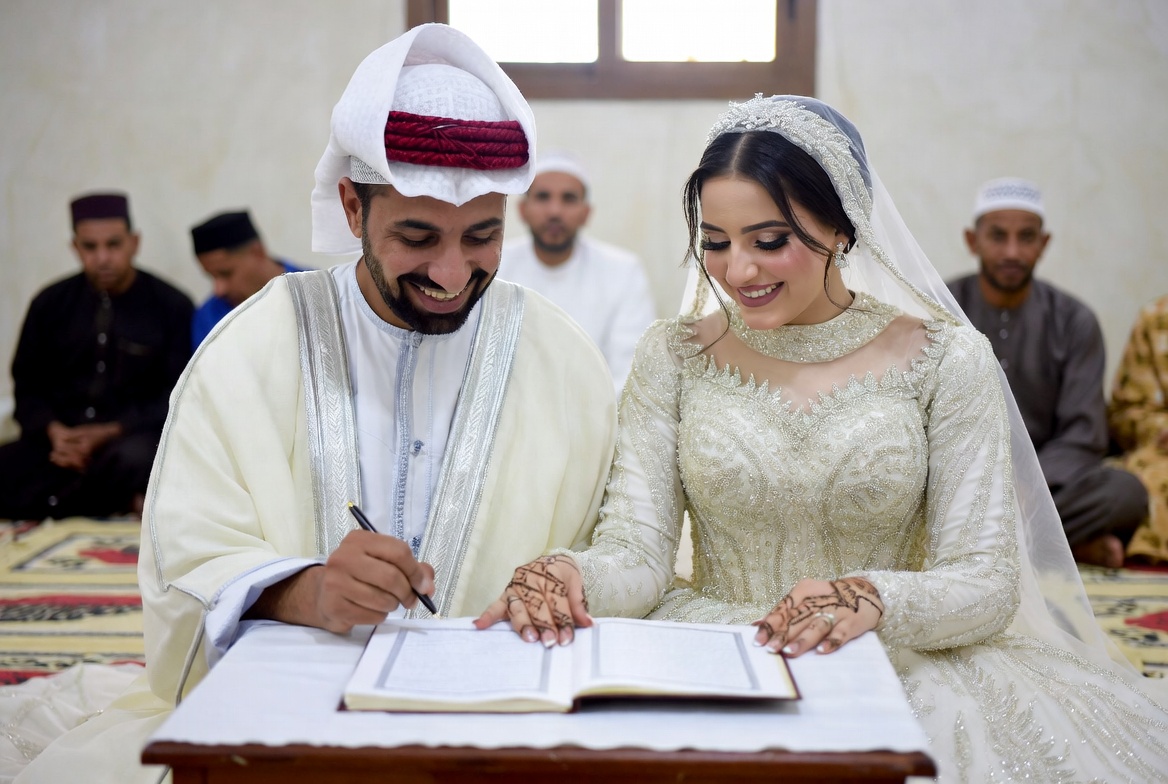
Religious Ceremony (Katb al-Kitab): The marriage contract is signed in the presence of a religious officiant. The groom gives the bride Mahr (a gift, often gold jewellery).
Reception (Walima): A big feast with family and friends. Traditional foods include stuffed pigeon, rice, molokhia, and sweets like kunafa and baklava.
Post-Wedding Customs
The bride and groom often move to their new home. In some families, the bride’s family sends household items as gifts.
Dancing (especially belly dancing) and singing continue late into the night.
Egyptian weddings are known for their warmth, generosity, and emphasis on family unity.