
Traditional Wedding Customs in German-speaking Switzerland
SwitzerlandGermanZurich (Zürich)
German-speaking Switzerland (Deutschschweiz) has a rich blend of civil, religious, and folk traditions. Weddings are usually a mix of modern Swiss efficiency and old Alpine customs.
1. Engagement (Verlobung)
 The groom traditionally asks the bride’s father for permission (though this is becoming less common).
- Families often celebrate with a small dinner or drinks.
- An engagement ring is given, usually a simple gold band.
2. Polterabend (The Eve of the Wedding)
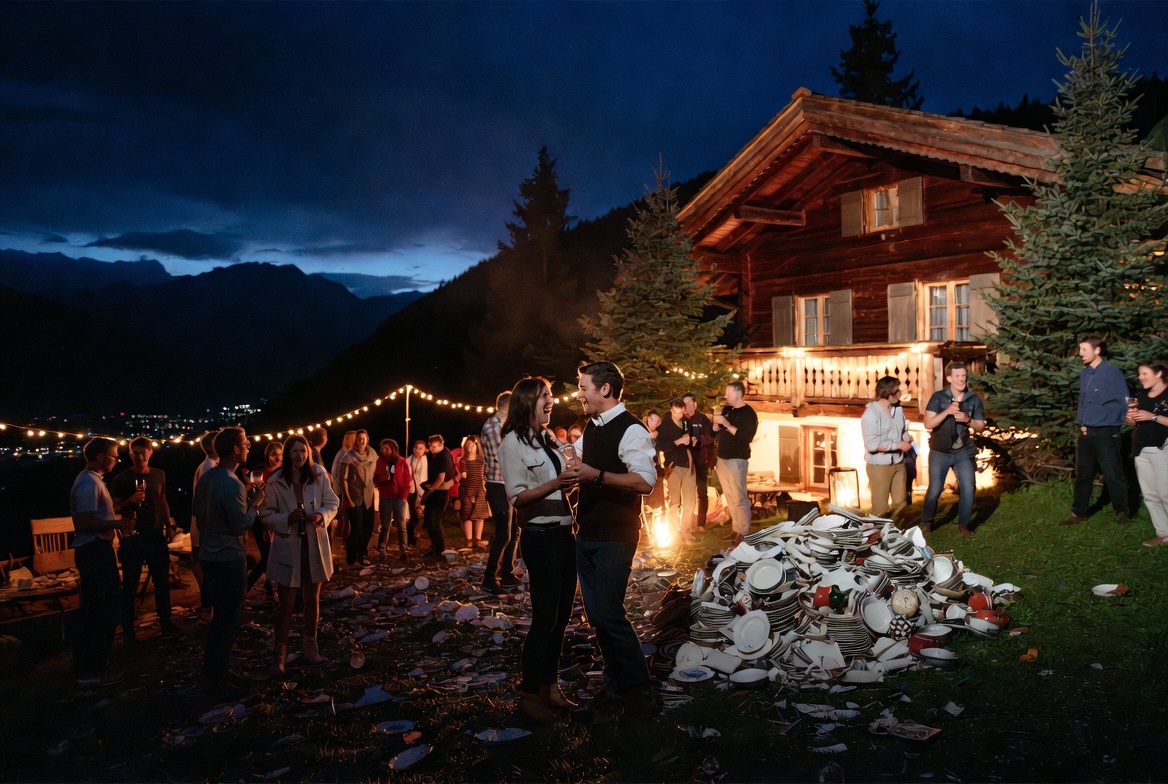 One of the most popular and fun Swiss German traditions.
- Held the night before the wedding at the bride’s or groom’s parents’ house.
- Guests bring old ceramic plates, bowls, or pottery and smash them on the ground.
- The couple must clean up the broken pieces together — symbolizing that they will work through future difficulties as a team.
- Lots of food, drinks, music, and jokes.
3. Civil Ceremony (Standesamt)
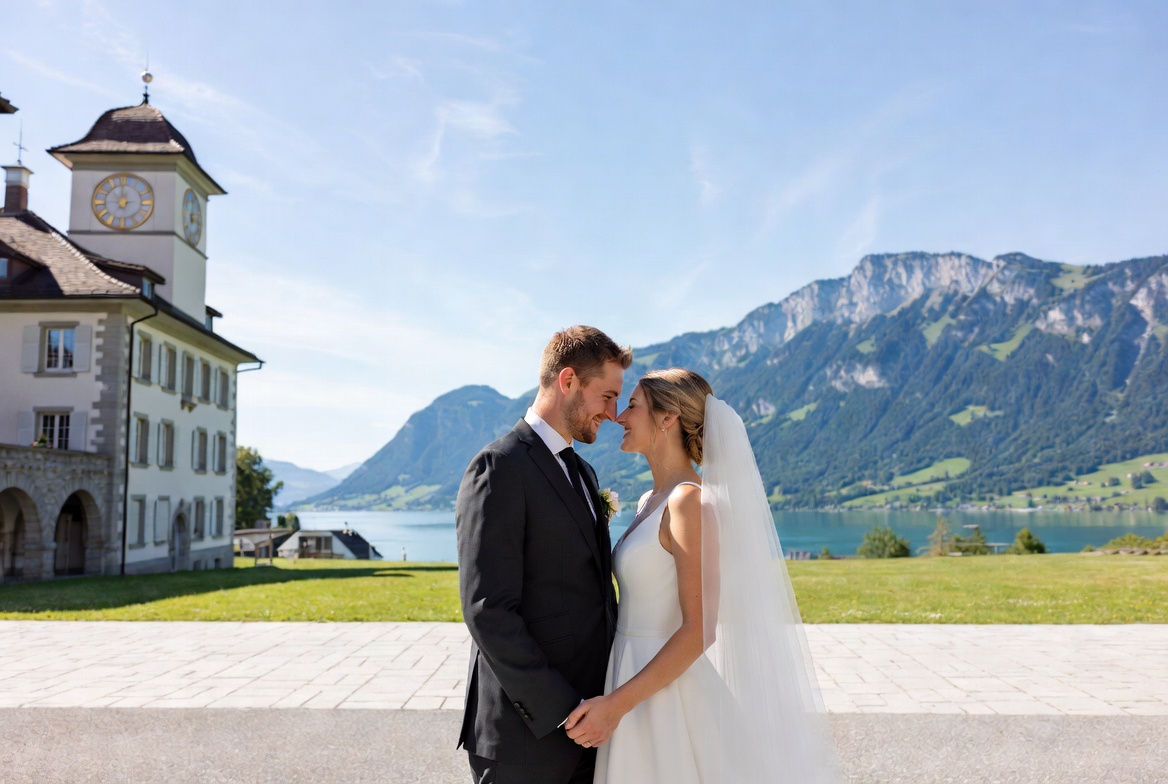 In Switzerland, the civil wedding at the registry office is legally required and usually happens first.
- It is often short and formal.
- Many couples then have a religious ceremony afterward.
4. Church Wedding & Procession
 A traditional church ceremony (usually Protestant or Catholic).
- The bride is often led to the church by her father or both parents.
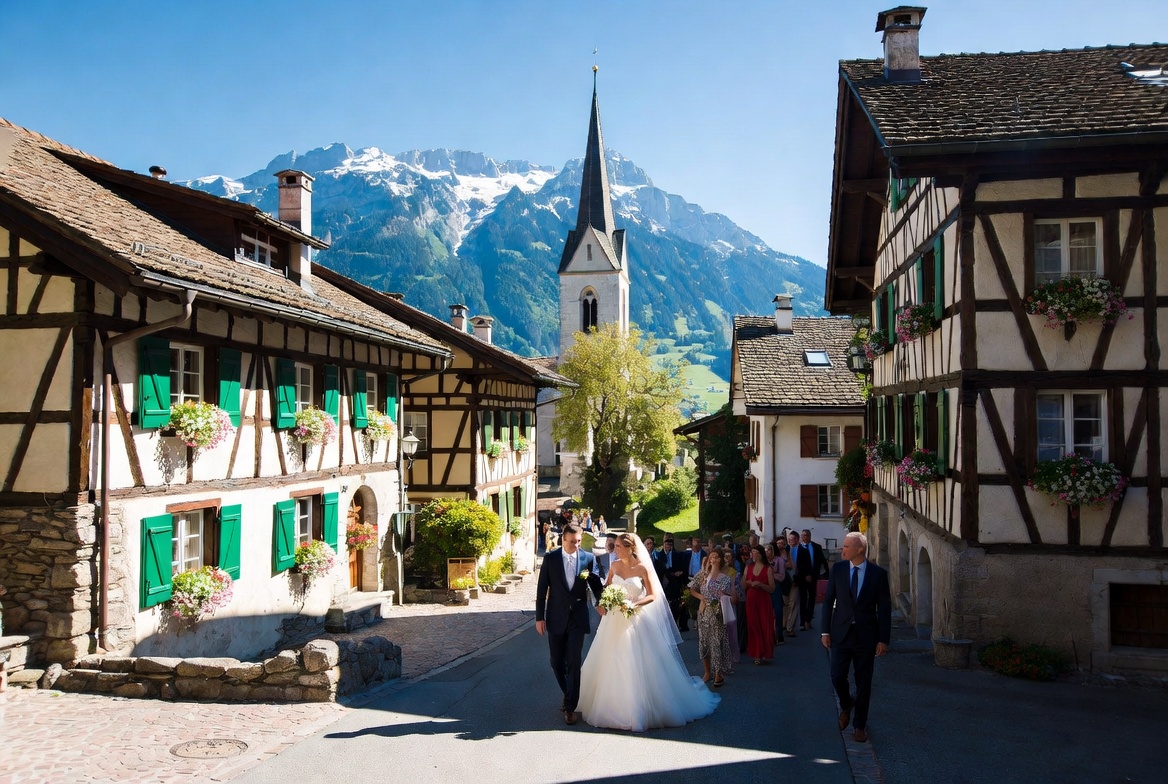
- In some villages, there is a festive Brautzug (wedding procession) through the town with music and decorated cars or horse carriages.
5. Traditional Attire
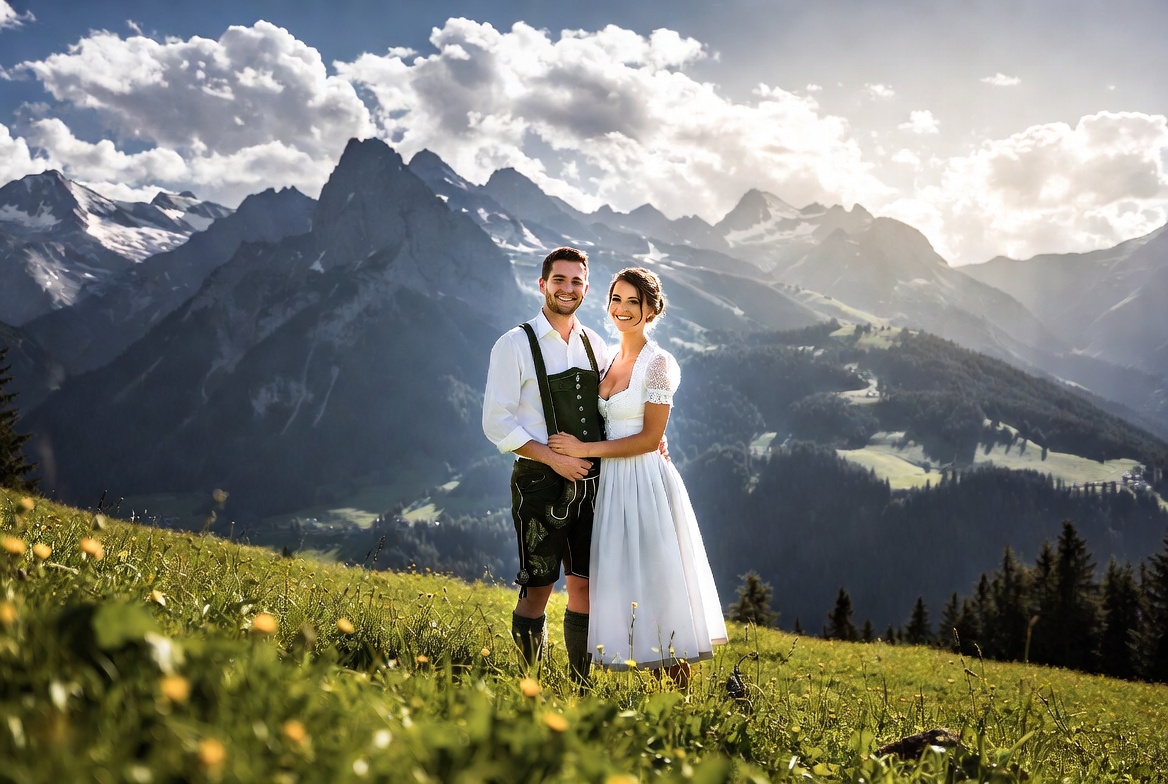 Many couples choose traditional Tracht (folk costume):
- Bride: Beautiful Dirndl or white wedding dress with traditional elements.
- Groom: Lederhosen or formal suit with elements of traditional Swiss clothing.
- In mountain regions, flower crowns or edelweiss decorations are common.
6. Wedding Reception & Customs
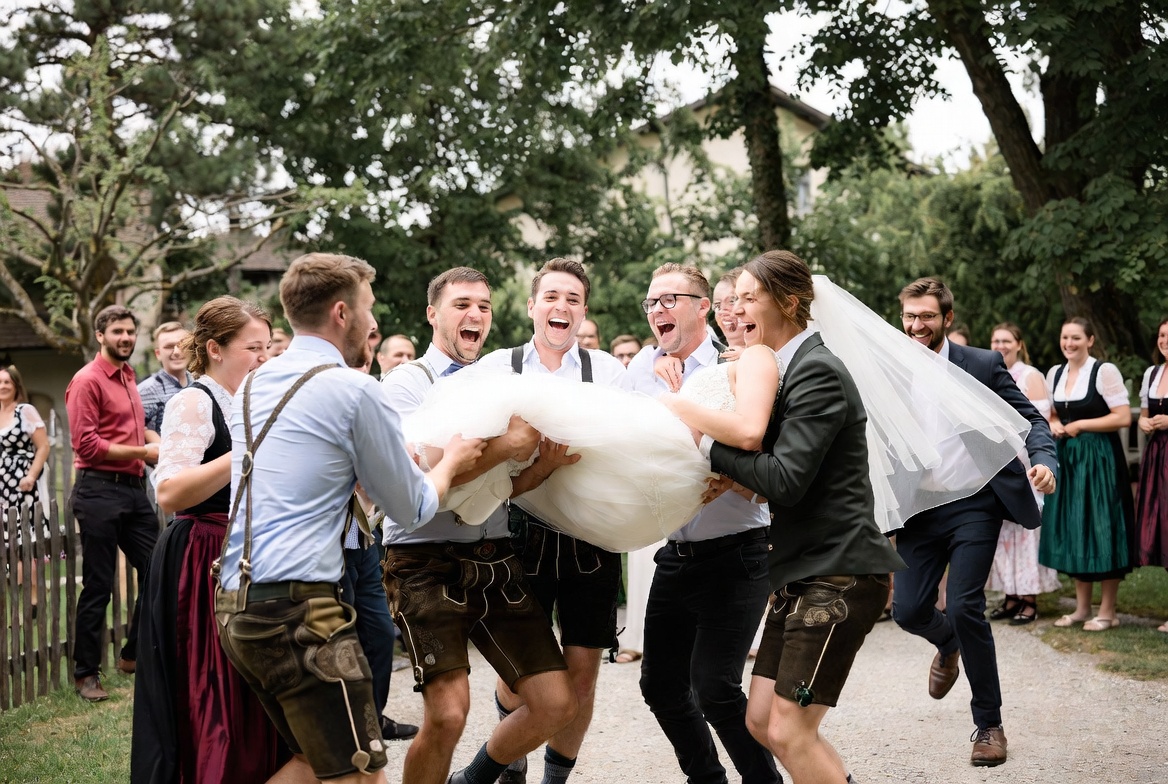 The reception often includes:
- Cutting the wedding tree (in some regions): A small decorated tree is cut by the couple.
- Stealing the Bride: The groom’s friends “kidnap” the bride and the groom has to find her or pay a ransom (usually drinks for everyone).
- Brunch the next day (common in Switzerland).
- Lots of local wine, cheese, and hearty Swiss food.
7. Symbolic Gifts
- Guests often give practical gifts or money in a decorated envelope.
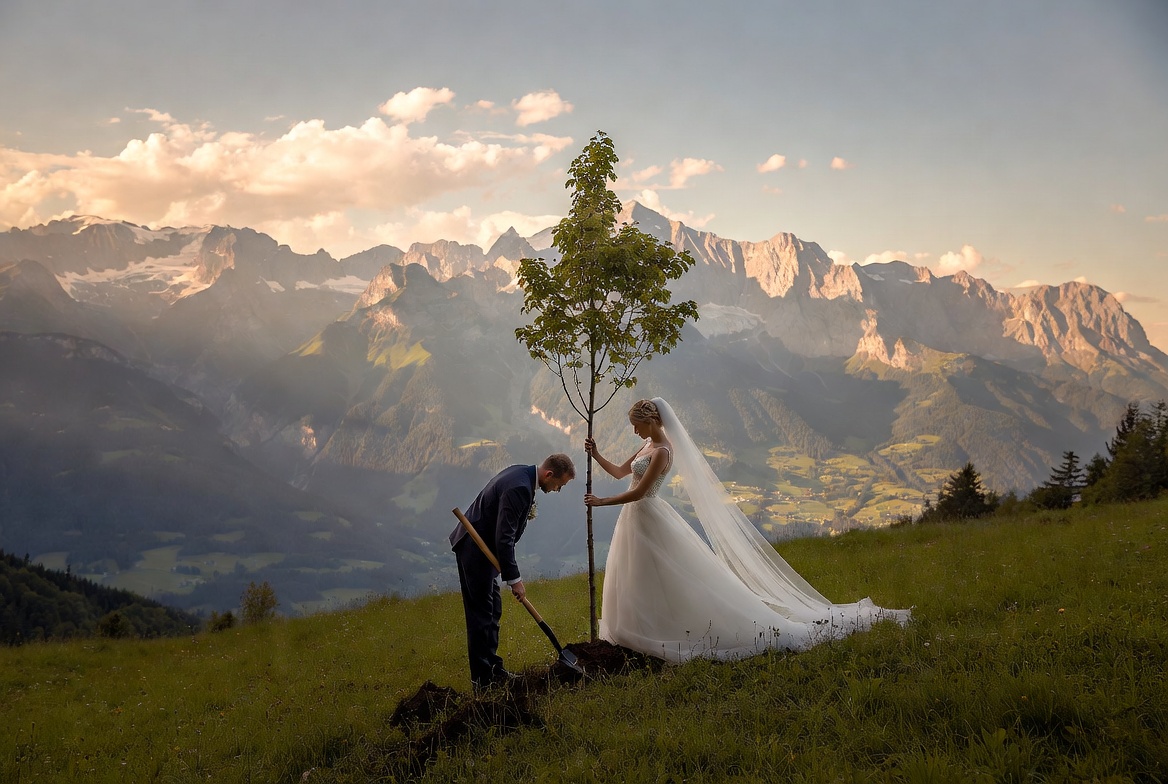
- The couple may plant a tree together as a symbol of growing love.
These customs vary slightly between cantons (e.g., Zürich, Bern, Basel, Appenzell), but Polterabend and the combination of civil + church ceremonies are the most widespread.