
Turkish Cultural Symbols & Meanings: A Tourist's Guide
Turkey has ancient symbols on walls, around necks, and hanging in doorways. Knowing them helps tourists understand Turkish pride and avoid accidental disrespect.
. Nazar Boncuğu (Evil Eye)
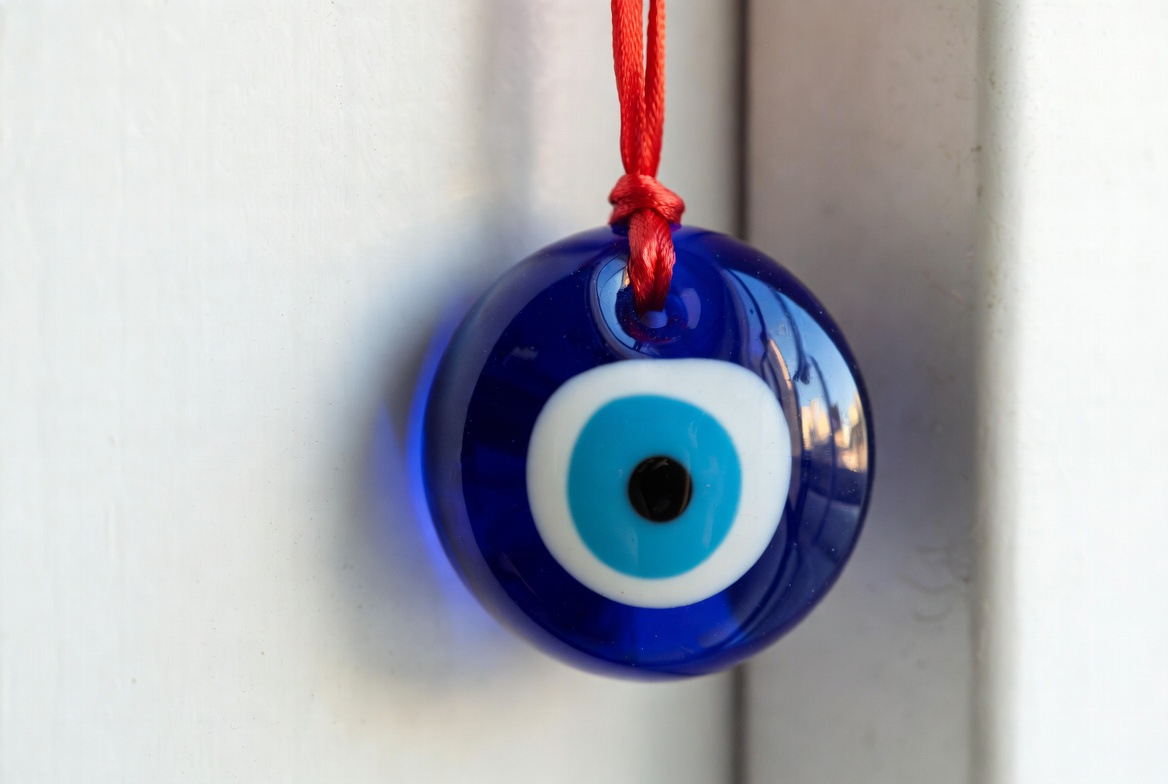
A blue glass bead with white and dark blue circles. Hangs in homes, cars, and on babies' clothes. Protects against jealous looks (nazar).
Believed to absorb bad energy and crack
If it cracks, it has protected you (replace immediately)
Never gift without a small coin in return
Found on every souvenir stall
Babies wear small ones pinned to their shirts
2. Turkish Flag (Ay Yıldız)
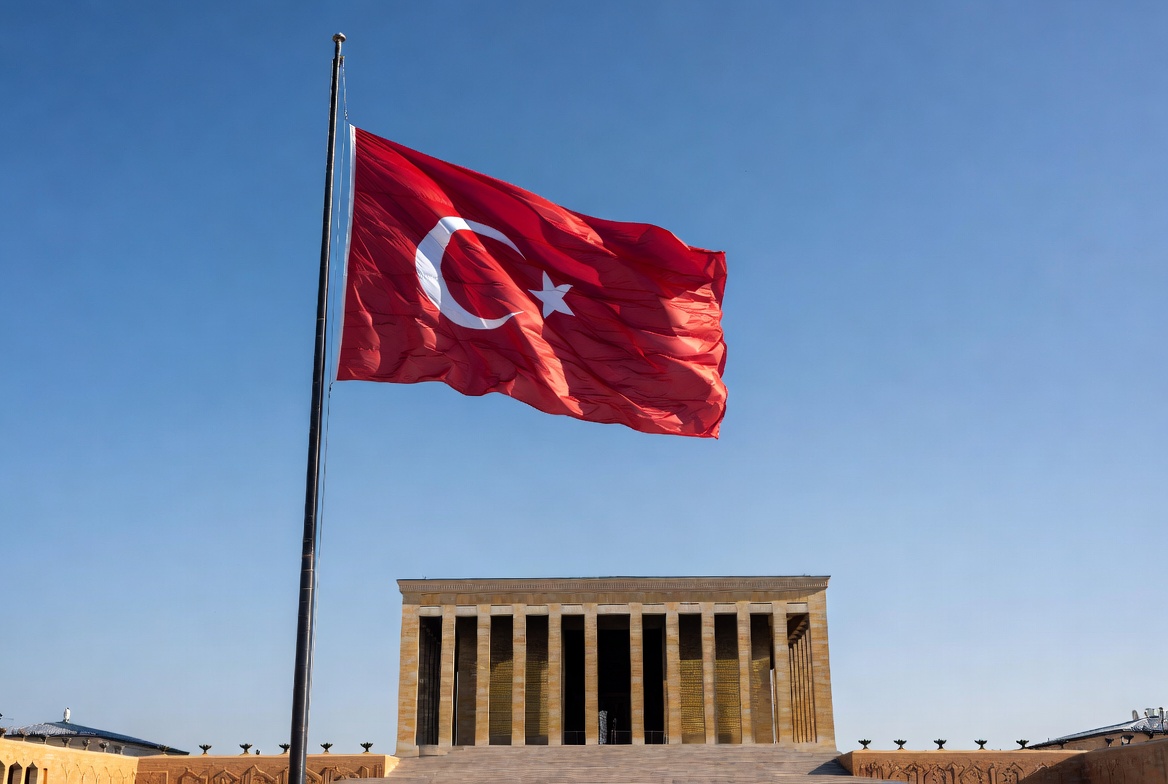
Red flag with white crescent moon and five-pointed star. Crescent represents Islam. Star represents independence. Every home and shop displays it.
Red represents blood of soldiers (War of Independence)
Never let the flag touch the ground
Flag displayed on national holidays (April 23, May 19, August 30, October 29)
Burning or disrespecting the flag is a crime
Flag tattoos are very common
3. Grey Wolf (Bozkurt)
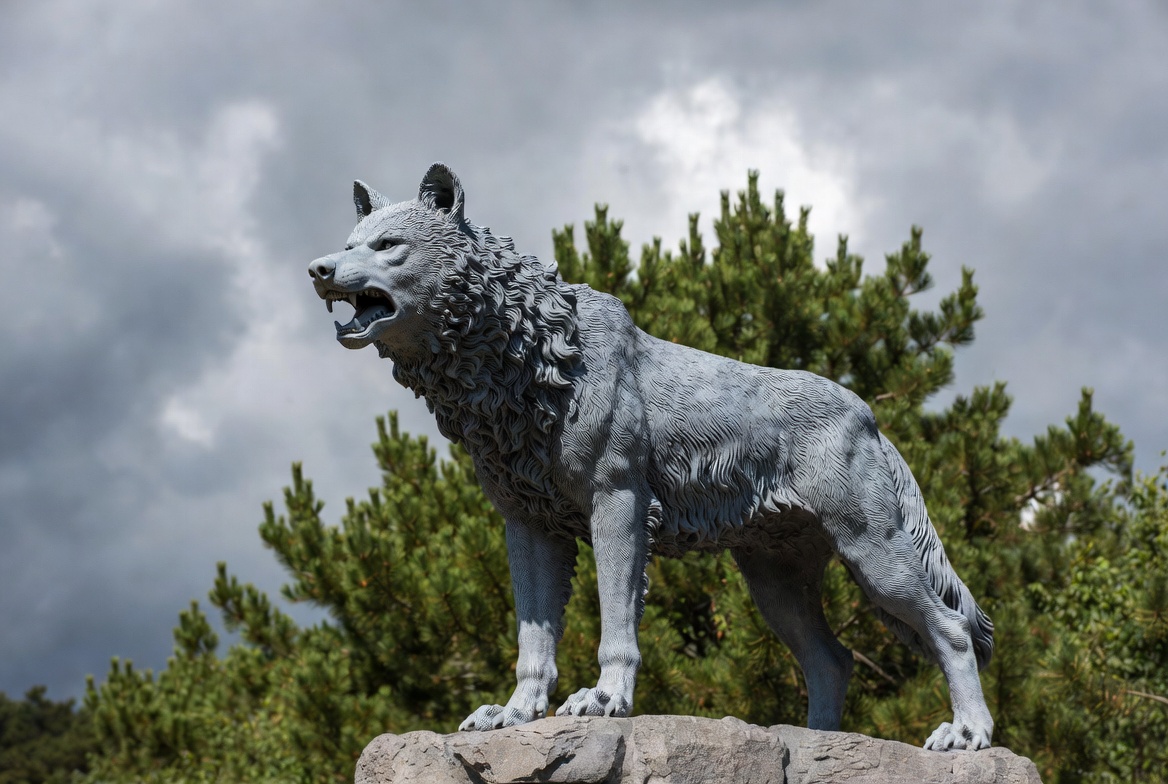
A wolf with mouth open. Symbol of Turkish nationalism and pre-Islamic Turkic heritage. Legend says a grey wolf led Turks out of Ergenekon (mythical valley) to freedom.
Hand gesture: pinky and index finger up (wolf salute)
Very political (associated with Nationalist Movement Party)
Never make the gesture unless you understand the politics
Found on flags, statues, and some football stadiums
Not a tourist-friendly symbol to wear
5. Tulip (Lale)

The tulip is originally Turkish, not Dutch. Brought to Europe from Ottoman Empire. Symbol of abundance, paradise, and the Ottoman golden age.
Tulip Era (Lale Devri) was 1718-1730 (peace and prosperity)
Found on Iznik tiles, old Istanbul mansions, and metro stations
April is tulip festival month in Istanbul
Emirgan Park has millions of tulips in spring
Symbol of perfection and beauty