
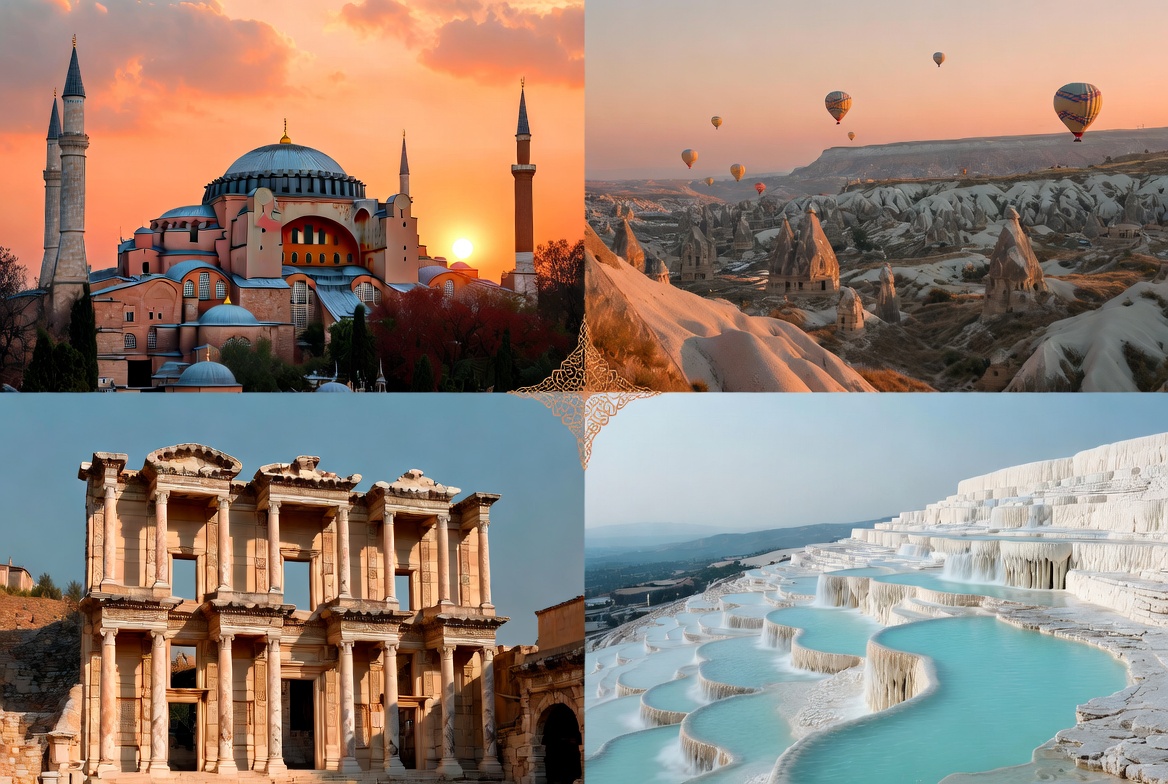
Turkish Historical Landmarks & Significance: A Tourist's Guide to Boundaries
Turkey has landmarks from Roman, Byzantine, Seljuk, and Ottoman empires. Knowing them helps tourists understand Turkish pride and respect sacred spaces.
1. Hagia Sophia (Ayasofya)
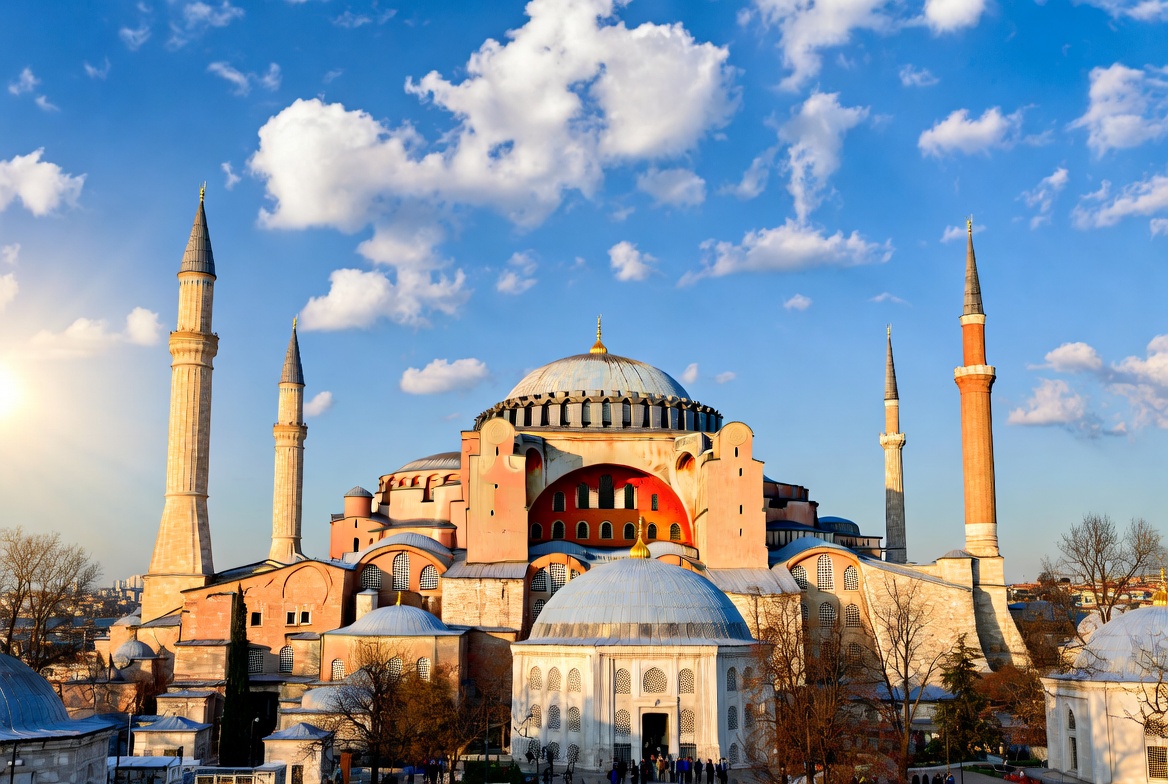
Built in 537 AD in Istanbul. First a church, then a mosque, then a museum, now a mosque again. One of the most important buildings in world history.
Largest cathedral for 1,000 years
Mosaics of Jesus and Mary still visible (uncovered during prayer)
Women must cover hair before entering
Remove shoes before walking on carpet
No entry during prayer times (5 times daily)
2. Cappadocia Fairy Chimneys
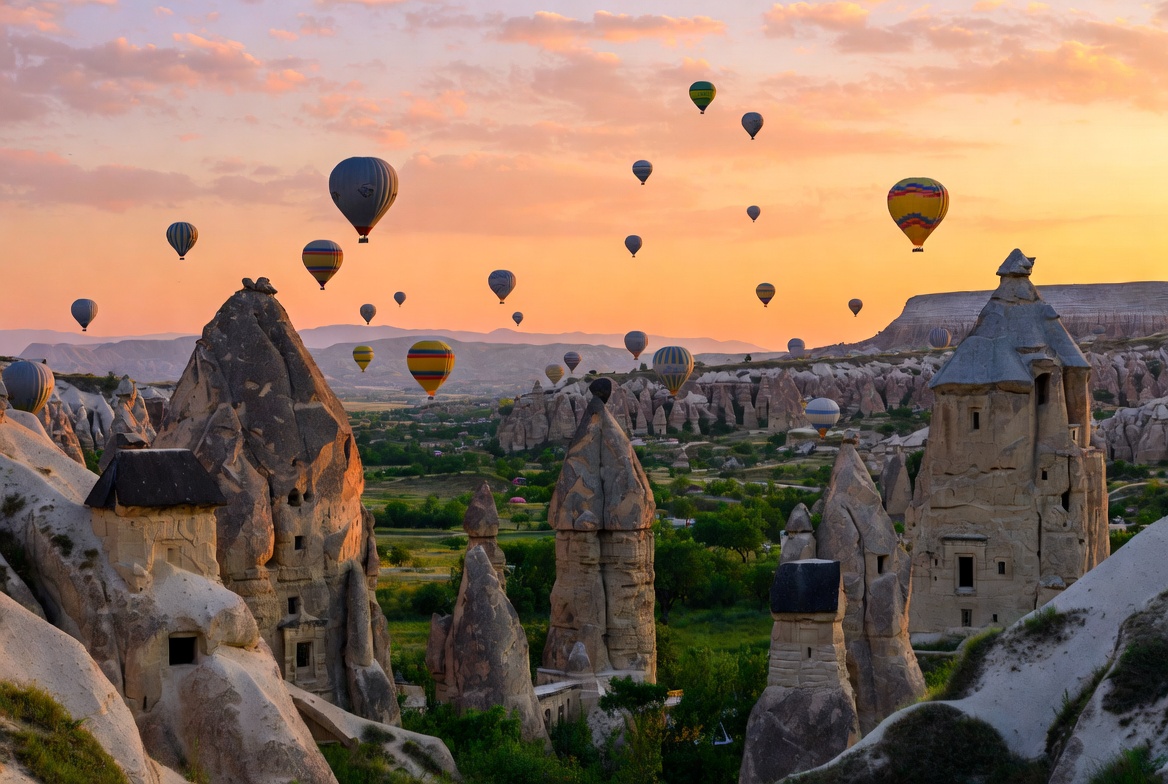
Unique rock formations in central Turkey. Created by volcanic ash erosion over millions of years. People carved homes, churches, and entire cities inside.
Underground cities go 8 levels deep
Some caves are still homes today
Hot air balloons at sunrise (most famous view)
Never climb on fragile chimneys (they collapse)
Church frescoes inside are 1,000+ years old
3. Ephesus (Efes)
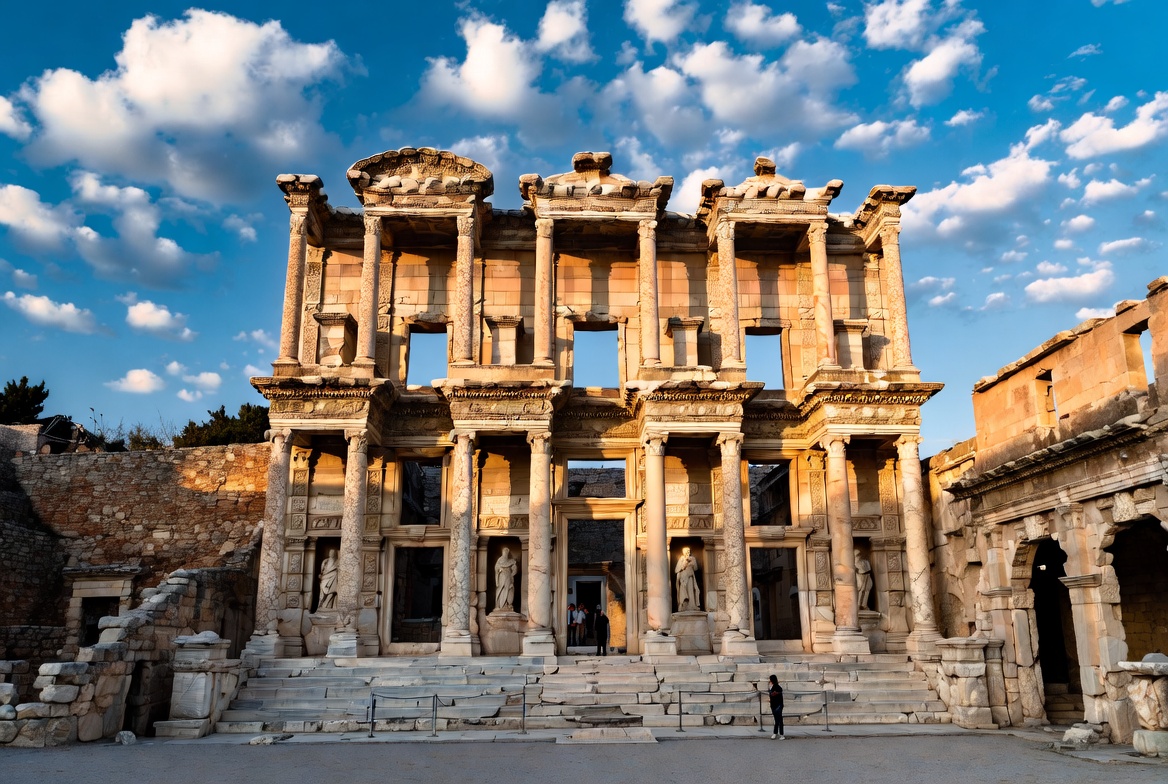
Ancient Roman city near Selçuk (Izmir). Library of Celsus is the most famous building. The largest Roman ruins in Turkey.
Library held 12,000 scrolls
Theatre held 25,000 people
Terrace houses have intact mosaics and frescoes
Very hot in summer (no shade)
Never sit or climb on the library facade
4. Pamukkale Travertines
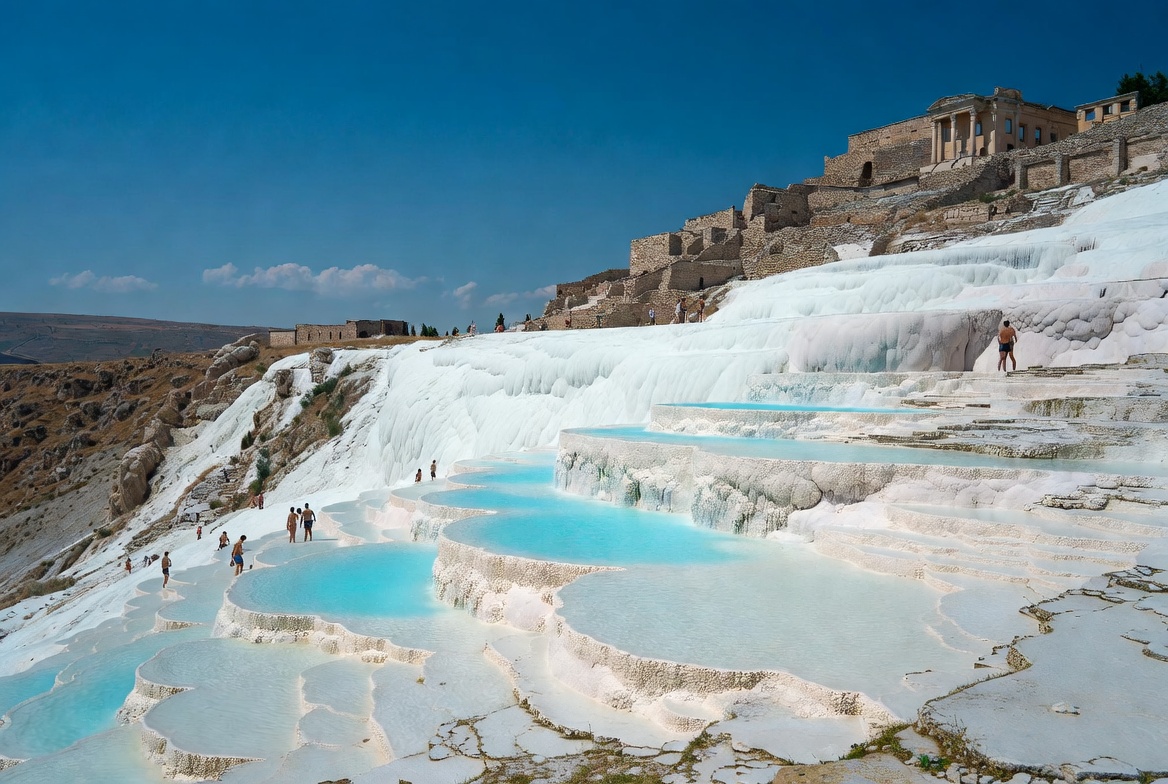
White calcium terraces filled with warm, mineral-rich water. People have bathed here for 2,000 years. Ancient city of Hierapolis sits on top.
Walk barefoot on the terraces (shoes damage them)
Some pools are closed for protection (restricted areas)
Water is 35°C (95°F) year round
No swimming in non-designated pools
Cleopatra's Pool (extra fee) has fallen Roman columns inside
5. Topkapı Palace (Topkapı Sarayı)
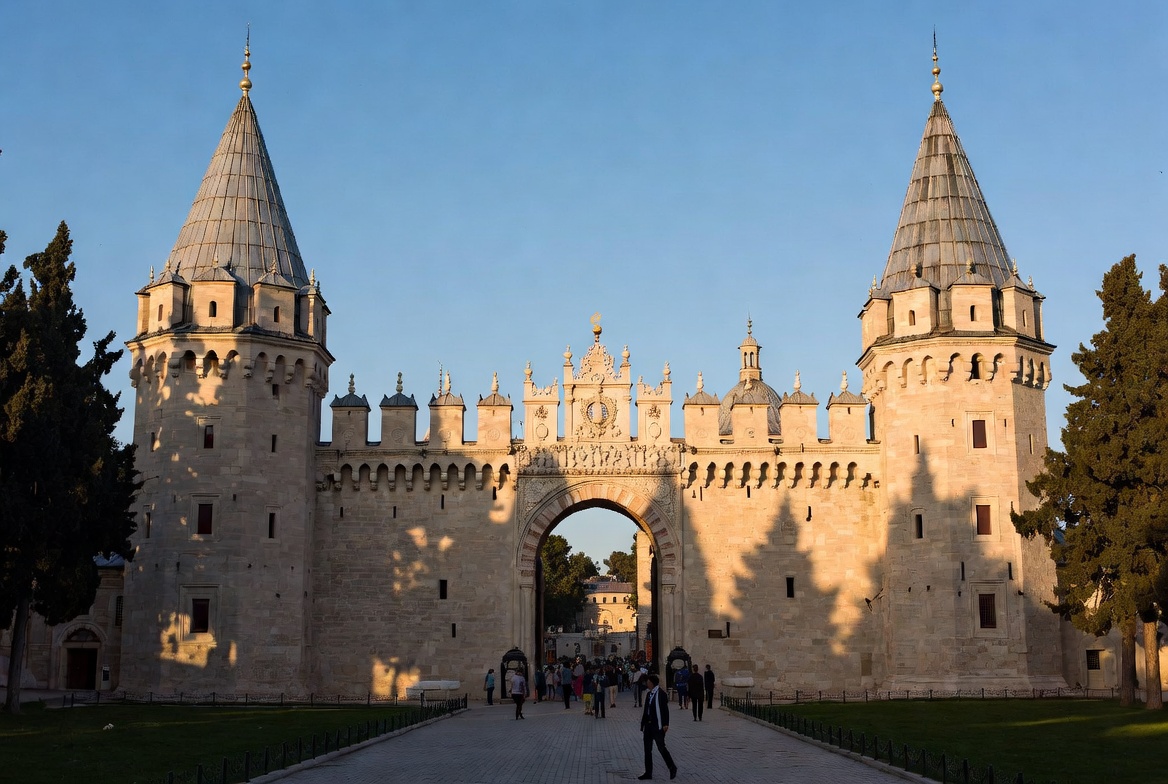
Ottoman palace in Istanbul. Home to sultans for 400 years. Now a museum with holy relics, jewels, and kitchen collections.
Sacred relics: Moses' staff, Muhammad's cloak and sword
Harem requires separate ticket (limited entry)
No photos in Sacred Relics room
Imperial Treasury has 86-carat Spoonmaker's Diamond
Very crowded (arrive at opening time)
6. Mount Nemrut (Nemrut Dağı)
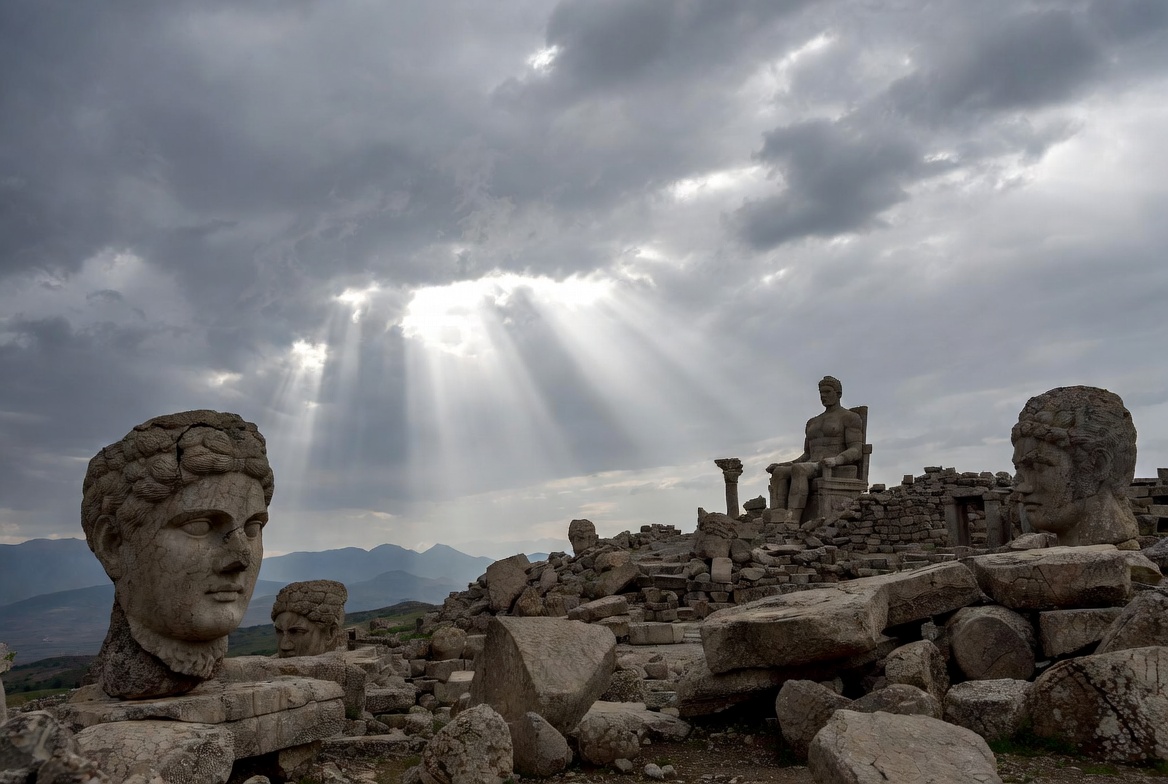
Massive statues of gods and kings on a mountain top in eastern Turkey. Built by King Antiochus in 62 BC. Heads now separated from bodies.
Sunrise is the best time to visit
Heads weigh several tons each
East terrace for sunrise, west terrace for sunset
Very cold even in summer (bring jacket)
2-hour hike up from parking (no road to top)