
English Canadian Wedding Traditions
CanadaEnglishToronto
Canada’s multiculturalism means weddings often incorporate personal, family, or immigrant traditions, but English-Canadian ones tend to be less regionally distinct than French-Canadian ones (e.g., Quebec’s sock dance or honking processions).
Pre-Wedding Events
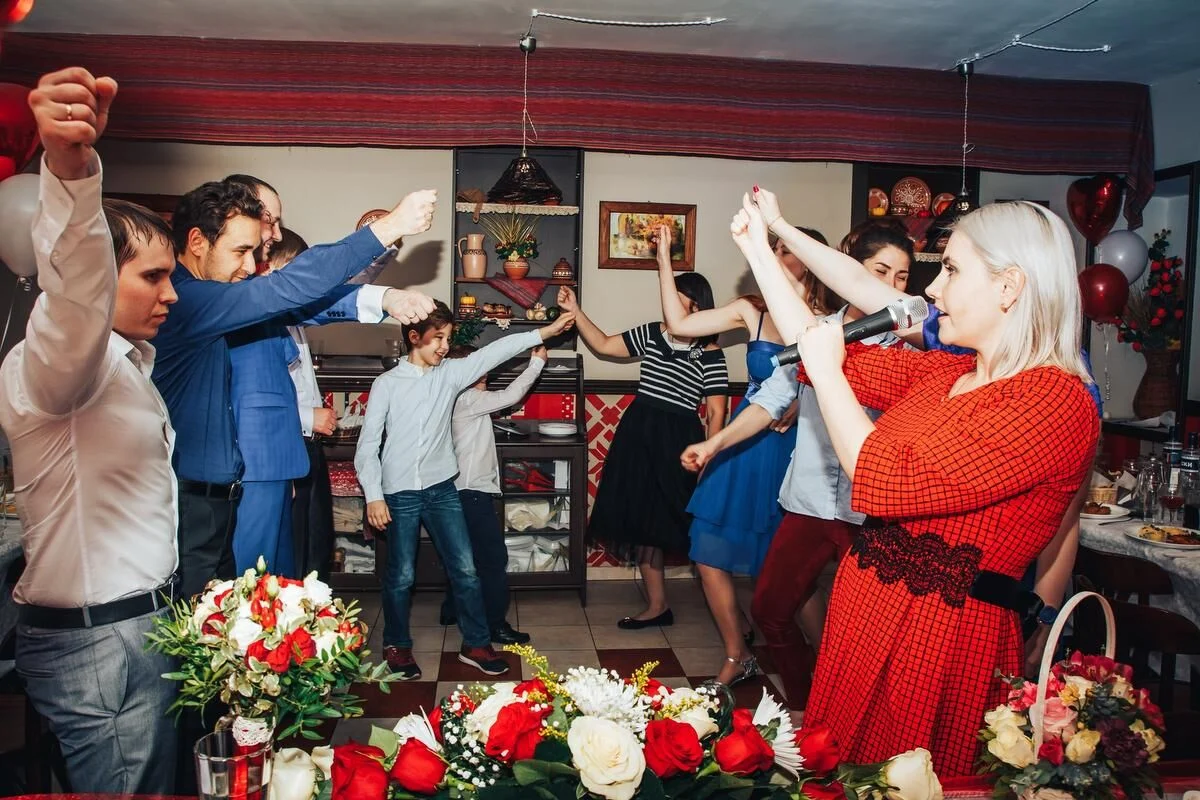 Stag and Doe (or Buck and Doe) / Wedding Social: A popular fundraiser party hosted by the couple and friends/family, often in Ontario or the Prairies (e.g., Manitoba). Guests pay for tickets, enjoy food/drinks, music, dancing, raffles, and games. Proceeds help cover wedding costs. This is a distinctly Canadian communal tradition.
- Bridal showers, bachelor/bachelorette parties, and engagement parties are common, similar to the US/UK.
Attire
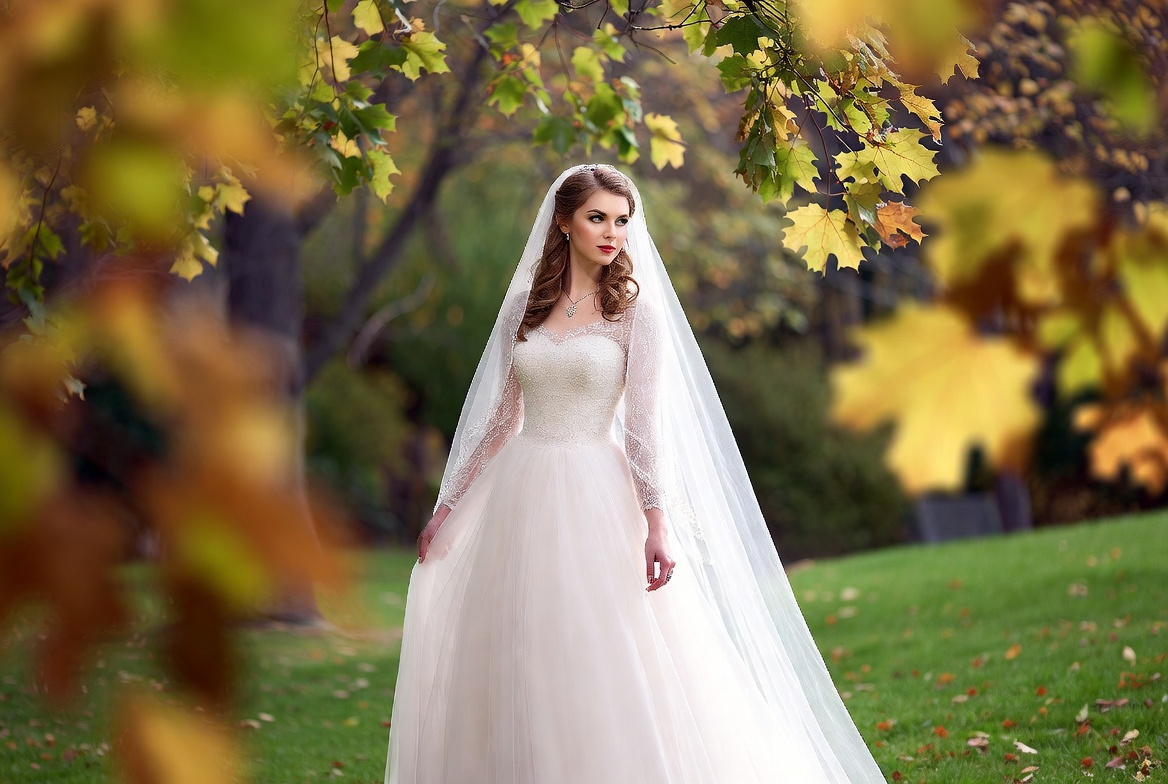 Bride: A white wedding gown (Victorian-era symbol of purity/joy) is standard, often with a veil. Many incorporate “something old, something new, something borrowed, something blue” for luck. Styles can be formal or more relaxed/comfortable.
- Groom and Party: Classic tuxedo or suit (black, navy, grey), with boutonnières. Attire often reflects personal style rather than rigid tradition.
Ceremony Traditions
 Religious or Civil: Ceremonies are often in churches (Protestant or other) or venues with officiants. Vows, ring exchange, and pronouncement are central.
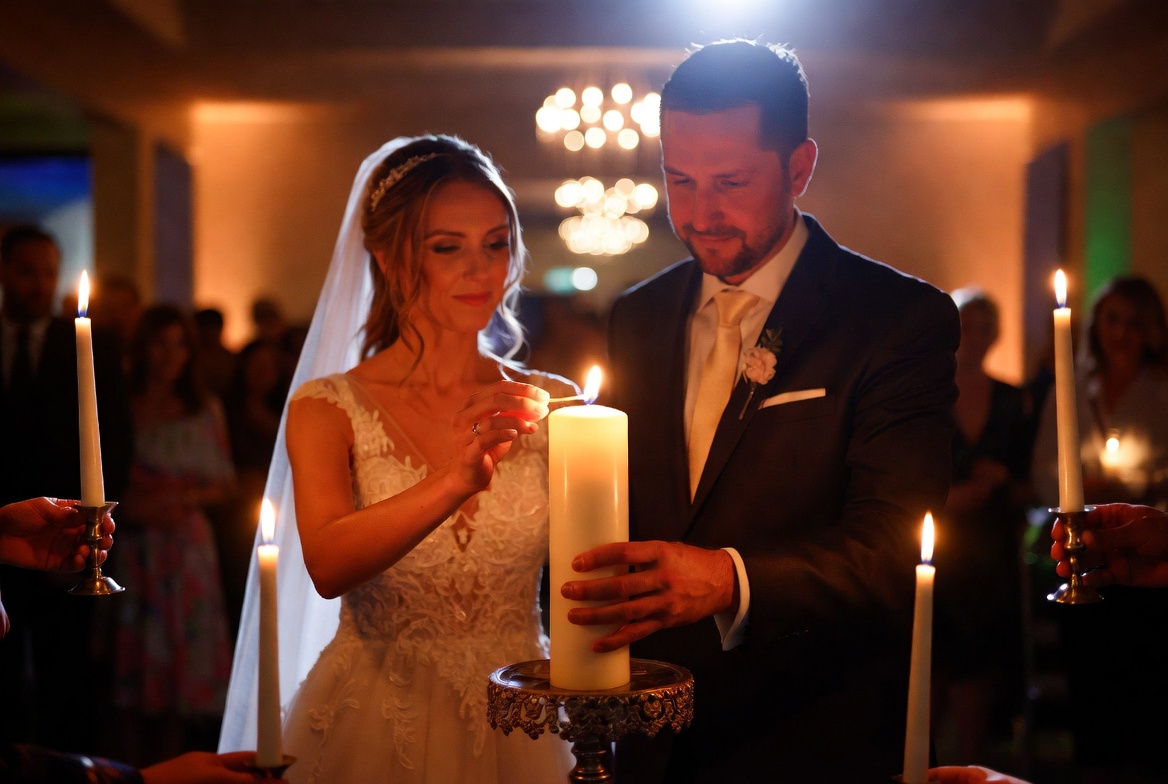
- Unity Candle: The couple (or family representatives) lights a central candle from two individual ones, symbolizing the union of lives/families. Common across Canada.
- Ring Warming: Rings are passed among guests, who hold them and offer silent blessings/wishes. More intimate for smaller weddings.
- Indigenous Elements (where relevant): Some incorporate smudging or blessings by elders, honoring First Nations heritage.
- Processionals and other elements follow standard Western formats (bride escorted, etc.).
Reception and Post-Ceremony Customs
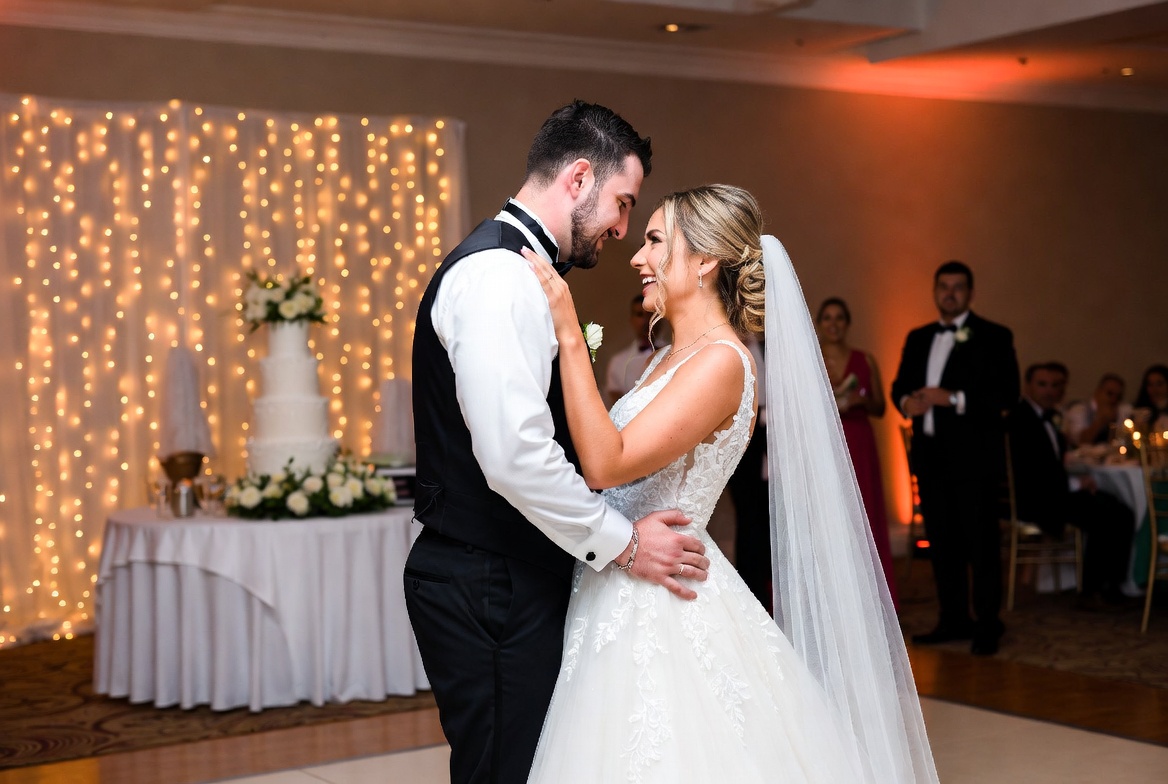 First Dance, Cake Cutting, Toasts/Speeches: Standard Western elements—the couple’s first dance, cutting the (often multi-tiered) wedding cake, bouquet toss (for unmarried women), and garter toss (for men). Speeches by parents, best man, maid of honor.
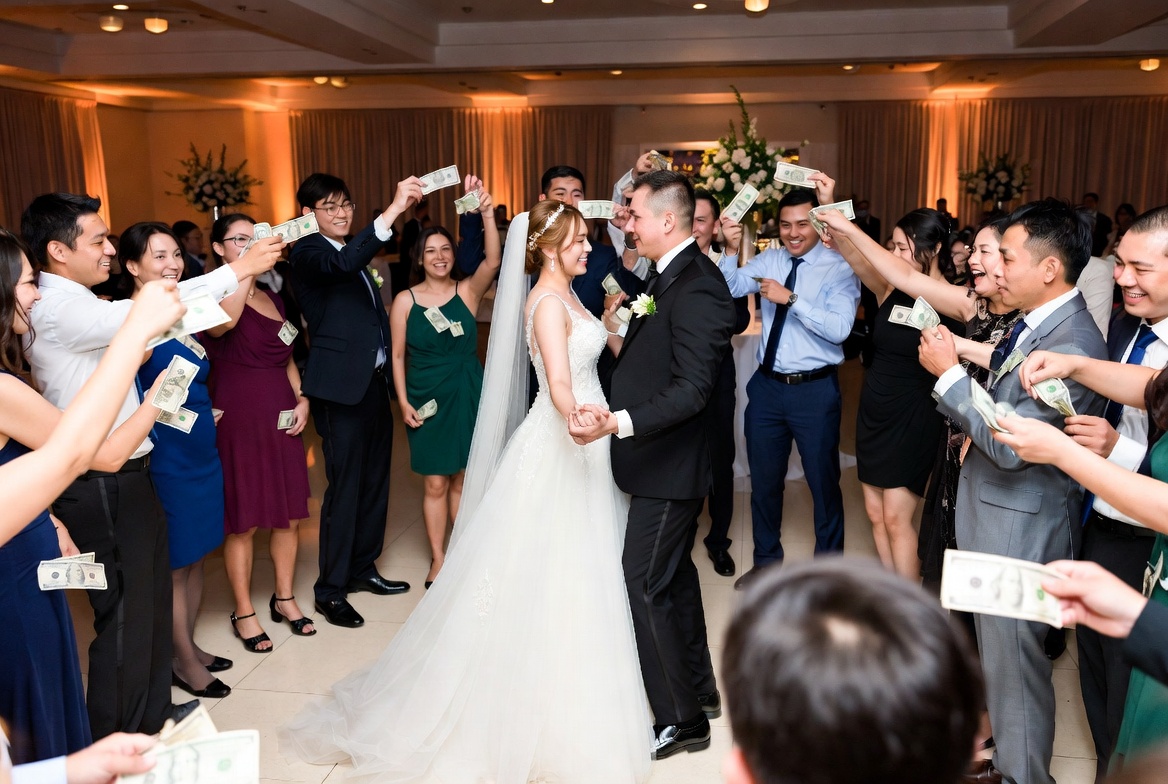
- Money Dance: Guests dance briefly with the bride or groom and pin or give money as a gift to help the couple start their life together.
- Food and Drink: Reception meals can be formal or buffet-style. Late-night snacks like poutine are popular pan-Canadian. Desserts may include “dainties” (small pastries/cakes) in the Prairies or other local treats. Receptions often run late (into the early morning).
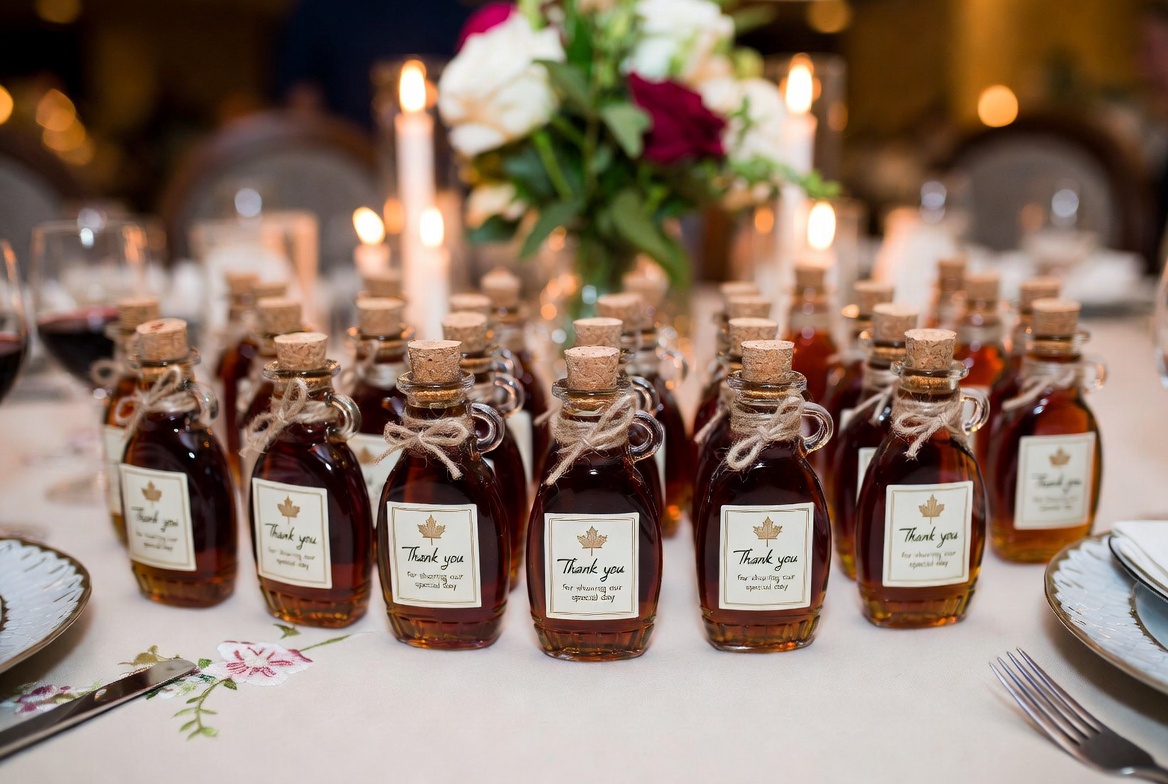
- Wedding Favors: Small thank-yous like maple syrup bottles or local items.
 Other Notes and Superstitions
- Rain on the wedding day is often seen as lucky (symbolizing growth/fertility).
- Weddings emphasize community, family, and celebration, with a practical/fundraising bent (e.g., via socials).
- Modern trends include personalization, eco-friendly elements, and non-religious ceremonies, reflecting Canada’s diversity.
English-Canadian weddings are generally similar to those in the US or UK but with added communal Canadian flair like fundraising events and longer, lively receptions.