
Historical landmarks in Ontario
Ontario’s old places are forts, a canal, and a few stone buildings. Most of them mark the War of 1812 or the capital. A visitor can still walk them.
Fort York
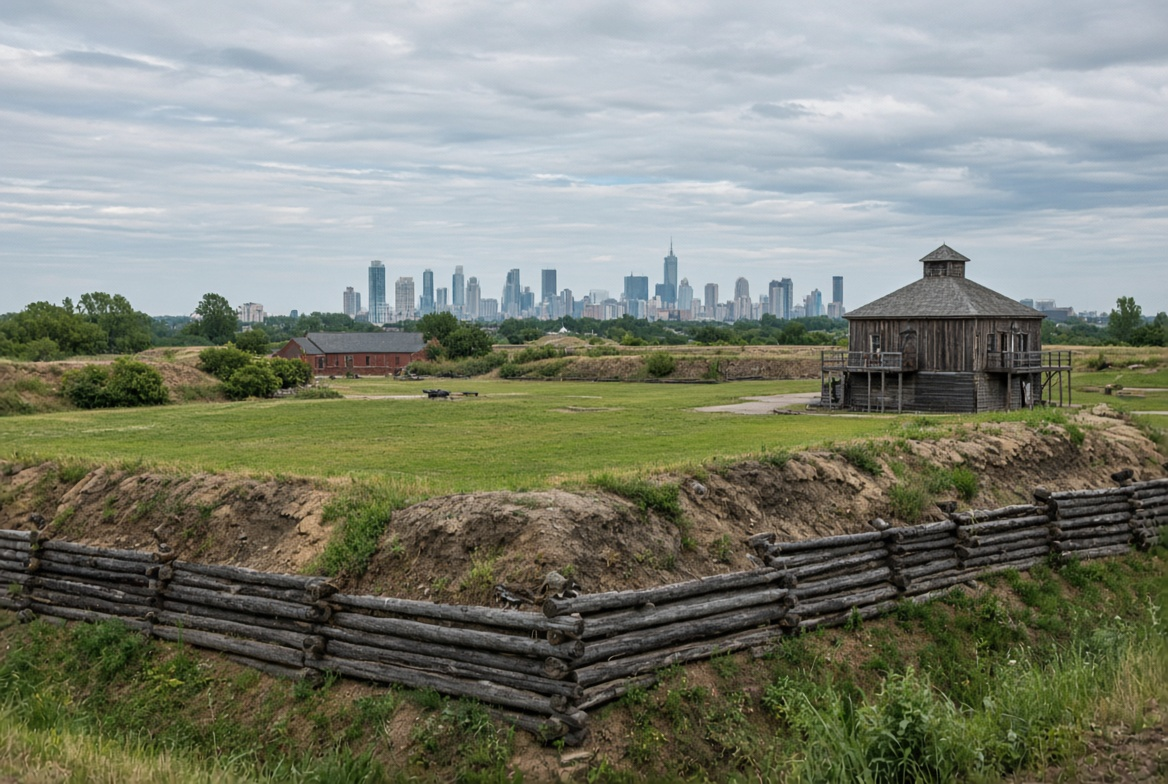
It is a War of 1812 fort in Toronto, on the old lake shore.
British troops held it. American forces burned the town in 1813.
The point is the fight for the lake, not a palace.
The walls and barracks are still there. The city grew around them.
A museum sits inside. The grounds are open.
Fort Henry
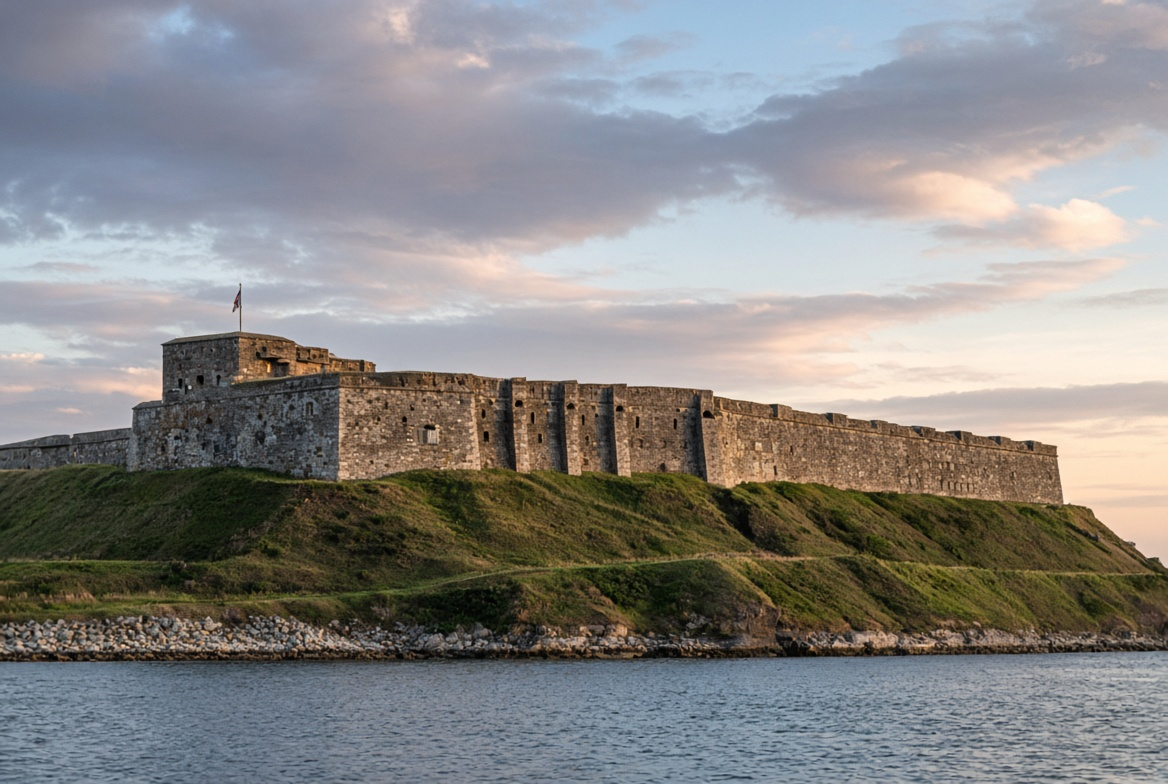
It is a stone fort above Kingston, finished in the 1830s.
It guarded the navy yard and the entrance from the lake.
The point is the defence of the Rideau route, after the American war.
Guides in old uniform still drill in summer.
It looks over the harbour. The view is part of the visit.
The Rideau Canal
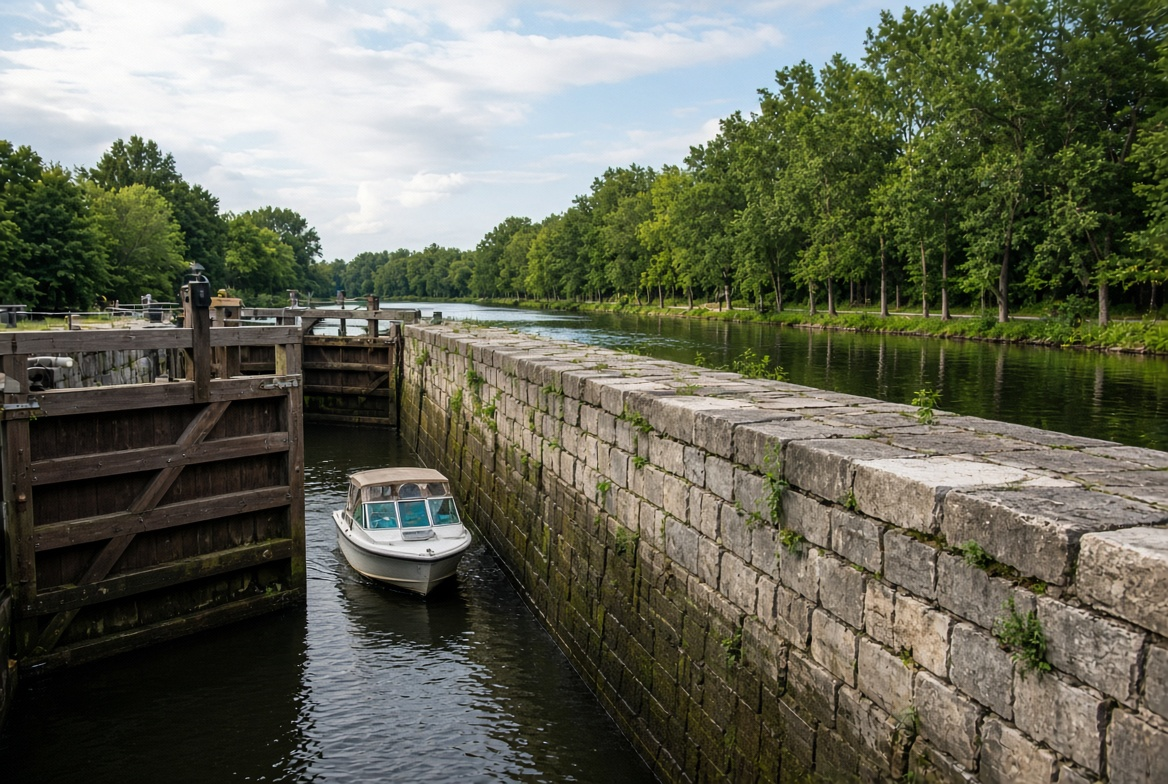
It is a waterway from Ottawa to Kingston, opened in 1832.
It was built so boats could avoid the St Lawrence if another war came.
Colonel By ran the work. Many labourers died of disease.
It is a UNESCO site. In summer it is a boat route. In winter the Ottawa stretch is a skate way.
Locks still work by hand in places.
Queen’s Park
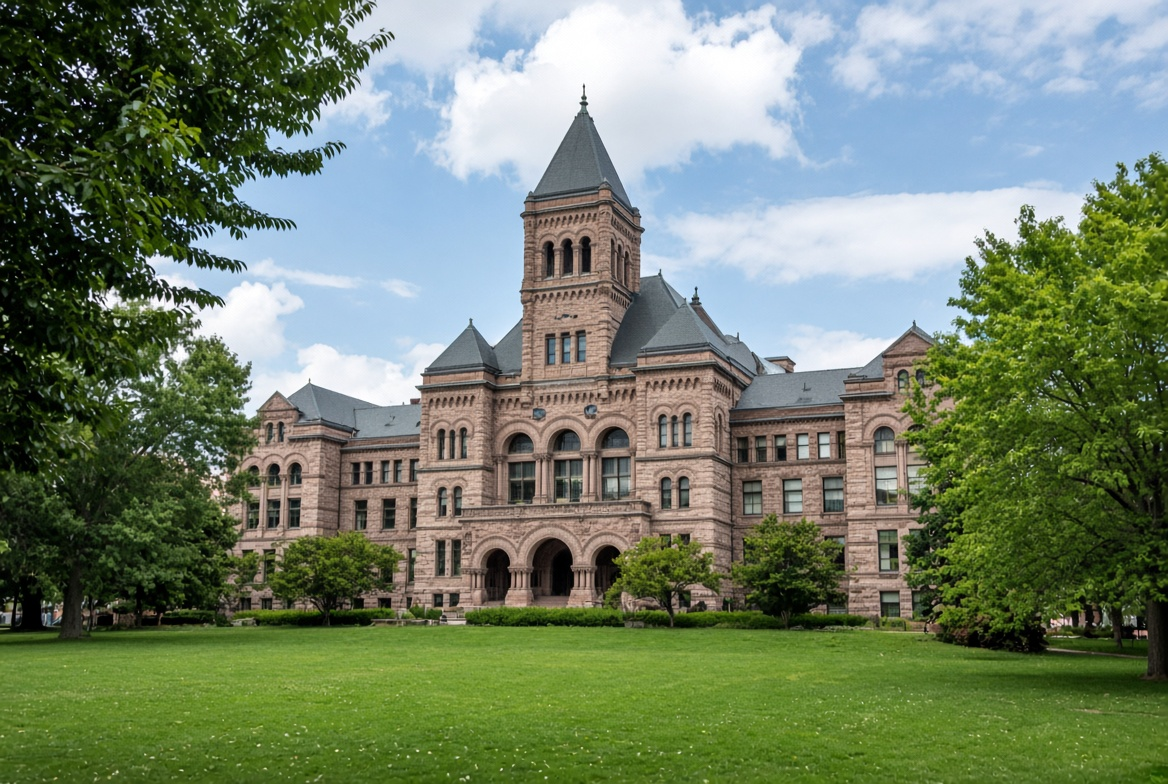
It is the Ontario legislature in Toronto, a pink sandstone pile from the 1890s.
The point is the provincial government, not the federal one.
The chamber is where the province’s laws are passed.
The park around it is older than the building.
Ottawa holds the national parliament. This one is Ontario’s.
Parliament Hill
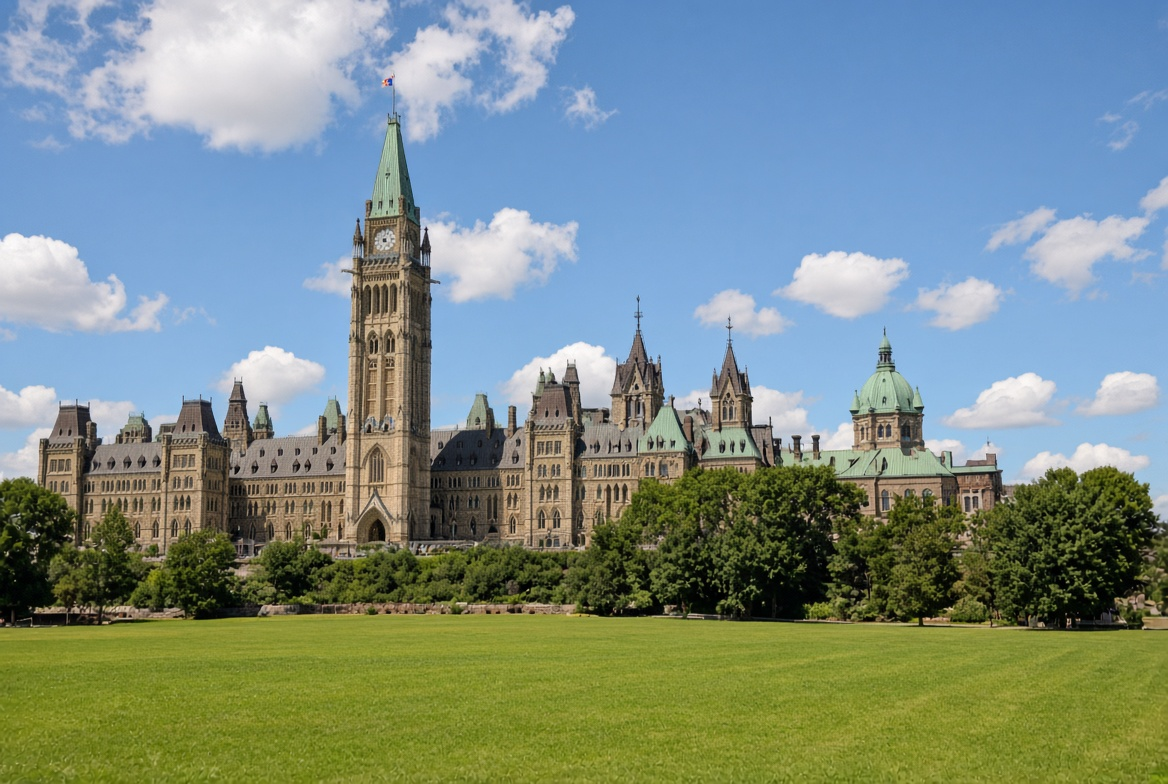
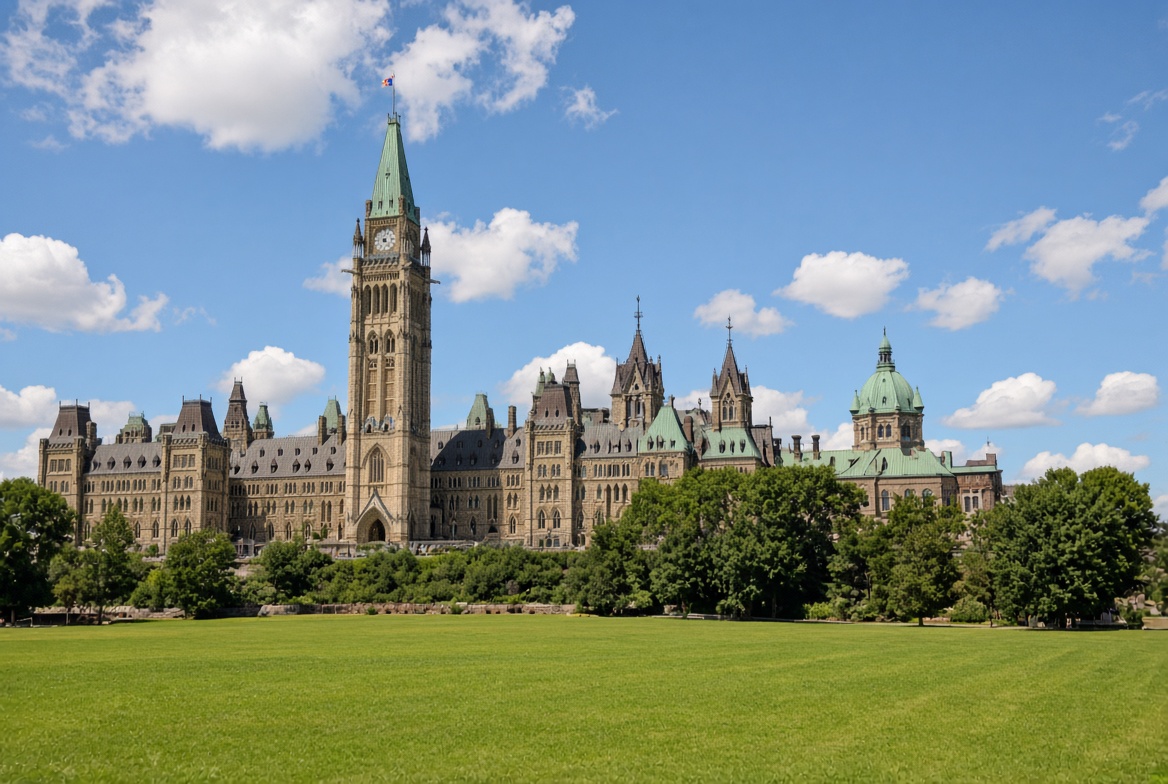
It is the federal parliament in Ottawa, rebuilt after a 1916 fire.
The point is the country, on Ontario ground.
The Peace Tower and the lawn are the public face.
A changing of the guard runs in summer.
It is a national site. The city around it is the capital.
Niagara-on-the-Lake
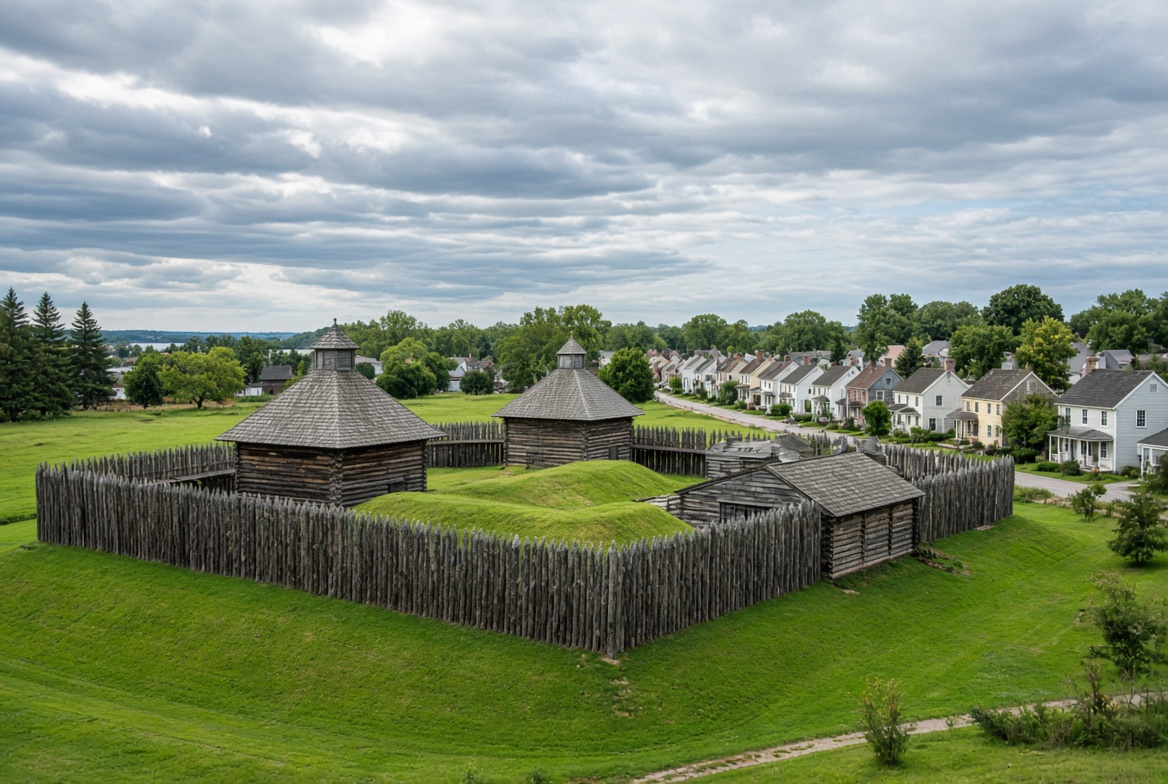
It is an old town by the river, with Fort George nearby.
It was the capital of Upper Canada for a short time. The war burned much of it.
The point is the 1812 frontier, and a street of early houses.
Fort George is the rebuilt post. The town is the living part.
Shaw Festival theatre sits here now. The fort is the history.