

Local Customs & Etiquette in French-Canada
French-Canadians, especially in Québec, are known for being warm, direct, and proud of their culture. Here’s a practical guide to help you navigate social situations respectfully:
1. Greetings
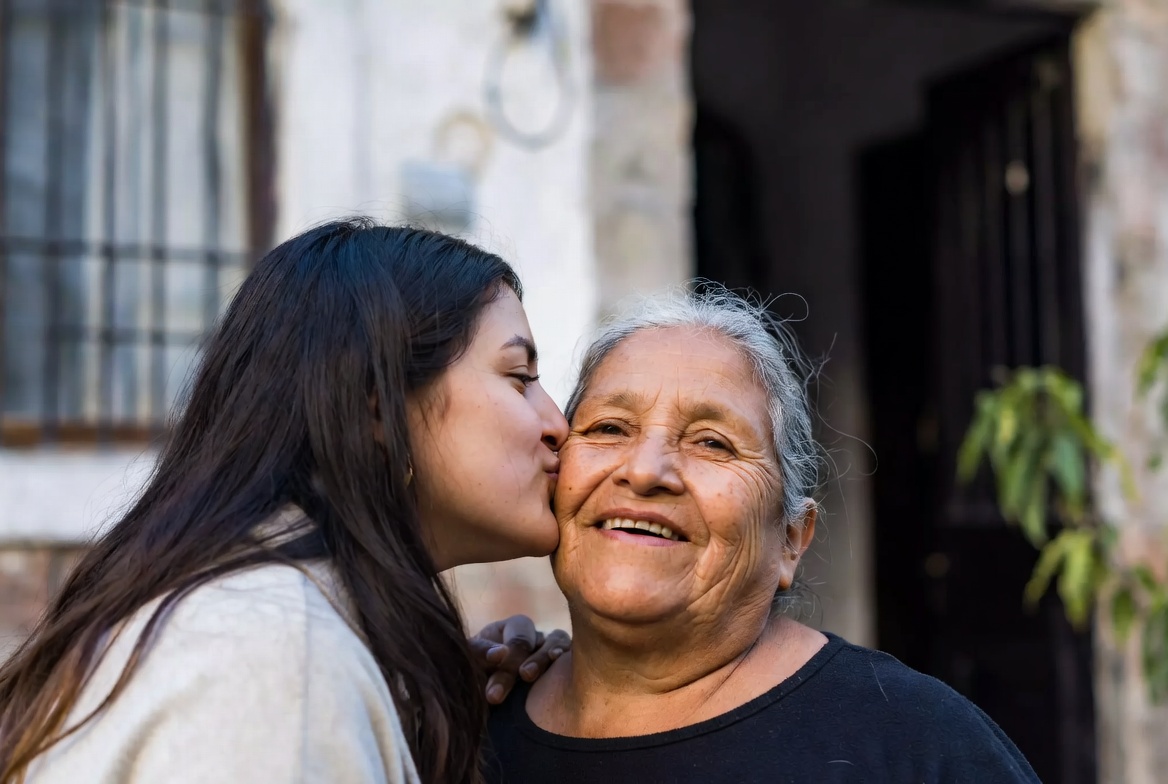
Always greet people with “Bonjour” (or “Bonsoir” in the evening) when entering a shop, restaurant, or home.
A handshake is standard for first meetings. Among friends and family, women often greet with a light kiss on one cheek (la bise), and men usually shake hands or do the same with close friends.
Use “tu” (informal “you”) with people your age or younger; use “vous” with older people or in formal settings.
2. Language & Cultural Pride

French is the official language in Québec. Making an effort to speak French (even basic phrases) is highly appreciated.
Avoid switching to English immediately unless the person does so first.
Québécois are proud of their distinct identity — it’s polite to acknowledge and show interest in their culture, history, and accent.
3. Dining & Table Manners
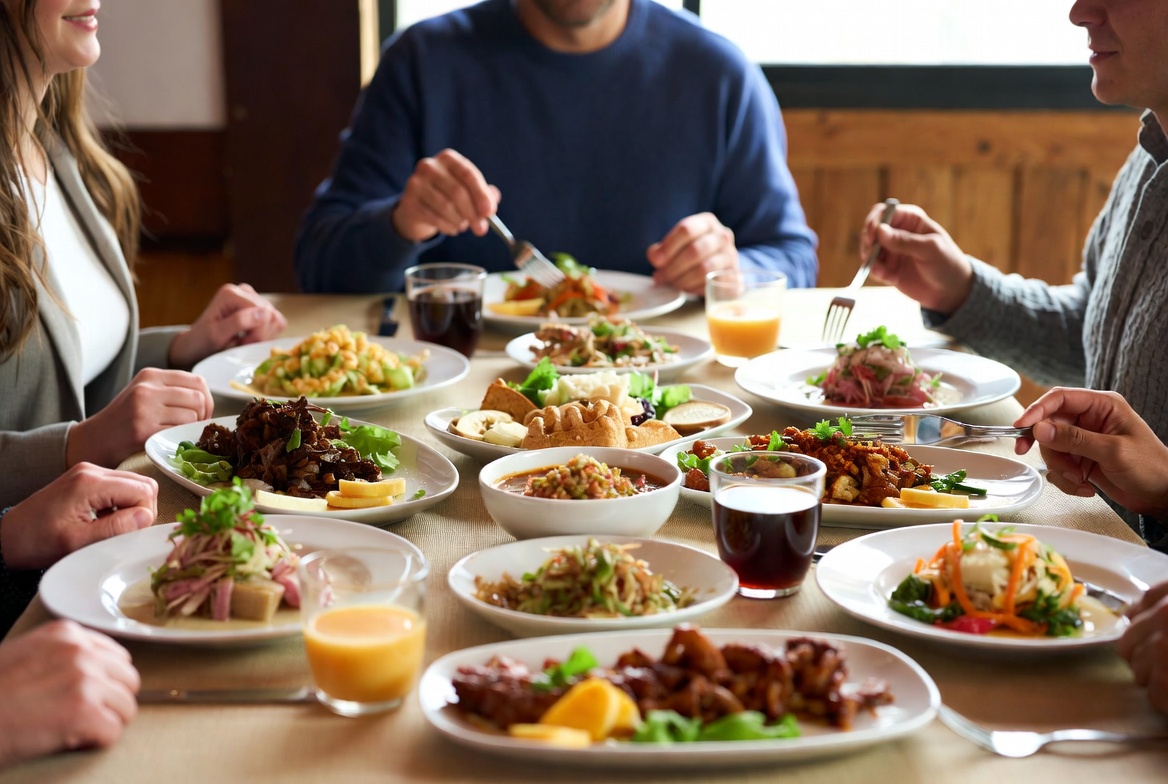
Meals are social events. Wait for everyone to be served before starting to eat.
“Bon appétit!” is commonly said before a meal.
It’s polite to finish what’s on your plate, but not required. Compliment the cook — Québécois food (Tourtière, poutine, sugar pie) is a point of pride.
At a Réveillon or family dinner, expect long, lively meals with wine, stories, and laughter.
4. Social Interactions

Québécois tend to be friendly and humorous, but they value directness. Small talk is fine, but they appreciate deeper conversations.
Punctuality is respected for business and formal events, but a 10–15 minute delay is common for casual gatherings.
Remove your shoes when entering someone’s home (a common Canadian custom).
5. Respect for Elders & Family

Elders are highly respected. Address older people politely and offer help when appropriate.
Family is central — multi-generational gatherings are very common during holidays.
6. Public Behavior
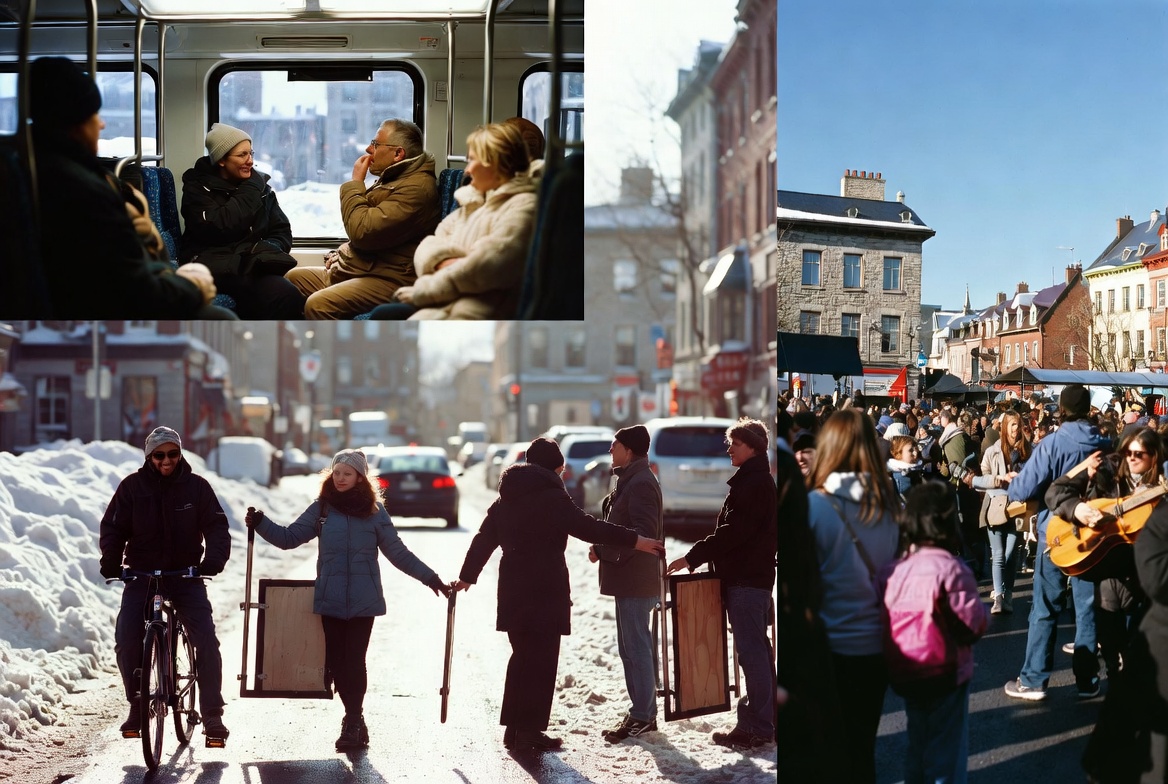
Be mindful in quiet public spaces (buses, libraries, theaters).
During festivals like Carnaval or Saint-Jean-Baptiste, joining in the fun and cheering is encouraged.
Tipping is expected in restaurants (15–20%) and for good service.
7. Everyday Politeness
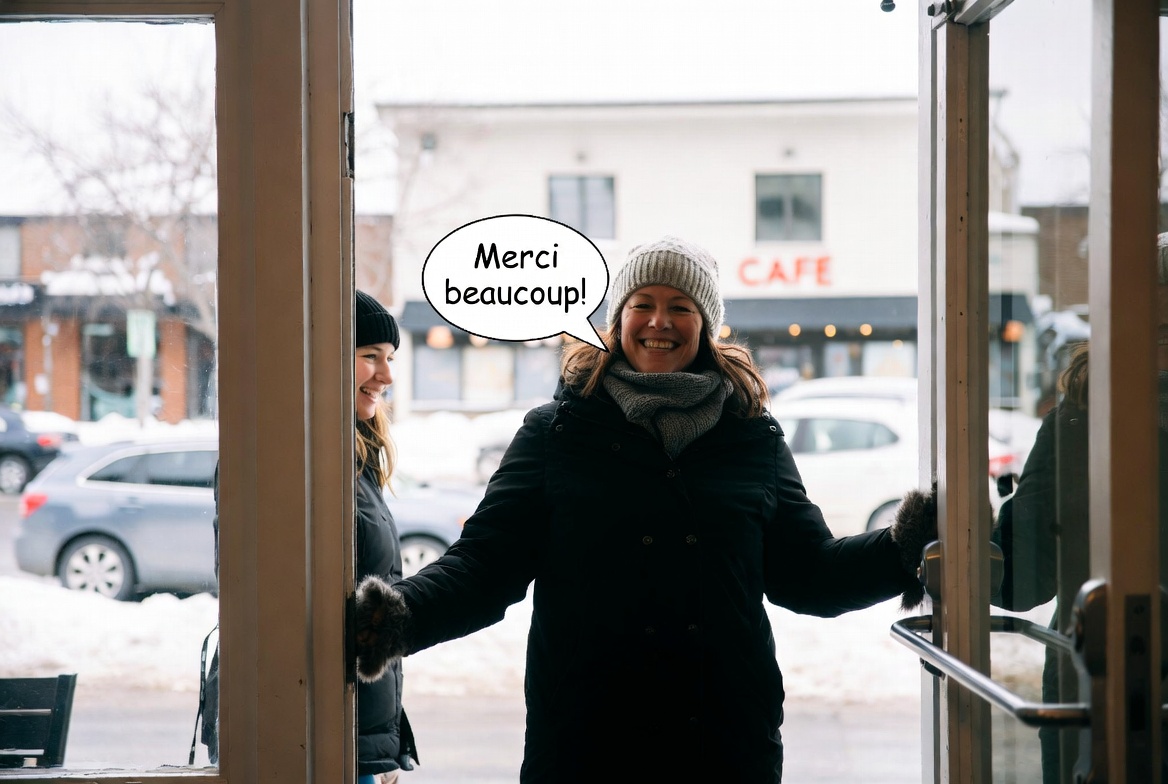
Say “Merci”, “S’il vous plaît”, and “Excusez-moi” generously.
Hold doors for others — a small but appreciated gesture.
French-Canadians value warmth, authenticity, and joie de vivre. If you’re respectful and make an effort, they are incredibly welcoming.