
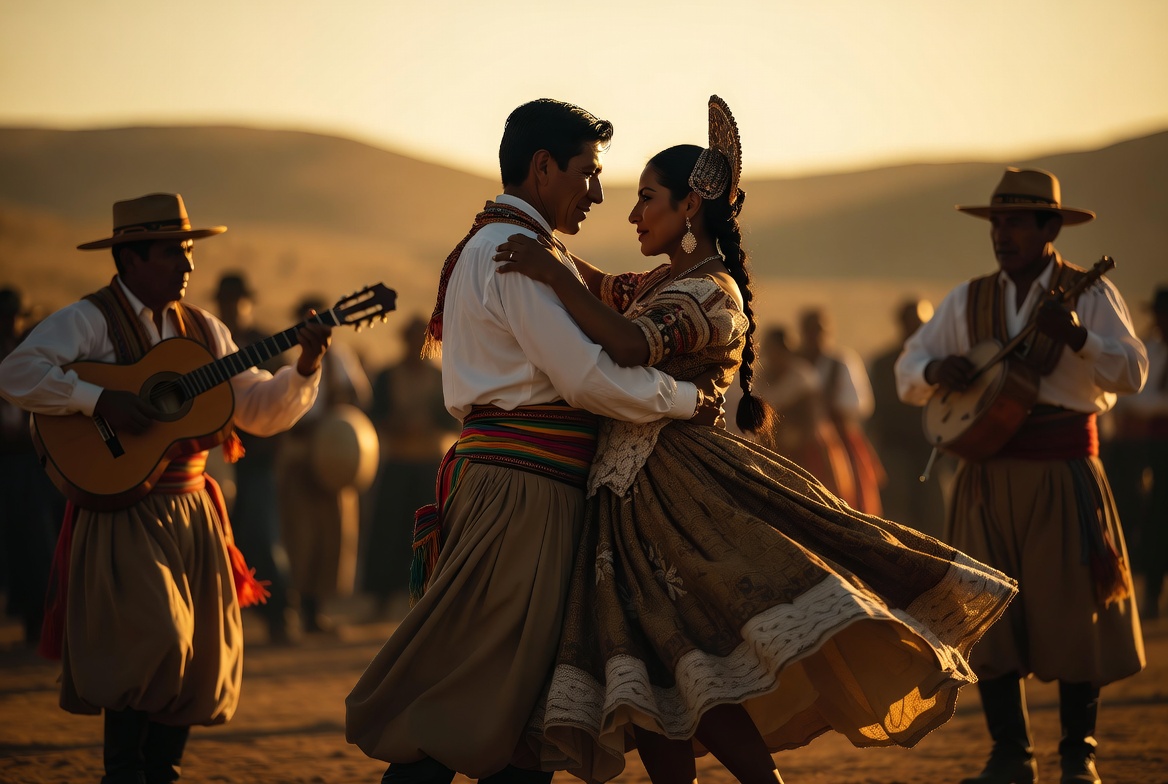
Music and Dance Styles in Peru
Peru’s music and dance scene is incredibly diverse, reflecting its Indigenous Andean, Afro-Peruvian, Spanish colonial, and modern influences. Here are some of the most important and beloved styles:
1. Marinera – The National Dance
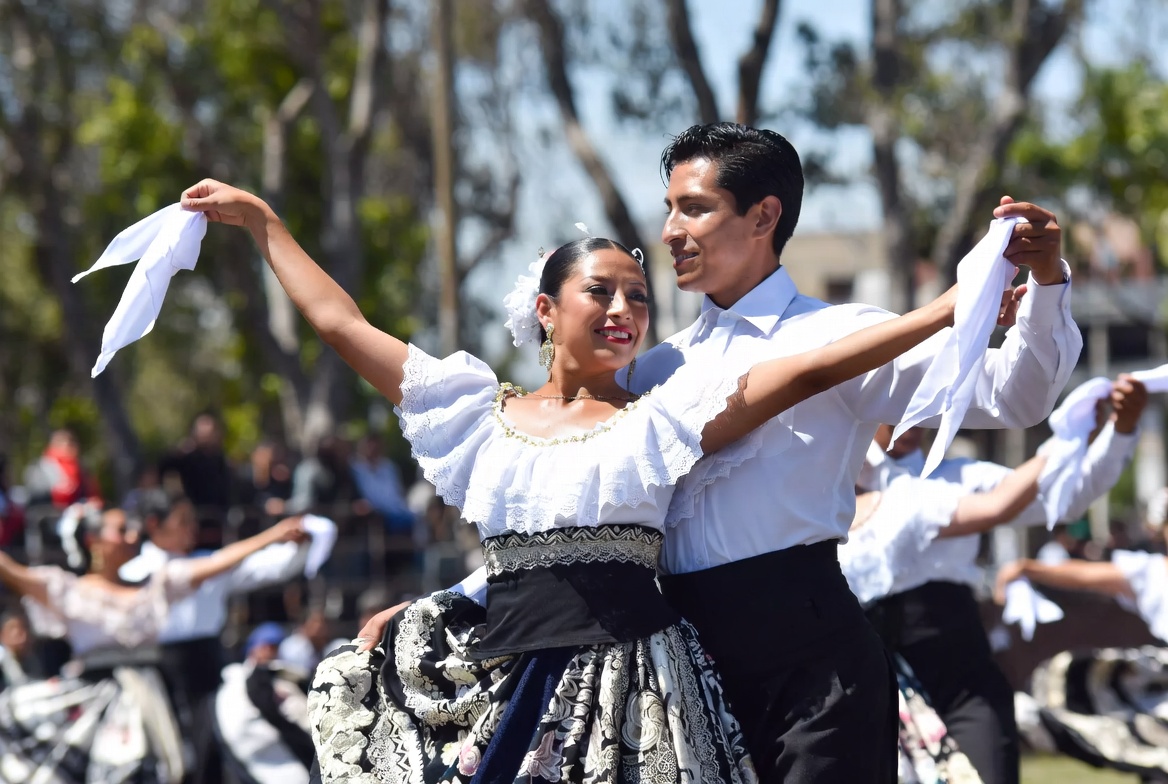
Elegant and romantic couple’s dance from the northern coast.
Features graceful movements, handkerchiefs, and flirtatious footwork.
Often performed in competitions during Fiestas Patrias. There are different regional styles (Marinera Norteña, Limeña, etc.).
2. Huayno – The Heart of the Andes
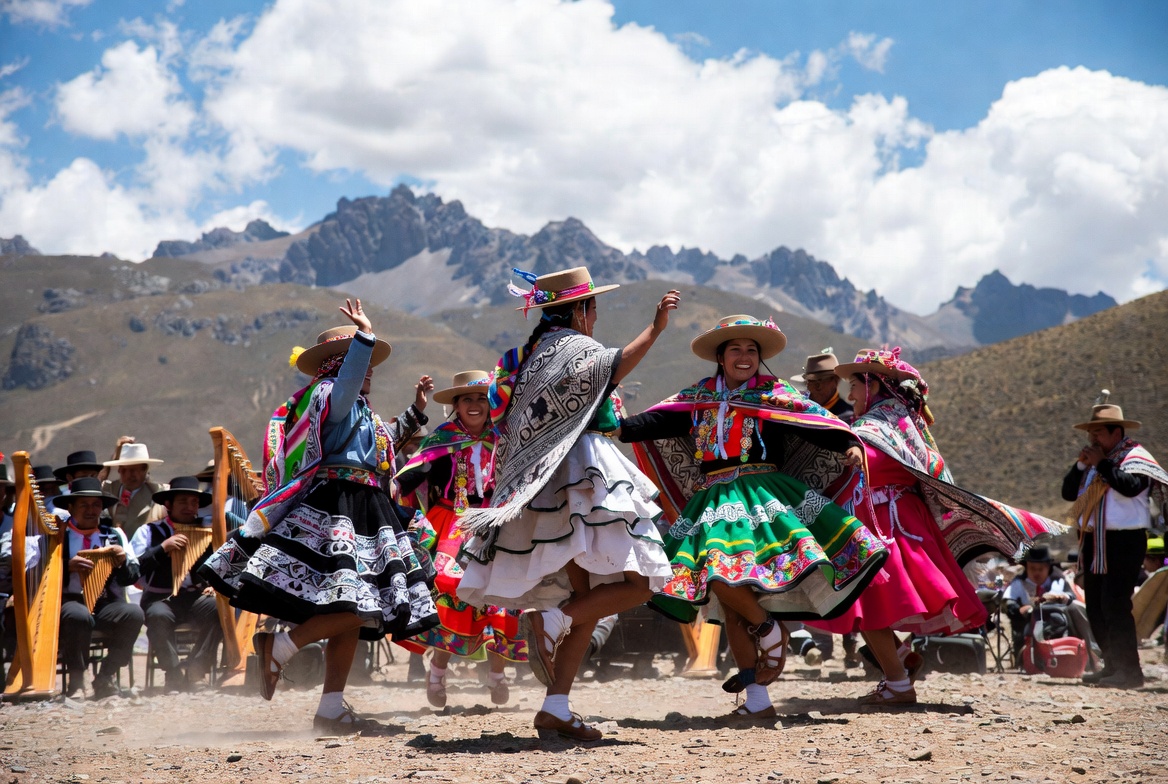
Most popular folk music and dance in the highlands (Cusco, Ayacucho, Puno).
Energetic, rhythmic, and emotional — often accompanied by harp, violin, and pan flutes.
Dancers wear colorful traditional clothing and perform in large groups at festivals.
3. Festejo – Afro-Peruvian Joy
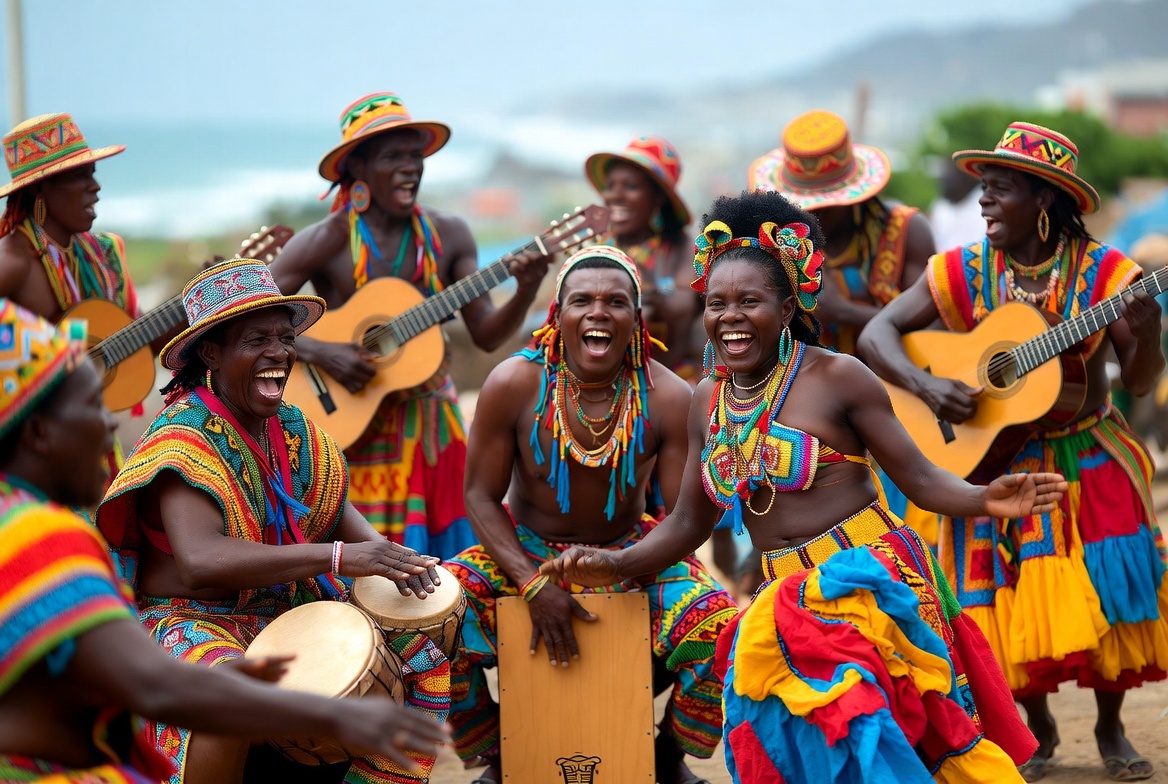
Lively, upbeat music and dance from the Afro-Peruvian community (especially Chincha and Lima).
Features cajón (box drum), guitar, and joyful call-and-response singing.
Dancers use fast footwork and express happiness and resilience.
4. Sikuri & Andean Ensemble Music
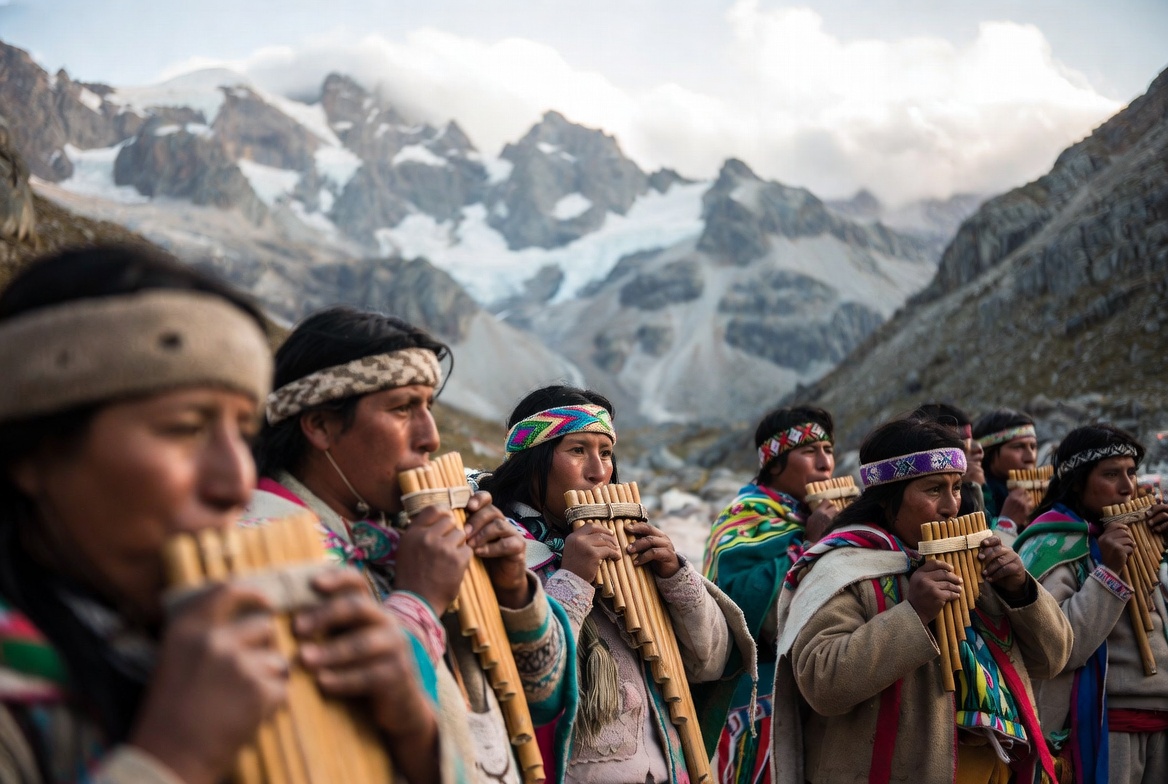
Traditional highland music featuring large pan flutes (siku) played in pairs.
Often heard during Inti Raymi and Qoyllur Rit’i pilgrimages.
Creates a powerful, haunting, communal sound.
5. Tondero – Northern Coastal Style
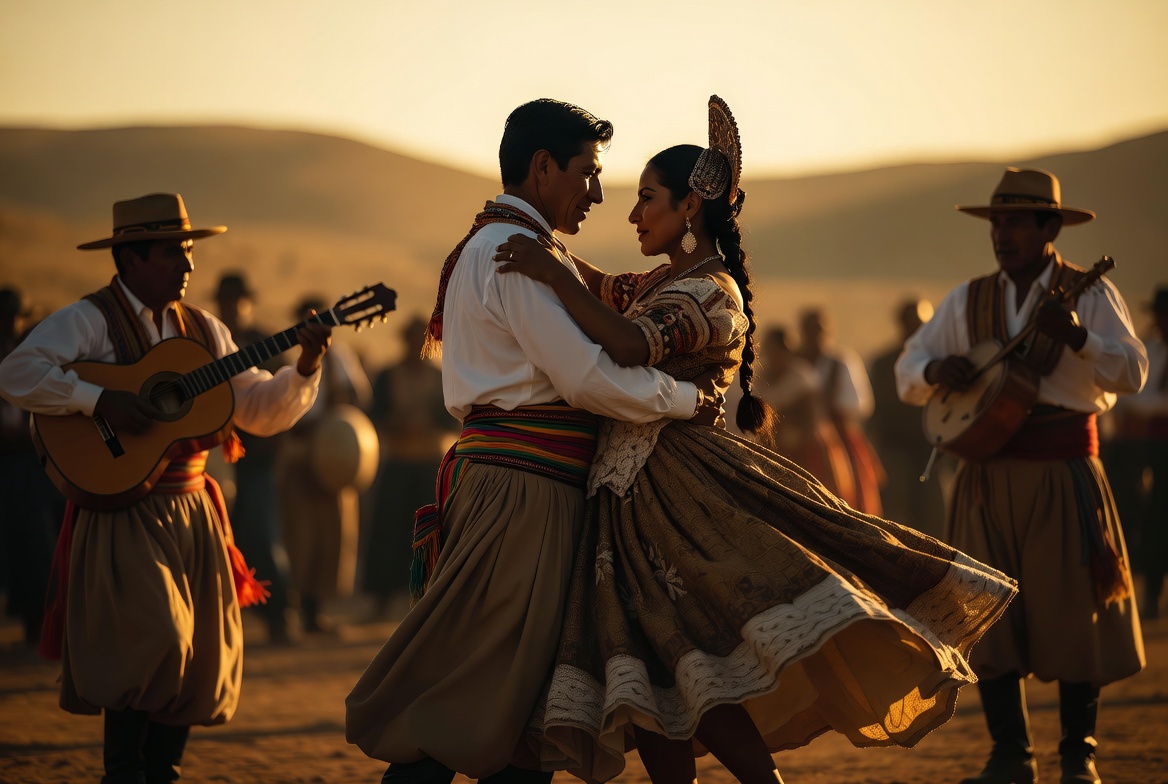
Passionate, sensual dance from northern Peru (Piura, Lambayeque).
Combines Spanish, Indigenous, and African rhythms with guitar and percussion.
6. Cumbia Peruana (Chicha)
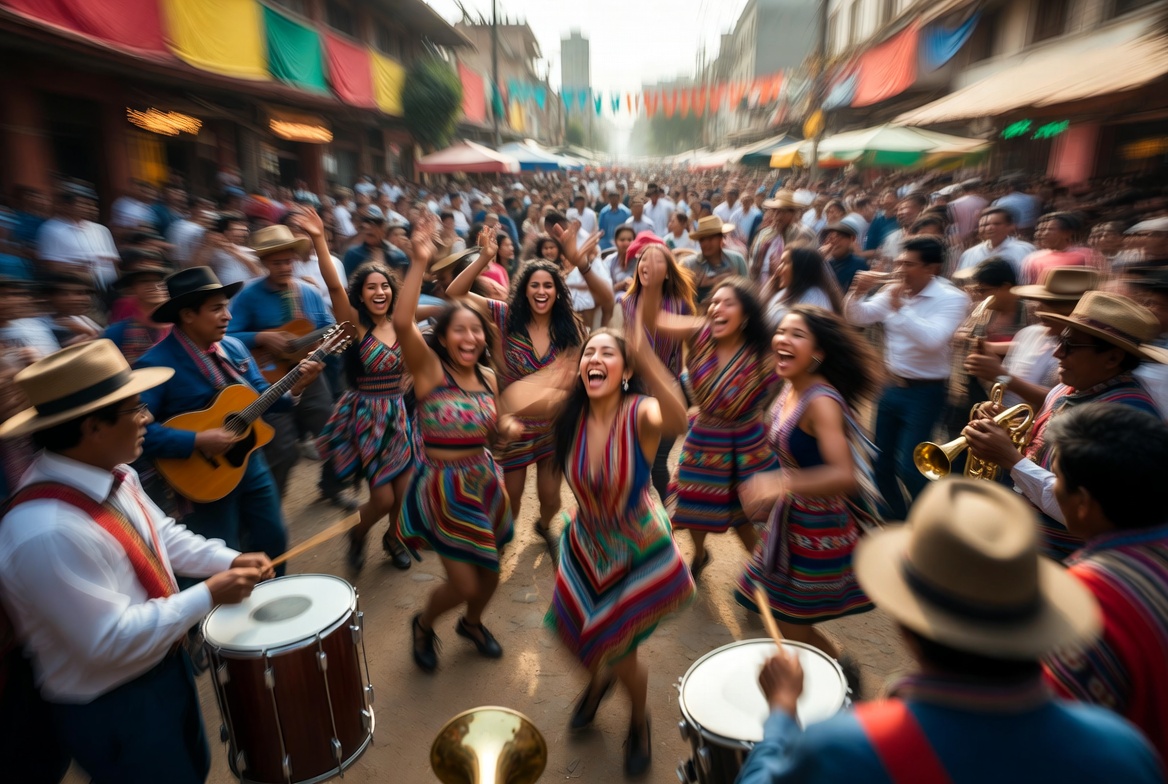
Modern fusion of Colombian cumbia with Andean huayno and rock/electronic elements.
Extremely popular across the country, especially in working-class neighborhoods.
7. Carnavalito & Danzas de la Sierra
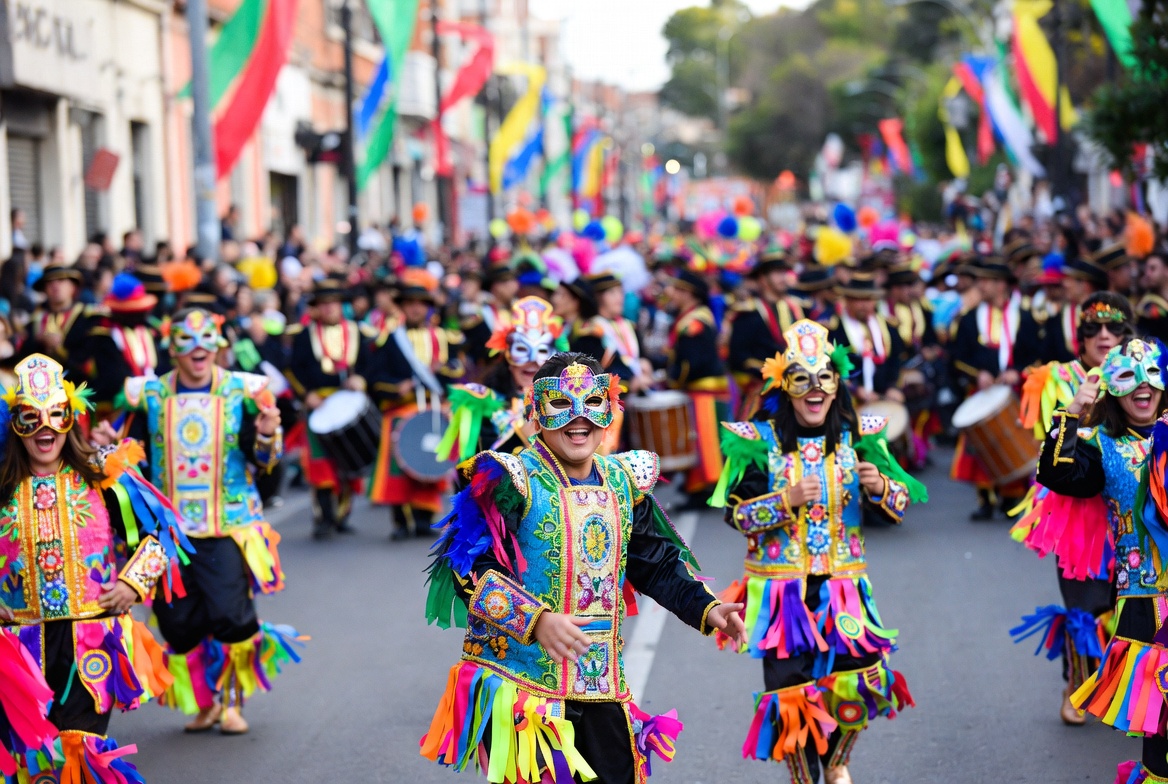
Festive group dances performed during Carnaval, featuring colorful costumes, masks, and energetic group choreography.
8. Afro-Peruvian Rhythms (Zampona, Landó)
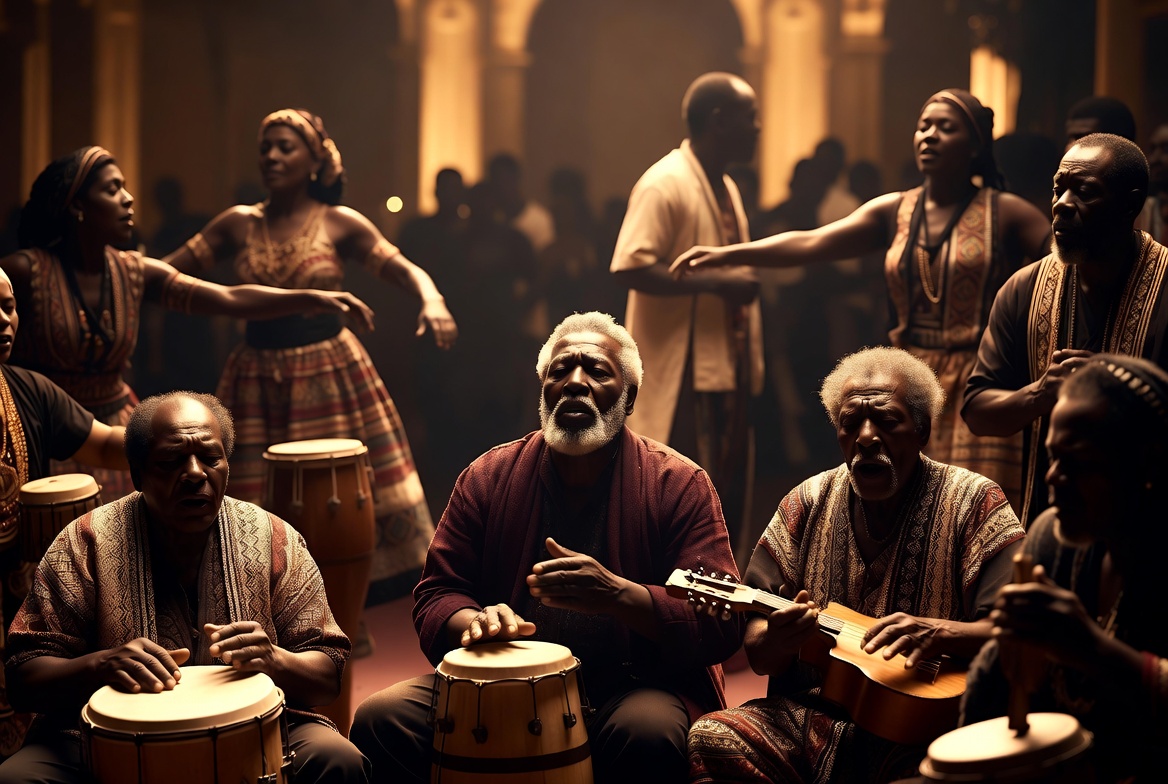
Soulful, rhythmic styles showcasing the strength of Peru’s Black heritage.
Peruvian music is deeply tied to festivals, identity, and storytelling. Whether it’s the elegance of the Marinera or the raw energy of Huayno, these styles bring communities together.