
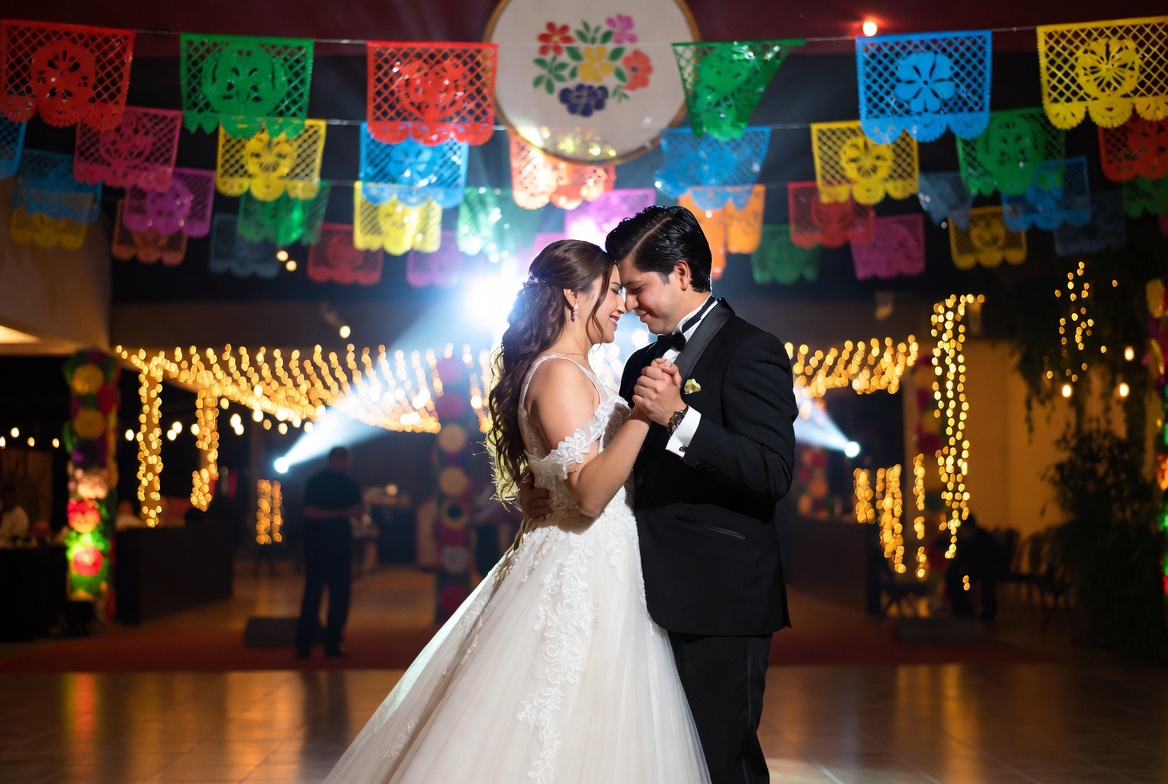
Traditional Mexican Weddings
MexicoSpanishFlorida
Mexican weddings are vibrant, family-centered, and deeply rooted in Catholic traditions blended with indigenous and Spanish influences. They are known for being joyful, elaborate, and full of symbolism.
Key Traditional Customs:
Pedida de Mano (Asking for the Bride’s Hand)
- The groom formally asks the bride’s parents for permission to marry.
- This often includes both families meeting, sometimes with godparents (padrinos).
- It’s a sign of respect and family approval.
Civil & Religious Ceremonies
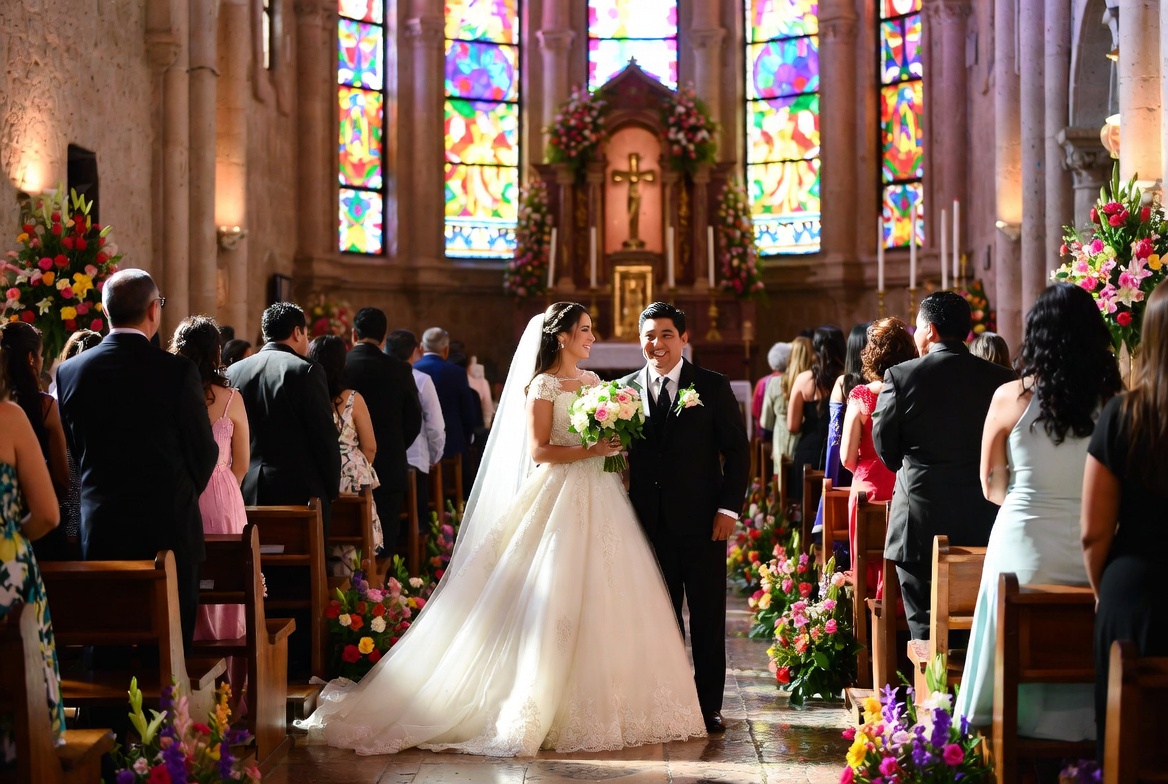 Most couples have two ceremonies: a legal civil wedding and a religious one (usually Catholic).
- The religious ceremony is the main celebration.
Padrinos & Madrinas (Godparents)
- Couples choose special godparents for different roles (e.g., padrinos de arras, padrinos de lazo).
- They help financially and spiritually with the wedding.
The Lazo (Wedding Lasso)
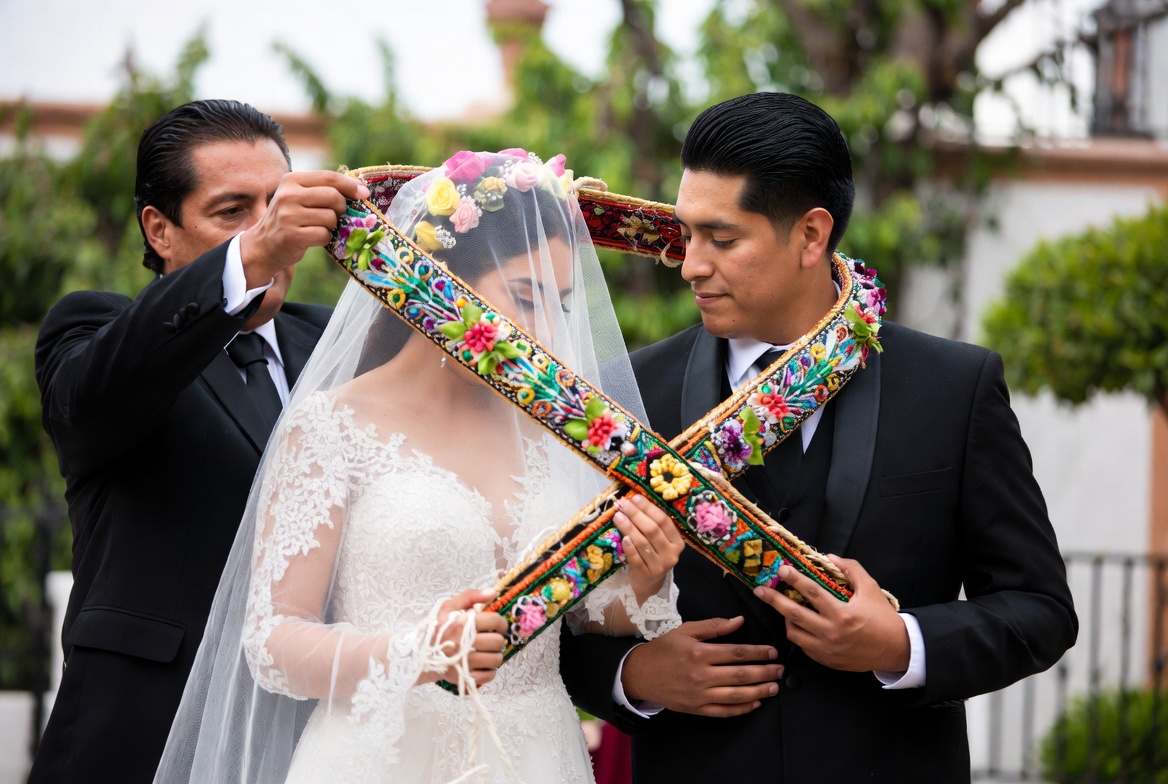 A symbolic rosary or cord is placed around the couple’s shoulders in a figure-eight shape.
- Represents eternal unity and commitment.
Las Arras (13 Coins)
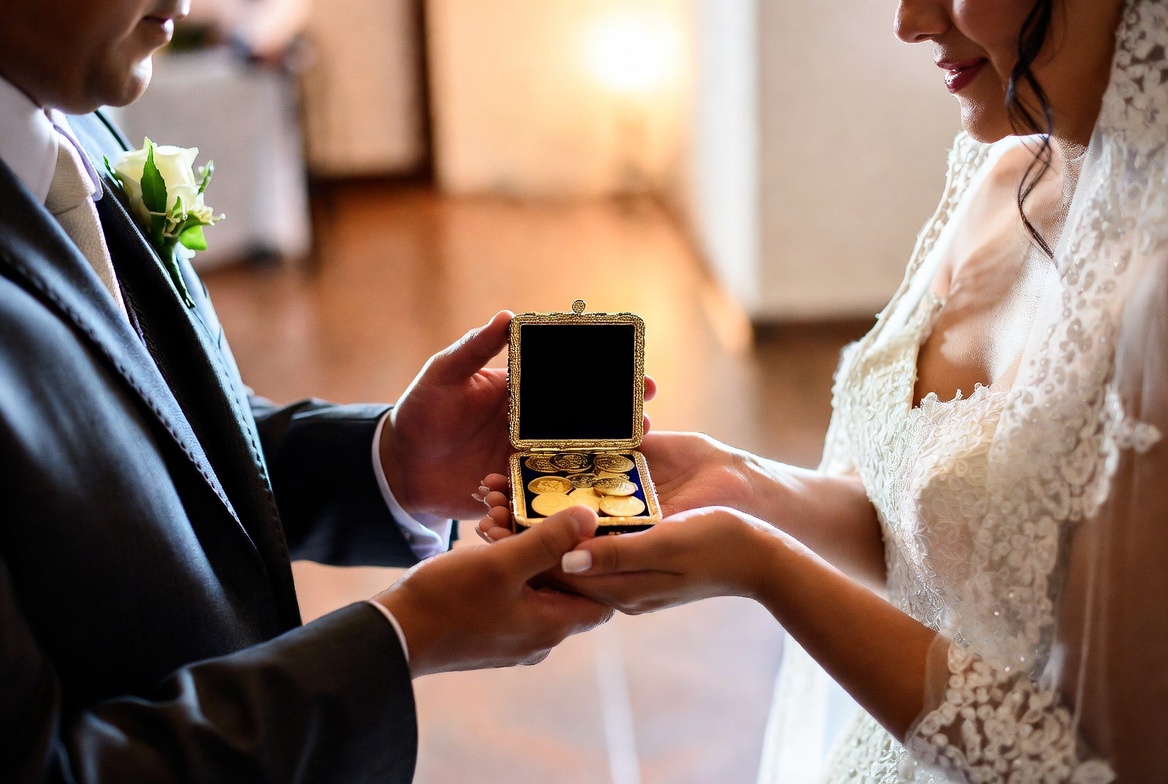 The groom gives the bride 13 coins as a symbol of his promise to provide for her and their future family.
El Beso (The Kiss)
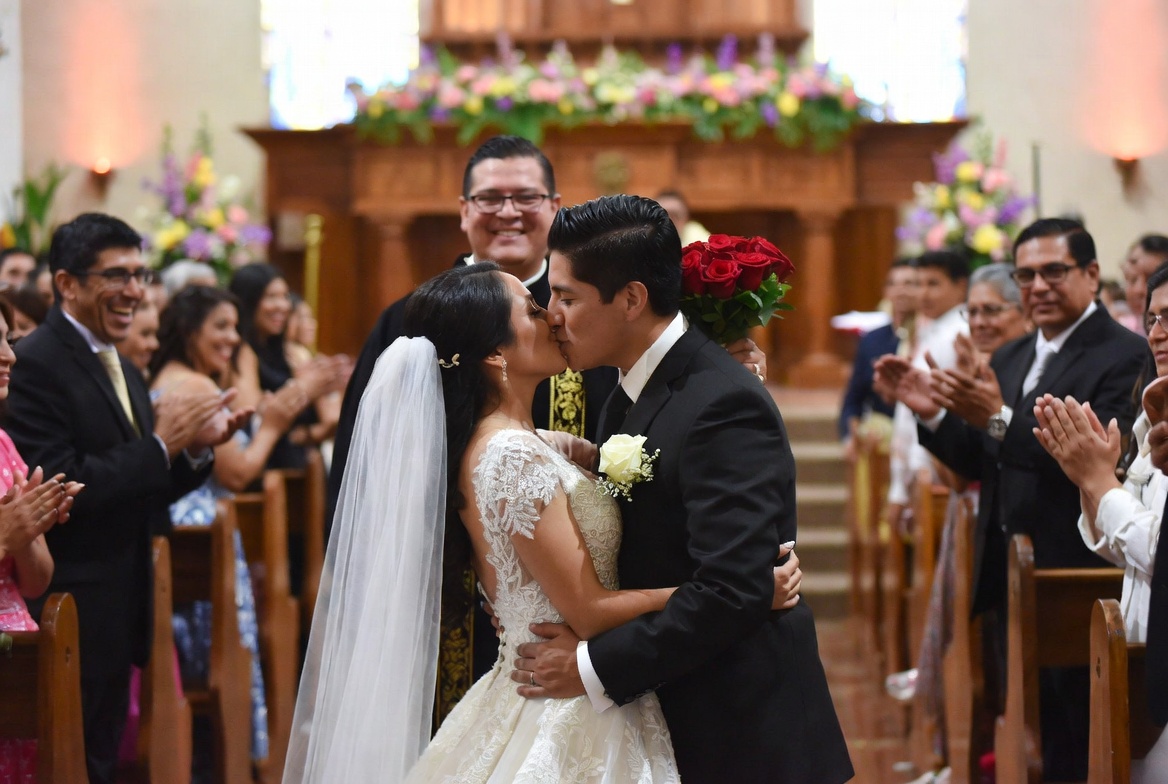 At the end of the ceremony, the priest or officiant invites the couple to kiss, often met with cheers.
Mariachi & Music
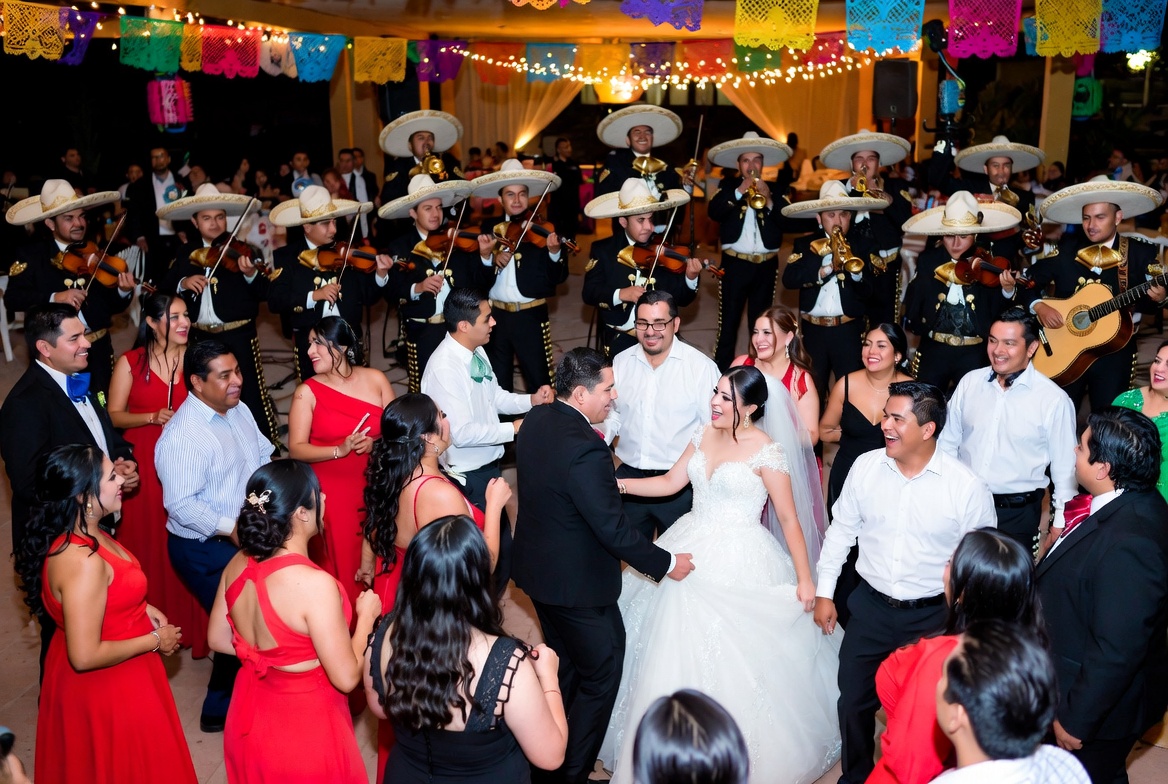 Live mariachi bands are very common, playing romantic songs during the reception.
Reception Traditions
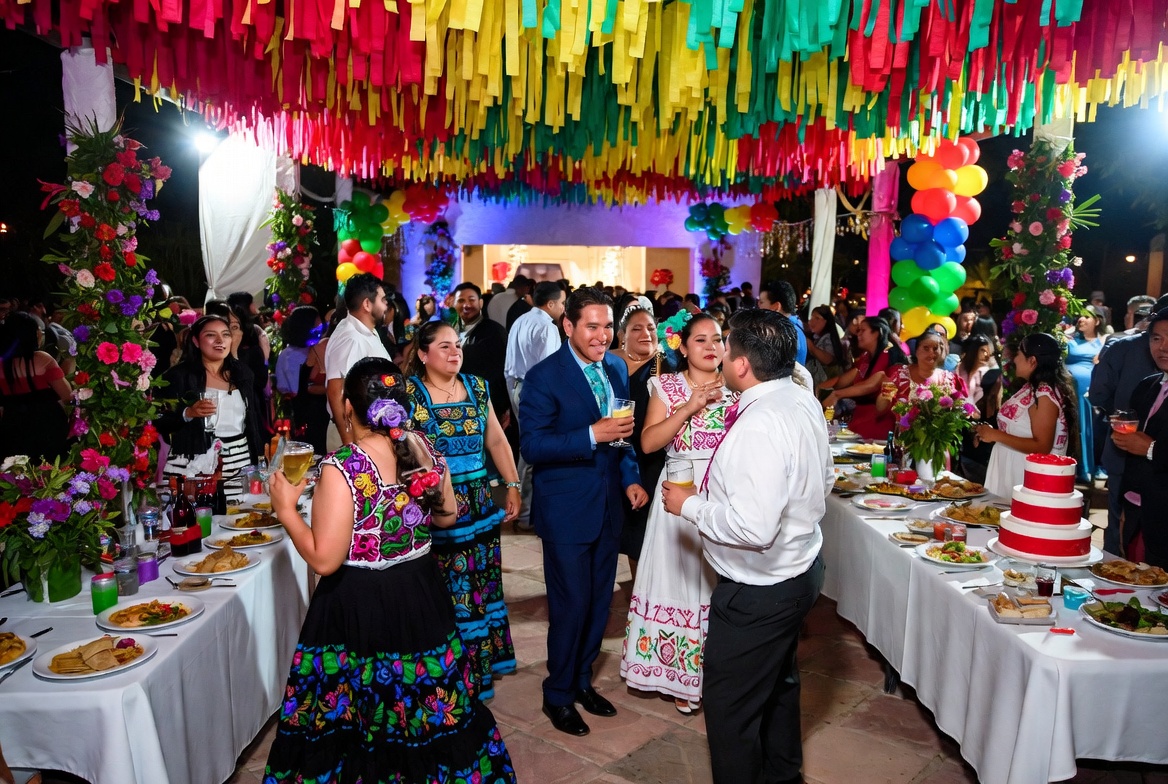 El Baile de los Novios – First dance.
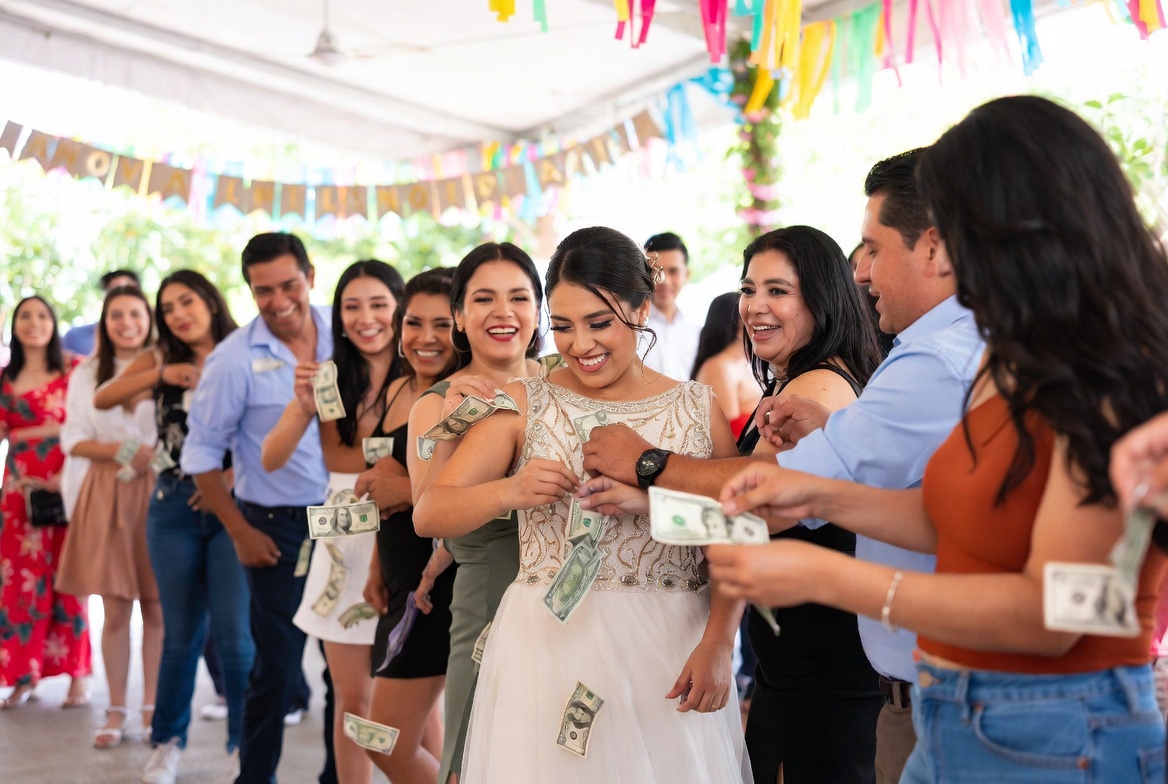
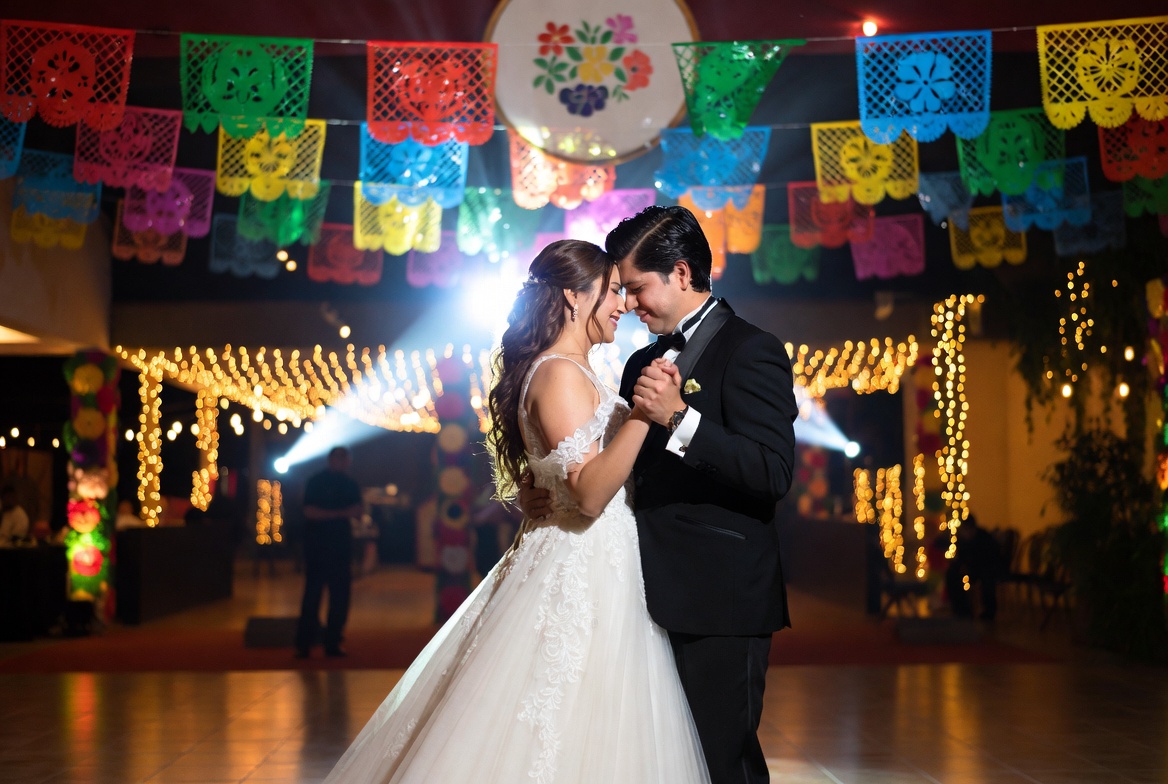 La Marcha – Traditional dollar dance where guests pay to dance with the bride or groom.
 Food & Cake
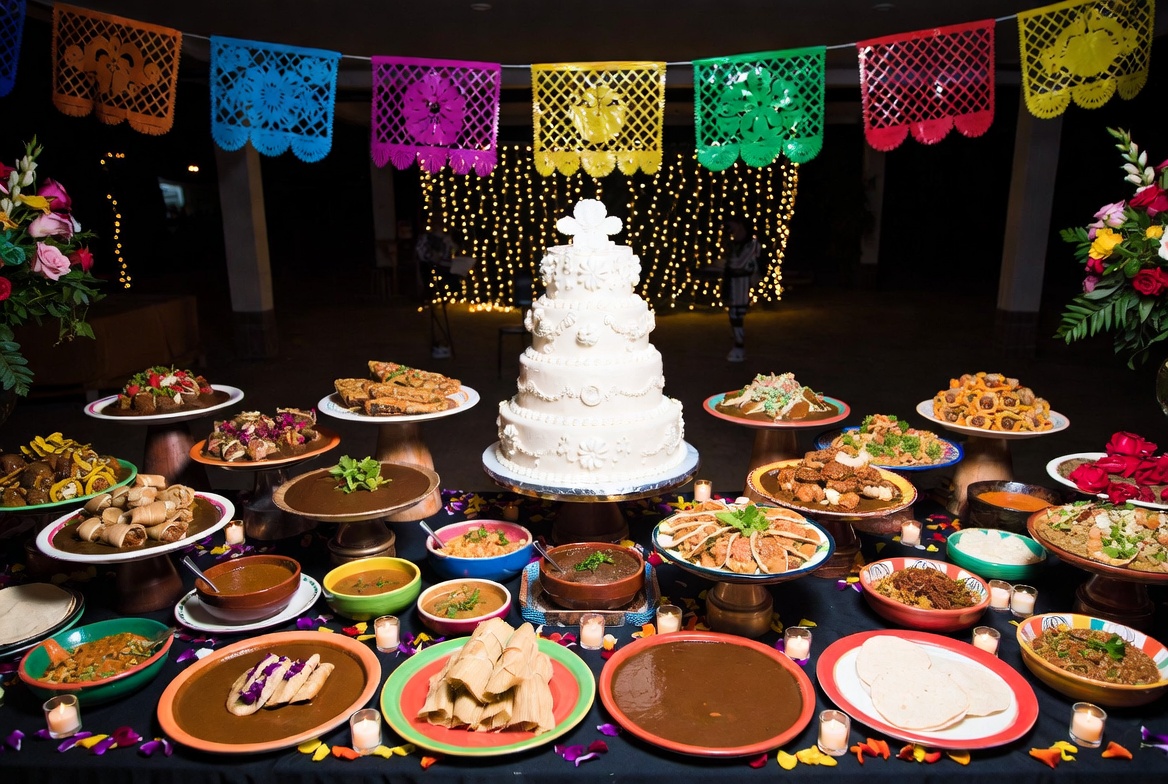 Traditional Mexican dishes like mole, tamales, barbacoa, or carnitas.
- Lots of dancing, tequila, and a late-night feast.
- The wedding cake is often multi-tiered and shared with guests.
Cultural Symbols
- Use of sombreros, colorful flowers, and religious icons.
- Strong emphasis on family, community, and faith.