
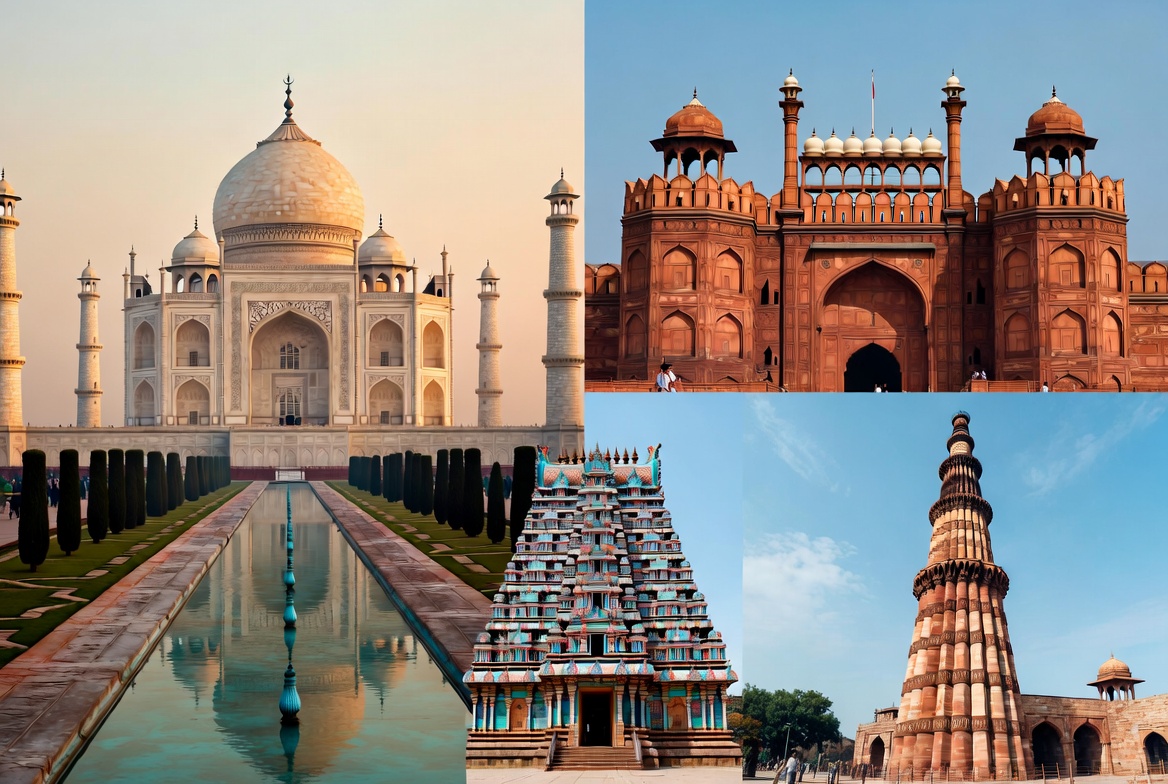
Indian Historical Landmarks & Significance: A Tourist's Guide to Boundaries
India has 44 UNESCO World Heritage Sites spanning 5,000 years of history — from ancient cave paintings to Mughal mausoleums to Maratha sea forts . Knowing these landmarks helps tourists understand Indian pride and respect sacred boundaries.
1. Taj Mahal (Agra)
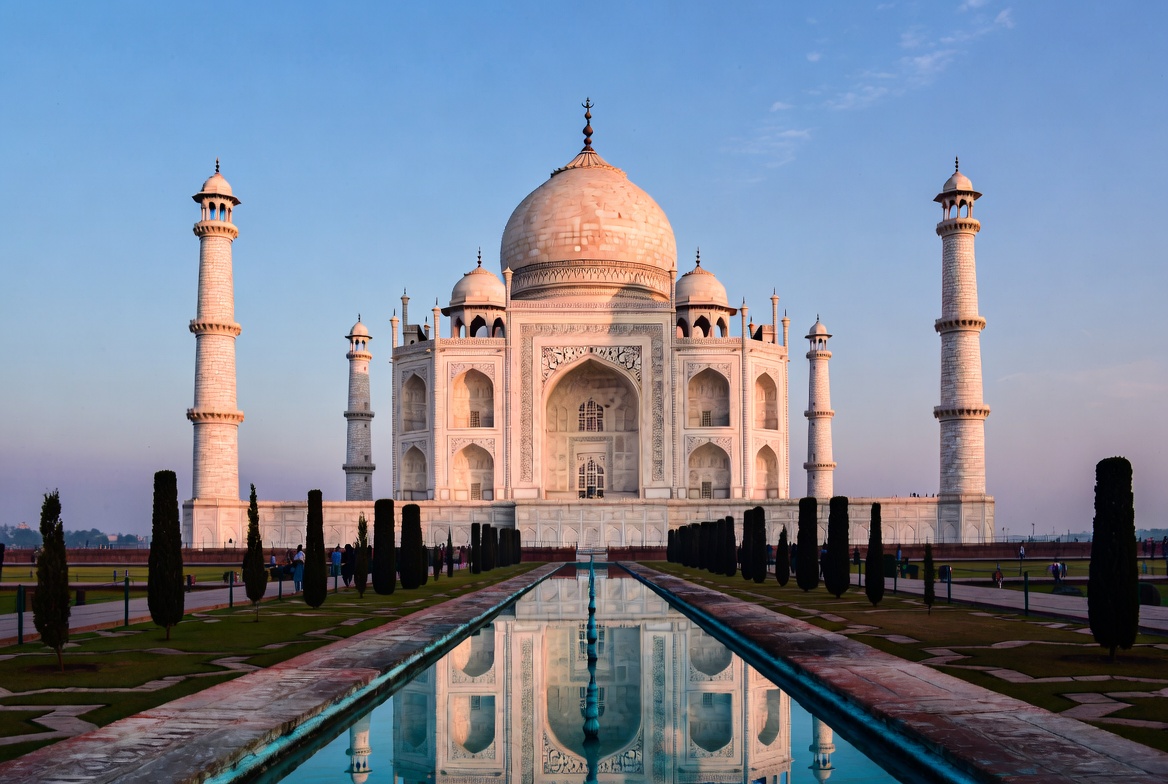
Built 1631-1653 by Mughal Emperor Shah Jahan
Tomb for his beloved wife Mumtaz Mahal (died giving birth to 14th child)
Symbol of eternal love, grief turned into beauty
White marble changes color (pinkish in morning, white at noon, golden at sunset)
20,000 workers took 22 years to build
No photos inside (main tomb chamber)
Remove shoes before entering mosque area
2. Red Fort (Lal Qila, Delhi)
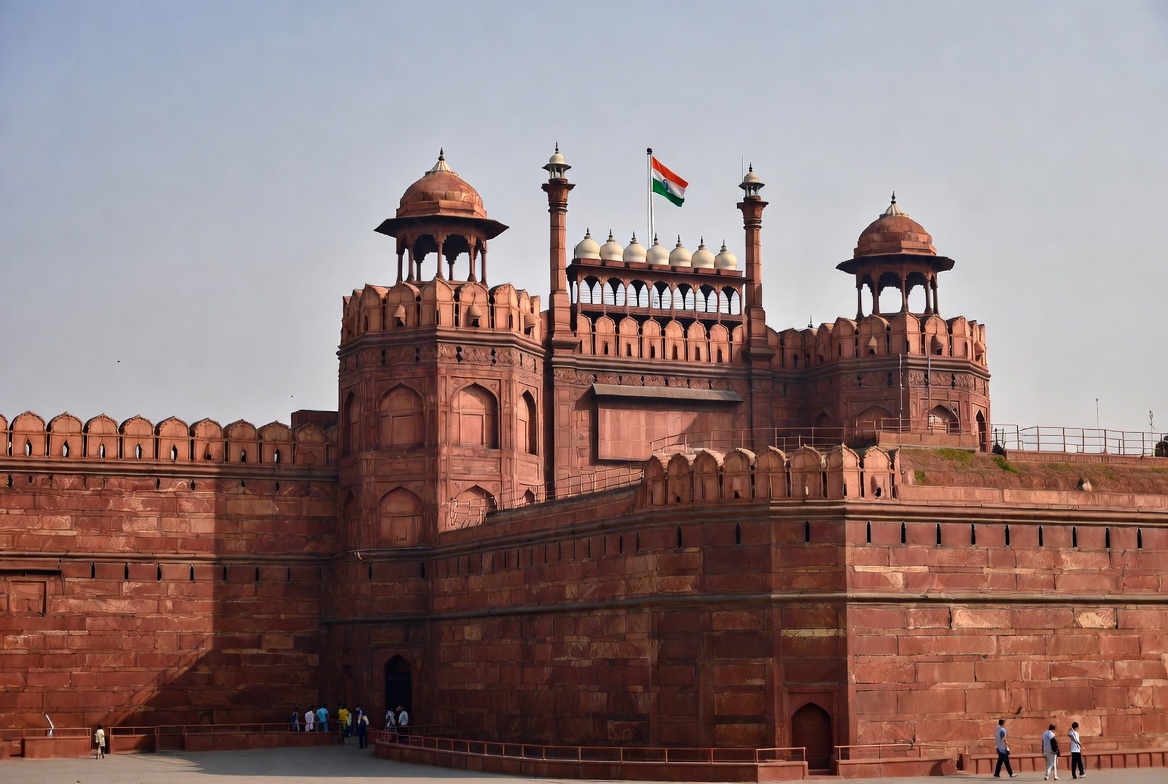
Built 1638-1648 by Mughal Emperor Shah Jahan
Served as main residence of Mughal emperors for 200 years
Red sandstone walls stretch 2.5 kilometers
Prime Minister hoists flag here every Independence Day (August 15)
UNESCO World Heritage Site
Lahore Gate faces Chandni Chowk (old Delhi)
Sound and light show every evening
3. Qutub Minar (Delhi)
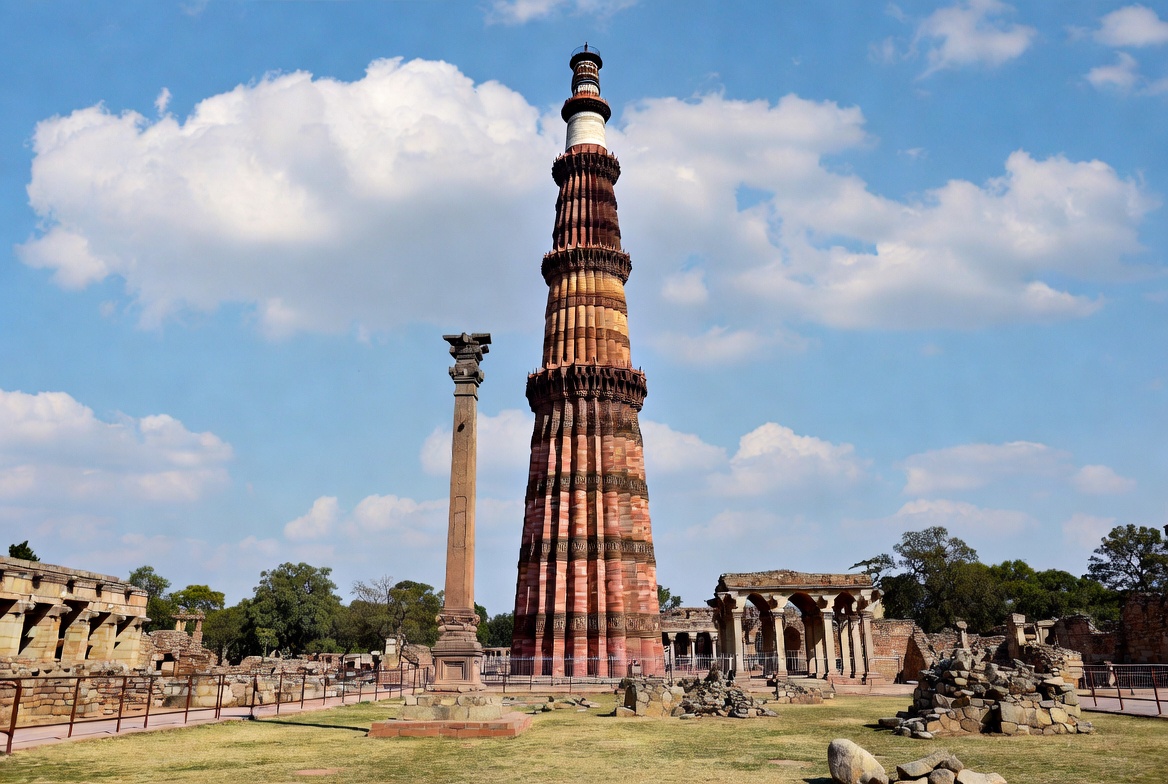
Built 1199-1220 by Qutb-ud-din Aibak (first Muslim ruler of North India)
World's tallest brick minaret (72.5 meters / 238 feet)
379 steps to the top (closed to public after accident)
Iron Pillar nearby (4th century, never rusted)
Marks beginning of Muslim rule in India
UNESCO World Heritage Site
Carved with verses from Quran and intricate floral patterns
4. India Gate (New Delhi)
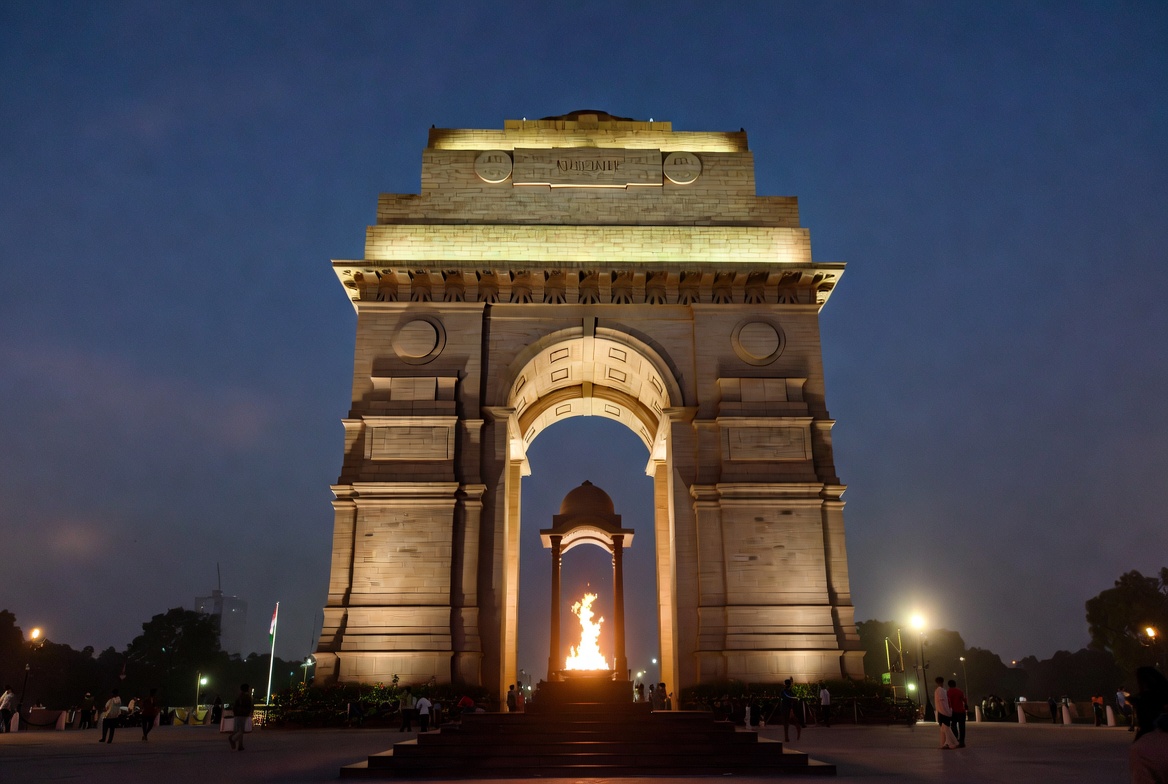
Built 1921-1931 by British (designed by Edwin Lutyens)
War memorial for 84,000 Indian soldiers who died in World War I (1914-1918) and Third Anglo-Afghan War (1919)
Names of 13,300 soldiers inscribed on walls
Eternal flame (Amar Jawan Jyoti) burns day and night for unknown soldier
Located at Rajpath (Kartavya Path) in central Delhi
No picnicking on grass (new rules after 2025)
No professional photographers inside monument area
5. Ajanta Caves (Maharashtra)
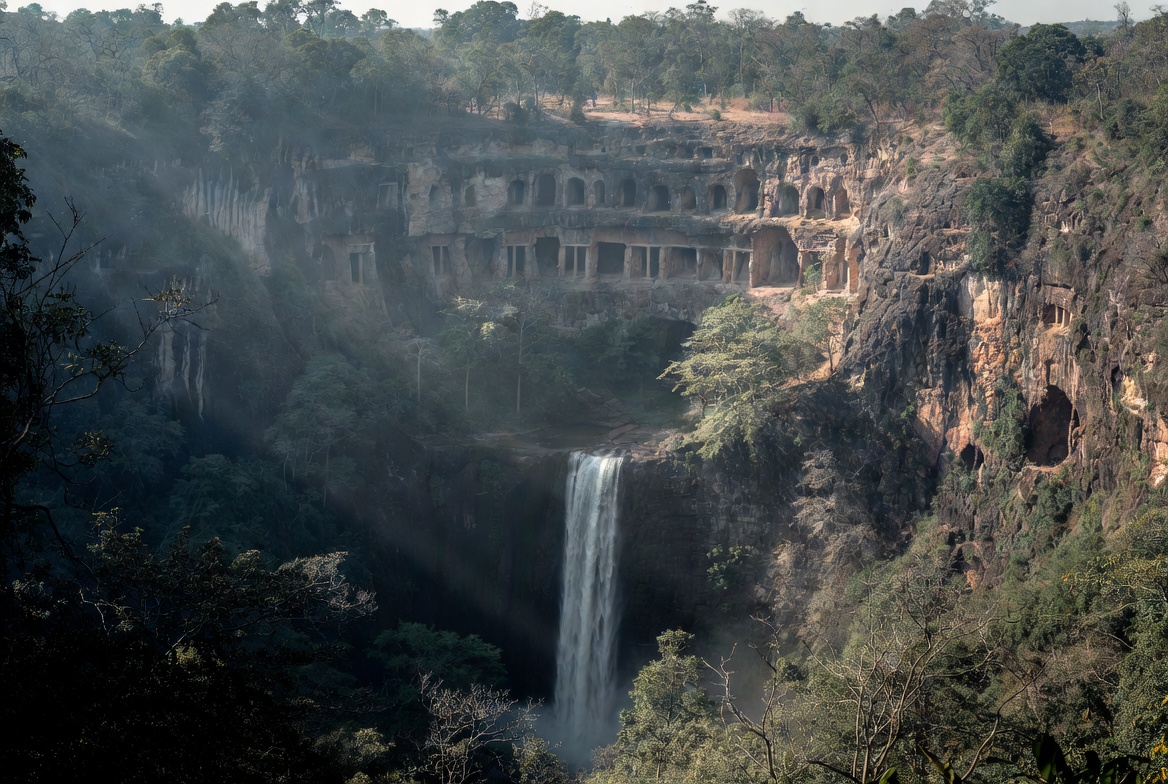
Built 2nd century BCE to 480 CE (over 600 years)
30 rock-cut Buddhist cave monuments carved into horseshoe-shaped cliff
Paintings and sculptures depict Buddha's life and Jataka tales (previous births)
Lost to jungle for 1,000+ years (rediscovered by British officer in 1819 on tiger hunt)
UNESCO World Heritage Site
No photography inside caves (flash damages ancient paintings)
6. Khajuraho Temples (Madhya Pradesh)
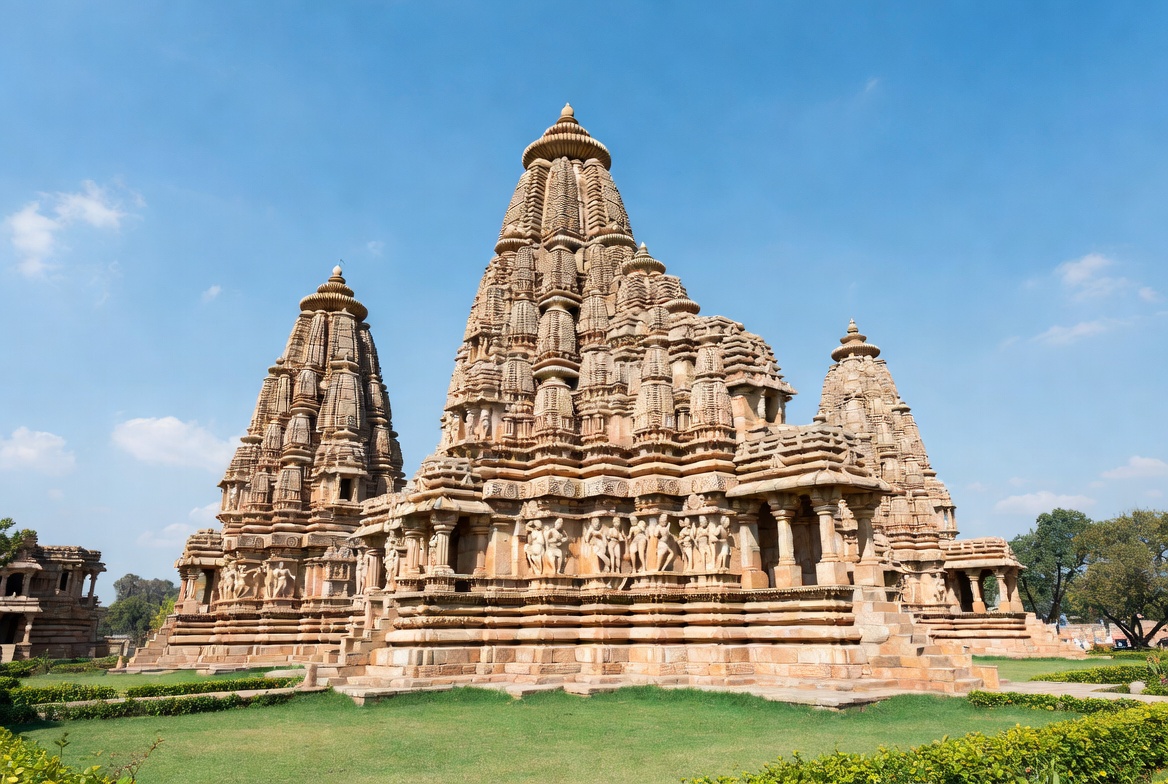
Built 950-1050 CE by Chandela dynasty
85 temples originally built, 25 survive today
Famous for erotic sculptures (only 10% of carvings, rest depict daily life, gods, animals)
Explores four human goals: dharma (duty), artha (wealth), kama (desire), moksha (salvation)
Lost to jungle for 700+ years (rediscovered by British in 1838)
UNESCO World Heritage Site
Light and sound show every evening in English and Hindi
7. Maratha Forts (Maharashtra & Tamil Nadu)
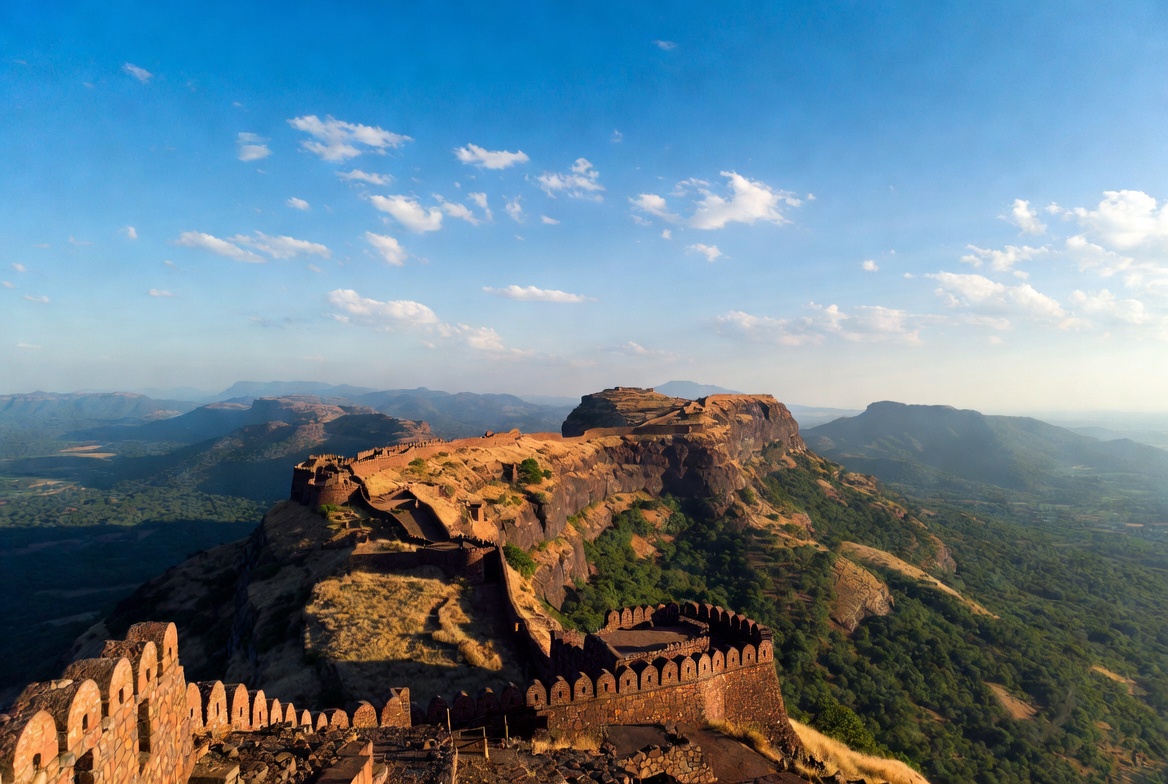
12 forts built between 17th-19th centuries
Show Maratha military strategy (used hills, forests, coastlines, islands for defense)
Shivneri: birthplace of Chhatrapati Shivaji Maharaj (founder of Maratha Empire)
Raigad: Maratha capital, where Shivaji's coronation happened (1674)
Gingee Fort (Tamil Nadu): only fort outside Maharashtra in this list, demonstrates pan-Indian Maratha influence
UNESCO World Heritage Sites (added July 2025)
Flexible defenses let smaller forces block larger armies